

I live in a world where most physical structures look the way they do for the sake of efficiency, whether that’s saving time or money for the sake of profit and productivity. But beautiful things aren’t efficient. And so many parts of the world have great examples. The ornate temples of Thailand and Myanmar. The handpainted fileteados of Argentina. The tesselations of Islamic temples.
Portugal’s azulejo tiles are iconic. I love the way that they appear on all kinds of buildings. Old churches. Humble housing complexes. There’s no requirement for the building to be of grand importance for it to get the detailed, artistic treatment. It simply needs to be important to whoever owns it or uses it, and the artist.
Diplomats vs. Cyberbullying
I have a tendency to say yes to things before I’m totally aware of what I’m getting myself into.
When my organization got an email to its inquiries account asking if somebody would conduct a workshop for our local diplomacy council, I said yes.
It was only later that I received a meticulously organized 15 page document with the biographies of a couple dozen leaders from all over the world that I realized I committed to a rather large event. On top of having a large number of high profile people, I also discovered I would be giving a workshop on social media best practices. And that the workshop would span two and a half hours.
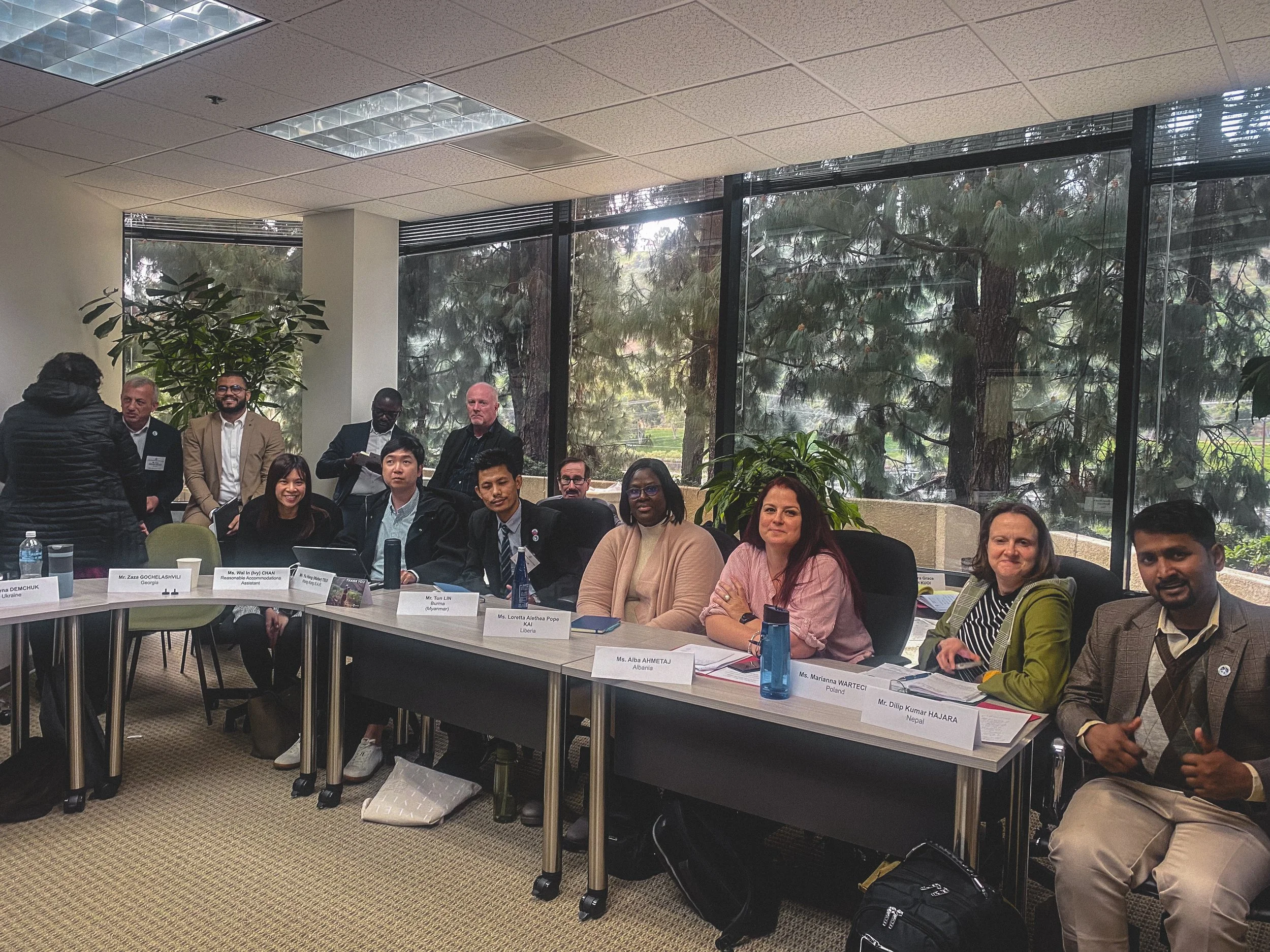
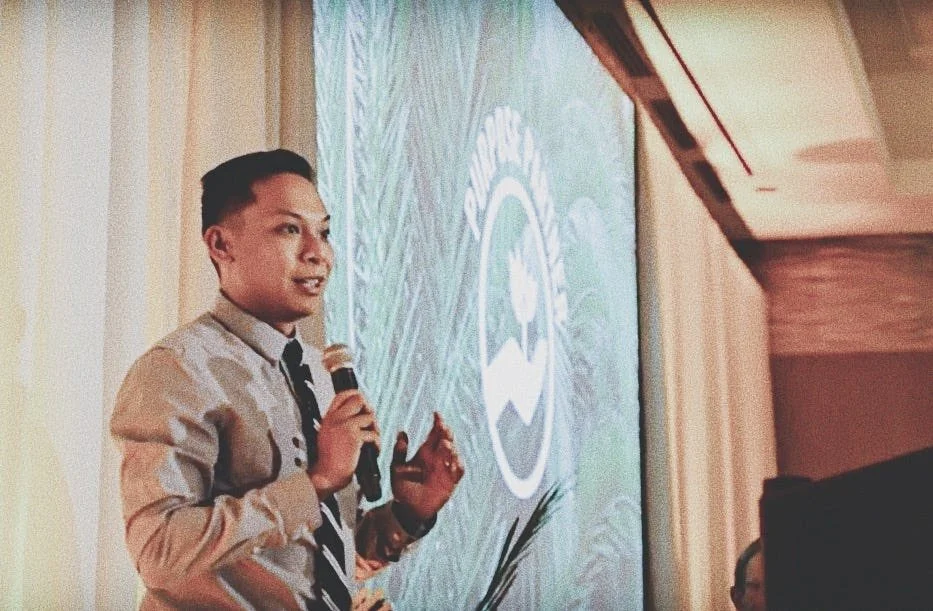
I raced ahead to the office that morning to try and get a jump start on setting up the place. Unfortunately, I wasn’t that successful at getting a jump start. Our attendees had arrived early as well. As I pulled up to the office, so too did a very large white bus. Out of the bus came a seemingly endless string of people, mostly dressed in suits and business attire, visibly from… everywhere. The mosaic of faces that came out of the bus really looked about as diverse of a group as you could ever assemble.
I welcomed the group and thanked them for coming.
“And a description of yourself?” he reminded me.
I knew this group put a strong effort towards accessibility and accommodating different needs, which is why about five of six people in the room were support persons to make things accessible. There was at least one visually impaired attendee.
“Could you tell the group what you look like?”
I realized there that this could also be a litmus test to see how delusional I was. If I went off and started saying standing before you is a tanned, athletic-built, bronze statue of a man. 6”2. Wearing an $800 fitted silk shirt, hinting at impressive upper body strength.

I resisted the temptation to embellish.
The diplomats introduced themselves, and I was impressed by the spread of countries. Botswana, Nepal, Poland, Angola, Samoa, Ukraine, Norway, Paraguay, Pakistan, India, Chile, Liberia, Egypt, Bulgaria, Georgia, Myanmar, Hong Kong, South Africa, among others.
The woman from Samoa was incredibly nice. She was working on reentry opportunities for people being released from prison. The woman from Poland worked with refugees who were staying in the country; she even brought me a thank you gift for having everybody. It was a colorful pair of socks with a design drawn by a refugee child. The guy from Pakistan was actually doing intense and important work with victims of sex trafficking and gender based violence.
Now to present to them on social media for the next couple hours.
I began my training on social media best practices. The idea came from them, but I spent years managing our organization’s account. In more recent years, we added a specialist who works a little more directly with posting and publishing, but I managed her and was still highly involved. I also had my own work as a creator.

I told people that social media management could be a full time job, and even a fully staffed department. If your team didn’t have the budget for it, or if you only had one person doing this work on top of other job responsibilities, then you probably shouldn’t compare yourself to organizations that have invested more. I shared what we were doing.
I realized that I was already 30 minutes into my presentation and most of my tips were to essentially temper their expectations. I felt like I was maybe being a de-motivational speaker. Every social-media-growth-hacking video comes out so high energy, like IF YOU’RE NOT USING THESE HOOKS, YOU’RE MISSING OUT ON GROWING YOUR PLATFORM! Meanwhile, I’m like, if it’s not for you, it’s not for you!
I also shared tips on how to take one piece of longer content and generate dozens of different posts from it, as a time-saver.
Then we got to the Q&A.
I got several good questions but it was one of the last ones that stood out to me most. The gentleman from Paraguay, who was the executive director of an environmental organization raised his hand and asked simply, “How do you deal with mean comments?”
The guy next to him from Nepal nodded along. I heard several people echo, “yes,” and the room seemed to collectively lean in. Everyone was listening extra attentively to this.
“Some people just want to watch the world burn,” expressed the man from Angola.

Wow, I thought to myself. I have this room full of dozens of diplomats… and the thing everyone wants to talk about the most is cyberbullying.
I guess it’s a problem, no matter where you live. No matter how high status you might be.
At the end of the day, despite the internet of things, we’re all just human beings trying to be loved. People who wake up hoping that a good day awaits us.
The representative from Egypt echoed his concern with a story. At a climate conference he organized, he served burgers for lunch, to the displeasure of an attendee. He was sympathetic and understood the concern, and offered falafel as a substitute. Even though he made things right in the moment, this attendee continued to pop up and berate the organization on all of their social media posts.
I’m fairly lucky in this area. I’ve grown my following to a pretty decent size while keeping the haters to a minimum, both for me personally and the organization. I think I have a few areas of privilege helping me out there, though. If I was female, I have no doubt that this would be higher.

The other day, I saw a video posted by a stranger of them making a mango horchata. This looked so good. I bookmarked it to save the recipe, intent on making it sometime. The highest visible comment was somebody arguing that she should have cooked the rice before steeping it, and all the replies to that set off debates about being really from Mexico and the right way to add rice to your horchata. The next comment was “what a waste of a perfectly good mango.” Like, if you just want to eat mango without horchata, go for it, ma’am. Nothing stopping you. But that’s not much of a recipe video. Why did you feel the need to drop by and say that?
I reminded everyone that 95% of the time it’s probably best to block and delete and move on. Your time and energy is too valuable, and is already needed elsewhere. That’s what I did in most scenarios. Sure, every now and then you actually stumble into a productive conversation that leads to better understanding. I’ve had it happen, but it’s rare, and you kinda got to develop the sense for it. Most of the time, people are posting away because it costs them nothing, and it gives them a chance to act in a way that you really can’t in the real world.
I block and delete, because the sooner you make their efforts futile, its more of their time wasted than yours.
I will admit, though, sometimes I peek at the profiles. And that almost always goes one of two ways.
One, you see an actual person. Maybe photos of them with their kids or dogs. And while their caption wasn’t them on best behavior, you start to see that maybe it came from somewhere. Maybe a stressed out human needed to let off steam. Maybe they should try pickleball instead of social media comments, but we’re all a work in progress.
Or you see a private account. Or one with three followers and no posts. This reminds me that this isn’t a person who is doing the work. Any work. This is a person- maybe a person, maybe a robot- that shows up just to be belligerent. They’re not contributing to anything in the world. Always a critic, never a creator. And that’s not somebody whose input you need to put too much stake in.
I’ll always remember the time I got to speak with dozens of diplomats from all over the world and the topic that got the most attention were mean comments on the internet. The people on the other end are simply humans trying to be loved.
Porto
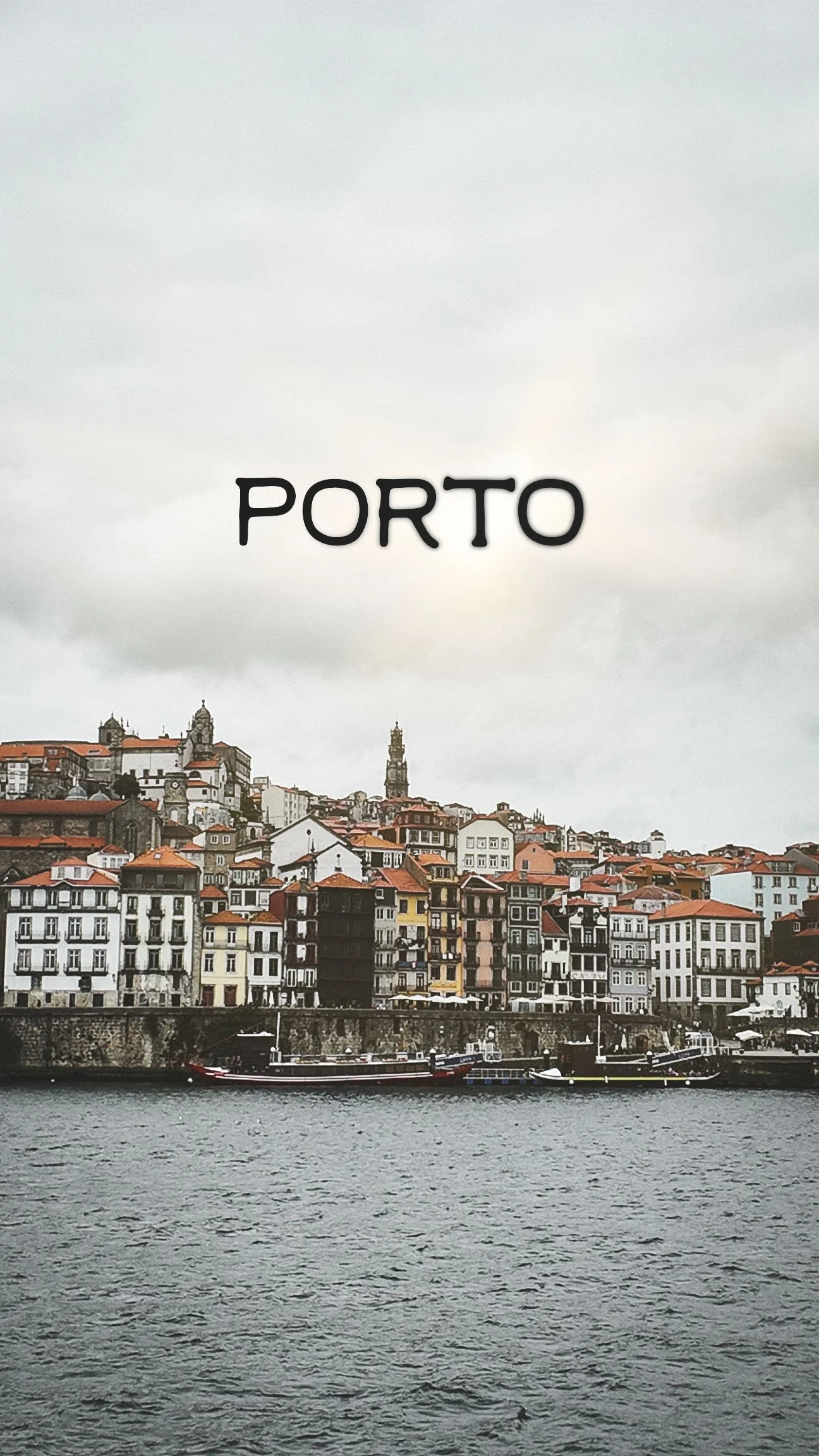
Sweet dreams of Porto. I loved sharing this adventure with my favorite people.
If you crave high blood pressure, hate pastries, and think all buildings should be bland, gray squares, then maybe give this city a pass.
Summer of Kindness


Ten years ago this month, my world was hit by twin tragedies. A vehicle collision took three lives in my community. They were finishing a tour I had gone on just two years prior. Then a mass shooting took place at my alma mater, one of the deaths being blocks from my old house, at the convenience store I went to often.
It was the worst way to kick off that summer, but in response I declared it would be a summer of kindness. Whatever that meant.
It turned out to be a summer for healing and some of the best memories of my life. I met a stranger in Korea who met the three souls. They inspired him to go there and help North Korean refugees. I was welcomed into a refugee camp in Thailand. I saw my grandma one last time at 96 years old. I introduced her to Deanna. I went to Japan and Taiwan, seemingly to end the rugged backpacker chapter of my life. I watched the World Cup final at 2AM in a Taipei market next to hostel friends from all over the planet. I saw bison in Montana up close. At the end of it all, I got engaged.
That summer started with senseless loss. And it continued to not make sense, but in other ways. Hospitality that went beyond reason. Kindness that went beyond common sense. Serendipitous encounters that were too incredible to be coincidence.
If you were in any way a part of my summer 2014, well, thank you. Thank you.
More Human Moments


In Mexico, I spent some time with Don Carlos before I interviewed him on camera. We made small talk, and joked about Taco Bell. He was a migrant worker in the US for a little bit and had the best sense of humor.
In Burundi, I spent some time with the group before our interview trying out every Kirundi phrase I knew. Somehow being a bit shameless was something they found endearing and we found a fun way to play.
In Ethiopia, our video subjects were a married couple who opened a bar. I bought a round for the “extras,” their actual customer, and took a shot of their homemade areke myself.
I’ve learned that if you want to tell a good story, you gotta tell a human story. The very best way to do that is to have a really human moment beforehand, whether that’s taking shots or talking (taco) shop.
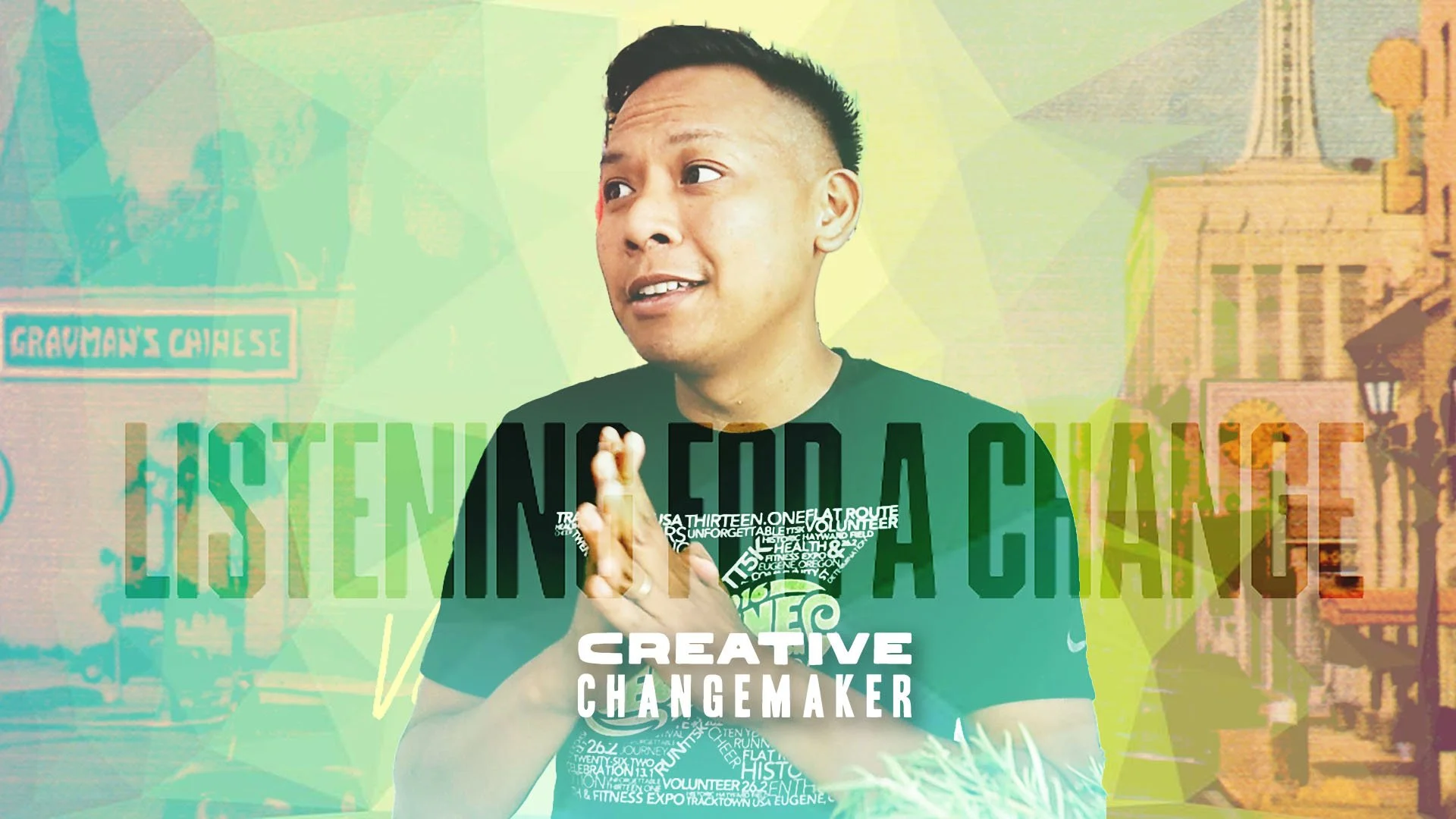
Listening for a Change
Time to start developing this crucial skill
I think that over the next ten years, the single action with perhaps the highest potential to ignite change and action will be something that’s a pretty lost art these days:
Listening.
It feels so passive, especially in contrast to speaking out, but I think whoever takes the time to master the art of listening will become a real force for change.
So much of the ongoing calls-to-action around the world are to speak up. To speak up for justice, to speak up for peace, and to reject silence. I have no problem with this, and I think I’ve seen a lot of things change in real time as a result of public pressure.
The general public sentiment towards Gaza has really moved over the past few months, though there remains a lot of work to be done.
Over the past five years, so much climate action has been driven by grassroots pressure, exerted strategically.
Speaking up is extremely important of course, and will continue to be important. But as we’ve been in an era where the possibility of a big platform always seems within arms reach, when apps are constantly asking us to broadcast our thoughts and ideas freely into the world, and where public figures are put on blast for what they ~don’t~ say just as much as what they do say, I do think that’ll start to put a premium on the other side of the coin: listening.

Already, some of the leaders who’ve gained a following more quickly did so because of their perceived ability to hear the concerns of their audience. This can be used for good or for harm, but a strong predictor of success has been how well a leader has been able to put into words the feelings and sentiments of a wider audience, and mirror it back to them. When the world feels cacophonous, the sense that something you say, think, or feel could be received by somebody brings satisfaction and relief.
If you look at any hot-button topic right now, one that tends to stir up a lot of anger in conversations, you’ll find people who don’t feel like they’ve been heard. I do tend to believe the best in people and often have to reconcile that with the reality that there are masses who support absolutely ridiculous and reprehensible things.
One of the things that’s helped me understand that a bit better is a sign that was in a middle school classroom I once taught at.
“The kids most in need of love will ask for it in the most unloving ways.”

I think that a lot of the people who have had their cries for justice long ignored will ask for it in unjust ways. In ways that bring injustice and harm towards other people.
Anger, as an emotion, is something that signals to us when our sense of justice, of right-and-wrong has been violated. So even when someone’s being angry about something ridiculous, if you dig deep enough you can often find something at the start of their anger that makes a little sense, even if it’s misguided in the broader context of the situation.
I believe that the discipline of listening can help change these situations. It can help diffuse that sense of anger. It can bring people down from their reactive state of mind into a space that’s more rational. When people have been heard, they can no longer act on the feeling of having been unheard, and can instead meet the world around them a little more evenly.
I’m not suggesting this means we should give a platform to every person with some sort of crazy rant to go on. There are already enough podcasts that seem to do that pretty effectively. In fact, I don’t think the space where we’ll recover the art of listening will be on a podcast or on stages or any of the big-public-mass-media spaces we fix so much of our attention on.
I think they’ll be happening in more personal spaces, in face-to-face conversations, and in small groups.

Part of why the art of listening has gone out of fashion has been that we’re kind of out of practice. It feels like low hanging fruit, but there’s probably a lot of truth to the culpability of social media and all kinds of technology that skew our habits more towards speaking and listening. Plus, society seems to reward those with a lot to say than those with the ears to listen.
There’s also probably the sense that listening is a passive action at best, and it can’t possibly generate any of those changes we so urgently wish to see in the world. Even recommending listening as a means of social impact feels a little bit woo-woo.
It’s easier to track the logic of so many speaking up against a certain thing that those responsible have no choice but to succumb to the pressure and leverage their positions to enact a little change.
Tracing how listening can create an impact feels less linear.
When listening feels like a lost art, however, it ends up putting a premium on those who can actively incorporate listening into their approach to creativity and activism. Having some practices to hear the voices around you, to offer space where others can feel heard, and to display responsiveness towards those voices will end up making your work far more effective.

These sound like the words of an idealist. I am an idealist. But there are so many real-world examples that vouch for this.
One of my favorite case-studies that demonstrates the impact of listening on real social issues has been the practice of deep canvasing.
An LGBT rights group went door-to-door during an election year starting conversations with voters about how they felt towards gay rights. They part of their approach was to not directly persuade anybody in any direction, but to simply ask questions. Their findings were two-fold:
When people were asked to articulate their ideas, they typically became more nuanced and flexible.
The data also revealed that this practice was one of the most effective strategies at moving people towards affirming gay rights.
One very different arena where I’ve seen listening take off has been how much more important crowd work has become in the world of standup comedy lately. Being able to communicate in two directions has become more indispensable.
Forwarded this email? Subscribe here for more
Listening for a Change
This skill will soon be one of the biggest forces for change
MAY 28
Time to start developing this crucial skill
I think that over the next ten years, the single action with perhaps the highest potential to ignite change and action will be something that’s a pretty lost art these days:
Listening.
It feels so passive, especially in contrast to speaking out, but I think whoever takes the time to master the art of listening will become a real force for change.
So much of the ongoing calls-to-action around the world are to speak up. To speak up for justice, to speak up for peace, and to reject silence. I have no problem with this, and I think I’ve seen a lot of things change in real time as a result of public pressure.
The general public sentiment towards Gaza has really moved over the past few months, though there remains a lot of work to be done.
Over the past five years, so much climate action has been driven by grassroots pressure, exerted strategically.
Speaking up is extremely important of course, and will continue to be important. But as we’ve been in an era where the possibility of a big platform always seems within arms reach, when apps are constantly asking us to broadcast our thoughts and ideas freely into the world, and where public figures are put on blast for what they ~don’t~ say just as much as what they do say, I do think that’ll start to put a premium on the other side of the coin: listening.
Already, some of the leaders who’ve gained a following more quickly did so because of their perceived ability to hear the concerns of their audience. This can be used for good or for harm, but a strong predictor of success has been how well a leader has been able to put into words the feelings and sentiments of a wider audience, and mirror it back to them. When the world feels cacophonous, the sense that something you say, think, or feel could be received by somebody brings satisfaction and relief.
If you look at any hot-button topic right now, one that tends to stir up a lot of anger in conversations, you’ll find people who don’t feel like they’ve been heard. I do tend to believe the best in people and often have to reconcile that with the reality that there are masses who support absolutely ridiculous and reprehensible things.
One of the things that’s helped me understand that a bit better is a sign that was in a middle school classroom I once taught at.
“The kids most in need of love will ask for it in the most unloving ways.”
I think that a lot of the people who have had their cries for justice long ignored will ask for it in unjust ways. In ways that bring injustice and harm towards other people.
Anger, as an emotion, is something that signals to us when our sense of justice, of right-and-wrong has been violated. So even when someone’s being angry about something ridiculous, if you dig deep enough you can often find something at the start of their anger that makes a little sense, even if it’s misguided in the broader context of the situation.
I believe that the discipline of listening can help change these situations. It can help diffuse that sense of anger. It can bring people down from their reactive state of mind into a space that’s more rational. When people have been heard, they can no longer act on the feeling of having been unheard, and can instead meet the world around them a little more evenly.
I’m not suggesting this means we should give a platform to every person with some sort of crazy rant to go on. There are already enough podcasts that seem to do that pretty effectively. In fact, I don’t think the space where we’ll recover the art of listening will be on a podcast or on stages or any of the big-public-mass-media spaces we fix so much of our attention on.
I think they’ll be happening in more personal spaces, in face-to-face conversations, and in small groups.
Part of why the art of listening has gone out of fashion has been that we’re kind of out of practice. It feels like low hanging fruit, but there’s probably a lot of truth to the culpability of social media and all kinds of technology that skew our habits more towards speaking and listening. Plus, society seems to reward those with a lot to say than those with the ears to listen.
There’s also probably the sense that listening is a passive action at best, and it can’t possibly generate any of those changes we so urgently wish to see in the world. Even recommending listening as a means of social impact feels a little bit woo-woo.
It’s easier to track the logic of so many speaking up against a certain thing that those responsible have no choice but to succumb to the pressure and leverage their positions to enact a little change.
Tracing how listening can create an impact feels less linear.
When listening feels like a lost art, however, it ends up putting a premium on those who can actively incorporate listening into their approach to creativity and activism. Having some practices to hear the voices around you, to offer space where others can feel heard, and to display responsiveness towards those voices will end up making your work far more effective.
These sound like the words of an idealist. I am an idealist. But there are so many real-world examples that vouch for this.
One of my favorite case-studies that demonstrates the impact of listening on real social issues has been the practice of deep canvasing.
An LGBT rights group went door-to-door during an election year starting conversations with voters about how they felt towards gay rights. They part of their approach was to not directly persuade anybody in any direction, but to simply ask questions. Their findings were two-fold:
When people were asked to articulate their ideas, they typically became more nuanced and flexible.
The data also revealed that this practice was one of the most effective strategies at moving people towards affirming gay rights.
One very different arena where I’ve seen listening take off has been how much more important crowd work has become in the world of standup comedy lately. Being able to communicate in two directions has become more indispensable.
I’ve been nudging the teams around me to think of how to better incorporate listening into their strategy. Sometimes its as simple as hosting more opportunities for people to ask questions or to incorporate their ideas that are related to your work.
There aren’t exactly any overnight strategies, however, to immediately become a good listener. Partly because it’s not the sort of thing you can strategize. Insincere listening simply doesn’t do anybody any good, so listening needs to come from a genuine desire to hear others’ ideas.
That desire can’t be faked. However, there are inner traits that can help make that desire more salient.
Humility.
Curiosity.
Concern.
I think the more you feed those inner qualities, the more likely you are to see effective listening emerge as an outcome. And as you see intentional listening increase, you’re also going to see more opportunities to create change.
Love to Dee
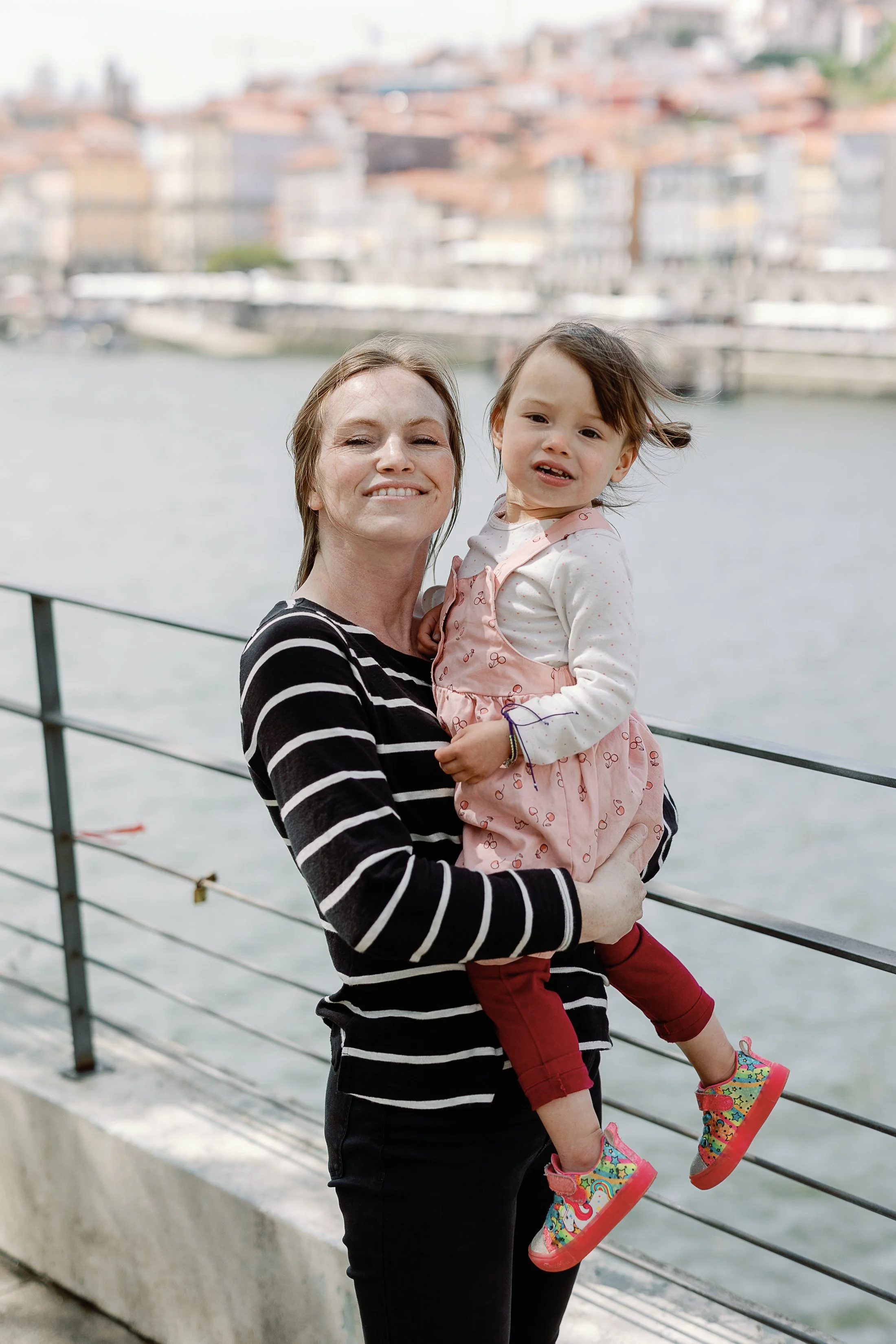

There’s just absolutely no way I have the life I have right now without the life partner I chose about a decade ago.
Parenting three very young kids takes more teamwork than anything else I can think of, and I scored the very best teammate. Deanna brings so much intention and creativity to parenthood, gives the kids a space where they can grow into the very best versions of themselves… and gives me that kind of space too! Whether that looks like giving me a daddy’s night on Wednesdays to go do improv or flip flopping our turns to get the kids ready so I can stick with my running schedule.
All that is on top of a day job where she keeps applying new skills to help people turn their lives around. She’s not even allowed to talk about it, really, so I’ll just brag about it the best I can. Vaguely!
It’s a beautiful life I get to wake up to each morning, and you make this possible, Deanna. I love you!
Kolkata Chai

Still not over the chai masala from Kolkata. On one hand, it’s a real simple everyday drink sold at corner stalls on the street everywhere. On the other, it’s actually a sophisticated combination of flavors and a texture that only comes from years of perfecting the pull.
Dear Dhaka
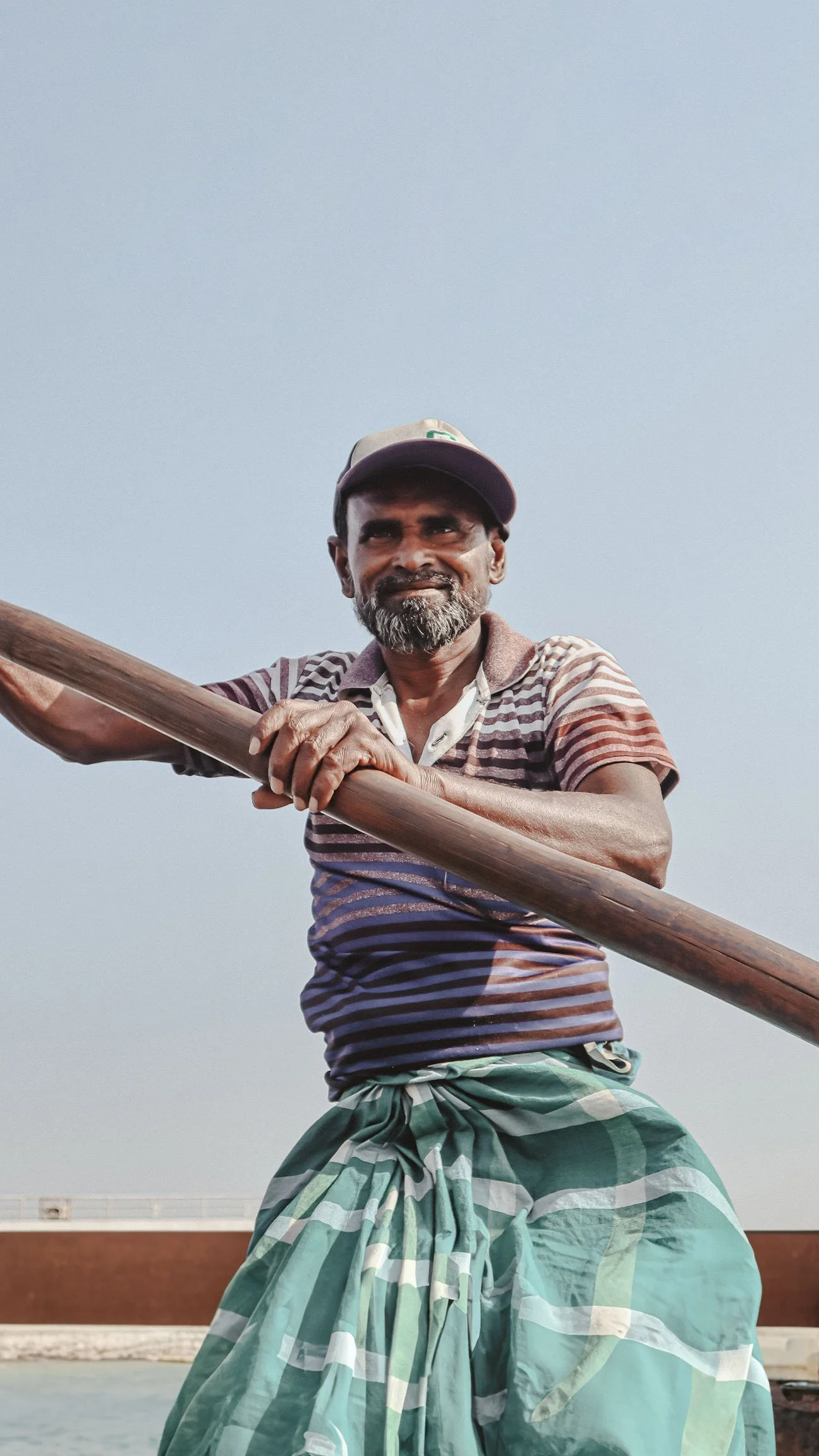
Dear Dhaka,
Before we met in person. I heard things. You were the most polluted city in the world. The noisiest. The most crowded. So I didn’t exactly have you at the top of my destinations list. But, seeing you up close changed things.
Pollution? Of course. But it’s also a country that uniquely displays climate vulnerability and the advancement of solutions.
Noise? Yes. But those are the sounds of perhaps the hardest working country I’ve ever been to. The men and women from all over converging on Dhaka to create better lives for their families.
Crowds? Yup. It’s growing. And it represents some of the most impressive strides against poverty, decade over decade any country has ever taken.
I’m glad we managed to meet in person. I feel like I understand you way better now. Also, don’t tell your neighbors, but you do biriyani best.
Azmara

I don’t take it for granted that I get to meet some of the most amazing humans through what I do. Here’s Azmara in Ethiopia.
One of the things that stood out to me while in country was how men and women were expected to occupy totally different spheres in society. On the surface it looked like very limited interaction between men and women, but deeper it meant fewer opportunities for women.
Azmara always knew she could do a little bit more. She was a skilled weaver and wanted to sell her art in the city. But no one would help her get started. Men in her area told her she should just settle and marry one of them. But she held on to her confidence.
She joined a Purpose Group, found the capital to turn her art into an income generating project. She even used that income to help her new fiancé go through barber training.
Now her family was in a much better position to welcome their baby, which she was expecting at the time we met.
Lessons from Guyana
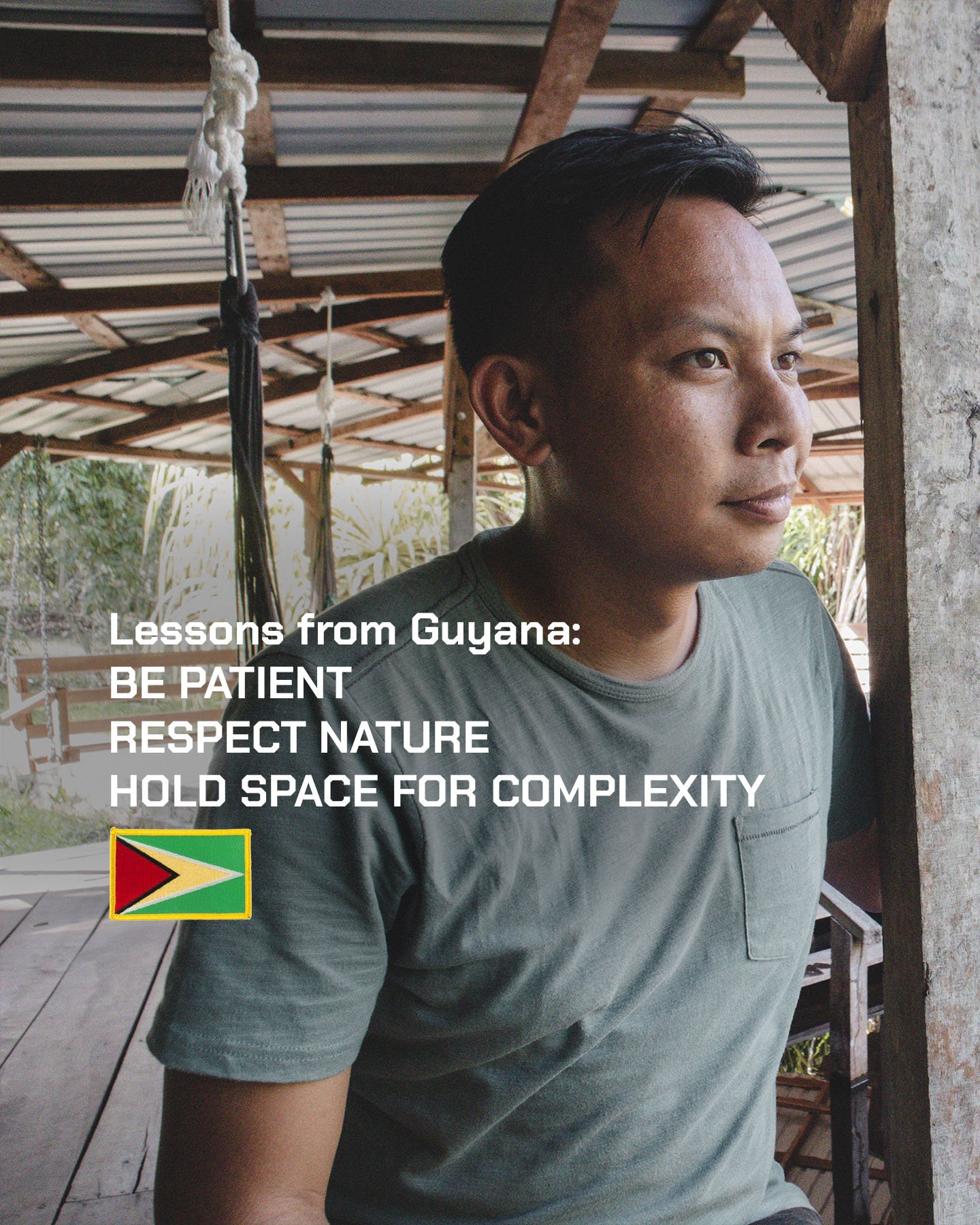

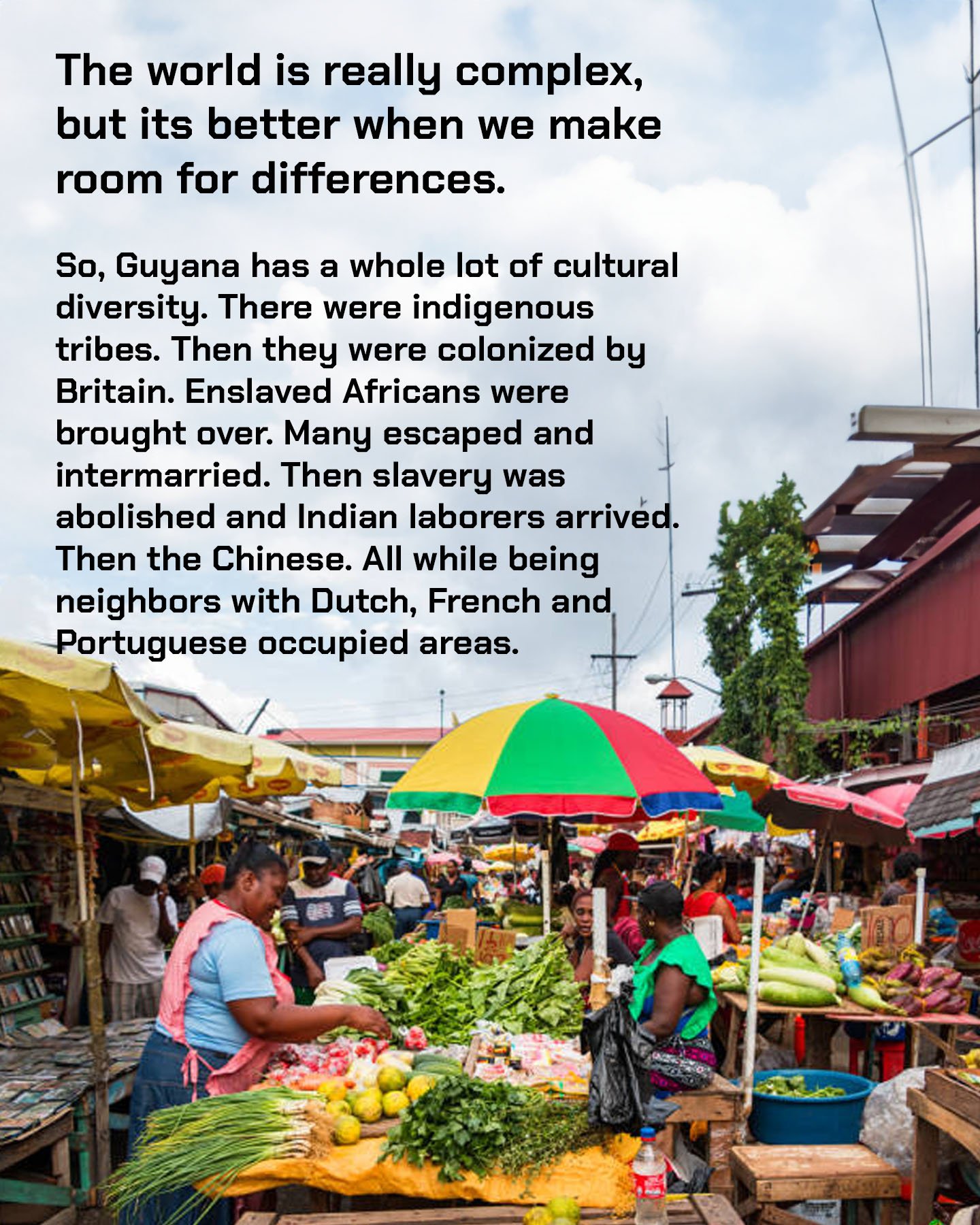
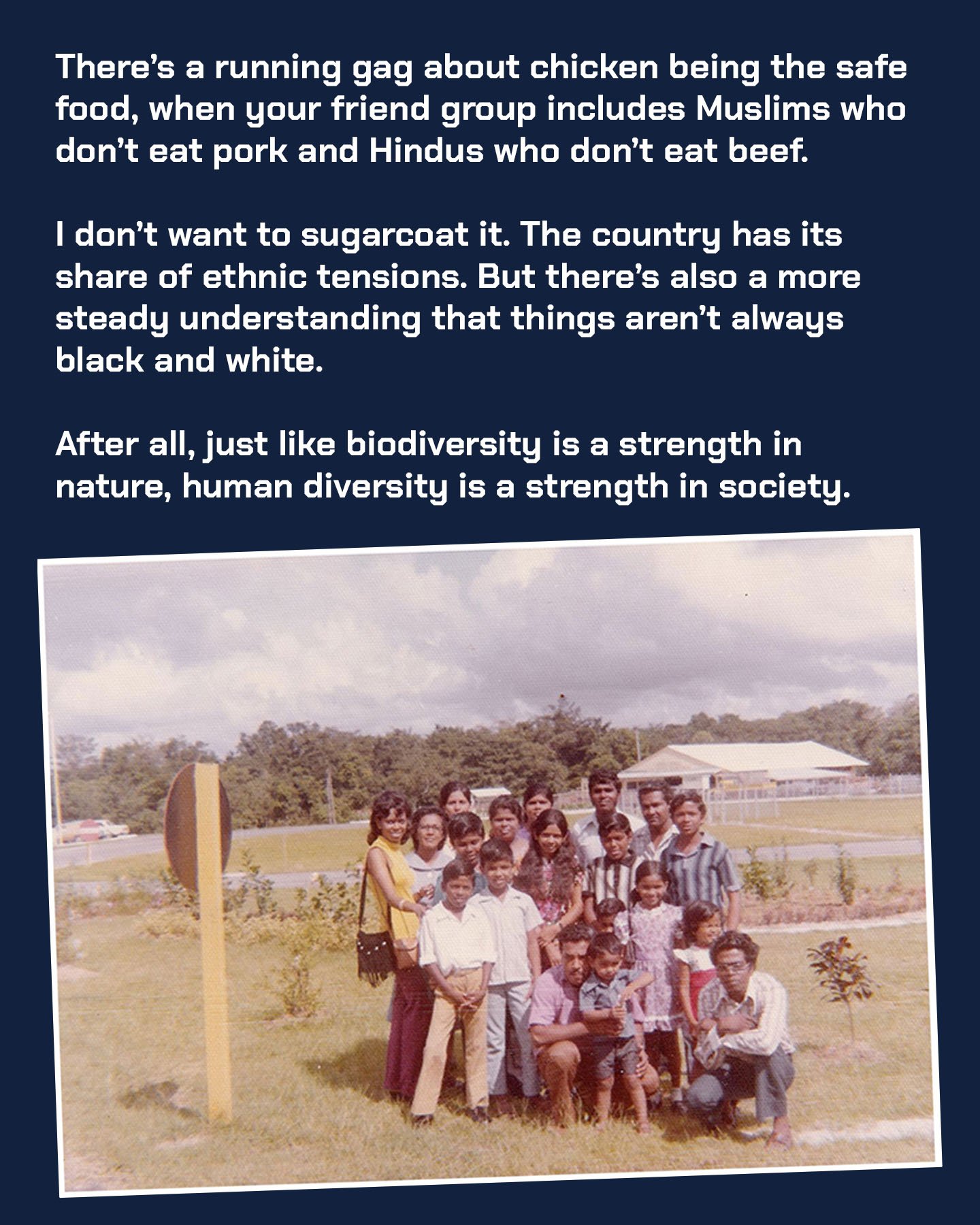
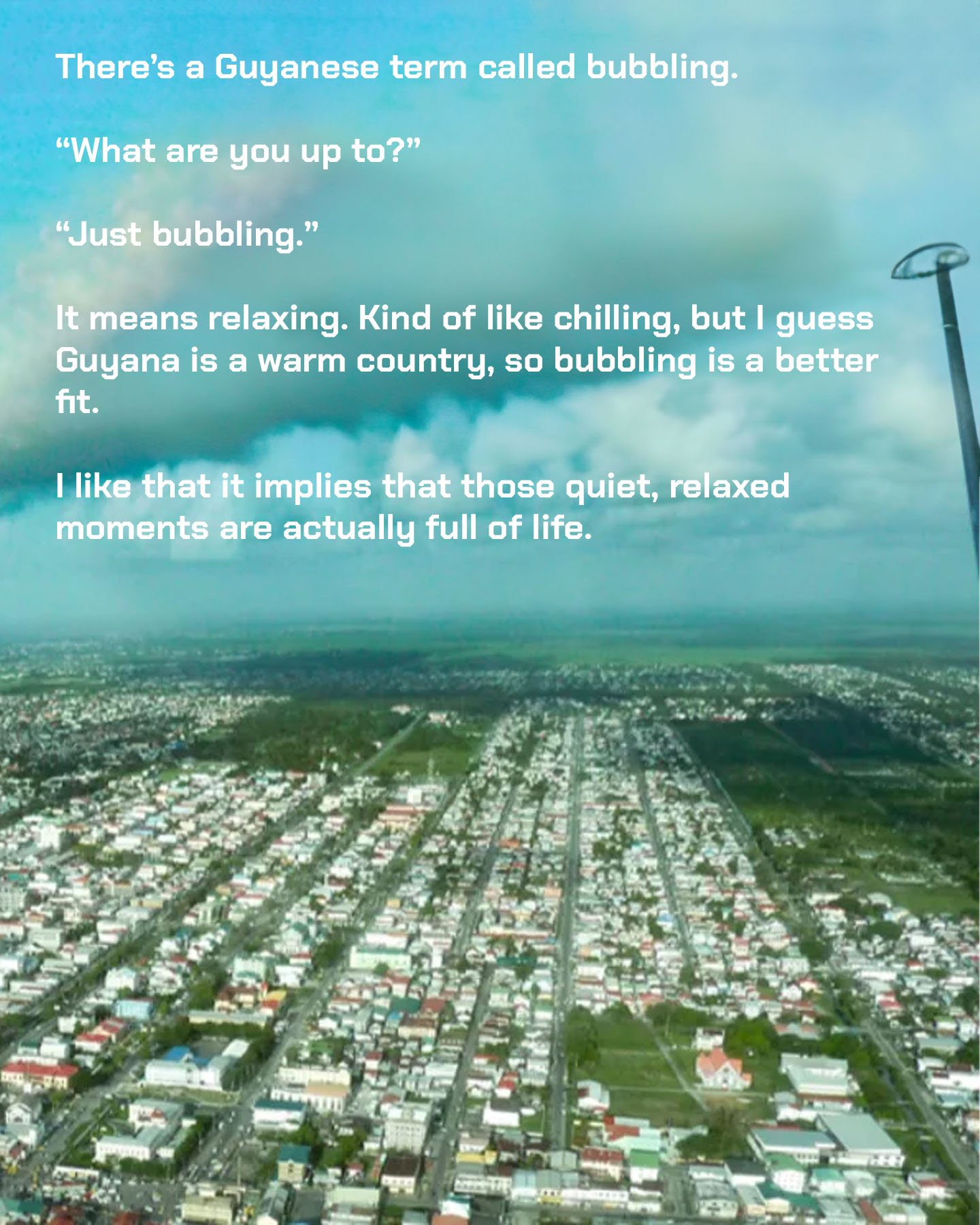

Guyana is one of the most under-the-radar countries in the Americas. It’s also one of the most culturally sophisticated. It identifies more with the Caribbean, though its geography is firmly on the South American continent. It’s the lone country on the continent with English as its official language. Perhaps its refusal to fit cleanly into categories is why it gets overlooked so often.
Still, a country that multifaceted is going to have a lot you can learn from it. And while my time in the country was short, here are some things I kept from it.
A Moment in Guyana
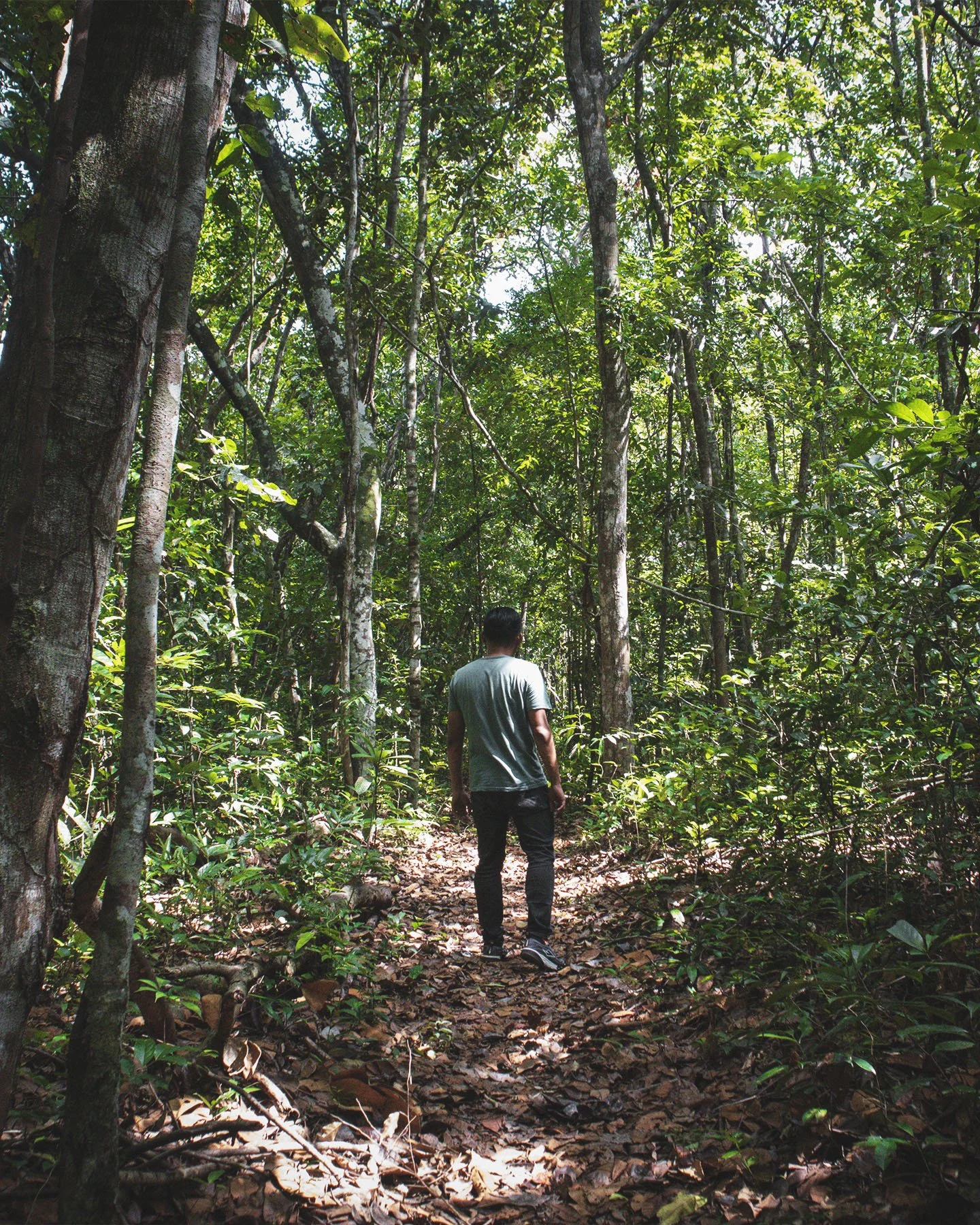
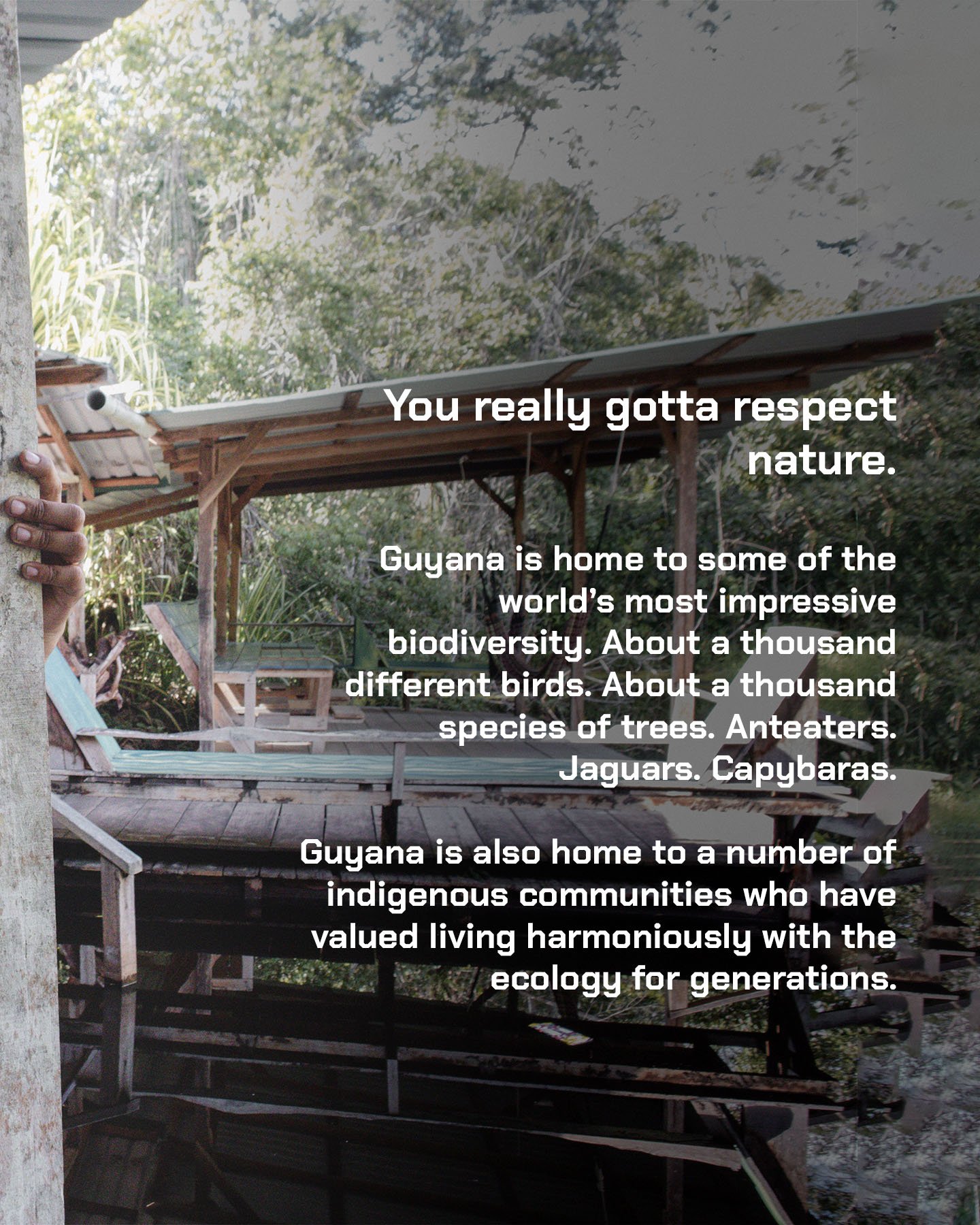
Taking a moment in Guyana to walk through the Essequibo Forest and listen to all the birds I could not see.
This year has been a really fun one. And definitely a busy one. I knew going into it that my adventures were a little tightly packed. Especially in the early part of the year.
I really appreciate that a good amount of quiet moments, especially out in nature like this one have found me along the way. Soul breathers.


Guyana & the Big Oil Boom
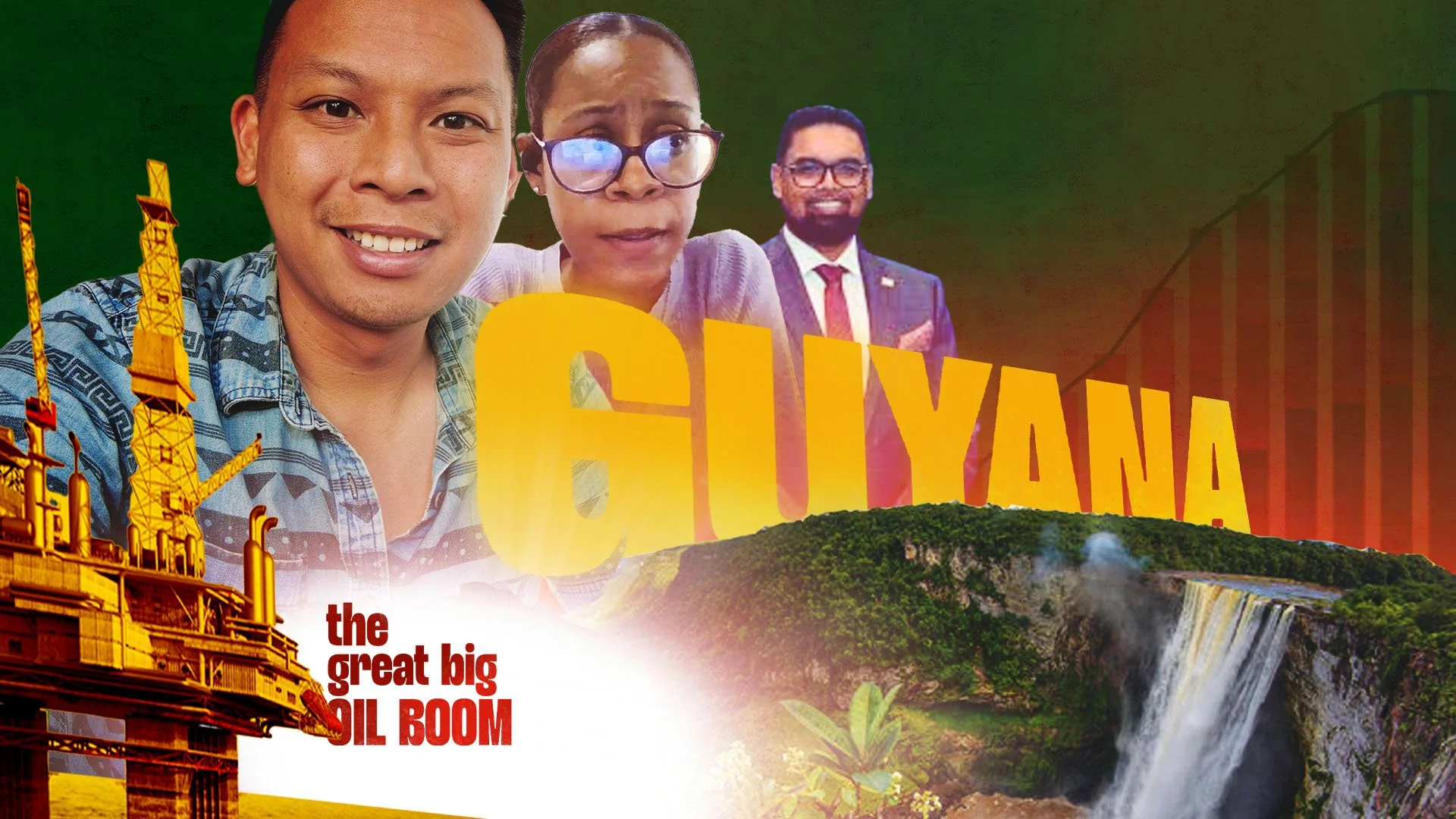
A few months ago, I had the opportunity to visit a country that truly doesn’t get enough attention, especially with some of the things that are have been actively unfolding over the past few years.
I’m talking about Guyana.
Guyana is in North-South America, and along with French Guinea and Suriname makes up a triad of countries with an eclectic combination of international influences, due unfortunately to slavery, colonization, and imperialism.
I figured a visit would be a good chance to set foot in one of South America’s least visited lands, even though the context of my visit was short and limited.
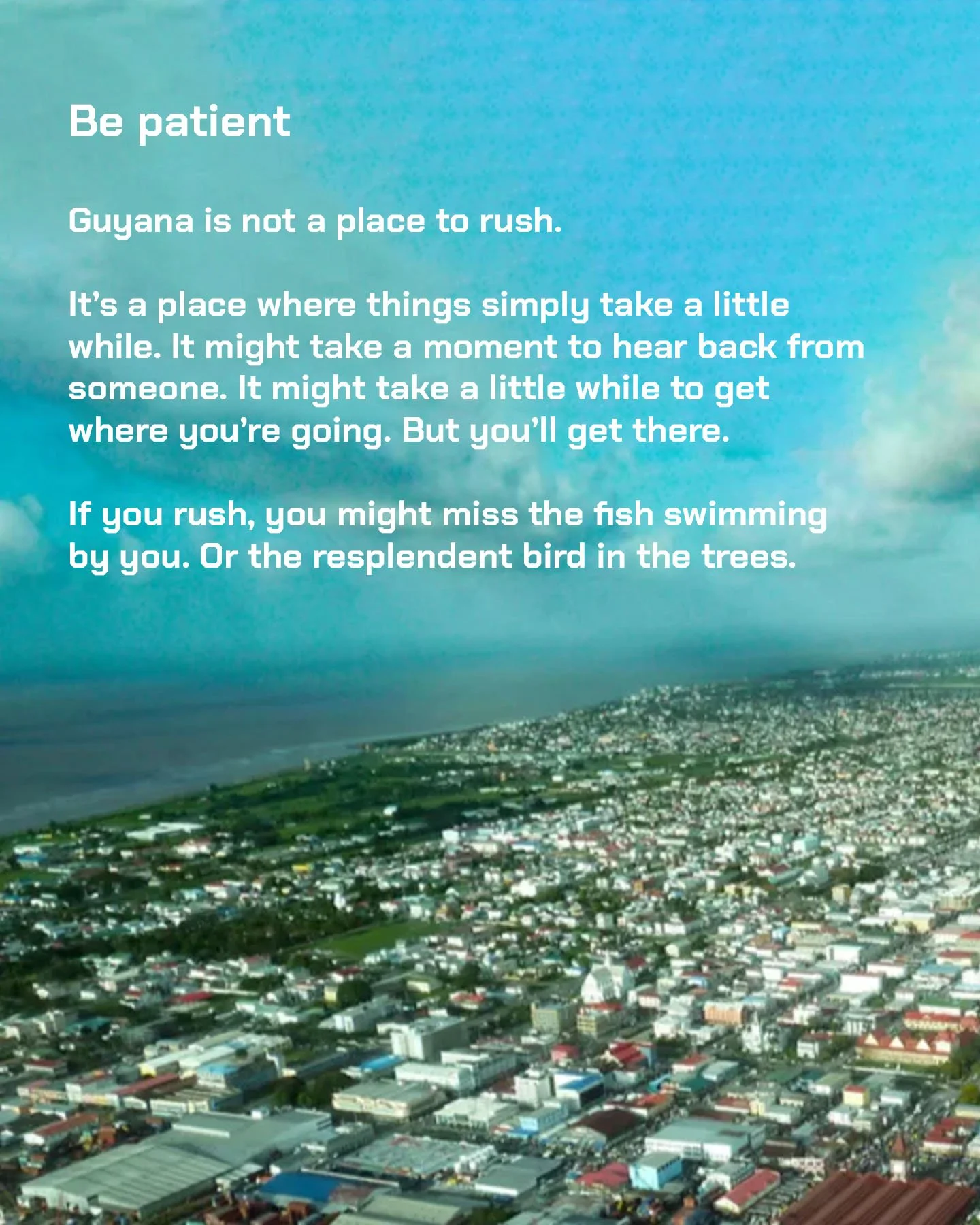
I made it into Georgetown late at night. It felt like a small city to be the county’s capital, but the small family homes on the way from the airport were nice and in good shape.

Getting closer to the city center, however, it became clear that this was a city in the midst of a rapid evolution. Construction cranes loomed everywhere and each roadside lot contained sacks of concrete and other materials.
This city was rapidly developing.
It’s quite the turnaround from 2015. Back then, Guyana would have ranked towards the bottom of just about every desirable metric. Education. Healthcare. Infrastructure.
One area where it topped the charts was the saddest. It had the highest suicide rate. Morale was really low.
Guyana did have something going for it, though. Something it’s always had. An incredible environment.
It’s on the northern edge of the Amazon Rainforest, and so the biodiversity was extremely diverse. Many tree and animal species thrived. It was a birder’s paradise and if you were outside the continent, that would have been a likely reason to pay attention to Guyana.
Its ecotourism potential could surpass Costa Rica’s, and locally, most people really valued their nature.

While 2015 was a low point for most Guyanese, the year also marked a major turning point for the country.
Oil was discovered just off the coast.
A few years ago I made an explainer about how Qatar got extremely wealthy from the discovery of an oil reserve in just the right spot. Guyana almost immediately took a similar trajectory. The oil companies went after those products hard.
Whenever I’d stay at a hotel or order at a restaurant, I’d be asked what oil company I work for. The presence of foreigners is so strongly linked to oil right now that its almost anticipated. I guess a lot of oil workers just keep a running tab.
(I really wonder how long, if at all, I could’ve gotten away with having a bunch of chicken curry courtesy of Chevron)

Economically, the oil has been very beneficial for Guyana. At least at the surface level.
If you pay attention to different countries since 2020, you’ll notice the majority have struggled to grow. There are a few that buck the trend, but none to the extent that Guyana has. The country has surged to the top of growing economies, growing at 4x the rate of the next country on the rise, Fiji.
Of course, you can see where there’s a bit of tension between the different elements that define Guyana. This is a country that has so much to teach the world about environmental stewardship. The indigenous peoples of Guyana are incredibly aligned with nature.
But Guyana is supplying the world with more fossil fuels than just about anyone else. At a time where the world needs to be decarbonizing. Where every reduction matters, where every month matters.
This tension, however, was not strongly felt among the Guyanese. In fact, trying to talk to people about that apparent tension proved to be difficult. What tension? The country has a chance to really improve. In fact people have been directly witnessing that improvement.
And many of Guyana’s leaders have maintained that this is all part of Guyana’s low carbon development strategy. To ride the wave of economic growth oil brings in the short term, then use that to invest in cleaner infrastructure.

Coming from where I’m coming from, it’s easy to tag that as greenwashing. It’s easy to imagine a scenario where it doesn’t actually play out like that.
And yet…
I don’t feel entirely easy critiquing it. Many of the comforts I enjoy in my daily life are the indirect result of my country exploiting humans and nature. My horse is too high to see objectively.
There are other valid reasons to be concerned for the Guyanese, though.
For one, global interest in oil is on the decline and that trend is here to stay. While Guyana is taking a lion’s share of the industry, it’s not a particularly promising industry.
Another item: the resource curse. It’s totally possible for a country to find access to a resource and to market it, but to have that not benefit its own people at all. You just have to go next door to oil-rich Venezuela to find where that isn’t the case.
I had a moment to visit the Essequibo. The river flows into the Amazon. It was great to get lost in the embrace of its trees. To strip down and wade in the river a little bit.
I had no definitive conclusion to my encounters in Guyana. Something remained hanging. It felt unfinished.
Now what?
Sometimes nature tells us, just be here.

I had a blast talking with guys like my driver Chezi, who grew up on the outside of Georgetown. Despite all the changes, he insists that the locals for the most part prefer life to be simple, and while they enjoy the growth, they don’t want their area to be more hectic.
He told me this, of course, against the backdrop of construction cranes and cement mixers.
For what it’s worth, I’m glad I visited Guyana at this current moment. As it feels like it’s on the cusp of something. In what direction things move in the future? Time will only tell.
On the whole, Guyana wouldn’t be too high on my list of countries begging a return trip. The nature is splendid and the food scene is fascinating. But getting around was a chore, and often cost-prohibitive.
I’m curious if that’s different five years from now, though.
Ego vs. The Creative Life
How many different ways can your best creative work fall victim to your own ego?
One of the concepts I’m really fascinated by lately is the relationship between ego and the creative life.
There are a lot of examples of high-profile artists, musicians, and creatives who definitely give off signs of an inflated ego.
But in those cases, fame and success are just as much a function in the equation as creativity. That’s the harder item to isolate.
The creative process can be a personal and introspective one. To do honest and moving creative work, it usually calls for a little bit of soul searching and self-examination. Since these processes are inward, it’s easy to mistake the creative process as self indulgent.
But in reality, ego can derail creativity. like no other.

Your work will always be grown from the soil of your own perspectives, experiences, and cultural influences and there’s no denying that self fits into the creative process. But a lot of people end that thought right there and overlook the fact that creativity is also about connection.
What good are works of art if they aren’t connecting with a viewer? The creative process is also a relational one.

From making work that is so self-obsessed to lacking a collaborative spirit around projects that go beyond an individual, there are countless ways for creativity to get sabotaged by ego, and some of them might even look like mock humility.
I decided to outline some of the ones I encounter the most:
1) Obsessing over responses to your work as though people revolve around you.
Most of us have probably been here at some point, obsessing over view counts and engagement and even… star reviews.
We are probably aware that it’s an unhealthy habit, even as we’re doing it, but we’re human and our social evolution has us hyper vigilant regarding how we’re perceived.
When we’re in this state, it’s hard to maintain any sort of creative momentum. You enter the defensive part of your brain, which is the most conservative and least adept at lateral thinking.

The broader reality is that nobody really scrutinizes you the way you scrutinize yourself. A lot of the time, things that we anticipate will be our visible, embarrassing flaws don’t even get noticed by other people.
This is why most people hate the way their voice sounds in a recording.
Or why people often say they feel too disheveled for a photo even though they look perfectly fine to you.
Others are usually too busy paying attention to themselves and their own agendas to scrutinize us the way we’re worried they will. There’s some tragedy of disconnection there, but also a bunch of relief.
We can be way freer with our own creative instincts than we often give ourselves permission to be.

2) Paralysis due to a fear of critique or criticism
This comes from virtually the same place as the prior issue, worrying too much about the perception of other people.
Paralysis, however, strikes a little bit earlier.
Sometimes, worrying over how our work will be recieved leads to obsessively checking on other people’s reactions.
Other times it’ll stop us from even creating in the first place. This is perhaps the worst case scenario, as something that could be great never even gets a chance to make it out into the world.
This is an odd thing that often comes at the tail end of a successful creative project, feeling like you must have hit a stroke of luck or magic the first time around that you have no idea how to recreate. Again, though, a lot of this anxiety is caught up in ego.

3) Taking it personally
I noted in an earlier article how much I’ve been appreciating Ronny Chieng’s definition of professionalism. Not being emotionally knocked out by a subpar performance.
Of course you put a lot of effort into your work and you want it to succeed, but nobody bats a thousand. Knowing that you have a value and that you’re worthy beyond your work is key.
Feedback spans a wide spectrum, from kind to unkind, from harmful to helpful. I’ve found that one of the most valuable skills to have as a creator is to have a strong filter on your feedback so you know what to take to heart and what to dismiss. This is especially true in an internet culture of cheap feedback.
As humans, the feedback of others has a big impact on us, but being willing to hear that your work could be better and not feeling personally attacked is a sign of creative maturity.

It’s also helpful to take a step back and analyze your own feedback for how helpful it really is. Ask yourself things like, have I heard this before elsewhere? Have I heard conflicting advice? What level of investment does this person have in my improvement? Do they have the skills/background/experience where this is informed feedback?
Not everything is for everybody, so if you release stuff broadly, you should anticipate some by default. Whether or not you should make an effort to incorporate it is a whole separate question.
If you want to see how to really stop ego from derailing your creative life, flip it on its head. Do something that radically confronts your own ego. I’m sure that’ll look different for different people, but create like you didn’t care what people would think of you.
Ego can be a great inhibitor of creativity, but it doesn’t have to be that way.
Birds of Guyana

There are 800 unique confirmed bird species in Guyana alone, but considering that most of the country is made up of some really remote spots where you can go weeks without encountering another human, that number may be well above 1000.
Some, like the cock-of-the-rock (really its name) are only found in Guyana.
The hoatzin, it’s national bird, is a unique creature. It has a smell that leads to it sometimes being called the skunk bird. They aren’t eaten, because they apparently taste terrible. It’s abrasively loud. It’s stomach produces a substance that ferments it’s food as it eats, like a flying cow, and it’s pretty clumsy.
I tried researching and asking around but could not figure out how the hoatzin got the distinction of national bird when there are over 800 candidates. Seems like an unlikely choice. If anyone knows, please enlighten me!



Thirtyfour

Celebrated my birthday and I never feel used to my age anymore. I still feel within arms reach of an earlier version of myself. The aspirations, the excitement over new things, the idealism. Wanting to do it all, and often feeling like, sure, why not?
But, I increasingly end my day thinking of the family I get to raise, the adventures I get to go on, and the work I get to do, like woah. Life feels really full. I realize a lot of those early aspirations have turned into this.
Our world tells us to never stop chasing dreams, and to keep setting new ones, and as long as you have breath, why not? Just don’t miss out on the dreams that have already come to life.
A life that lets me do meaningful work and have fun at just the right pace to enjoy it with my family and others around us.
Whatever else is a bonus.
Guess the Country

Play along!
God Disguised as Life


“God comes to you disguised as your life.”
Life these days has a rhythm. I guess every life does. Biology and all. Life with small kids, a full workload, and constant creative projects make that rhythm more of a complex jazz beat. Alternating morning and evening routines with the kids. Scheduling long runs and recovery runs around them. Looking for the days without meetings for opportunities to write in a coffee shop or edit video for an extended chunk of time.
“God comes to you disguised as your life.”
The quote is attributed to Paula d’Arcy, who tragically lost a spouse and child in a car accident while pregnant and who has ever since been a writer and spiritual guide, helping people identify God’s presence in every day realities. Bland, beautiful, or brutal as they come.
“God comes to you disguised as your life.”
The love that holds the world together creates infinite possibilities, some we allow to play out into the horrors of war in headlines and social media. Some we turn into new life in backyard gardens and tunnel slides. And some days we just get to take three breaths, reheat leftovers, and know there’s something sacred there too.
Faith & Nature
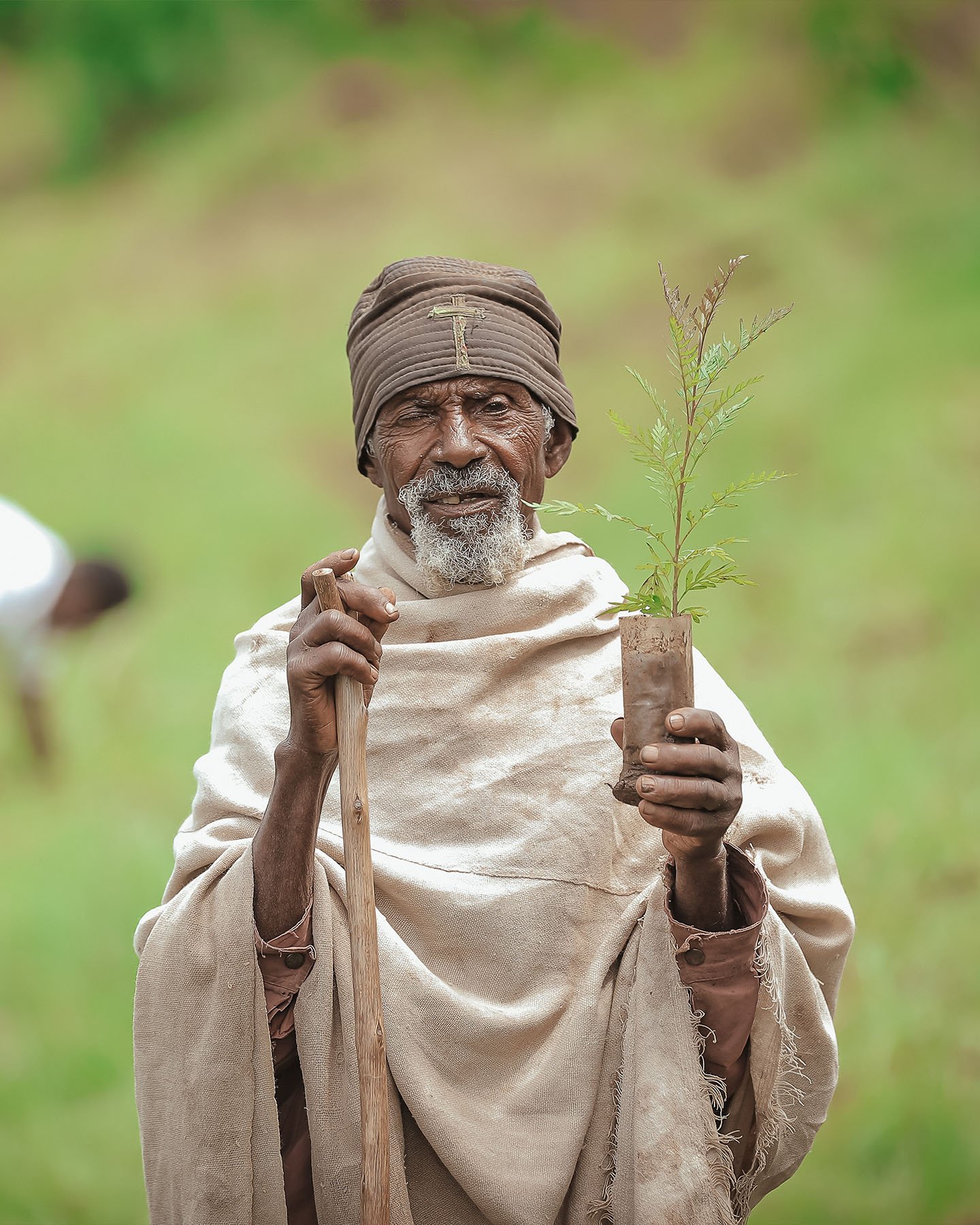
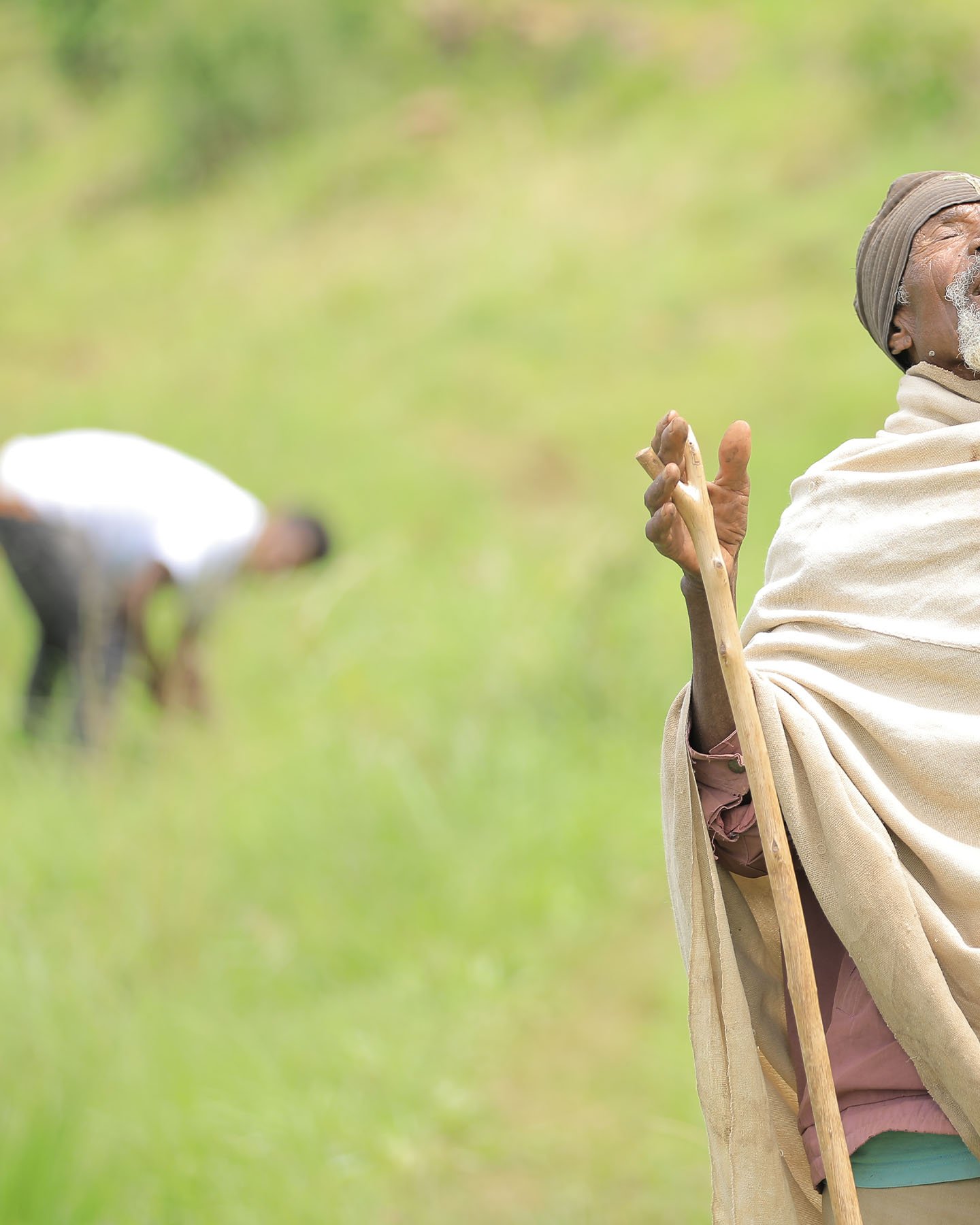
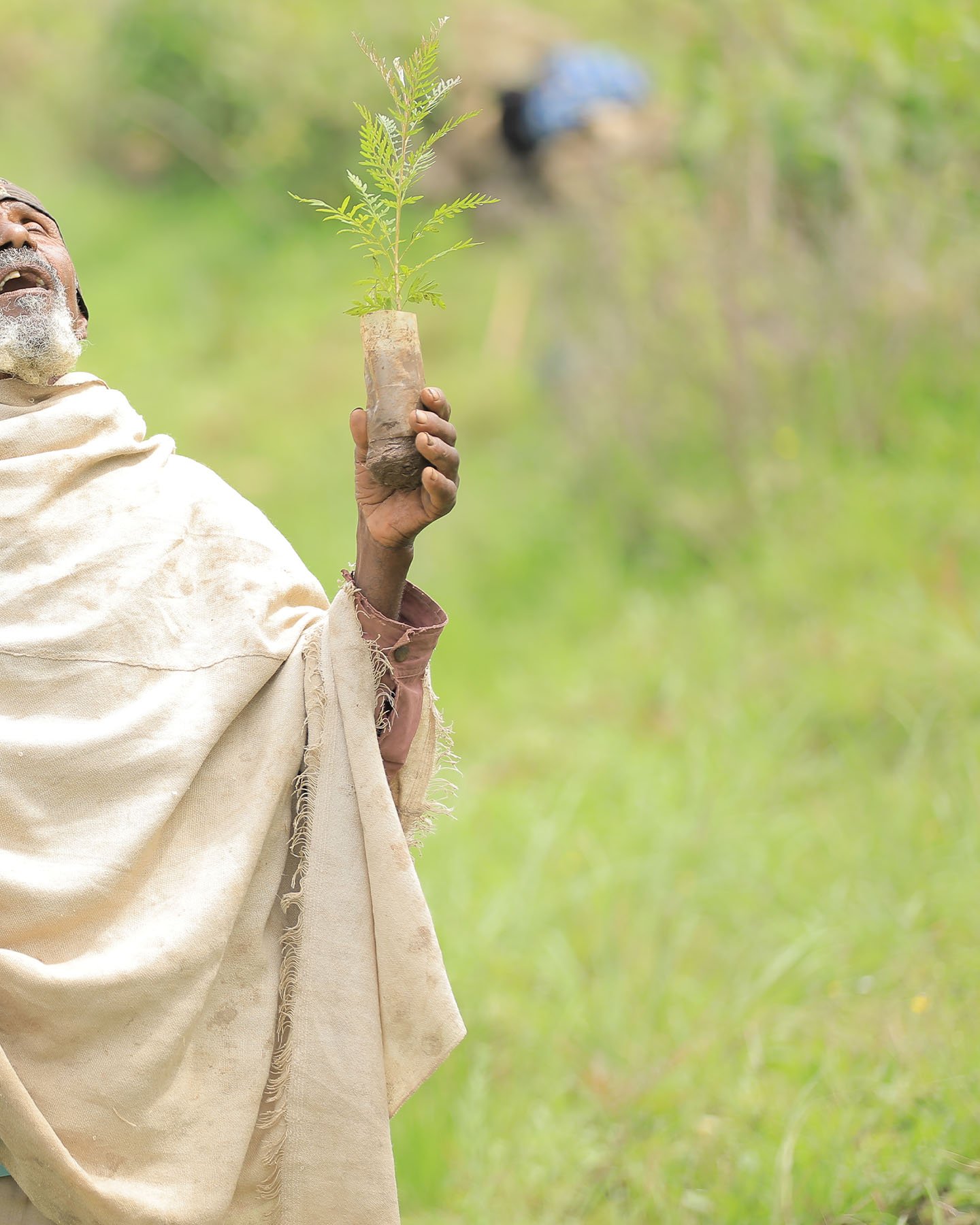
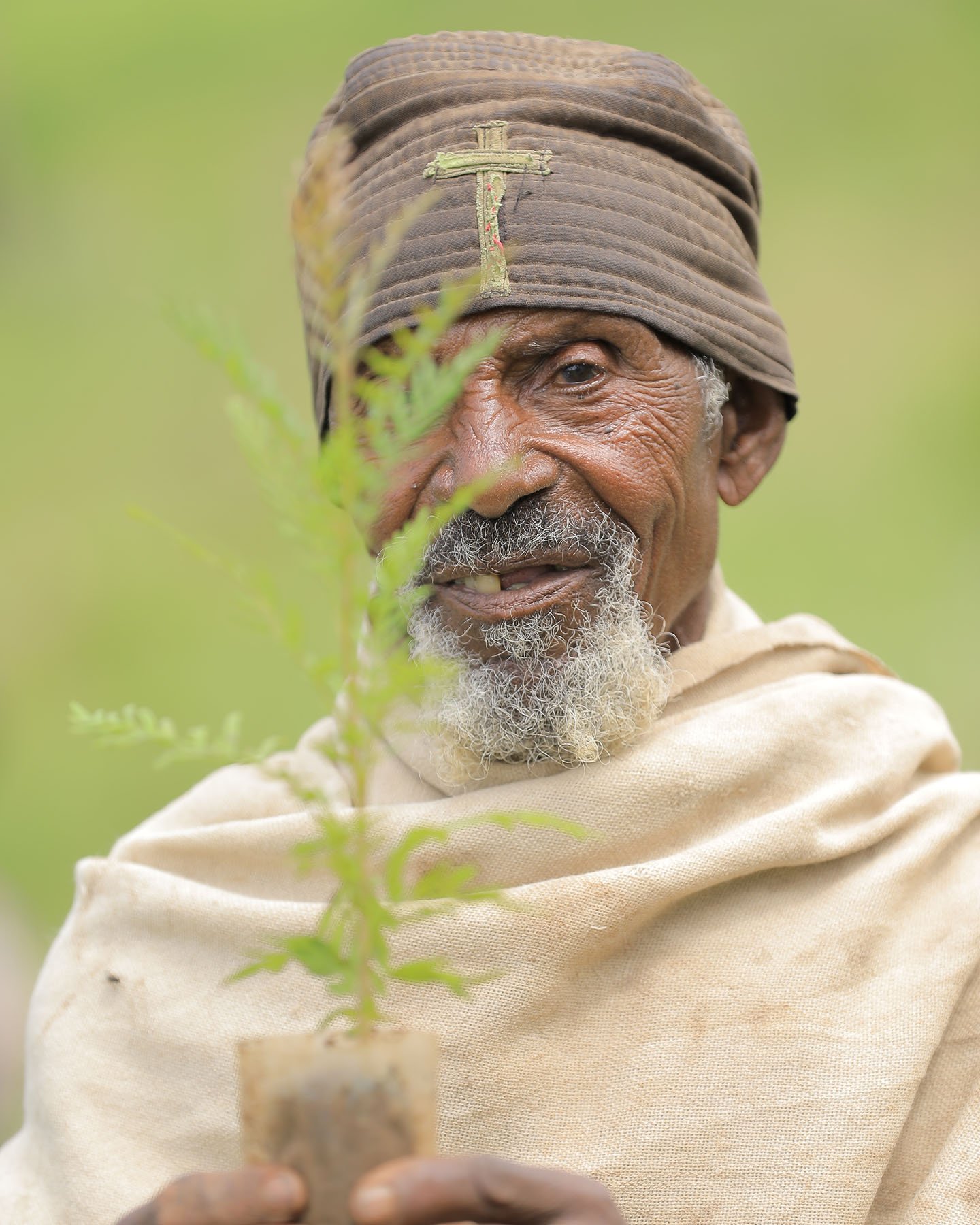
In the U.S., religion and environmental care are often positioned at odds with one another. The more active one is in religious activities, the less likely they would be to describe the environment as a priority or to support efforts of environmental activities.
In my travels, I’ve found that this is an especially American phenomenon, and in most other countries, people are motivated BY their faith to take climate action.
The Ethiopian Orthodox Church in particular took their environmental stewardship so seriously. A number of priests and deacons kept telling me about how at the end of things we’ll be asked to account for how we took care of creation.
It was so refreshing to hear the priests describe the integration of faith and environmental stewardship so clearly. To them, it was a no-brainer.
The Audience You Can't See
How to make the most of a world where you can’t see the audience
I’ve noticed a strange thing that happened during my first year of doing improv. I had a really hard time hearing the audience.
It didn’t make sense, because I’d been performing at a really small theatre. It didn’t take much to sell out the show, and the stage was never that far from the furthest seats.
It didn’t matter. Being on stage put this psychological sound absorber in between me and the crowd.
I suppose there might have been perks to that, allowing myself to not live and die by the audience response, and to instead focus on play. But I didn’t exactly like it. Especially from an art form where, well, laughs are kind of a big deal.
After a few shows, I had people come up and tell me that they liked my performance, and then specifically mention certain parts they liked.
I would say thank you, but in my head, think. Wait, really? It felt dead silent when I said that on stage.

I can’t always see my audience, but you can see me. Watch me unpack this phenomenon on the latest Creative Changemaker.
This made me realize that for whatever reason, I just was desensitized to my audience and I would have to learn to perform without taking as many cues from them as I was used to. This never happened to me as a public speaker. Whenever I’m giving a talk, one of my favorite things is to build that rapport with the people who are there and to enjoy that moment of connection.
Maybe it was my lack of experience, or the fact that I was kind-of, sort-of in character. But improv was different.
But then I started to think that this might not be such a bad skill to develop! Getting used to creating and performing for an audience that you can’t immediately see.
Like it or not, this is a more common way creators are having to work these days.
People have to create and edit online videos, hit publish, and hope they land as expected.
This isn’t exactly new. Writers have worked like that as long as we’ve had the written word. But it is increasingly common.
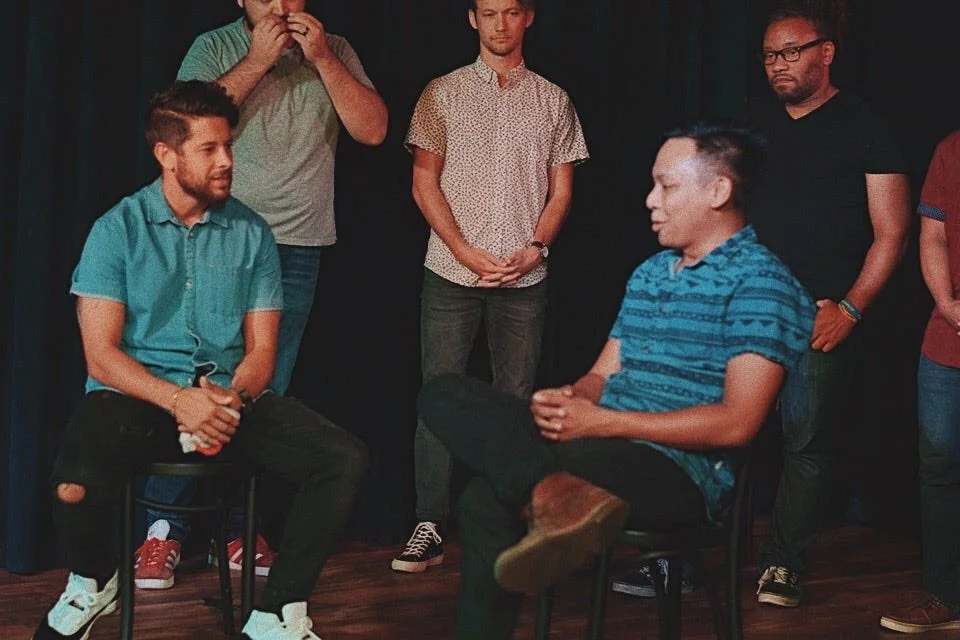
Here are some things I’ve learned about performing well under those circumstances…
Get in front of a physical audience when you can.
Just because creating for an invisible audience is more common, that doesn’t mean that the physical audience is less important. Quite the opposite. I think being able to create and perform for a physical audience is perhaps more important.
When you’re in that moment in front of a crowd, you’re actually teaching yourself about audience reaction. And it’ll be important for retaining that muscle memory when you aren’t around an audience.
A seasoned performer has those instincts about when a crowd will lean in, when they’ll be uncomfortable, and how they’ll ride every moment of your performance. Stand-up comedians are perhaps the best at this, knowing how slightly tweaking a delivery will flow through a crowd in a very different way.
When you don’t have your face-to-face connection with your audience, it’ll be harder to pull those strings. But if you have a good innate awareness of that rise and fall, you can navigate the distance much more easily.
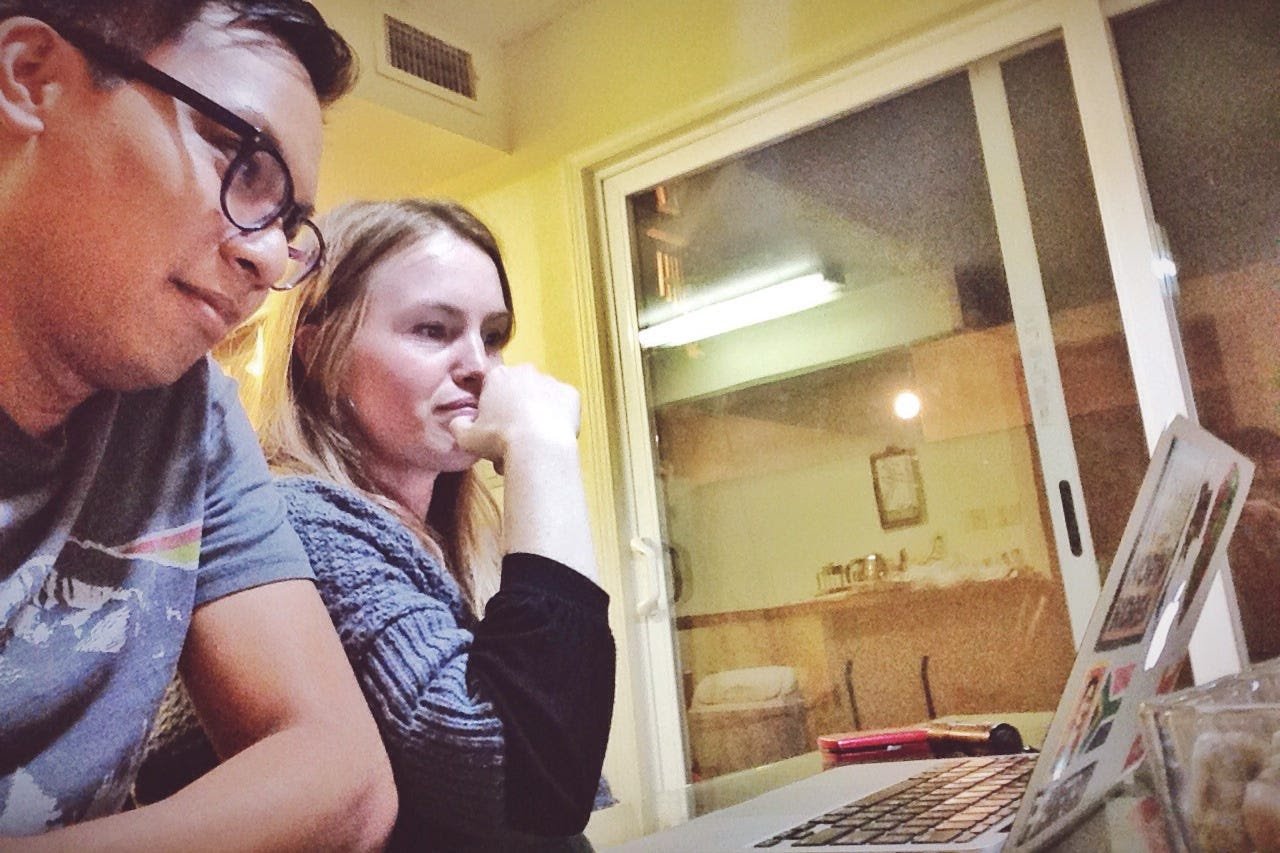
Think of your audience’s likely state at viewing.
You play differently to different crowds, yeah? Another thing I picked up from improv is that some jokes will land better with the 730 pm crowd that comes looking for sharp, layered humor. Then there’s the stuff that plays better with the 1030 pm audience that might be slightly intoxicated.
You can still be yourself at either show, but anticipating your crowd’s state helps you adjust the way you lean.
This is not terribly different from adjusting the way you’ll create for people differently based on how they’ll be consuming your material. Let’s say you’re a video content creator. Is your audience a captive audience that lights up when they see a new release? You’re probably in a better spot to start your videos cinematically versus somebody whose content mostly interrupts potential viewers mid-scroll.
Having a quick start and grabbing attention early on is more important.
Don’t be afraid to visualize what your audience might be up to at the time you launch your work.

Get used to watching people watch your work.
Here’s another part of the process that gets easy to skip.
A lot of people don’t like watching their work being consumed. It’s uncomfortable and vulnerable. You feel a bit naked and like you’re being judged in real time.
It’s still worth it to move past that and watch people take in your work. Let a friend watch a video you made and see their reactions. Sit back as somebody goes through your art gallery.
Much like paying attention when you do have the opportunity to perform live, paying attention here will allow you to better understand what moments match with different responses. In doing so, you develop those instincts of how to best play to your audience’s interests.

Build confidence in your own voice.
Once again, the important lesson of trusting yourself proves to be vulnerable.
If you can’t hear your audience, you can’t rely on them to be your sole indicator on whether or not you’re a good performer. You have to find that in some other ways, including simply riding your own confidence in your voice.
The de-facto disclaimer is that you of course don’t want to be delusional or overconfident about your own voice. That’s why it’s also valuable to get coaching or feedback from somebody with helpful insight when you can.
For me, learning how to be confident with my own performance was perhaps the key to moving past my challenge in not connecting with my audience as easily via improv. I went ahead with what I had a sense would perform well, and soon enough, that psychological sound barrier started to dissolve a little.

Make for your micro-audience.
This is a tip I have for so many different things, and I could do a whole lot of writing on this practice alone. But essentially, instead of trying to perform for whatever crowd arrives, consider your micro-audience.
These are ten or so people who you feel like you’re really making your work for. When you sit down to write, it’s almost as if you’re putting all that stuff in a letter to these people.
I’ve always found it helpful to think that there’s a core group of people who really best represent the kind of people I like to create for. The people I like to perform for. It’s usually a combination of people who’ve seen my work and who’ve given me the sort of response I love to hear, and people I know who I wish could always be in my audience.
Of course you’ll often have larger and much more expansive crowds. But being able to focus on your people can help give you a clearer point to aim for.
Like I said earlier, so much of modern creativity is wrapped around the increasing need to perform for an audience you can’t always see. But if you develop the right instincts, you might soon enough be on the right path to carry the lessons you learn from a crowd over into those other spaces.