
Alec Bohm

n 2011, my Phillies had an unreal pitching staff and the best record in baseball. Their playoff run ended too soon, with Roy Halladay not getting run support and Ryan Howard injuring his leg on the game’s last play.

Neither player was the same after that, and neither was the team. Who knew it’d be 13 long years until celebrating another division championship?


I don’t think most people who follow me are here for my baseball takes, but in the spirit of Philadelphia Freedom, here they are…

🔹 The team I find the most threatening is San Diego. Best record in the second half. Not only that but they’re an absolute powerhouse in the late innings with the back of their bullpen and guys like Merrill being so clutch.

🔹 On the flip side, LA is the bettors favorite, but we’ve played them really well this season. The Phils have mitigated Shohei about as well as anyone.

🔹 Baltimore’s odds just soared when they let go of Craig Kimbrel.

🔹 The timing of Ranger Suarez’ recovery may be a blessing in disguise as it gives the Phils an obvious reason to slate him 4th in the rotation. But, his pitches are coming around. This means we get one of the best postseason performers in the bullpen for the early rounds where he has also excelled.

🔹 One of the Mets, Braves, and Diamondbacks won’t make it and I can’t decide who I’d most like to have miss out!

To my non-baseball watching friends who read this despite it being total gibberish to you, y’all are real ones!
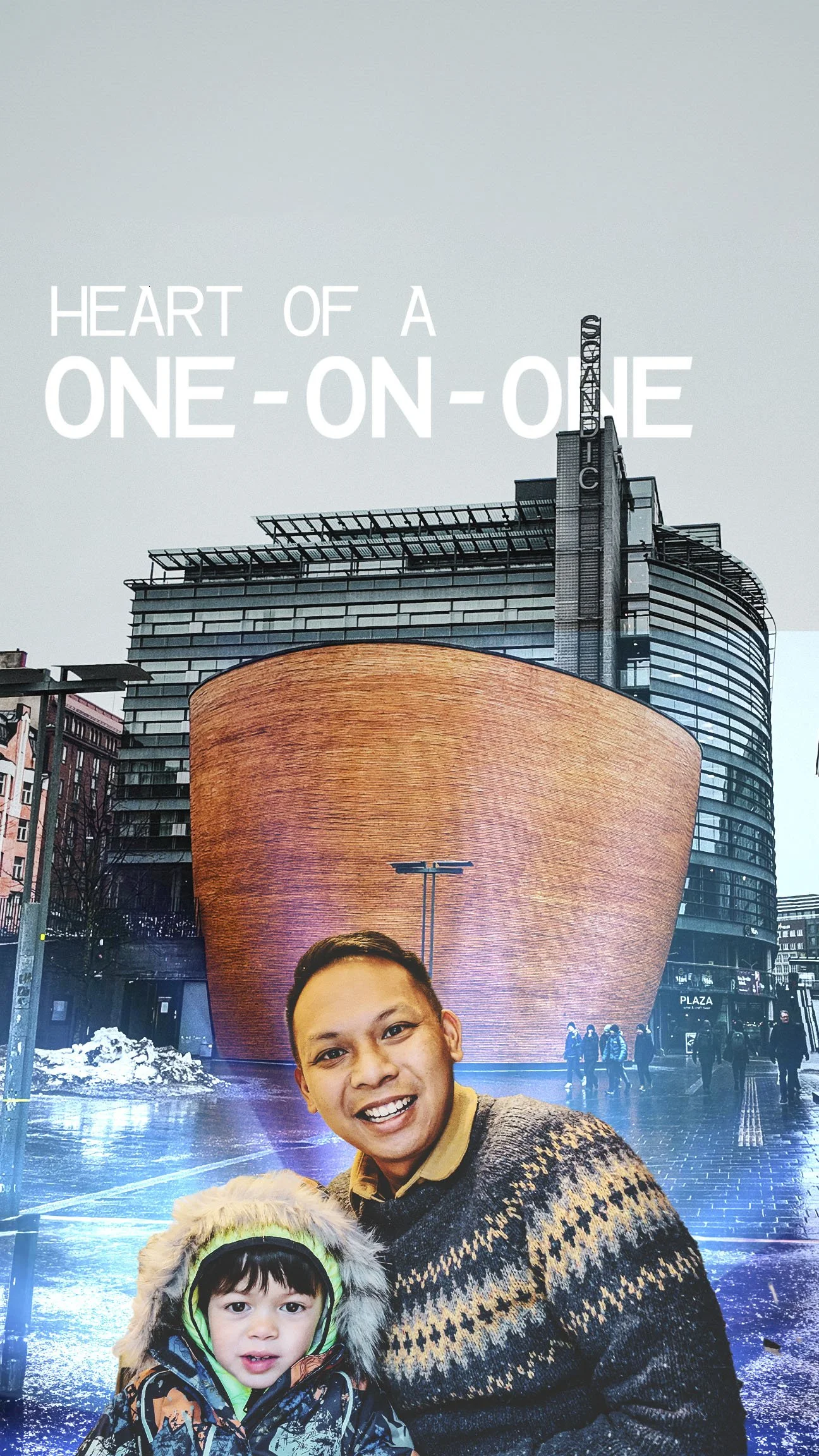
Heart of a One-on-One

I recently took my four year old on a one-on-one trip to Finland. This is something I hope to do on rotation with all my kids. One on one trips, that is. Location may vary.

With three close in age, it’s a special opportunity to get more quality one-on-one time. Hanging with everyone together is cool too, but it’s just different.

This morning, when he woke up on a train to see snow all over the ground… I’ll never forget that look. It struck me that this is one of my favorite parts of being a dad.

I like to show love by giving people experiences, and when it comes to my kids, I know them. I know what wows them, I know what they’ve never seen before, and how to get it in front of them. And getting to serve up an experience like this is what it’s all about.

Your Income Reflects

Saw a post a while back that started with “Your income reflects…” that went on to list things like, “the caliber of the people you spend your time with” and “your commitment, perseverance and fortitude.”

And honestly, it really doesn’t.

I mean, these things are variables that have some influence, but they’re pretty far down the list in comparison to things like…

Where you were born.

Your parents’ level of income and education.

Where you fall on the spectrum of inequality because of race, gender, ability, etc.

In a world where your ZIP code predicts your health better than your genetic code, the hard data shows stronger correlation between the circumstances of one’s birth than “mindset” or “attitude,” which isn’t to say those things don’t matter. Often they’re key to a person being able to outperform their social predictors.

But man, I’ve been to parts of the world with some of the highest poverty rates, and I can tell you, it’s not that way because of the caliber of the people those communities spend time with, or a lack of commitment.

Invest in your mentality. I do think that matters a lot. But don’t let it be a thing that makes you think less of people in worse scenarios because you think they simply “don’t got it.”

A Tree Planting Campaign

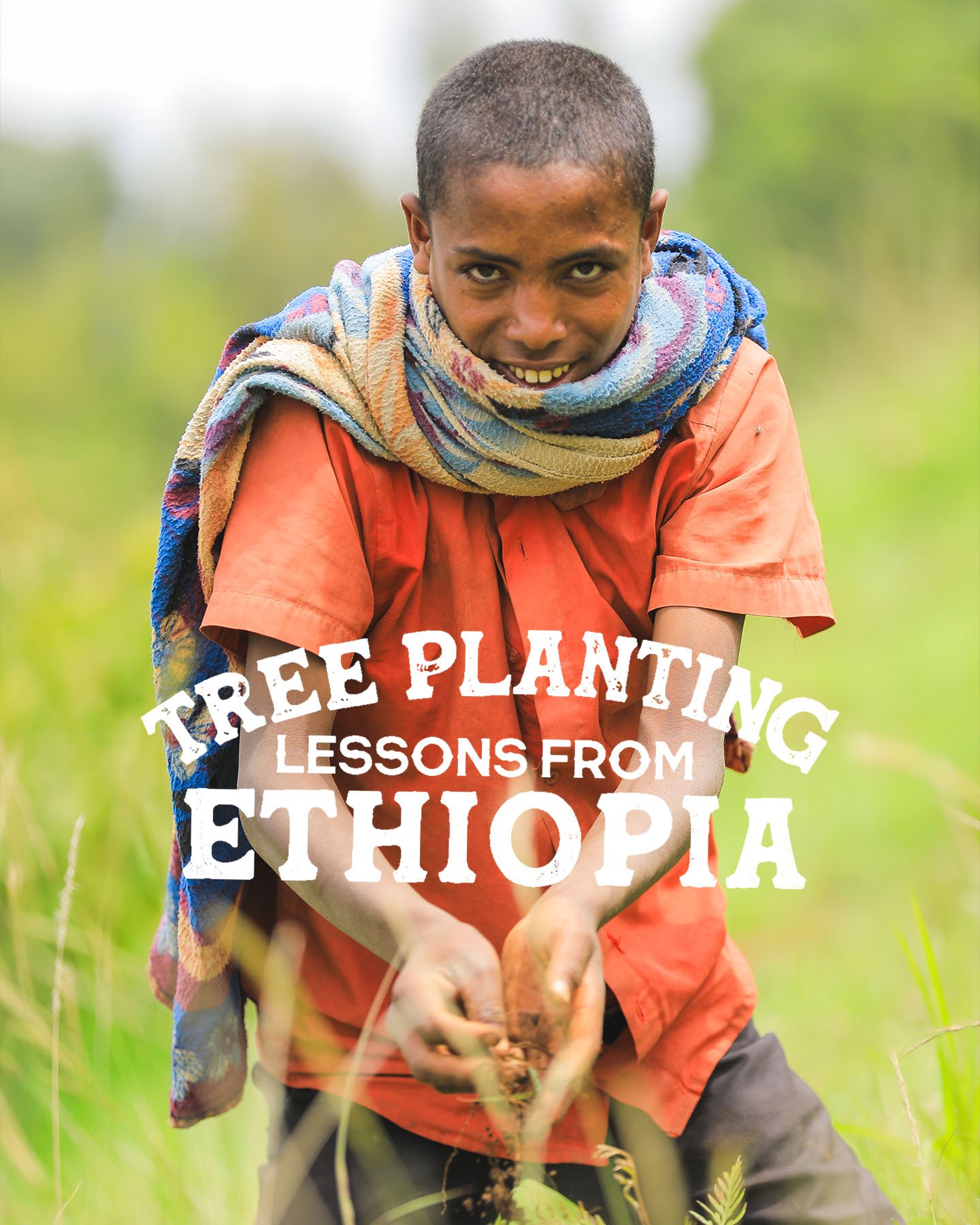
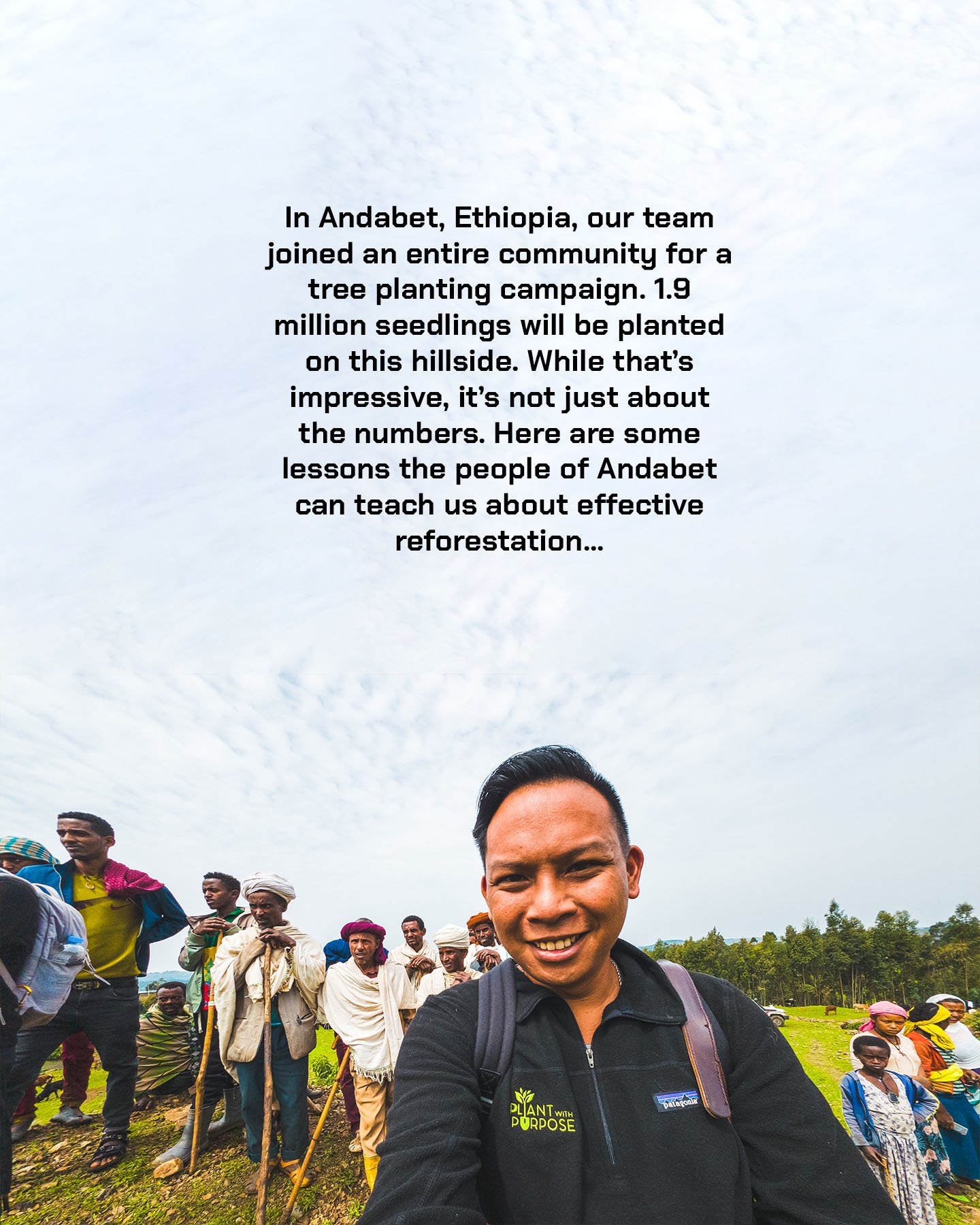
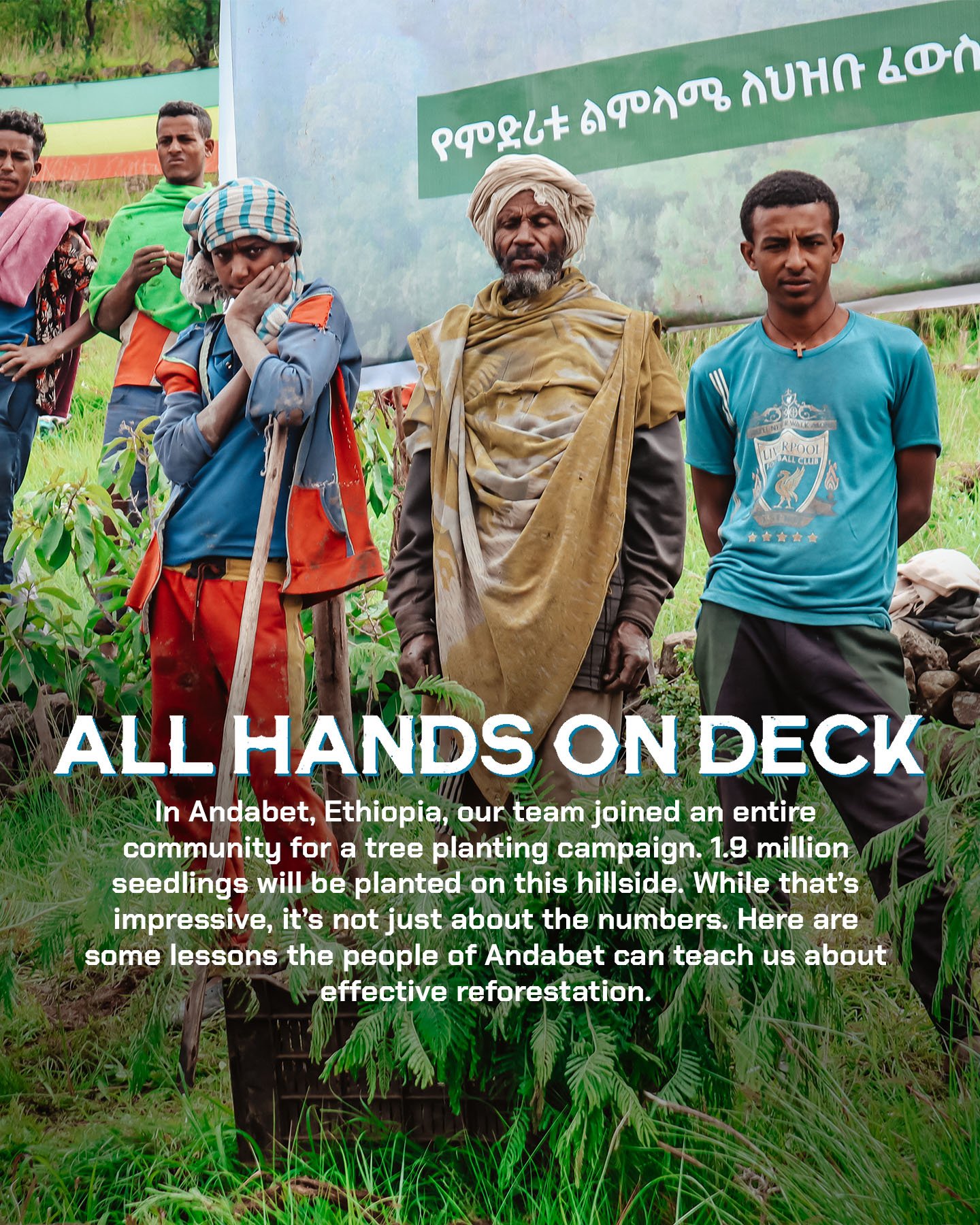
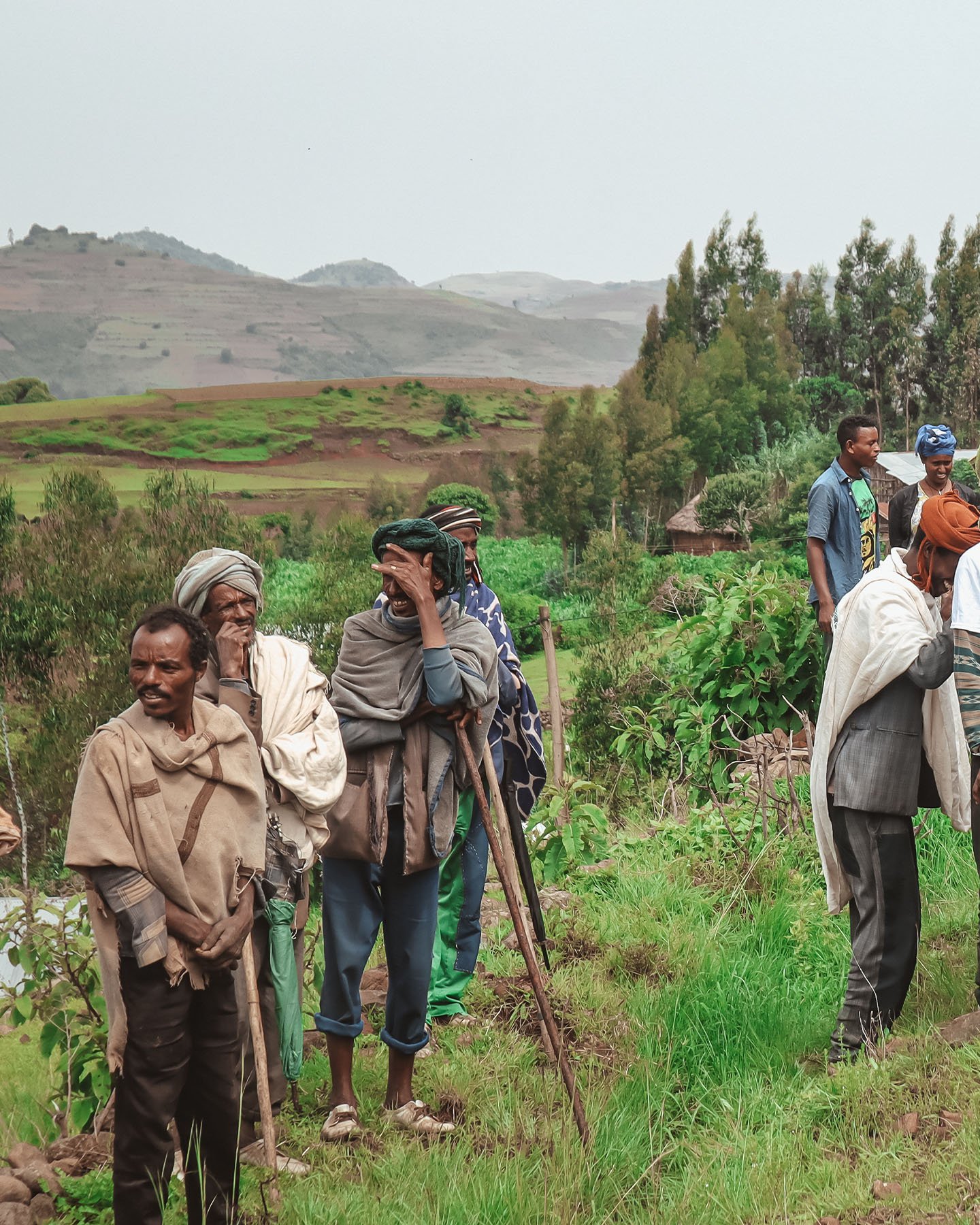
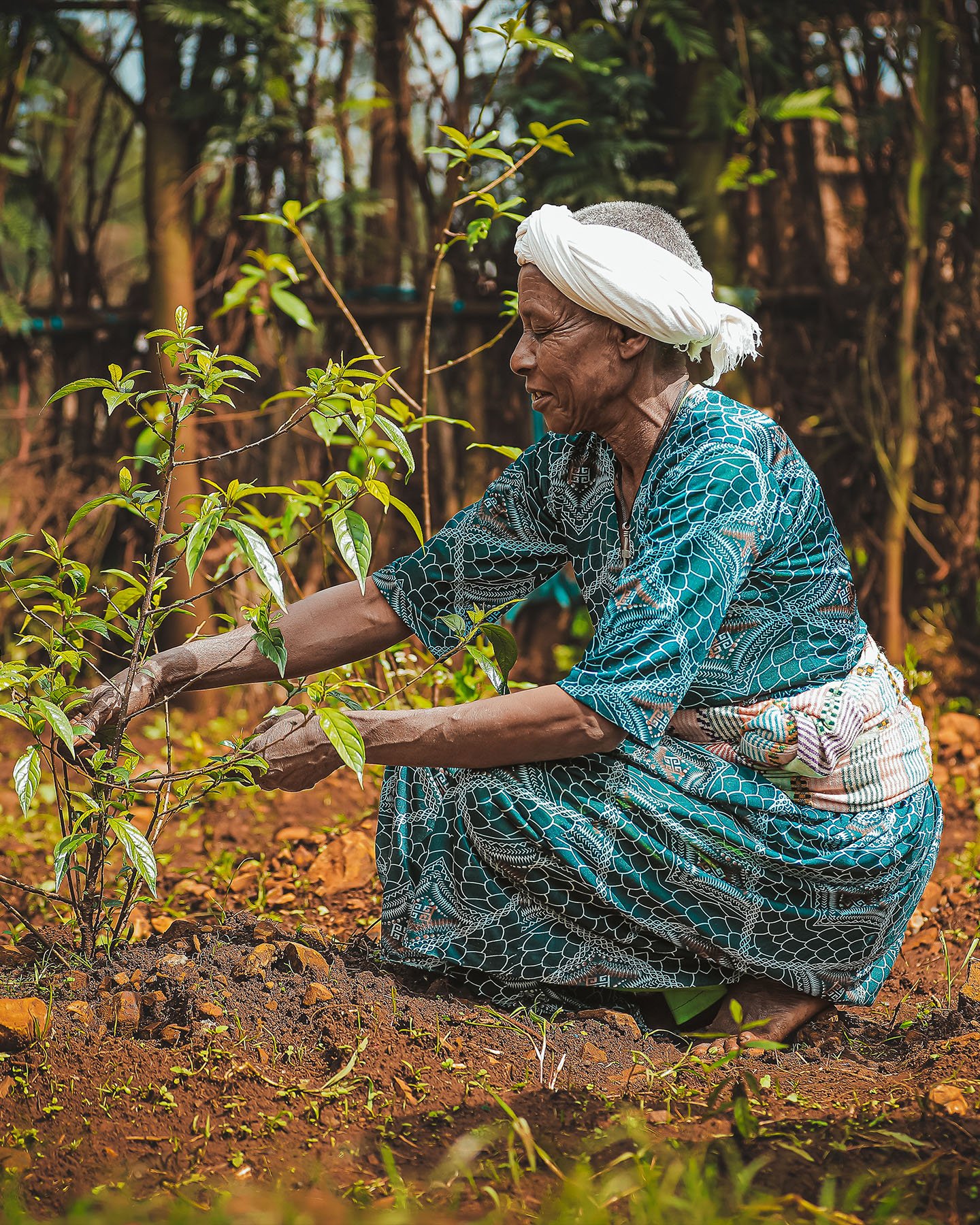
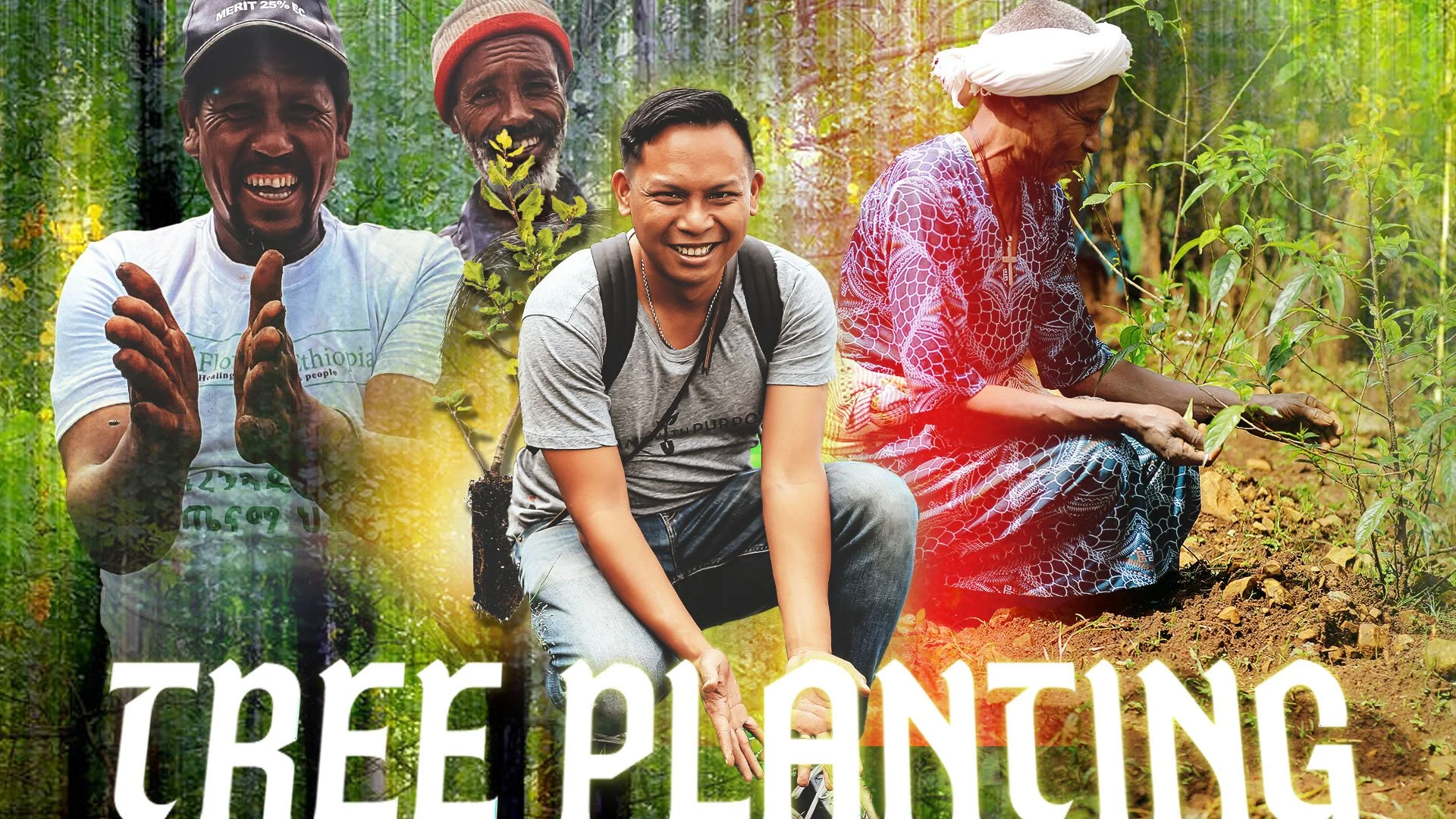
I got to join this Ethiopian community for a tree planting campaign wherein 1.9 million seedlings were planted in the woreda of Andabet with Plant With Purpose. This was awesome! But one of the things this community helped me understand is that when it comes to reforestation, it’s not just about the numbers, but the knowledge and involvement of the local community.

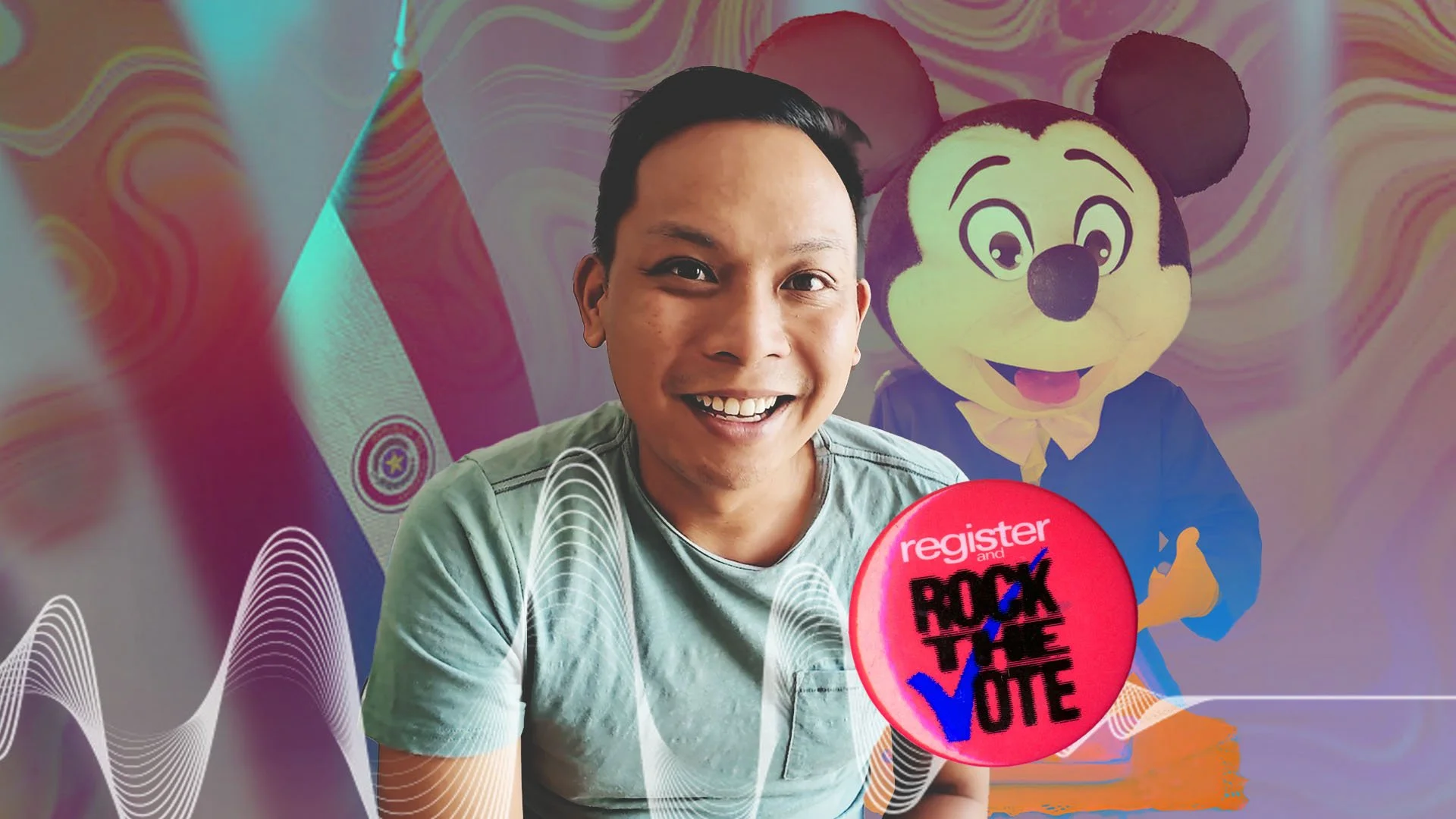
Voting is Hiring and Mickey is Paraguayan

Letting this one go where it goes

Is it just me or is everyone some version of tired and recuperating from something right now? My organization just threw it’s biggest yearly fundraiser, so there’s been a lot of that energy at work, but beyond that, in other circles of life, I’m reading the room and getting the sense that we’re all just catching up on sleep and everything we’ve been putting off.

I’m definitely in that arena myself, so I decided to not overthink, and to record a freestyle, stream-of-consciousness vlog… not something I do too often! But I managed to mostly share something quirky I learned about Mickey and something sincere about the voting process.


Elections are weird. They invite all sorts of bold predictions, polls, and prognostication, and people with very strong feelings around their predictions. It’s not enough to get your candidate in office, people need to be right about how it will all go down.

If anything, these cycles could be reminders of how we don’t know the future, and how we need to learn to live in the uncertainty. We don’t really like that, though.

I do find elections and campaigns to be pretty humbling, if I’m being honest. For example, I’ve always thought things like mailers, lawn signs, and commercials were a waste of money. Never have I once seen a bunch of signs on somebody’s lawn and thought, well, their garden looks good so I’m going straight ticket with whoever their voting for.

But oddly, there is data on how much this stuff can sway decision making, and in a tight race that can be enough.

I honestly don’t like writing about politics especially during an election. It’s not that I don’t recognize the importance of it, but there's simply a lot of noise out there I would rather not add to. This year’s has been dramatic, but I guess I’m pretty glad it’s kind of been abbreviated.

There is one way of thinking about an election that I wish were more common that I think would turn down the noise and lead to more measured decision making, rather than drama.

Casting a vote for someone is simply hiring them.

Voting for a candidate is saying, I would like that person to work for me. And that’s it.

It’s a similar thought to a post I see every now and then that a vote isn’t a Valentine. You aren’t waiting for your soul mate of a candidate to come along in a meet cute. You’re simply hiring the best player to help you advance your goals.

What would happen if we actually approached voting with this mentality?

1) There would be a lot less celebrity attached to leadership roles

In my mind this is a good thing. Relative to a lot of other Western democracies, the US has a lot of allure around its Head-of-State. People hold them up against the shadow of romanticized leaders of the past, and political newcomers are given a TMZ-esque treatment on the come up. In other places, this is less pronounced by a parliamentary structure, having a figurehead monarchy, or other means.

The celebrity approach to political personalities is really unhealthy. People zealously back their candidates, look past all their wrongs, and build their identities as if it were a football fandom. Candidates and parties feed off this appetite for belonging in manipulative ways.

When I hire people, it’s not because I’m obligated to as their fan. It’s because I think they can get the job done.

2) Experience would matter a whole lot more

Rather than being won by a slogan or a yard sign (data says it happens even though I don’t get it!) you’d look for more telling indicators of someone’s ability to do the job. Namely, past performance in analogous roles. Leadership roles would be more earned, and less awarded to sleek marketing.

While this might give a slight edge to experienced candidates, it doesn’t mean whoever quantitatively holds the most years under their belt is the default winner. That’s not really how you hire. I’ve often valued the fresh perspective of a total newcomer. But both experience and novelty would be seen in proper context.

3) We’d have higher expectations and more accountability for leaders

When you hire somebody, you don’t then only look at their wins and constantly remind the rest of your team that you made such a good decision! You evaluate their performance, look for ways to help, and expect a learning curve and progress over time.

Our atmosphere of political fandoms makes it so we’ve attached our identity to a candidate’s success. People who voted for a candidate should in theory be the most demanding of that leader’s accountability, but instead they’re often turned into defenders of that leader, no matter what.

I do think this mentality, of voting being an act of hiring, can help reduce a lot of the unhealthy aspects of our political culture. It would reduce the misaligned expectations we have of leaders in the political arena and replace them with more appropriate standards of accountability.

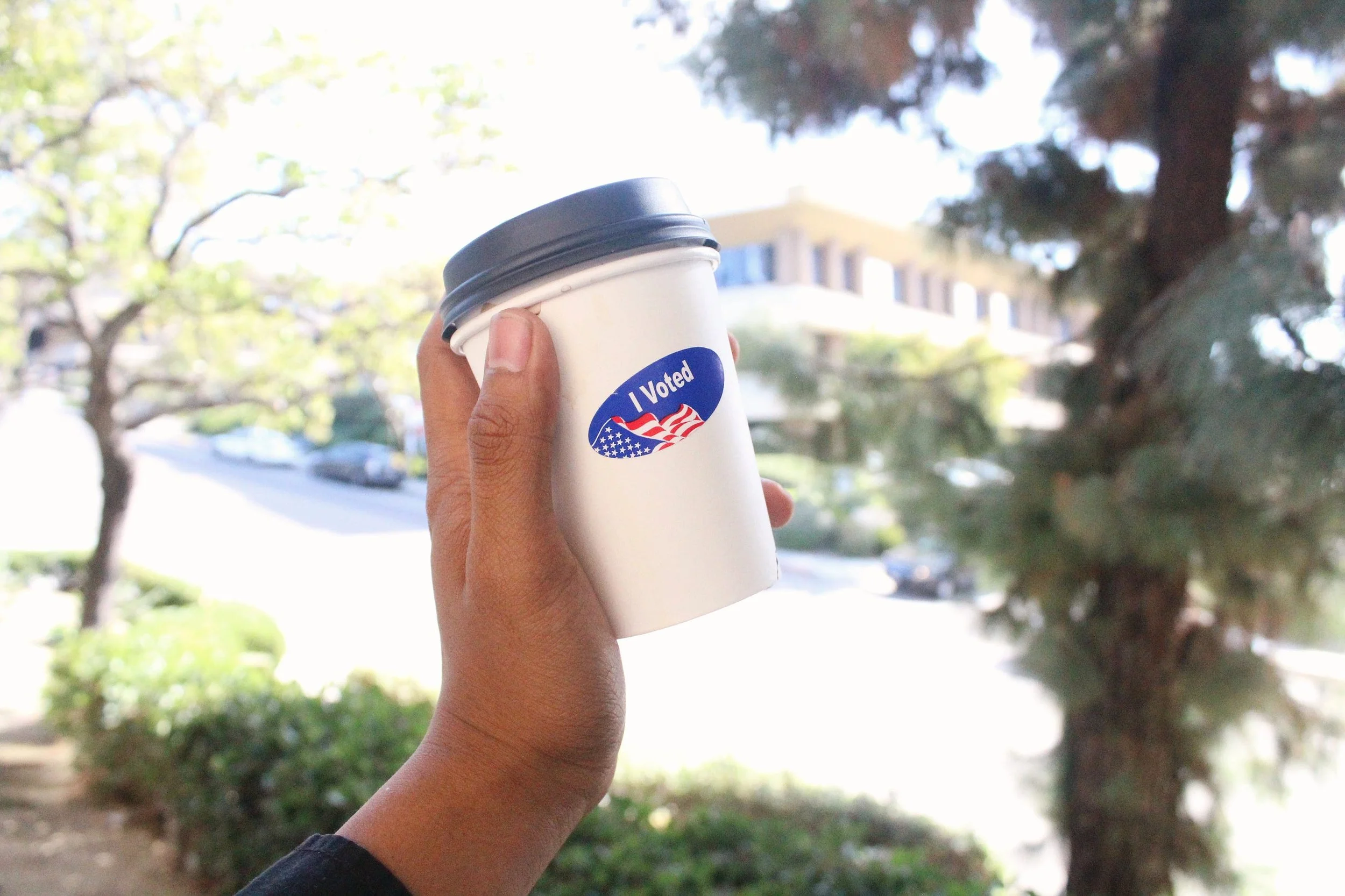
Don’t forget to vote! Just try and do it as a member of the hiring committee instead of the fan club.

My 50th Country, Suriname

I recently hit a neat little travel milestone, in being able to spend time exploring my 50th country. 

The country that will forever hold that distinction?

It’s one I wouldn’t have expected.

Suriname, one of South America’s least visited nations.

Suriname is one of the “three Guianas” that sit at the top of the continent, along with Guyana and French Guiana. I got to visit while spending a little longer in Guyana after discovering how relatively easy it was to catch a flight between capitals- Georgetown to Paramaribo.

My original plan was to attempt the border hopping by land, hiring a car on each side and taking the ferry. After trying to make those plans, it got a little too unclear whether or not all operators were still running post-Covid, so I took a 45 minute plane each way.

Most arrivals into Suriname will come by way of the Johan Adolf Pengel Airport, which sits about 45 minutes outside of Paramaribo. For an airport its size, it functions relatively well and feels a lot calmer than its Guyanese counterpart.

Display materials remind you that most of Suriname is an almost uninhabited rainforest with plenty of open space and biodiversity.

The drive from the airport to Paramaribo will also drive home this impression. You pass mostly open space, with the occasional small home. The houses you do pass by on this main road are modest, but well kept.

There is plenty of green around.

When you finally make it into town, you quickly discover that it stays relatively calm.

After spending a few days in Georgetown, this was really welcome. Guyana has a lot going for it, but one thing that made it a less-than-ideal destination for me was the fact that it had very limited walkable areas. The parts of town that were walkable by design tended to be more chaotic, and somewhat unsafe.

In contrast, most of Paramaribo consisted of calm streets and old wooden buildings. A very easy place to explore on foot.

It didn’t take long for me to find a few favorite spots in town. Zus & Zo was a cafe not far from the central streets. I heard good things about their breakfast and while I showed up at an awkward brunch time, the courtyard was a great place to spend a morning. Zus & Zo doubles as a hostel, and there were several opportunities to book ecotourism excursions through them. If only I had a bit more time!

Perhaps my favorite part of central Paramaribo was the waterfront. Right along the river were several kiosks, artisan stands, and mini-cafes. I found a pop up coffee-shop-slash-juice-bar and ordered a ginger juice. Not too far from there, I even found a stand serving up lumpia… extending my claim to find Filipino food just about everywhere!

Caveat… with the spelling Loempia and given Suriname’s history of Dutch colonization, I think the dish actually came by way of Indonesia, but hey, all roads connect.

This part of town also hosted the Palmtree Garden, and as simple as it sounds, I spent a long time wandering around there. It was a small outdoor space, but I wound up finding a spot to sit and be still for a good while.

After that point, I wound up walking all the way to Suriname’s Chinatown, which is about as chaotic of a space that the country has to offer. But, it was a spot where I could find a needed USB charger for cheap, and some pretty great foods.

Speaking of food, Surinamese cuisine ended up being one of the standout things I’ll remember about my short time in the country.

Suriname has a very complex history. It was colonized by the Dutch, who enslaved and brought in African populations. Some escape and intermarried with indigenous tribes, others were later emancipated.

Waves of labor brought in populations from India and Indonesia. All these cuisines and other regional ingredients shaped Surinamese cuisine.

It was a treat to have Suriname as my 50th country.

To be transparent, I find counting countries a little silly. Being able to cross one off a list can be a misleading indicator of how much you engaged or interacted with its culture or its natural wonders. My day in Suriname counts as much as my many months and multiple trips in South Africa.

But to also be transparent, I can’t stop my curiosity in counting how many countries I’ve set foot in!

One other reason I feel lukewarm about counting countries is that it devalues the return trip, and that’s often where you get to the next level in experiencing a place. While I don’t see a return to Suriname on the horizon, I certainly wouldn’t mind coming back again.

Ideally, I’d love to leave a little more room in the itinerary to explore some of that heralded forest space and take one of those nature based tours.

To my moment-makers

It recently dawned on me that the thread connecting all the stuff I love doing is that they’re all about creating experiences.

From improv and making a one-time-only moment for the people sharing the space, to taking my kids out on field trips, to my love for inviting friends on trips and splitting up a big house… I think the most natural way for me to express love for people is to try and create experiences for them.

Something that breaks up routine, opens up senses, and introduces something unfamiliar.

I try to take this practice into my work and art, knowing that one of the things I’m most naturally inclined to do is to create an experience out of whatever I’m working on.

Valencia '24

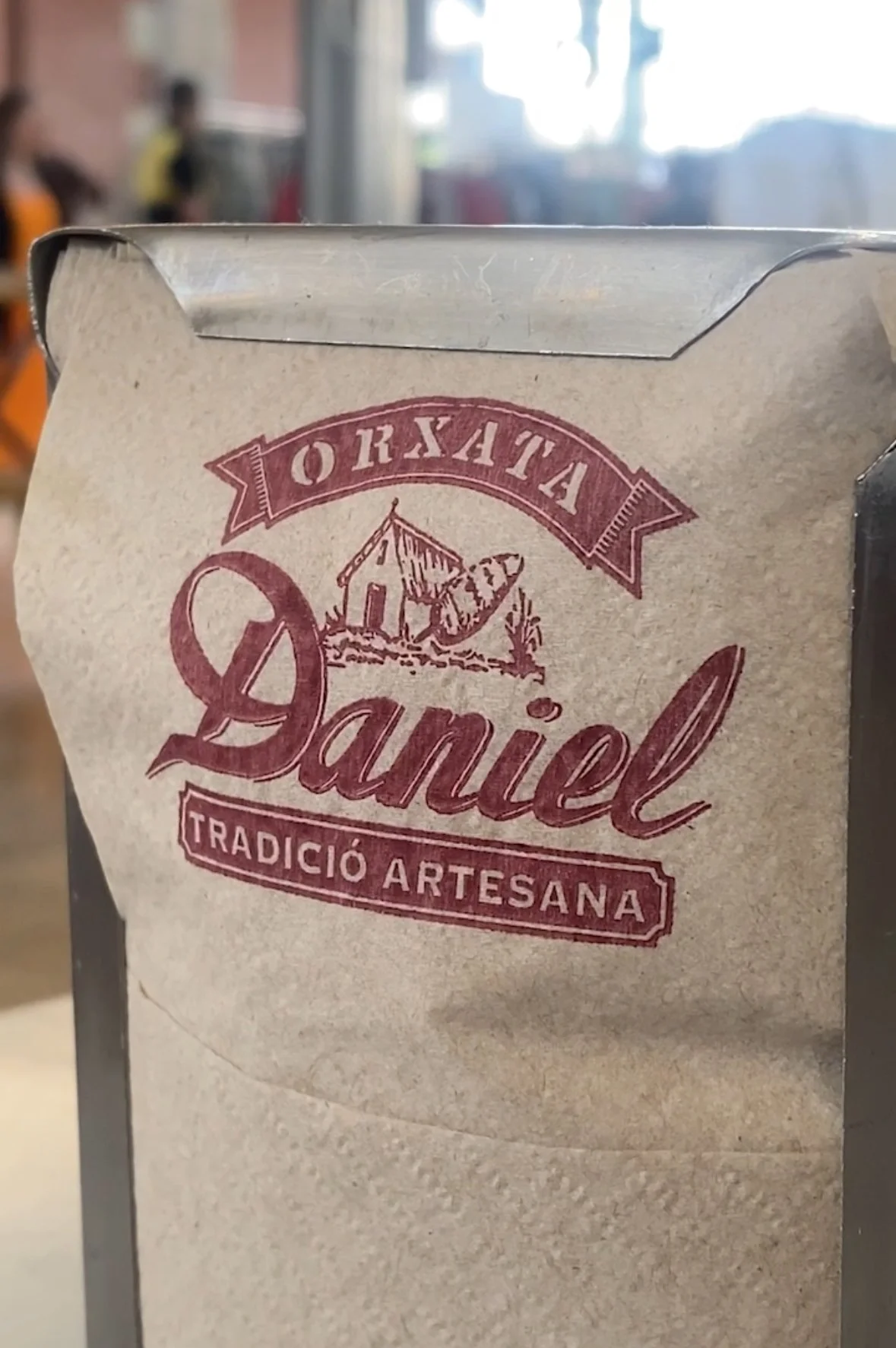
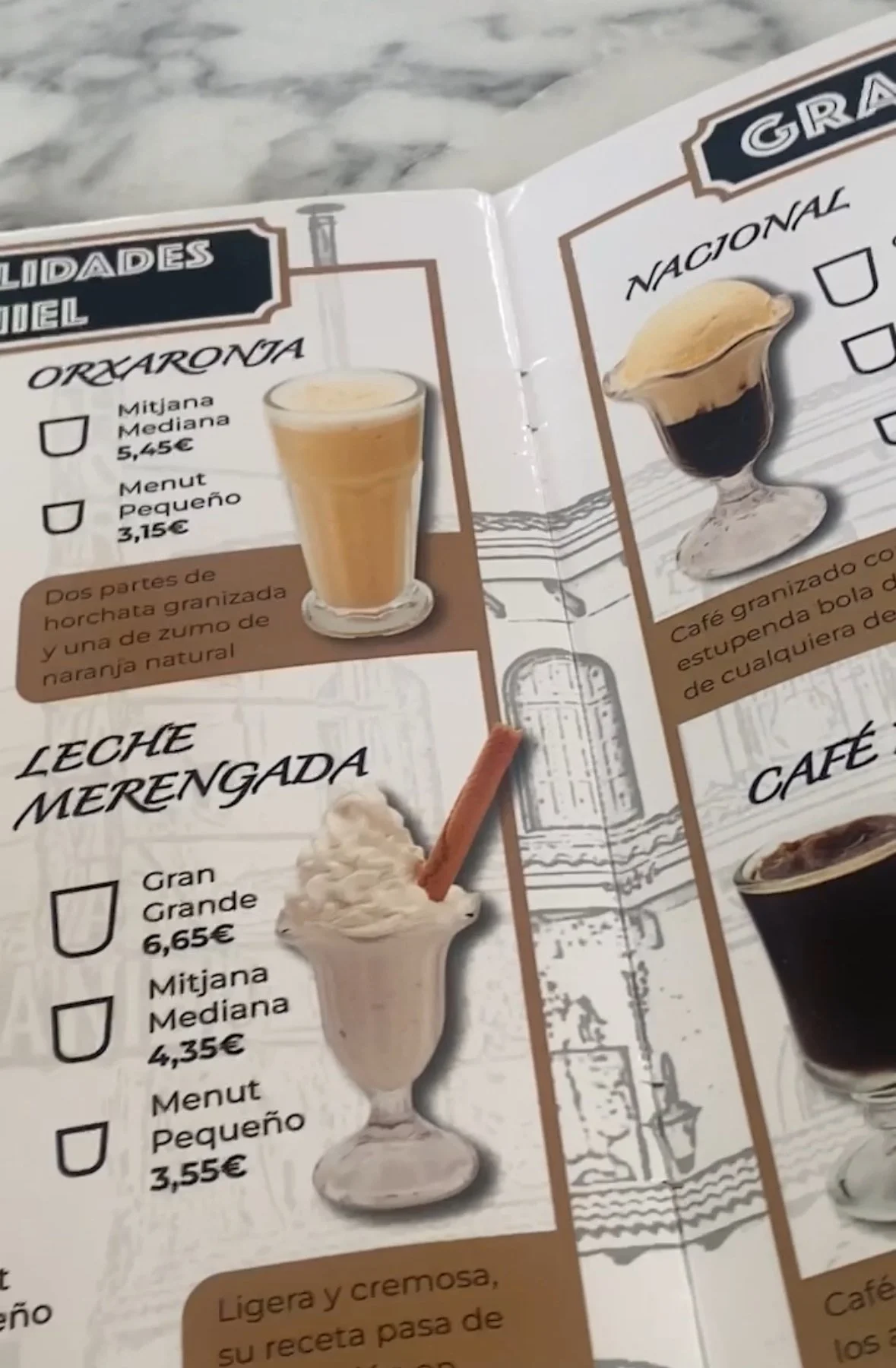
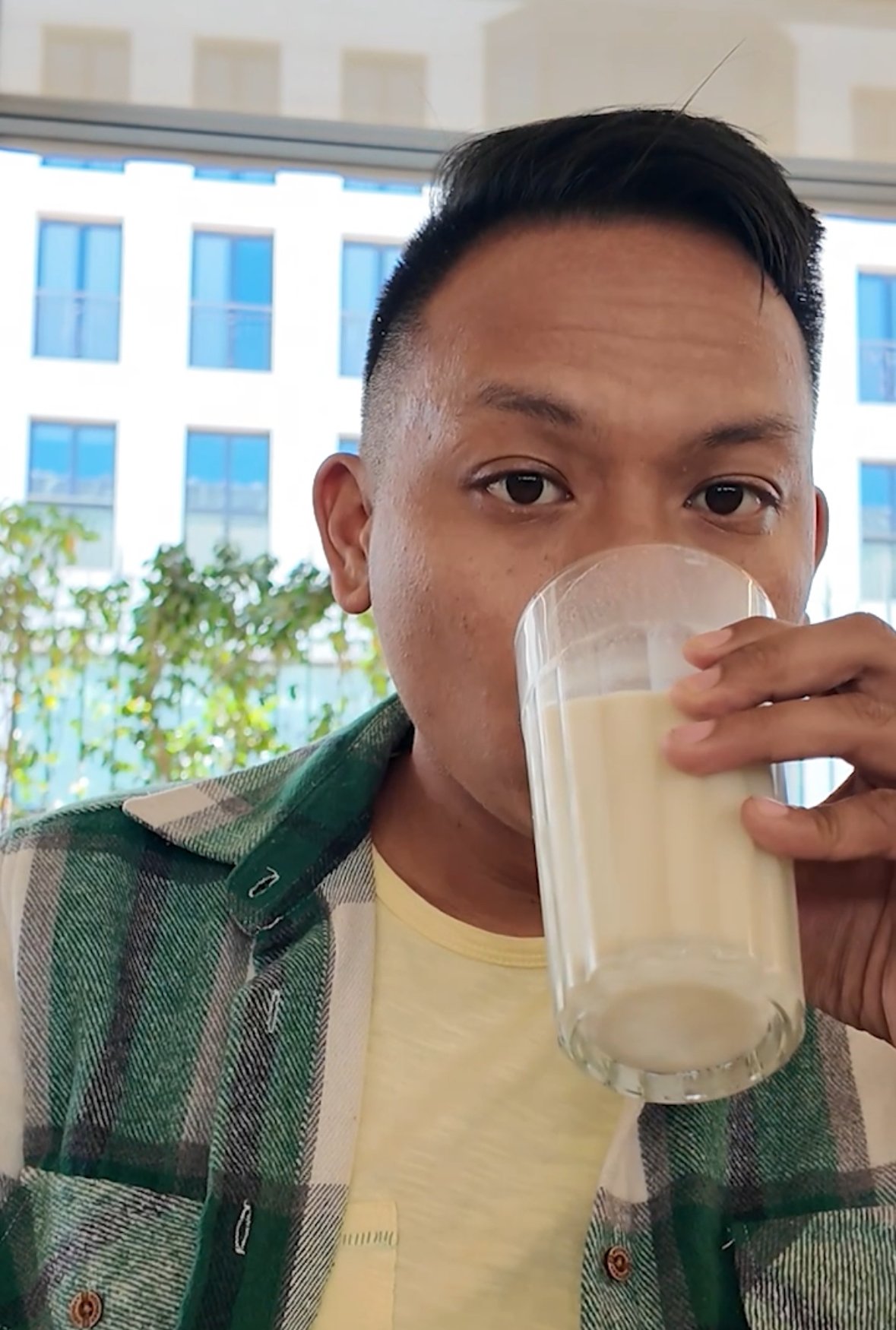
If you ever want to try horchata in its European point of origin (and who wouldn’t?) I’d have to shout out Orxata Daniel as the spot to go in Valencia. They’ve got a big dessert menu so multiple trips might not be a bad idea.

Imperfect Climate Action

Imperfect climate action is where it’s at.

One of the easiest ways to suffocate a movement is to demand perfection from those who join.

Getting a large number of people to reduce meat consumption ultimately helps the planet more than getting a handful of purists.

Flight shaming, diet shaming, and other guilt-based approaches aren’t just annoying. They’re strategically unwise. Trying to have a “perfect environmental report card” is ironically rooted in the same sort of individualism that created the climate crisis.

When you move past this and embrace the fact that your actions will be imperfect, you can then work on focusing your efforts towards what gets done together.

You don't need to be the one who hits launch

From my vantage point, the world of nonprofits, social initiatives, and change-making projects is a little too oriented around the people at the top of organizations, as though the work of making a difference in the world is concentrated in the hands of founders and executive directors.

Not to take anything away from how hard it is to start and run an organization, but running a successful mission requires way more people than that. We shouldn’t approach the world of social innovation and philanthropy as though that were the case.

I’ve been in the world of nonprofits and social organizations for well over a decade. In that time I’ve subscribed to so many newsletters, joined so many networks, and attended so many conferences on how to make a bigger impact.

The fact that I’m here after all these years and feel like I’m just getting started is a testament to how much I enjoy the space. I love the energy of people committed to a mission. But so much of the material I read or the events I attend are designed as though the only people in the audience are in the organization’s top position.

The thing that makes these organizations run are teams. Not just a couple people at the top. If we acted as if those starting and running organizations were the real changemakers, and everyone else were a cog in the machine, what does that suggest? That the biggest impact gets made by having hundreds and thousands of “organizations” that really just consist of 1-2 people so everyone can be a founder or executive director?

Of course, everyone realizes how absurd that sounds when you say that out loud. Yet, when the world of philanthropy routinely hosts a bunch of gatherings, organizes networks, and invests only in those top roles, that’s kind of the structure we’re assembling.

I’m not saying we should have less of that for organization founders and executive directors. I think there should be more of that for everybody else.

Ultimately, that shift would be reflective of a bigger culture shift that I think needs to happen in the world of nonprofits, social investing, philanthropy, or whatever you want to call that space. We need to become less focused on finding heroes and more focused on creating communities.

I’ve seen a good number of organizations in recent years rise on the shoulders of their founder’s charisma, only to collapse under the weight of a personal moral failure. Ironically, that moral failure is often tied to the pressure they face in their role. A role described by many as a lonely one.

When I was a student, I absolutely loved the origin stories of some of my favorite organizations.

There was such a common pattern to them, they almost became a trope. 

The founder is usually someone at a crossroads in their personal life. They go on some sort of trip to find themselves, and end up discovering some social issue when they get there. Trafficked children. A civil war. Intense poverty. They decide to do something to solve the problem and then, presto! Organization launched. Purpose found.

When I graduated college, it was easy to imagine my life following a similar path, which is why one of the places I ended up a few months afterwards was at a home for at-risk kids in a seedy South African neighborhood. 

To sum up a few challenging, growing, and perspective-shifting weeks in one of my many takeaways, I came to better understand all the problems with trying to be a “hero” to a complex social crisis, and how often that creates more harm than good. I realized that there was no substitute for local leadership, or having years of experience working on the ground. And I learned that showing up consistently, day-after-day, is how real change happens.

I remember one mentor who told me, in reference to the work of stopping human trafficking, that everybody wants to be the action star who kicks down the door to the brothel. But none of that is happening without somebody who writes the grant applications to fund it. Or somebody who handles the travel logistics and financial documentation. And you’ll also want to make sure you have someone trained in trauma counseling who can handle aftercare. 

Long story short, it takes a team.

If anybody is kind of in a similar position to where I was back then, I think the thing I’d want them to think through is to ask if you really need to be starting an organization or launching something, or if there are already people out there doing the work who you could join, team up with, or amplify in some way.

After all, what do we think would work better? 200 anti-trafficking organizations that are mostly the work of 1-2 people a piece? Or six anti-trafficking organizations with full teams, and team members who can really specialize in their area of expertise?

And imagine if those resources and networks were available not just to CEOs or founders, but to all kinds of roles found within a team? The relationship building fundraisers? The grant-writers who can take these dry forms and tell a story on them that compels? The people doing tech and engineering work for social impact organizations?

And guess what? This exists! For people in my kind of role, there’s the nonprofit storytelling conference, there are ways to meet others. Just imagine if there were even more. Imagine if there was more out there on how to lead from within. How to lead from behind. How to lead from a niche role. Because that’s what the majority of us will do.

One quick note- while I am in the habit of telling people to quit thinking they need to start everything from scratch and to look for the others, I do realize that there are a good number of people who, due to their gender or skin color or whatever else, might not be initially thought of as someone who could assume a top spot within an organization’s structure. Maybe because people don’t often see them in that way, they’ve learned not to see themselves that way. To people in that position, I might say, don’t let these ideas here lead you to be less of yourself. Just marry your pursuit of leadership to the following idea.

Creating change in the world should invite less hype around heroes and more focus on cultivating community. 

I understand the appeal of having some people you can really look up to, and I certainly have a good amount of those figures. I think of Bryan Stevenson with the Equal Justice Initiative.

But just imagine if all the hoopla that we put into trying to win people over using personalities were redirected towards an atmosphere where people were welcomed. A place where other people could find their people.

A Better Way to Plant Trees

I used to think of planting trees as one of the simplest ways to do something good. Trees are pretty straightforward, help heal the earth, and are simply pleasant to be around.

Turns out, the act of tree planting can be pretty complicated! In a frenzied effort to plant as many trees as possible, there have been several recent examples of tree planting going really wrong. These include scenarios where reforestation sites have displaced human communities, cases where harmful species have been planted, or where a failure to account for social factors have resulted in a net loss of trees.

Get this, though. Tree planting is still important. We just need to figure out a better way to do it, one that turns up the good and reduces the harm.

Based on my recent visit to a Plant With Purpose reforestation site in Ethiopia and my conversation with tree planters, here are a few core ideas behind tree planting in an effective way:

🌳 Plant the right tree in the right place

🌳 Let the locals lead

🌳 Pay attention to social/economic factors

🌳 Focus on beliefs around trees, not just behaviors

🌳 Strive for whole-ecosystem health

Tony Gwynn

I wanted to do a Tony G piece this year since it’s been ten years since the Patron Saint of San Diego passed. Saw a thread polling people on the hardest ballplayers to hate, and unsurprisingly he was a top five response.

Once I met Tony Gwynn at a Gateway Computer Store. Had to have been one of the most 1990’s days of my life. Great guy. Great hitter too, of course.

The Bad News Bias

A big announcement dropped a couple weeks ago.

A pre-exposure prophylaxis medication against HIV had its phase 3 study end early… because it had already shown to be so effective that anything delaying this from getting to the public would at this point be unethical.

The tools to end, or at least significantly disarm the threat of HIV within our lifetime are now coming into focus, and I keep thinking about some of the HIV-impacted kids I spent some of my earliest post-college years working with.

This is perhaps the 6th or 7th major disease this decade I’ve seen this happen with. What would’ve been an ominous prognosis 20 years ago is now liveable. I’ve also seen very few headlines about this. No major media outlet blasted this, you would’ve likely needed to seek it out, or have heard about it from someone more immersed in HIV reporting.

I think of all the people I know who face copious anxiety, at least partially because of all that goes on in the world. Yes, there are a ton of horrors too. But bad news travels so much faster than good news, even really good news. Don’t forget to factor that in to however you feel about the world.

Rhys the Travel Buddy

I took Rhys traveling around Finland for a week and by the end, couldn’t help but think to myself… I got a really great travel buddy.

We talked about our “big snowy trip” for months. He got real familiar with the Finland page of his world map book. He triple checked with me to make sure the wolves and wolverines would stay within the woods of the Taiga and not be in our way.

Kid took to the adventure with all the enthusiasm and curiosity that comes natural to a four year old, but also with a sense of adaptability and teamwork that many adults struggle with. In the end, he had a great time. I had a great time.

I kept thinking of our first year together. Him as a squish and both of us cooped up at home. At some points it felt like I might never travel again. A part of me was okay with that, and another part was dying. Four years later, I can be both dad and backpacker. We get to walk together to find the right train platforms and food markets.

It’s brought me so much joy to hear him share stories from the trip with the rest of the family in his own words. We did so much cool stuff, but what was really cool was getting to do it with him.

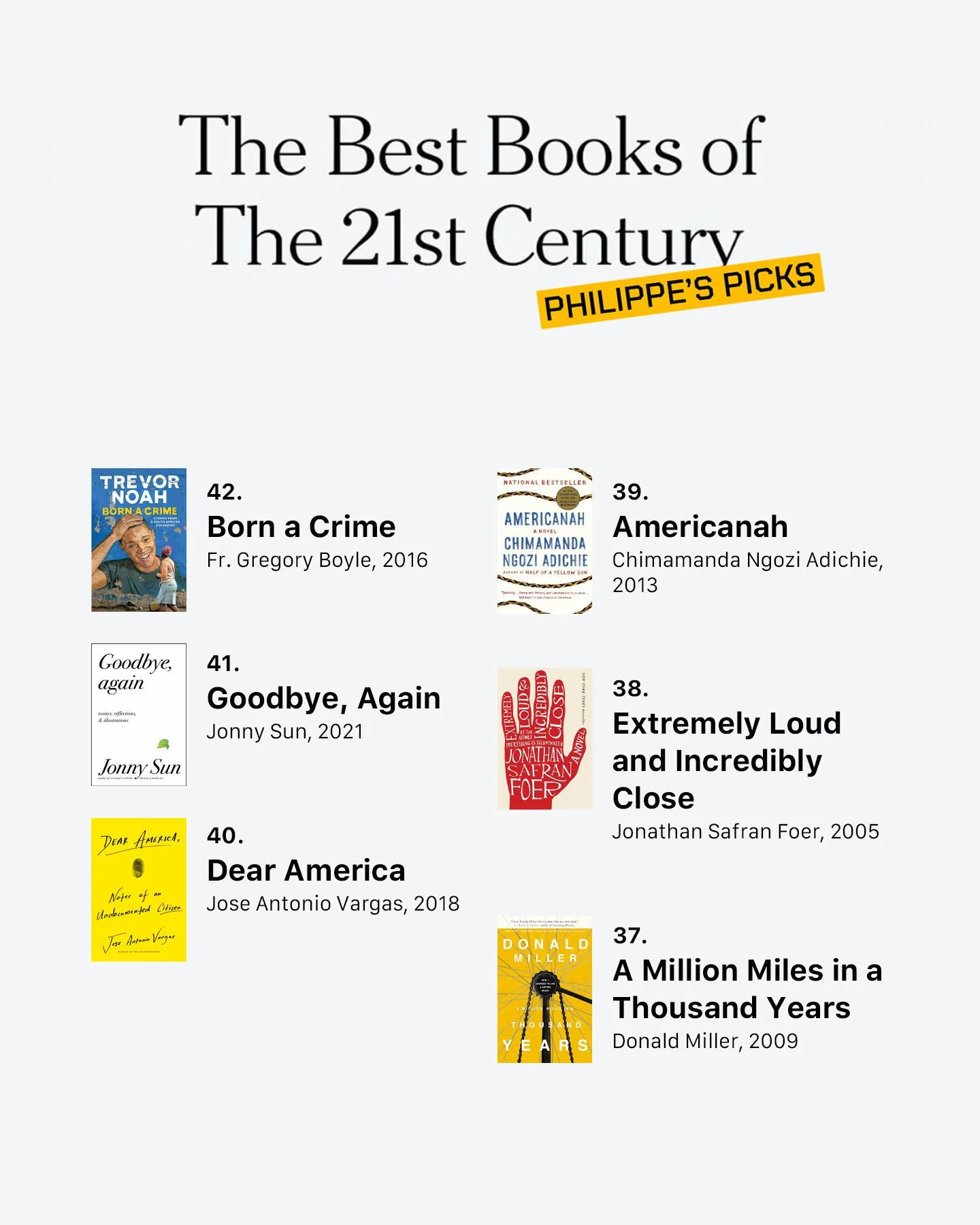
Best Books of the 21st Century

The NYT Books section recently released its picks for the Top 100 books of the 21st Century, so far, given that we just hit the quarter-mark.

I was honestly surprised to see that I was in agreement with so many of their picks! Then I read the reader picks and thought… huh, this list is pretty good too.

Then I just needed to make my own. But I don’t read quite as much as the whole books section of the biggest newspaper. So I cut it in half. Here are my top 50. My excuse for every snub is that I haven’t gotten around to it yet.