


Spent a long time in the coziest bookstore in Tallinn, and probably could’ve spent even longer.
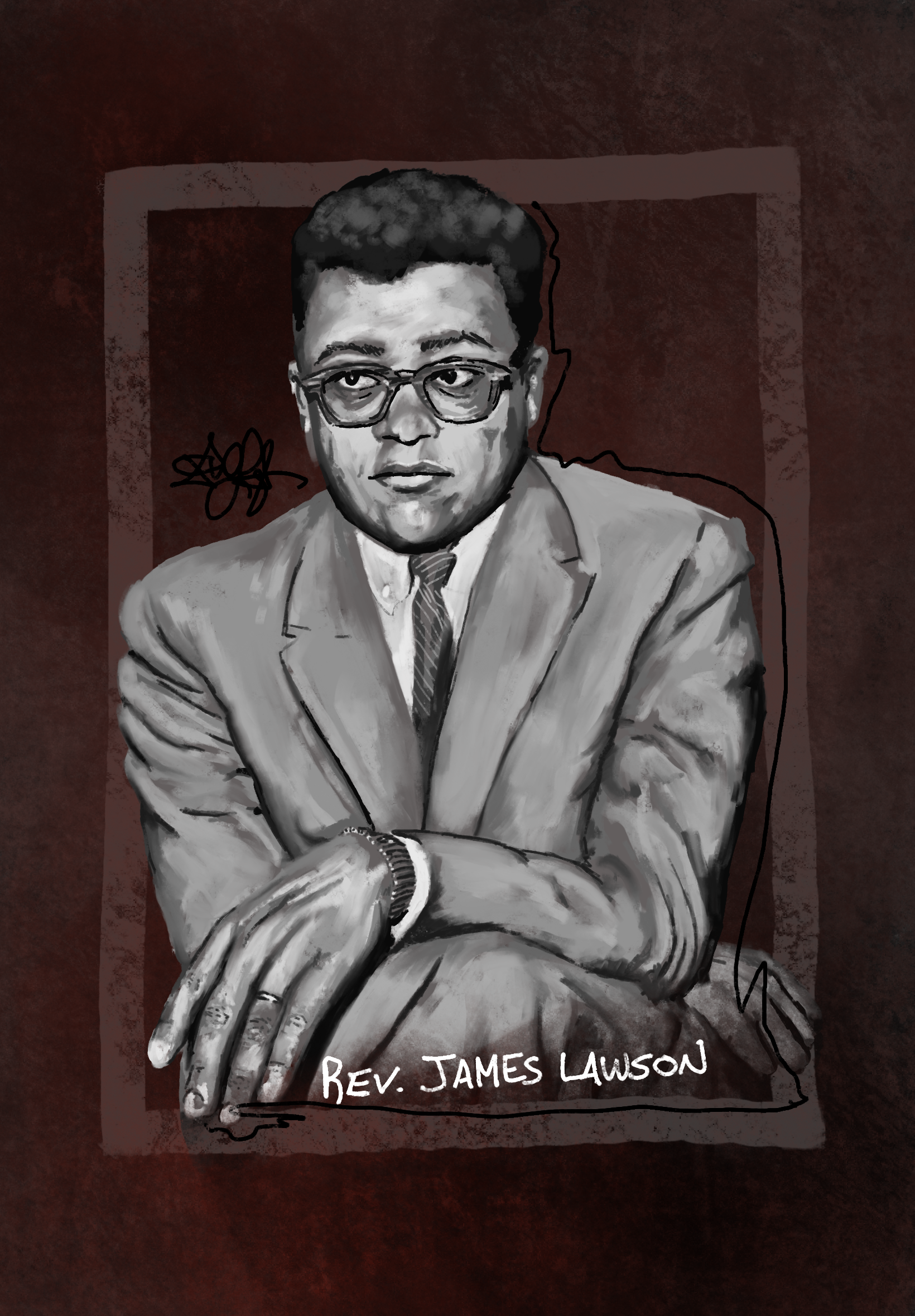
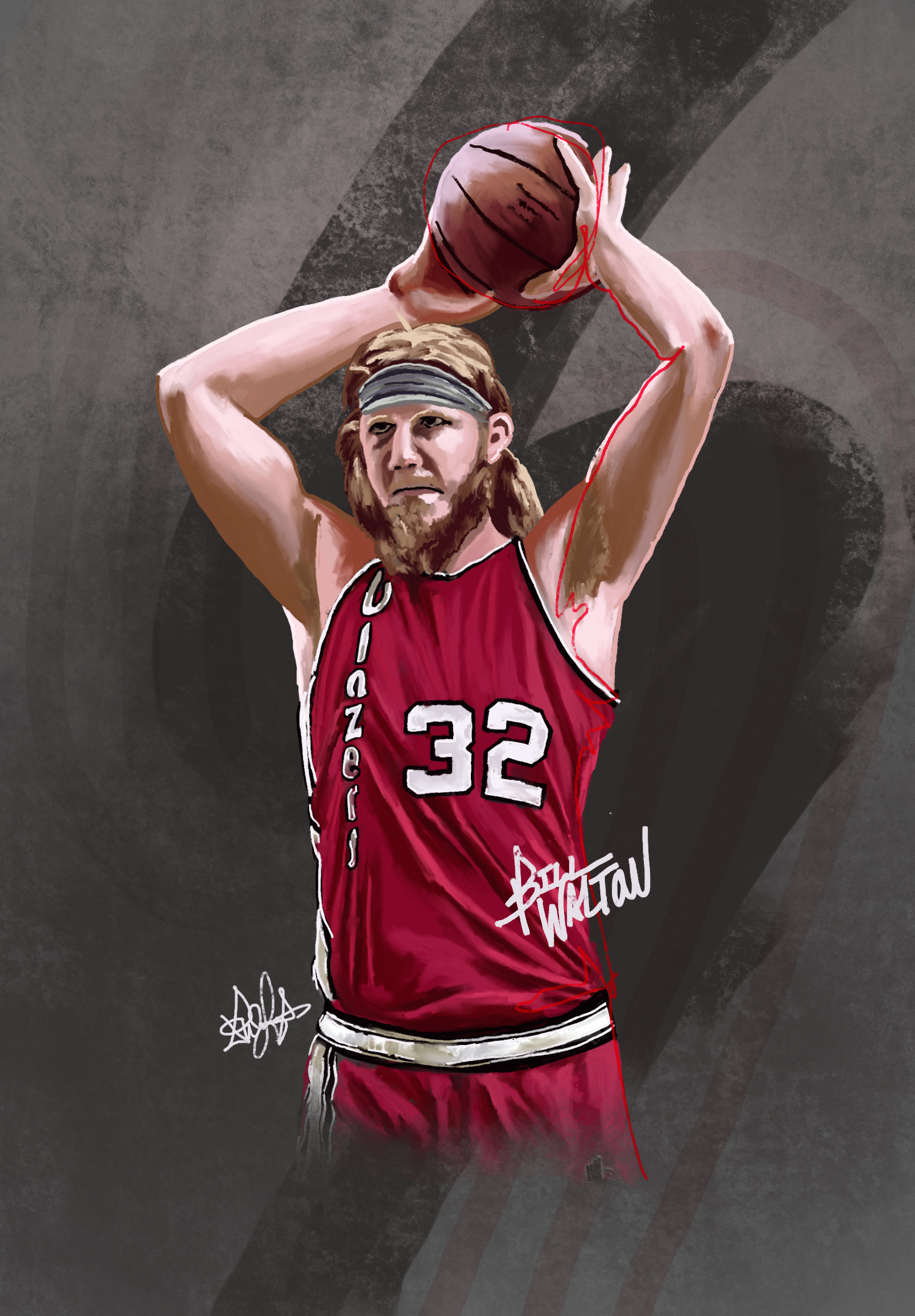
Iverson, Lawson, Hedberg, etc.
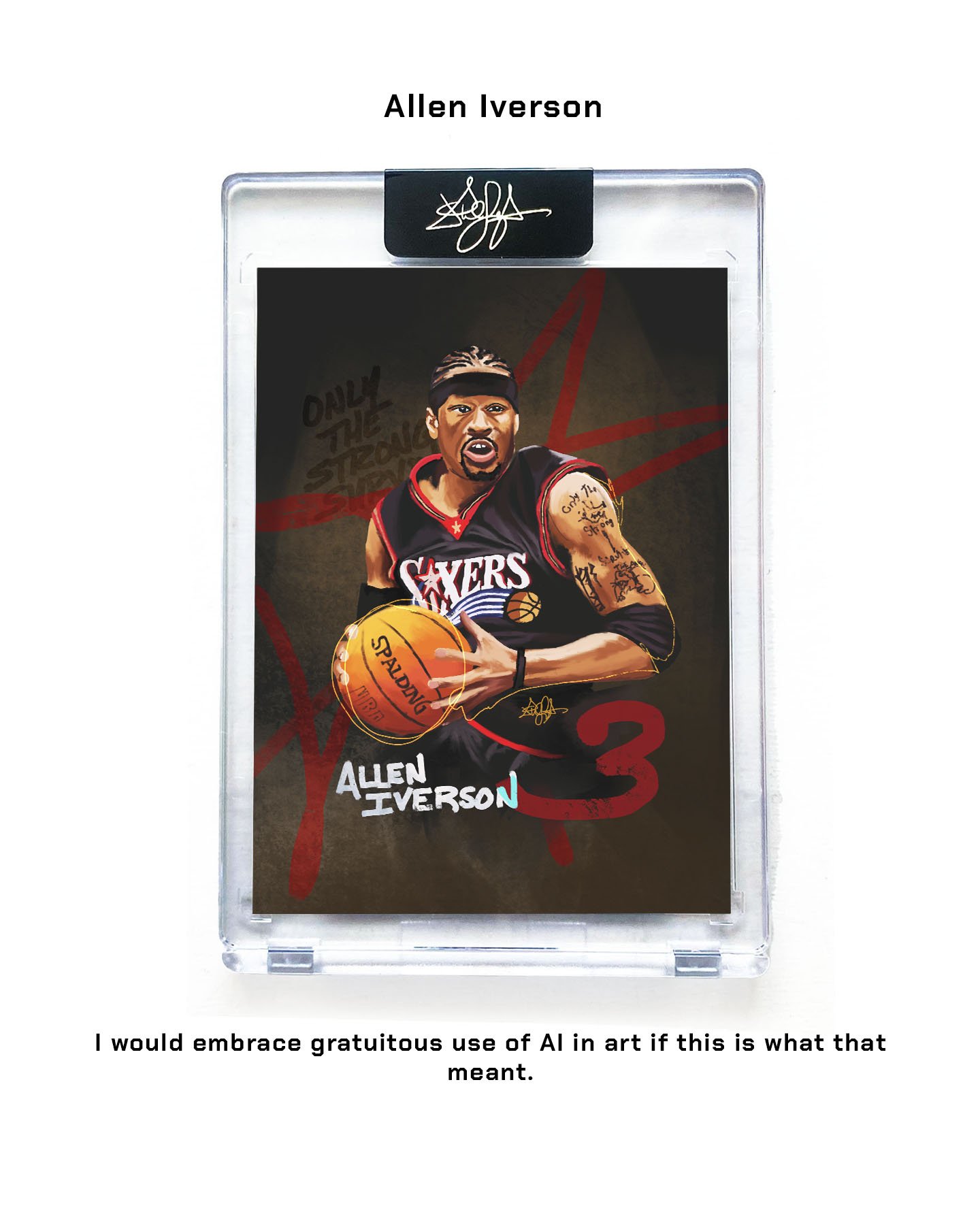
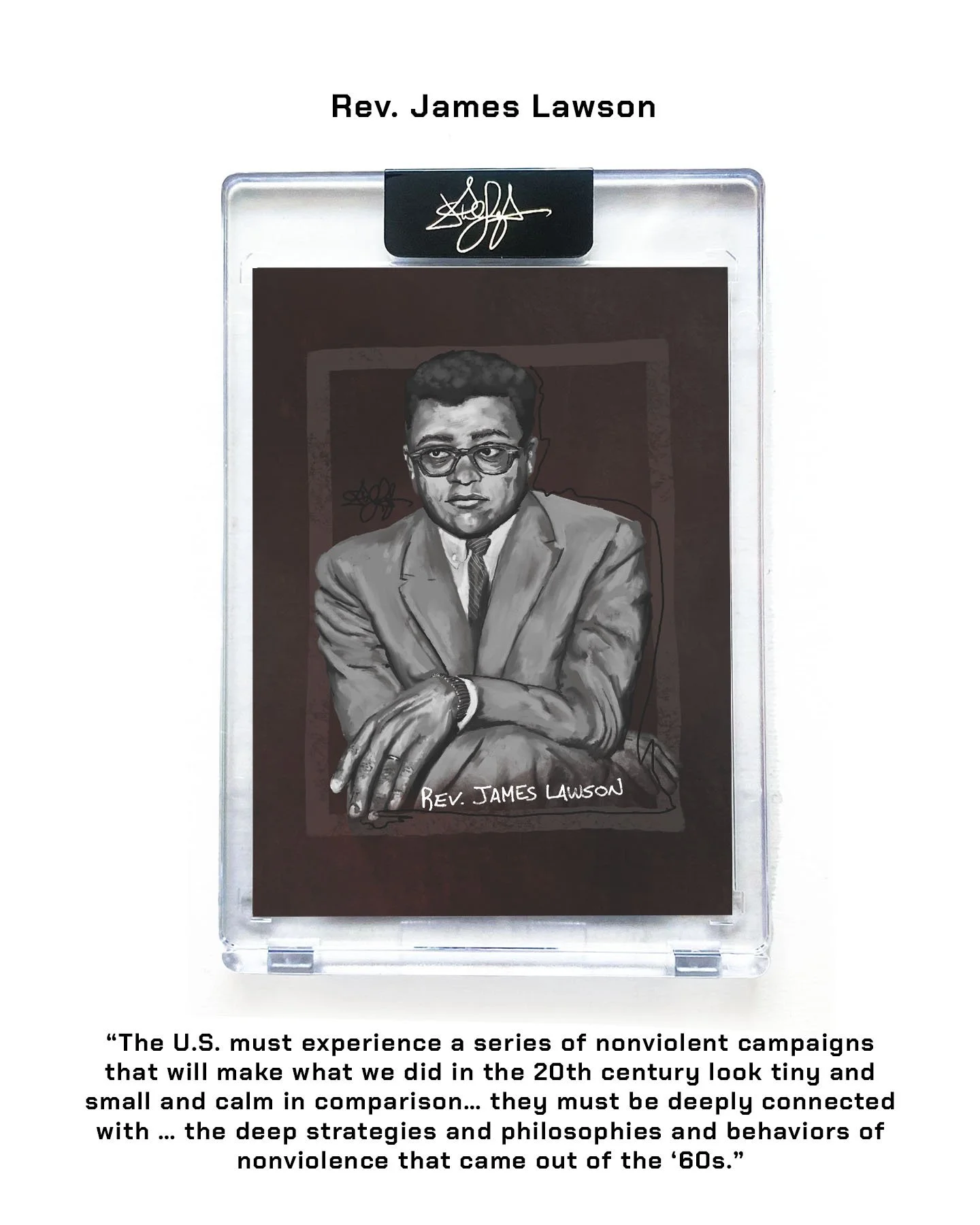
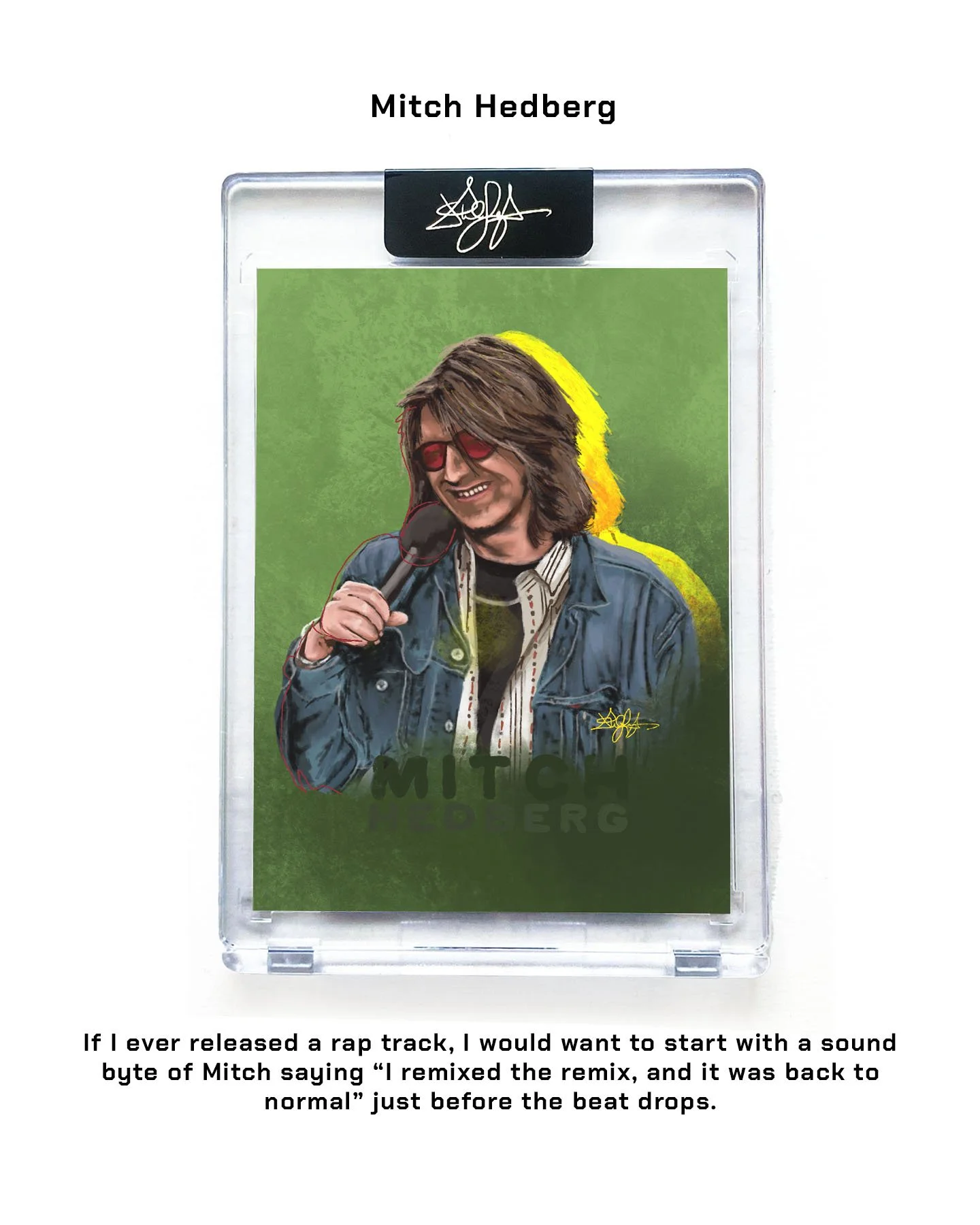
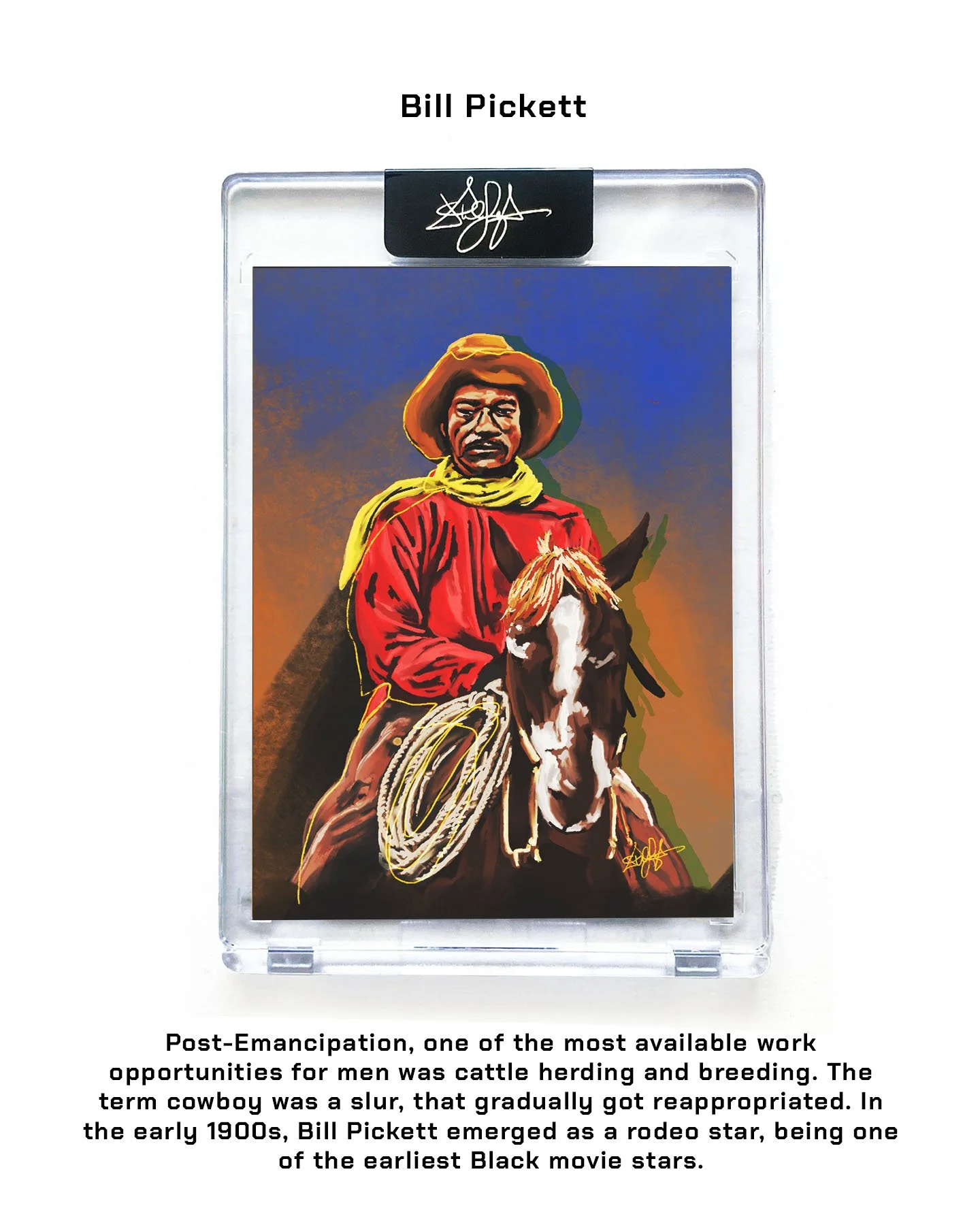
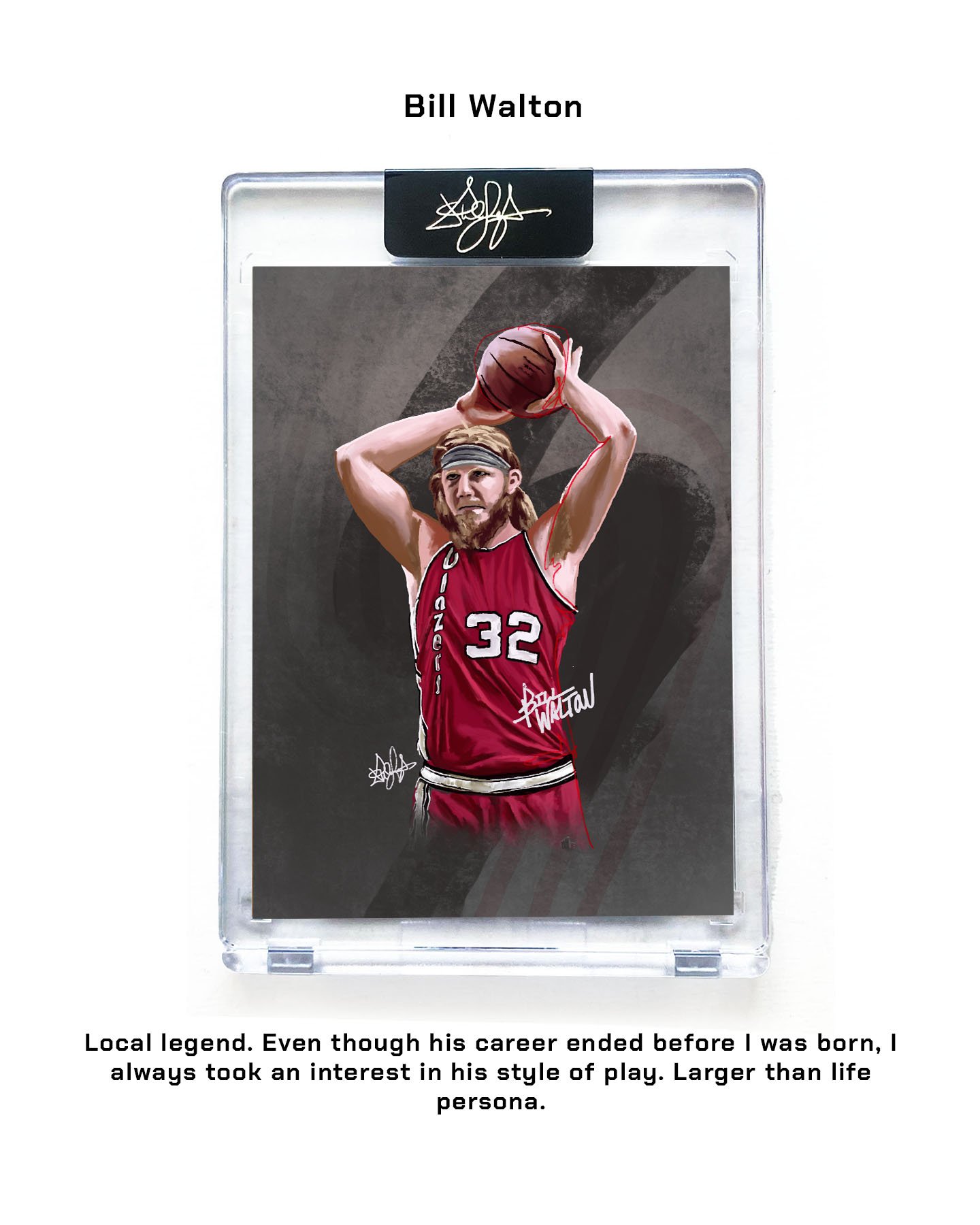
These days, I’m having a lot of fun drawing and making art and a lot less fun posting and sharing it… sounds like creativity in 2025!
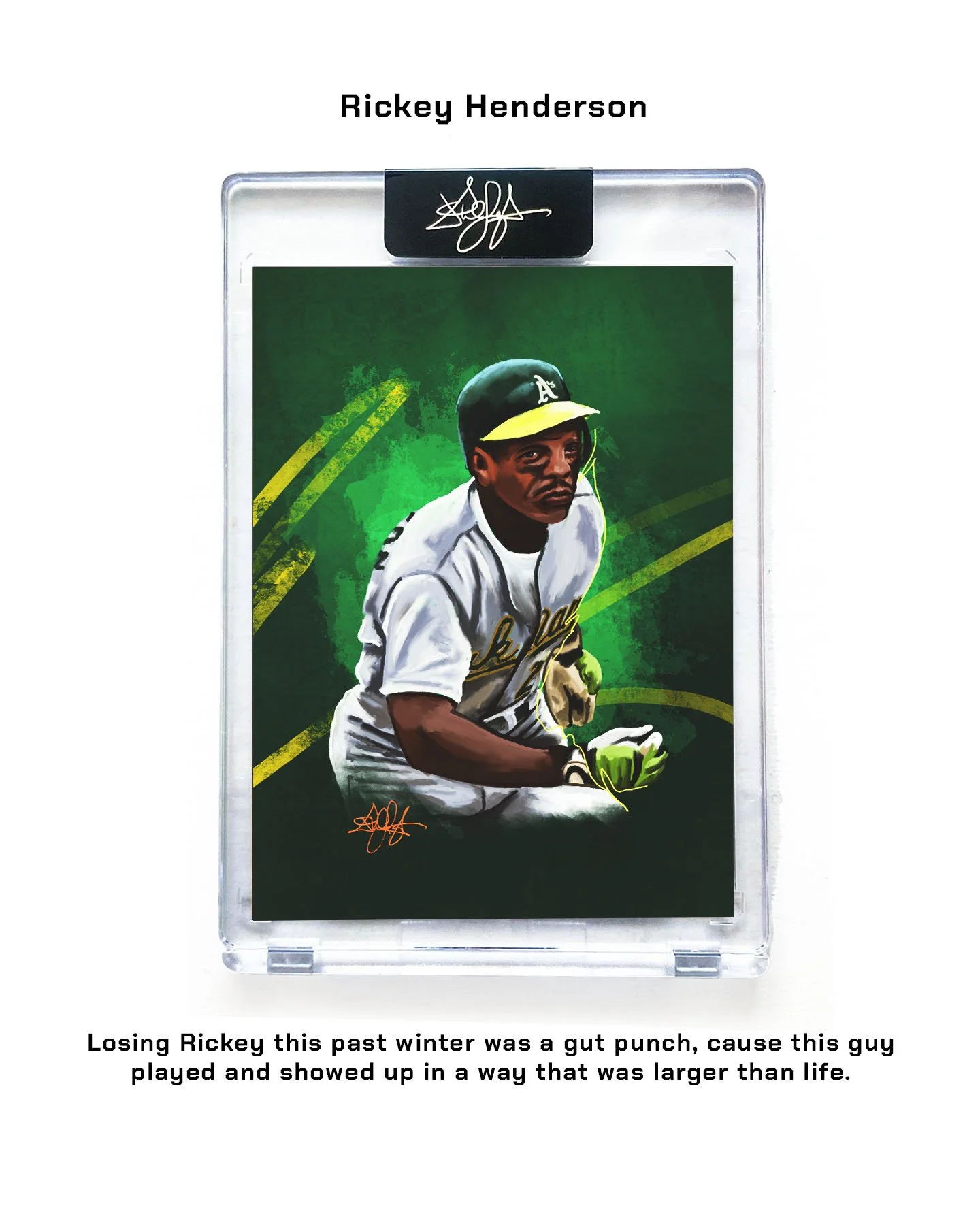
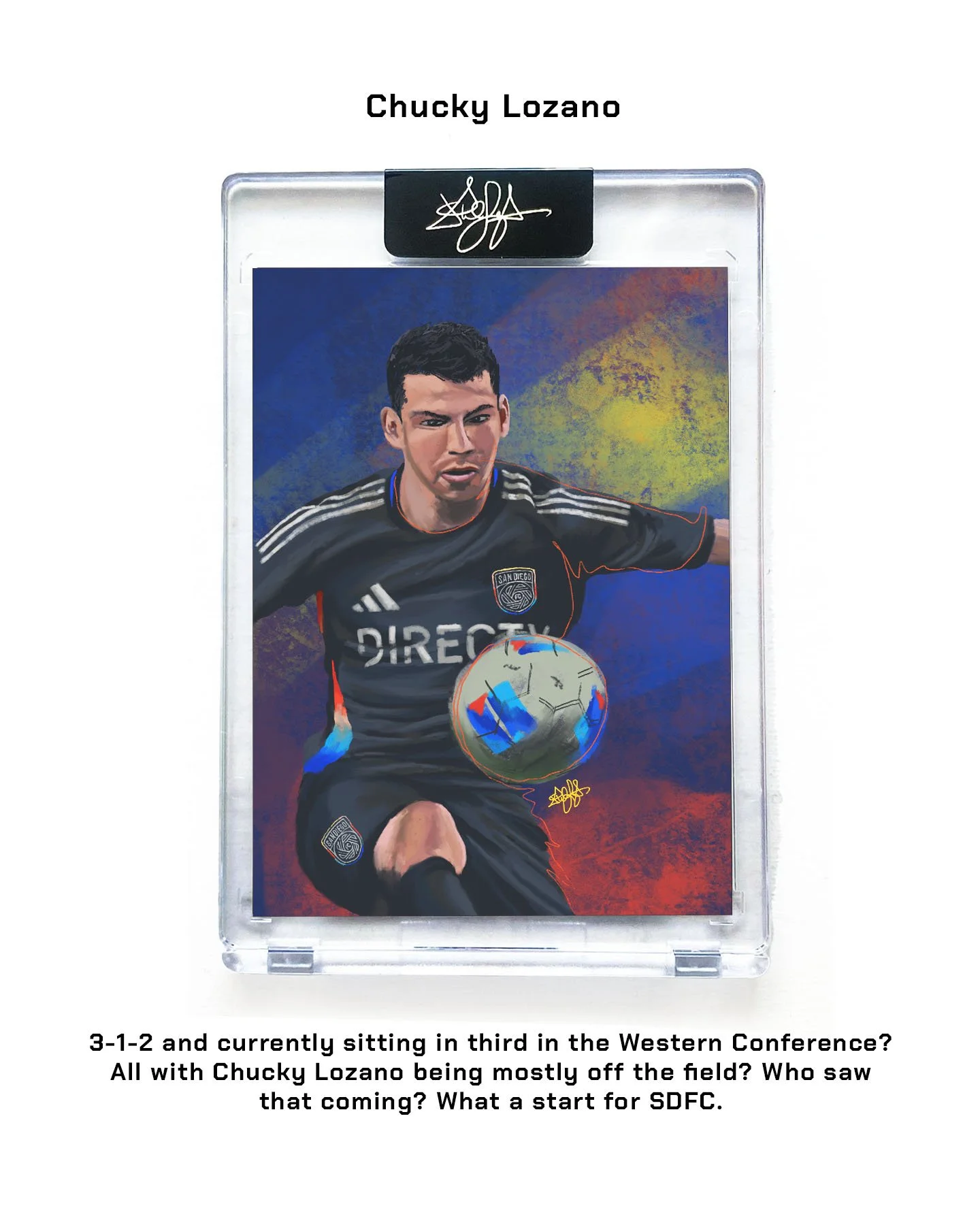
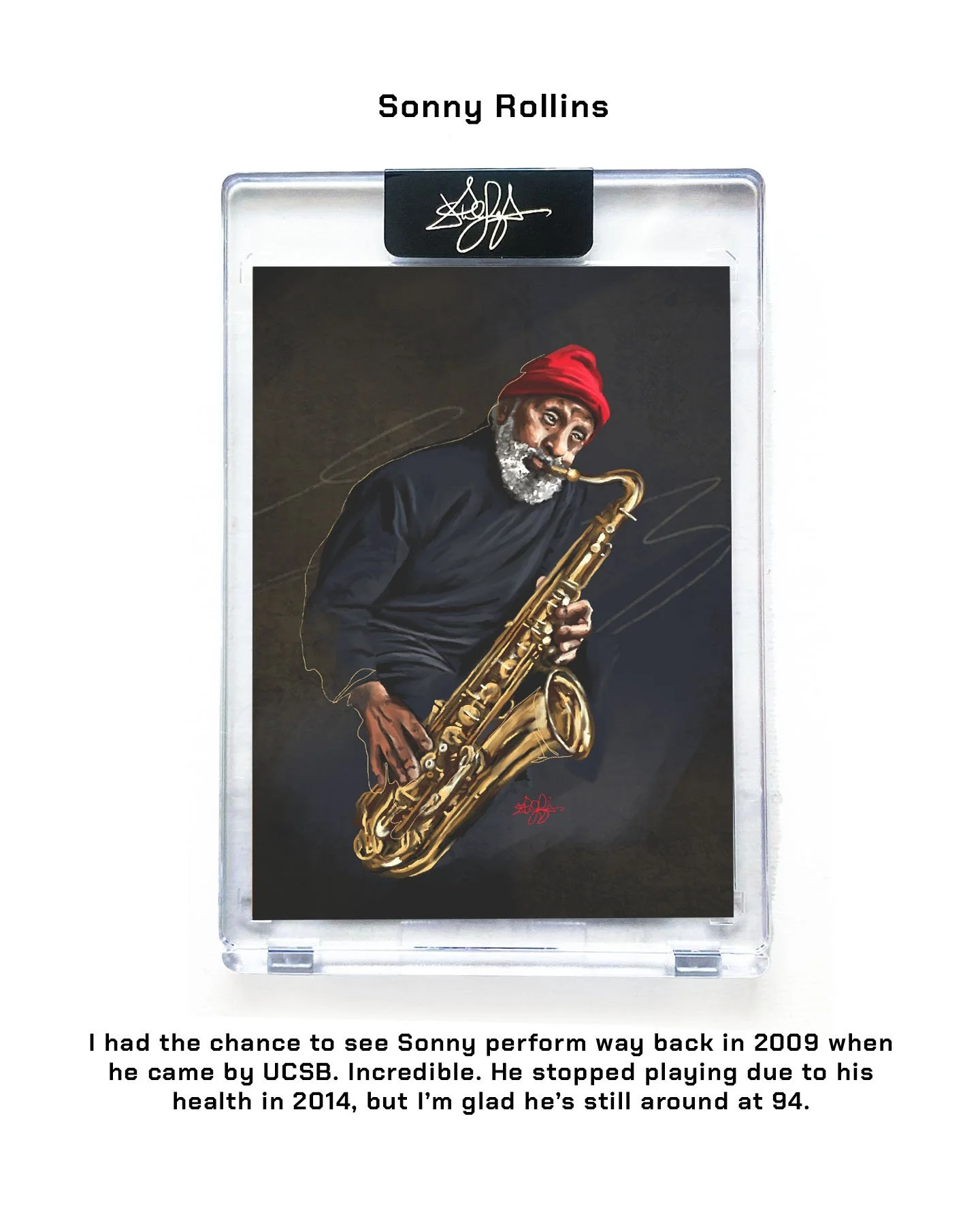
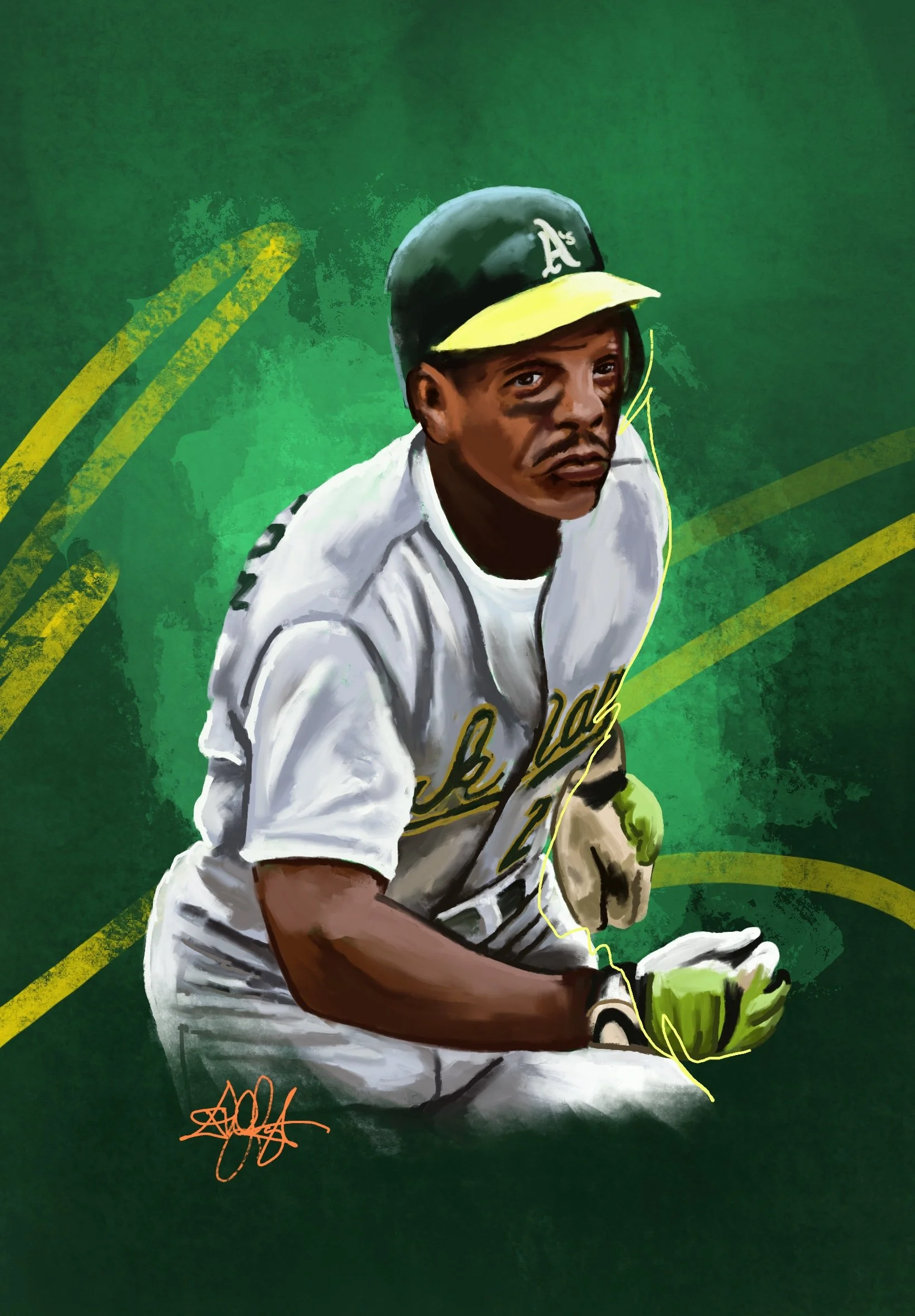
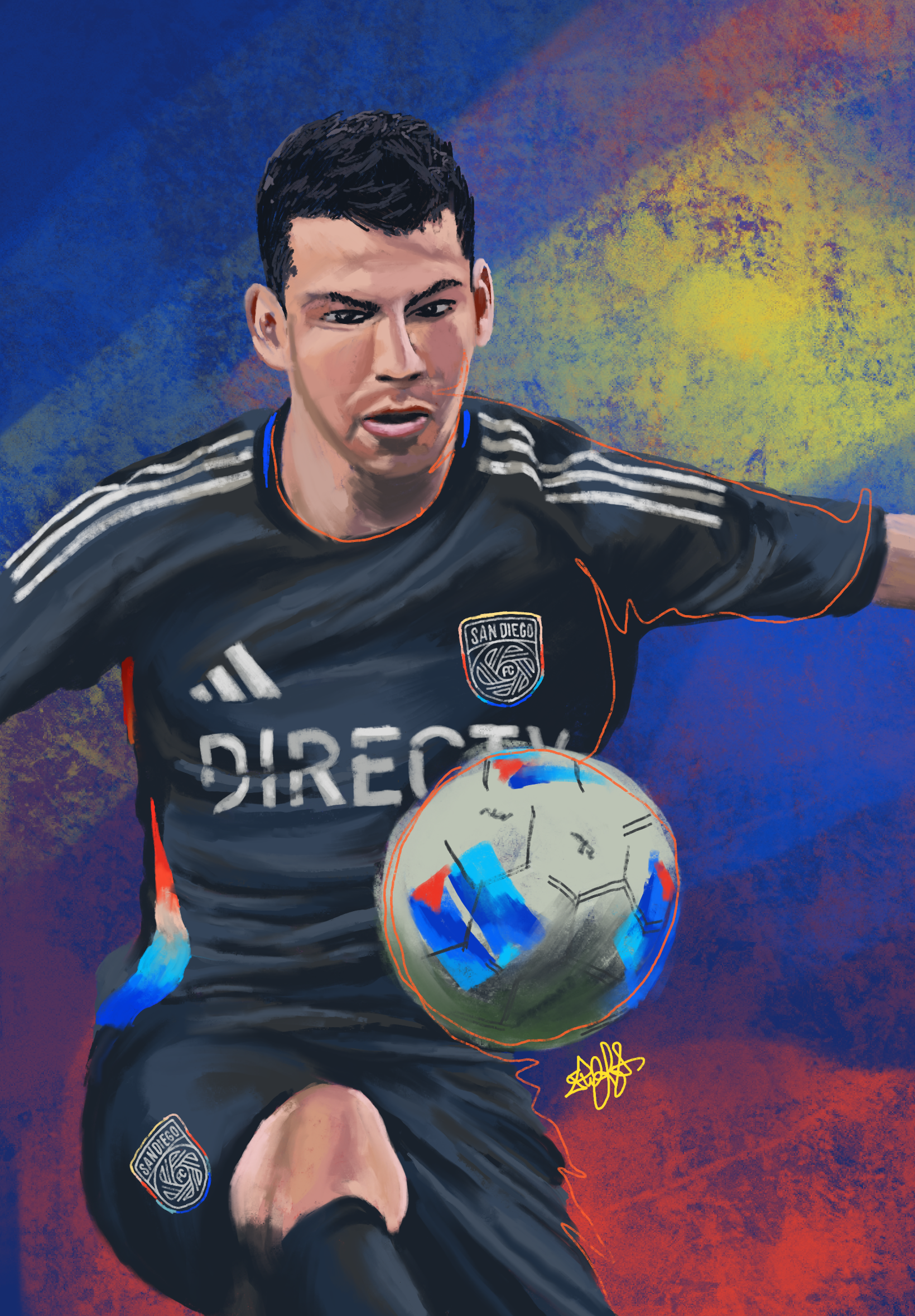
Nonetheless here are some ballers, cowboys, jazz legends, one liners, and tea drinkers I’ve drawn recently.
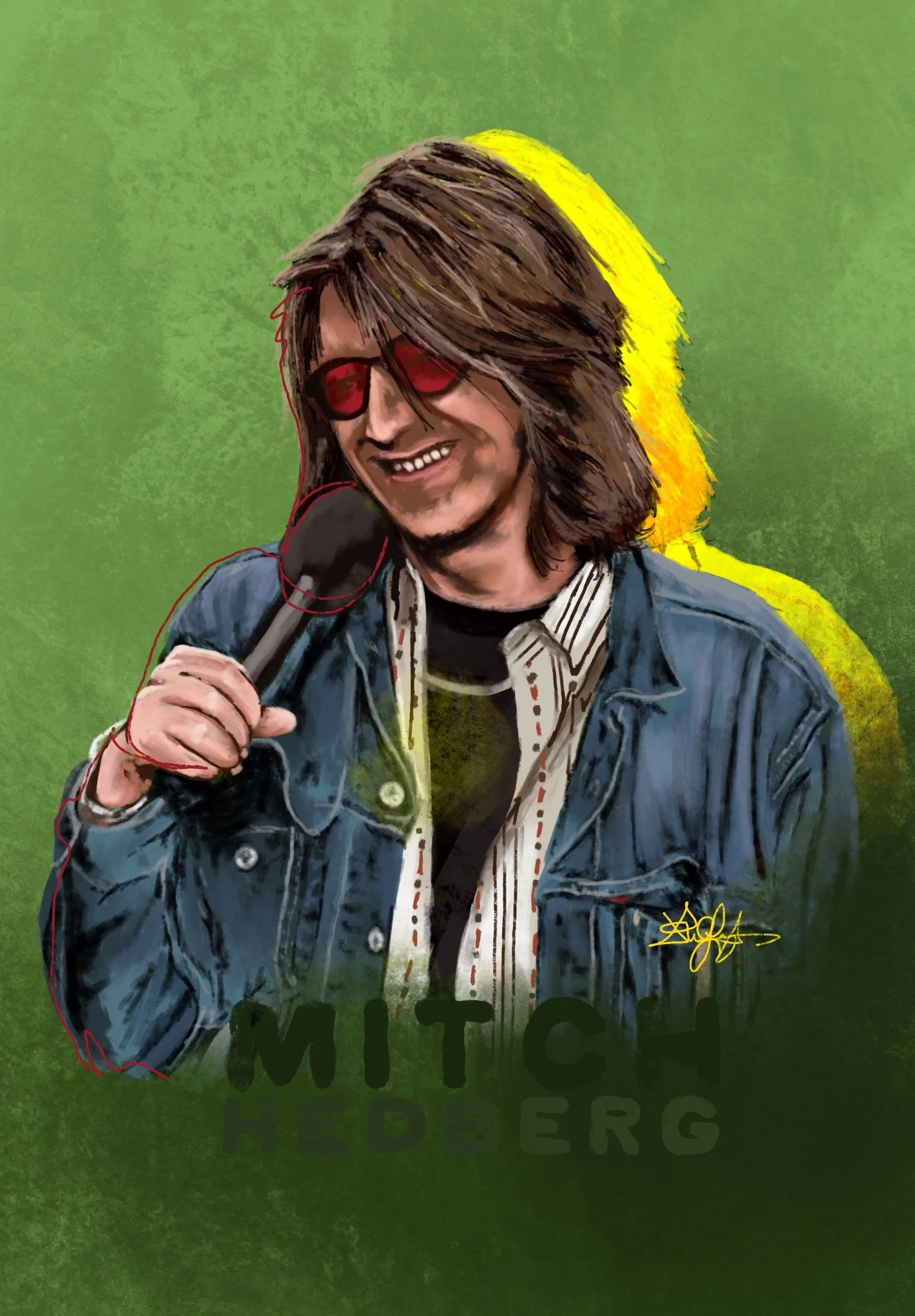

Mitch Hedberg
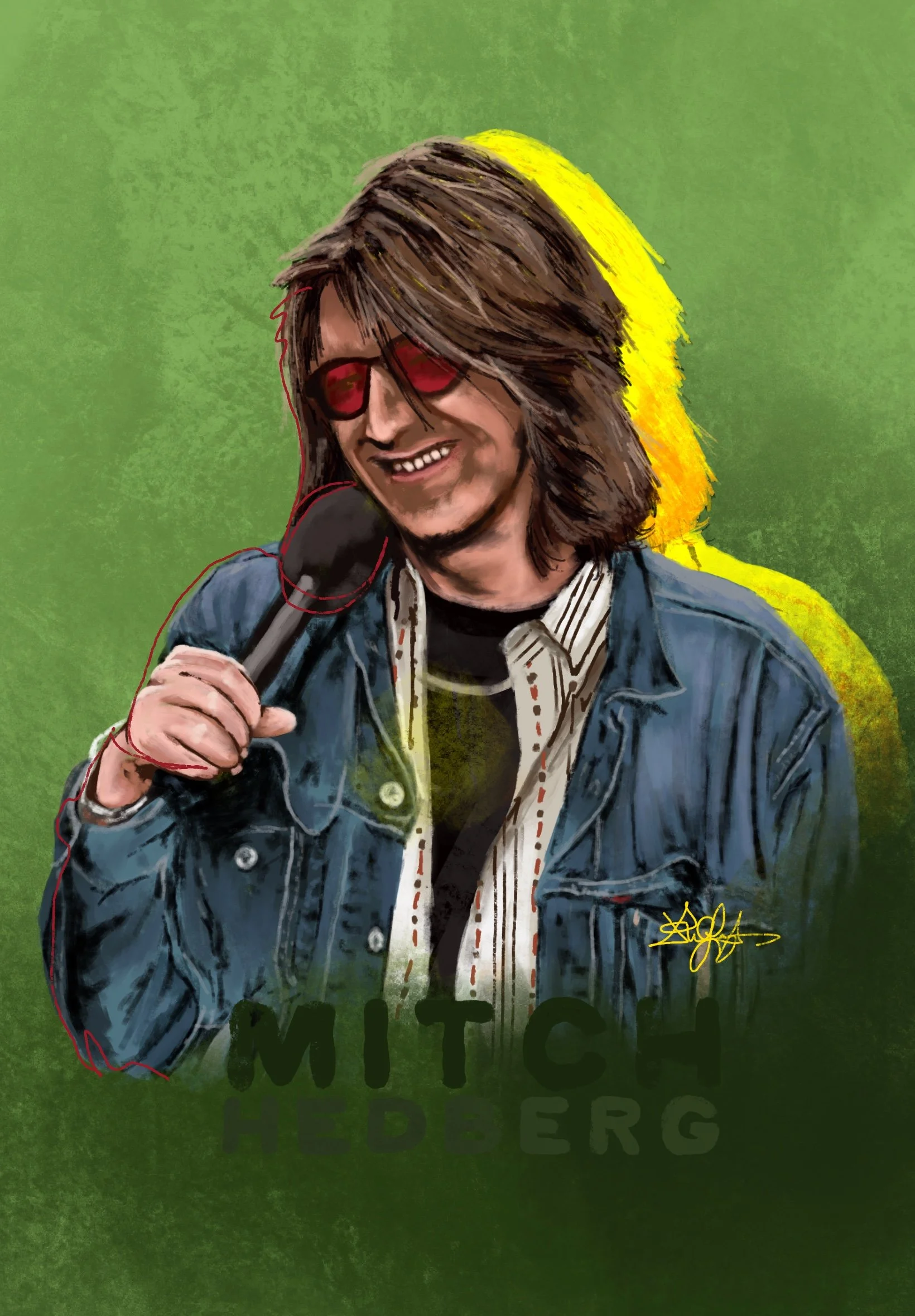
“I remixed the remix, and it was back to normal.”
–Mitch Hedberg
Pay Attention to Your Attention
Watching the news is not the same thing as staying informed.
Your attention is a valuable thing. Don't give it away unchecked.
Spring Training

Since there aren’t enough things in the world to stress about… baseball is back!
A couple weeks ago I got to take Kai to Arizona for a couple Spring Training games. As a kid, Spring Training always seemed like a fun time to binge three games in between and hound dudes for autographs in between. As a grown up, it’s a cheaper way to sit behind the 9th-string Dodgers in the dugout and to introduce my kid to helmet nachos.


Helsinki's Oodi Library
Helsinki’s library has it going on
Movie theatre and restaurant on the first floor
Musical instruments, 3D printers, woodworking tools and all kinds of specialty equipment available for rent on the second floor
A few kids’ play areas and a great Moomin selection
Outstanding book selection in Finnish, English, and other languages
Language classes
All kinds of group meetups pretty much every night of the week
A great cozy reading area overlooking a lot of Helsinki
A really good cafe on the top floor
Board games available to rent or play on the top floor
Basically, if its something you think a library might be able to offer, the Oodi Library tries to find a way to make it happen.
Why > What About

If you’re in a good faith conversation with someone sorting out a difference in how you see things, asking why is generally more effective than asking what about.
Why questions lead with curiosity, seeking to know the story of how a person came to see things the way they saw them. Was there a pivotal experience? A value that seems to be most important?
What about type questions are like an incredulous stare in response to something somebody said. They pull up counter-examples, demand for dissonance to be resolved. Logically they seem like strong moves but psychologically they trigger every defense response to one’s belief system being attacked.
Nurture curiosity, because curiosity nurtures the world.
Little Havana Layover
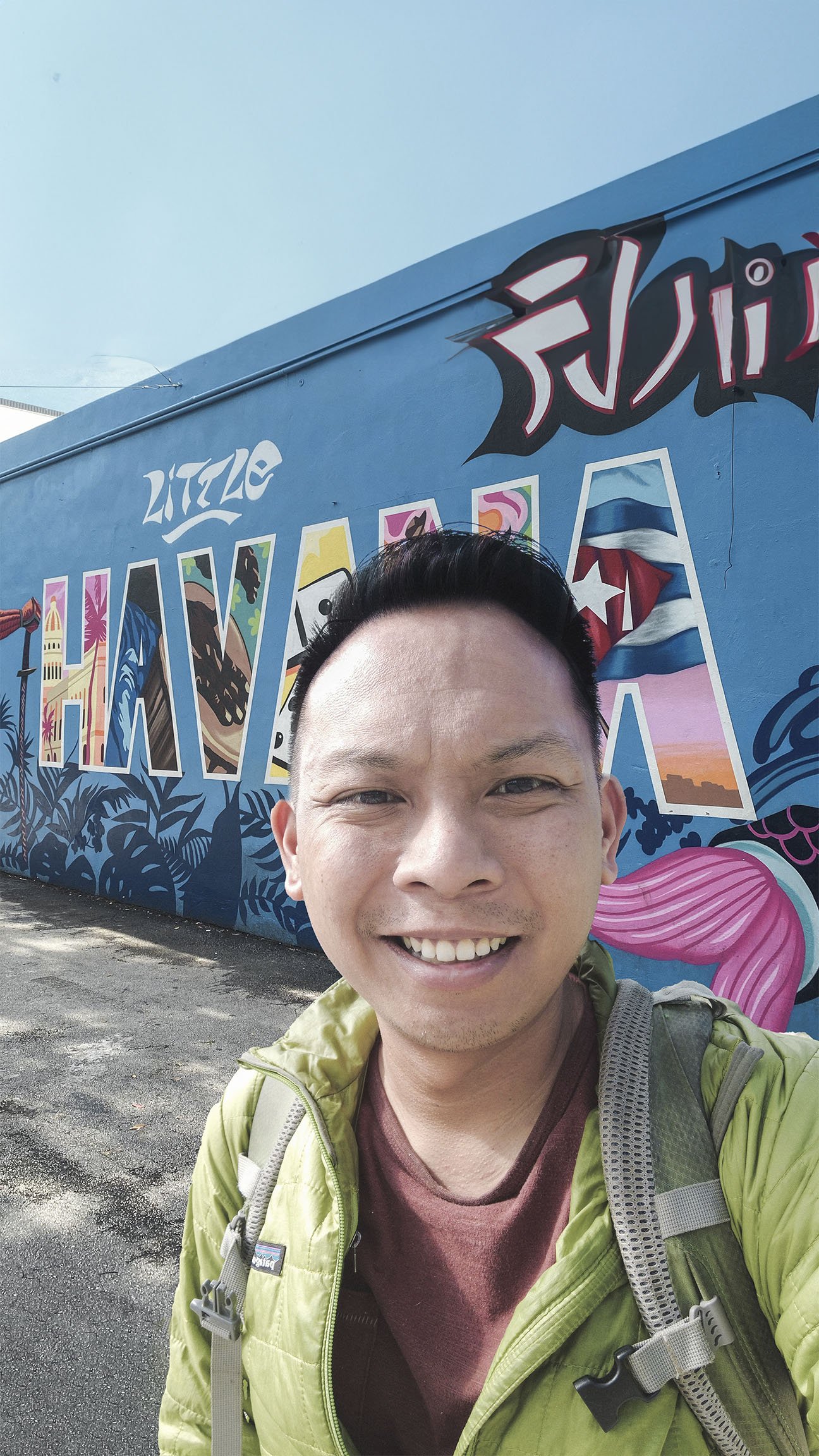
An 11 hour layover at the Miami Airport? Nah thanks, I’m stepping out.
Mining Your Moments
“I feel like I haven’t seen you in a little while. What’s been new with you?”
I was with some friends at a bar. For reasons I didn’t understand, my mind went completely blank with that question.
“Woah…” I admitted. “I don’t know why I’m having such a hard time remembering anything I did this week.”
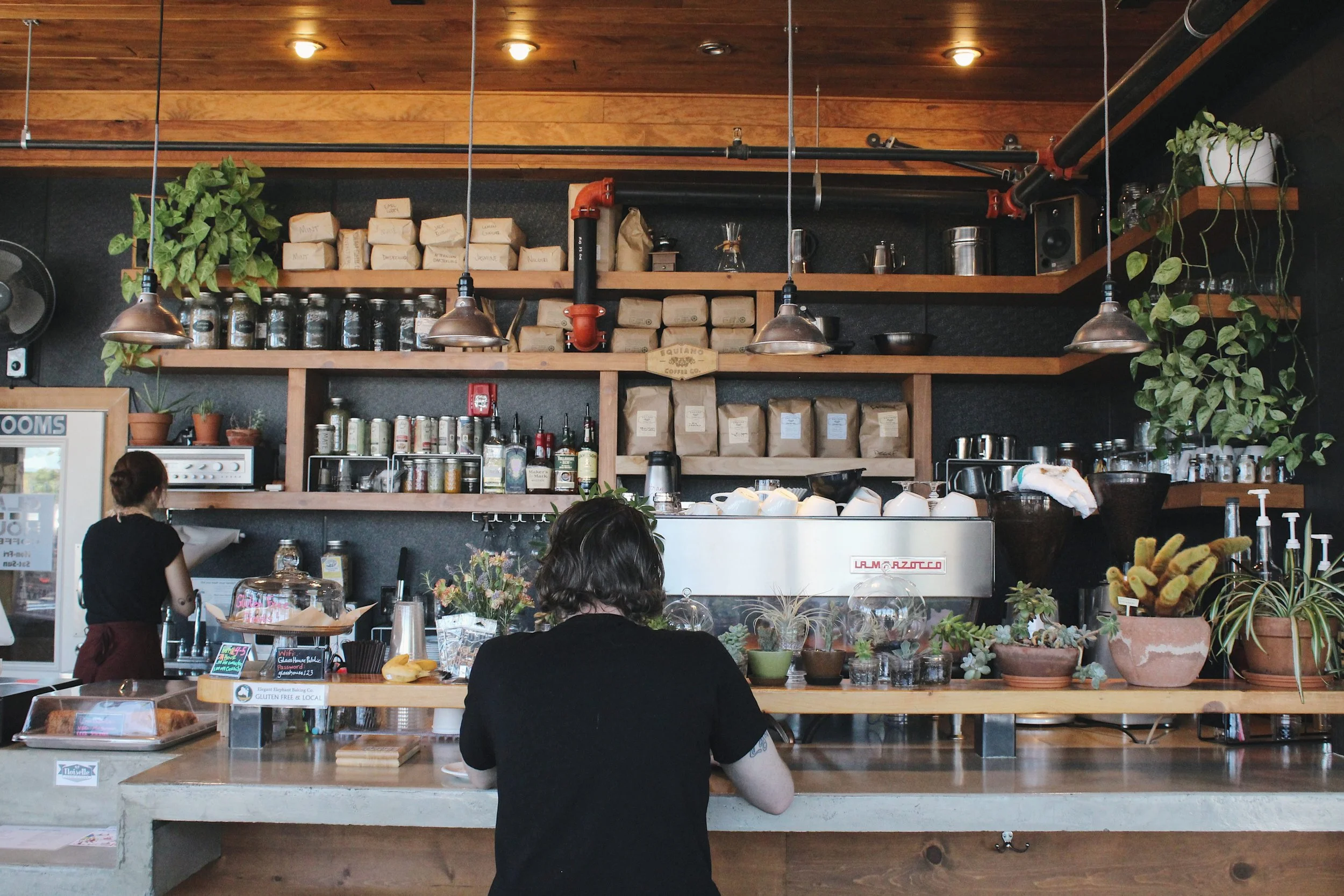
It was a bit out of character for me. I typically have a good memory. Maybe not so much for tasks, but when it comes to things I did and actual experiences, I tend to remember things in pretty rich detail. But that wasn’t happening on this night.
I returned the question, letting her recount some of her week, all while wondering why my memory was off it’s usual game. A little bit after the moment had already passed, I remembered the concert I went to a few nights before. One of the first live music shows I’d been to in a really long time. One where the artist crossed between rap and soul and funk and spoken word over some futuristic instrumentals. It was a powerful performance, and to top it off, that night was a little bit rainy, adding to its magic.
I had a lot to say about this concert, except for when I actually had the chance. Ironically, the friend I was talking to was a musician, meaning that conversation could’ve gone in so many interesting directions.
That experience led me to resolve to always have a pretty good answer to the simple question, “what’s going on?”
It feels like a low bar to clear, but having an answer that can effectively springboard into a rich conversation is extremely useful. It’s like having a ladder that goes right over small talk and into actually connecting with somebody.
Our lives are millions and millions of stories put together.
Funny enough, being an “interesting person” is only a part of the equation. Being able to reflect on your life and make connections is perhaps more important than the things you do.
You’ve probably encountered somebody who does a lot of exciting, adventurous things, but whenever they talk about it, they just sound like they’re showing off. Then you have the opposite of that. People who seem to live rather ordinary lives, but have such an unconventional way of looking at things that their experiences take on a whole new life.
Having the space and habit of reflecting on your experiences is important for many more reasons beyond having good stories to tell, but that’ll be a nice side benefit.
I’ve learned that being a storyteller requires me to regularly mine my life for those moments.
Finding stories takes sifting through all the things that you go through–the work calls, alarms, emails, injuries, and side quests and identifying the ones that mean something.
Some of the easier ways to figure out where those good stories:
• Were you in a location this week where you don’t find yourself too often? How did you get there?
• What was the thing you felt the most resistant towards doing all week? Did you do it?
• Did anything push or pull you in a different direction than you originally anticipated?
Ultimately, when I’m asking myself these sorts of questions, I’m trying to look for pattern breakers. People talk about inciting incidents when it comes to stories. This can be any disruption to our sense of normal. It can be as large scale as being drafted for war, or as small as trying to get over your fear of bugs.
Being a daredevil and living a wild and exotic life doesn’t make one a good storyteller. Its advantage is that it opens up more opportunities for very obvious pattern-breakers. But to the well-trained eye, these pattern-breakers are all over the place.
The whole point is connection
I’ve got to admit, it feels weird taking this more “artistic approach” to telling stories in a casual conversation. I do a lot of storytelling for work, as well as for performance. And I don’t want my natural conversations with friends to turn into performances.
Thankfully, that’s not the goal.
There’s a time for performance. There’s a time for crafting and wordsmithing stories, for practicing their delivery, and for going live. But a casual chat with a friend at a bar is not that time. Go too far with that and there won’t be too many friends willing to indulge those casual chats anymore.
You just want to have a few moments in your back pocket. A few memories you know were important, and the ability to note what was important about them.
The actual practice is the discipline of noticing. Of paying attention to your own life. Of seeing when one thing leads to the next. One thing that amazes me about life is how it can be pretty forgettable if we allow it to be. Literally. If we commit to simply doing the same thing every day without pausing, taking mental snapshots or notes, it doesn’t take very long at all for entire days to be forgotten. And so then, what was the point? That question used to always freak me out.
Thankfully, the opposite of that is true. When you open yourself up to the possibility that any day contains a world of meaningful experiences, pattern breaks, and connections, you start to notice them everywhere. More importantly, you notice where things in your story intersect with the stories of other people, and that’s the point where stories help us in our cosmic quest to connect with each other.
This week hasn’t been especially full of stories.
At least not for me.
I’ve been getting over some cold that’s taken an obnoxiously long time to totally get over. And while I’m mostly better, I’m still finding myself lower on energy and facing down a bunch of tasks I let pile up while under the weather.
It’s the perfect example of one of those types of weeks where finding the stories in my life takes a lot more work. Because looking for stories is a discipline, the process matters more than the results.
Once you start mining your memories for stories and meaning on a regular basis, you realize that our stories aren’t evenly distributed throughout life.
Some weeks will be concentrated with so many happenings that it’s tough to keep track of, and other times you’ll spend week after week doing pretty much the same thing. Storytelling might make you more motivated to break out of the latter, though!
At the very least, I can say that the most surprising place I found myself this week was at our local pier. It was a spot I used to frequent when I lived closer to the ocean, but now it’s just out of the way enough for me to neglect. Upon coming back, I bumped into an old friend. I got a good look in several different tide pools, each one being its own little microcosm. It was a guilty reminder to me of how easy it gets to take one’s environment for granted once it gets a little too familiar. Being there made me want to renew my relationship with the ocean, the ocean that I’ve now lived next to for the majority of my life but that I haven’t really paid proper attention to.
Isn’t it always about learning how to pay better attention?
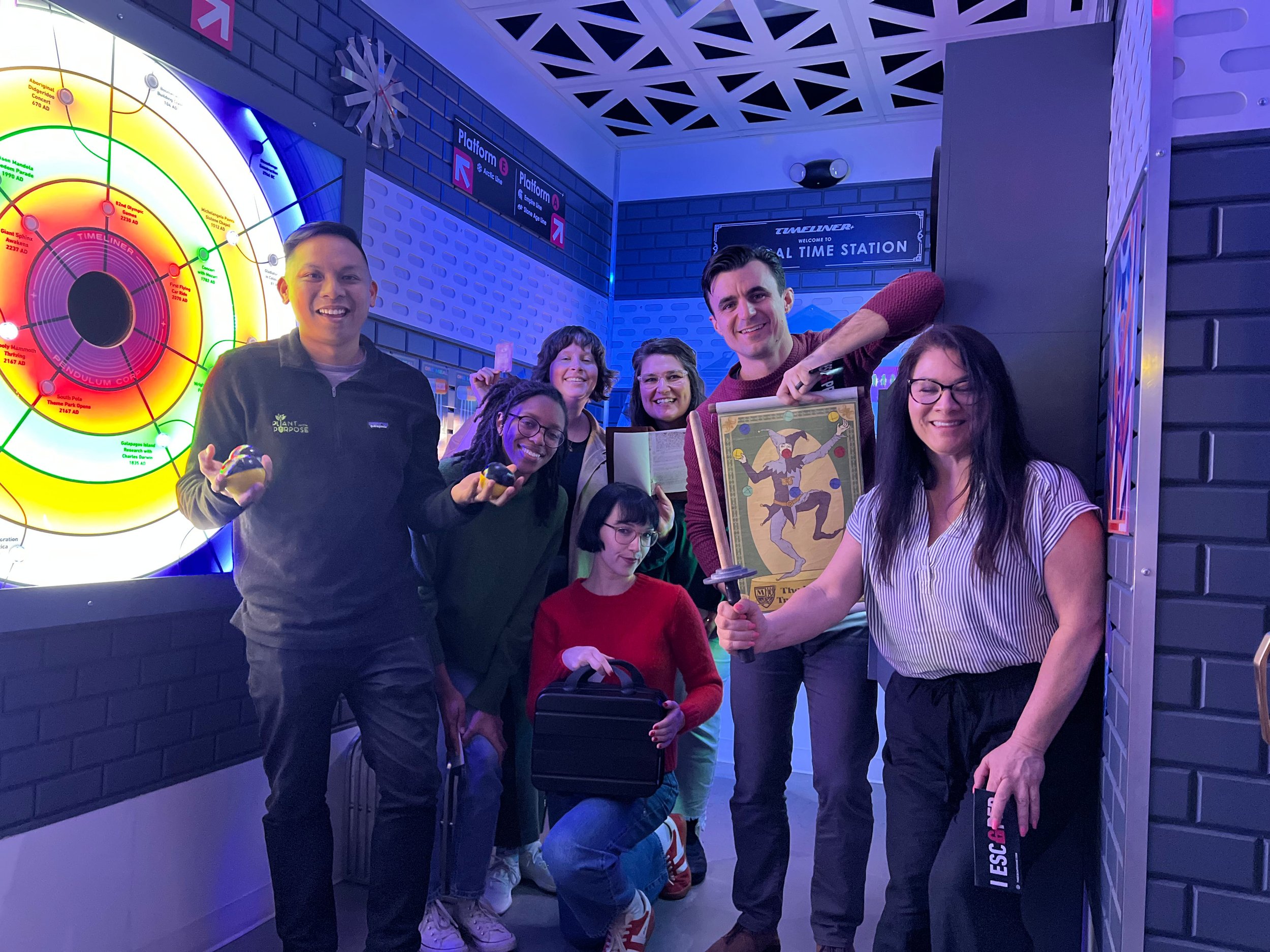
I remember when taking improv classes, I once did a scene set in an escape room.
My coach encouraged me to not make it a scene about an escape room.
Why not? It felt like an escape room was a great premise. It’s familiar enough, but not something you see done in improv excessively, and they’re kinda naturally quirky. There are enough escape room conventions to have fun with.
Turns out, the problem wasn’t with having a scene set in an escape room. The problem was with making it a scene about an escape room. The stronger scene is always about the relationship.
That’s why one of the hardest stories to tell well are stories of accomplishment or success. Running an ultramarathon. Receiving an award. It’s easy for these to feel self-indulgent or show-offy. The key is to realize that the achievements aren’t the story, but the setting of the story.
The real story is the risk you took to get to that feat. The choices you had to make. The people who showed up to help you. The renegotiation of how you see yourself.
Similarly, our struggles and traumas are also so much the story, but the setting.
Stories are incomplete if we just say “a bad thing happened to me,” or “I did a cool thing,” and leave it there.
Explore the risks. The decisions. The relationships.
And when you mine your life for stories, don’t forget to put on that lens.
Our jobs, our projects, our trips, are always just settings for our relationships–with God, self, others, or the planet–and that’s where the good stuff awaits. It’s easy to mistake the setting for the story.
The Cap'n Crunch Shirt


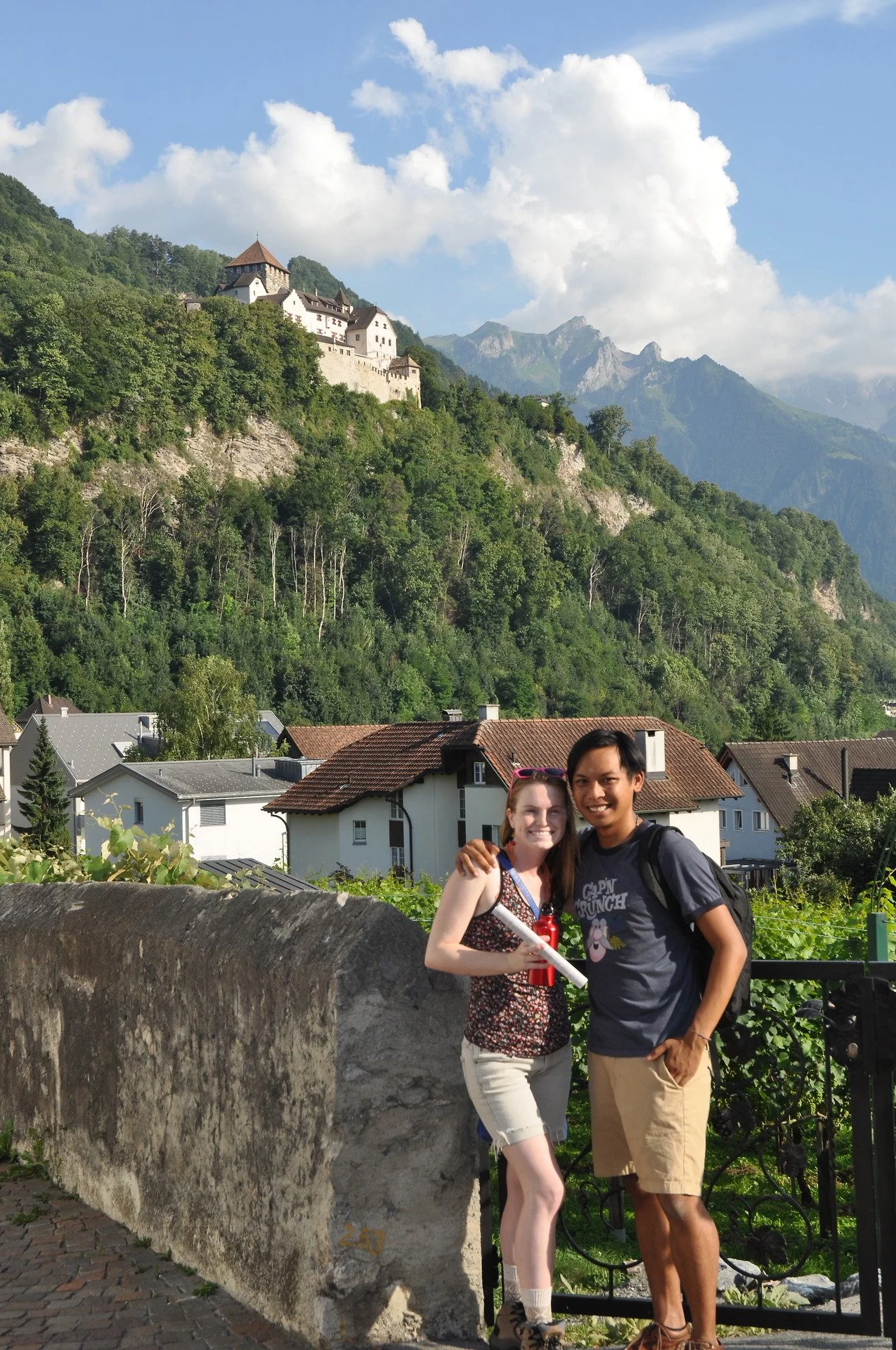
I recently saw somebody post what they would say to a younger version of themselves, and among the bits of advice, she included, “travel, and stop caring so much about what you’re wearing and how you look.”
It probably is good advice. But in 2013, I spent months backpacking Europe and Africa, and I must’ve brought three shirts along for the trip. In nearly every photo, I’m rocking the Cap’n Crunch ringer tee that I actually did win by mailing enough cereal box lids to the Cap.
So, maybe do care just a teensy bit about what you’re wearing.

The Cap'n Crunch Shirt
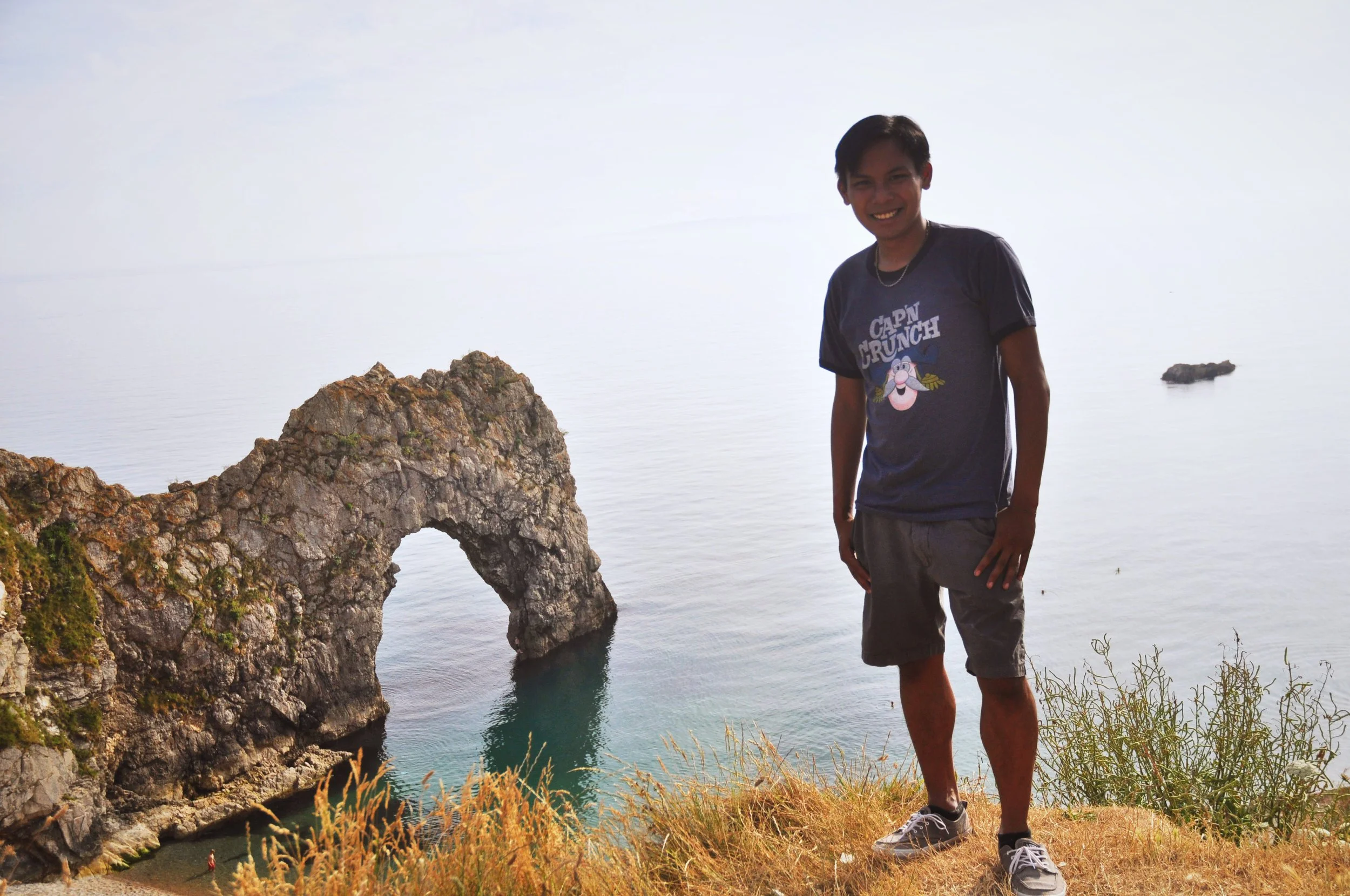
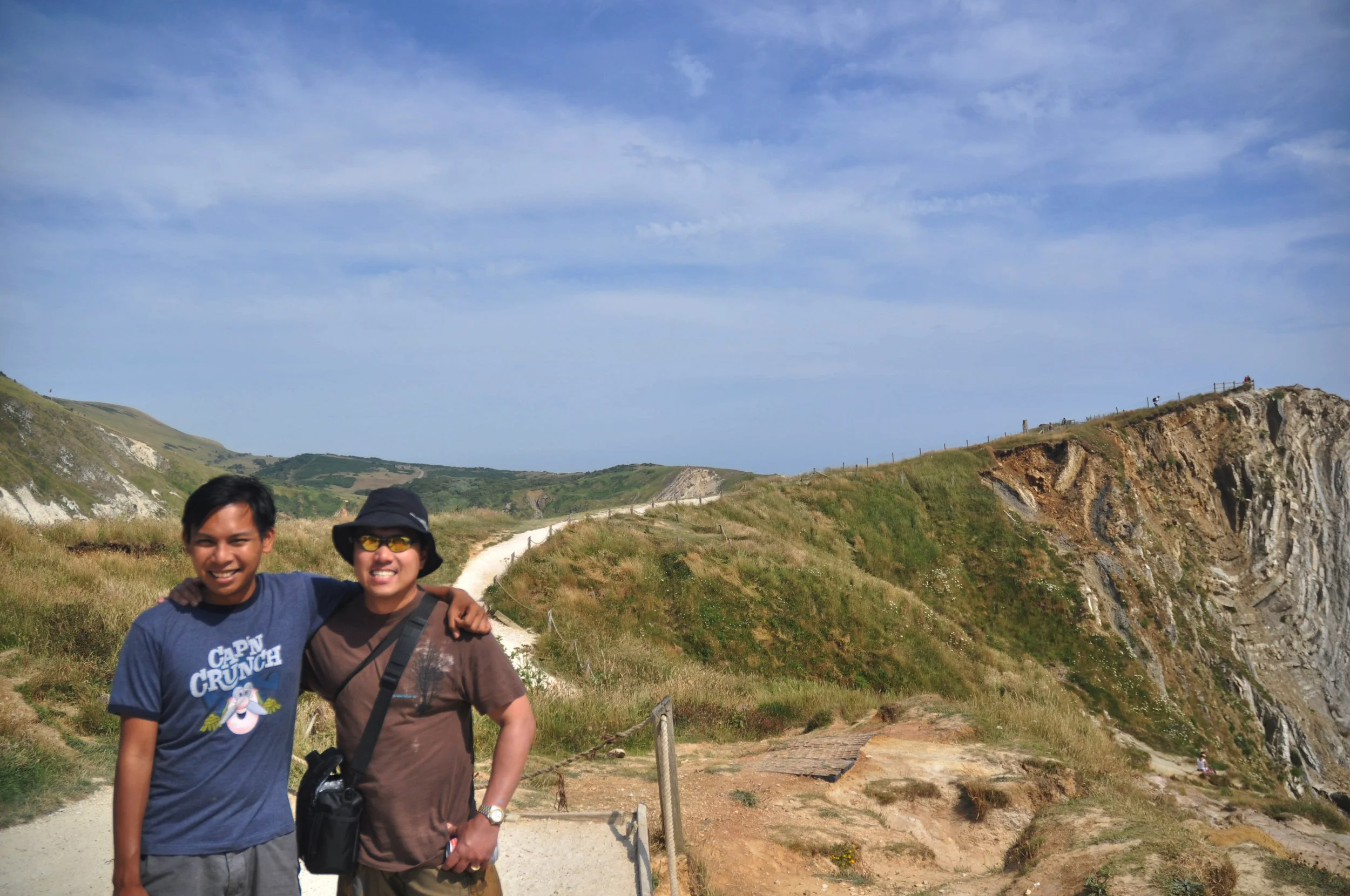
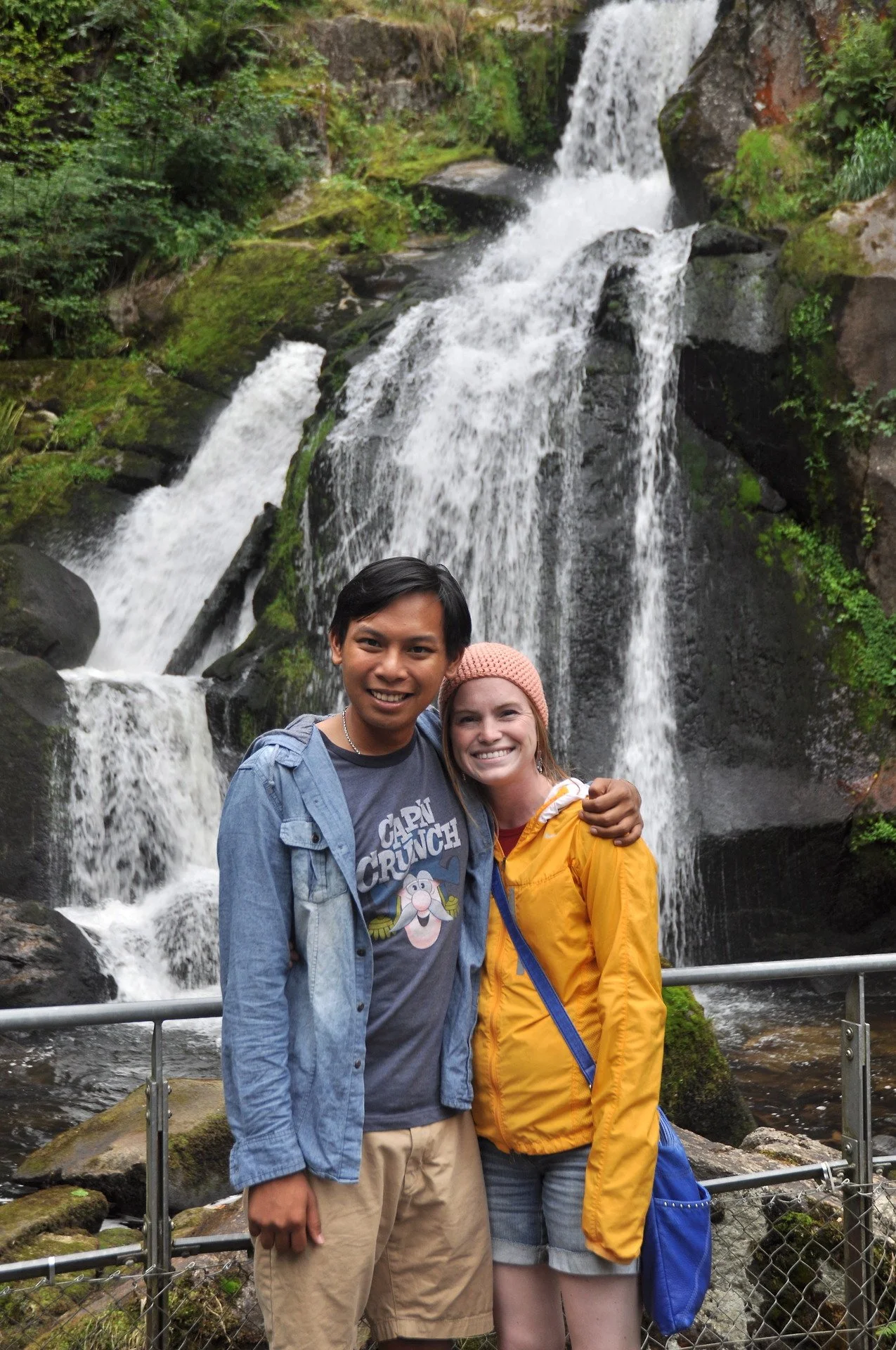
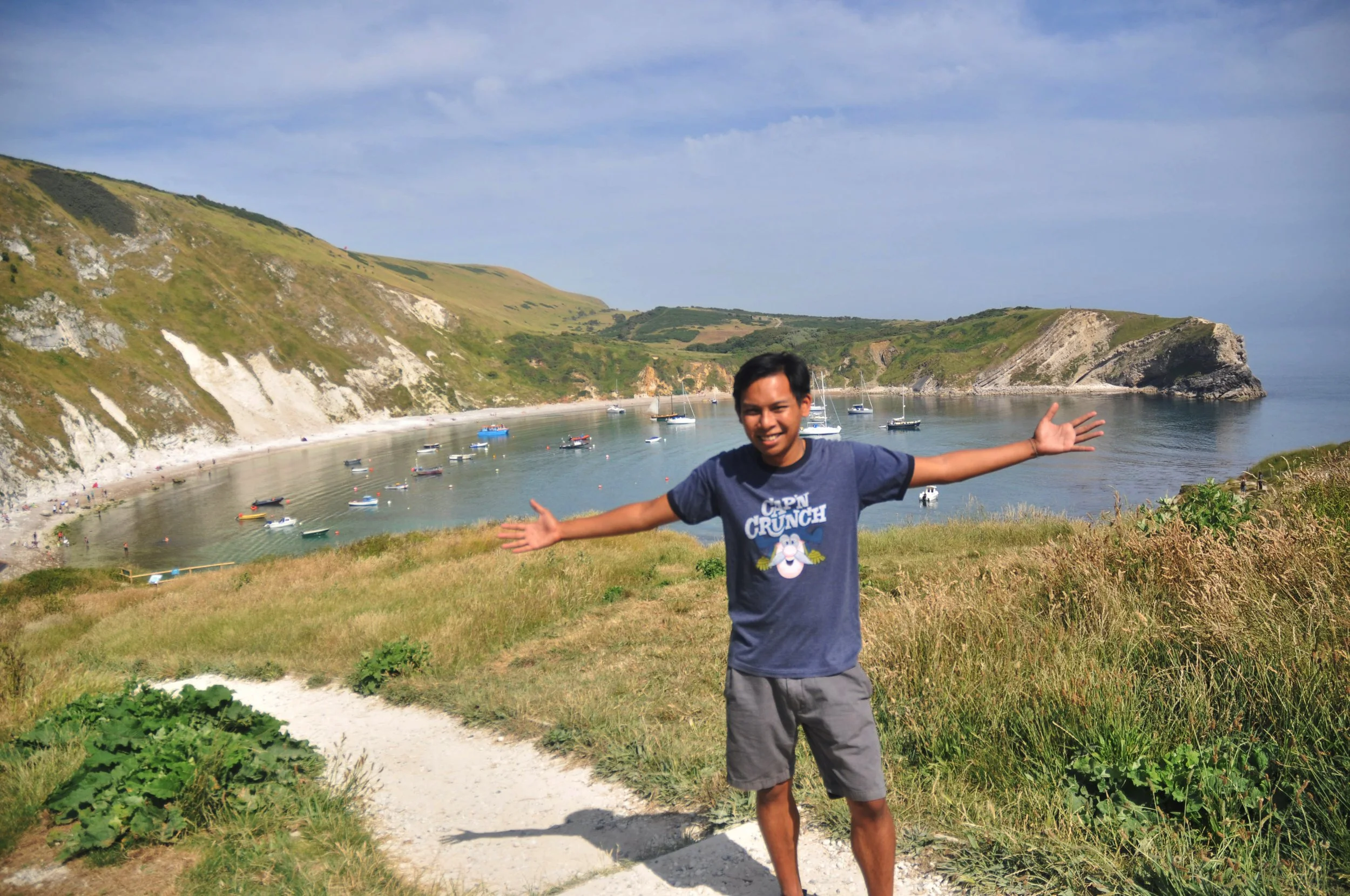
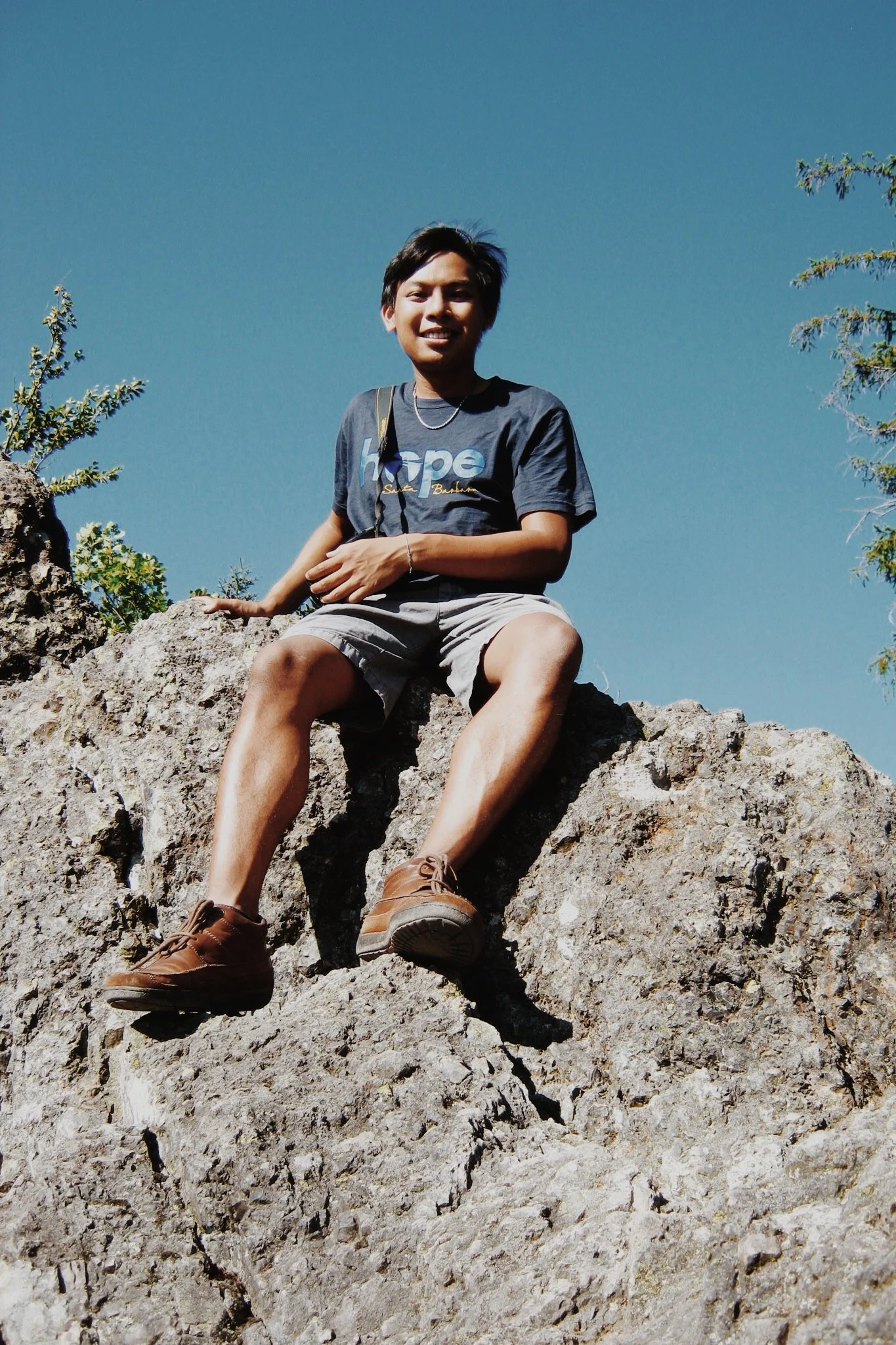
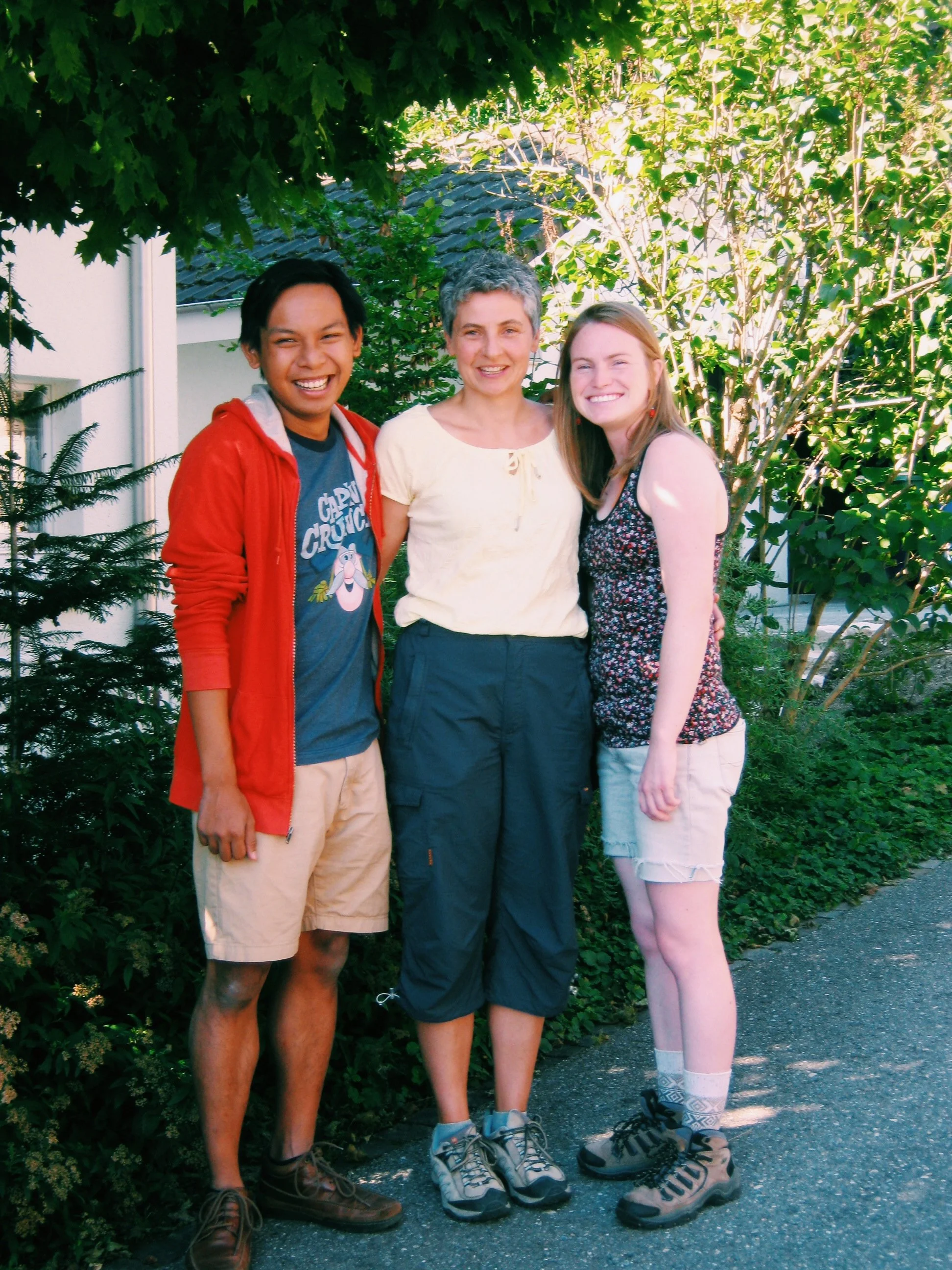
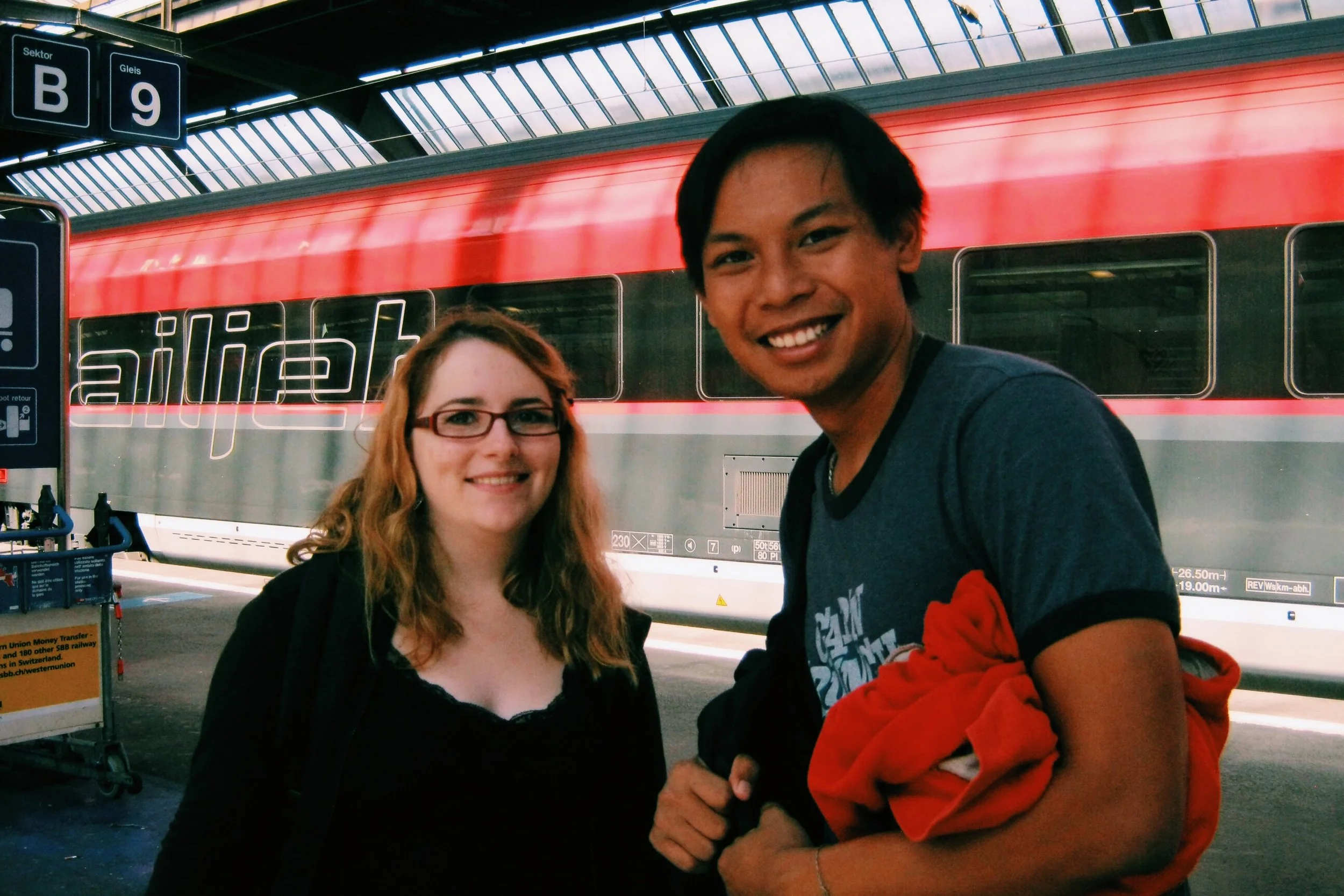
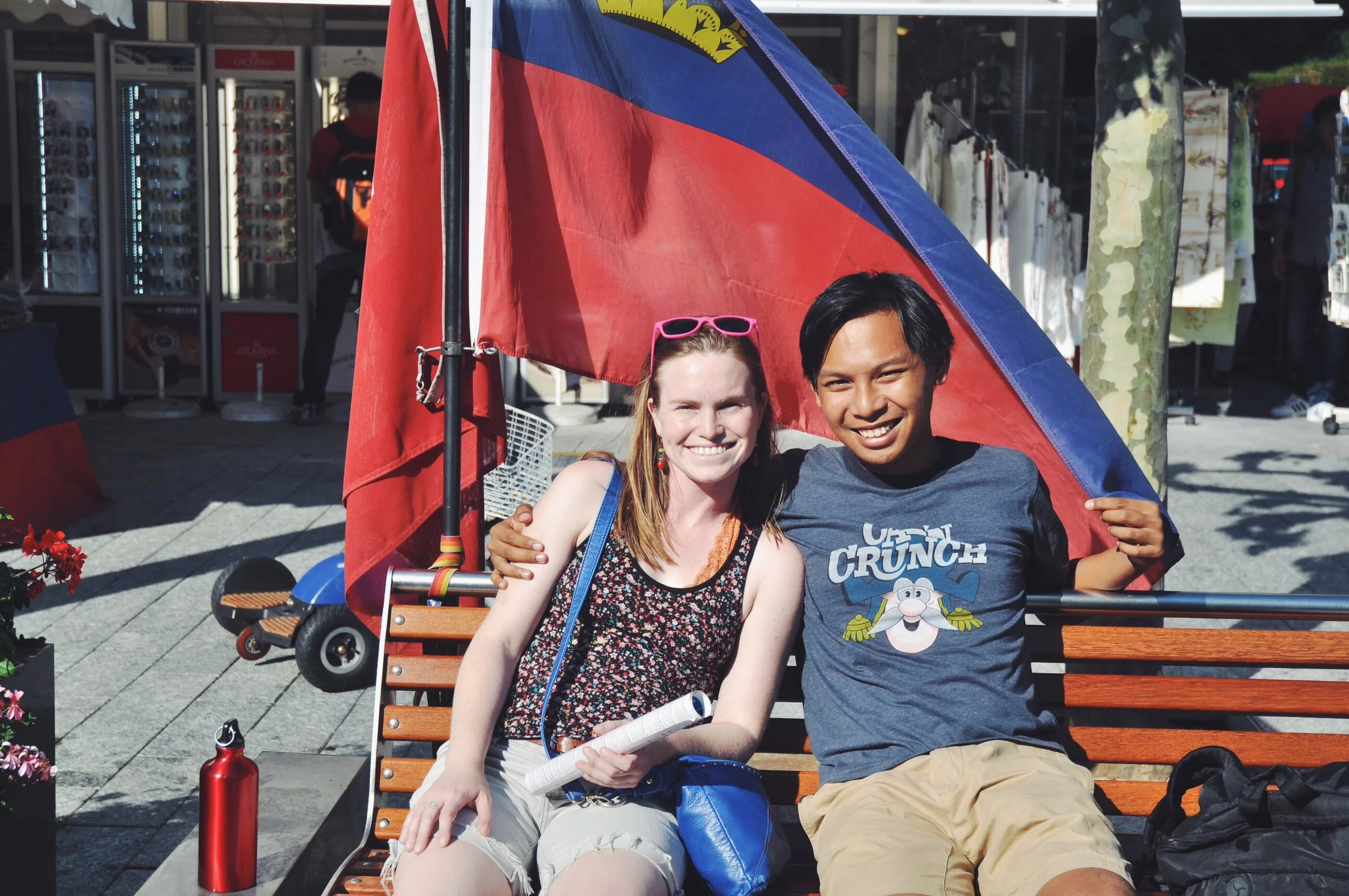
I recently saw somebody post what they would say to a younger version of themselves, and among the bits of advice, she included, “travel, and stop caring so much about what you’re wearing and how you look.”
It probably is good advice. But in 2013, I spent months backpacking Europe and Africa, and I must’ve brought three shirts along for the trip. In nearly every photo, I’m rocking the Cap’n Crunch ringer tee that I actually did win by mailing enough cereal box lids to the Cap.
So, maybe do care just a teensy bit about what you’re wearing.
Tallinn, Estonia

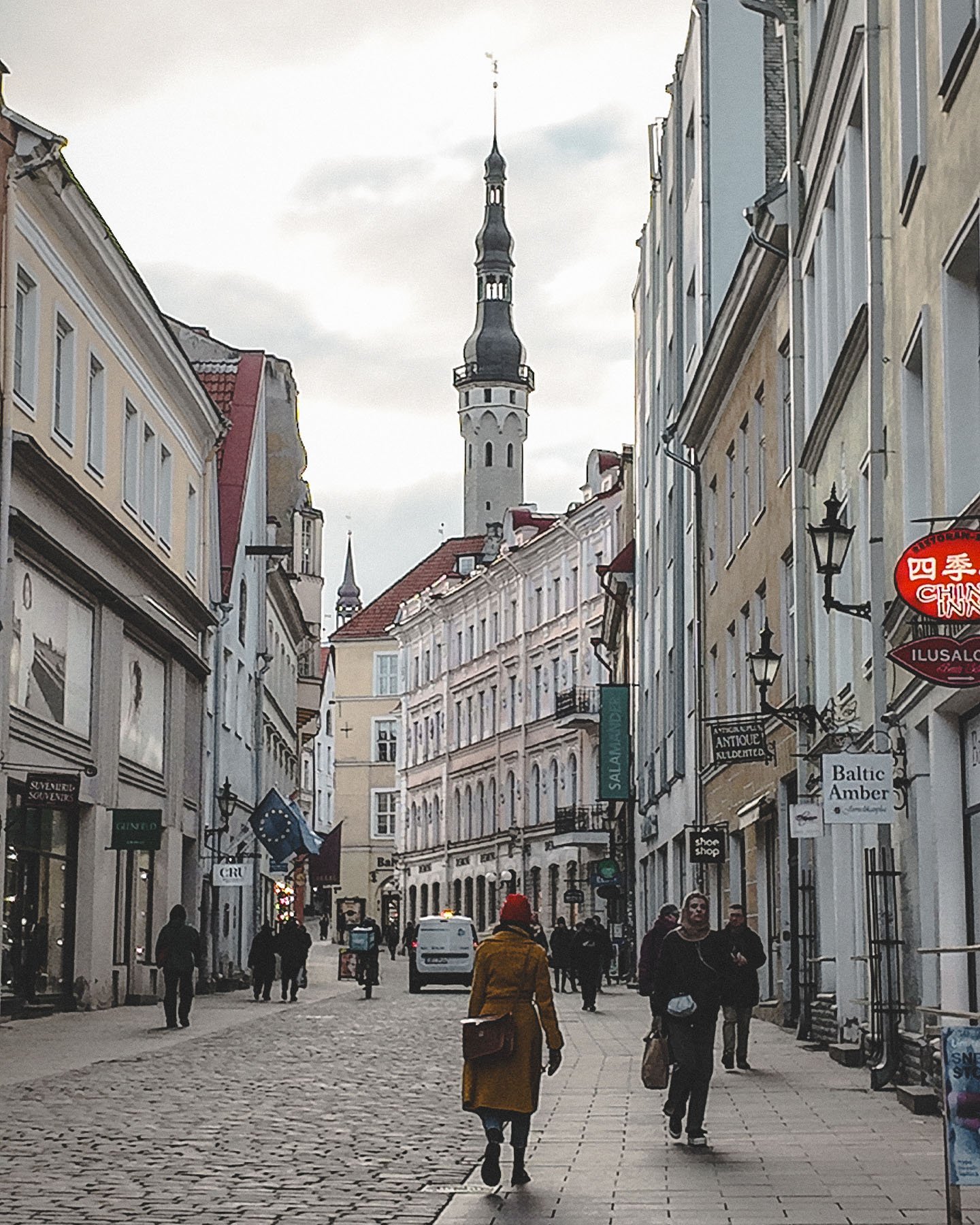


I had such a cozy time in Tallinn, Estonia.
Dumpling soups, hours in the corner of a bookstore, medieval restaurants with the wait staff in character, creepy forest paintings in apartments, and all that.
Getting here was as easy as it gets. A two hour ferry from Helsinki. Getting off, I immediately started thinking, “I’m gonna like it here.”
Mid-March in Estonia is still on the cold side. The streets will be quiet, making it really easy to hop between museums, little stores, and castles. You could hang out in the most touristy of tourist traps and see the appeal. You could go into the tiniest of easily overlooked cafes, have a chat with the owner, and have a great time.
Estonia treasures its medieval vibes and makes sure everyone has wi-fi access. It doesn’t care much for flashy, but has quietly emerged as one of the most livable countries in the world.
Tallinn, Estonia: Where Medieval Meets Modern
From the moment I hopped off the ferry that took me to Estonia, I had the feeling I would love it there.
I was right.
Tallinn is a quiet city, especially at the point when I visited in mid-March. But it hosts so many cozy spaces, so many comfort foods, and so many well-functioning systems that make it an easy place to live.
Explore with me in my latest video.
March 2025


Took Kai to the mall right by the border to visit the trending ramen bar. Kind of a quick way to build a business by providing packaged ramen and hot water for people to make it themselves, but still a lot of fun! Generous kimchi and seaweed salad sides.


TEam retreat
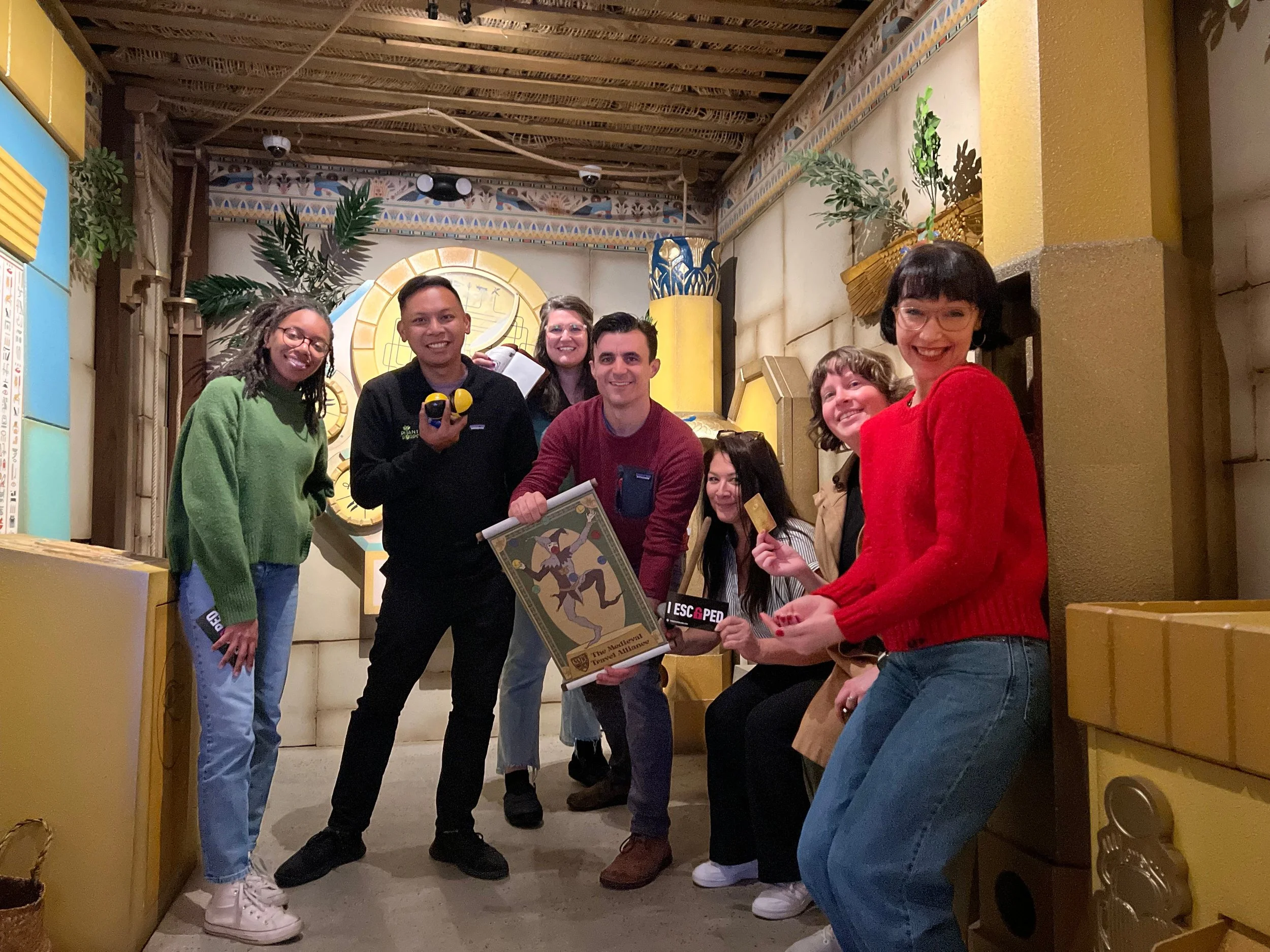
Had a team retreat last week, first time meeting half of my newer teammates in person.
I spent a few years as a one-person department. At the time it was out of necessity, but I am so glad those days are behind me.
Teams are where it’s at!


HARPFLUENCER
Glad baseball season’s almost here but I admit I’ll probably miss the Bryce Harper food influencer content when it slows down.

juniper styles

Improv doubleheader tomorrow night.Catch me in the 7pm block with Pacific Quiche.Eat, watch more shows, etc.Then come back for the 10pm block for my freestyle rap show with Optimus Rhyme.

SEVERANCE S2
The irony of perhaps taking a day off work to mull over the Severance finale.
Okay, some reactions. Spoilers ahead so avert your gaze and hasten your thumbs if you wish to avoid.
🛑
I personally loved the finale. Mixed feelings about its actual events, but every change in beat to that episode had me leaning further in. And you know it’s wild when the existence of every character is pretty much in jeopardy but you’re most invested in whether or not a goat survives.
This finale had a really good blend of answering questions and raising new ones. The numbers are your wife! One of the things it confirmed are that Kier’s motivation is to create a world without pain, and that perfectly crosses with Mark’s decision to sever his way past the grief process.
I think the best hero-villain dynamics are when they’re two characters who are forced to make the same decision but take different routes. And you could extend that to innie Mark refusing to let go, in contrast to outie Mark severing as a way to force letting go.
In theory they could park it right here and call that the series finale. Some plot lines felt very resolved. Like Dylan’s or Cobel’s. And a lot of the ambiguity at the end felt deliberate, like The Graduate. But there’s still plenty to explore with the Eagans and Gemma, and I think a true series finale wouldn’t be right without John Turturo and Christopher Walken.
This is one of the more interesting fictional worlds to hang out in from recent years, so I wouldn’t mind another round.
Also, how is Mr. Milchick’s forced smile the perfect image of corporate America?

A good move: Booking Kai a slime session in Glendale


mushroom kingdom
Went places this weekend. MarioLand was well done. Whole park was an interactive story game. Lots of AR/motion oriented games and fun translations of MarioKart & Mario Party type experiences. I appreciate Toad’s culinary turn.


Respect to whoever designed the Gallagher Square Playground.


EXPERIENCES AS RESISTANCE
This year, January 20 was a rather dramatic and infamous day. And here’s how I spent it:
Getting a haircut, spending the day with my five year old, eating at a retro diner, exploring a mom and pop vintage toy store, and playing arcade games.
Resistance takes many forms, but I think the most important thing to do during inhumane times are to connect with the most human things we do. Things like making art, parenting, making each other laugh, and humoring curiosity.
Viktor Franklin notes that meaning can be found in any circumstance and our ability to chose how we respond defines us. A lot of things have felt heavy lately, and while hardship is inevitable, the most essential freedom is one’s freedom to choose their attitude.




Notes from Arizona:
Arizona is a sneaky player in the fast food scene. The Greater Phoenix area has cut a deal with just about every chain we used to think of as regional. Who else has can get a Whataburger, In N Out, Culver’s, and Dutch Bros in one intersection?
I really wish I could enjoy the SuperBeaker IPA from West Brewing Co as much as I enjoy its can design.
The Vincent Wolfe Play Structure in Yuma is the perfect halfway-there playground break for kids doing the commute between San Diego and Phoenix… as long as it’s under 100° F.
Few things exemplify overpromise-and-underdeliver quite like naming the city Surprise, AZ, but apparently it was named after its founder saying “I’d be surprised if this place amounted to much”
Gordon Parks


“You know, the camera is not meant just to show misery. You can show beauty with it; you can do a lot of things. You can show—with a camera you can show things that you like about the universe, things you hate about the universe. It's capable of doing both.”
–Gordon Parks


This quote speaks to the heart of the work I do. Not every storyteller uses a camera as their main tool, but in whatever way we’re telling and sharing stories about the world we get to choose what to call attention to.


Try not to be one-note. Only showing the happy stuff risks being insensitive, and only showing the suffering risks being exploitative. Of furthering the idea that things must always be this way. Play against stereotypes. Depict movement and transformation.
Hello, Consumer
A few years ago I randomly started getting Consumer Reports in the mail
If you’re not familiar, it’s a magazine-slash-media-platform completely dedicated to reviewing products. They’ll periodically focus on a certain category of products, say, home workout equipment, or trendy cooking tools. In general, though, they’ll review the performance of the product in order to tell you if it’s worth your money.

Overall, this is actually a very helpful thing to do. Getting products that function well and last long, even if they aren’t the flashiest, is simply good stewardship. Most people could probably benefit from thinking more critically before making purchases.
But I also have to admit, something about the magazine made me uneasy.
See, I’m used to magazine titles generally telling you who the magazine is for. Scientific American is for Americans who love science, or at least have a working relationship with it. Conde Naste’s Traveller is for, well, travelers. People Magazine… hey, I guess they played their hand to get the widest possible readership.
And generally, subscribing to something meant identifying with whatever that title was.
But, Consumer Reports? I wasn’t sure about that. I didn’t feel jazzed about seeing ‘consumer’ as a part of my core identity. In my eulogy, would I be fine having someone say Philippe was a traveler? Sure. Philippe was a person? I mean, that wouldn’t be terribly creative, but it’s at least accurate. Philippe was a consumer?
That would almost make me feel like I did something wrong.
Perhaps it isn’t this way for everybody, but for me, the word consumer doesn’t have the best connotation. It feels like someone who pisses off the Lorax. The Spirit of Consumption keeps ruining Christmas. And maybe it’s because I live in fire-prone California, that I hear the word consume as a threat.

I actually think there’s more to having a consumer mentality than just excess.
I mean, a large part of it is excess. There’s probably a reason why the mental image I have for the phrase “consumer mentality” is of somebody sitting at the end of a sushi conveyor belt with their mouth open, just waiting to be fed with no effort.
But along with the gluttony comes a sense of entitlement. An expectation that things should be done satisfactory to their tastes.
I’ve worked in nonprofits adjacent to churches to have a sense for what this is like in a church setting. Picture your stereotypical megachurch. Flashy band. High production value. A sharp, charismatic pastor.
It’s become more about putting on a show than building a community. The word pastor is actually supposed to be more synonymous with shepherd than speaker. Leading from a stage is only a small part of a role meant to care for the soul.
But many churches have come to place such an emphasis on production value, many finding ways to justify that excessive focus. And so in instances where the production gets disrupted, many forget that it was never the point all along. And to be fair, when the production gets surpassed by another one in town, many of the audience members go elsewhere to get their fix, threatening the viability of the church long term.
We’d be mistaken if we thought this was just a church thing. It’s everywhere. Jobs. Relationships. Cities. We examine if these things are serving us and move on if they’re not.
There’s another way to do things. One that doesn’t just look for what you can get out of something, but what you can give to it. One that asks how your contributions can fit in.

There’s gotta be other ways to take stuff in than excessive consumption, right?
Sure are.
So often when I see a good film or see a good performance, I get a sense of I-kinda-wish-I-made-that envy. It doesn’t matter how ridiculous the wish might be. I’ll be listening to Tyler the Creator like, ah, why didn’t I think of using that analogy to talk about coming to terms with getting older! I’ll temporarily forget that I have neither the musical skill nor reach that Tyler has. It’s much better for the world that the muses sent that bit of inspiration his way instead of mine.
But I’ll then wonder what I liked from his music that I can incorporate into my artwork. My writing. My performances. Vulnerability. Calling out a fear using sensory details. Got it.
My way to engage with things I like is through incorporation.
How can I pull apart some components and make it fit the bigger picture?
But not everybody is like that.
I think of how my kids’ naturally find their own way of playing with new toys. One is more precious about the packaging than the others. One tends to prefer order. The other inserts snippets of real life conversation into action figure roleplay all the time.
I think, similarly, we each have our own ways of engaging stuff.
Some people like to pull apart at different elements to figure out how it works.
Some people are curators, wanting to elevate the value of things through selectivity.
Some people are customizers, taking generic objects and making them personal.
Some people play hard, recognizing that things are ultimately temporary but that they can be enjoyed fully right now.
Ultimately no one way of doing things is the correct way, but knowing that we have so many different options makes consumerism look pretty boring as a default setting.

What if we gave reviews for everything?
This was an idea I had circa 2011. At the time, Foursquare was pretty heavily used. So was Yelp. As a college student, I was pretty familiar with RateMyProfessor. What if somebody just consolidated all of these review places into one massive review system.
Looking back, it wasn’t a good idea.
The concept of reviews seems courteous enough. Leave my opinion to help other people make informed decisions in the future. The only thing is that this became kindling to what was already a rampant consumer culture. Consumer culture persistently but quietly asks what am I getting out of this? Review culture says the quiet part out loud.
It’s one thing when a mom and pop business takes a few losses when a negative review comes in after a bad day. It’s another when an artist starts to question their self worth when a vulnerable work gets panned. In the words of Ratatouille villain Anton Ego, “we risk very little, yet enjoy a position over those who offer up their work and their selves to our judgment. We thrive on negative criticism, which is fun to write and to read.”
As this worsens you see people negatively score an upcoming movie because they changed the race or gender of fictional characters. The movie studios pull back on promoting the film or make creative changes, and now the consequences are more real.
In a Black Mirror episode, people are given 1-5 stars based on the interactions that other people have with them, and it doesn’t lead anywhere good.
If you ever stumble across a mean comment on a public social media account, 95% of the time, the comment comes from a private account. Someone not willing to eat what they dish out. Someone who probably sees the world as a more vicious place and acts accordingly.

I don’t think we should totally bail on seeing ourselves as consumers.
Maybe that seems like a surprising conclusion to wind up in after I’ve just explored all the issues with a consumerist mindset. But hear me out.
I think to some extent, we actually are consumers. We must, at the very least, consume food, shelter, and all the other necessities to our survival. And in all likelihood, we go well beyond that because it enriches our lives.
I don’t think we’ll benefit from being in denial about this reality. By accepting that we are consumers, we’ll actually be able to make decisions about how we consume more carefully.
The problem was never in being consumers or even seeing ourselves as consumers, the problem is in letting that be the main way we see ourselves. Letting it be our main way of interacting with makers and materials.
Consumers are, ultimately, passive actors. Yes, their reviews may be harsh and scathing, but they’re often that way because that’s the only modicum of power they experience. If you’re a consumer, you’re at the mercy of the other people making stuff for you without the ability to engage your own creativity. Imagine a food critic who doesn’t know how to make a grilled cheese. Imagine a food critic who would starve if not for the cooking ability of others, even the 1-stars.
Consumerism will quickly make you lose sight of your own agency. You know, that thing you’re born with that makes an impact on the world. When you get caught up participating in a world where people are constantly judging and assigning value, it makes it all the more tempting to hide your magic.
Here’s my recommendation: let your consumerism be outpaced by your cultivatorism- a sweet little word I made up to describe approaching things with a desire to make them better. At times that may call for feedback. Like a garden, you’ll take what you need, but disrupt nothing more than is necessary.
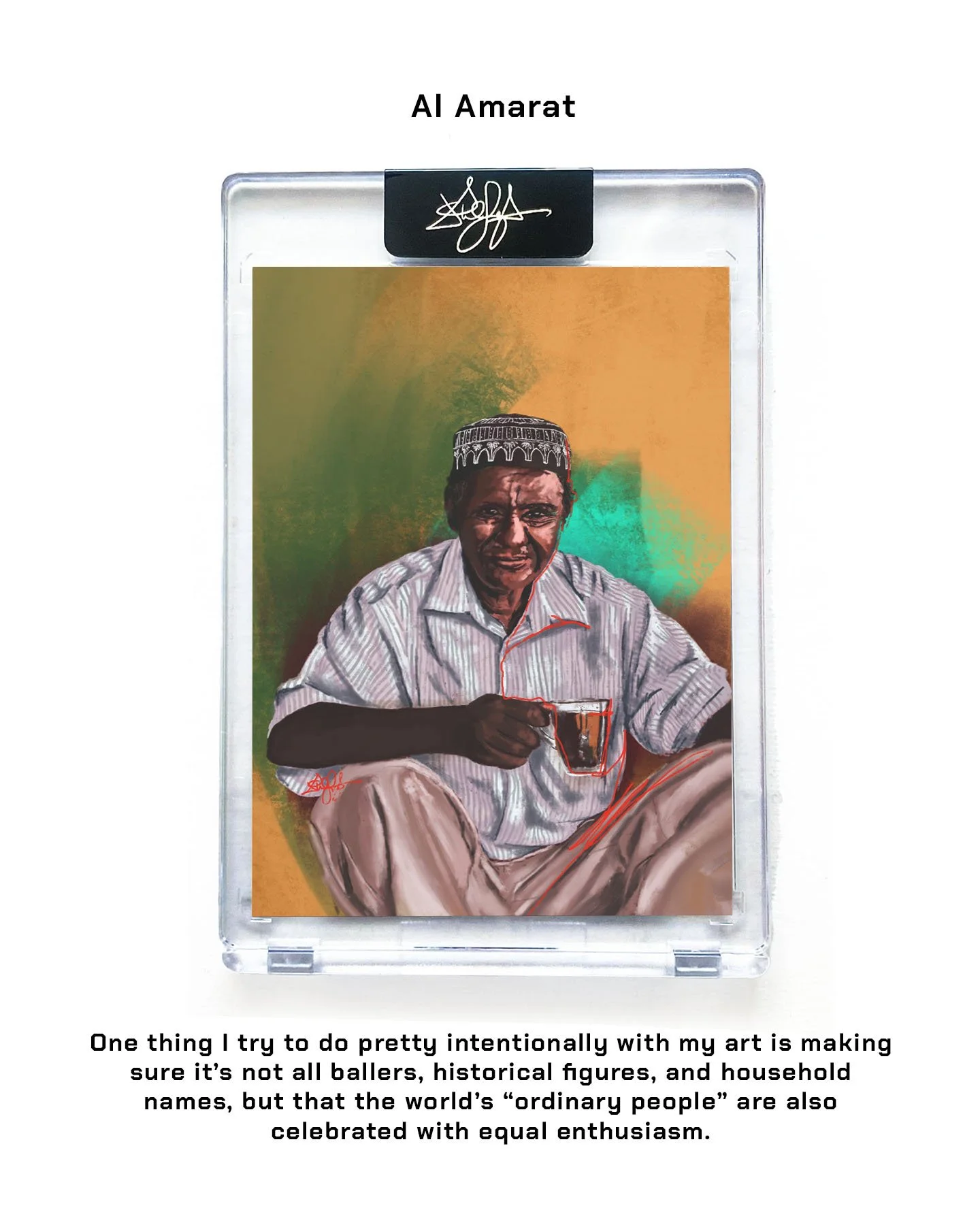
Light of Al Amarat

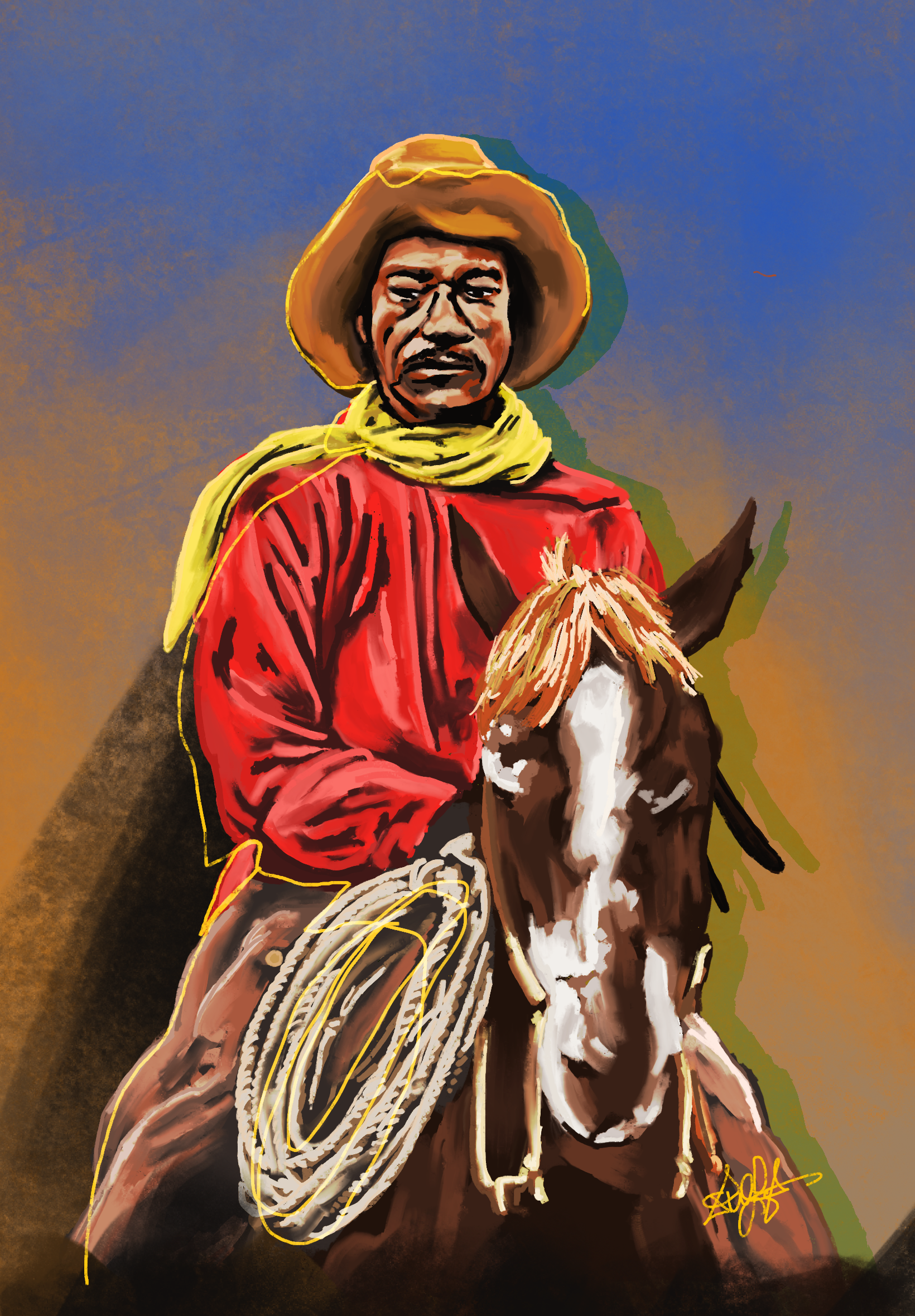
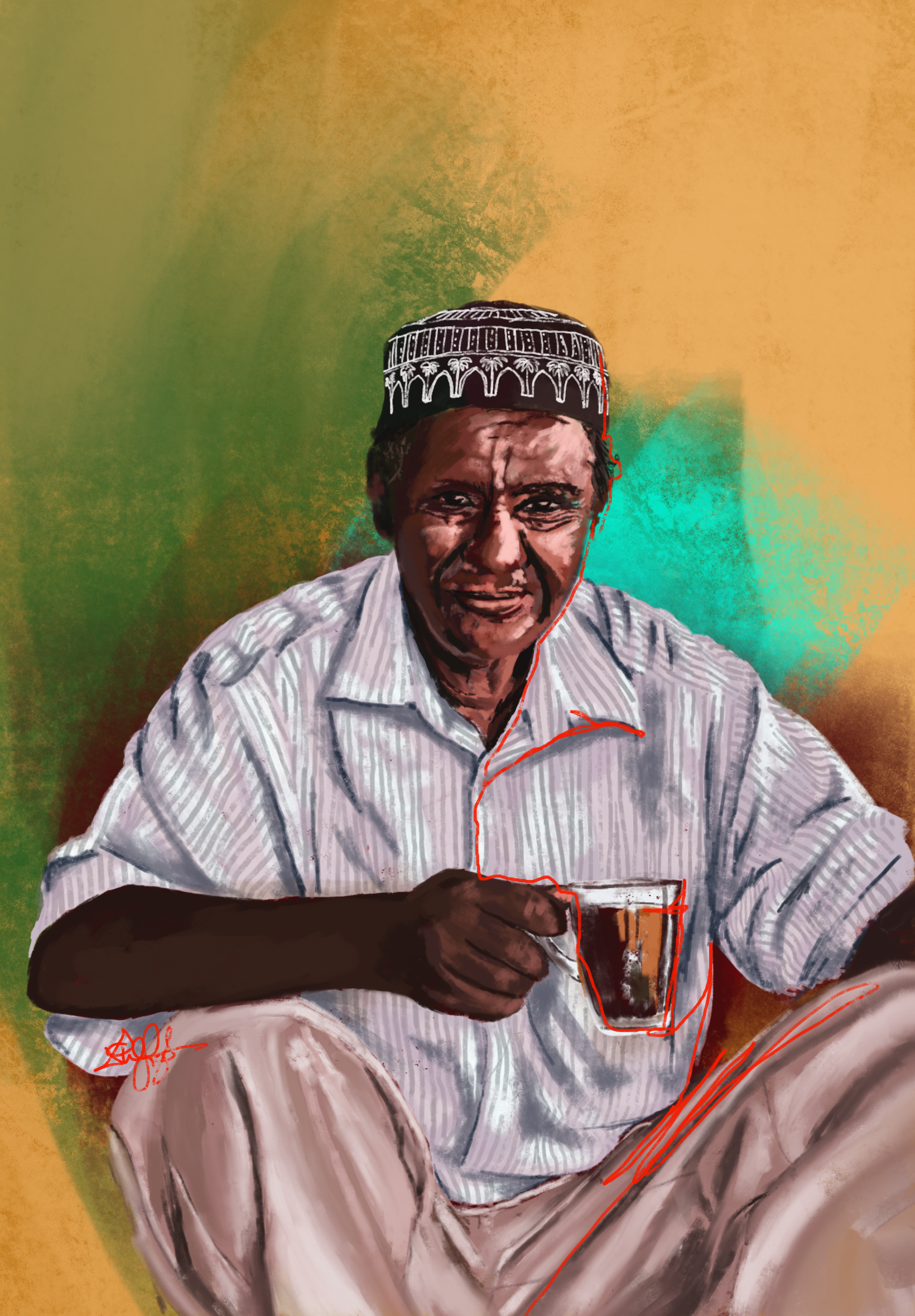
One thing I try to do pretty intentionally with my art is making sure it’s not all ballers, historical figures, and household names, but that the world’s “ordinary people” are also celebrated with equal enthusiasm.
This was based on a friend’s visit to Oman. I love capturing those travel encounters where kindness just blitzes through any physical or cultural barrier.
Doing Nothing


The hardest thing to do is nothing.
It sounds unlikely at first, but if you’ve ever given yourself a real meditation challenge of trying to release each thought as it comes, you know what I’m talking about. Add the way my mind usually works, and yeah, doing nothing is a lot harder than doing too much.
For the past several months, I’ve tried to make -doing nothing- my quest. I had a fun and exciting year for most of 2024 but towards the end I was beyond ready for some rest. I found a nearly six month block with no trips or big ticket items and set a goal to keep it that way.
Almost immediately, everyone at home got sick, so the first couple months of the do nothing experiment weren’t exactly restful. But I wondered about the conspicuous timing right when I decided to make more space.
Eventually things got more restful. “Nothing” began to include more field trips with the kids, making kombucha, freestyle rap improv, date nights, and arcades. (My version of nothing may look really different from others’!)
It’s a chaotic time in the world, and deliberately doing nothing seems almost frivolous. But just like you gotta get a good water-type or two before taking on a Charizard, it’s important to meet the chaos with an opposite energy. Stillness. I think Thomas Merton and Thich Nhat Hanh said it better, but they didn’t have Pokémon analogies!
Anyways, with Spring emerging and having just returned from my first trip in a while (a small, sweet one), I suspect that this season is giving way to a new one. But it gave us a lot of good.
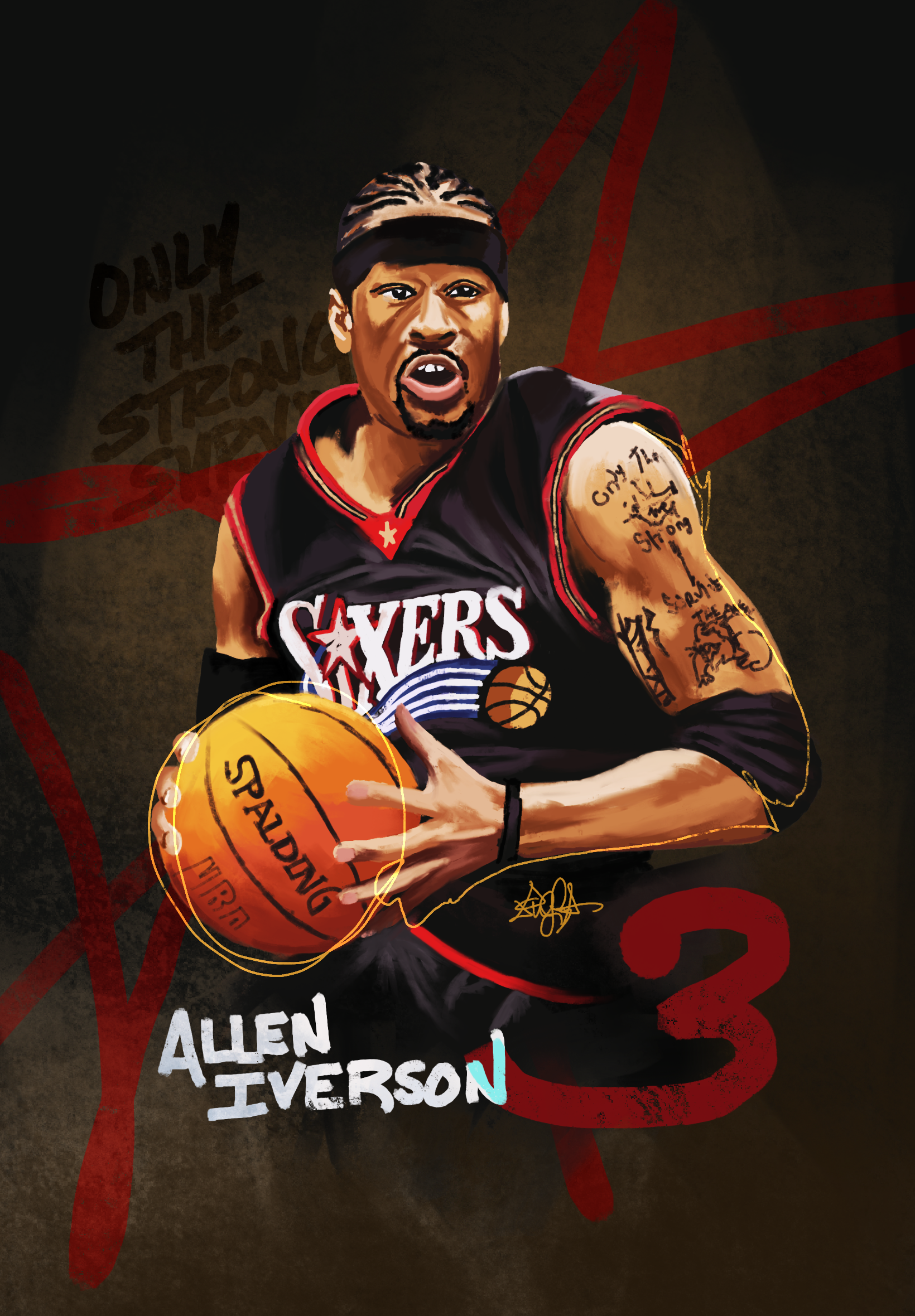
Allen Iverson
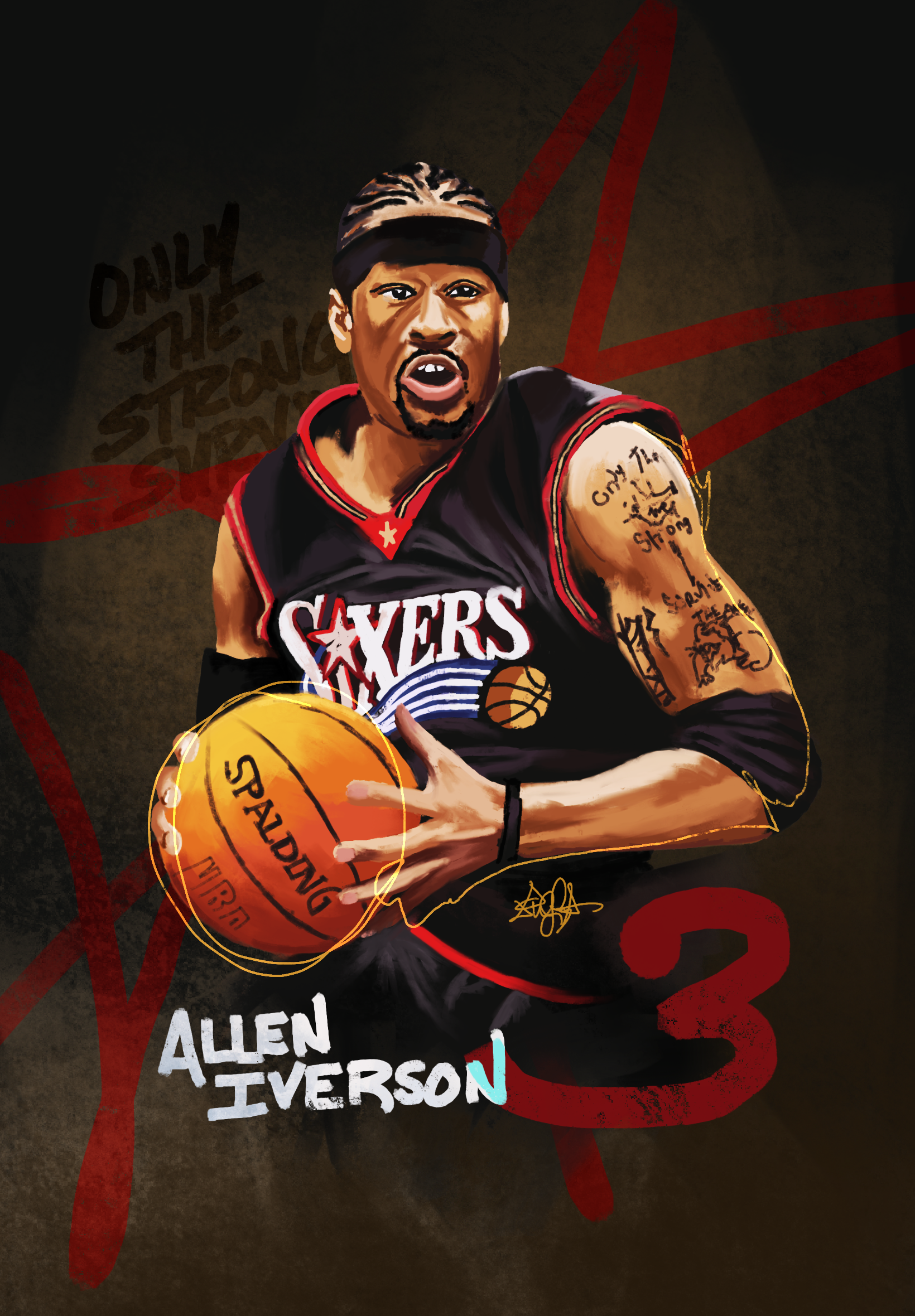
"I don't wanna be Jordan. I don't wanna be Bird or Isaiah, I don't wanna be any of those guys. I want to look in the mirror and say I did it my way."
I signed up for a freestyle rap class
You know, my theory is that the weirder and more niche your hobby is, the more you’re probably enjoying it. Maybe that's why becoming a freestyle rapper at an indie improv theatre in my mid-30's is some of the most fun I've had in a long time.