
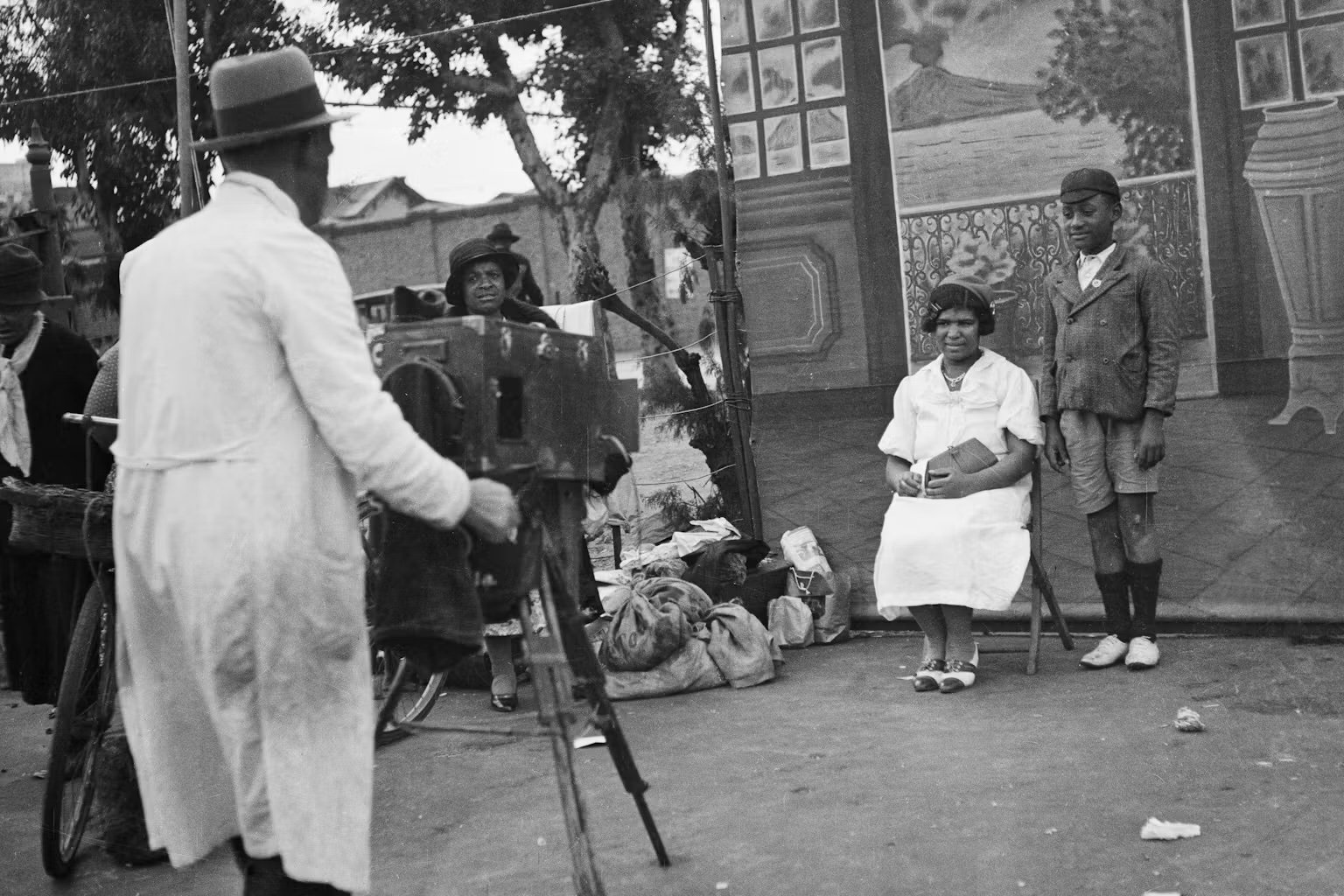
Photography led me to the storytelling work I do for international development and climate related causes.
Maybe not directly, but it went a little something like this.
Seventeen years ago, I started taking a lot of photos. I planned to take a photo every day for a full year. I ended up taking much more than that. The practice got me to pay more attention to life. To look for instances where some throughline tied together two different snapshots. And to pay attention to stories.
All this happened as I was just beginning my career. I was studying international development, studying abroad, and it became clear that I wanted to do something where this creative impulse towards telling stories could be leveraged towards solving global problems.
One of my first unofficial assignments came when I was asked to take photos of kids living at a care center in South Africa. I was staying longer term with the care center, and my role was pretty fluid. But being asked to take those portraits was a clear way I could bring value to my time there, having been directly asked.
I started with the teenage boys, as I had spent several weeks mentoring some of them and had gotten familiar with their dynamic. As soon as I asked them to arrange themselves on some steps, a whole bunch of personality came out, each one apparent in the photo. I asked something similar of a group of four year old boys, and side-by-side the portraits seemed to tell a story of growing up in this center.
When it comes to topics like institutionalized child care settings or international development, there is so much complexity. The best visuals are the ones that honor that complexity, that show you that there is so much to this world that is hard to describe. The best images convey elements of the people and places that are hard to put into words. That’s kind of the point. That’s why they’re images.
On the opposite end of the spectrum are images that flatten all of that complexity. The ones that rely on tropes and stereotypes. Staged experiences. Voyeurism over invitation. And worst of all, the ones that degrade its subjects in the process. Unfortunately, humanitarian photography is quite full of that.
In fact, you could argue that it’s known for this. Ask a bunch of people what they think humanitarian photography is like, and it’ll probably look close to the Google Image search results. Photos focused on stories of victims and heroes.
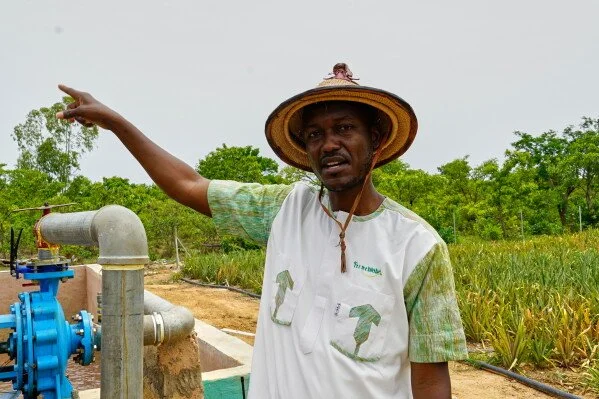
For the past decade or so, I’ve made ethical storytelling a very strong focus of my work. I’ve helped organizations develop standards to avoid degrading photography. I’ve educated staff members on how to take things like skin tone into account to get more respectful photos.
After doing this for at least a decade, my honest take is that I do think things have gotten better. There has been a collective raising of the bar in a way where one organization’s standards have forced their peers to take account of their own.
I do often refer to the flies-in-the-face style of stereotypical charity photography as harmful, tacky, and outdated… appealing to all kinds of reasons to abandon the tactic.
Unfortunately outdated doesn’t quite mean extinct.
From time to time, you still see photography that exploits situations like poverty. Especially in international contexts where things are that much more foreign in appearance.
This persistence has made me wonder who else holds the levers that can help eradicate this practice. I think the organizations doing it right are having an impact by taking the right approach and making it visible. That peer pressure works.
I think funders also have an obligation. An organization’s supporters can call them into higher standards. Even a smaller scale donor should still have their concerns responded to if an organization is taking itself seriously. For larger funders, there is even more leverage and this can be discussed in meetings with organizational representatives. And since there’s often a through line between this level of support and board governance, it’s worth noting that a board of directors is also responsible for reinforcing the importance of ethical photography. There’s more to good governance than a balanced budget and strategic planning, failure to ensure ethical communication can cause harm in the communities your organization wishes to serve and simply makes it look bad.
There’s also another actor who can help reinforce ethical storytelling standards and it’s one I didn’t think of too much prior to this year.
Governments.
Places can also set rules on how their people are depicted. And while this raises other questions, it’s hard to argue that countries are stronger when its people are seen as strong, and easier to take advantage of when their portrayal is pathetic.
I had never thought much about what a government could do to reinforce ethical photography standards until recently until I learned that Burkina Faso had just instituted a ban against degrading humanitarian photography.
And that made me wonder, is this a potential solution?
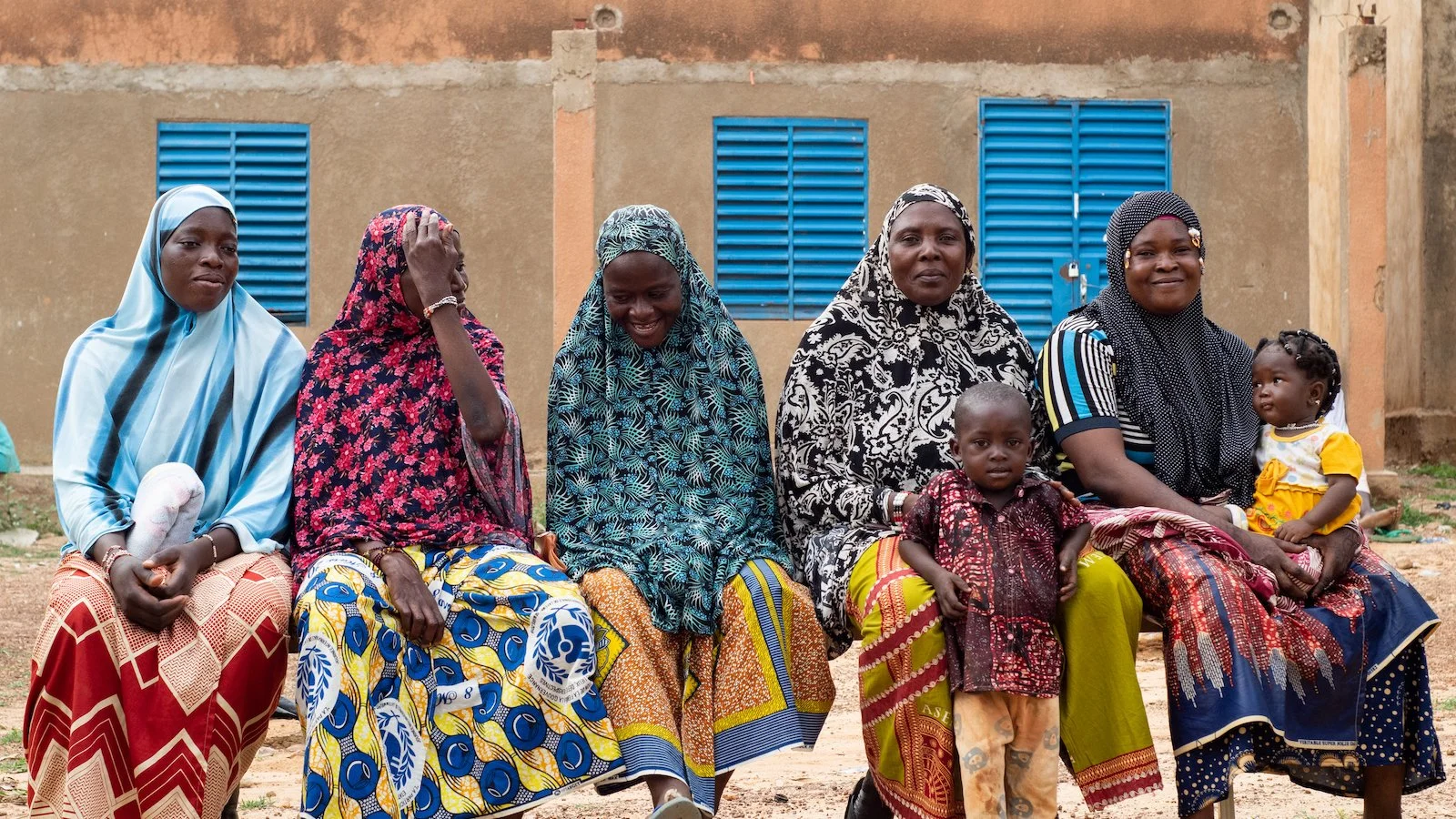
A couple months ago, Burkina Faso’s government approved an ordinance banning NGOs and aid organizations from capturing, publishing, or distributing exploitative photos of people receiving humanitarian assistance.
This explicitly bans aid workers from filming or photographing the typical image of recipients posing next to donated goods. The law aims to protect both the privacy and dignity of recipients while prohibiting organizations from fundraising or benefitting from ‘poverty porn.’ At this point, all fundraising appeals now require government authorization.
Over the past century, aid organizations have heavily used emotionally jarring images from Burkina Faso and its neighbors to spark emotional responses… and donations. But according to Burkina Faso’s de facto leader, Ibrahim Traoré argues that this practice treats the Burkinabé people as objects of pity instead of human beings, and robs them of their dignity in exchange for publicity.
Stated plainly like that, it’s hard to argue against it. The military regime labels this practice as cultural degradation that serves foreign interests while depicting Burkina Faso’s people as permanently helpless. That explanation matches some of the dynamic I’ve described in ethical storytelling training.
It’s worth noting that this policy doesn’t come out of nowhere. Traoré’s military government has been steadily passing rules to tighten oversight on international actors in Burkina Faso while promoting national sovereignty.
Burkina Faso has long relied on international NGOs to support infrastructure where the government lacked resources or effectiveness, including education, healthcare, and water access.
About ten years ago, the presence of international organizations drastically spiked as different extremist groups displaced millions.
However, since Traroré’s forces took power, there has also been a shift from outright permissiveness over NGOs to greater suspicion and control. In April, the government shut down over 100 NGOs and suspended 1,000 others for various reasons.
That strength has removed any of my doubt that Burkina Faso might be able to enforce such a ban. A new law passed last year forces all foreign and national NGOs to run their financial operations through a state-run treasury bank, making the government an essential pass-through for all funding. In order to continue to operate, humanitarian workers need documented proof of consent from their subjects, and all public communications need to be submitted for prior review and approval.
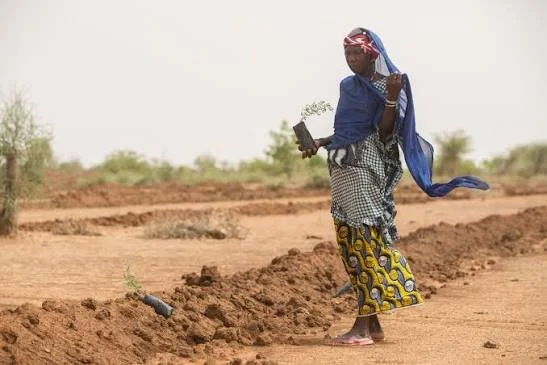
My initial reactions to the report that ‘Burkina Faso banned NGOs from degrading photography’ were unquestionably positive. I do think there need to be far more prohibitions against the practice. Because the damage it does is largely psychological and qualitative, its easy to underestimate. But it is very real.
That said, banning it through this channel also raises a lot of questions. Putting the nexus of control in the hands of the government provides a very easy opportunity to censor out any information that paints the country in a less-than-positive manner. With many news and media organizations relying on a nonprofit structure for their revenue, it can also serve as an easy way to enact censorship.
Having worked within the world of international development NGOs for many years has also made it easy for me to imagine the process becoming unnecessarily bureaucratic, or dependent on personal relationships to expedite approvals. In the most ideal world, I might prefer an approach that incentivizes those that are doing things the right way.
I also don’t believe that ethical photography and ethical storytelling means never showing anything negative. An actual storytelling requires problems to solve, conflicts to resolve, and goals to pursue. I sometimes think that organizations overcorrect in the direction of toxic positivity, romanticizing the situations of people who will honestly and transparently report their own hardships.
It’s complicated, that’s for sure. But buried within the complexities are the realities that Traroré explains plainly. Reinforcing the image of a group of people as helpless reduces their agency and gives further leverage for outside forces to enact control.
The world of international development needs to evolve fully and abandon exploitative photography for good. At this point the message is coming from multiple directions. Funders. Subjects. Governments. Staff members. While we don’t need shiny, smiley photos of everybody, each image or clip needs to uphold the value and dignity of each subject.