
Ecotourism can be a tricky thing.
In theory, it sounds like possibly the best thing ever. The chance to travel and do adventurous things out in nature in a way that’s actually good for the environment? Sounds almost too good to be true.
In fact, more often than not, it is too good to be true.

I’ve heard of ways ecotourism offerings created a demand for water in South Africa that the host community couldn’t sustain. Ethical animal encounters in Thailand and Bali that were anything but ethical. Cultural exchange opportunities in the Amazon that turned out to be a commodification of indigenous customs.
Because of this, I often default to some skepticism whenever I hear about an ecotourism opportunity.
It’s a good thing that sometimes they come to you in ways you can actually trust.
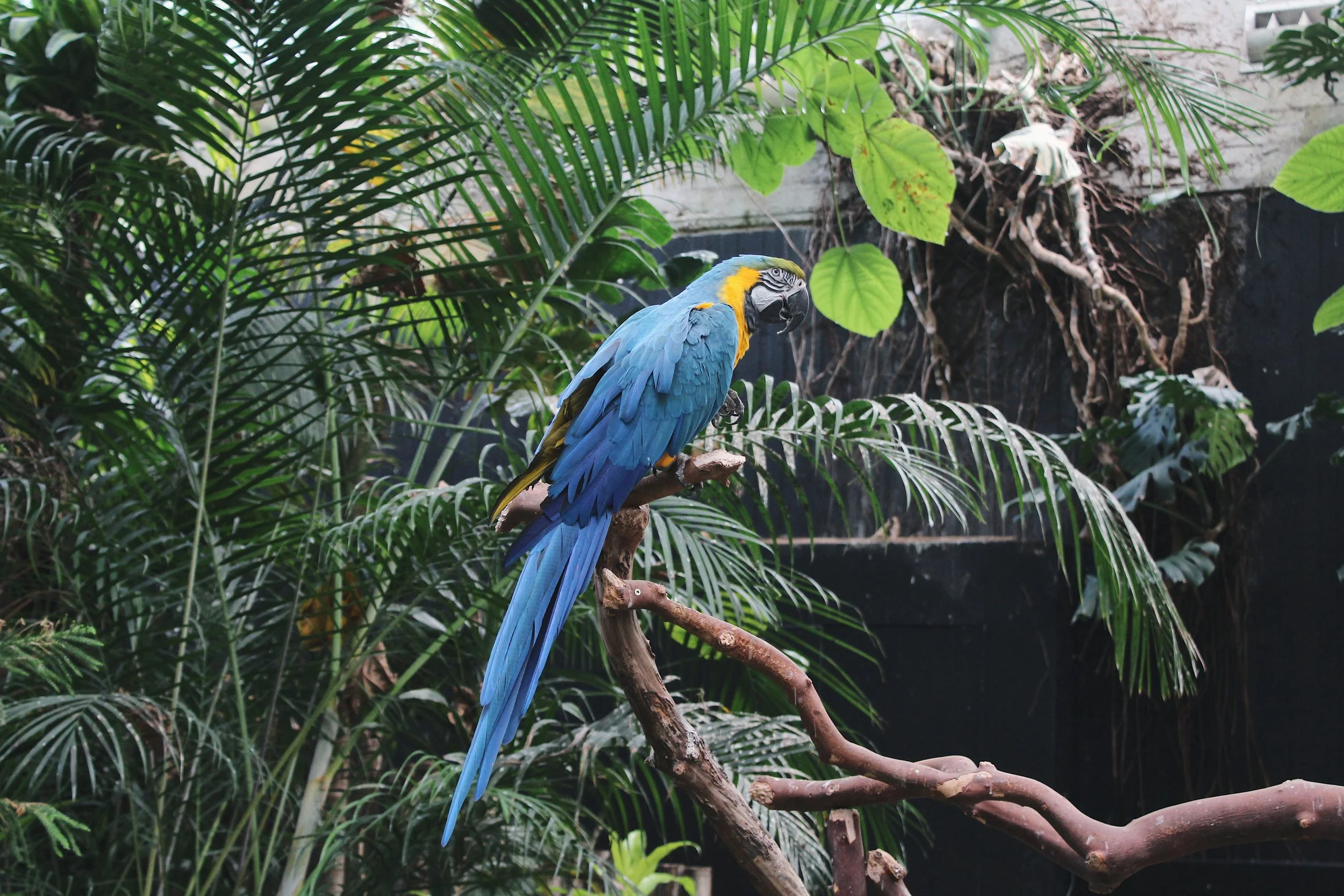
For a long time, my friend Esteban had been telling me about his home community in Ecuador and how they were aiming to open up to visitors by offering home stays and guided wildlife encounters. His small community sat in a part of the Andes home to some historic hiking trails and plenty of dazzling bird species.
Then about a year ago, he reached out with a simple “wanna come?”
The thing about Esteban is that he’s a true adventurer. While I was training for my first marathon, he shared his casual weekend runs of as many as 50 miles, connecting peaks, coastlines, and other rugged settings. I imagine his Andean-grown lungs took him places. He also worked for a big outdoor retailer and was trained in wilderness emergency response. This was about as reliable of a connection as I could ask for.
He was actually in the process of launching a small operation of offering group experiences of trail running in the Andean Rainforest.
He shared with me some of his packages- a 50 mile trail run (the bear!), a 20 mile run (toucan!), and a casual food tour for those just there for the vibes. (Hummingbird!)
I figured the toucan seemed like a happy medium for me to go with, but Esteban told me that we would just figure things out when I got there.
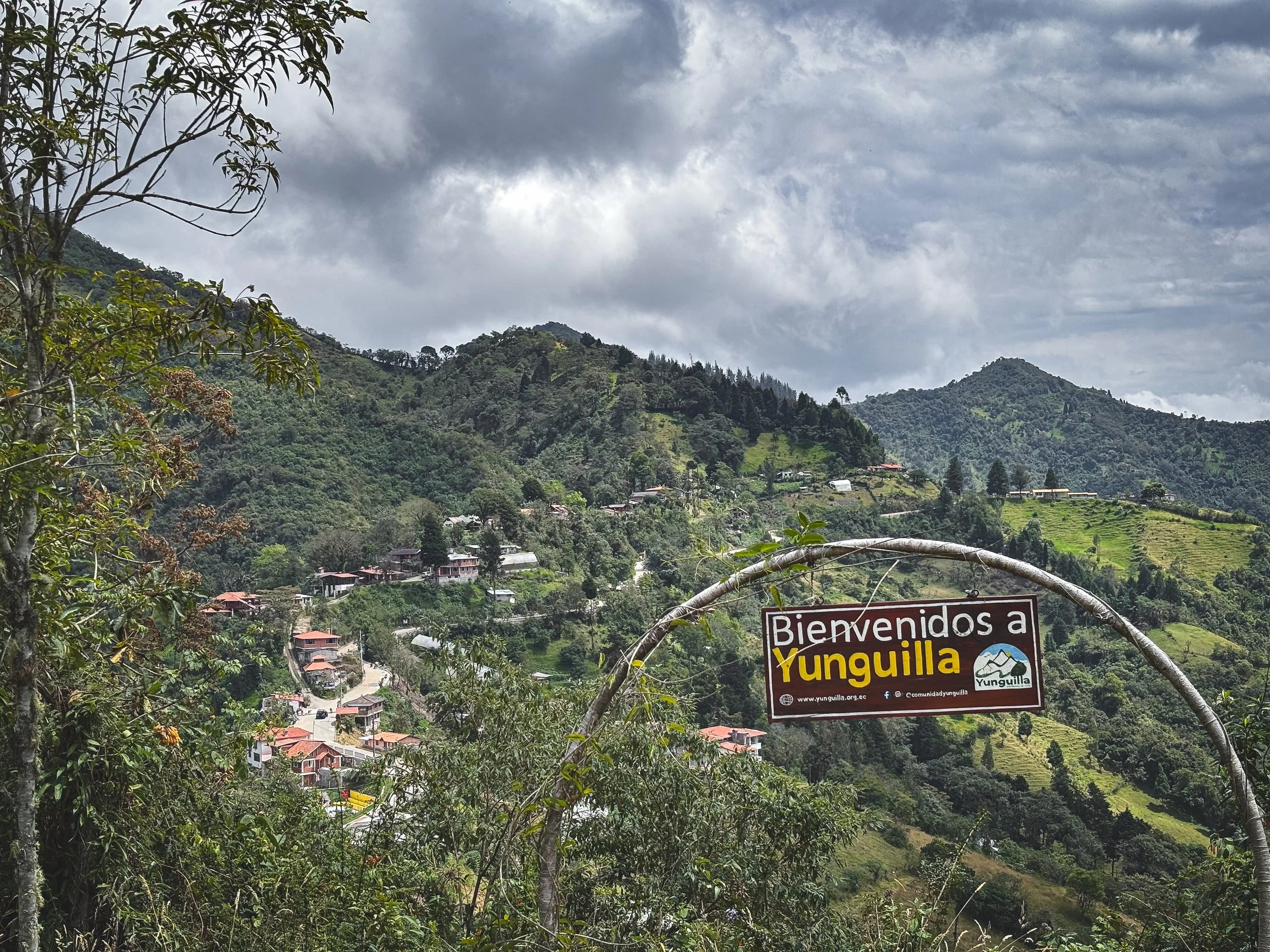
While Esteban’s town of Yunguilla is a remote village setting in the mountains, it is technically speaking, still part of Quito. This is partly thanks to the way Quito draws a very wide ring around its core to stretch the municipal limits. Flying to Quito has gotten a lot easier now that Copa Airlines services San Diego. From there, all it took was a couple hour drive into the hills of Yunguilla.
I arrived in time for dinner. When Esteban said that this was the village where his family was from, I didn’t realize that meant his family made up a large portion of the village. The combination of a small community and a large family meant that every other house was occupied by some combination of aunts, uncles, grandparents, or cousins. I sat next to Antonio, an uncle of his as we talked about the village.
Of course, this meant that my first dinner would be a nice big family dinner. Lots and lots of fish were fried. I was introduced to so many people.
Over the course of the night, Esteban and various relatives of his would recount the story of how Yunguilla became what it is. It goes back about thirty years, when “18 locos” put forward the crazy idea to link their farming activities to more sustainable and adventurous activities to appeal to ecotourism as an emerging trend.
The fact that they are still known as the “18 locos” might reveal how this idea was originally received.
Nonetheless, their ideas wound up winning out in the end. And thanks to that, my visit would include touring some farms, staying at a local home, and going out on my hike.
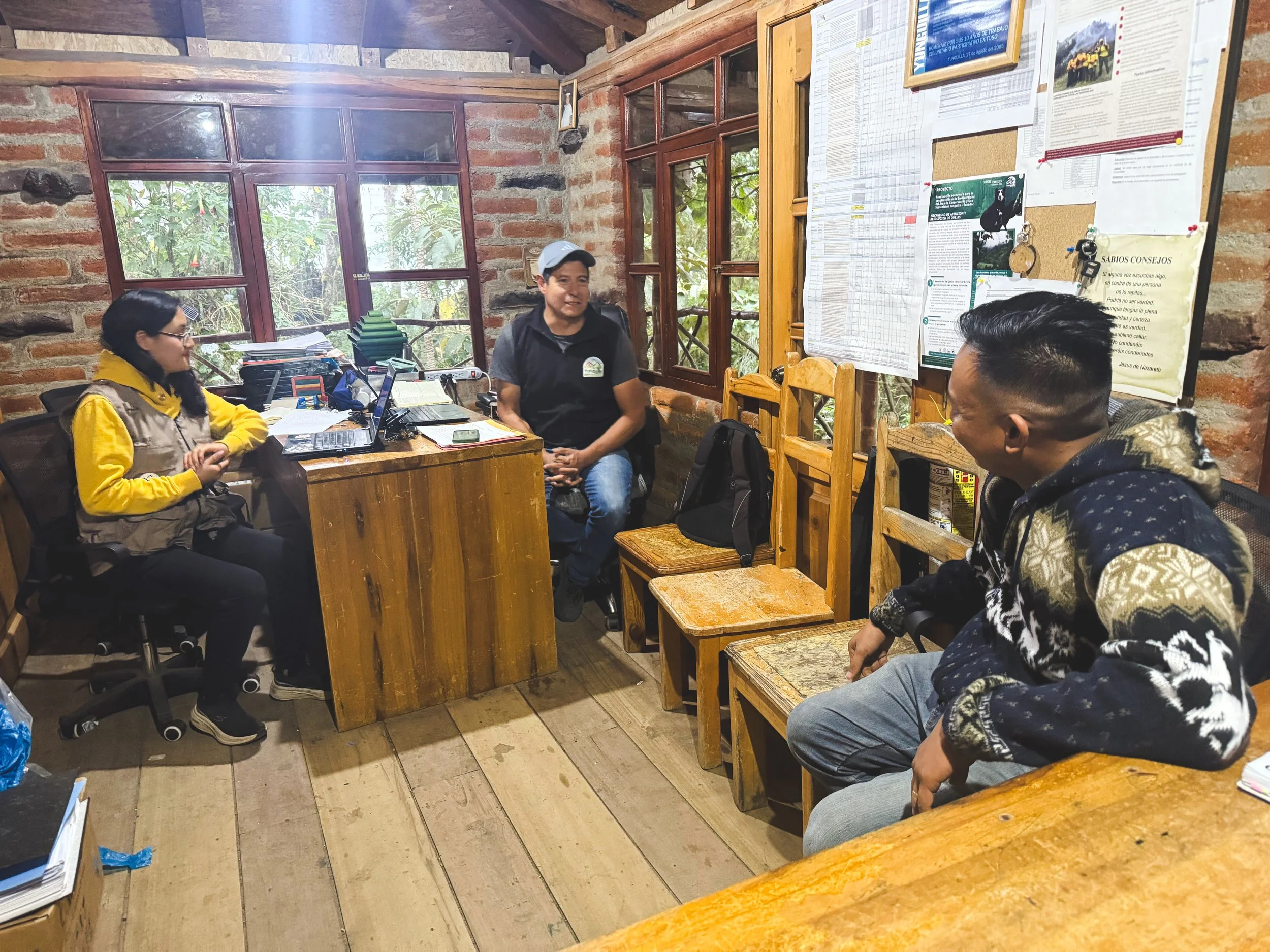
After that very satisfying dinner, I went inside the home of Daisy. She was Esteban’s cousin and my host for that first night. Daisy had a really cool house, with second level walkways that made it feel a bit like a treehouse. As we hung out in her living room, we were soon joined by what felt like the entire town. Four men with guitars began playing some traditional music and a dance party broke out right there.
It was a blast, but it had also been a long day, and I was also beginning to wonder where I’d find the energy reserves to hike a good distance the next day.
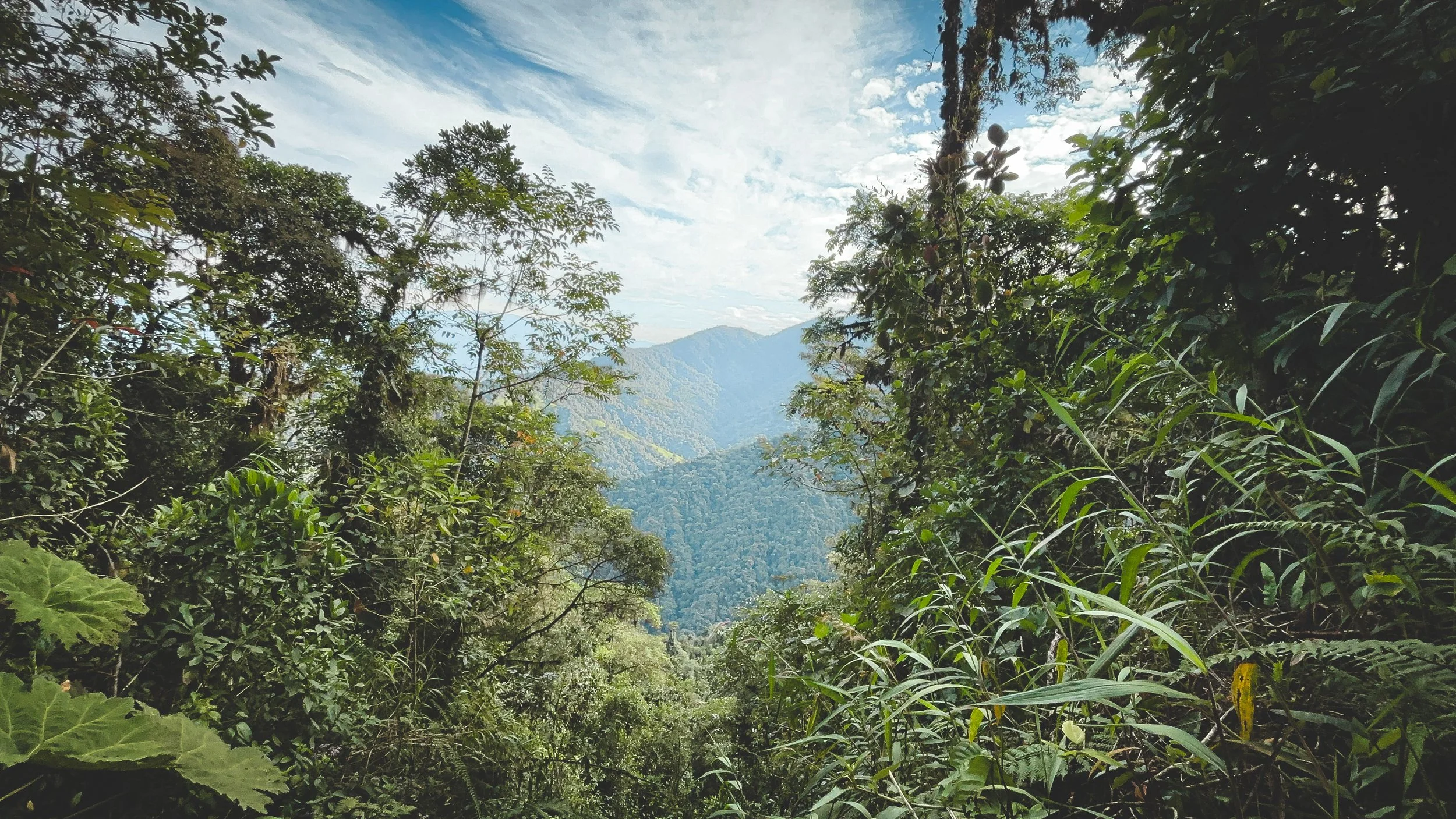
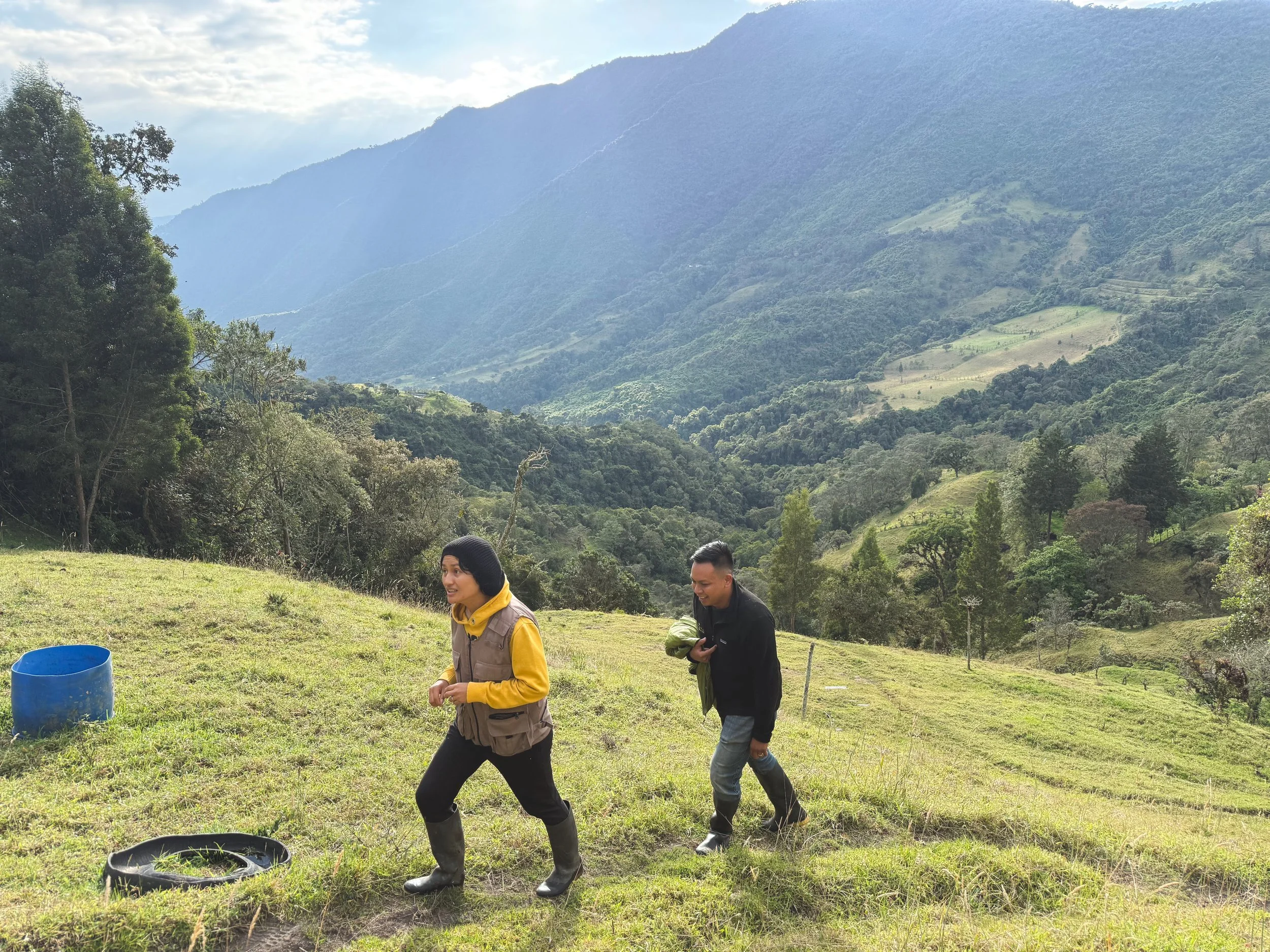
The adventure at hand would be a two-day hike through the Andean cloud forest. We would be walking on 1,000 year old trails to an ecolodge in a neighboring area. It would be intensive. But first, there were a bunch of community activities ahead of us.
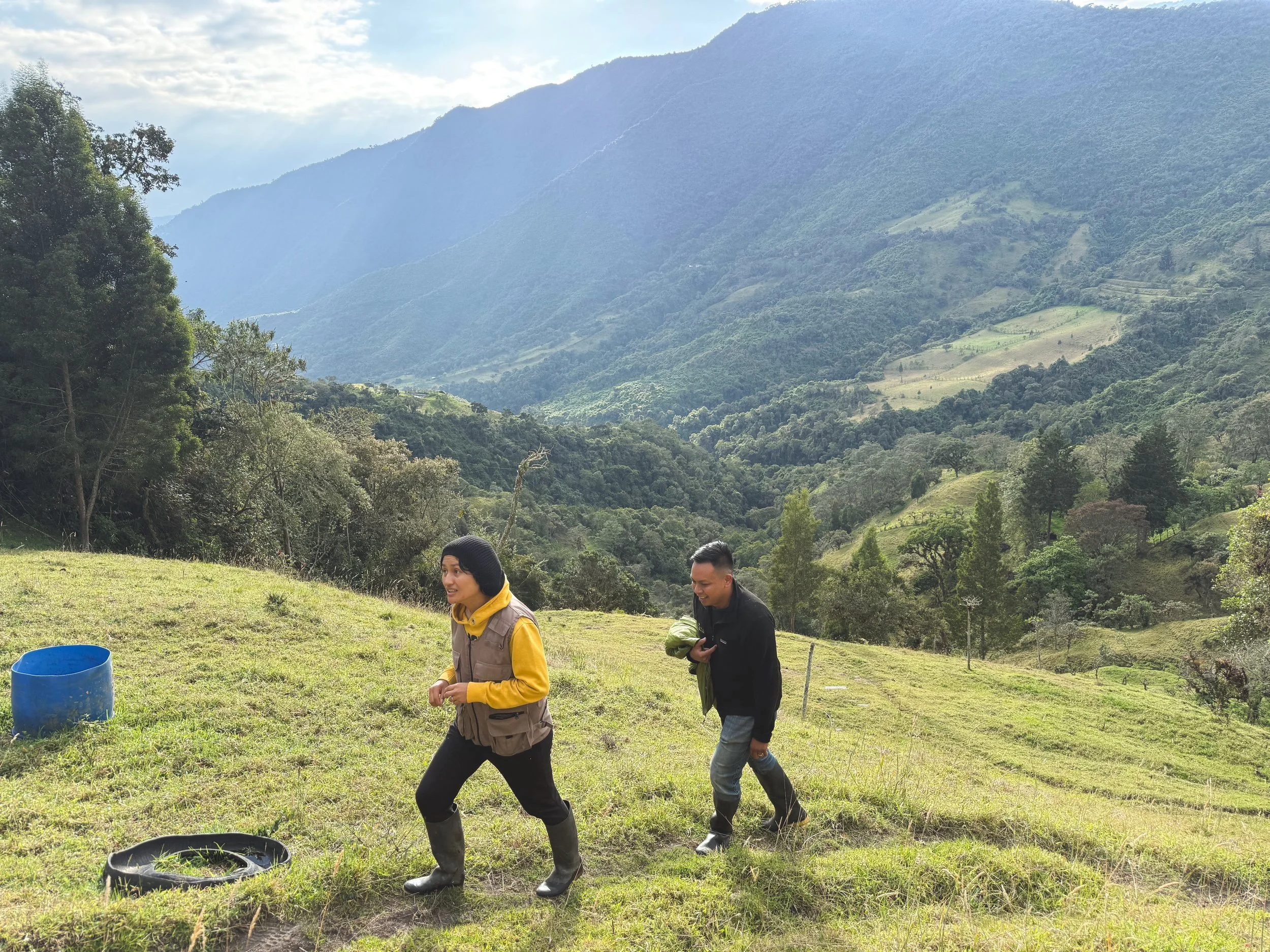
I got up in the morning for some voluntary farmwork. Mostly, I’d be milking a cow with Esteban’s uncle. It was a pretty early morning sandwiched in between a day of travel and a day of hiking, but the view of the sun rising over the hillside farms made it worthwhile. When we got to the top, I got to stop by Esteban’s grandparents’ home and guinea pig farm.
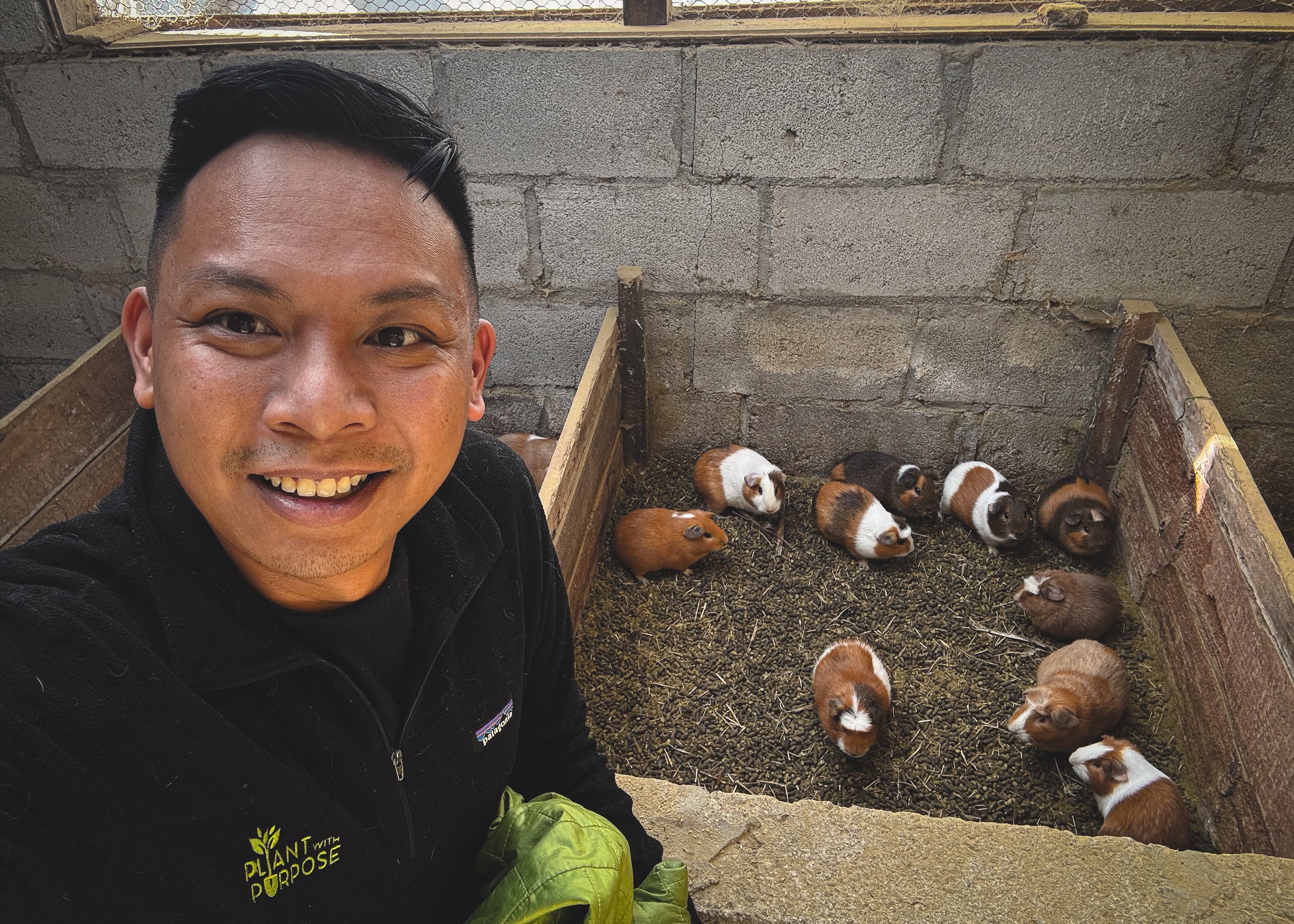
Esteban explained that before the ecotourism activities took off Yungilla was the site of a lot of logging and deforestation. The efforts of those ‘18 locos,’ which included Esteban’s grandpa, not only brought in new sources of revenue to Yunguilla, but it helped curb the demand behind tree cutting. Now that there was interest in Yunguilla as an ecological site, cutting down trees had a competing interest.
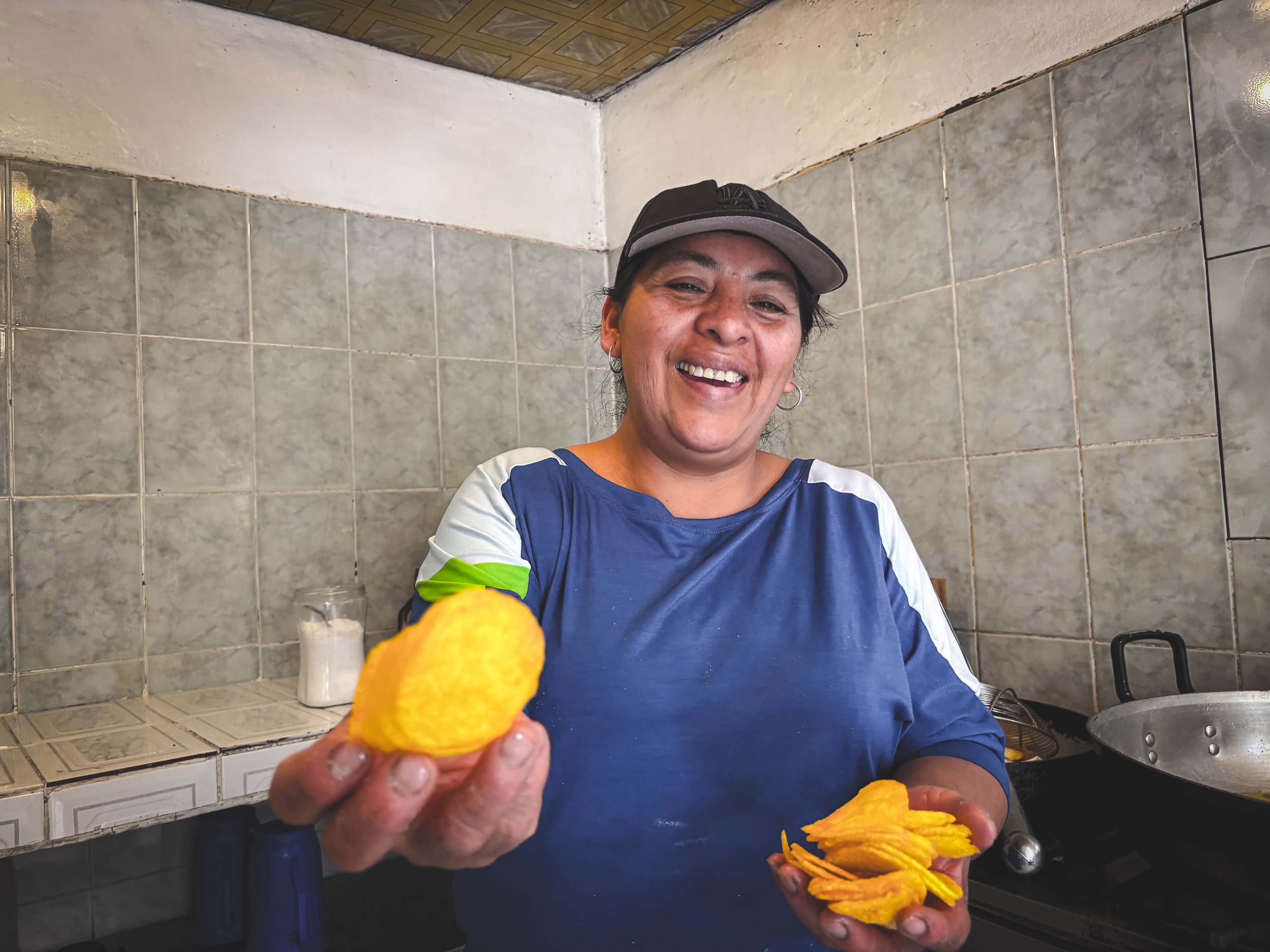
The pandemic brought a lot of the tourism activities to a halt. But the people of Yunguilla found other income streams through their farming… dairy in particular. Part of my visit that morning included a stop at a milk and cheese processing plant. We went to visit some garden beds. And since this is the part of the world where potatoes originate, we also stopped by a chip cookery.
It was a lot of activity. A blast, but also, I felt like I had done an entire day’s worth of things and our hike hadn’t even begun. We would start in the afternoon after lunch. We went back to Daisy’s where we would eat a quick meal before departing. I found a fifteen minute gap to excuse myself to my room. I’m thankful that power naps have always worked for me. Sometimes shutting my eyes for as little as five minutes can shake off a whole lot of exhaustion.
It worked, and a few minutes later, I was finishing off a plate of eggs and cassava ready to begin a two-day trek through some rugged jungle terrain.
What sets Esteban’s efforts in his home town apart from so many of the less savory ecotourism opportunities is simply the fact that this is Esteban’s home. It’s all done relationally. At the end of the day, this project is rooted in having a sustained way of supporting the community rather than maximizing profit.
When ecotourism goes right and actually lives up to its promise, it’s a really, really good thing. This isn’t always the case, but being able to do one of my favorite things, traveling, in a way that can generate income, collaboration, and a shared purpose among a community is a real win.