
A friend recently asked some people if they have a life’s mission statement, similar to how an organization would have a mission statement.
I’ve gotten in the habit of trying to remind myself often that it’s all a front.
I’ve helped a number of organizations craft their mission statements, and so that phrase doesn’t quite pass the test. It’s not quite self-explanatory, nor does it explain what I do. But it is a reminder I try to keep front and center in my life.
It’s a reminder to try and keep my eyes on the real thing. Because it’s easy to get distracted by a bunch of other things.
it’s all a front.
In our lives, hopefully we’ll get to do a lot of cool things. We’ll wear different hats, get some fun opportunities, and carry different job titles. I think I’ve been really privileged for most of my life. I’ve pursued the intersection of what sounds fun and what seems meaningful, and as a result, I’ve never really had a dull job.
My work has taken me on months-long road trips to support North Korean refugees, journalistic assignments to cover oil drilling in Guyana, and expeditions to discover the wonders of Ethiopia’s church forests. Along the way, I’d like to think the work I’ve done has helped people by making problems and solutions more visible and driving attention to those creating change.
When the work we do is fun and meaningful, it becomes easy for us to throw a lot of ourselves into that work.
I think there’s a healthy way to do this. To work in a way where you feel like being your truest self produces the best result. To feel like you don’t have to shut down parts of who you are to fit a role.
At the same time, it’s easy to think of all the unhealthy ways to lose oneself in the work. Fun and meaningful work can lead to seeking one’s source of validation from a role. It can create a sense of having to prove yourself worthy of the role, or for ego to take over the steering wheel.
I’ve experienced both ends of this spectrum which is why I remind myself that it’s all a front.
Fictional businesses are frequently used to hide illegal transactions. Cash-heavy businesses like laundromats or nail salons can be an effective cover for masking financial transfers tied to drugs, wildlife products, or even human trafficking. Calling something a “front” probably conjures up images of Al Capone and Prohibition-era gangsters using retail services as a shield. Of course this is nothing new. For over 1,000 years spanning multiple dynasties, Chinese merchants would illegally trade salt by burying it with other products.
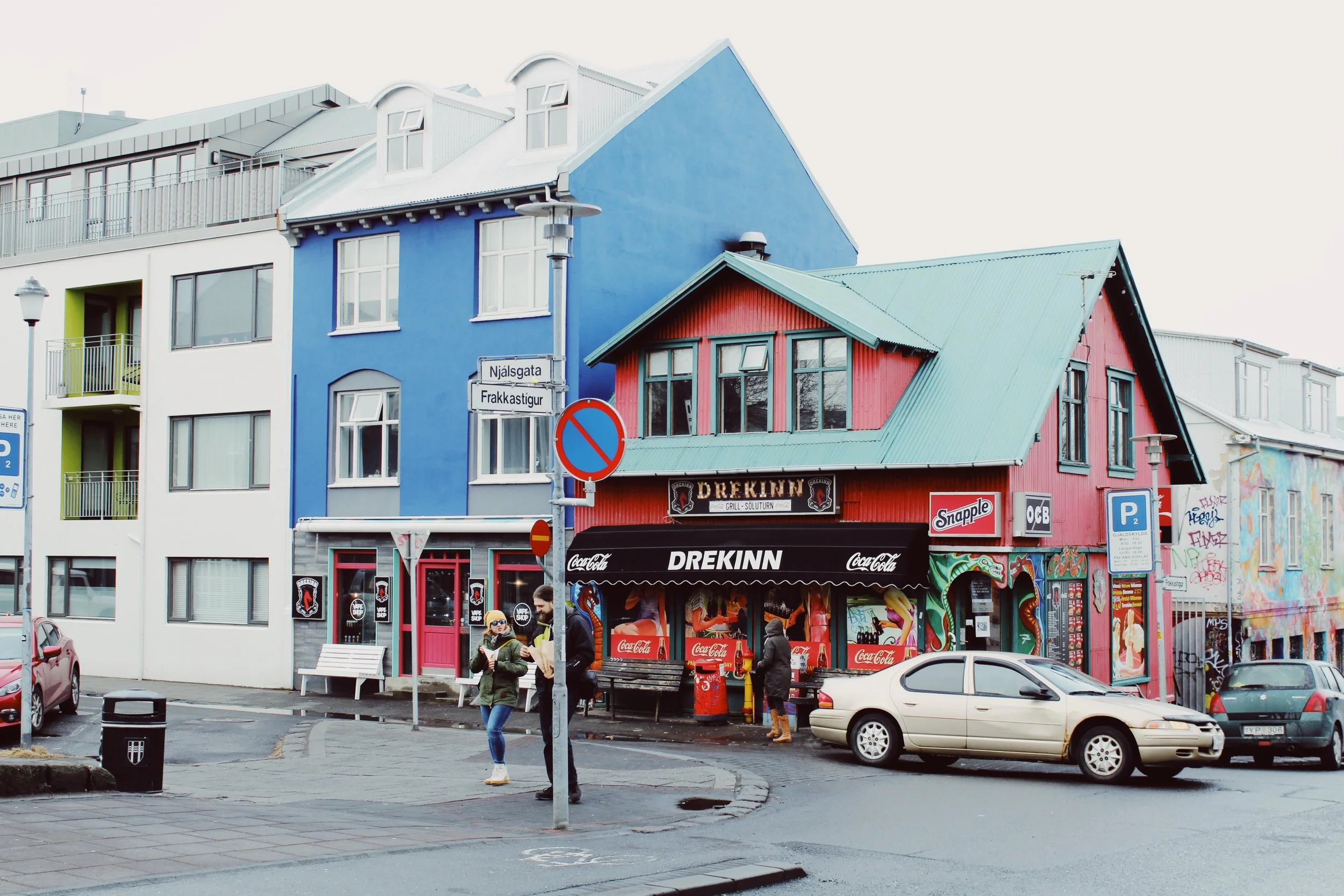
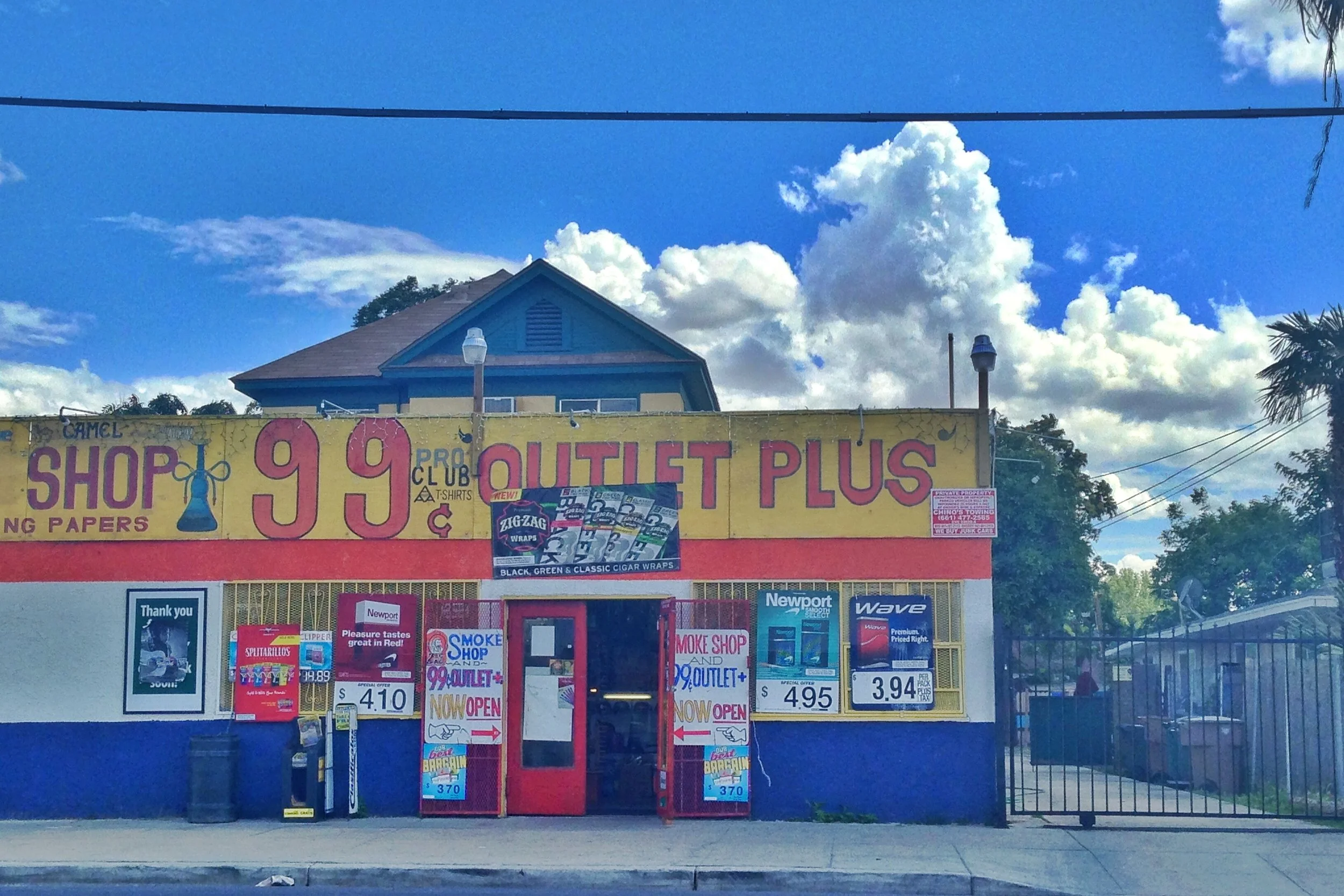
There’s a pawn shop I pass by in my neighborhood on a weekly basis. I’ve seen the inside of their store countless times. A bunch of cases full of collectibles, firearms, or… collectible firearms. What I’ve never seen in there is a customer. Is there a business beneath the business?
Anyways, I’ve started to think that we should maybe approach our lives and work like there’s a business behind the business.
When you listen to very wise people at a late stage in their life, they often start to sound alike. Especially the spiritual leaders. They speak more vigorously about how the point of it all is for us to love each other.
It might sound basic, but that’s kind of the point. Something foundational should sound basic.
Love and be loved.
Yeah, we might get our own ways this overlaps with our paths. In my case, that often comes through creating experiences that help people marvel at our differences and celebrate the things we share. But in the end, it’s in service of loving each other.
I often find myself surrounded by conflicting ideologies around work.
As an American, I live in a setting that gives work an elevated level of importance. There’s been a lot said about how one of our first questions when meeting someone new is typically, “what do you do?” It’s a habit you don’t see as much in other cultural settings. I remember when I lived in Argentina, how surprised many of my local friends were at the frequency at which American families skipped having family dinners with everyone together.
You also see this tendency of asking kids what they want to do when they grow up as soon as they’re somewhat able to have a conversation.
In a society shaped by purchasing power, consumerism, and trade, it’s not the biggest surprise that work becomes a very consuming thing. People find their identity in their work. And this is after a lot of progress and labor movements to set boundaries around the work week, working conditions, and so on.
Things are changing, however, and the change is most visible among people just a bit younger than myself. Here you’ll find people who know that the answer to “what’s your dream job” is “I don’t dream of labor.”
You’ll find people who switch workplaces year-by-year, doing away with the norm of decades at a single spot.
You’ll find people who see through the exploitative practices at most businesses, who resist by decentering the importance of work in their lives.
While it’s not always the most pragmatic orientation, there’s so much we can learn from it.
My take on work, along with whatever other activities end up filling our calendars is simple. They can be excellent vehicles for us to love other people.
I recently watched Company Retreat, the follow up to Jury Duty, as a show that is basically a season-long Punk’d segment. A number of hired actors stage a workplace retreat for a hired temp who thinks its a real thing. In addition to being brilliantly casted, it did remind me of the very real relationships that form whenever you find yourself working towards a task with a group.
Our jobs, our hobbies, our assignments will put us in proximity with other people who we’ll be spending a lot of time with. You’ll want to do your job well, of course. What you get out of an experience is often related to how much you’re willing to dive in. But don’t let the fancy titles, the shiny responsibilities, or the big accomplishments ever take away from the main event.
Your path will cross with others you get to love. Everything else… it’s all a front.