
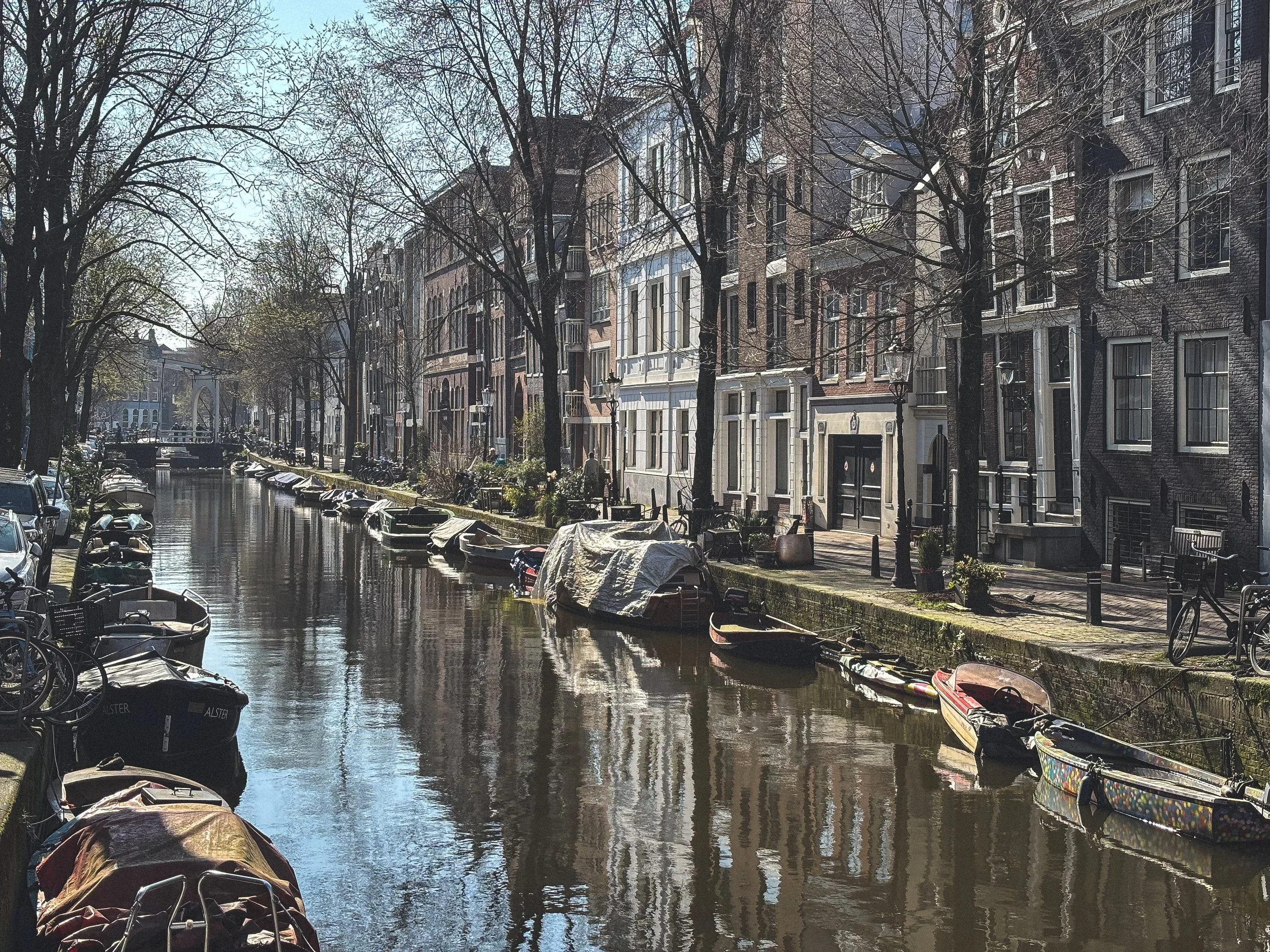
Earlier in the year, I found myself in a bit of liminal space.
One professional chapter came to an end and my next endeavor had yet to get started.
It was kind of a weird time to be honest. A lot of the tentpoles had been removed and it felt a bit unsettling to not be able to immediately slide into a new groove.
So what better time to go to Amsterdam?
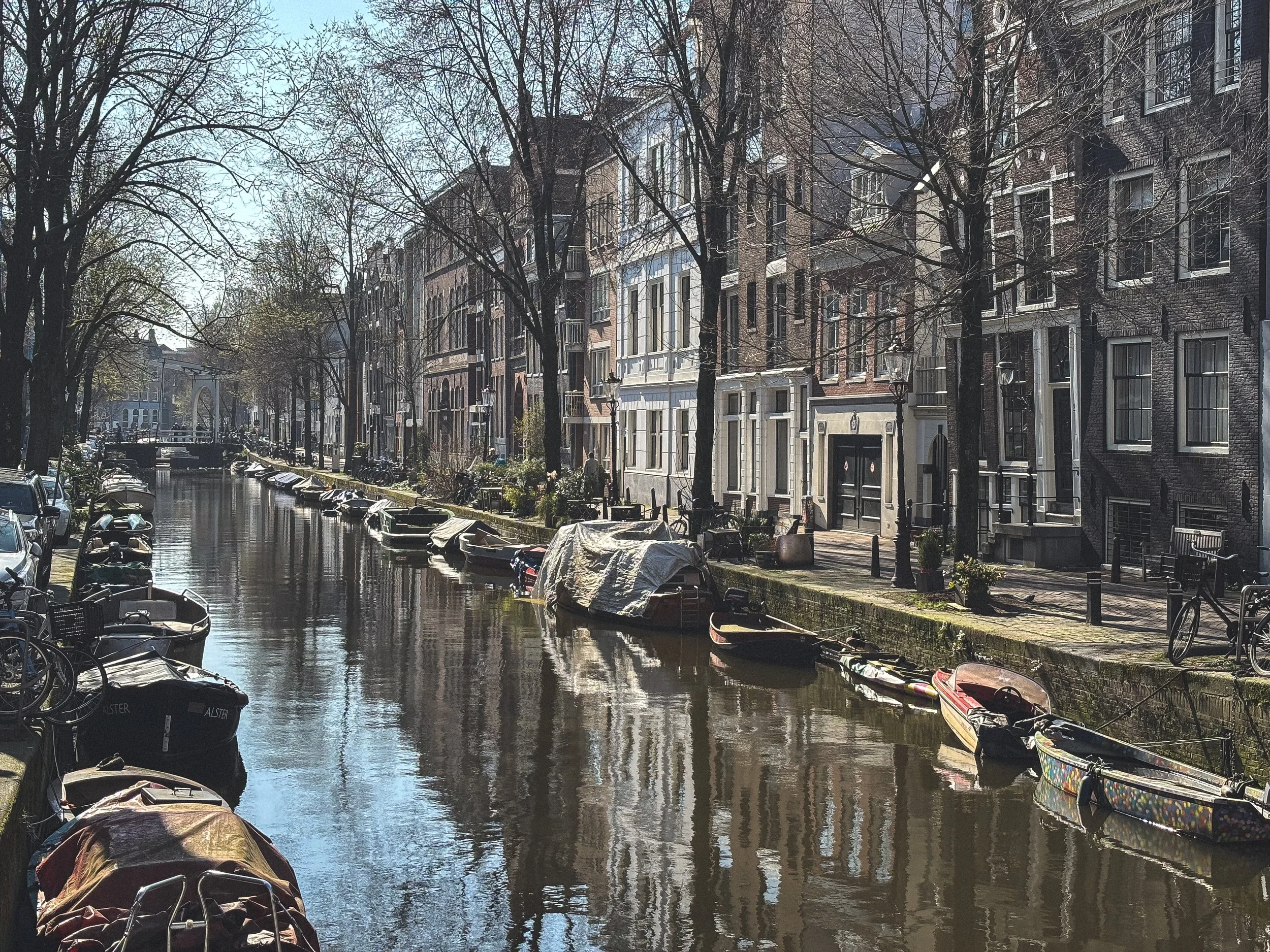
Yeah… I probably wouldn’t have planned to go on a trip during that weird in-between time. Switching jobs created some financial question marks and plane tickets were surging.
But… I already booked this trip months ago.
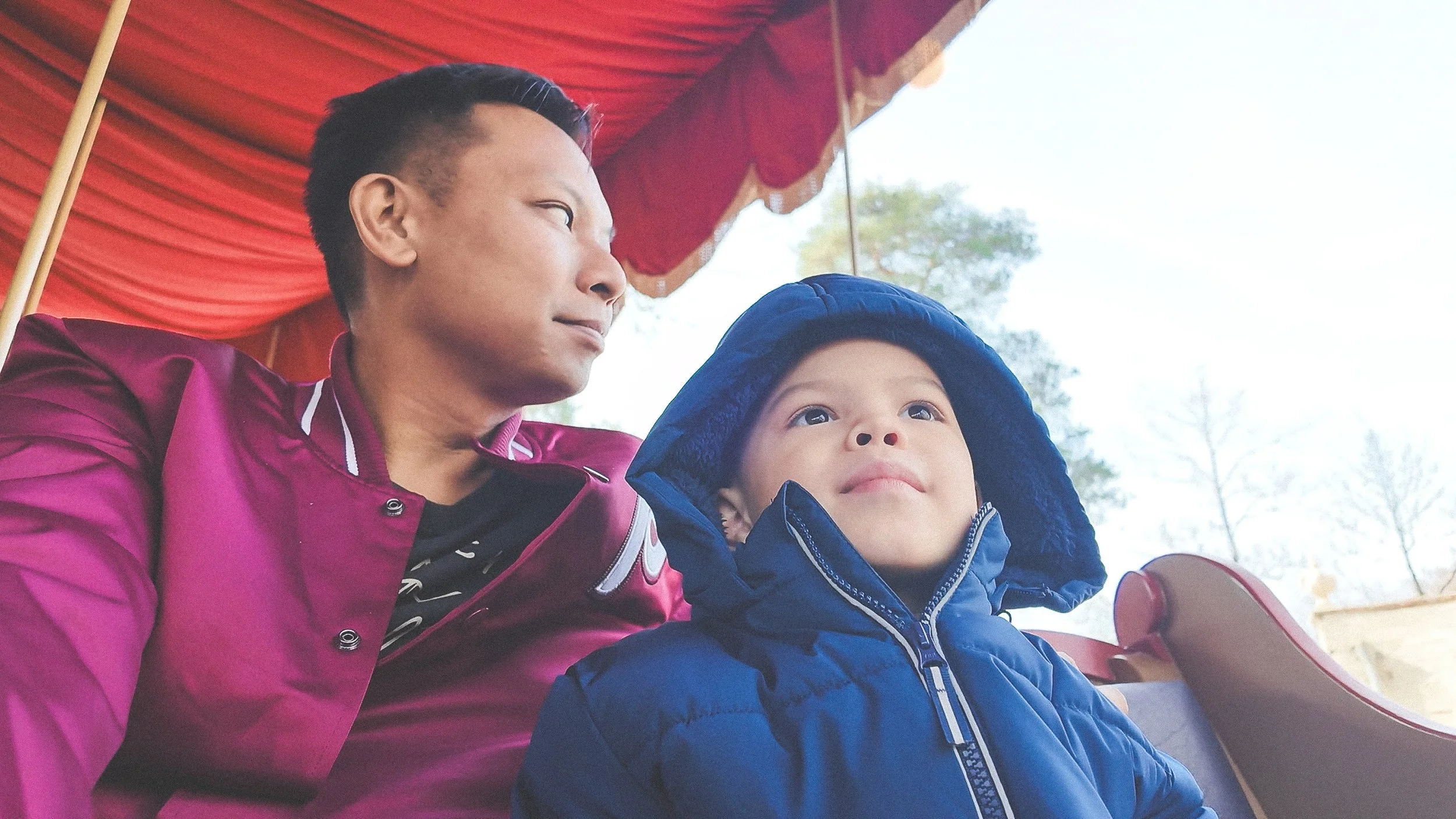
Plus, I’m committed to doing a one-on-one trip with each of my kids on a rotation, and my four year old was on deck.
When we first became a family of five, I actually really wanted to do Amsterdam as our first big family trip.
I heard so much about how kid-friendly it was.
I imagined being easily being able to wheel a stroller around the Rijksmuseun, parking them at little canalside eateries.
Ah, yes. The weird fantasy of traveling with three babies. But after living through a couple years of Covid and newborns, I was very itchy to go somewhere.
It never quite worked out during their infant years, but now I got the chance to take a slightly older kid to experience the kid-friendliness of the Netherlands in a different way. Plus, this kid could easily live off fries and cheese, so it seemed like the right fit.
The Amsterdam flight is probably my favorite option out of San Diego. It’s a simple ten hour flight over the Atlantic with no layovers. It leaves comfortably at 3pm, removing any early wakeups and accommodating a half day of work.
Then, you arrive in Amsterdam in the late morning with a comfortable amount of time to get where you’re going with the most convenient transport.
Or… you have yourself a really easy point of connection to the rest of Europe. Or much of Africa.
But for us, on this particular trip, Amsterdam was the prize.
Without much of a challenge, I managed to find the ideal combination of train transfers to get to our hotel.
The impressive convenience of Dutch public transit comes as a surprise to no one at this point.
One of the hallmarks of Dutch design and culture is solid pragmatism. Things generally work as they’re supposed to. There’s an ease of use to infrastructure.
Later in the week, the kid and I would rent bikes to explore Amsterdam in the most classic way possible. As a longtime sustainability advocate, Amsterdam has always been a paragon of urban design done right.
That alone should be impressive. But to me the even more impressive thing is the way this is accomplished without sacrificing personality.
Amsterdam still has a strong personality that it makes known.
This goes beyond the tourist level pot leaf fridge magnets and boisterousness of the Red Light District.
It’s the spirit of quirkiness that still manages to take root within the city’s high functioning infrastructure.
It’s in my favorite street food- Kapsalon- a relatively recent invention named after the barbershop where it was created. The maximalist presentation of fries, kebab, and gouda are absolutely loaded.
It’s in the playful sounds of the Dutch language. A bit squeaky, if I can say so.
It’s in that meme highlighting the countries of Europe that have eaten their prime ministers, with only the Netherlands colored in due to a bizarre and grisly revolt in 1672.
Who says a high functioning social system can’t show a little personality.
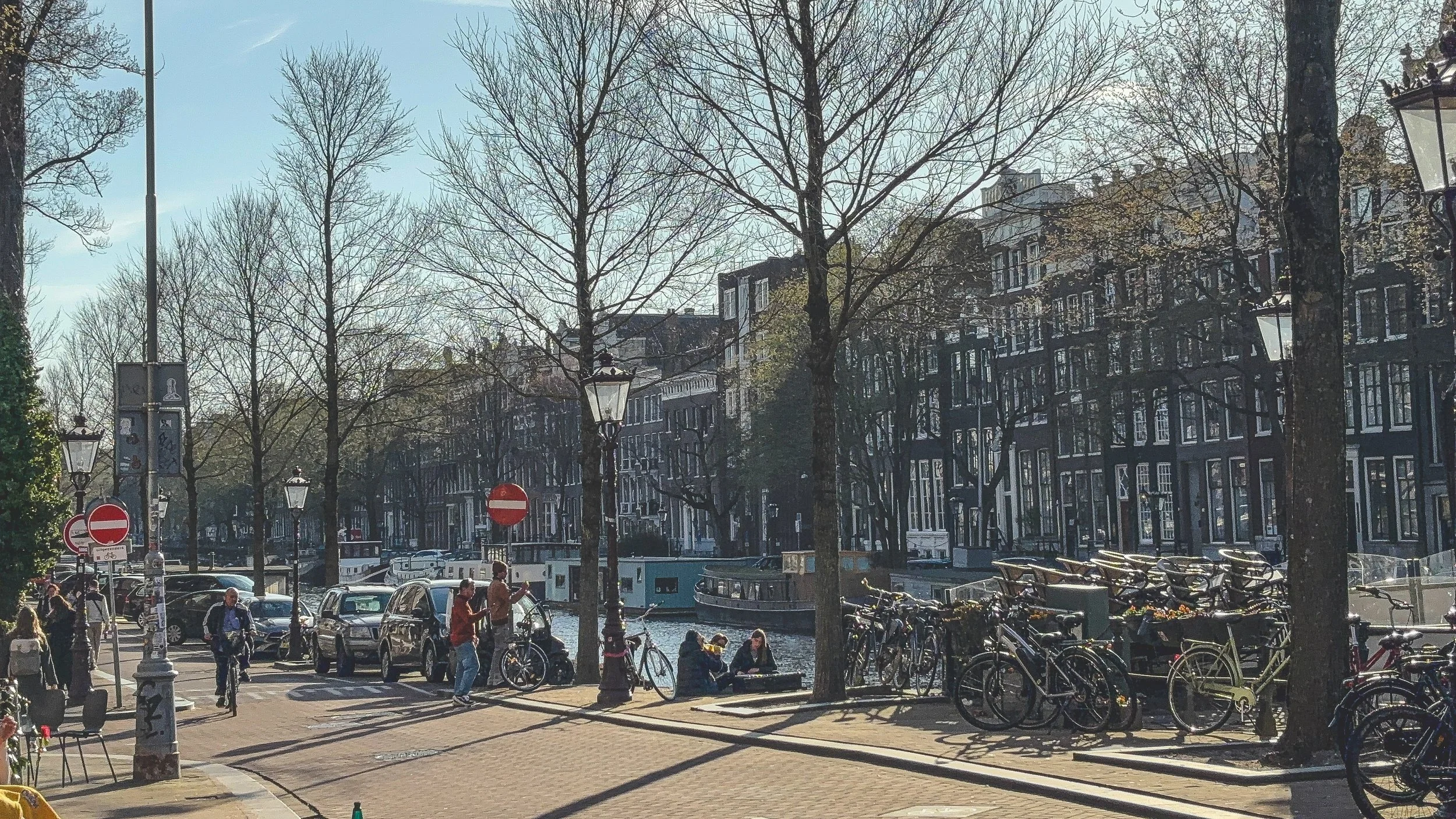
We pulled into the Zaandam station and right after hopping off the train, we immediately knew where to go next. We didn’t need to consult a map. A left at the Albert Heijn corner store? That seemed like the obvious right choice.
I’m going to assume that this instinctive approach to navigation was the result of some design wizardry.
We followed our feet to a town center, with bridges over a canal, two levels of walkways, and a whole lot of activity. People were sitting outside at cafes, shopping in the boutiques, and socializing on street corners.
This was Zaandam.
One of its visual anchors was an especially quirky eight story building. It looked a bit like the book cover of Tales From a Wayside School, but somehow even weirder.
It almost looked like several different buildings had been smashed together. Different floors seemed partly rotated at different angles. Several triangular rooftops seemed to start and stop right at the middle of the tower.
It almost looked like someone asked a computer to crank out a building to look like Amsterdam and it cooked up a cartoonish amalgamation of every aesthetic stereotype.
This unusual tower would be our home base in Amsterdam. The Hotel Inntel.
Zaandam was an industrial area that got a makeover in the early 2000s that paid homage to the region’s historical wooden houses.
This was the perfect spot to anchor ourselves for freely exploring. We spent time walking back and forth over its main canal, snacking on Kapsalon, and hanging out at a wooden playground in one of its corners. It kind of felt like walking around a cartoon world.
A couple days later we would get the chance to do an even deeper dive into the Netherlands’ playful, quirky side.
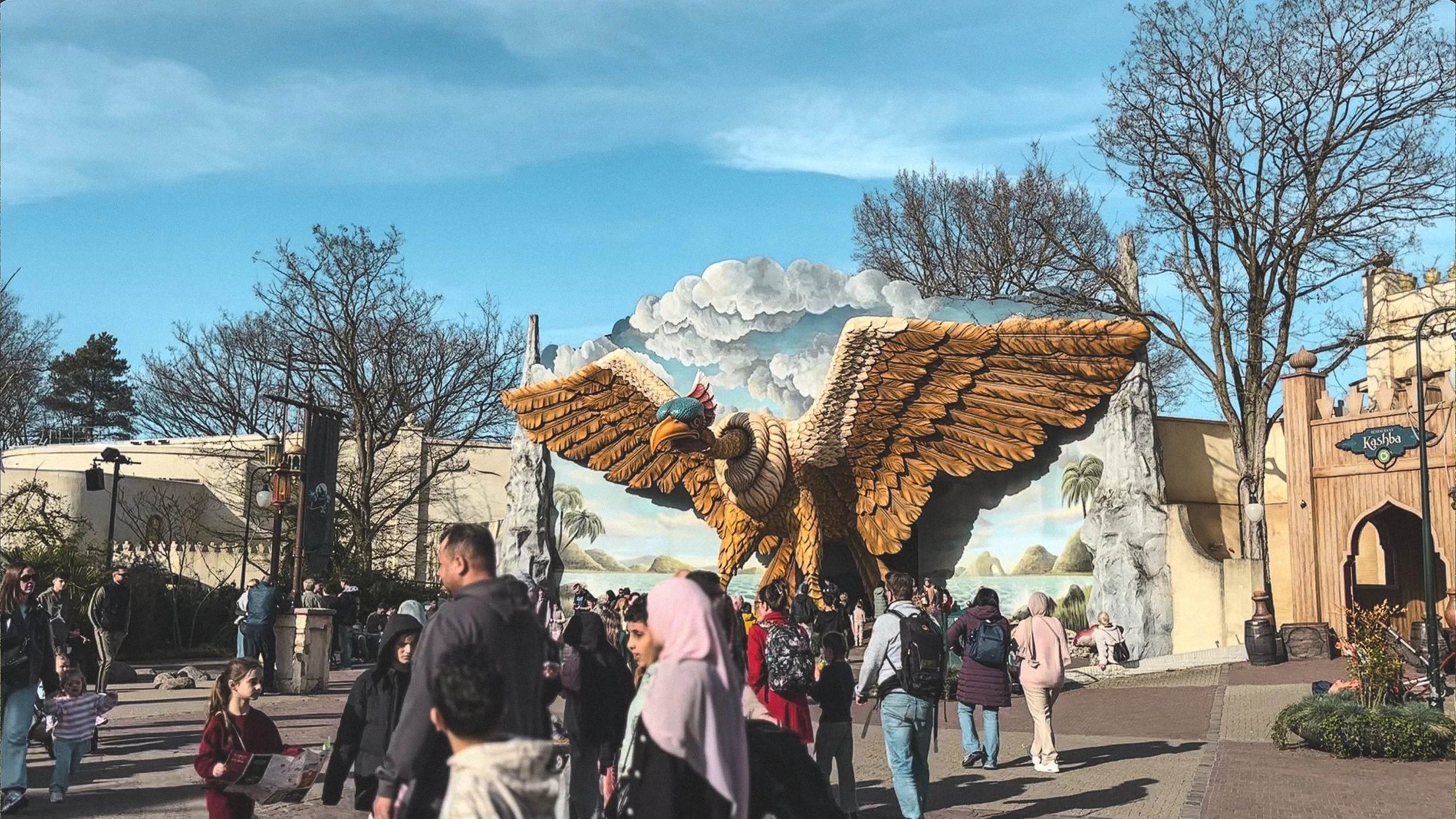
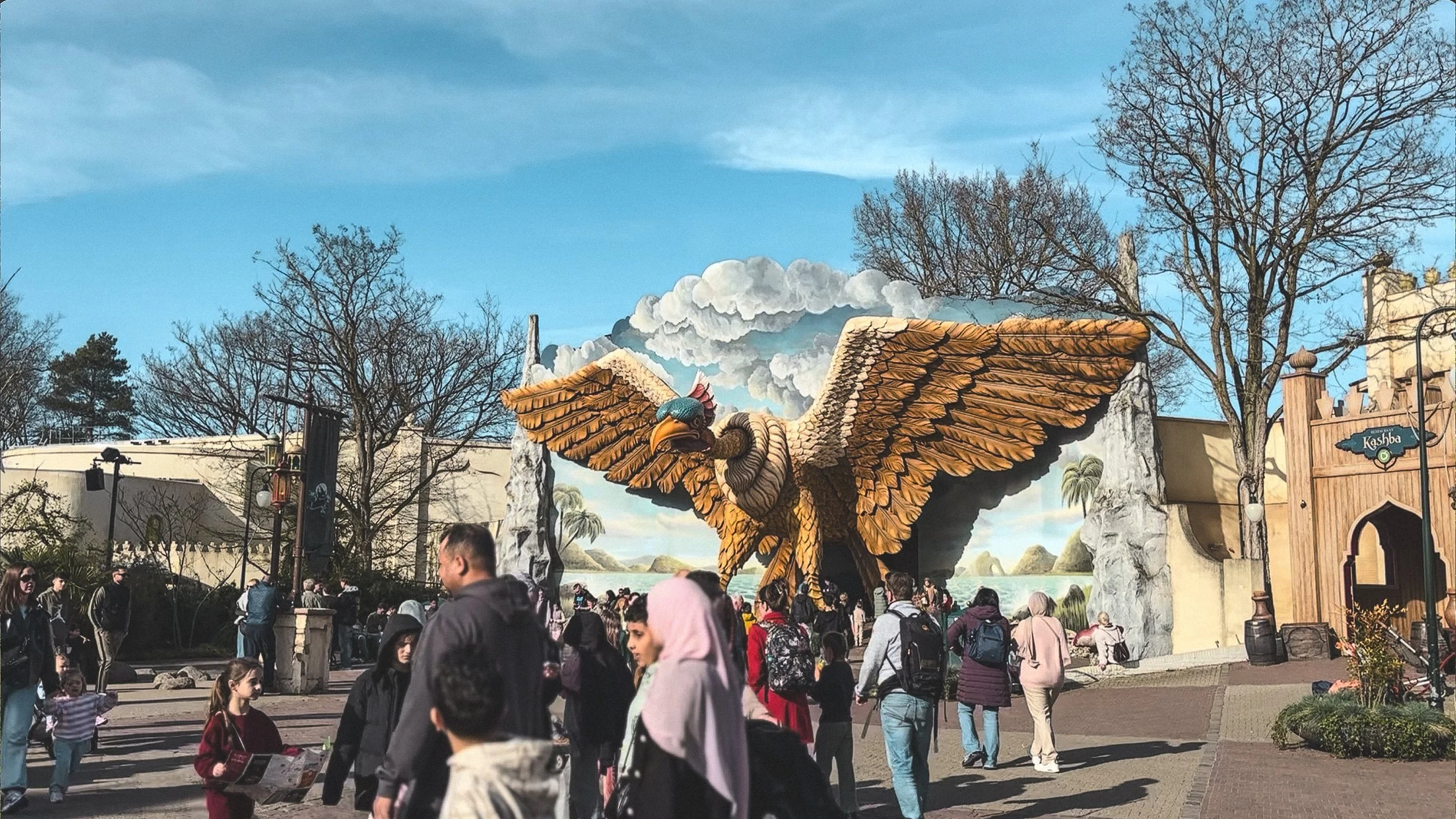
We hopped on a bus and headed down south to the town of Kaatsheuvel. This was home to Efteling.
Efteling is one of Europe’s largest amusement parks. It opened about three years ahead of Disneyland and during that gap between the openings of the two parks, Walt Disney took a trip to Efteling and apparently drew a lot of inspiration.
The inspiration is apparent. The park and its sections have a similar layout. The rides are similarly more oriented around storytelling than thrills.
The most noticeable difference is that Disney is a Goliath of intellectual property, whereas Efteling doesn’t have the same pool of movies to inspire its rides.
Instead, they’ve got old European fairy tales.
Old European fairy tales, as in, the ones that are occasionally so absurd, brutal, and dark that you wonder what people were thinking 700 years ago. The ones that inspired Disney movies, but triggered the studio to say there’s no way we can go ahead with that without some heavy edits.
Yup, this was the theme park for the original source material.
While Efteling thankfully avoids stuff like the original Hansel & Gretel ending, it still includes bits like talking trees and a donkey that poops when you give it a gold coin.
The park’s trash cans yell at you.
I got to admit that I spent a good chunk of my day in Efteling pondering over my life in transition. But whenever I ran the risk of taking myself too seriously, I’d be jolted back into reality by the fact that a trash can with the face of a small boy was yelling at me.
Paper hier!
The Netherlands embraces the weird.
In most settings, the word weird is often used as a pejorative. But not so with me.
I try to be careful not to label things weird in a way that could be taken as an insult. But to me, weirdness is a badge of honor.
It means you aren’t generic, you're rooted in authenticity, and you’ve probably got some stories to tell.
In most places, well functioning systems are associated with a sort of minimalism. You strip away the unnecessary clutter so that what really matters can be clearly seen.
Apple’s innovations came clad in a plain Helvetica. Luxury coffee shops are the ones that eschew color for white marble. Scandinavia’s quality of life scores seem linked to the minimalist aesthetic.
But then there’s Amsterdam which seems to go against the grain.
It has some of the best transit systems in the world, a strong quality of life, and well organized neighborhoods but at the same time, it isn’t afraid to let its true colors show.
With my own life in transition, visiting the Netherlands was an enjoyable reminder.
Doing good work doesn’t need to come at the expense of embracing your own quirks.
Whether it’s weird architecture or a weird moment in your life.
After a week of fries, gouda, and stroopwafel, I felt more encouraged about this weird season in my life. There’s no reason why weirdness can’t still be paired with excellence. More often than not, forcing a return to some sense of normalcy often results in dissatisfaction.
Whether you’re one of Europe’s iconic cities or a dad just trying to keep up,..
Let the weird be weird.