
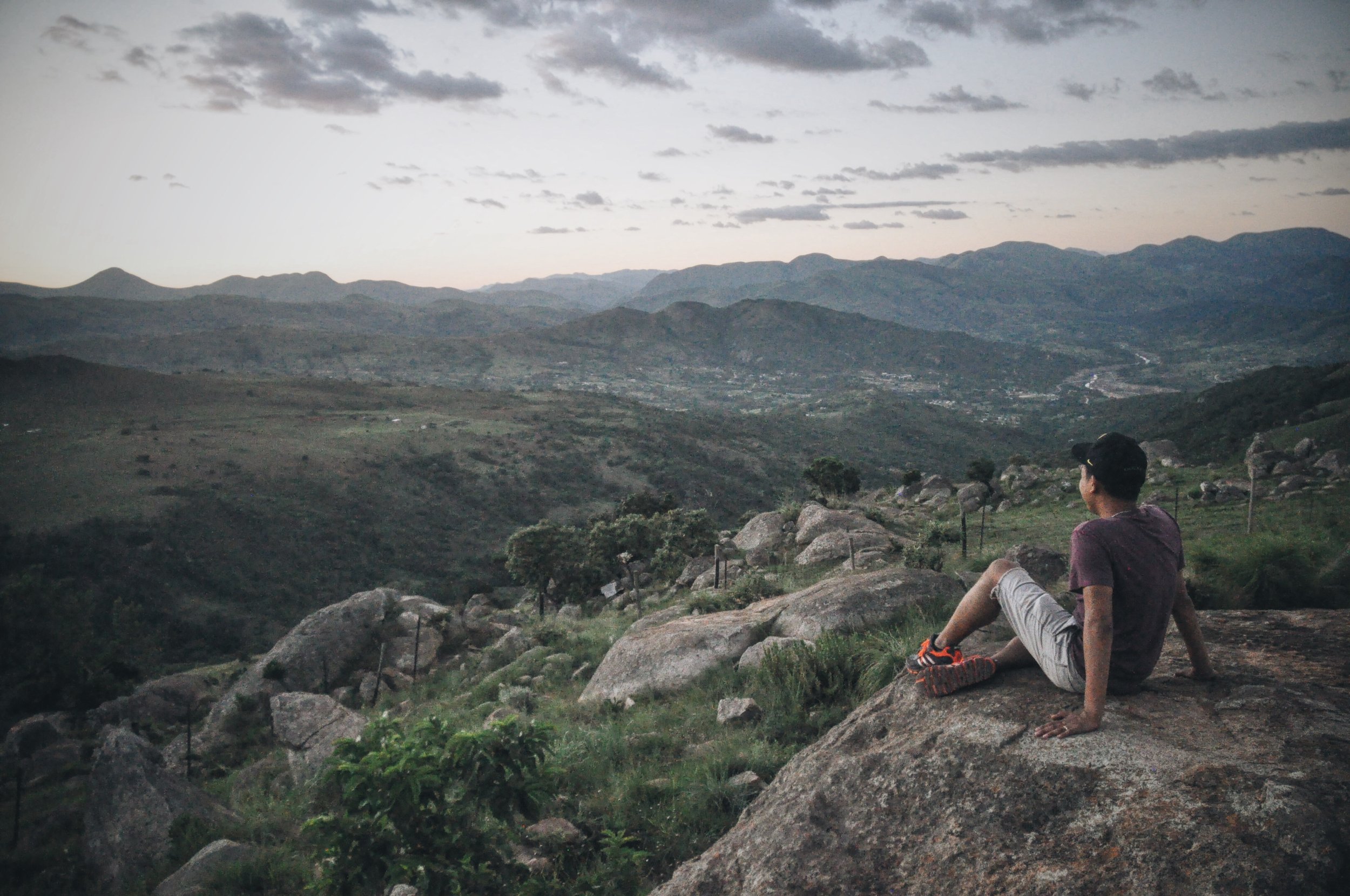
One of my rules of thumb for better travel experiences is to say yes as much as you possibly can. It’s all about openness, right?
Of course there will always be some things that you absolutely know you need to say no to. But if you’ve arrived at that point at a series of yeses, you’ve likely picked up a story you can tell over and over again.
This is the time I was offered a baby in Swaziland.
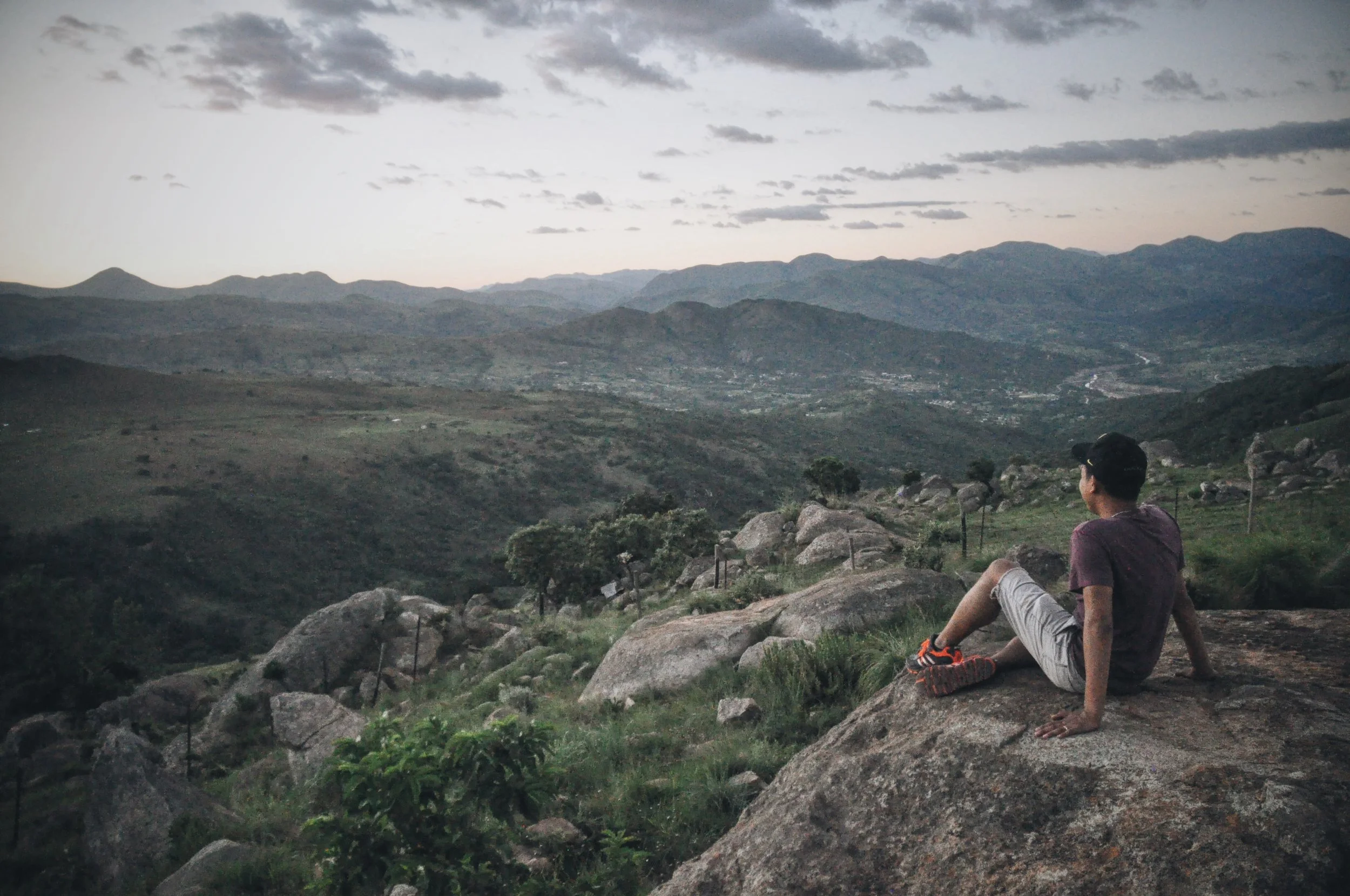
Of course the country now goes by eSwatini. Not a dramatic change, just the way you say “Swaziland” in the language most spoken there. Siswati. But this was 2016. It was still going bits Anglicized name in official settings, and that’s when I began my journey to the kingdom.
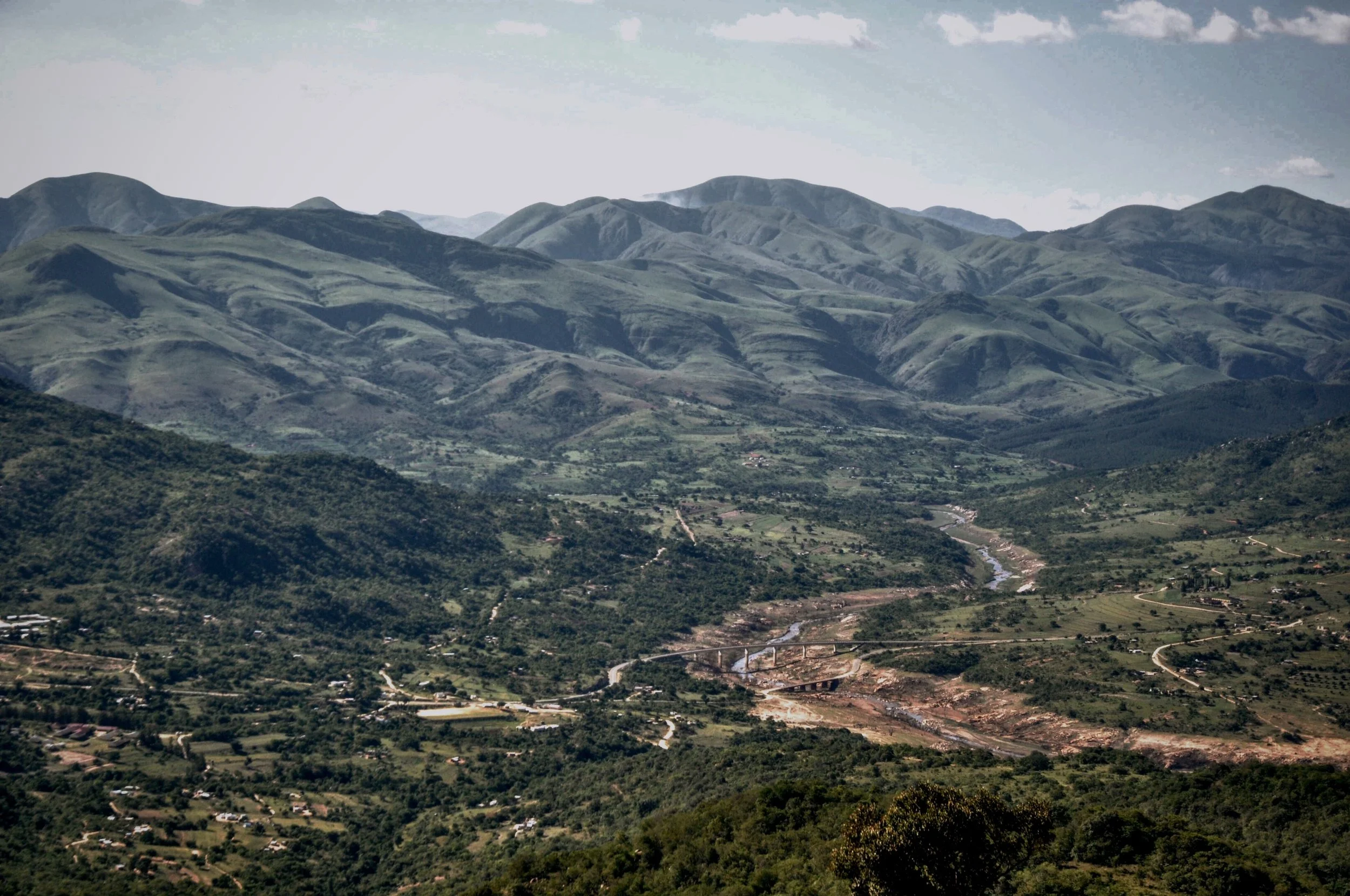
Swaziland is one of those unique cases where a kingdom persists into modernity, and as national borders are drawn, it gets carved out in a way that allows it to keep its royal identity. It’s in a gorgeous part of Southern Africa, boasting an impressive amount of biodiversity and charismatic animal species despite its small size.
That year, I happened to be revisiting Johannesburg. Years prior I had stayed and worked at a children’s home. I maintained contact with Cheri, a friend who now ran a home and job training program for teenage boys, and so I had a lot of friends to visit. I just so happened to have another friend who spent a fair chunk of time at a children’s home in Swaziland and he had good things to say about its operators. I decided it would be a win-win to put my friend in touch with his friend for some mutual learning, and I offered to support this by physically making the journey with her.
The first yes of our story.
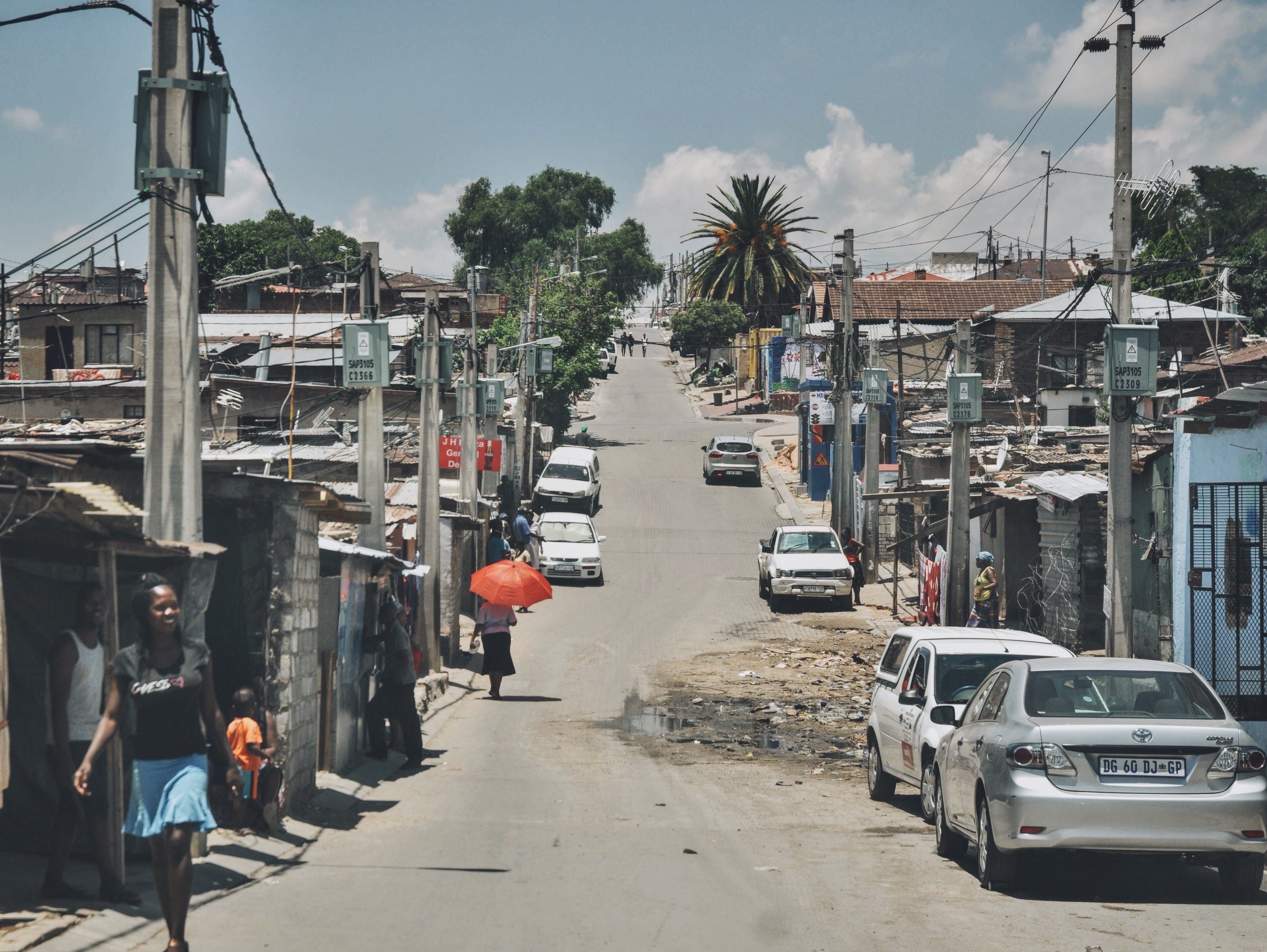
The route given to us by locals was by way of South Africa’s minibuses. These widely used but somewhat informal modes of transit should work well if things went the way everyone said. But they allowed for just enough unpredictability to open the door to some unexpected outcomes.
We spent several hours bumping along the quiet roads east of Johannesburg. They were paved and well maintained, especially in comparison to many other roads in the region. But there wasn’t much for long stretches. We shared the bus with other local passengers making the journey between countries.
We hopped out right at the border for a standard visa check. Considering how hectic African border crossings on land can sometimes get, this was straightforward and boring in the most welcome way possible. But as we got on the bus, it started to dawn on me how informal our directions were from this point.
We had to go from the Swazi capital of Mbabane to a petrol station. From there we had walking directions to a yellow building, then a dirt road, eventually to a remote grocery store where my friend’s contact would pick us up.
With landmarks like “yellow building” and “dirt road,” what could possibly go wrong?
Apparently one of our fellow passengers thought a lot could go wrong. “Now is not the time to be making such a commute,” Daisy pointed out.
The sun had, in fact, gone down.
“You must spend the night at my place. Then continue in the morning.”
Another yes.
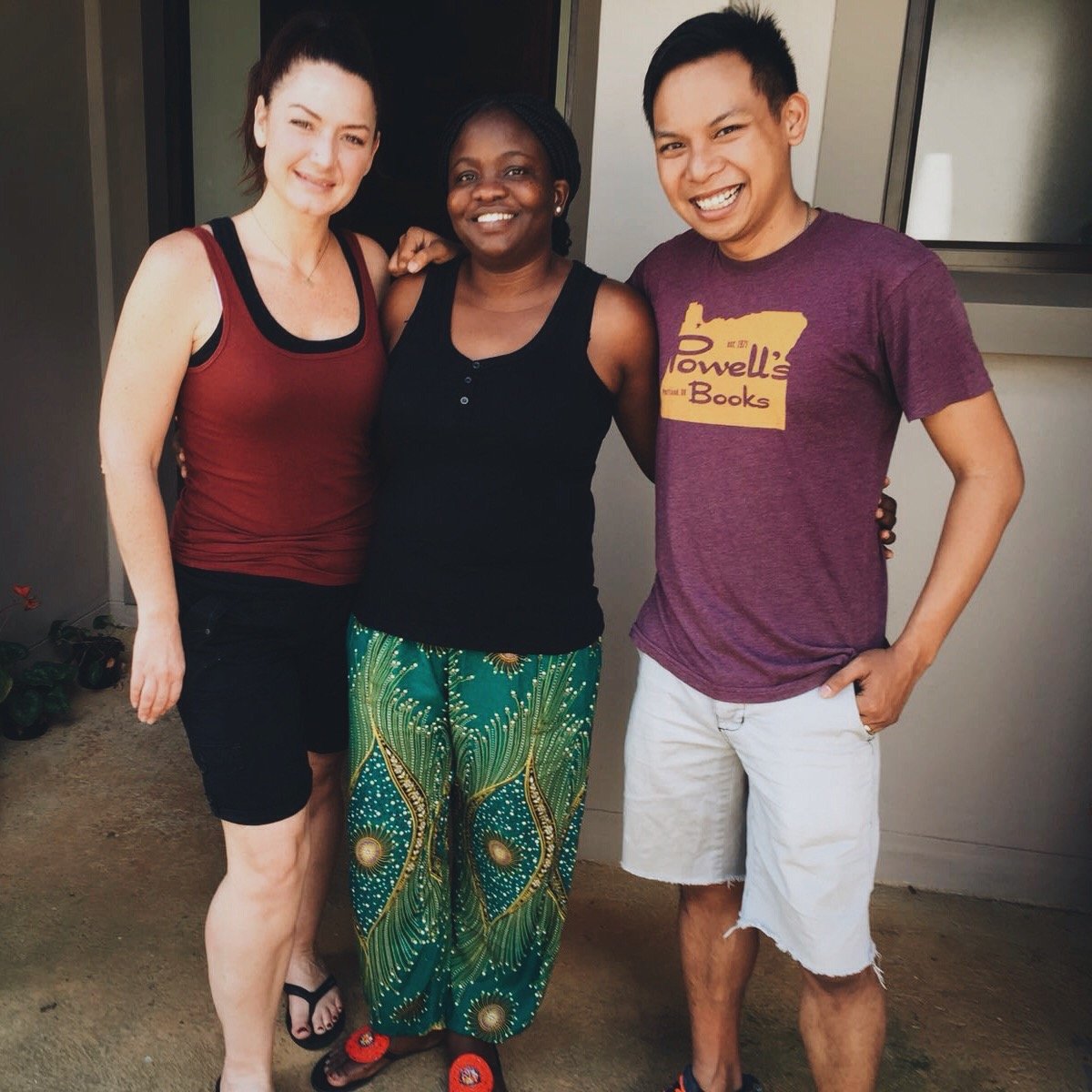
It was a sudden act of hospitality, but a welcome one. She prepared tea for us and shared some stories about her work in international aid. She highlighted Ethiopia as the one place in the world she most wanted to visit and led us to our rooms.
I spent the night in her son’s room, which had just enough decor to make me wonder about the experience of a teenage boy growing up in the Swazi capital. I slept well, ready to take on more of our mystery quest the next morning.
Daisy called a taxi for us, and our driver happened to know exactly which petrol station we were referred to. We thanked her immensely and parted ways.
At the petrol station, I was surprised to see a yellow house right next to a red dirt road. As informal as my directions were, they were at least very literal.
“If the rest of these directions add up, we should just have to walk up here about a mile and we’ll be at the grocery store we were told about.”
Cheri and I walked up, The road was so sparse that we figured a grocery store could not be missed.
There were a few locals hanging out by the side of the road who seemed unbothered by our unusual appearance as we made our way up.
After about fifteen minutes of walking, we made it to the first structure we encountered. A plain, square, beige structure. Was this actually a grocery store? I decided to poke my head in.
The single-room building had shelves all over the wall. The shelves weren’t very well stocked, though. Empty shelves far outnumbered the products that were there. There were a few wrapped bundles of pre-packaged crackers. Some canned soft drinks. A few sacks I imagine held maize meal. And some yellow plastic bottles that looked like they had been reused. The famous millet beer I heard so much about in Swaziland? Probably the most likely contents.
While proteins, fruits, or vegetables were missing from this store, the most glaring absence was the lack of a shopkeeper that I could ask.
“I think this is the grocery store,” I told Cheri. In a country where about a third of people face serious food insecurity, I shouldn’t be too surprised by the sparse grocery stores.
“That is the food store,” I heard a woman’s voice confirm. A young woman was walking past us up the road, carrying a baby on her back in a cloth.
“Aw, she’s adorable,” Cheri remarked.
“Do you want her?” She looked at us straight faced.
“Um.”
We had hit the point of our journey where we said yes so many times that we arrived at something we absolutely could not say yes to. Even if, hypothetically, one of us was in the position to adopt, and the needs and offering were legitimate, conducting the process on a “the dirt road” by “grocery store” was probably not the proper mode.
Cheri was a little more quick on her feet with a sweet response. “No, she’s a gift!”
“Having children here is so very hard. You can take her.”
My mind started to race across all the messy and complicated things you encounter around the world, especially in the realm of international development. Poverty. Trafficking. Single parent households in Sub-Saharan Africa. All things that could’ve been chapter titles in my masters’ thesis, but that were so much more uncomfortable to encounter in real life.
Or…
There was one possibility that I didn’t even consider in the moment. One that seems increasingly likely, the more time has passed. One that I only started to entertain once Swaziland had become eSwatini.
Maybe she was joking.
Actually, the more time goes by, the more I like the explanation more and more.
First of all, as a small kingdom next to one of Africa’s most populous countries, eSwatini inevitably absorbs a lot of cultural influences from South Africa… and South African humor is something else! They’ve absorbed a lot of the dryness we associate with British humor, but coupled it with some African expressiveness in reaction. Most South Africans I know can do a deadpan delivery as well as anyone. I should give this mom a little more credit.
Plus, I like that this explanation is a little more humanizing. Of course moms in Swaziland can have a sense of humor. It’s not unheard of for parents to jokingly talk about sending their kids off with the elves in exasperation. It could be my own bias that let me take her at face value too easily.
I suppose I’ll never completely know. Our ride from the orphanage at the top of the mountain eventually found us, and off we went.
Saying yes, until we absolutely couldn’t anymore.