
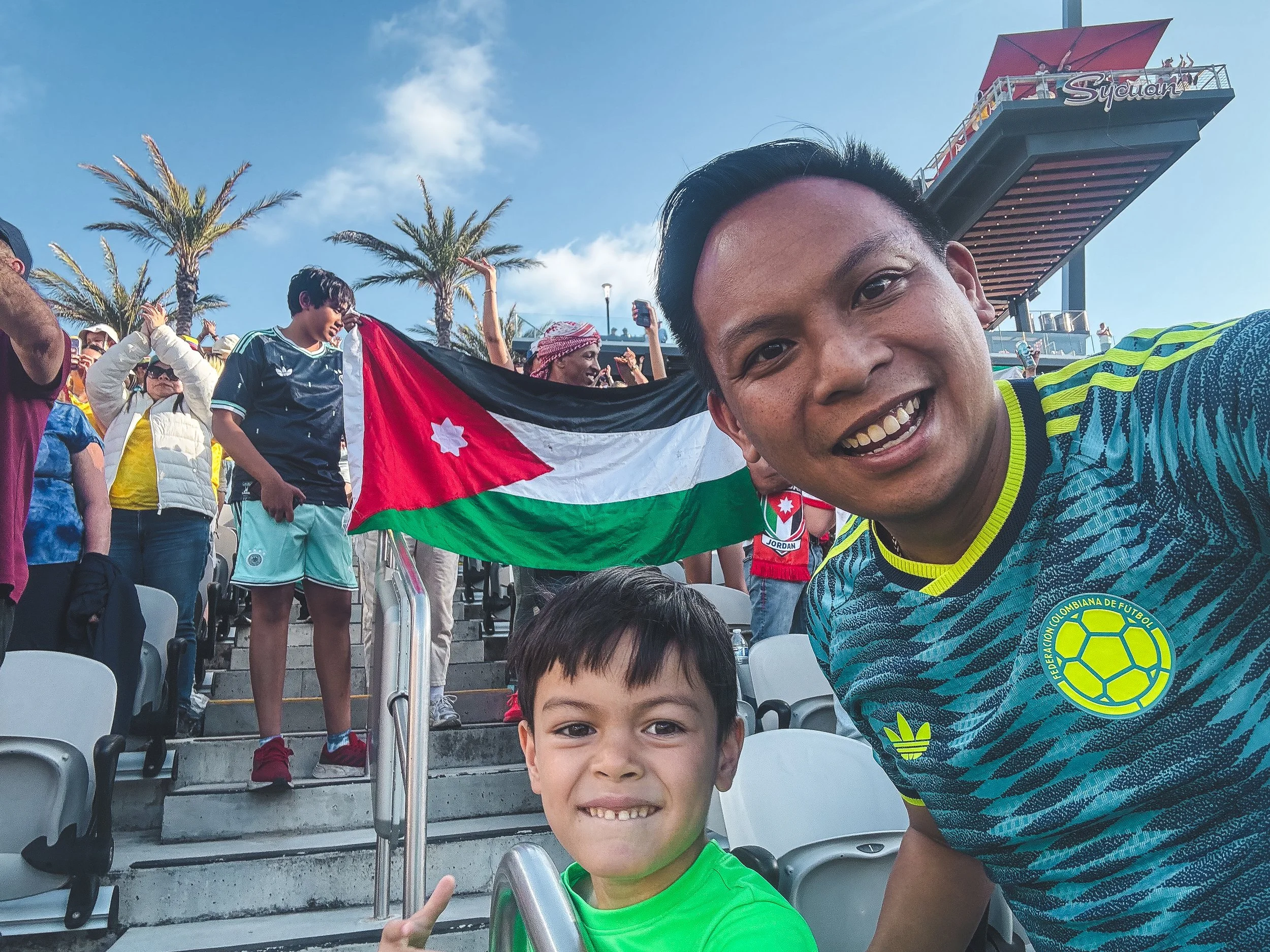
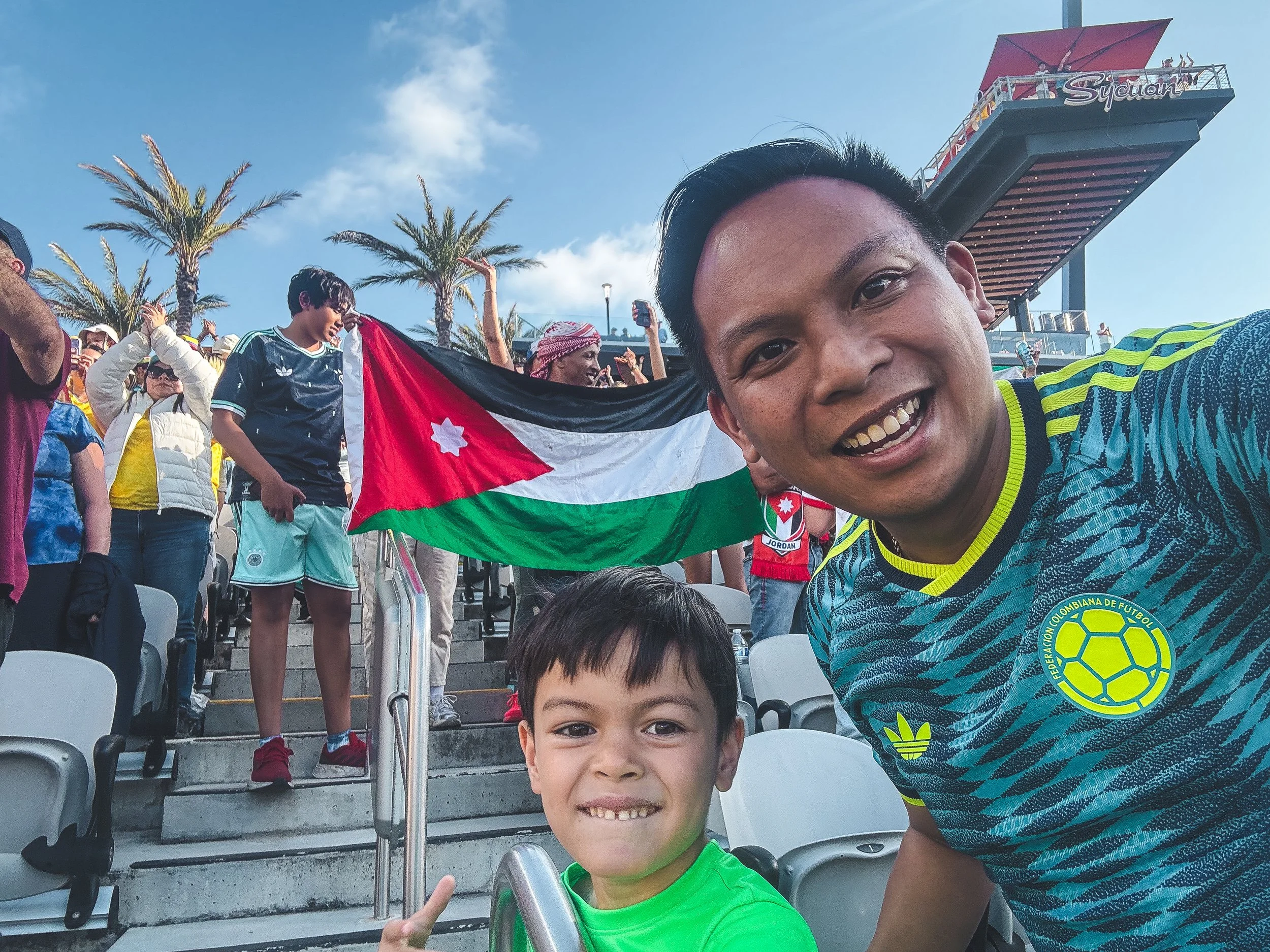
The other week, I got to enjoy a World Cup friendly match right in my hometown of San Diego. Colombia and Jordan faced each other in a low-stakes but high-fun matchup. Safe to say, the friendly lived up to its name. There was a sloppiness when it came to getting a big international sports event into our city’s smaller stadium, but overall a good time.
I brought my six year old along for the fun. As I’m trying to get him more active, I’ve been leveraging the World Cup to stoke an interest in global football. I noted how special of an event it was, only taking place every four years. He’ll be an elder ten year old by the next time it goes down!
I love that four year cycle. It tends to make things more special. It also means that each World Cup is a time capsule of sorts. I can link each tournament to a snapshot of my life at the time, each one looking so different.
The World Cup intersects with geopolitics in really messy ways. It’s gotten harder to romanticize and enjoy the World Cup with full naivete. At the same time, it’s also hard to totally dismiss the magic of it.
Whenever I think of my favorite World Cups of past years, I immediately think of the ways they’ve given me a glimpse of a more accepting world that celebrates where people are from.
I remember the different travelers walking through the Doha airport in their jerseys in 2022. I remember discovering LA’s Croatian enclaves in 2018 when they made the finals. I remember my Taipei hostel all walking out to watch the games from a public square at 2 am back in 2014.
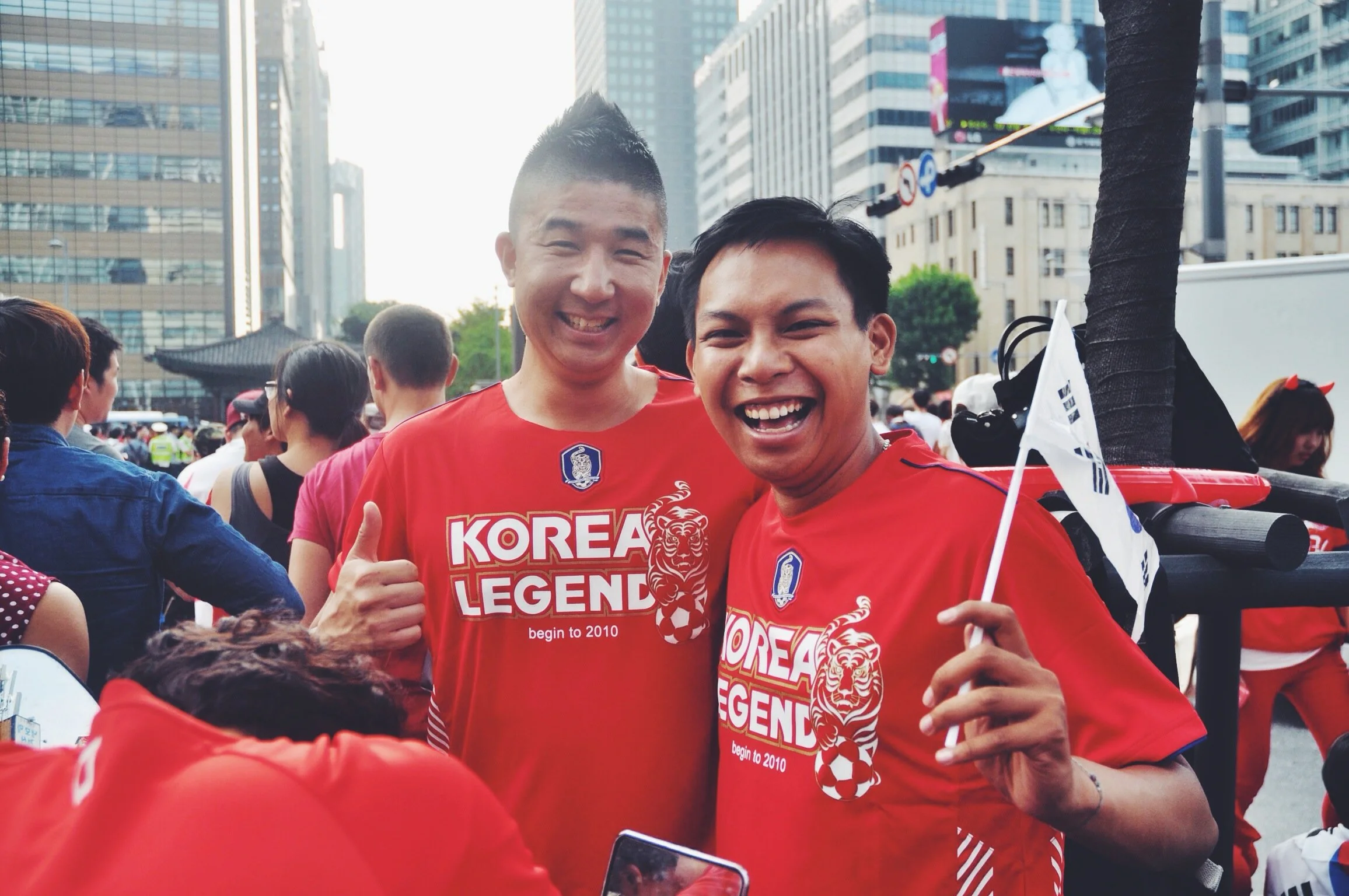
But I think the one that stands head and shoulders above the rest of them has got to be 2010. South Africa.
Prior to this, I had kept loose tabs on previous World Cups. But 2010 turned the worldwide nature of the tournament into something I could physically feel and walk through.
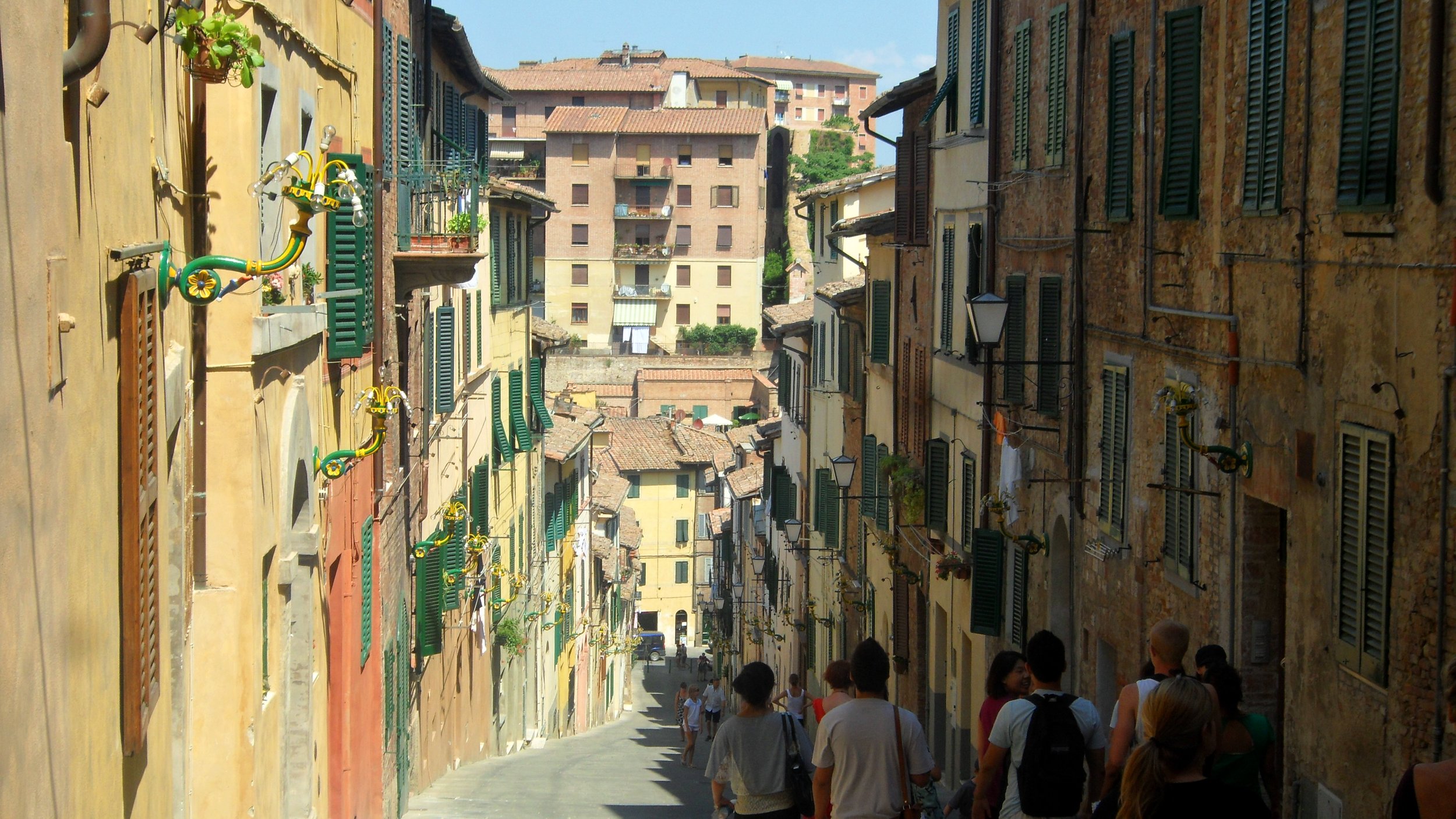
That summer, I spent a semester in Siena, Italy. It was a great summer for romanticizing… well, pretty much everything.
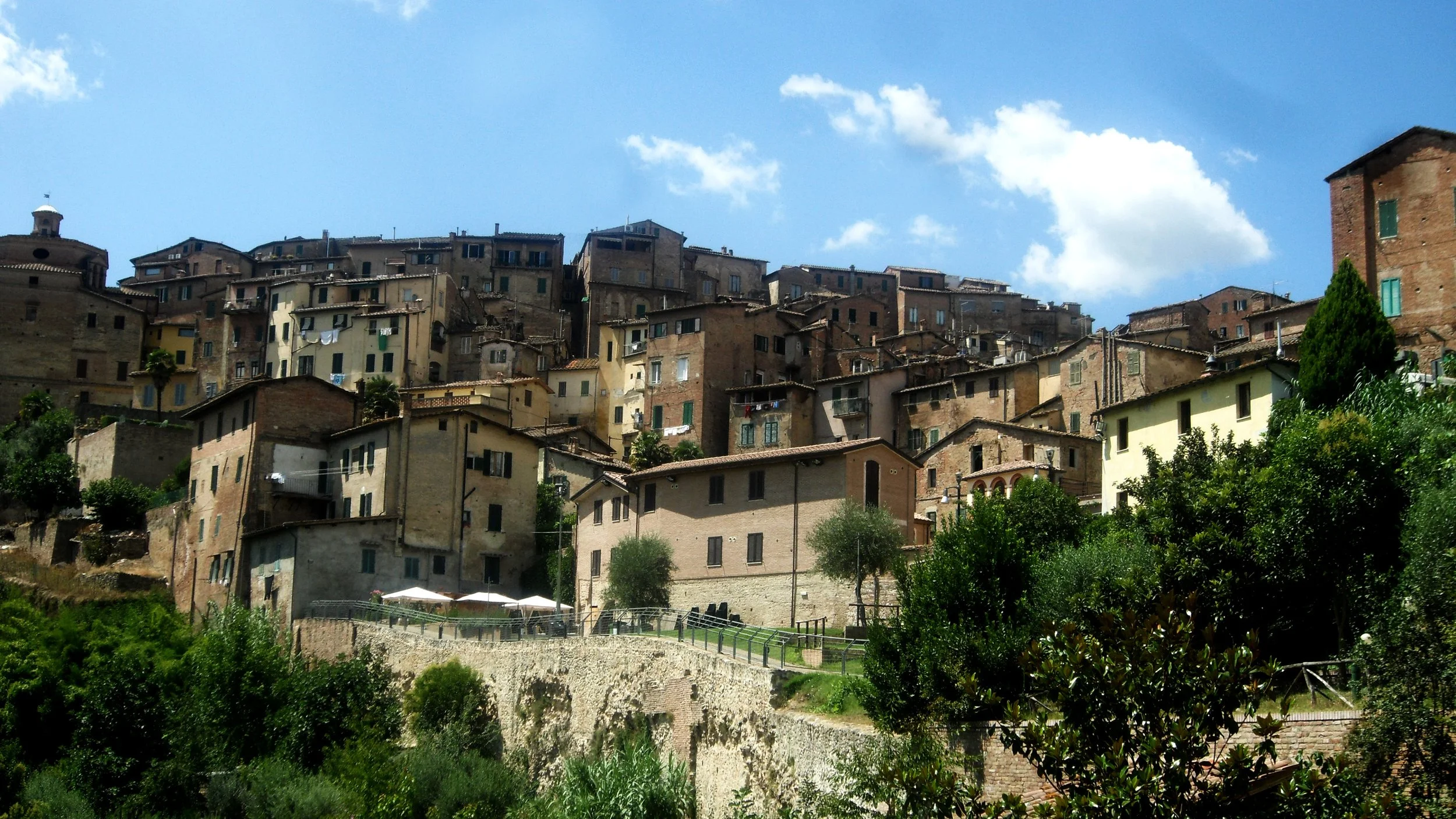
Siena modernizes in secret. It hides its retail stores and contemporary homes within the exterior of ancient buildings that have stood for centuries. Every day I got to enjoy hot Tuscan sun, Italian zest for life, and the walks to class that felt like the opening of Beauty and the Beast. For a moment, life was like a storybook. The language. The food. My 2010 Summer.
I lived in an old building that had been converted to a dorm right above Piazza Antonio Gramsci. I had a little balcony where I could sit with an espresso and watch people walk their daily routines every morning. The espresso would’ve been made very poorly with a department store moka I purchased and had no idea how to use. That was all part of the Italian magic.
To get to my apartment from town, I usually passed through this central plaza area which connected a small grocery store with a few different shops. One of those shops was an athletic clothing store. Normally they sold running shirts and shoes, but one day I came to see its storefront completely transformed for the World Cup.
They dedicated a small section of the store to each participating club, along with a massive oversized bracket to keep up with the tournament.
I remember walking through, passing the displays of jerseys and fan gear for Coté d’Ivoire. Cote d’Ivoire! Was there really this big of a fan base for the West African nation here in Siena, Italy? I was intrigued by the aesthetic of their club’s orange-and-green color scheme. Something about seeing large-scale representation of countries that don’t always get the most attention was intriguing. The fact that I was experiencing this while already being in an immersive world away from my own home was also a delight.
A few weeks later, I was in class. A fairly easygoing Italian language class. (If your Italian class isn’t easygoing… are you actually learning Italian??) I was sitting by a window, when suddenly an eruption of shouting and outrage came from the street below. I tried glancing out the window and seeing nothing, I leaned further out. It seemed to be coming from a bar.
“Ah,” my Italian teacher calmly pieced it together. “I take it Italy has just been eliminated.”
She was right. After winning the previous championship in 2006, Italy faced an embarrassing elimination after failing to beat a Slovakian team that they should’ve easily beaten. No disrespect to the Slovaks.
After class, when I was out in front of the bar, I tried making small talk by asking an older Italian man how that one got a way.
He slowly made a pinching gesture with his hand and in dramatic fashion gave me a one word reply.
Repubblica.
There you have it!
As I spent much of that summer traveling, taking weekend trips to other Italian hubs, I came across so many other travelers, each with their own different angles of investment in the World Cup. I met Serbian supporters in Rome. English fans in Florence. Some Turks who adopted Mexico as their squad in the Vatican.
The world felt connected. Close. People could bring their stories and their passions to a competition, and the resulting spectacle was fun.
While Waka Waka was the World Cup anthem getting heavy radio rotation, I couldn’t stop spinning K’naan’s Wavin’ Flag, an anthem of village resilience from the Somalian rapper. Nelson Mandela was making some of his very last large scale public appearances.
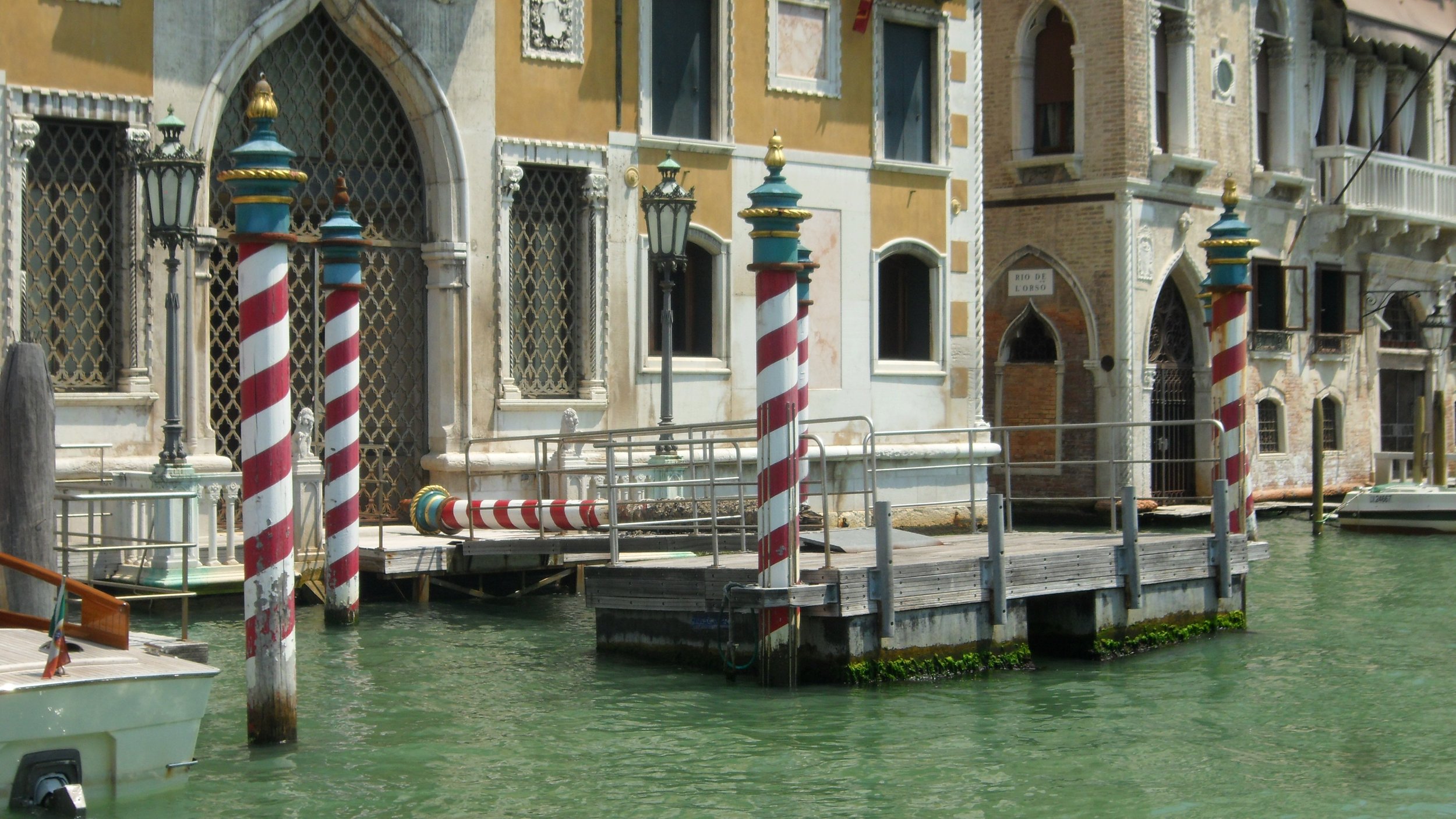
On a warm night, I remember walking through Venice. Germany and Uruguay were facing off, and I could simply walk alongside a canal and keep up with the game. Every café and bar had it playing, screens visible and audible from the street.
I even walked past a more central plaza, where the game was being projected onto a large inflatable screen. I felt like I was walking through an atmosphere full of the world’s enthusiasm.
2010 may seem like a more innocent time compared to today and more recent World Cups. In a lot of ways, it was. But it wasn’t without flaw. Like many middle-income nations that have played host, South Africa took drastic measures to clear neighborhoods around stadium construction and to keep unsightly parts of its public infrastructure away from the eye of the media. A few years later, I would live briefly in South Africa and would discover these issues up close.
I think there’s a time to face the harsh realities of the world. The human rights abuses, corruption, the greenwashing. But there’s also a time to lean into the romanticization of something like the World Cup. To remember that there’s another way to participate in this, and that things can be really good.