
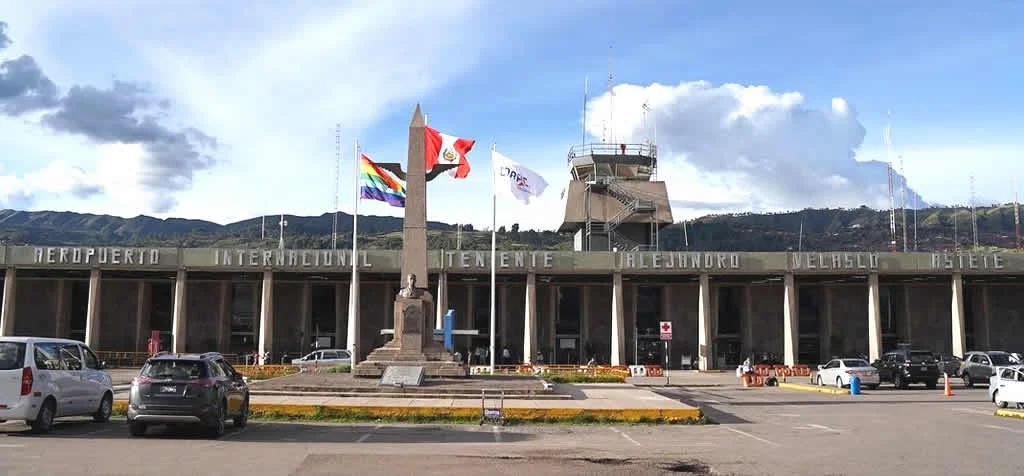
Peru is getting a new airport.
With over 230 airports in the country, that isn’t quite such a big deal.
The item of interest is where this new airport is being developed.
Macchu Pichu. (Sort of).
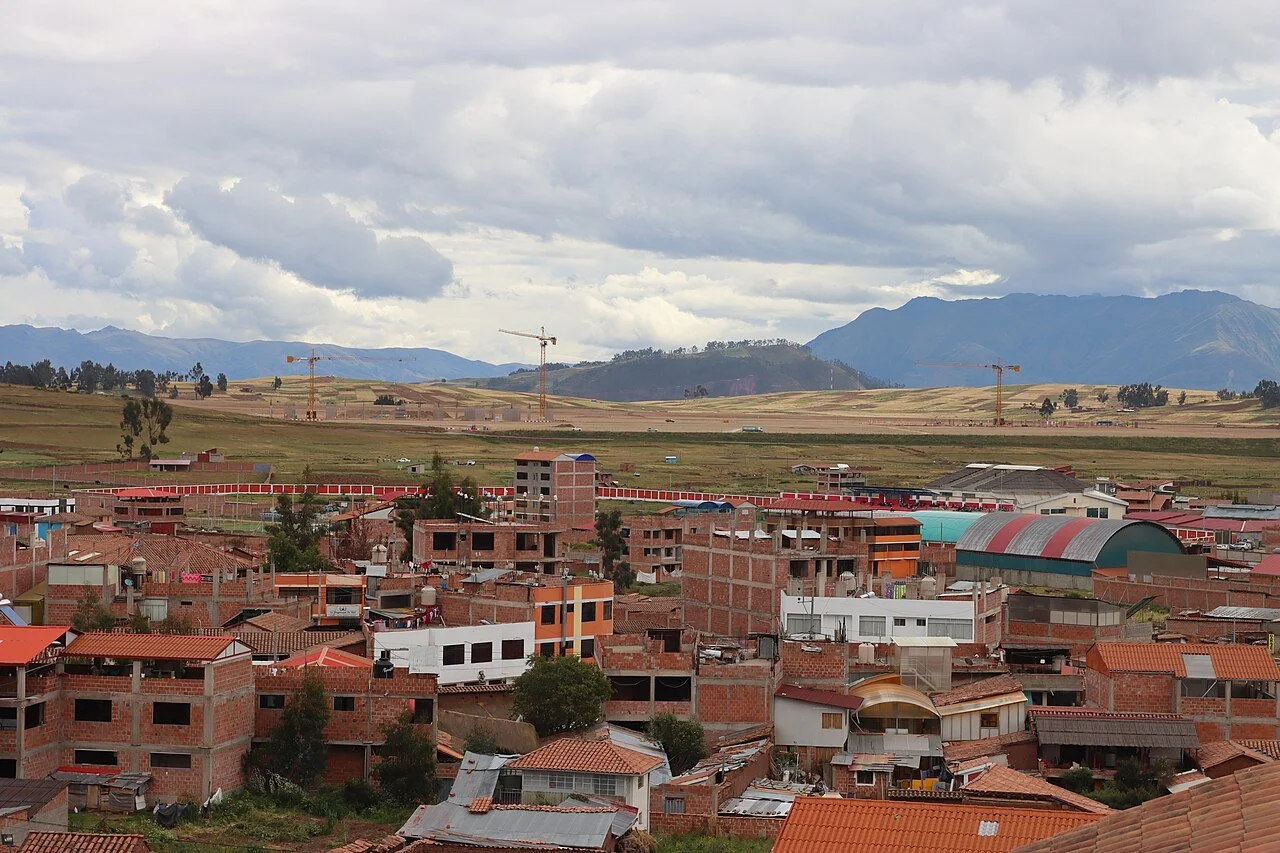
In 2028, an international airport is set to open just outside of Cusco. The site is right beside what’s left of a former Incan palace, and the outline of a runway has already begun to take shape.
I’m a big believer in the many ways tourism can help bring livelihoods and land protection to communities around the world. But this has to be done carefully, because the opposite can very easily happen.
Projections estimate that this airport will bring a 160% increase in visitors to the area, which is already one of the most overtouristed spots in South America. Cusco, Macchu Pichu, and the Sacred Valley have no shortage of fascinating things to explore, but over recent years it’s become more and more crowded. The local infrastructure has been strained with visitor demand.
In theory, this new airport is supposed to help ease that strain. And it very well could.
About a year ago, two trains collided in a corridor between Machu Picchu and Ollantaytambo, resulting in one death and dozens of injuries. On top of that, rail service and passage along the important tourist corridor became severely disrupted.
This area is not just significant historically, it’s one of Peru’s big economic hubs. So the airport plan carries a good bit of potential.
At the same time, many locals are skeptical. And they have good reason to be.
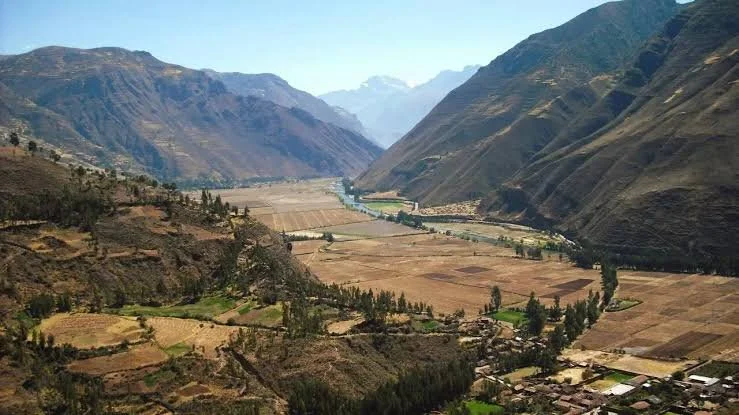
What stays sacred in the Sacred Valley?
Local skepticism about the airport’s impact makes sense. For starters, the physical existence of this airport is already raising its share of red flags.
Corn farmers in the area have already been selling off their farmland, as the airport construction threatens to deplete the watershed that Cusco farms rely on.
In theory this airport would cut out Lima as a necessary connector point and would receive long haul flights coming in from major hubs… North America and Europe… maybe even Japan.
But some have raised structural questions about runway length, elevation, the existence of wetlands around the airport, and if all of that would be compatible with the fuel volume required for such a flight.
I’m no aviation expert, but those seem like things you do want to be very confident about before bringing a plane in for a landing. It also raises the question of why this airport needs to be so close to such historical sites.
Peru’s not a small country. Is there no other location besides next to the heritage Remains of Chinchero and the former palace of Tupac Yupanqui? It’s not as simple as avoiding the immediate spot of the temple… the Incan Empire was very advanced in intentionally designing routes and terraces around their surrounding landscapes. The arrival of an airport threatens to disrupt a design we still don’t completely understand.
There’s a good bit of irony in saying you’re trying to solve overtourism by introducing something that will likely boost tourism. While an extra way to get in and out of the area might ease some of the congestion by rail or road, it offers nothing to other systems that are overstretched like waste management.
The Trade Offs & Economic Argument
When it comes to developing tourism infrastructure, you can almost always count on someone to bring about the economic arguments in favor of building more and more. The income! The jobs! The local economy!
In reality, the trade offs are extremely difficult to measure.
Some of the actual numbers:
Cusco’s Chamber of Tourism reports that the new airport could bring up to $12 billion to the Cusco economy and double its tourism revenue. The building costs have a deficit of $19 million to keep going.
And actually, those aren’t actual numbers. Those are projections, so by definition, not actual.
Economic arguments often don’t have a great way to account for the depletion of farms in the surrounding areas if the watershed’s groundwater is disrupted or contaminated.
This airport in particular is being seen as the replacement to the Alejandro Velasco Astete International Airport – Cusco’s current air hub that quickly gets cramped, so some of the costs might be considered replacement costs.
To be clear, I’m not outright opposed to the idea of new airports and updating infrastructure just on principle. As a lover of travel, it’d be a little hypocritical to not want other people or other communities to participate in the same sorts of adventures and exchanges I have.
There are a lot of community based tourism experiences that bring income to community members, increase their agency, and incentivize land stewardship. Those ventures benefit a lot from visibility and infrastructure. But I do know these things take careful design and community collaboration in order to succeed.
Inconvenience is Underappreciated
This isn’t just a Peru thing to be honest. There’s a fascinating dynamic that’s taken place in my of the world’s sites of interest located on challenging terrain.
Table Mountain in Cape Town features a variety of hiking trails, which typically take 2-4 hours depending on which route you take and your physical condition. There is also an aerial cableway that can get you up to the top in five minutes. It’s effortless in a sense, but it can often draw so much of a crowd that the wait can be up to two hours.
In Tanzania, I’ve seen Mount Kilimanjaro gain an increasing amount of amenities year over year. Apparently wi-fi is now available along a handful of routes. Recently the Tanzanian government approved a multi-million dollar project to build a cable car to fast-track visitors close to the top, providing an easy way to get to the freestanding peak.
But of course Machu Picchu has always been one of the more noteworthy sports where the easy route and scenic route are distinctly separate. One can take a bus from Aguas Calientes straight to the top of the Incan ruins. Or, you can actually hike the Inca Trail. It’s a four day route and even though you literally end up in the same spot as those who take the bus, everyone I’ve heard from testifies that it’s a completely different journey.
On the fourth day of the hike, you arrive on foot, passing through the Sun Gate right at dawn. This brings on a rewarding panoramic view that the easy route completely misses out on along with the sense of accomplishment.
A long time ago, I took the cable car up to the top of Table Mountain, but I routinely wish I didn’t. It was a fun visit, but I imagine the stories I’d have to tell would be so much better with the actual two hour hike.
One of the great lessons of travel is that the stuff we look at as inconvenience is quite often the main storyline. Always taking the easy way means you’re missing the plot.
While accessibility, improving economies through tourism, and helping people connect more easily are all great aims, we shouldn’t also lose sight of how valuable a little challenge can be.