
On paper, it seems not right
Do you remember going over to a friend’s house, going there, and discovering that this friend of yours had way stricter parents than yours?
Maybe you caught a glimpse of their chore chart posted on the refrigerator, and noticed that it was enough responsibility for a full-time job description that should have benefits.
Maybe their family was one that would actually publish their rules and regulations and you noticed all the minor infractions that could get you into trouble.
Or maybe you actually caught them in the act of doing something wrong. Something that wouldn’t even be noticed in many households. Except in their particular household it was something that must be dealt with by the strict hammer of the law.
Anyways, there’s always an odd feeling when you go over to a friend’s house and discover that they have extremely strict parents. You start second guessing everything. Does your status as a visitor give you any sort of protection? Are you also subject to this authoritarian state? Best to play it safe!
That’s a little bit how I felt upon arrival in Singapore.
The country has a bit of a reputation for strictness.
There’s a well publicized ban on chewing gum in public. Public urination can result in caning. No eating or drinking on public transit, and certainly no noise or alcohol after 10:00 PM.
To drive home the point, it seemed like everywhere I went in Singapore, there was a camera looking back at me. I felt like my visit was being livestreamed somewhere.
But I was excited to be there.
Despite its high standards of proper behavior, Singaporeans tend to love living there. It ranks as the third happiest city in the world. And since it’s a city that’s kind of a country, it also ranks as the second “least miserable economy” according to Johns Hopkins.
(This is apparently different from the World Happiness Report’s ranking of happiest countries, though I’m not sure how they differ. Either way, Singaporeans live a good life.)
Maybe it’s a bit like how your friend with those strict parents is actually well-adjusted and performs well in school. There are other people in class who could probably use strict parents like that, as your friend seems to get good grades and stays out of trouble all on his own.
Singaporeans enjoy a high quality of life. And apparently, much of that unfolds under surveillance cameras.
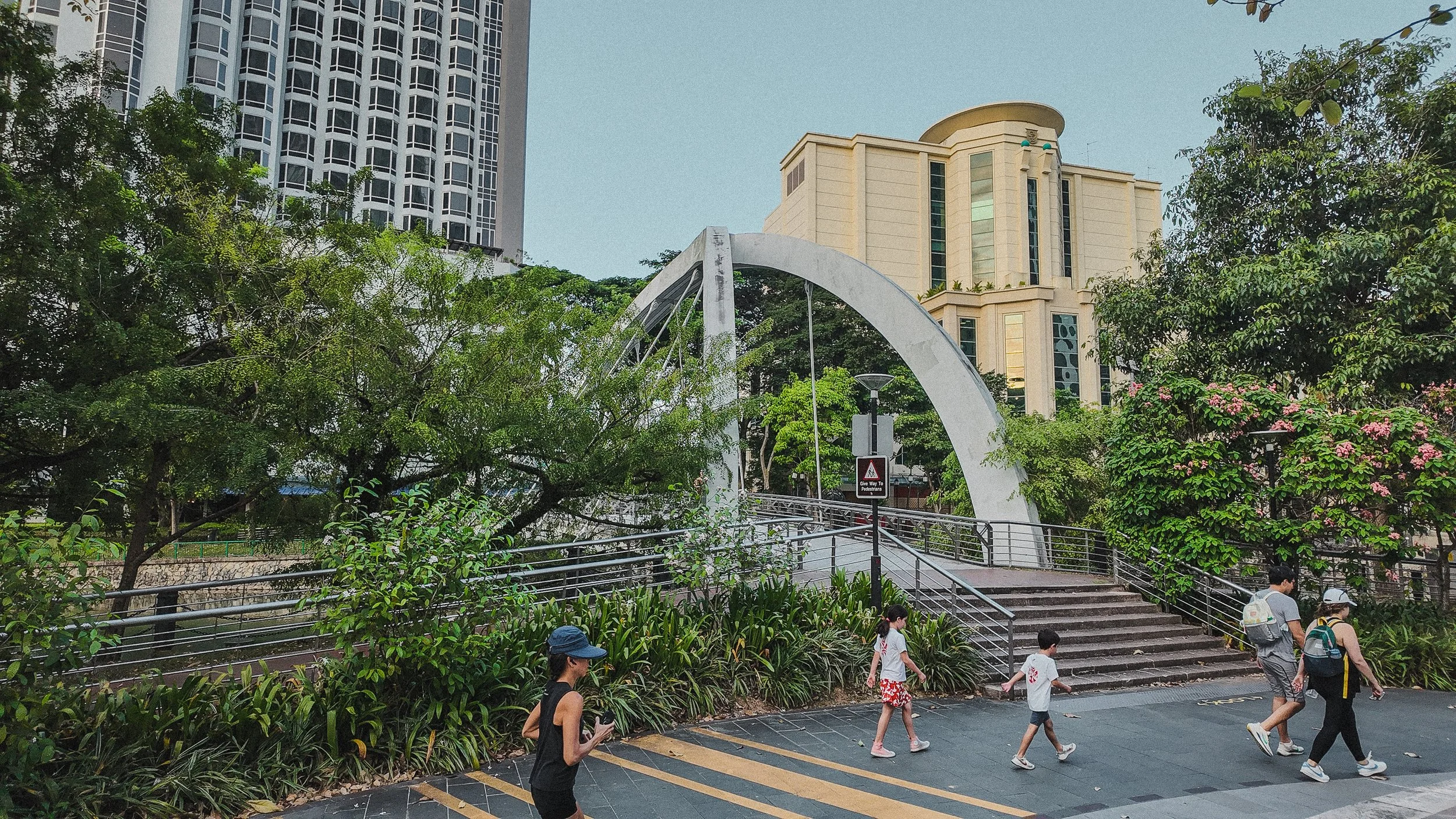
Being out and about on the streets of Singapore’s Chinatown made me do a lot of head-turning.
Oh look, another camera.
And a good looking tea shop! Let’s head over there!
Wait, another camera.
Where’s the proper crosswalk?
Singapore owes its status as a major Asian metropolis to its key positioning as a trading port. British and Dutch ships came to do business. Chinese and Indian businesspeople also arrived. The ethnic of identity was shaped by many, many influences.
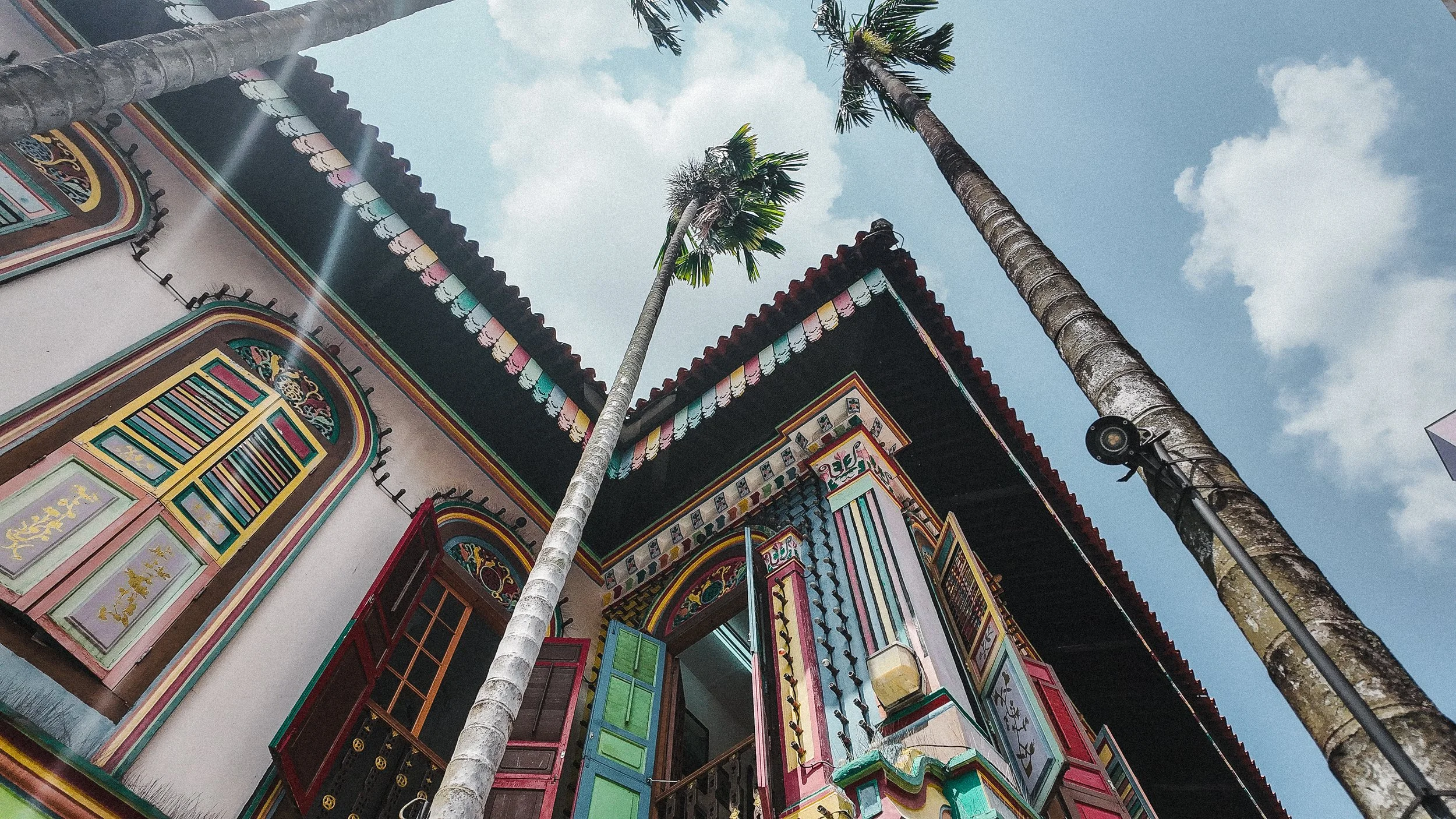
Singapore today bears the fingerprints of all these different influences. You’ll find Buddhist temples next to Shinto shrines. Curries and noodle dishes and a love for toast with coffee. The melange has shaped its architecture, linguistic diversity, and oh yeah, its cuisine.
I showed up ready to eat.
I was vaguely familiar with some of Singapore’s greatest hits. Chili Crab. Mee Curry. Laksa Soup. And I was ready to discover more. Especially the street food.
In Southeast Asia especially, there’s a romanticization of street food. And it’s an earned romanticization! My one reminder is that it only becomes an issue when it starts to reinforce this idea that the very best French foods will be found in starred restaurants while the very best Thai foods come from a cart. Check that assumption.
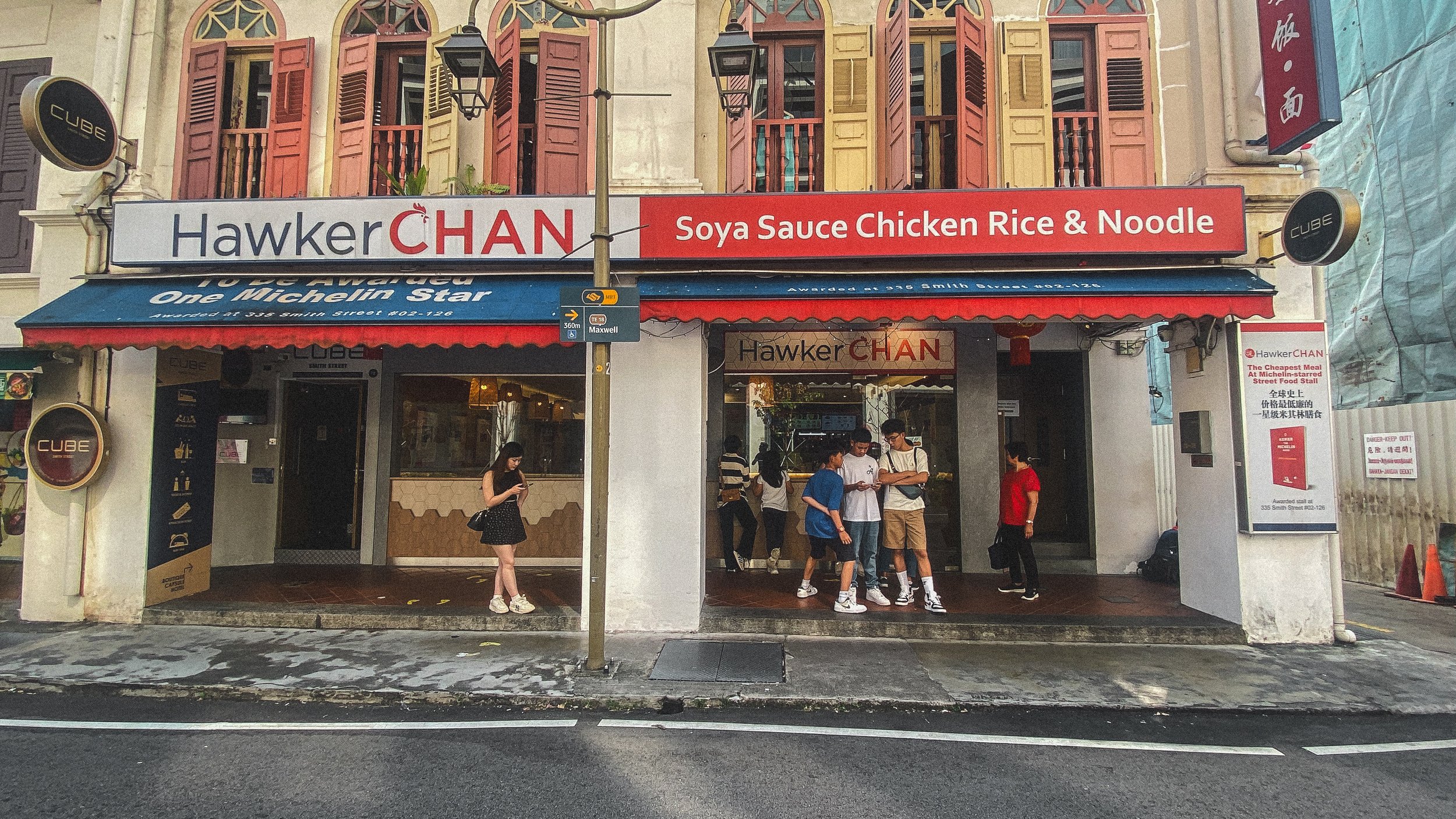
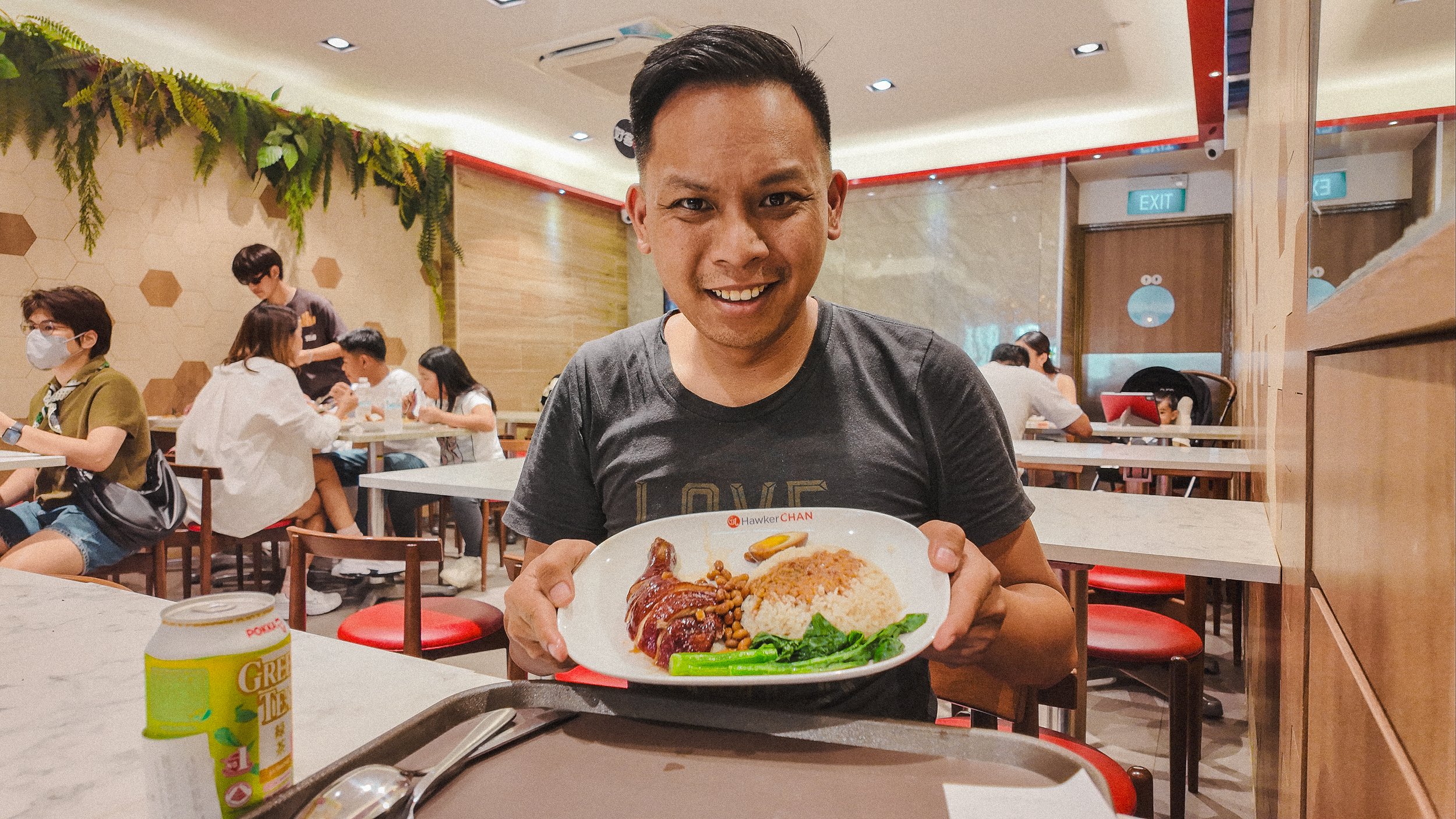
You can’t deny that there is a legacy status to the street foods of Singapore, perhaps best observed by Hawker Chan. The soya chicken stall earned a Michelin Star, becoming the cheapest Michelin Starred meal in the world.
I stopped by the Hawker Chan spot, by the way, which has graduated from a small stall to a walled diner, losing the Michelin Star shortly after. The soya chicken remains incredible.
Singapore’s street food has a very organic beginning. When you had traders from all around the world coming in and out of the ports, hubs of activity and business started to emerge. Not only did you have centers of heavy foot traffic, you had people who were away from their home countries longing for some more familiar tastes.
Cue the custard buns. Soups. Curries. Noodle dishes.
People started selling these out of carts pulled on the street because the demand was there. It made sense, and it made a lot of people happy.
But in the 1970s, Singapore was going through something. A fast paced period of industrialization began. The island was going to go from its village-lifestyle to a modern, urban hub full of high-rise flats and high-paying jobs. It was an economic growth spurt seen by very few other places in the world. And as the country began to push towards modernization, it also became more concerned with regulation and public health.
Specifically, the government began to worry about those street food vendors. Hawkers, as they’re locally known.The smells and messes that their goods might leave on public streets. The risk of sanitation and hygiene issues emerging. Something must be done.
A crackdown ensued, enforcing registration and a shift away from selling food on the street to operating in enclosed, highly-regulated food halls.
I suppose if I lived in an exciting and vibrant street food hub and rules like this were suddenly enforced, I’d probably be extremely skeptical.
I’d get nostalgic for that auntie with the secret sauce on my route home from school. It’s just not gonna be the same.
I’d probably post about the lack of character that the new, sterile government food hubs suffer from.
But here’s the thing. In the case of Singapore, it worked.
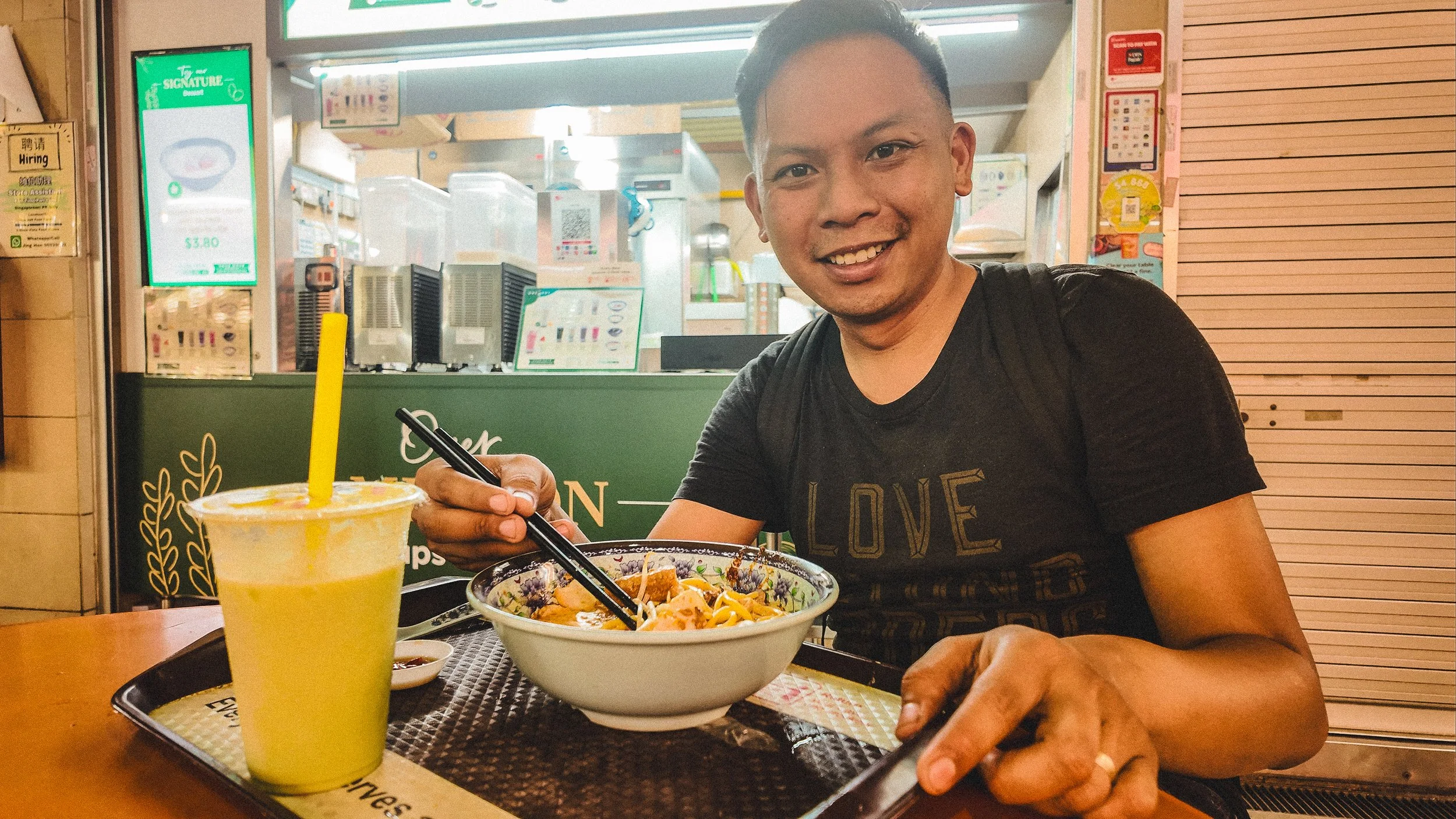
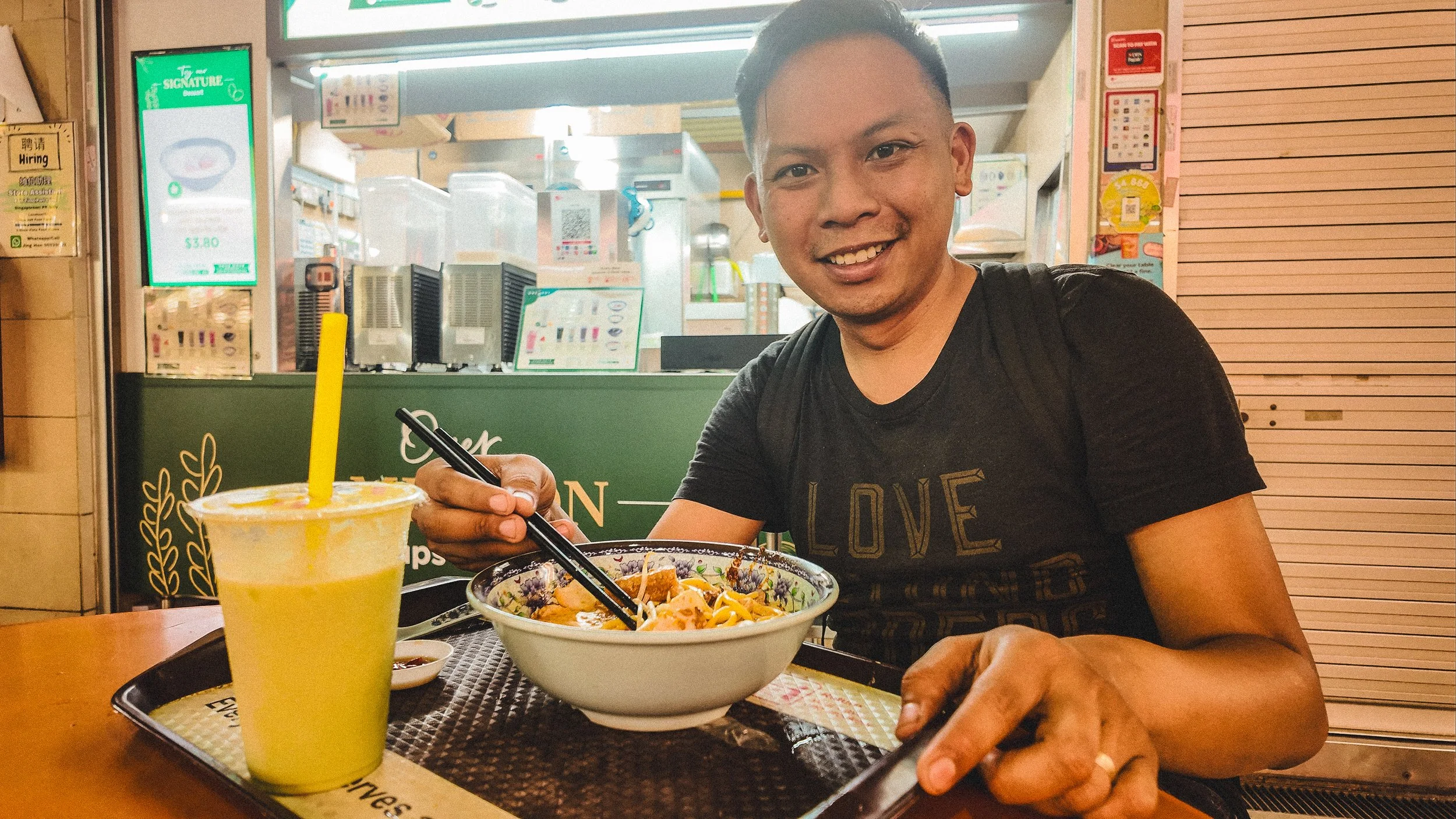
On my first night in Singapore, I went out to the Maxwell Food Center. It was one of the most highly regarded hawker halls.
I found numerous stalls, all next to each other. Literally all of them looked delicious.
There was some menu redundancy. Multiple places to get sugar cane juice. Char siu. Laksa. Chili crab. Fish curry. I tried to employ a strategy of small bites and a wide spread in order to try it all.
Most stalls had a line; a good sign. Thankfully there were enough of them that the crowds were well distributed and things moved quickly. I started with a cendol to drink, which was just the right thing in such hot weather. But then, I pivoted to a hot soup. Boat noodle. No regrets, that was still good.
Each meal was flavorful, and it was clear that it came from somewhere. Each stall seemed to contain two people, often an older couple, who seemed completely locked into a flow state of chopping and frying.
It started to become more apparent how the hawker culture of Singapore survived and came alive, even as street food was taken off the street. There was a cooperative nature towards the transition. Even though vendors offering very similar menus would seem like competitors, they also all functioned as part of the same magnificent offering. A night at a Hawker Center.
I learned that there was a sense of pride that many hawkers brought to their work. Many were second or third generation operators, carrying on a family recipe. This business was an act of legacy. And it was amazing. My night at the hawker stall turned out to be one of the tastiest nights of my life.
Here’s the thing.
Strict authoritarian parenthood doesn’t always work. When it’s done out of a need to control and a fear of the unknown, it can backfire and create a sense of rebellion. But when there’s love as a guiding force? That’s a different story. It can still be messy, but love wins.
This isn’t a perfect, parallel analogy. But I can say that there was something of love and pride and inheritance behind many hawkers’ offerings, along with spice and salt. There was a sense of being part of something. And that made for a fun, delicious night out in Singapore.