

It’s a whole genre
I recently that there’s a name for movies like Paterson, How To Make Millions Before Grandma Dies, or Lady Bird... some of my favorite kinds of movies. These films can be categorized as slice-of-life films.
In short, these are movies that are more focused on the mundane rhythms on life rather than earthshaking events. Character arcs unfold slowly over seasons and there’s a romanticization of the ordinary.
The first few times I heard movie buffs give language to this movie, I realized that many of my all-time favorites fall into this category. Two of my favorite directors of all time, Richard Linklater and Edward Yang have especially mastered this craft.

Here are a few ways to recognize a slice-is-life film:
There are multiple seasons. Sometimes even years. Like I said, arcs unfold slowly. Character development and transformation still happen, but as is often the case in real life, you don’t really see these changes over the course of a week. A year? Much more likely.
Some of the most classic examples of films that incorporate seasons into its storytelling include (500) Days of Summer and Juno, but they are so heavily stylized and perhaps not subtle enough to fit the bill. In Juno’s case, a teen pregnancy is a bit more disruptive than the typical call to adventure in a slice of life film. But other examples would include Another Round, The Straight Story, and aptly enough, the Korean film Spring, Summer, Fall, Winter, and… Spring.

The ordinary is romanticized. Protagonists are often ordinary working class people working jobs that seem commonplace. I’ll get to why Perfect Days is the perfect example, but I’d also point to Roma as another good representation.
Most of these films carry the subtle belief that ordinary isn’t ever really ordinary. Or that it is; but that’s the point of it all. The things that we easily take for granted are the most valuable.
Comfort and familiarity. There are a good number of stories that present the banality of everyday routine as something to escape from- Ferris Bueller’s Day Off and The Secret Life of Walter Mitty to name a couple that do it well. The classic Joseph Campbell Hero’s Journey includes a call away from the ordinary and a bit of resistance. But a slice of life film comes from the opposite direction, there’s a comfort and relatability that comes with familiar territory.
A slice of life film moves in the opposite direction. The familiar is typically portrayed positively. There is still a voyage through discomfort and the unfamiliar, but typically it comes through going deeper rather than going elsewhere.

Some Slice of Life Favorites
Slice of Life films have long been familiar in a lot of Asian and Scandinavian films. There’s at least a lot more patience to let a plot unfold slowly. One of the earliest examples is none other than Japan’s Tokyo Story, which features an older couple visiting their older children in Tokyo, in turn giving us a look at their lives. I consider Edward Yang to be one of the very best slice-of-life storytellers, with Yi Yi being his essential offering. We get a good look at a family’s life through rotating perspectives.
India & Iran happen to have some great offerings in this department, with the latter’s Asghar Farhadi making this type of movie his signature style. A Separation and The Salesman both focus on middle-class Tehran-based couples, allowing their relationship to be tested slowly. Two of the better Indian offerings include Dear Zindagi and Piku, both focused on journeys, family relationships, and mental health.
If I were to make a top three, in third I’d have to go with Norway’s The Worst Person in The World for third place, applying slice-of-life storytelling to some beats that might otherwise make for a classic romcom.
In second place belongs Richard Linklater’s Everybody Wants Some, which features a college baseball team in 1980s Texas. It follows the team’s off-field lives throughout an academic year, paying tribute to the freedom and friendships you encounter at that stage of life. I’d also have to give a strong honorable mention to Linklater’s Boyhood, which is one of my favorite movies hands down. It indeed checks most of the boxes for a slice-of-life film. I just happen to get a lot of other things out of it.

Then I’d probably top the charts with a fairly recent movie, Our Perfect Days. The Japanese film follows the life of an older toilet cleaner in Tokyo who takes great joy out of the simplest of routines. We learn more and more about his past along the way, it’s a film that really makes you want to stop and enjoy the everyday world around you more and more.
Live Your Life Like a Slice is Life Film
There are many genres you could try to model your life after, but let’s be real. Most would probably have some horrific results. Trying to model your life after a romantic comedy would not be healthy. Trying to model it after a rock and roll biopic would also be unhealthy, for very different reasons.
But a slice of life film is a bit different. I think approaching your daily life a little bit more like a film in this genre might help you appreciate it all the more.
I had this thought once while watching First Reformed. Not quite a slice of life film, but one that finds beauty in a modest setting. The cinematography of the movie was gorgeous. The actual settings however, weren’t. Rundown church buildings. Rural Michigan in that late stage of winter when the cold has gone on a little too long. And yet, the way the light hit everything brought in some beauty.
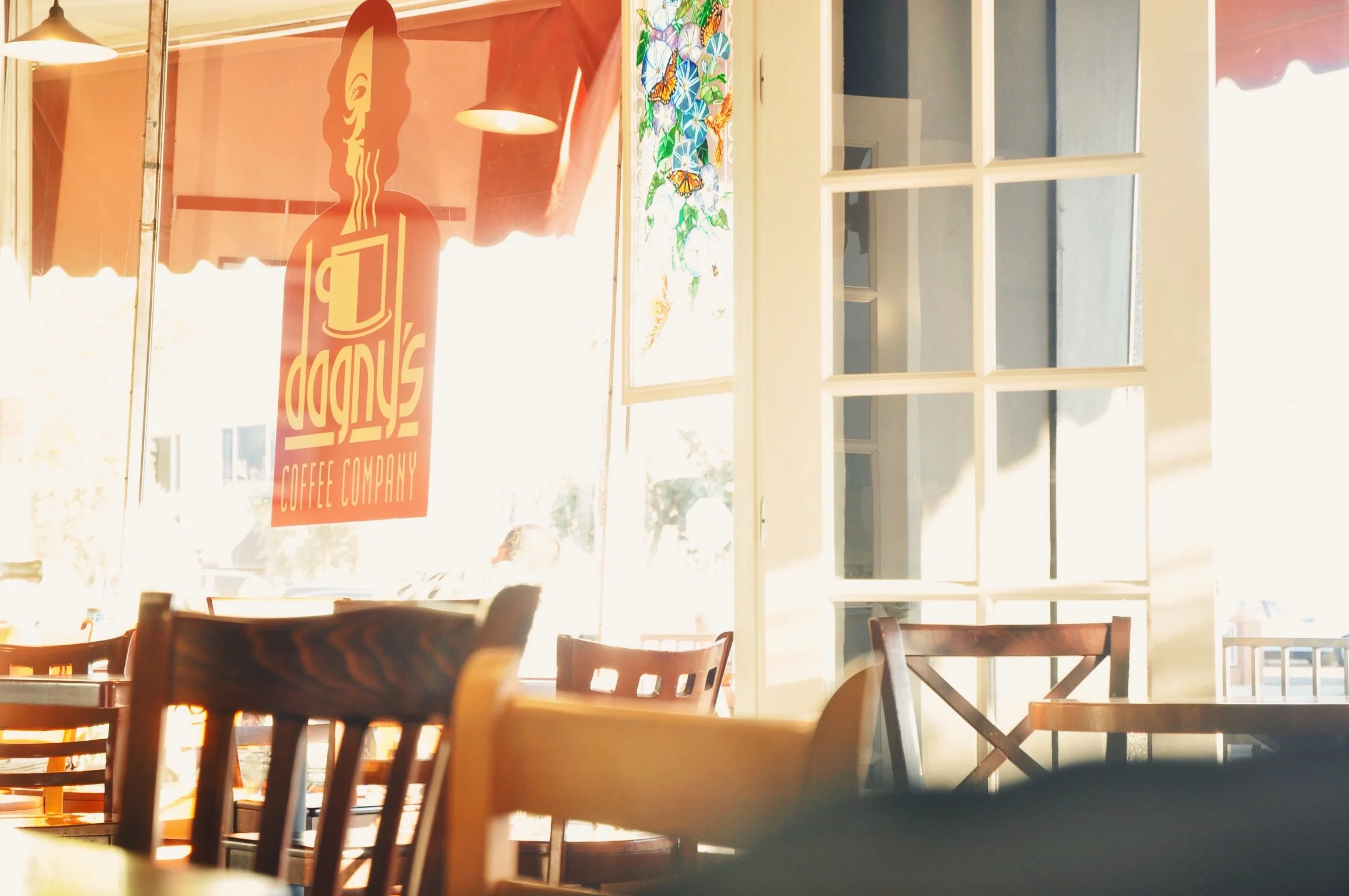
I think the banality of life could actually be seen through that lens. When we think about what a cinematographer might actually find stunning about the spaces we occupy everyday, we start to see them differently.
Here are my keys for living like a slice is life film:
Remember the simple things and to make them sacred
As much flack as social media often gets for being a vehicle for people oversharing, I think there are some good things that come from people being trained to see the aesthetic in their real lives.
That instinct you might have when you see the light filter in through the blinds of an old library window? It’s a glimmer of beauty in the ordinary. The more you can hone the “art of noticing” as they say, the more you’ll be in position to delight in the ordinary.
Don’t be afraid to move slower
Slice of life films aren’t devoid of conflict, stakes, or character journeys. They’re all there when you know how to look. But they simply evolve more slowly over time.
Moving through life like that takes trust. It takes the sense that things happen in their right time, even when it doesn’t quite feel like it. It puts to the test the Soren Kierkegaard quote about how life must be moved forwards but can only be understood backwards.
Take on some preemptive nostalgia
One of the things that the slice of life films do exceptionally well is make you appreciate what life looks like at a given moment, with all of its imperfections and minutiae. A story like Everybody Wants Some wil mar you realize that those times of messing around with your friends you take for granted one day might someday be something you deeply miss and long for.
It’s that whole thing about wanting to know they’re the good old days while you’re still in them. A slice of life approach preempts the nostalgia, helping you recognize what’s special right in front of you. Knowing that life is constantly changing is even more reason to savor it all.