
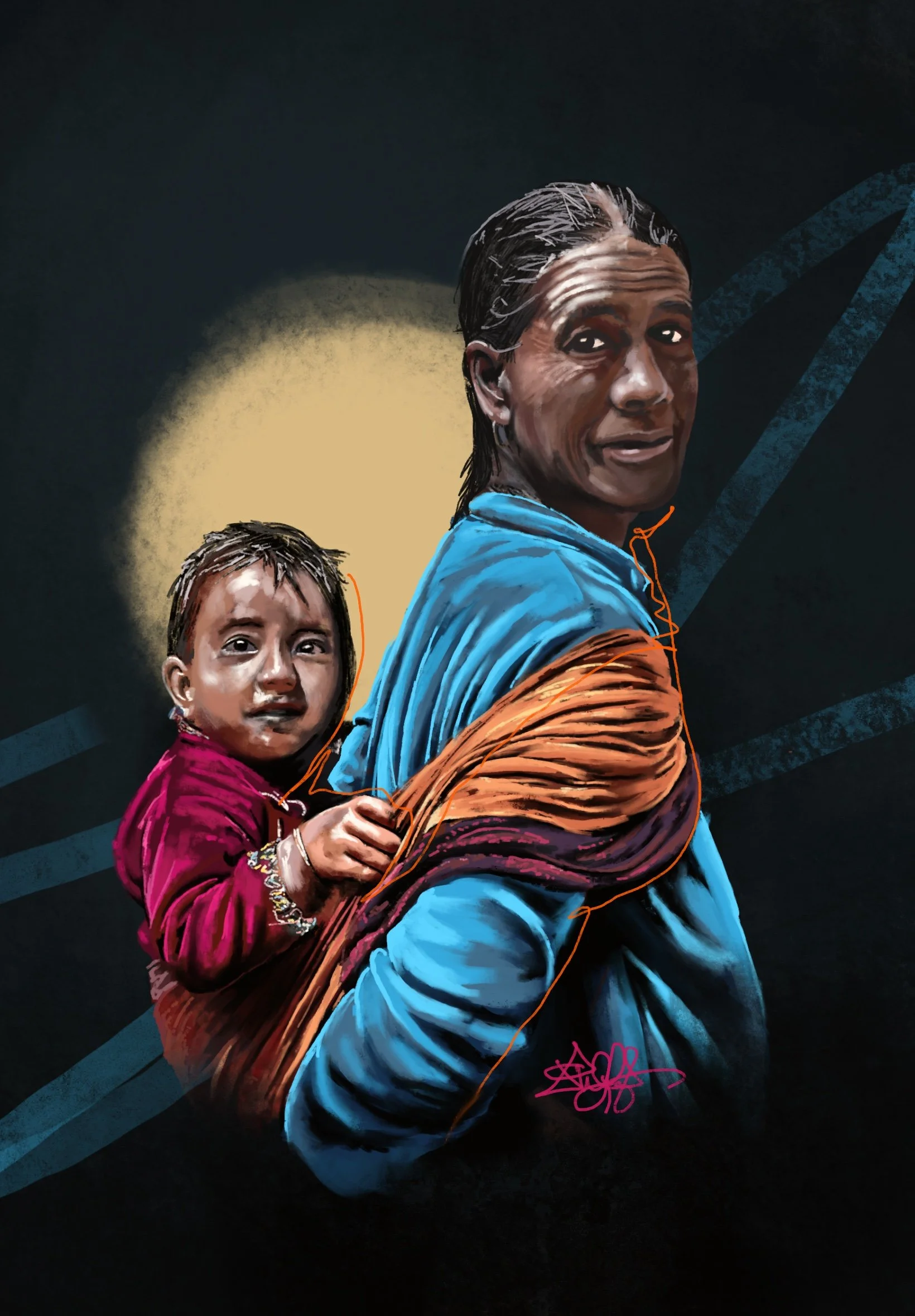
To the mothers out there
Creativity Takes Listening to Life
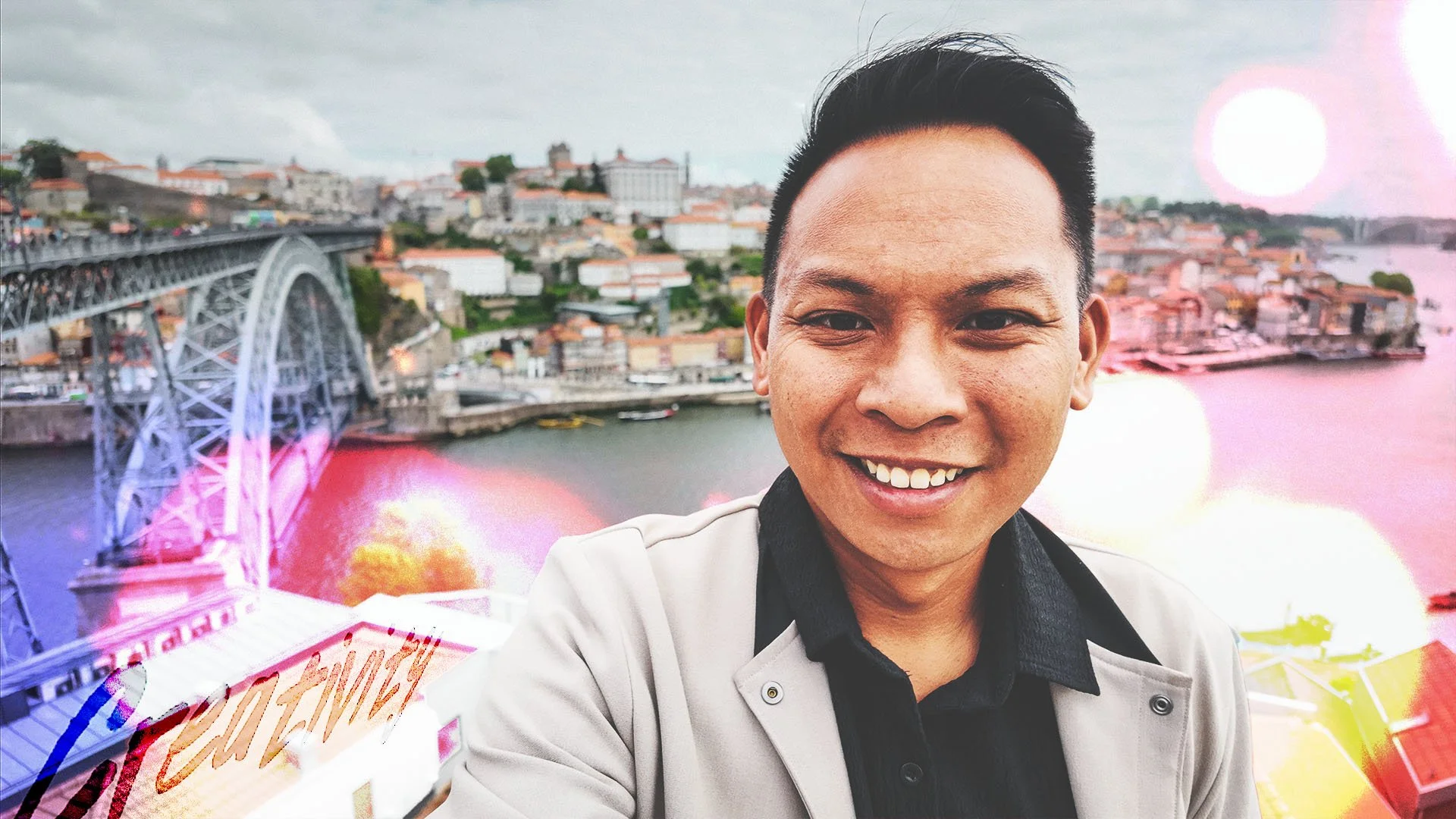
It's easy to associate creativity with time in the studio, and getting your ideas out on paper or on screen.
That's the lower end of the funnel. But what goes into the top?
The broad picture of creativity requires that you go out and live your life so that you can have a rich response to what you see, feel, and do.
The most daring thing is creating a community
It’s hard to be shocked by much these days. But I still find the oft-quoted statistics about how disconnected we’ve become a bit startling.
There are the men who can’t name a single close friend.
Nearly 30% of people my age report feeling "frequently" or "always" lonely.

But what really gets me? The stats on younger folks—high school and college students. Fewer are dating, hanging out with friends, or even going to parties. The kinds of reckless socializing that used to get kids grounded are now things we look at and say, “Huh… maybe that wasn’t so bad. Maybe it kept us connected. Maybe the kids should party more.”
Of all the issues former Surgeon General Vivek Murthy could have chosen to champion, he chose this one: loneliness. And he paints a picture that feels eerily familiar.
“College dining halls,” he said, “used to be the loudest places I remember. Now they’re quiet. People are listening to something in their earbuds, scrolling on their phones, on their laptops. And when conversations get uncomfortable? It’s easier to just pull out your phone.”
It’s tempting to blame failing institutions for our societal unraveling—but maybe the unraveling started long before. Maybe we missed the warning signs of social collapse.

Of course, I’m not the first to notice.
Sociologist Robert Putnam made this his life’s work. He studied what happened when Italy was reorganized into regions and found a clear pattern: the places with the most community participation—people in clubs, associations, leagues—were the ones that thrived.
Later, he spotted a strange trend in the U.S. Bowling alleys were still busy, but league participation was plummeting. People weren’t bowling less—they were just bowling alone.
This shift tracked almost exactly with the decline of institutional trust and civic engagement in America. Putnam’s findings, laid out in Bowling Alone, hit like a warning bell in the early 2000s. That bell has only gotten louder since.
A recent documentary, Join or Die, revisits his work. It’s full of small-town pastors, historical leaders with membership cards overflowing from their wallets, and moments that made me want to sign up for a book club, a rec league, and maybe city council all at once.
Because participation matters.

It might sound simplistic—even naïve—to say that joining a club or going to a party could be an antidote to social decay. But maybe it’s not.
The internet has made it easy to see people as little more than walking opinions. Some are constantly shouting theirs; others keep theirs tightly wound. Either way, online, we sort and shelve each other into neat categories: agree, disagree, block, unfollow.
But real life won’t let you do that so easily.
Face-to-face, we’re wired to seek positive interaction. There’s no handle to hide behind, no block button to press. Just another human being in front of you, shaped by a thousand unseen experiences.
Beliefs, after all, are snapshots. They shift over time. Mine certainly have. I’ve had to unlearn things, let go of assumptions, and open myself to perspectives I never considered. Reading helped. So did travel. But more than anything, it was being around other people—really being around them—that pushed me to grow.

One of the most underrated joys of community is that after-event buzz. A play, a game, a fundraiser—and suddenly, you're seeing familiar faces in the crowd. You chat with someone from your small group, nod to someone from work, hug a friend you didn’t expect to see.
It’s not just hanging out with friends. It’s the feeling of belonging to a larger circle. It’s a feeling I used to have in college all the time. These days? Not so much.
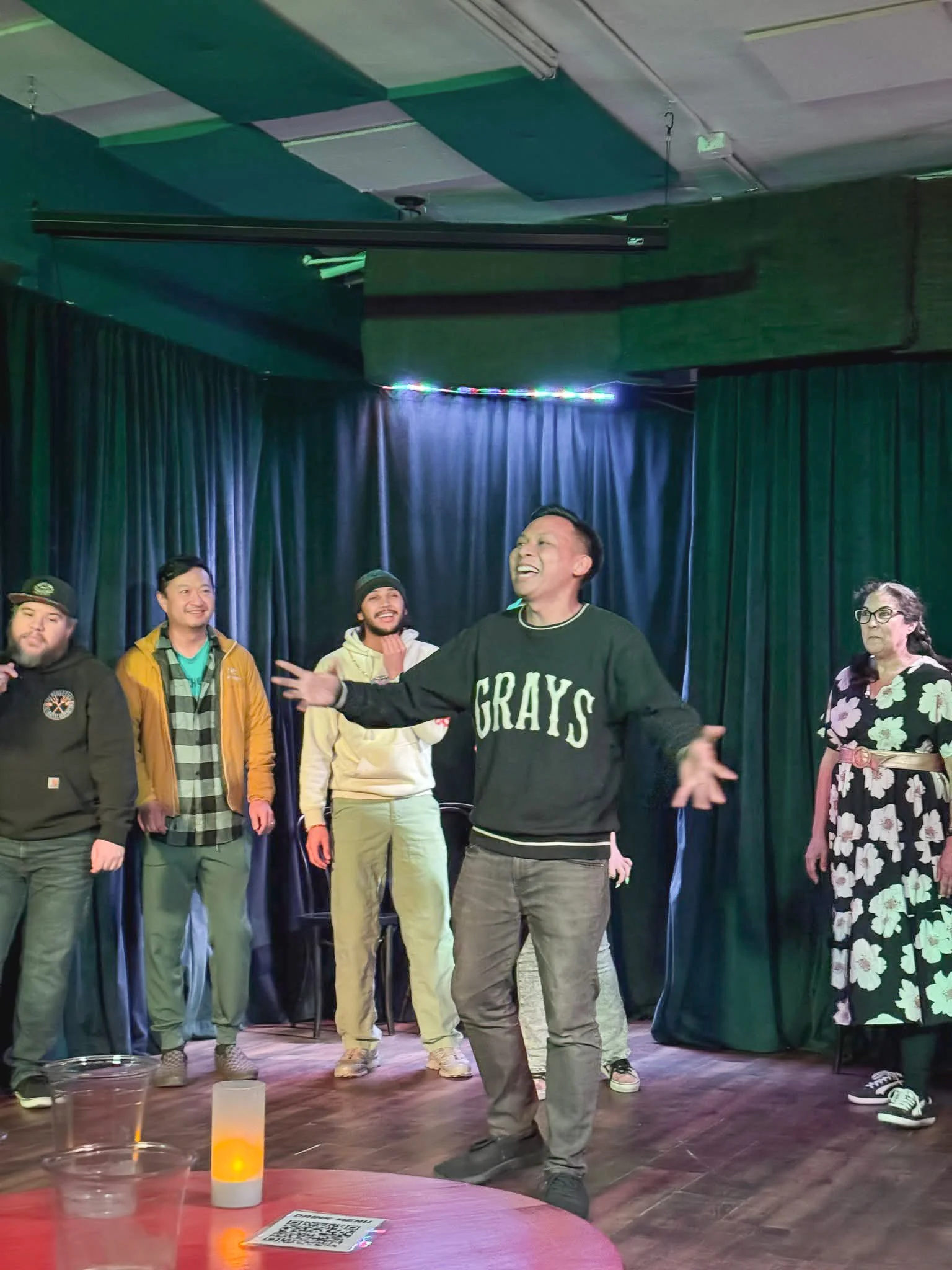
But every now and then, it still happens. A few months back, I went solo to a party at the improv theatre I perform at. There were games, karaoke, snacks—and for one night, the place was just for performers. I arrived alone. But the second I stepped inside, I felt like I was among my people.
I didn’t have to know everyone. I just had to know I belonged.

In 1974, Kurt Vonnegut told a graduating class:
“The most daring thing is to create stable communities in which the terrible disease of loneliness can be cured.”
It’s easy to scoff and say “kids these days” need to just go outside and socialize. But that’s not fair. Community doesn’t just happen. It takes time, effort, space—and those are all in short supply.
Even for me, an unapologetic extrovert, it took years in a new town to build any kind of meaningful rhythm. People are busy, burnt out, working two jobs, living hour to hour.
Putnam once argued that a decline in social bonds can be just as dangerous as an economic collapse. In truth, the two are often entwined.
There’s a theory that suggests a full social life follows the 5-3-1 rule: five interactions a week, three close relationships, one hour a day for connection. Sounds lovely. But who has the time?
Still—when we do get those chances, when we’re offered a sliver of connection—we can choose not to pass it up.
If you’ve got an interest, however small, find a group. If someone invites you to join something, say yes.
Because in the end, the most meaningful things we do will always involve other people. And it’s far too easy to forget that.
El Gaucho

Drew this inspired by some photos I took 15 years ago at an estancia in Argentina. Haven’t been back since but really hope that changes soon.
Thirtyfive


I turn 35 today, which makes me the same age as Steve Martin’s character in Parenthood (1989), see attached for reference.
I’ve had no shortage of reminders lately of how fast it all goes and what a gift it is to be here. Feeling grateful for it all.
Spring 2025


EXPERIENCES AS RESISTANCE
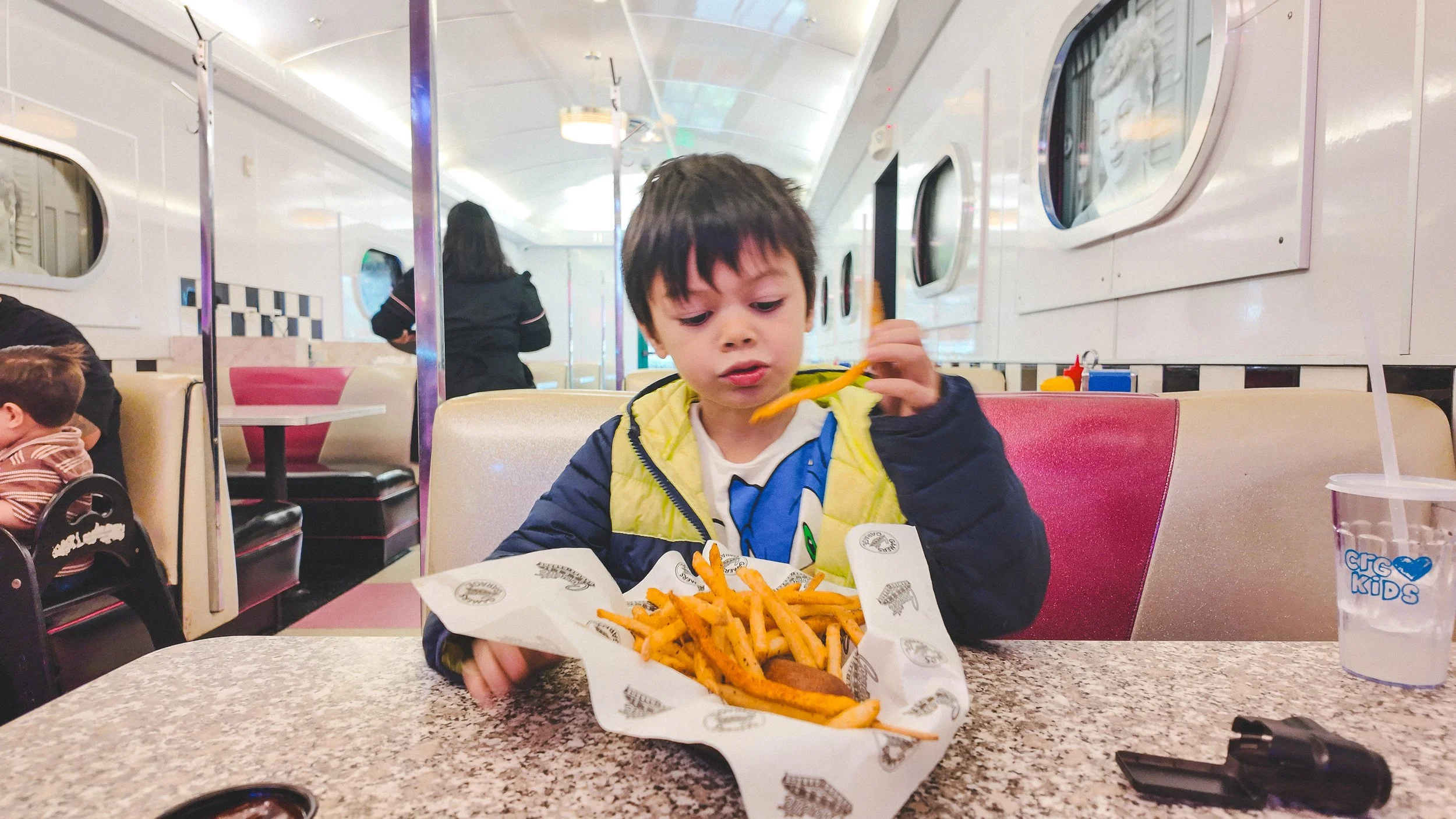
This year, January 20 was a rather dramatic and infamous day. And here’s how I spent it:
Getting a haircut, spending the day with my five year old, eating at a retro diner, exploring a mom and pop vintage toy store, and playing arcade games.
Resistance takes many forms, but I think the most important thing to do during inhumane times are to connect with the most human things we do. Things like making art, parenting, making each other laugh, and humoring curiosity.
Viktor Franklin notes that meaning can be found in any circumstance and our ability to chose how we respond defines us. A lot of things have felt heavy lately, and while hardship is inevitable, the most essential freedom is one’s freedom to choose their attitude.


NOODLES AT THE BORDER
Took Kai to the mall right by the border to visit the trending ramen bar. Kind of a quick way to build a business by providing packaged ramen and hot water for people to make it themselves, but still a lot of fun! Generous kimchi and seaweed salad sides.
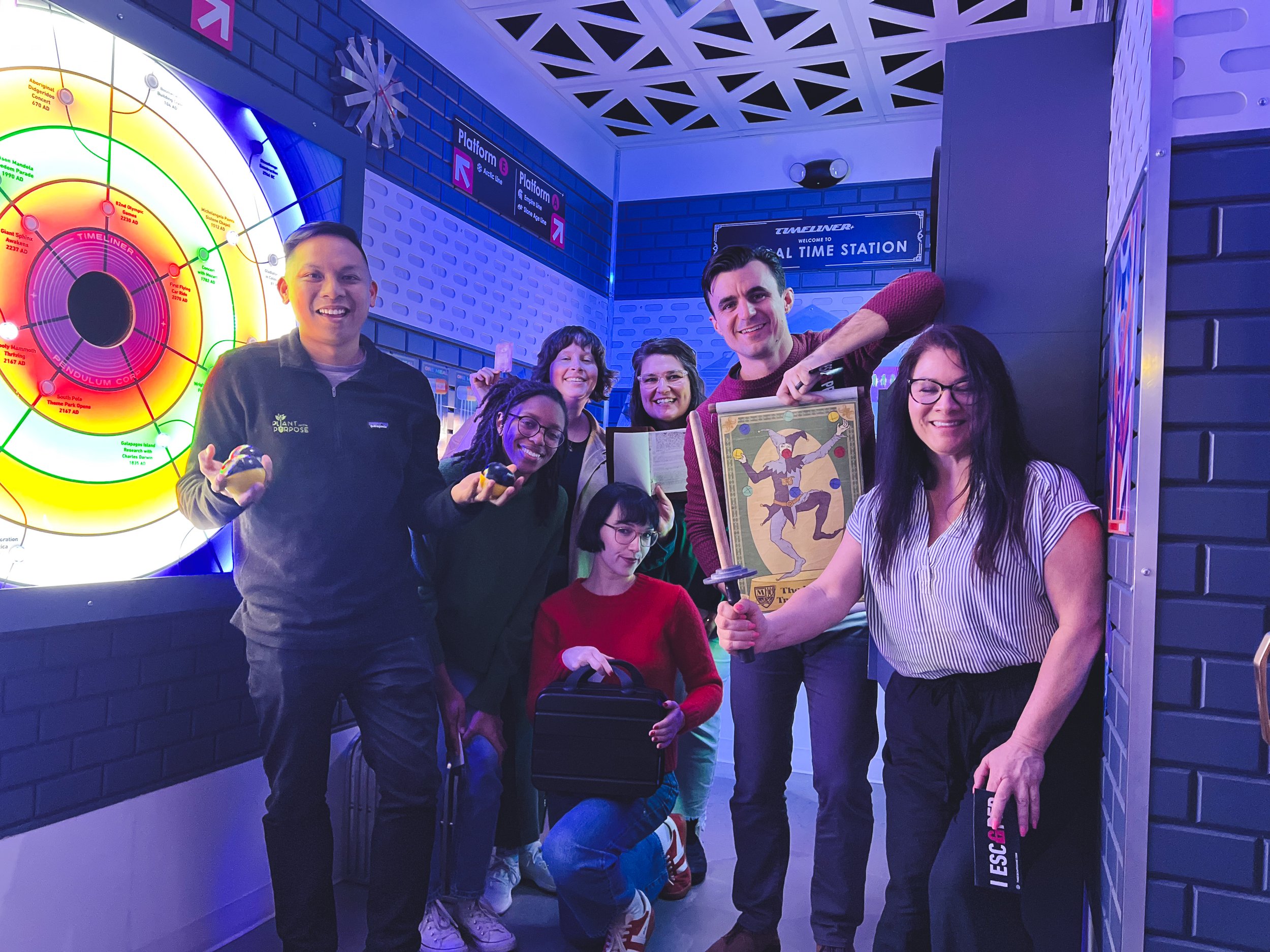
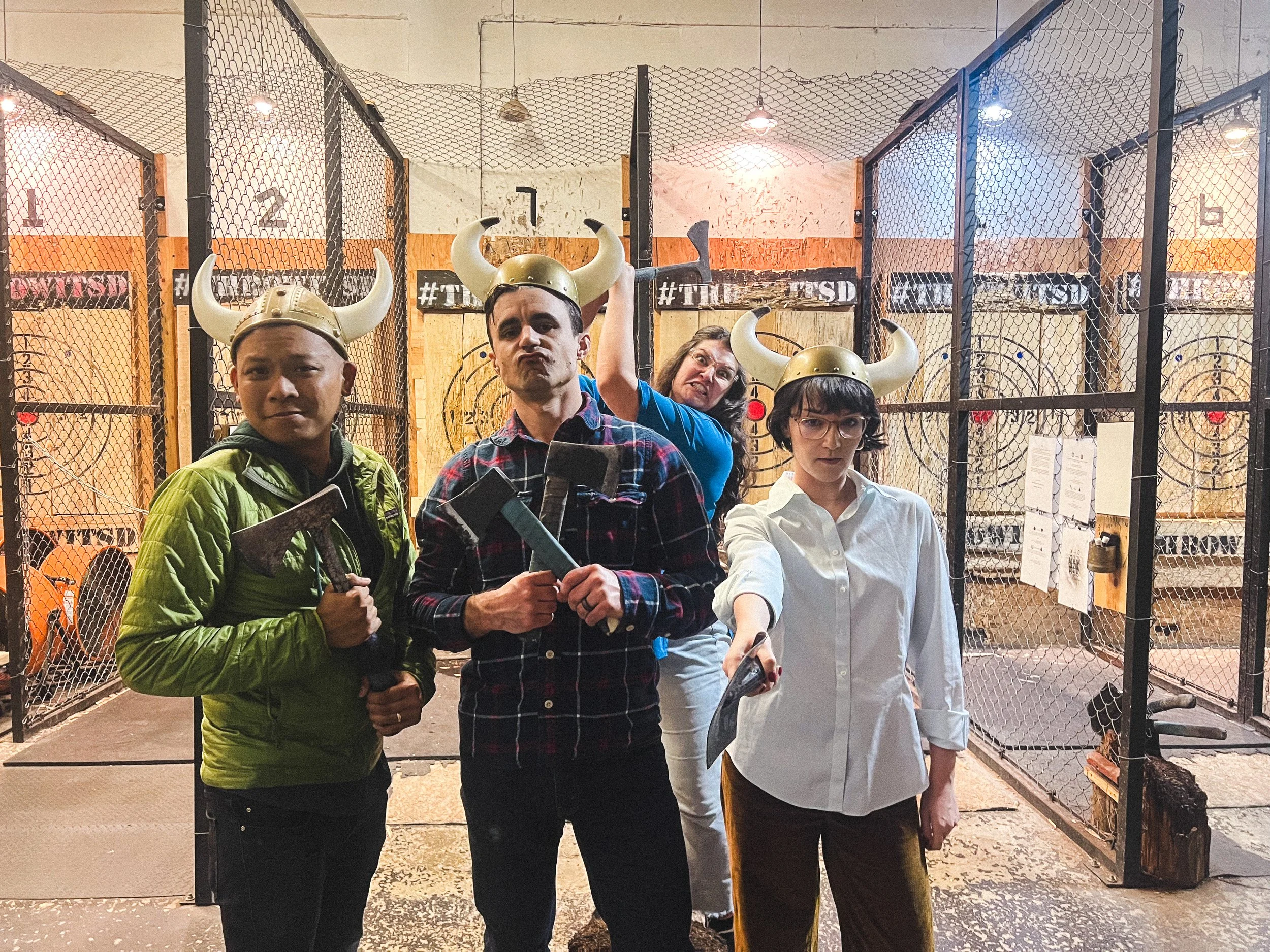
TEam retreat
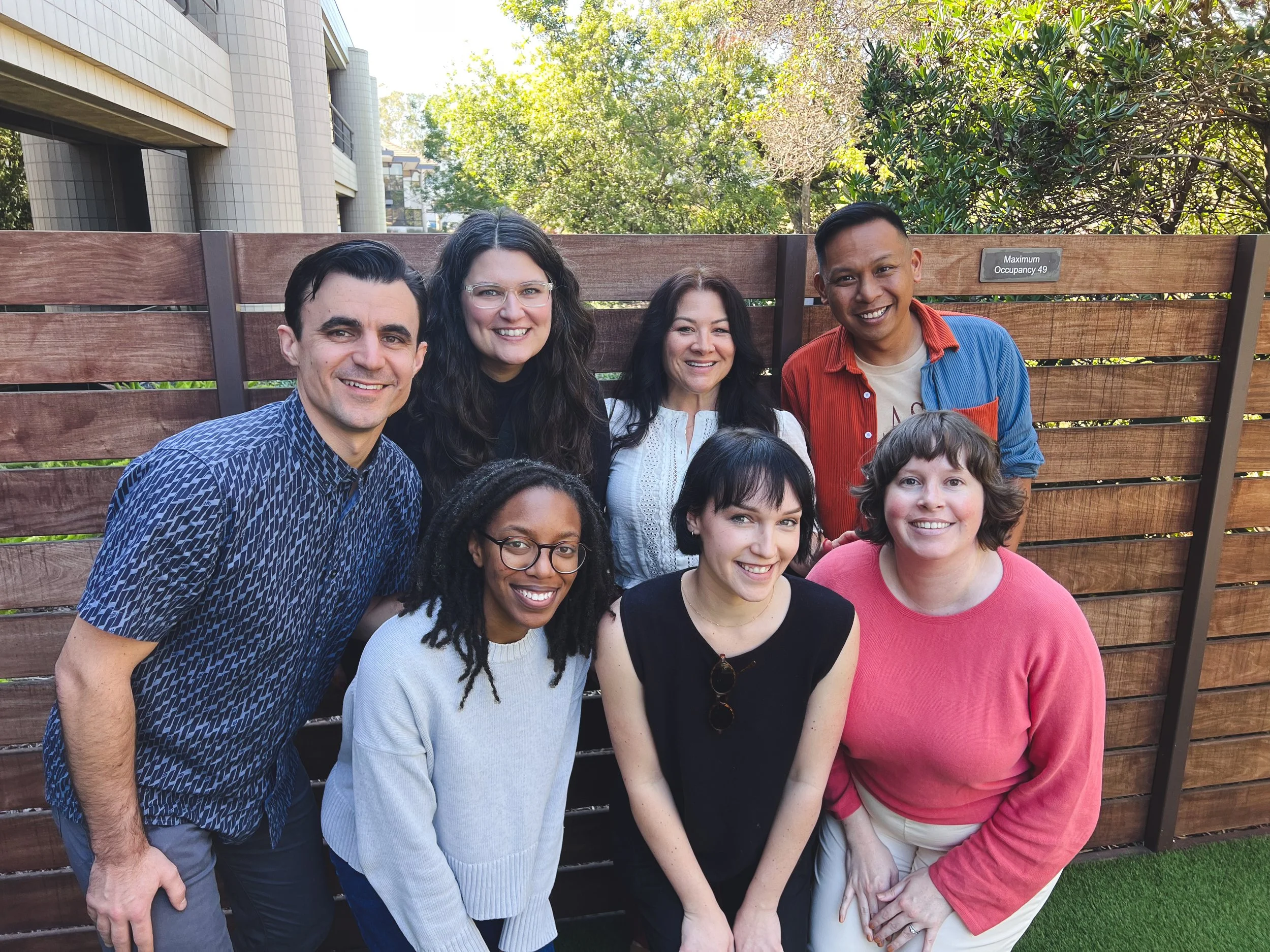
Had a team retreat last week, first time meeting half of my newer teammates in person.
I spent a few years as a one-person department. At the time it was out of necessity, but I am so glad those days are behind me.
Teams are where it’s at!
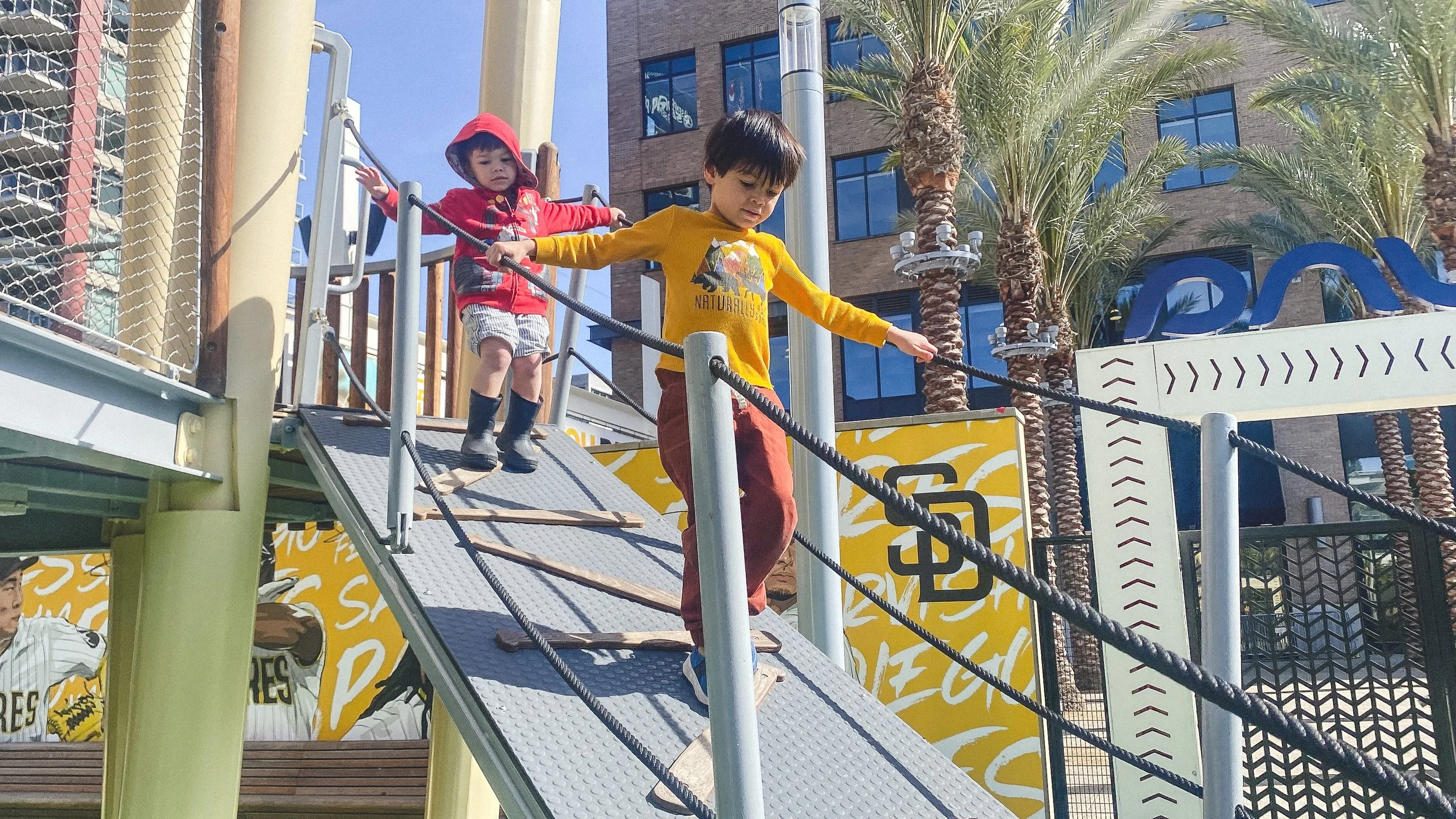


Respect to whoever designed the Gallagher Square Playground.

White lotus
Man, I feel like people are being tough on that finale.
There were some moments of dialogue that landed weird and some odd character decisions, but the show’s appeal to me is its portrait of humans as really fricken complex. It does that real well.
Still can’t believe this is all from the creative mind of Ned Schneebly.



mushroom kingdom
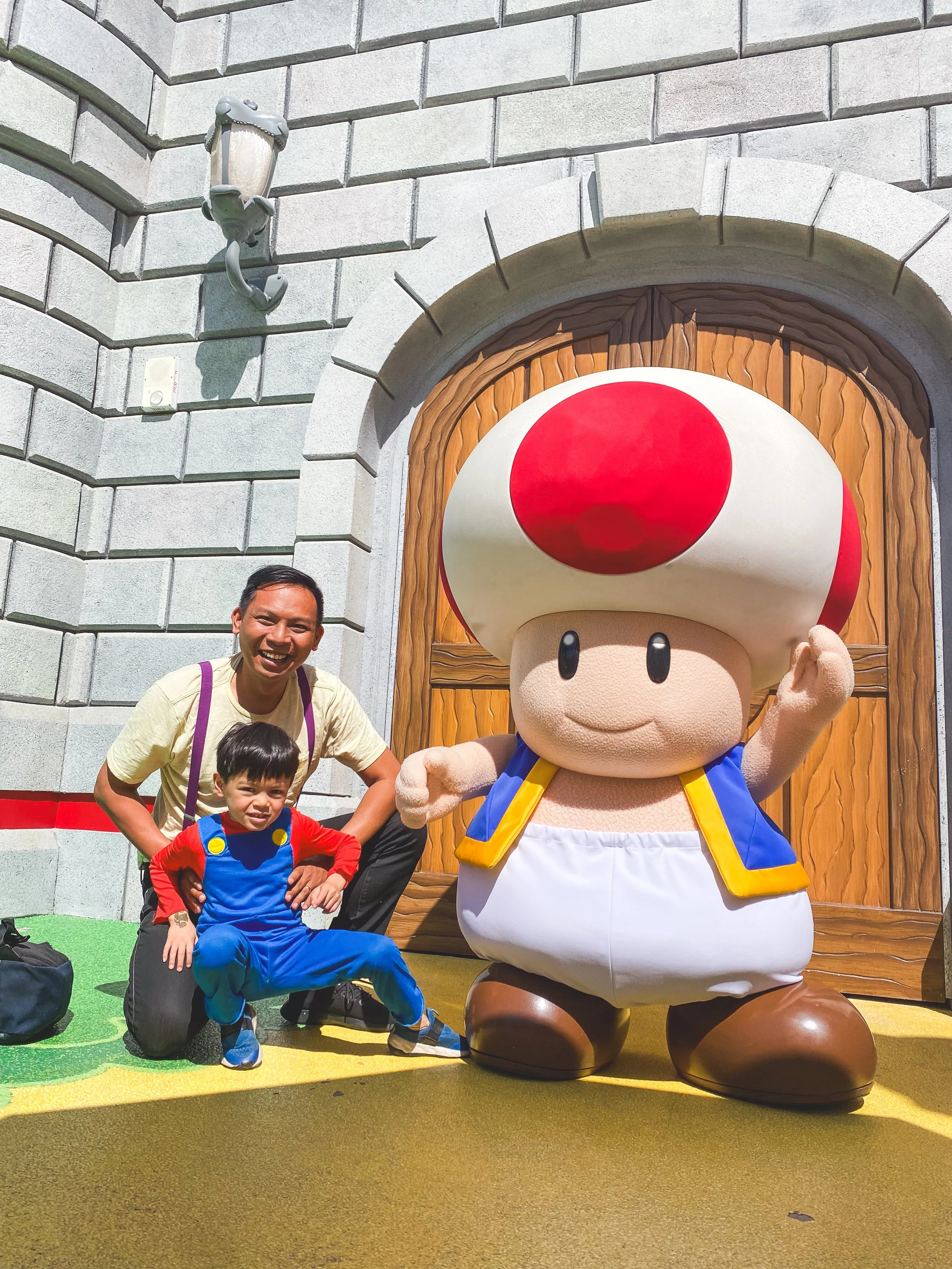
Went places this weekend. MarioLand was well done. Whole park was an interactive story game. Lots of AR/motion oriented games and fun translations of MarioKart & Mario Party type experiences. I appreciate Toad’s culinary turn.

SEVERANCE S2
The irony of perhaps taking a day off work to mull over the Severance finale.
Okay, some reactions. Spoilers ahead so avert your gaze and hasten your thumbs if you wish to avoid.
🛑
I personally loved the finale. Mixed feelings about its actual events, but every change in beat to that episode had me leaning further in. And you know it’s wild when the existence of every character is pretty much in jeopardy but you’re most invested in whether or not a goat survives.
This finale had a really good blend of answering questions and raising new ones. The numbers are your wife! One of the things it confirmed are that Kier’s motivation is to create a world without pain, and that perfectly crosses with Mark’s decision to sever his way past the grief process.
I think the best hero-villain dynamics are when they’re two characters who are forced to make the same decision but take different routes. And you could extend that to innie Mark refusing to let go, in contrast to outie Mark severing as a way to force letting go.
In theory they could park it right here and call that the series finale. Some plot lines felt very resolved. Like Dylan’s or Cobel’s. And a lot of the ambiguity at the end felt deliberate, like The Graduate. But there’s still plenty to explore with the Eagans and Gemma, and I think a true series finale wouldn’t be right without John Turturo and Christopher Walken.
This is one of the more interesting fictional worlds to hang out in from recent years, so I wouldn’t mind another round.
Also, how is Mr. Milchick’s forced smile the perfect image of corporate America?
my best freestyle life
juniper styles

G. LOVE’S ART SHOW


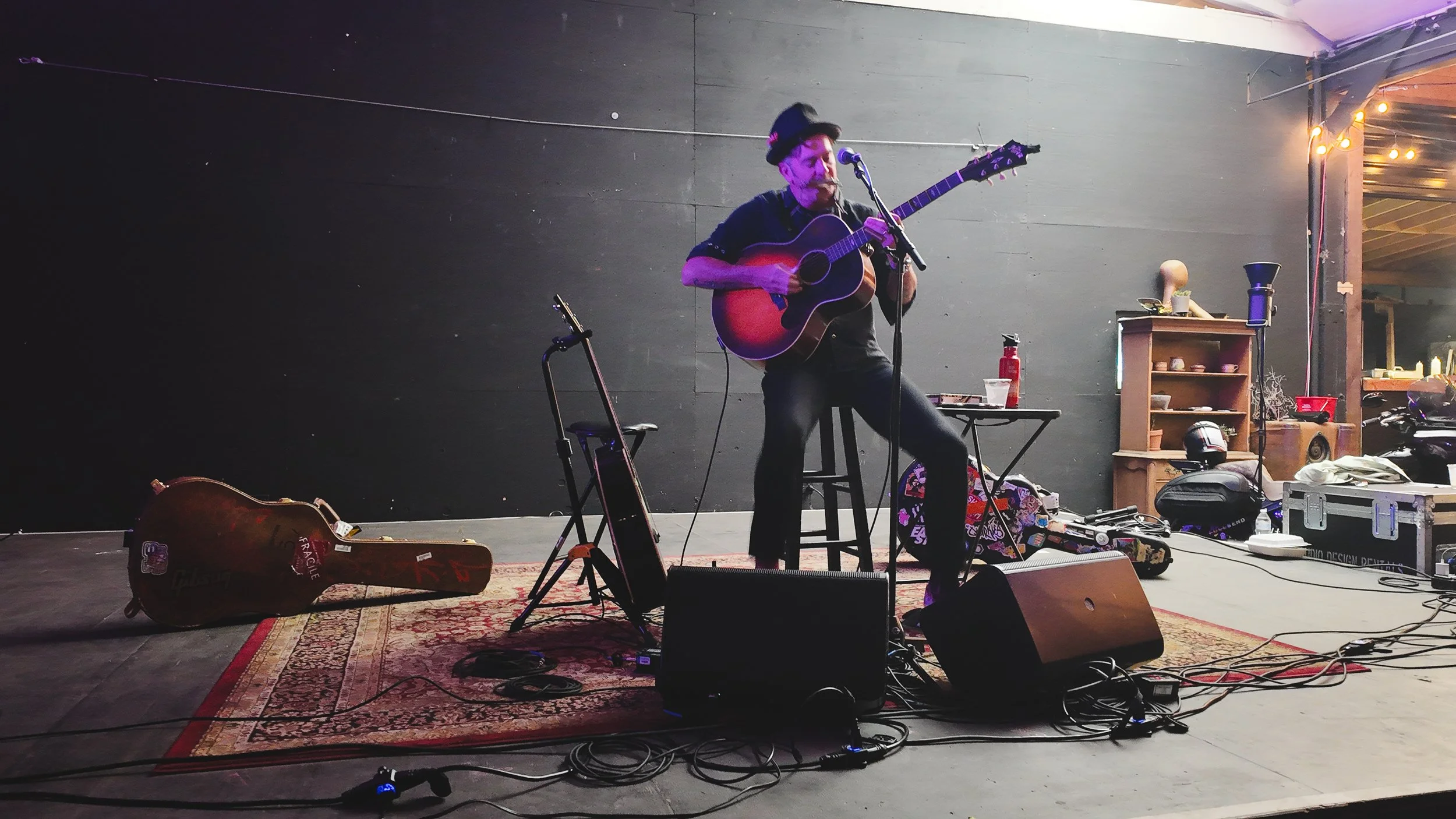
It was a very good pre-birthday weekend.
Got to catch an art show & live set from G. Love at The Soap Factory… really fun venue for a show.
There was live painting…
A free roaming dog or two…
All the verses of Baby’s Got Sauce come right back like riding a bike. And we got a great moment of improvised jam with a local artist all while I’m still on my blues kick from Sinners.


WAVE AAPI NIGHT
Then AAPI Night at the San Diego Wave…
Pretty exciting match with a game-winner at the 95th minute.


gnx tour
Bing bop boom boom boom bop bam

Proud dad moment: Seeing Rhys nail the target with the Phillie Phanatic’s hot dog cannon.

Bravo Tina!

Chocolates Valor

Pretty pleased with this hat pickup from Gilda in Philly.

Only the quickest little pit stop in PDX, but actually my first time flying through here since they redid the airport.
KAMALIG
My ongoing mission continues… seeking out Filipino food in places you might not expect. One of Helsinki’s classic food halls offered up Kalamig. Talked to the owner here, and she’s been in Finland for 30ish years. Ordered up a simple roast manok, since sometimes in Filipinos cuisine, the simplest dishes impress me the most.


Pokémon squad’s about to be unstoppable with Rhys’ Mewtwo in the mix


Last Day of UTK
Cardiac walkthrough at The Franklin Institute in Philly… basically like living through a Magic School Bus episode.
Beignet 10

She’s *TEN*
Five and a Half
I recently got back from a short but very meaningful trip to Philadelphia.
I grew up in Philly. At least partly. My bicoastal childhood had two acts, and though Philly got the earlier half, the one I don’t remember quite as strongly, it made its mark. This is probably most noticeable during baseball season, when I ride hard with my Phillies, during improv scenes when I play up Philly characters, or whenever I say the words water or orange.
Despite those hallmarks, though, it has been a while. When my aunts moved to LA years ago, I no longer had any family or close friends remaining in the city. And since time passes pretty quickly, it's been over a decade since I’ve been back.

My five year old just so happened to be on Spring Break, and when I weighed the options of spending extra on babysitters and manipulating my schedule yet again versus the prospect of taking a few days off and going on a trip… it was an obvious choice. Plus, it’s not like Philly is the most in-demand destination for early April.
We wound up getting water ice on our very first day. We spent a day in the Franklin Institute, which has an impressive set of displays for kids to enjoy. He got to try his first and second cheesesteaks as we ate at Dalessandro’s and Chubbies’ back-to-back. (For what it’s worth, Dalessandro’s was my pick for the winner and he had the opposite take. Love a kid who forms his own opinions!)
And of course, we went to a Phillies game and it was a treat to see them face the unbeaten Dodgers and hand them their first loss. Citizens Bank Park is an electric place.
It was a short and simple trip that reminded me of how much I missed Wawa and that made me wonder about my “how-it-could’ve-gone” life like the movie Past Lives.

It was about this time last year that the two of us went to Finland.
Another father-son trip that was truly the best. Having just renewed his passport, I’ve got to note the pretty cool collection of stamps we got in his first issue: the Philippines, Guatemala, Spain, Canada, Portugal, Estonia, and Finland.
He and I have done more trips than my twins, but that’s just because they’re younger! In my notes app, I have an ongoing brainstorm of ways to make sure they’re equally treated to some fun trips with Dad.
Is it a lot? Probably, and I’m aware of it. But travel is one of my favorite things about being alive, and it’s a love I’m happy to pass on to them. At the very least, I want them to be well-introduced to different places and cultures and to give them a chance to develop a love of travel on their own.
Also, in a family of five, a full house is our norm. I wouldn’t have it any other way, but there are tradeoffs. One of those trade-offs is the fact that traveling with our full-sized family is pretty expensive and that each individual traveler probably gets a little less out of the experience as we compromise for five rather than two. Another one is that one-on-one time is scarce. When caring for three, it’s easy to get caught up in my role as a referee for the inevitable spats three kids close in age will get into. When I get a little extended one-on-one time, it becomes so much easier to appreciate each kid’s unique persona.
Being able to do this, of course, is a really big privilege. I can’t take for granted that I’m pretty fortunate to have the resources, the time, the health to take these trips… not to mention the spouse and support system that leaves the other two kids in good hands.
But that’s all the more reason not to squander the opportunity.

The wish to travel with my kids isn’t original.
I’ve been told that my dad had a map that he marked of places he wished to take me someday. He passed away when I was five, and since most of our time together was taken by me being a baby, then him being sick, we never actually did get to do a whole lot of travel. I’ve heard stories of a late-stage trip to Hawaii that he and my mom took, both thinking they were doing it for each other, that ended up being rather difficult.
Unfortunately, nobody really took a picture of that map. Much like his record-collection which was sold at a garage sale before I had an appreciation for older music, it’ll remain a mystery about how much our tastes overlapped. Even more so, I’m curious how many of them I ultimately found my way to on my own. I’ve made it to every state and nearly 60 countries, so there have got to be a few! I do wonder which was the most unlikely.
I don’t take the opportunity to travel with my kids for granted. It’s something my dad wished for and never got. And in an alternate timeline where we got more time together, I bet it’s a fondness we would have shared.
It’s not just about the trips, though.
I mean, whenever I have the chance to go big, I love going big. In Finland, we made our way into the Arctic Circle to watch the Northern Lights. But I also realize that the thing that’s even bigger than the destination is the time we get together.
While my hope is to do a bigger one-on-one trip each year, with the kids in rotation, I also try to make sure that once a month we also get a special field trip, whether it’s a museum or a hike or a market. It’s a lot of coordinating on top of all the coordinating that already happens, but I’ve been reassured by my friends with grown children that it’s a move that won’t be regretted.
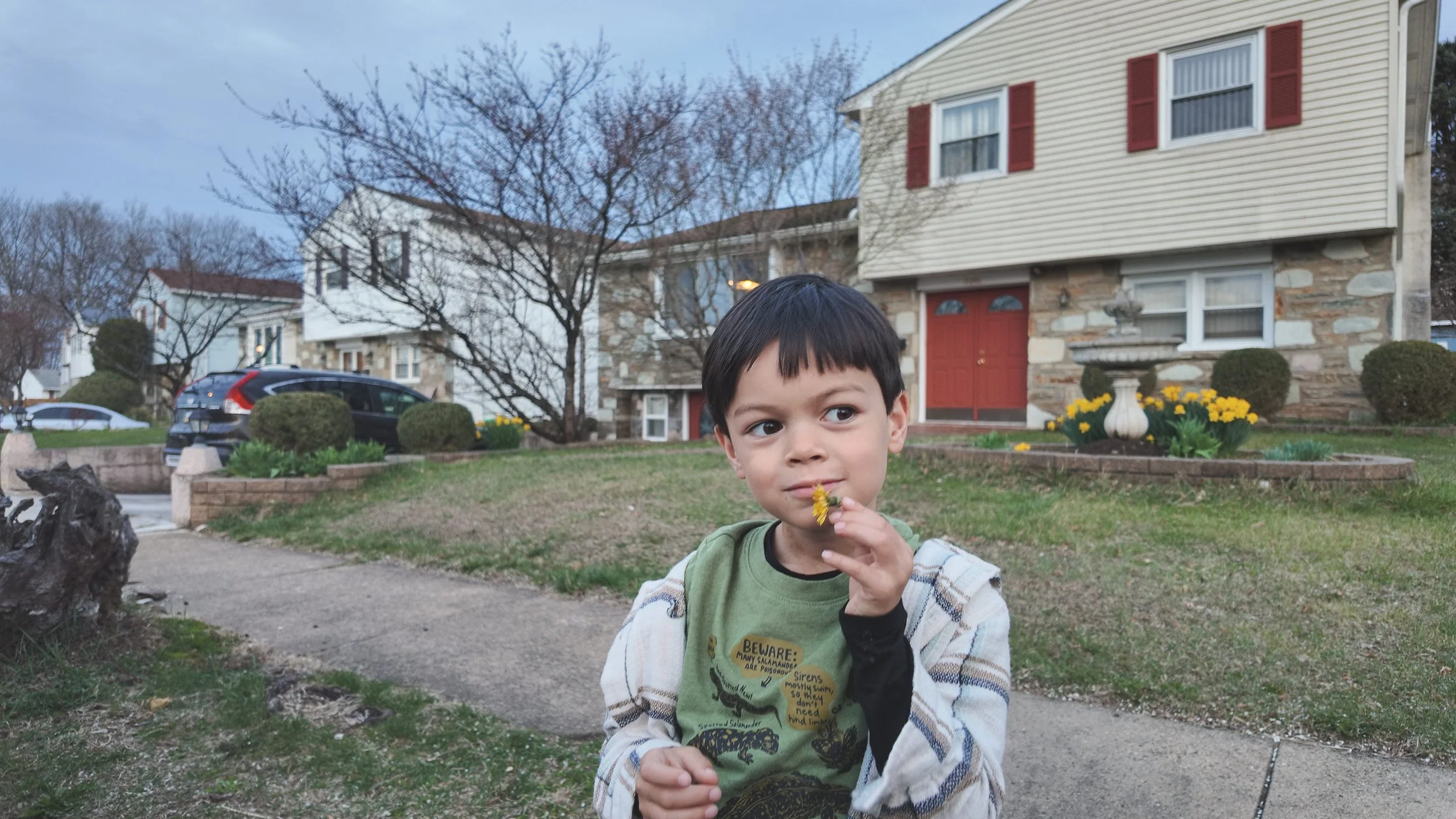
There was one other stop we had to make in Philly.
The house I grew up in, where I was living when I was five years old.
We found it in the Northeast Suburbs.
It actually wasn’t the easiest house to track down. I lived there at a time before I had a sense of Philadelphia’s geography. I could barely remember the street name. But with a little sleuthing, I found the street, then the house number.
It appears that the house last sold in 2010, and the photos from that listing show an interior a little bit different than the one I remember. When I lived there it was a total 70’s house (in the 90’s). I’m talking about bright yellow sunflower print wallpaper, avocado green shag carpeting, and elaborate gold trim on everything. I can’t say I’m surprised the more recent occupants decided it wasn’t their taste.
But the layout was still there. I saw the lowered den that served as my playroom, the one that opened into the backyard where I had some of my earliest birthday parties.
The house probably has an odd spot in my family’s story. It was never owned by my parents, but instead by my aunts, who offered it to assist with caretaking. It was where my dad passed away. Shortly afterwards, my mom didn’t want to stay there much longer, which makes total sense. But in that window of time it became home to me.
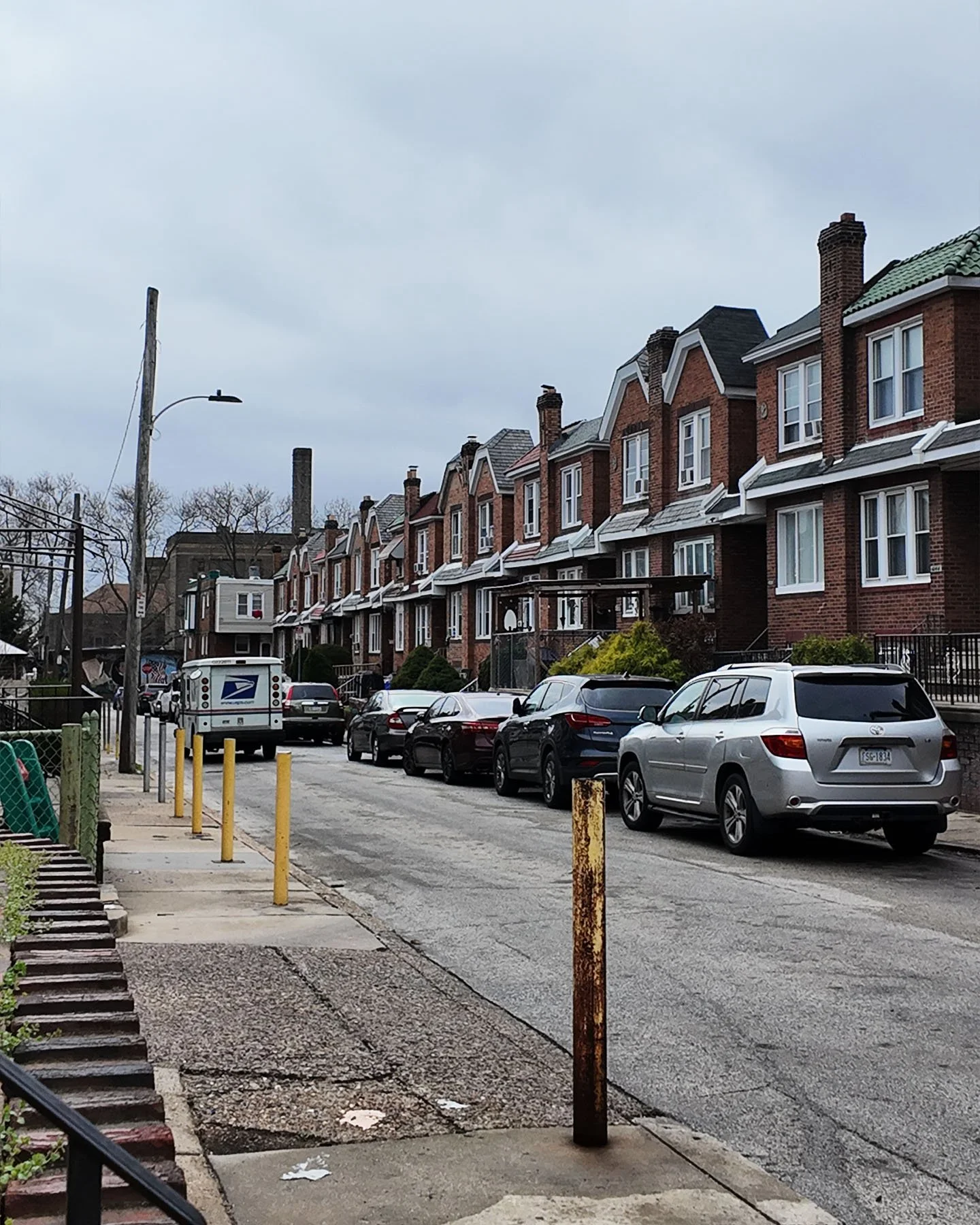
When I did a neighborhood walk through with my five year old, it seemed like it remained a pretty nice house, and only twenty minutes outside of the city.
As it turns out, the neighborhood I grew up in has become pretty cool. Or maybe it was always cool and I just wouldn’t have known. But there are plenty of neat coffee shops in the area, and some international flavors you don’t see everywhere. There were a number of Georgian restaurants and a lot of spots to get khachapuri. We even got dinner afterwards at an Uzbek restaurant.

When my grandma turned eighty, she declared “I am now in my bonus years.”
Her calculation was Biblical. Sort of. Psalm 90 poetically says that the days of our years are threescore years and ten, which tally up to 70, but English was her second language. Also, she had absurdly good genetics, eventually reaching the age of 98. So maybe she was adjusting for inflation.
But what struck me was that concept of living in bonus time.
My oldest kid is the same age I was when my dad passed away. In two years, my twins will also cross that threshold. Thinking of that makes me realize that every moment I get with him from here on out will be an opportunity that my dad didn’t quite get with me.
Parenthood is a busy ordeal, but I want it to be less of a series of things I must do, and more of a gift I get to wake up to each day.
Lately, the membrane between life and death has felt thinner than normal, perhaps thanks to Easter and several dramatic health episodes among people in my orbit. But I don’t ever want to lose sight of the fact that I’m living in the years of fatherhood that my dad didn’t get. In the years of adulthood a dearly missed friend didn’t get. In a decade that my grandma didn’t get.
It’s a gift to be here. A really big gift.
Ferry to Estonia

Hands down the easiest and most enjoyable time I’ve had going from one country to another: the ferry between Finland and Estonia.
Valencia, España

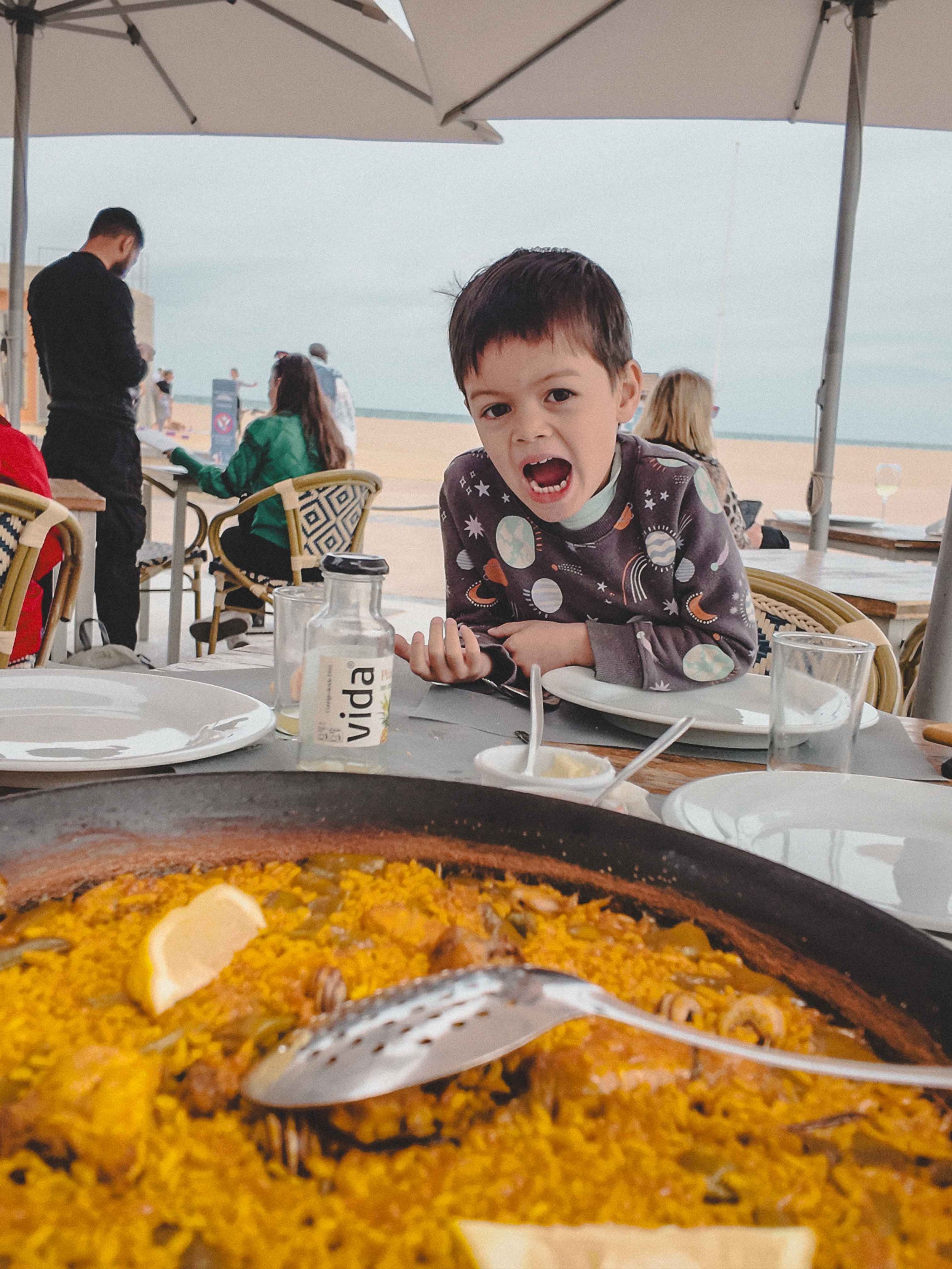
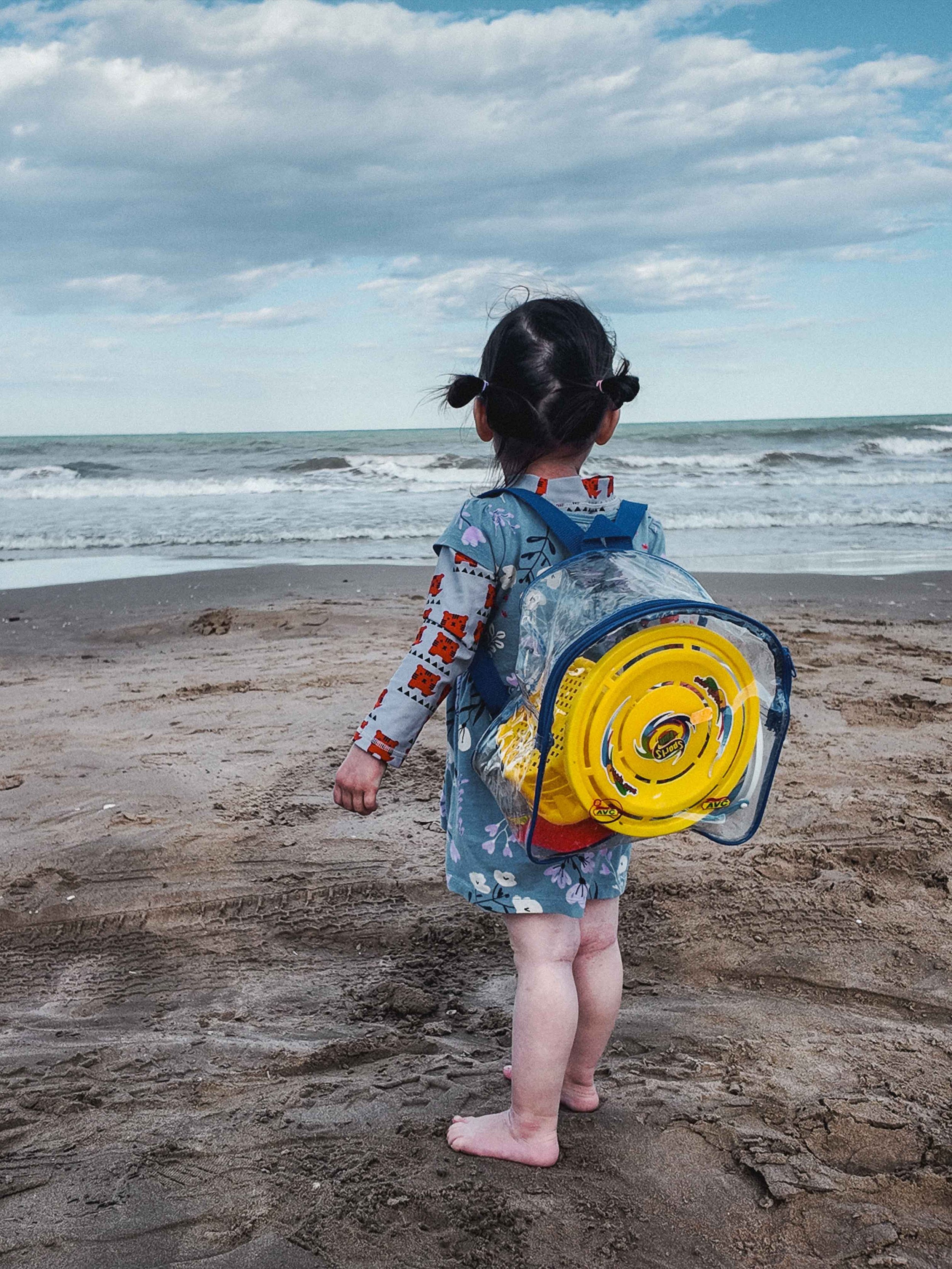
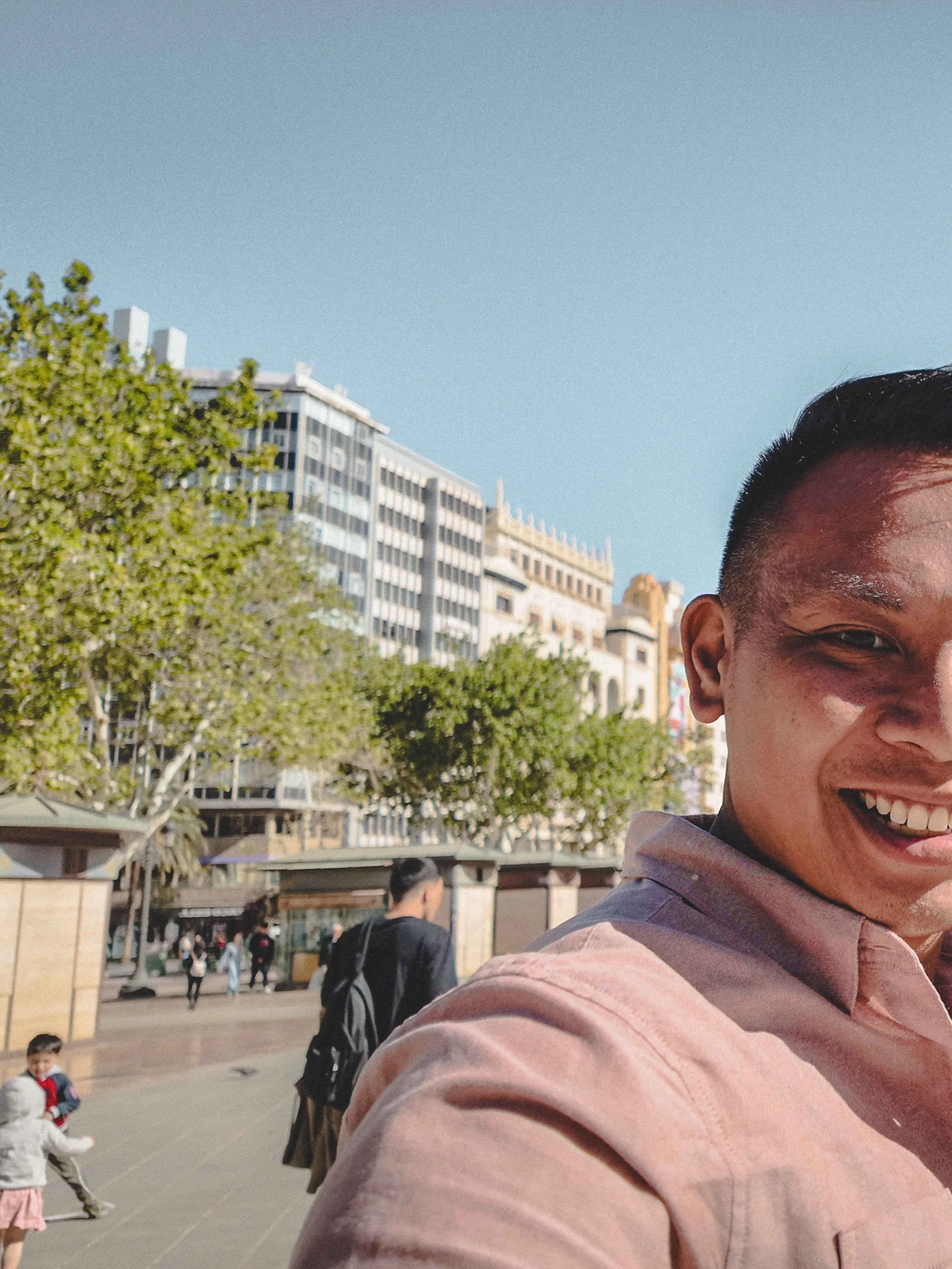
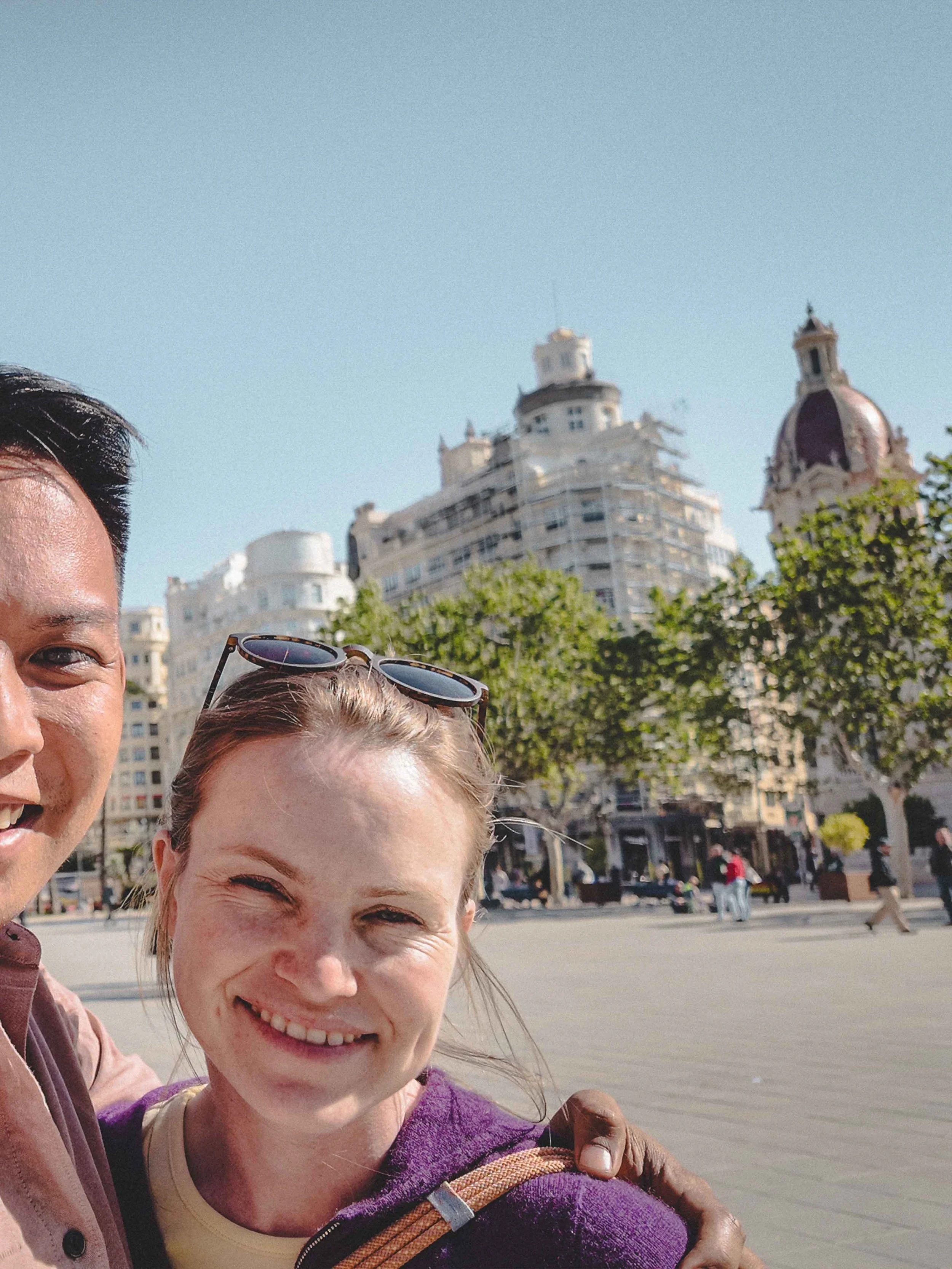
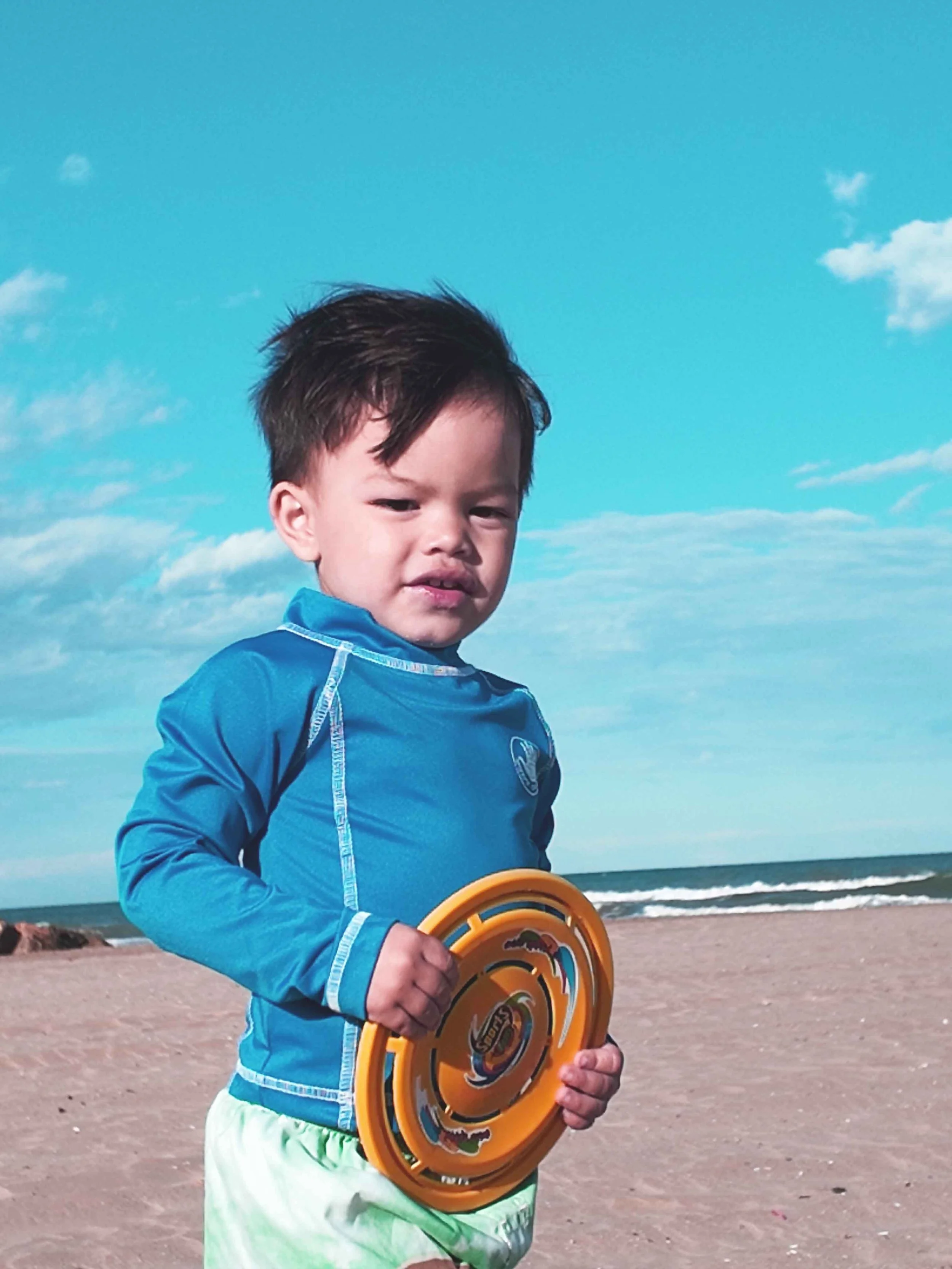


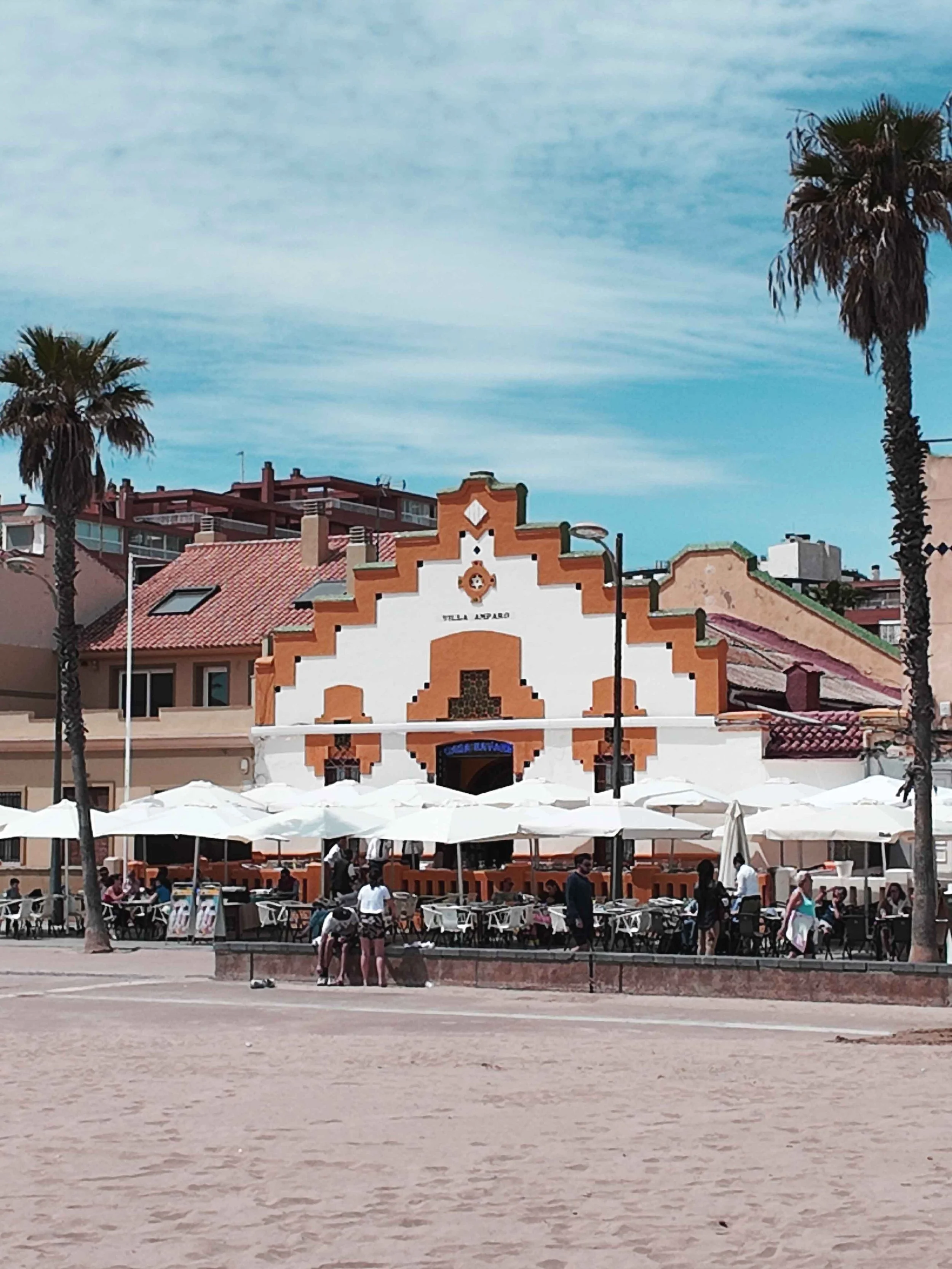
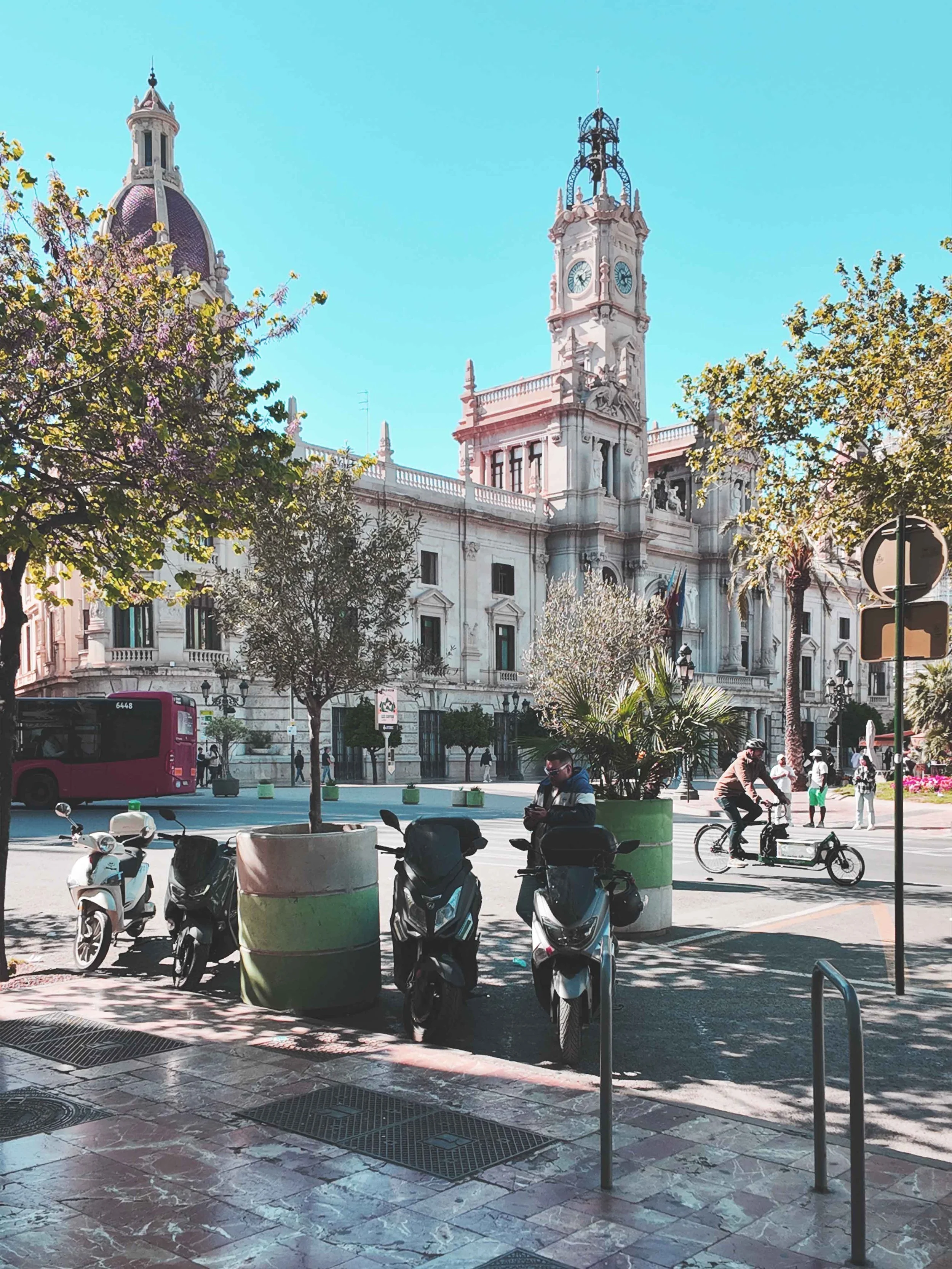
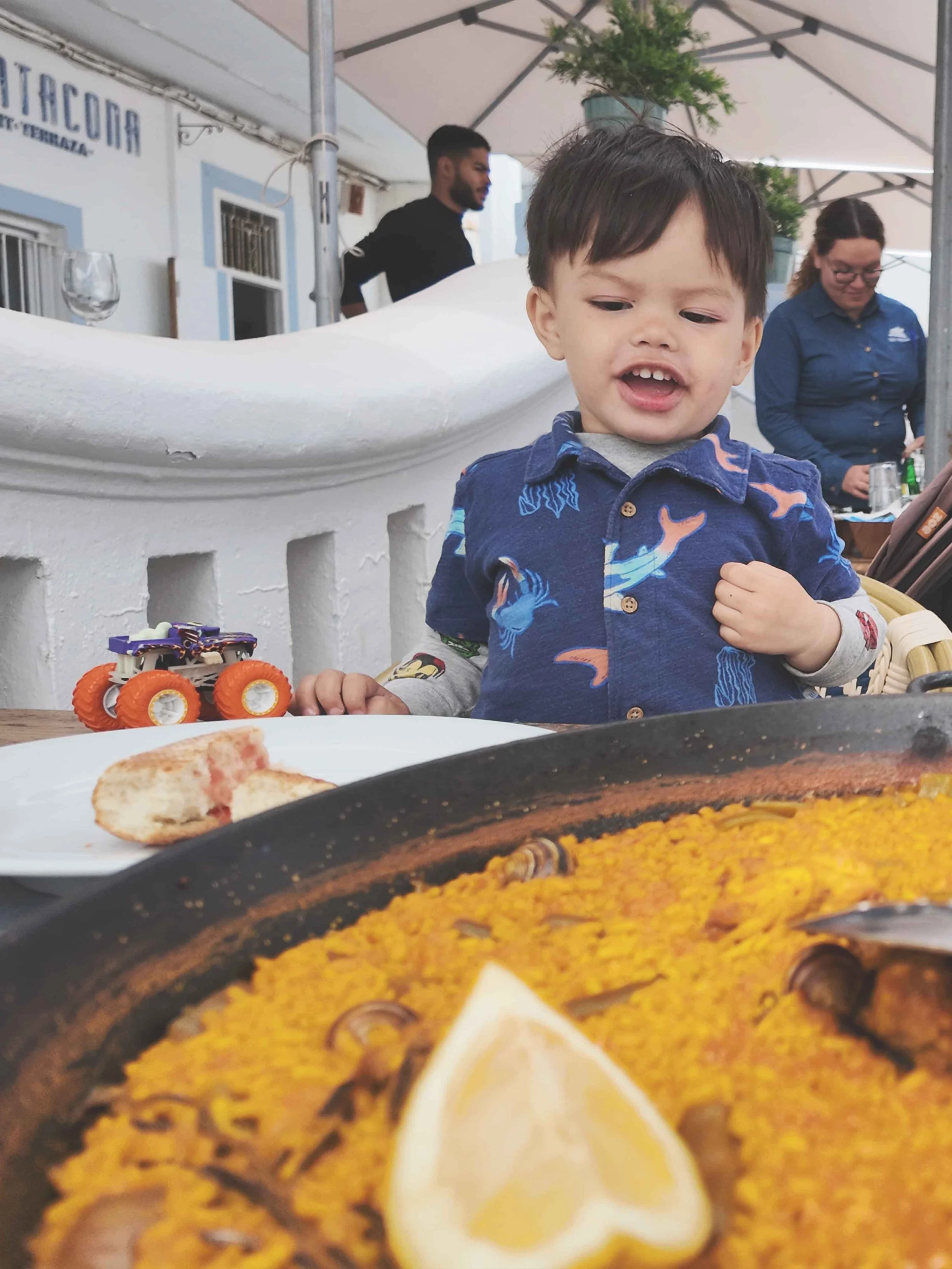
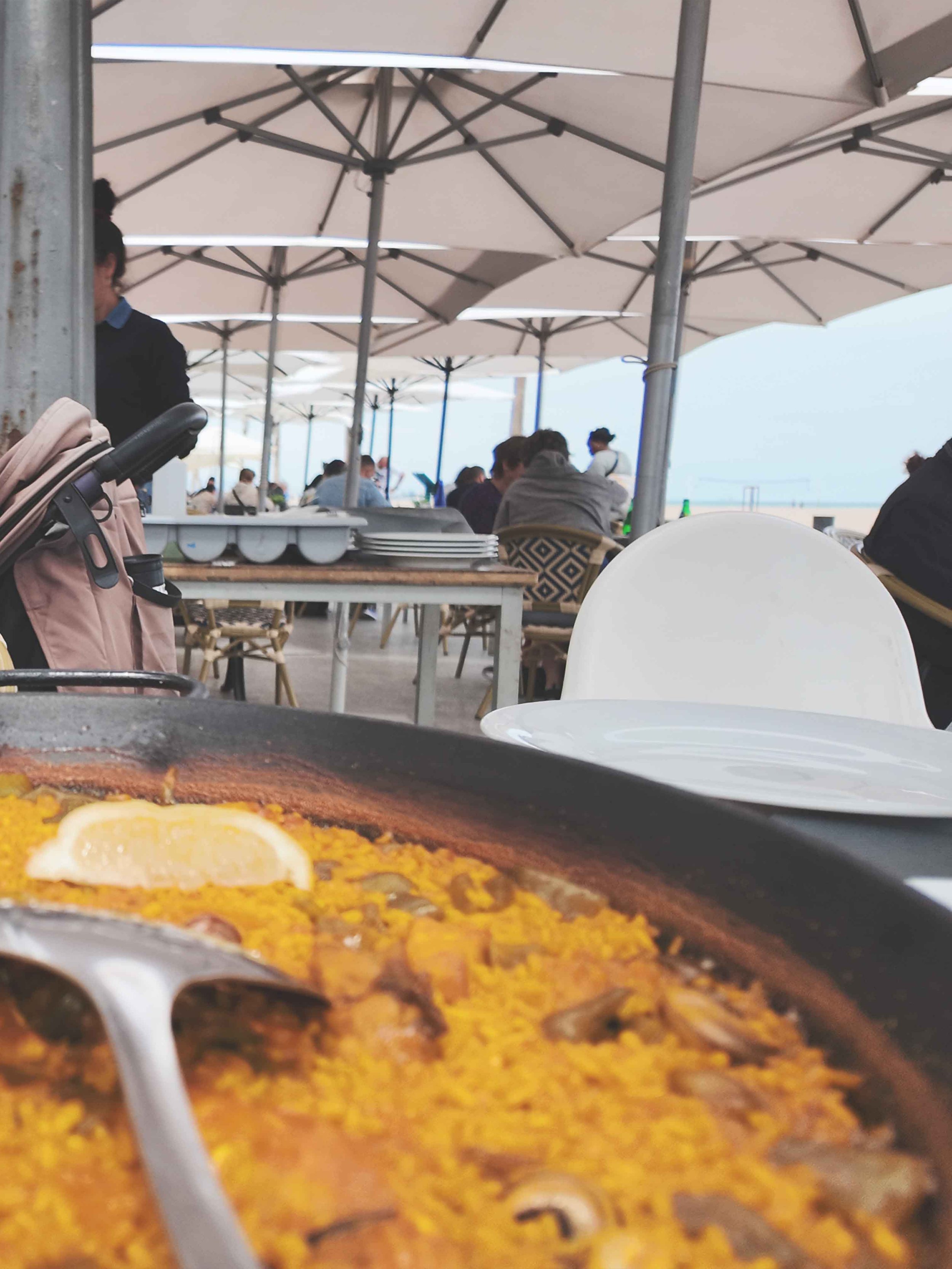
This is what it looks like when Valencia becomes one of the best places you’ve ever brought the whole family.
🥘
The most chill beaches. My three year old had his first animal protein on this trip… snail
MF Doom

An older piece but still one of my favorites… MF Doom. Doomsday forever.
Sonny Rollins

Sonny Rollins, the greatest living improviser. He’s played with Coltrane, Miles Davis, and Charlie Parker and at 94 years old, we shouldn’t take for granted the fact that we still have a living link to that special era of jazz. So glad I got to see him play way back in 2008.
Valencia just might be my favorite city in Spain

I got to spend a week in Valencia with my family and I don't think I could've picked a better spot for that particular trip. Here's what I loved about the city.
One Point Five
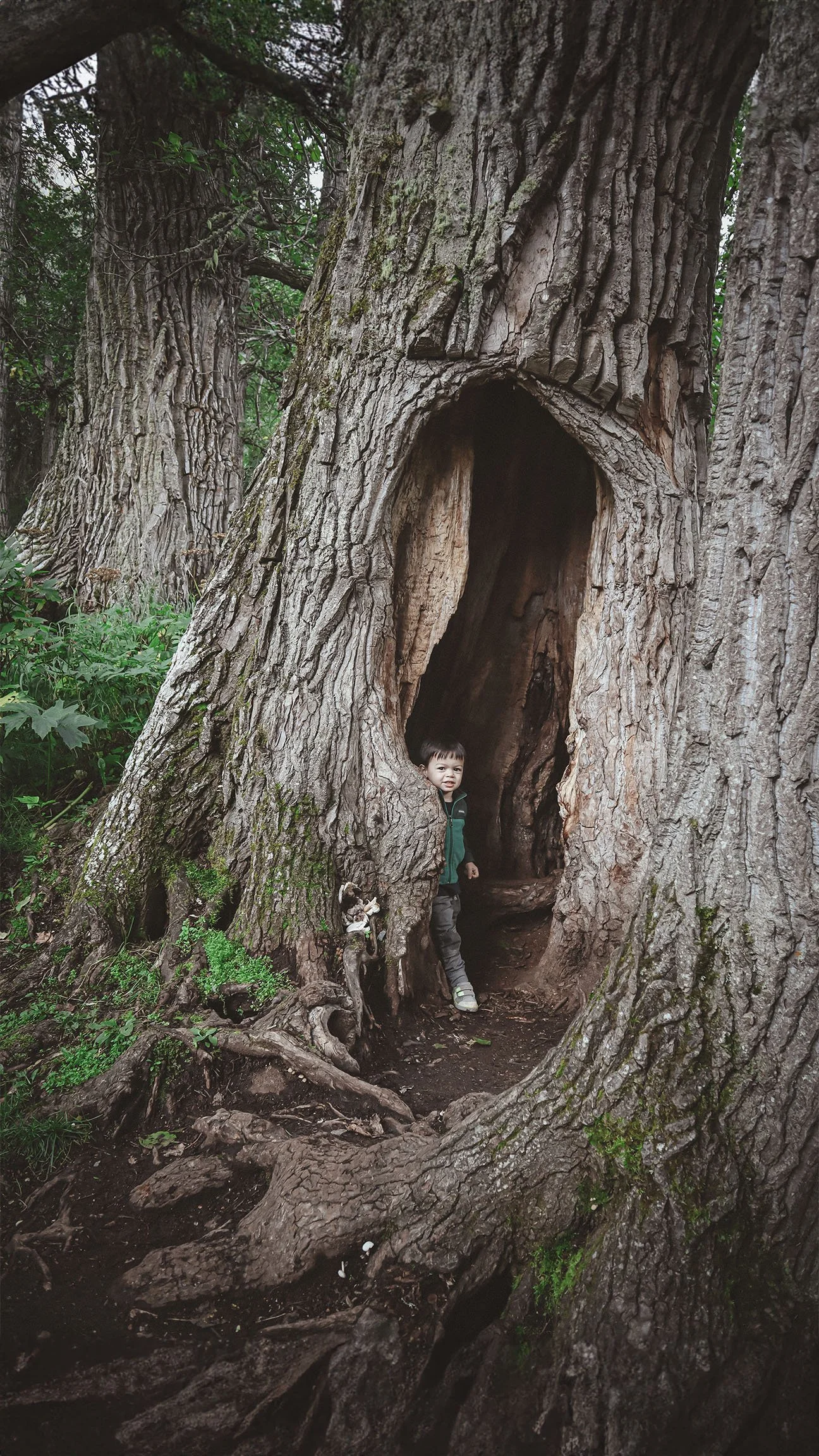
Happy Earth Day! Timely reminder that there’s always another bit of creation to look out for, and that as tempting as despair might be sometimes we’re called to resist that.
Amoris Laetitia

“Young love needs to keep dancing towards the future with immense hope… Love needs time and space; everything else is secondary.”
–Pope Francis, Amoris Laetitia
I will always wonder if in 2011, when I was living briefly in Argentina, and Jorge Bergoglio was the Cardinal of Buenos Aires known for humbly taking public transit, we might’ve been squished together in the same subte ride.
I will miss the clarity with which he spoke out against treating people and planet as disposable: “We treat affective relationships the way we treat material objects and the environment: everything is disposable; everyone uses and throws away, takes and breaks, exploits and squeezes to the last drop. Then, goodbye.”
His Laudato Si encyclical and Amoris Laetitia exhortation were both very influential writings on me. Whether it’s your family or the entire planet, macro or micro, we belong to each other.
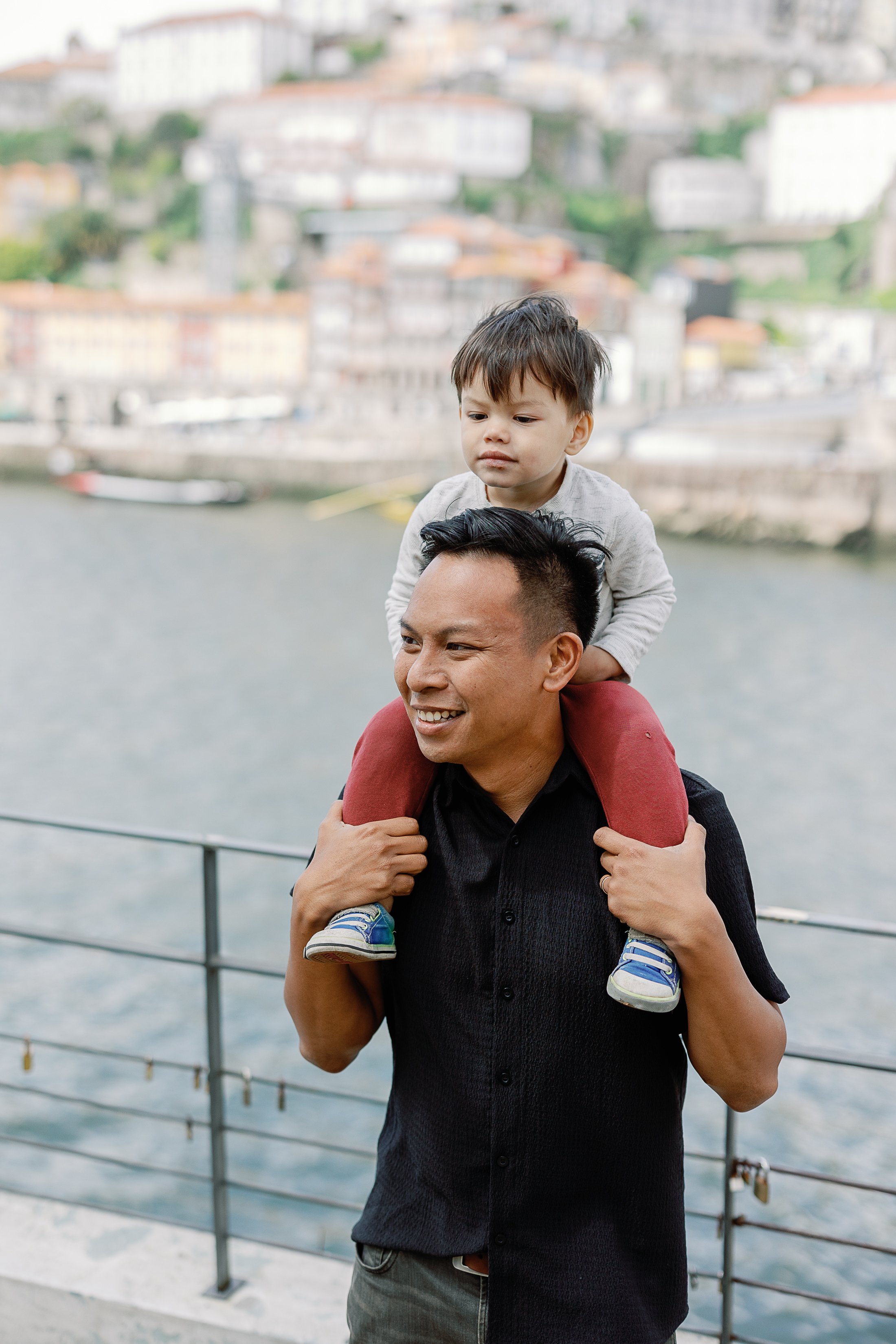
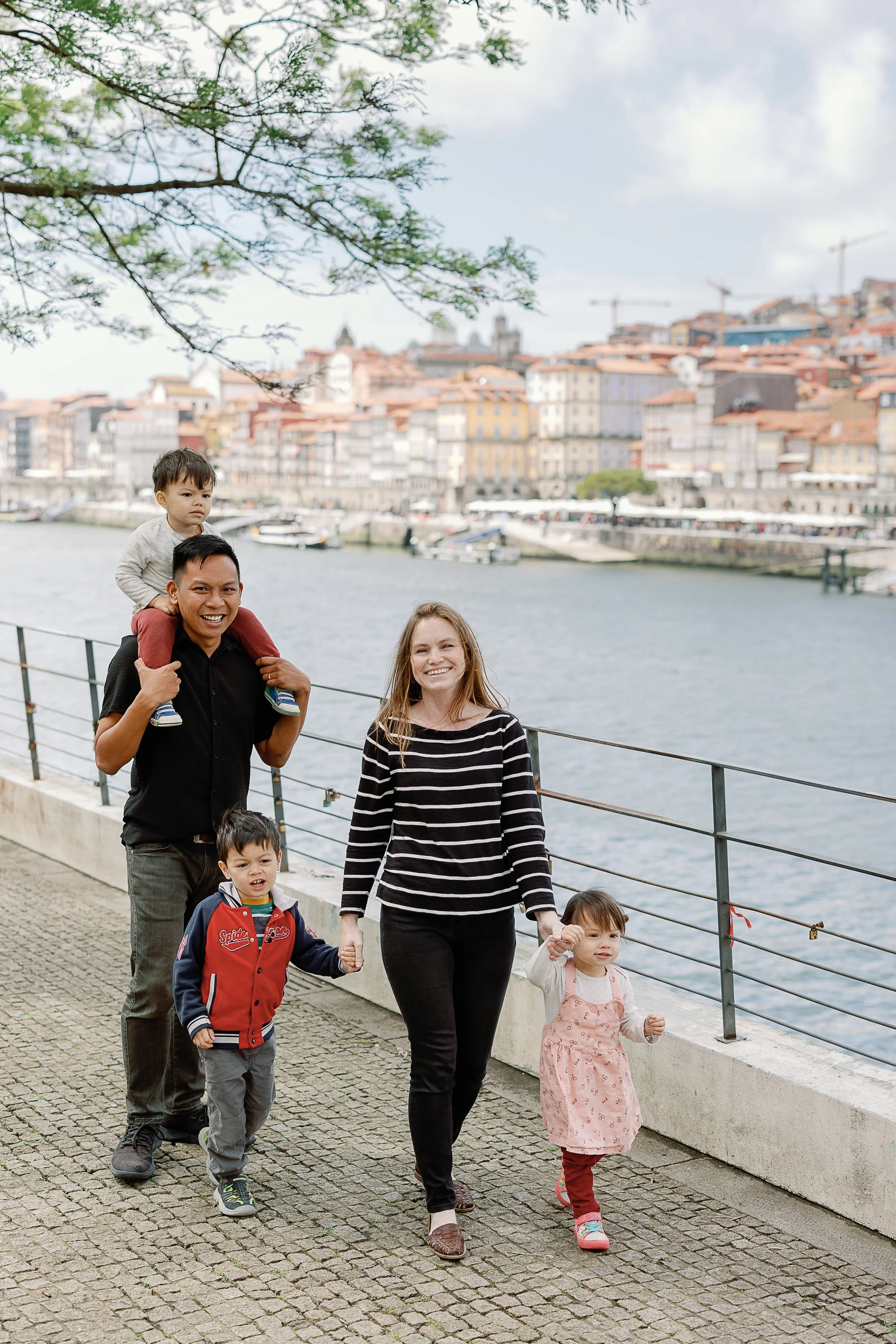
Maria Ressa and a Persisting Belief in People
We’re pretty much halfway through the decade, and it’s been a tumultuous one to say the least.
Our social isolation never seemed to end. It’s really, really hard not to live in a bubble. I know I have my own echo chambers, and that they’re partially self-inflicted. With isolation comes distrust.

I’ll be honest here. I grew up straddling different cultures. I have the privilege of being well-travelled. And yet, the beliefs and behaviors of many people in my country and around the world make no sense to me.
I can understand fragments of it. The failure of the status quo and the desire to tear down all systems and to start over. The fear of being rejected for saying the wrong thing. The anxiety around the cost of living and all that. I look at how the median income in the US sits below 40,000 and I’m far less surprised that people are upset.
If this were simply a scenario of a few megalomaniacs abusing an excess of power, that’s one thing. It’s something the world has seen over and over. The part that’s been more disheartening is how much of that has happened because it’s what the people wanted. At scale, at critical mass, it seems like people have opted for cruelty.
You can have the exact opposite opinions from me on nearly every issue and still feel this way. When you believe you’re on the side of justice, you have to contend with the fact that about half the people you encounter might as well be chanting, “yay, injustice!” The cultural divide in the country almost always sits at 51-49%, and when it teeters the other way, it feels like the steering wheel is being jerked.

Back when Twitter was Twitter, the most exciting follower I managed to pick up was Maria Ressa, the Nobel Peace Prize winner in 2021 from the Philippines.
I celebrated her award with a portrait, and gained a Nobel Prize winning follower as a result. Pretty cool, huh? Since I’ve long abandoned that platform, I need to brag about that somewhere!
Maria Ressa is pretty familiar with authoritarian rule. The Philippines’ past president was just arrested by the International Criminal Court for extrajudicial killings and the current head of state is the son of their dictator from the 1980’s. His literal junior.
Among travelers, the Philippines is often lauded as the most warm, welcoming, friendly places you could ever visit. It just doesn’t seem too reflected in recent leadership tastes.
Ressa’s work has also included coverage of the Suharto regime in Indonesia, another dictator. She’s closely covered ethnic violence in West Kalimantan, religious violence in Ambon, and the devolution of social media in the 2010s.
The places where she covered violence were often full of people who always seemed kind and humane as individuals, but she noticed how that quickly eroded with groupthink. In her words: “that was always the answer when violence broke out. The force of the mob destroyed individual control, giving people the freedom to be their worst selves. What I was seeing in Indonesia was something I had seen in the Philippines and someday would see in countries around the world.”
In her observation, people seemed to transform in a group setting, usually for the worst. I’ll bet there are helpful evolutionary reasons why we’re like this, but like the notorious Milgram Prison Experiment found, a role and an outside authority often gives people permission to be their worst selves.
“Those experiments would come to my mind again later in the context of social media: how easy it is to rile up a mob against a target.”

Several years ago, a friend and I were taking a minibus to go from Johannesburg to eSwatini, or as it was called at the time, Swaziland.
I was putting my friend in touch with a child care project there, following the verbal directions of another friend. These verbal directions included steps like, “Go to the yellow gas station. From there, find the dirt road and keep going up.”
Where we were going, things were apparently simple enough where everyone would know what that was.
We arrived in the main city of Mbabane late at night, however. Bopping around in search of “the dirt road” didn’t seem like the best idea.
That’s when a fellow passenger from the minibus told us she lived in town and invited us to spend the night.
Daisy lived in a rather comfortable home. I stayed in what had been her son’s room before he moved away. She prepared us tea and made us dinner and told us all about the places she wanted to travel to. Ethiopia was at the top of her list. The coffee, she explained.
To my friend and I, the idea of inviting two foreign strangers from the bus who clearly didn’t know what they were doing to spend the night seemed like such a big and unusual act of generosity. For Daisy, it seemed like a pretty natural conclusion upon seeing people in need.
This is just one of dozens, perhaps even hundreds of stories I’ve accumulated of being on the receiving end of generosity, particularly while traveling and in some sort of vulnerable state. I’ve experienced this sort of thing too often, too many times, and too consistently to not have some sort of persistent belief in people.
I do believe there’s some sort of human instinct to help. I’ve seen it called into action. I guess I’ve just also come to believe that what we’re capable of, for both good and bad, is pretty damn elastic.

Groupthink is pretty wild.
There’s some pretty fascinating, occasionally scary, and psychologically complex stuff going on when it comes to groupthink and the mob mentality. Because humans are social creatures, and because our survival was linked to our connections and social skills, our sense of belonging takes precedence over many other things.
And this isn’t all bad. This is the same science behind why certain moments in sports can feel so transcendent, or why a choir of blended voices can feel completely magical. It’s unfortunately also led to internment, genocide, and other large scale atrocities.
What is there to do in light of this knowledge? Here are a few approaches I feel more strongly committed to:
• Refusing to deal with people in the abstract – Using a person’s group-status as a shorthand for who they are is so common. In a lot of my marketing work, it’s common to “build a persona of a Gen-Z audience member,” and so on. And that has a time and place. But in the wrong context, you risk creating an us-versus-them dynamic and turning those you disagree with into caricatures. This is ultimately unhelpful when it comes to building a better world.
• Recognizing the ways in which people are products of their environments – If a few circumstances around my birth and upbringing were different, I might not hold many of the beliefs I hold dear, and the same can be said of anyone! If this is a helpful perspective in keeping you from vilifying someone, use it!
• Being a pattern breaker – In an era of division and echo chambers, it can be easy for many people to be cloistered or private about their opinions. And I know safety will vary from person to person, but overall this creates a world where the only people who vocalize opinions on certain topics represent more extreme views and louder voices. You never know when you’ll force someone to reckon with the fact they’ve been told people who think like you are evil… but you actually seem pretty normal.

I had a friend with an absolute gift for seeing the best in people.
A few years ago we tragically lost her in a car wreck, but one of the attributes that I remember best is her knack for treating each person like the most aspirational version of themselves. I’m pretty sure that her decision to treat each person like they were the fully realized version of who they could be made each person she interacted with better. It was the gentlest but strongest form of accountability.
As I’m writing this, I also realize it isn’t a far cry from a Mr. Brown’s quote in Paddington 2. “Paddington looks for the good in all of us, and somehow he manages to find it.”
Nicholas Christakis and James Fowler proposed the Three Degrees of Influence Rule in 2007. Their discovery showed that everything we do ripples throughout our web of relationships. If someone is feeling a bit of economic anxiety, there’s a greater than 50% chance that their friend is feeling it, a 25% chance that their friend’s friend is feeling it, and a 15% chance that their friend’s friend’s friend is there too.
But this works for more than emotions. Behaviors like smoking, conditions like obesity, and postures like hope could also spread like this. When you take the time to deliberately express one of these emotions or decisions, its likelihood of spreading increases significantly.
I don’t want to make some grand philosophical statement about how humans are ultimately good or our moral defaults. Based on the actions I’ve seen, I’d say we’ve got some range.
But it does helps me to treat others with more love and healing when I remember the good that each person is capable of. And I do believe that if we all approached each other with more generous assumptions, especially those most different than us, our world would actually transform.
The Kids
Honey I Drew The Kids


What Spring Training Was Like
As a kid, I always wanted to go to Spring Training but never got the chance. But I have my own kids now, so this year I took Kai off to Arizona.
We saw the fourth string players on four teams that we don’t have any attachment to play a few games that don’t really mean anything… but baseball is still baseball! Got to discover his love for ballpark nachos and enjoy the various stadiums around the Cactus Leauge.
Phillies v Dodgers

Wouldn’t be a proper Philly Spring Break without a night at the ballpark, and with the Dodgers in town for a really good three game series, we’re kinda at the heart of the baseball world.
April 2025
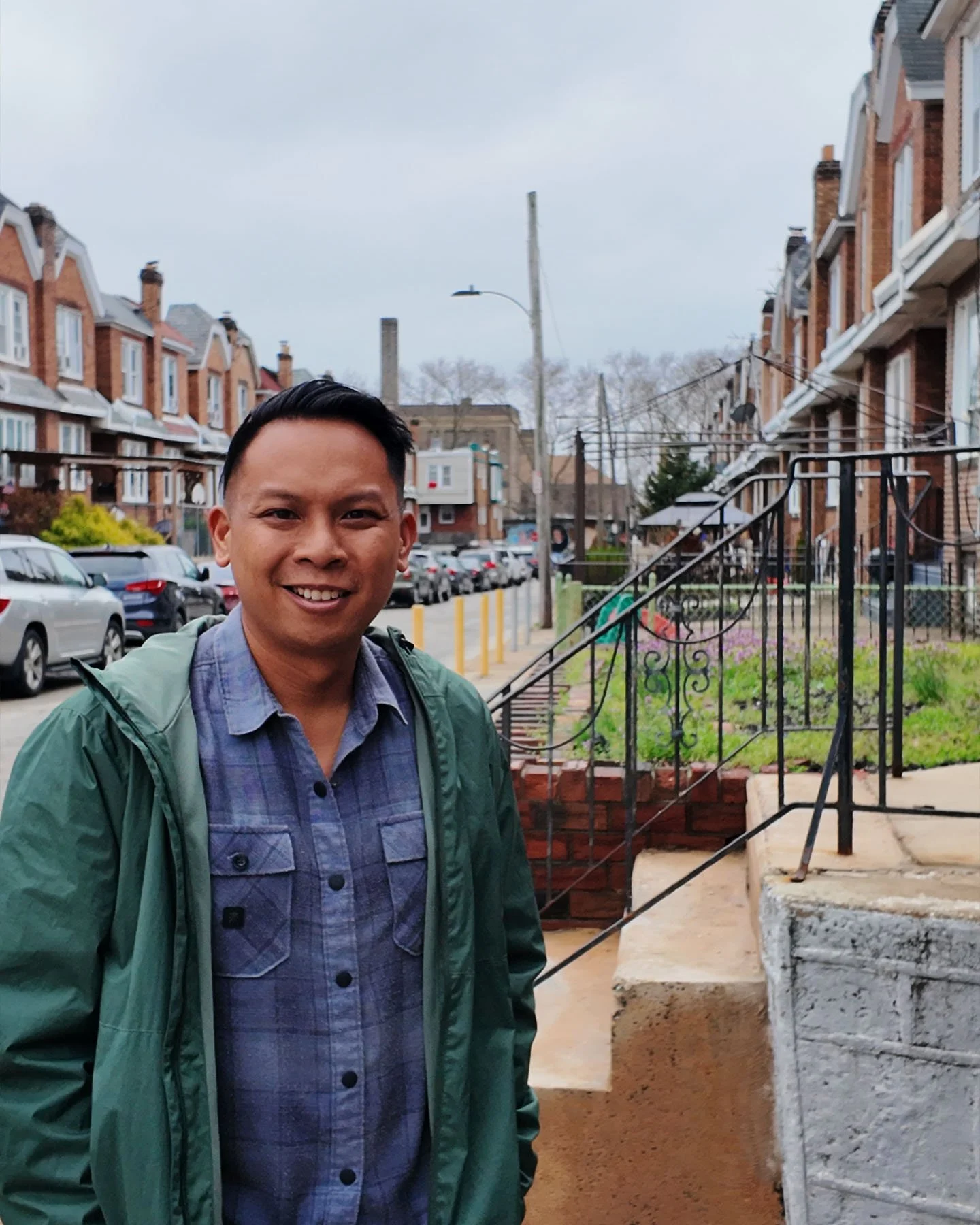
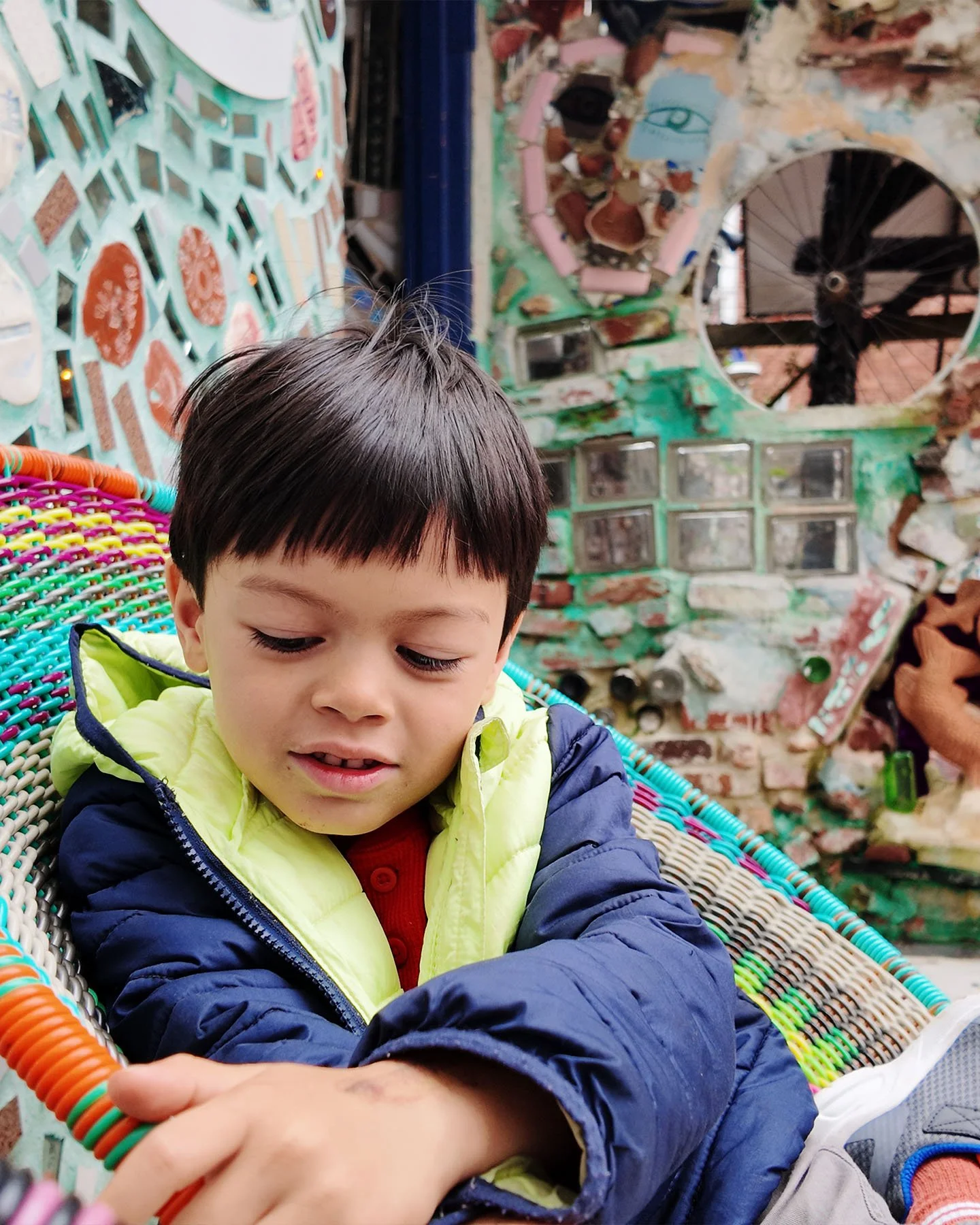
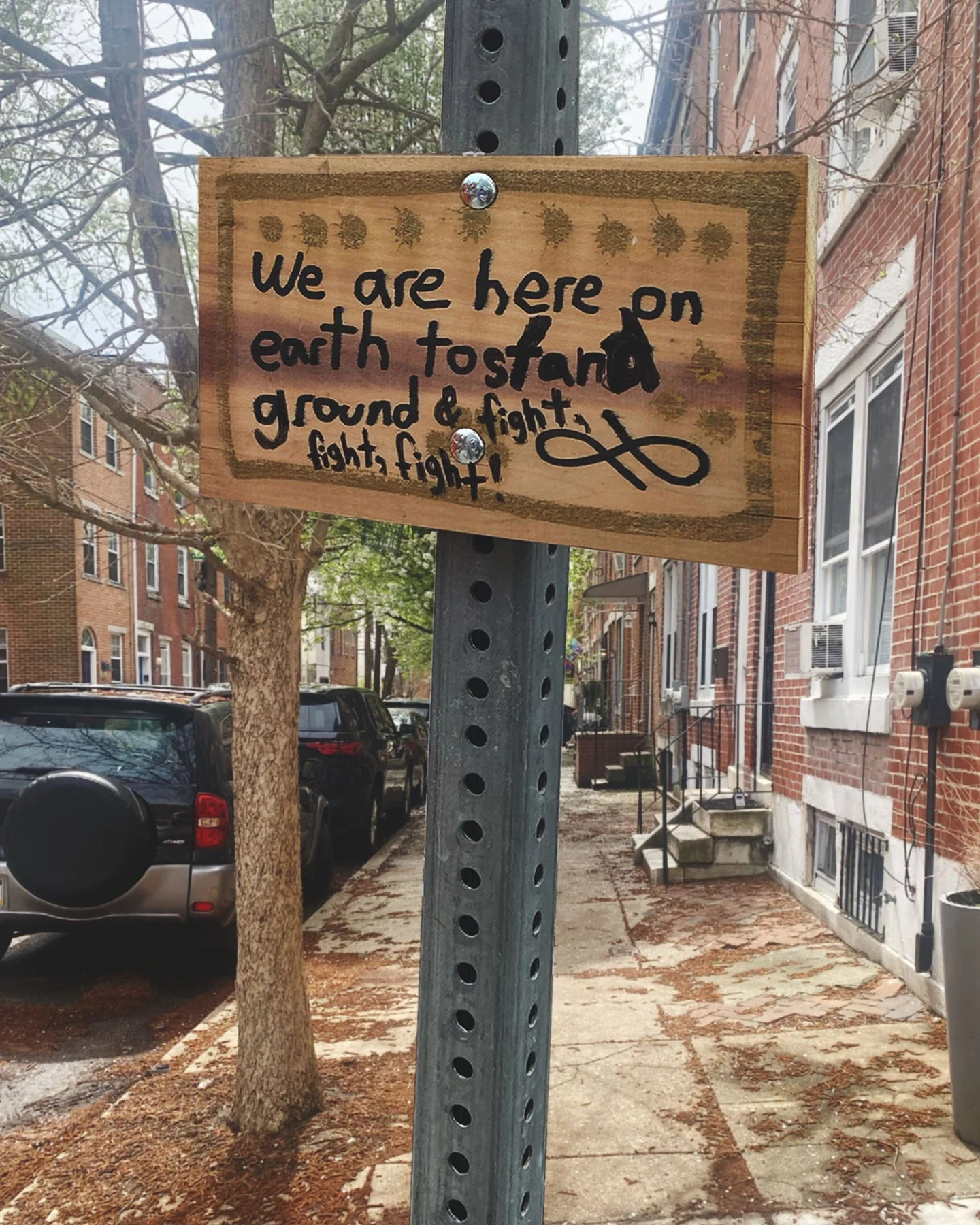
Time for a Philly Spring Break!
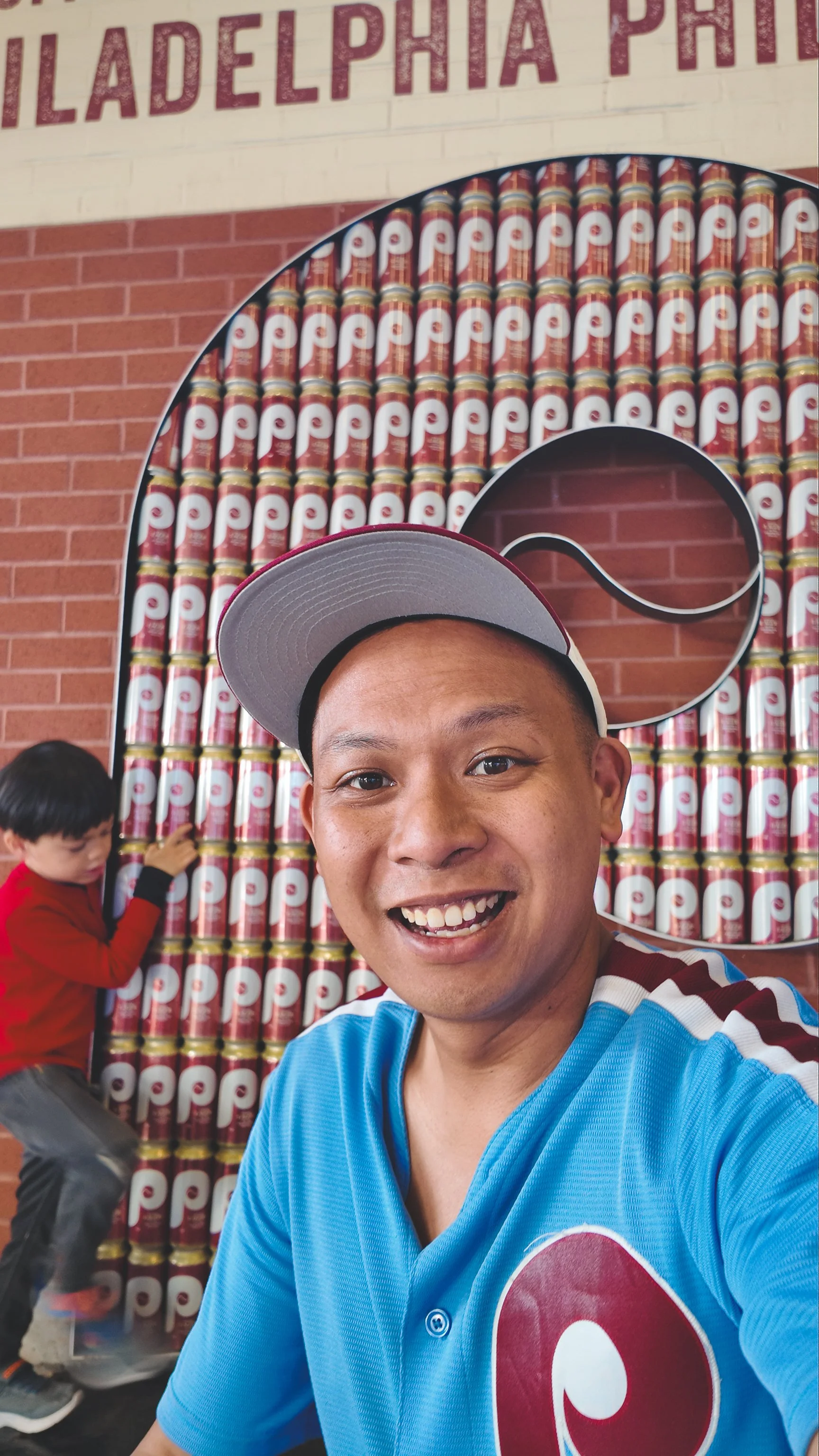

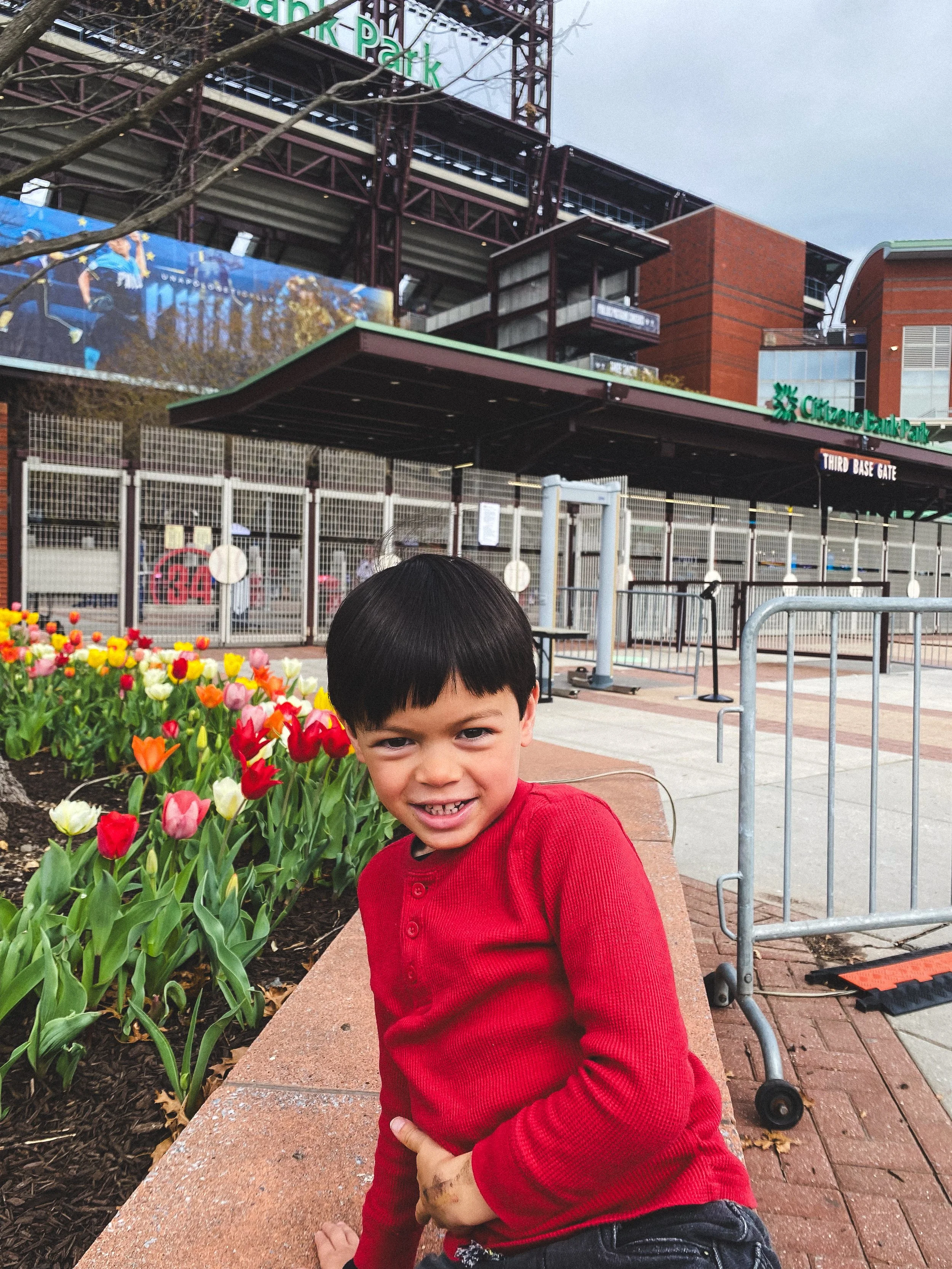
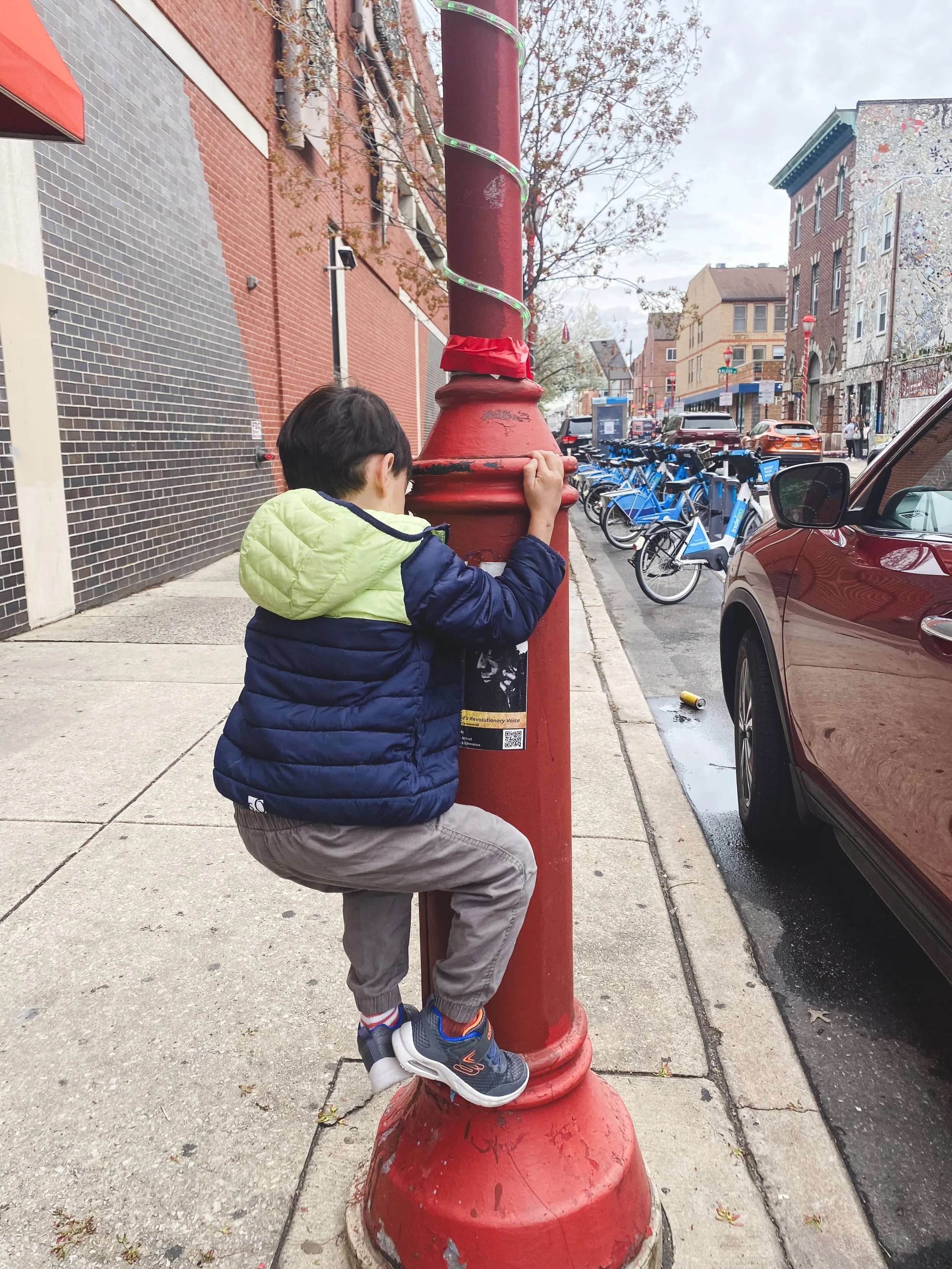
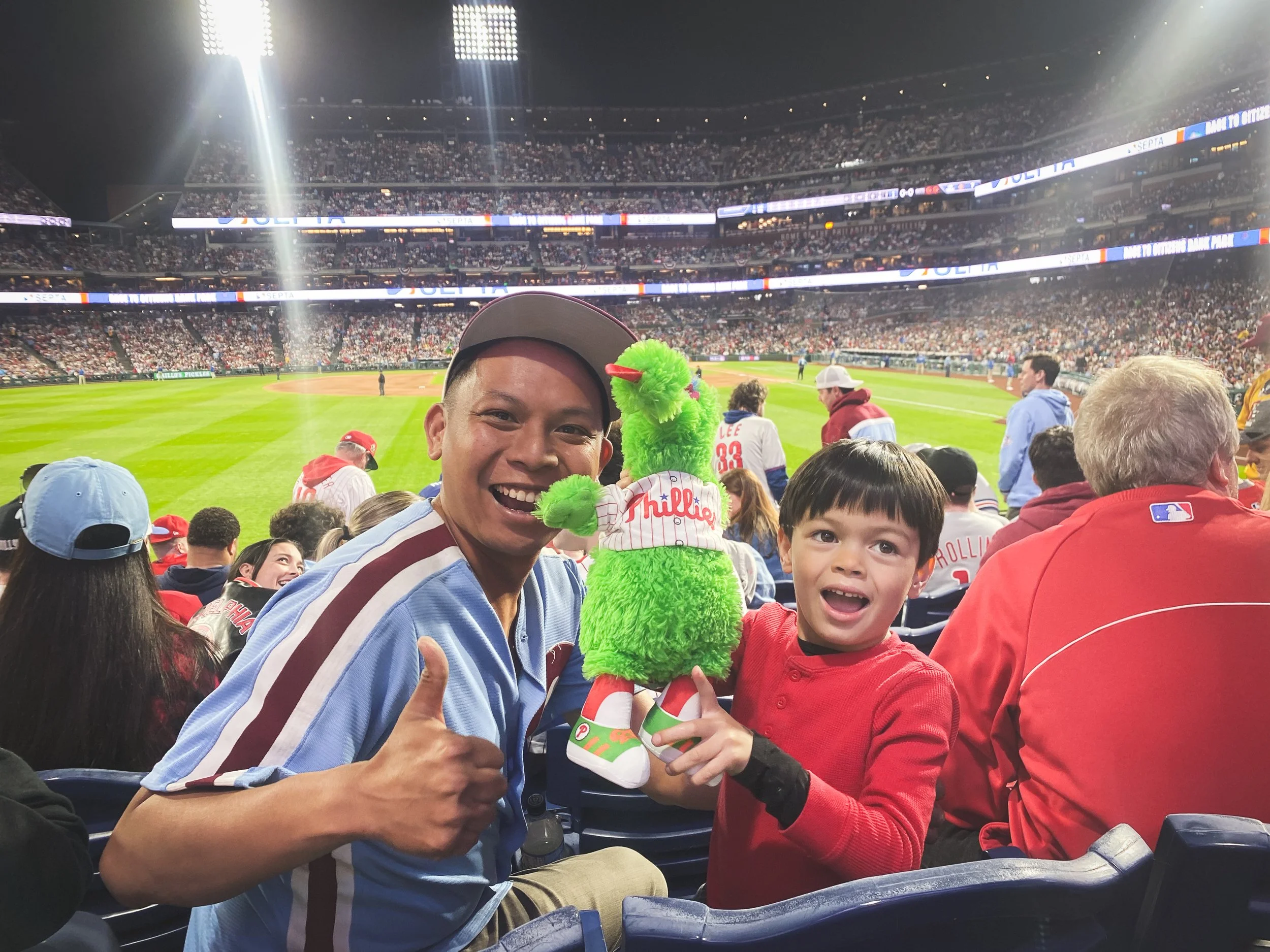
Already looking forward to the next time I get to make it out to CBP for a Phillies game. I don’t know when that’ll be, but I’ve got two other kids to introduce to the Phils in their natural habitat.
I wouldn’t have noticed the ballpark tulip garden if Rhys didn’t wander over there, but good work to whoever’s caring for them!
Also, I love how after the Phillies won, he instinctively took to pole climbing. Not prompted or taught or anything.
Man, I feel like people are being tough on that White Lotus finale.
There were some moments of dialogue that landed weird and some odd character decisions, but the show’s appeal to me is its portrait of humans as really fricken complex. It does that real well.
Still can’t believe this is all from the creative mind of Ned Schneebly.
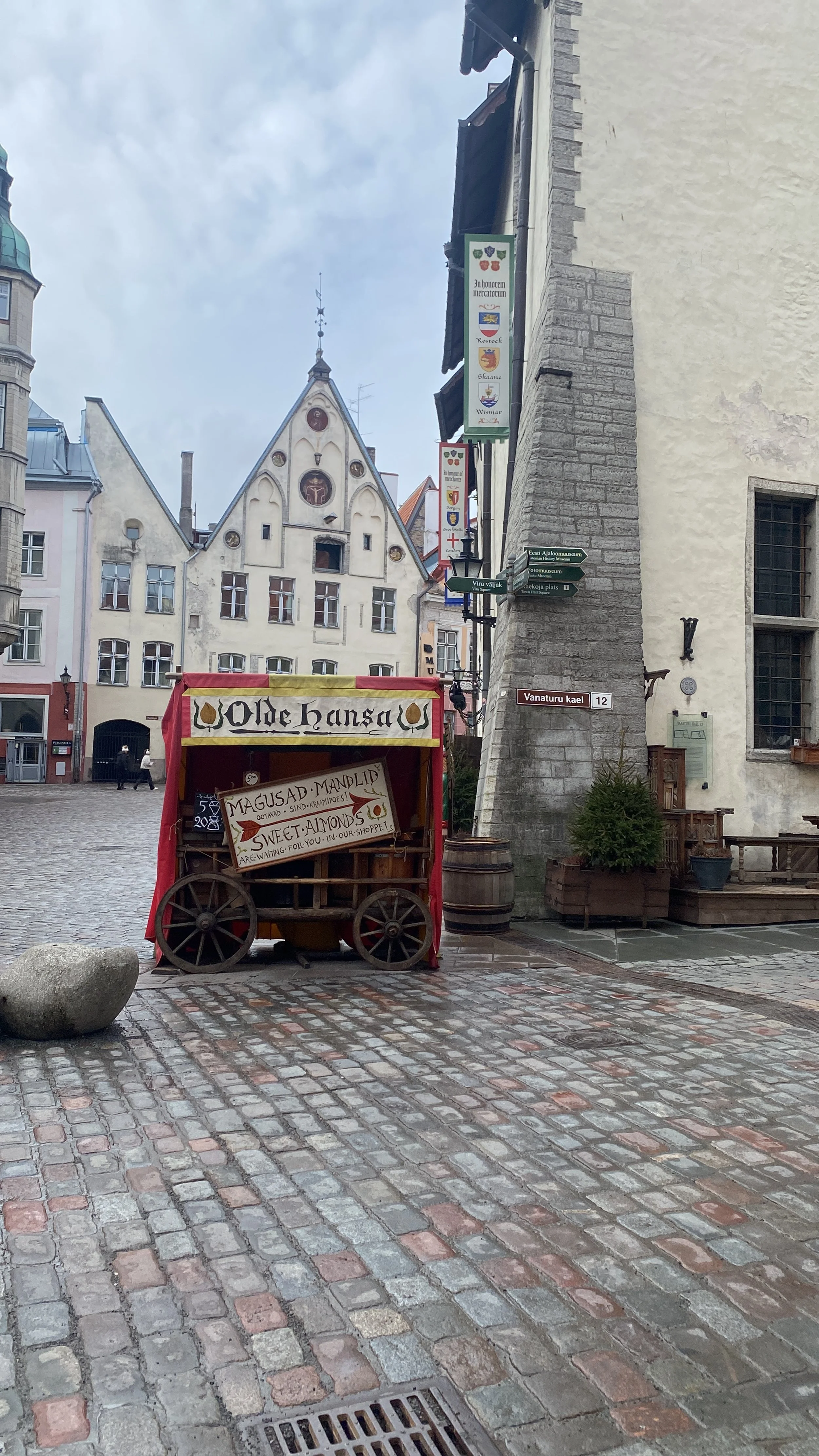
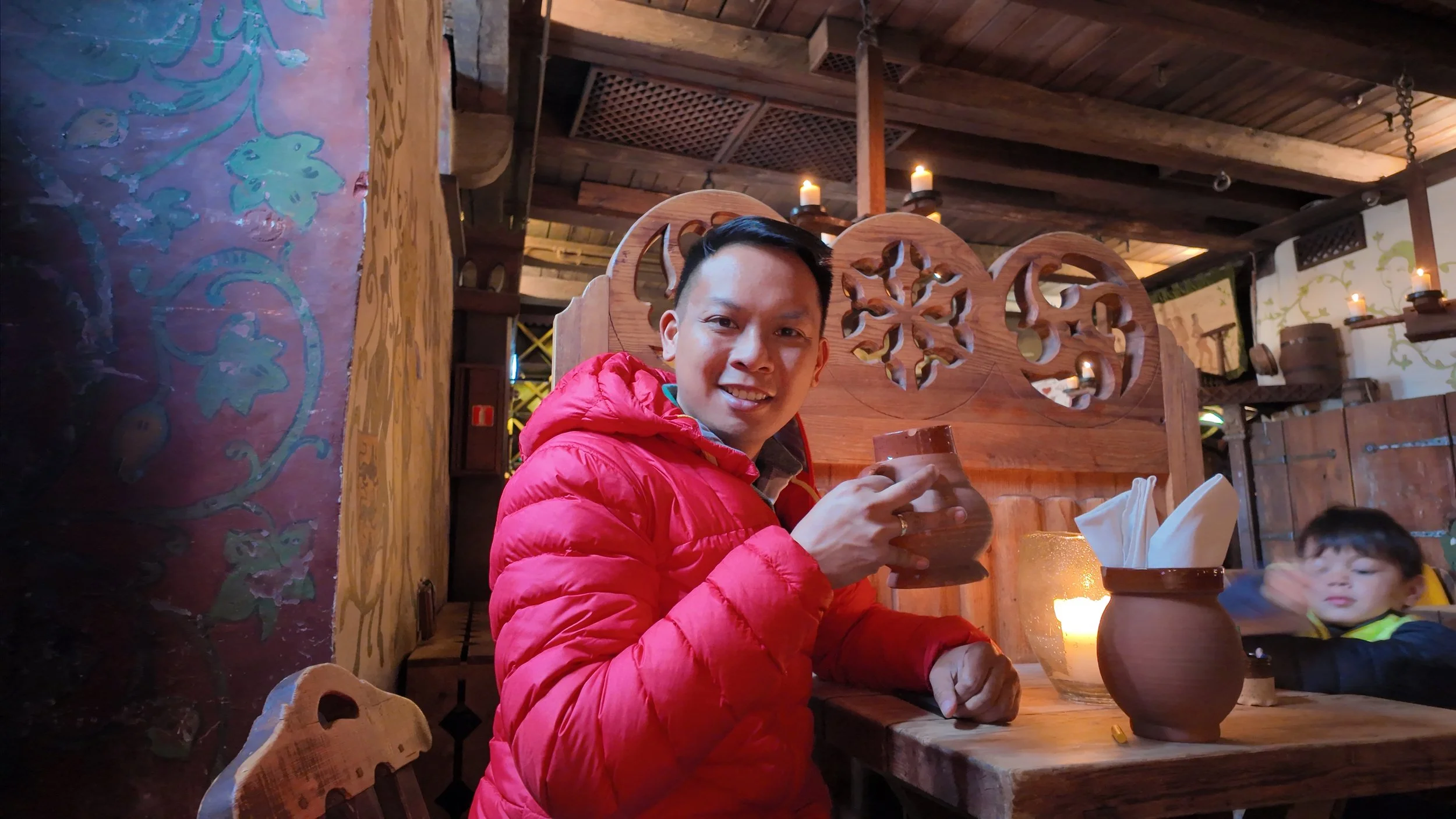
Olde Hansa
One of Estonia’s quirkiest restaurants.
Olde Hansa is a bit of a tourist draw but it’s absolutely fun. The staff and the whole restaurant is totally committed to the bit. And the food is legitimately good.
Try the honey ale!
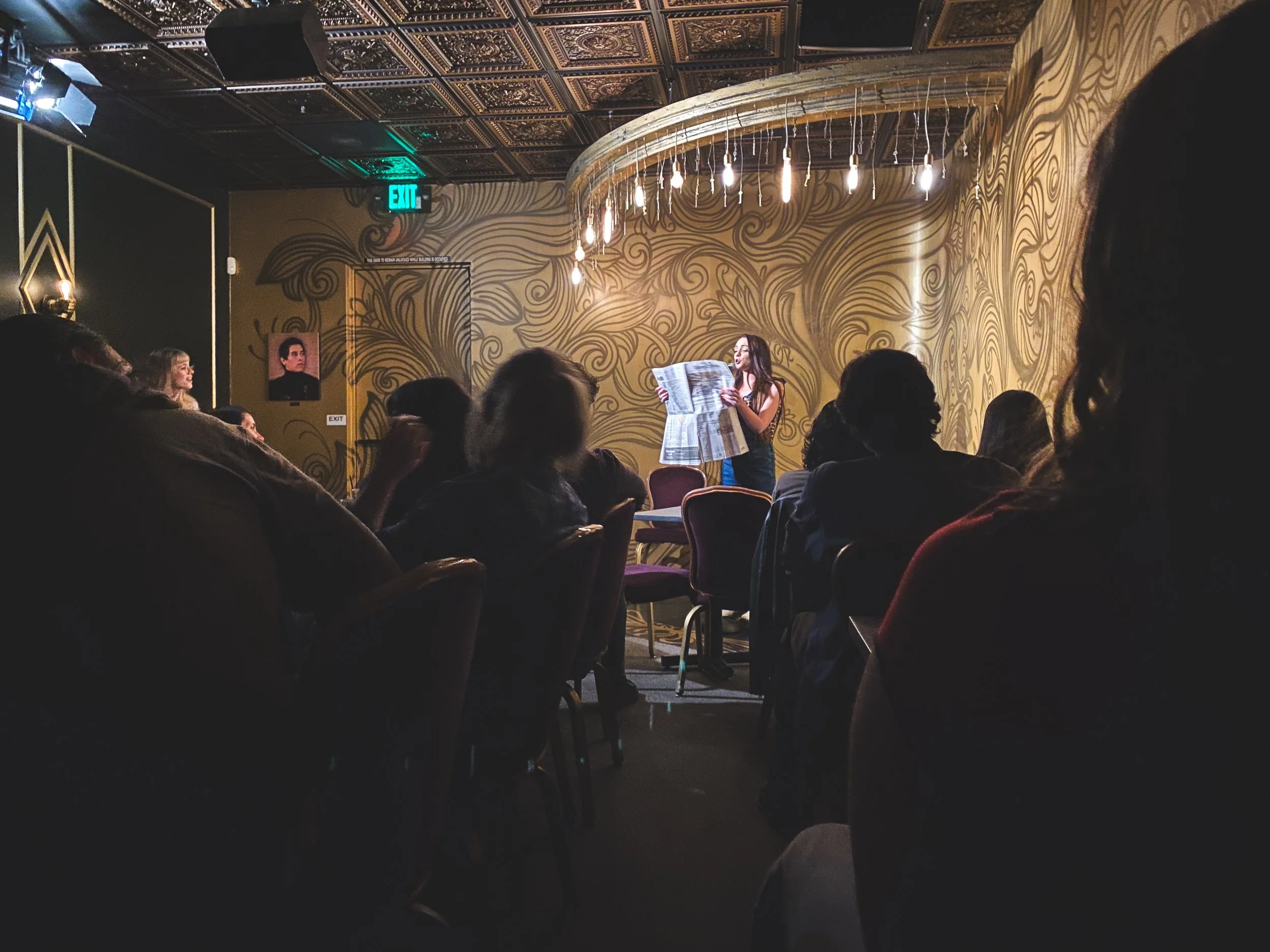
At Maria’s cringe show
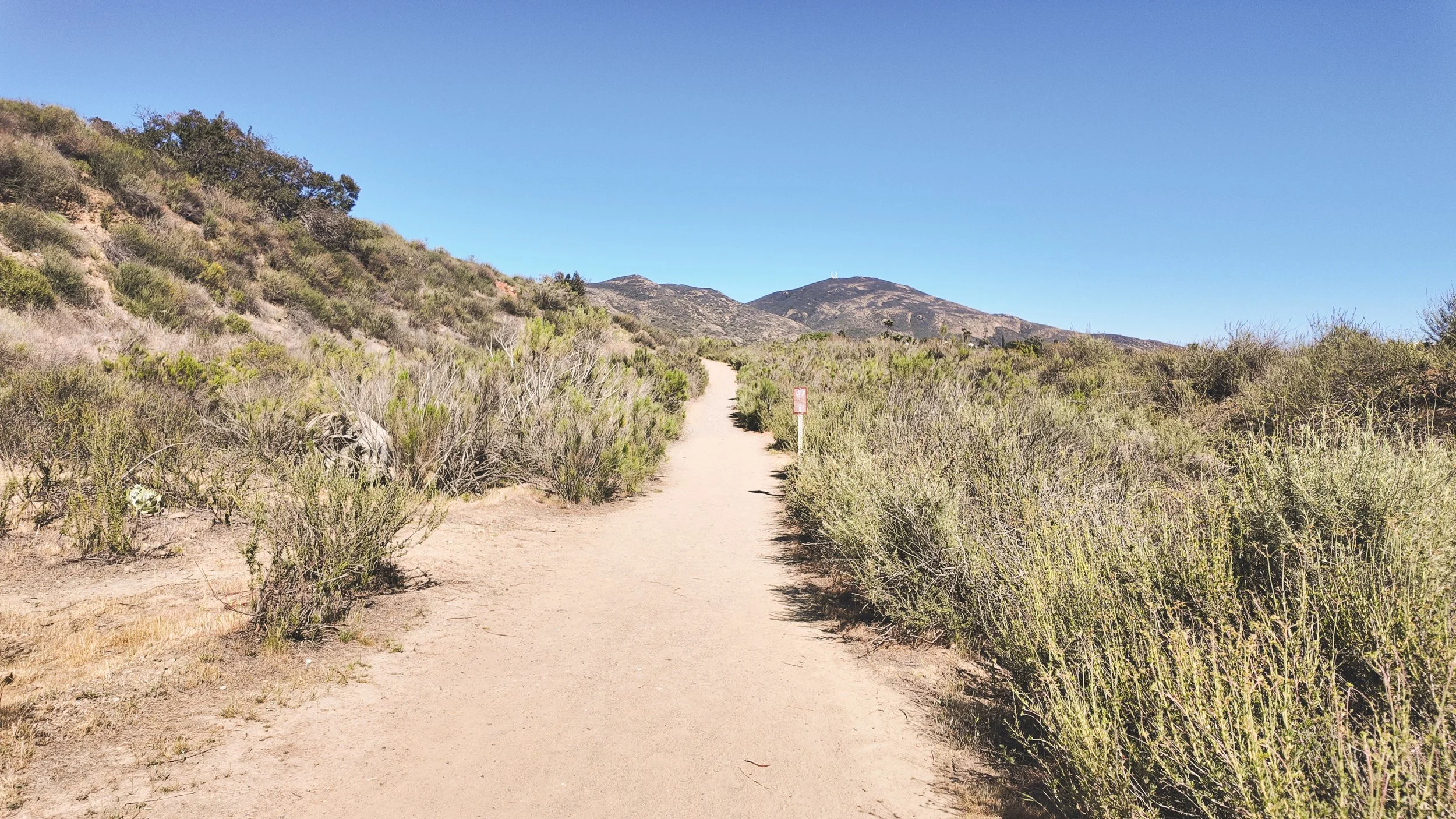
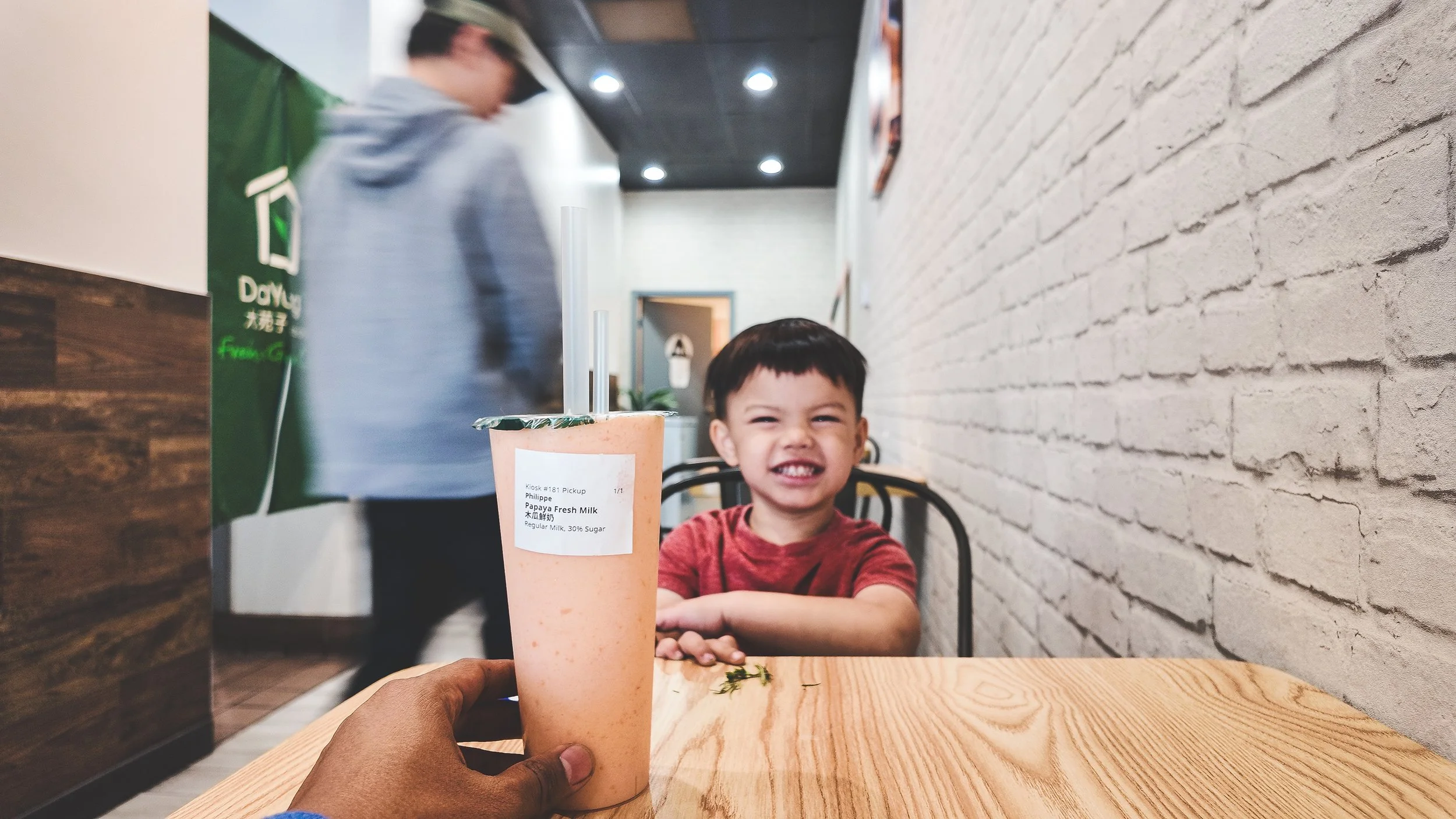
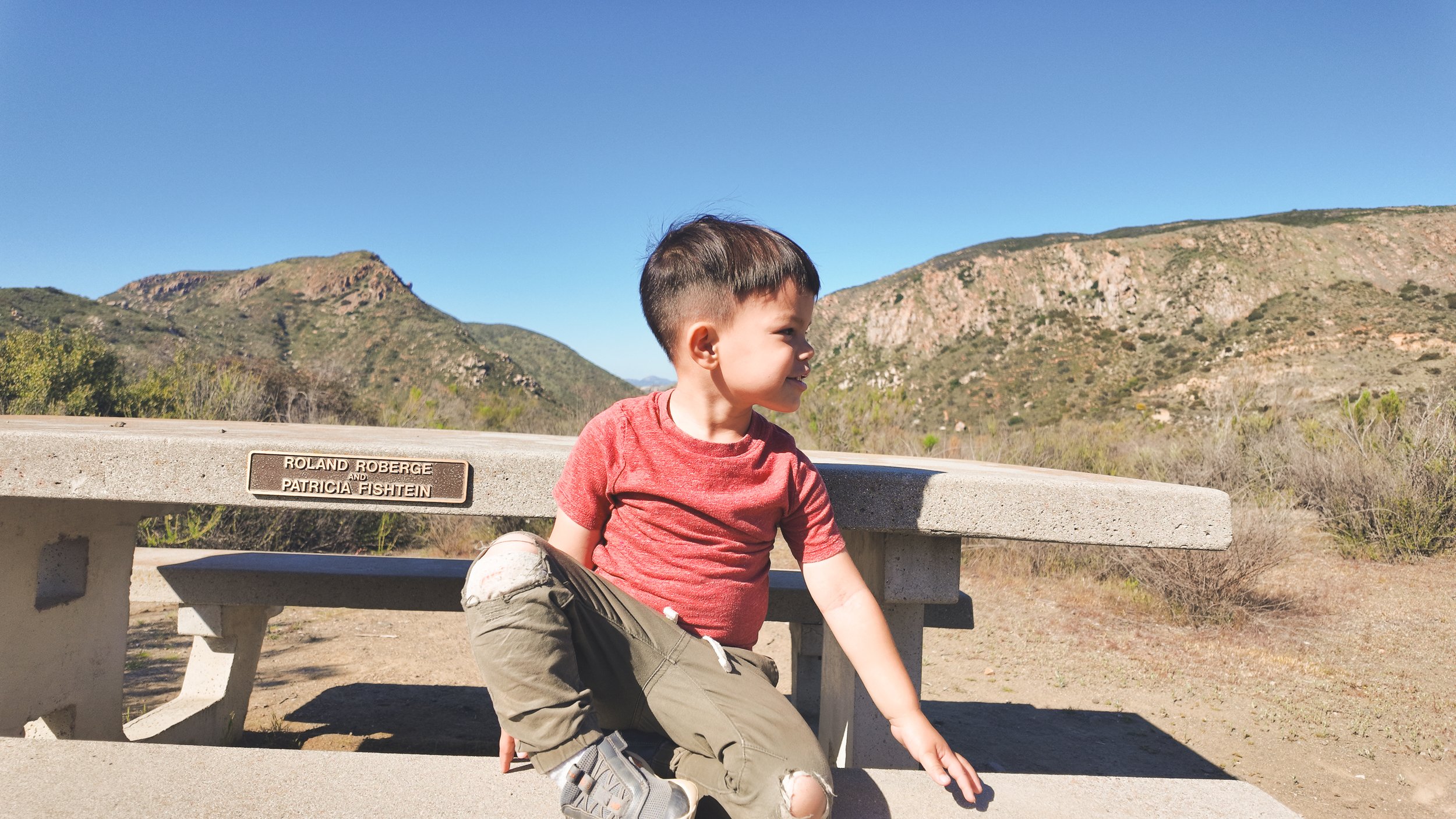
Mission Trails and Papaya Milk… a successful hike outing with Kai.
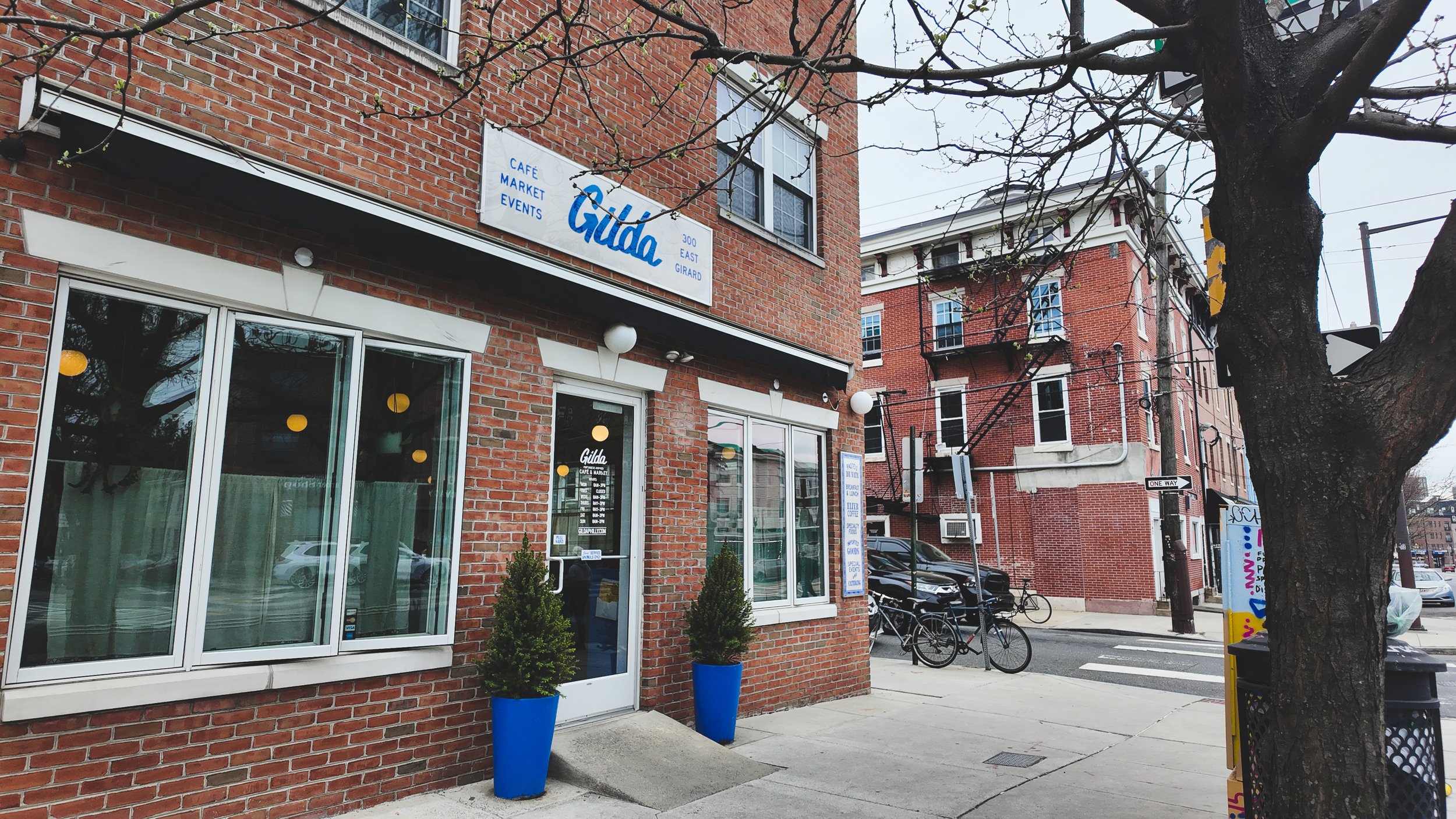
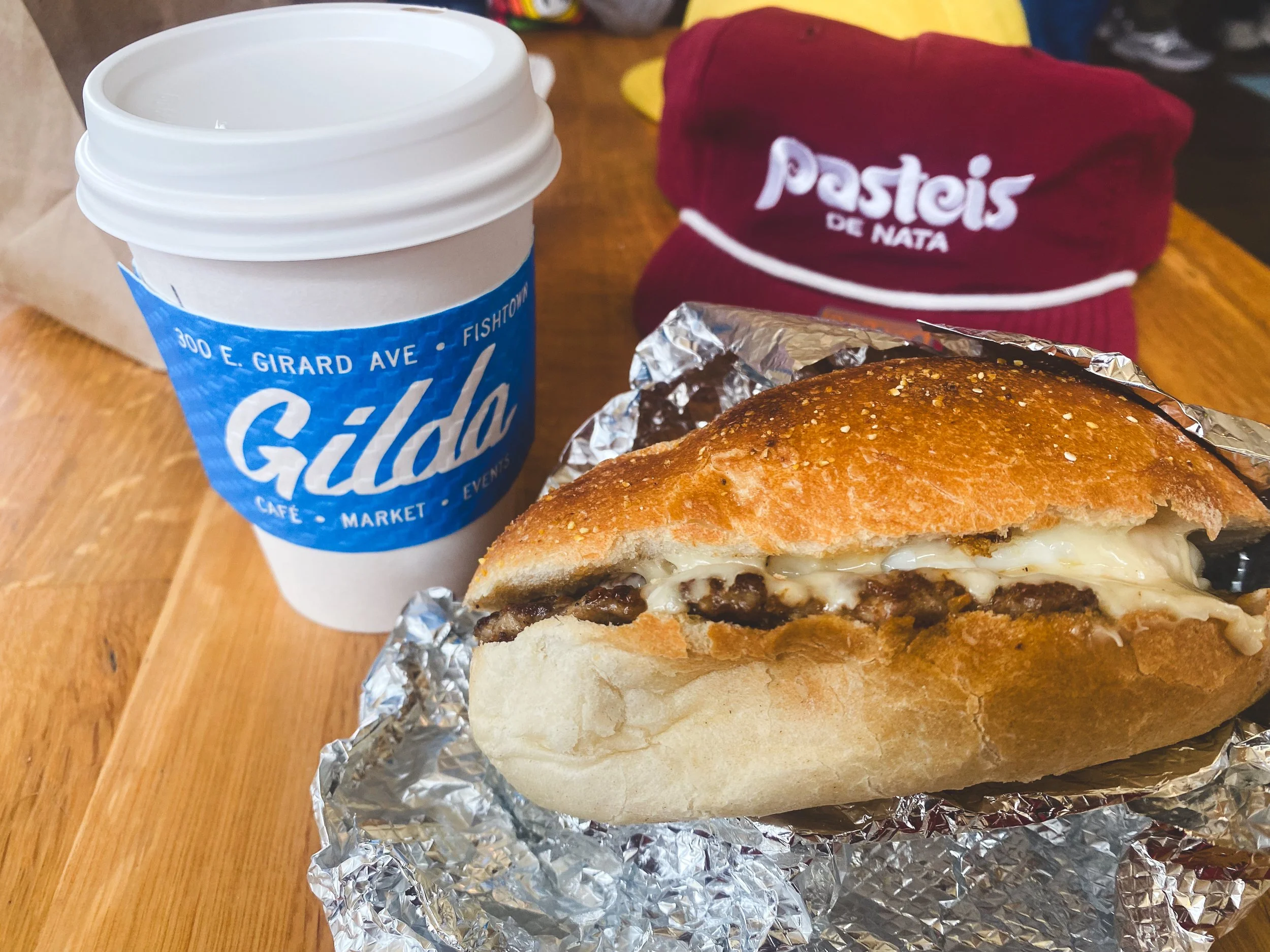
Fishtown, for my favorite breakfast in Philly.
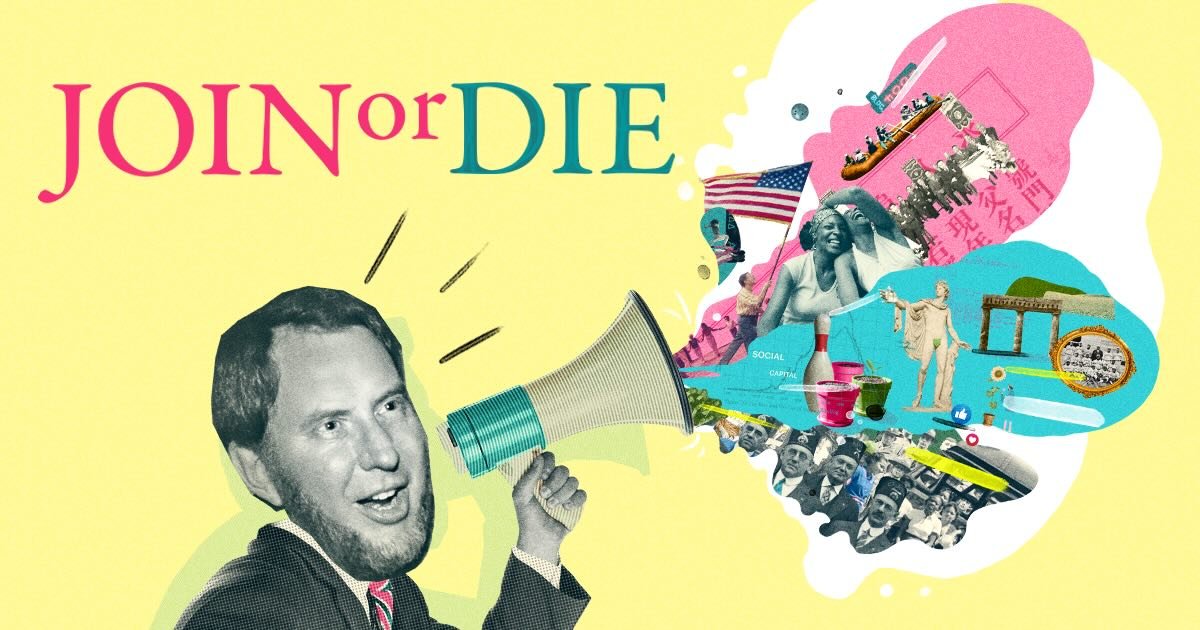
Join Or Die- the documentary that most makes you want to join a club.It’s based on Robert Putnam’s famous bowling league study.Putnam conducted several studies, including overlaying the spirit of cooperation and citizenship against the trend of more people bowling alone rather than joining leagues… and the clear conclusion was that the decline in memberships to religious groups and social clubs is completely in sync with the decline in civic behavior.
It matches what I’ve strongly felt the past few years. You hear all the reports. Men have no friends! Kids don’t socialize like they used to.It maybe feels a bit naive to think our big social problems can be solved by joining a book club and having drinking buddies, but it also makes sense to treat an inhumane era with more human interaction.A sense of belonging is so transformative. I know my biggest and most important shifts in belief happened in the context of community.
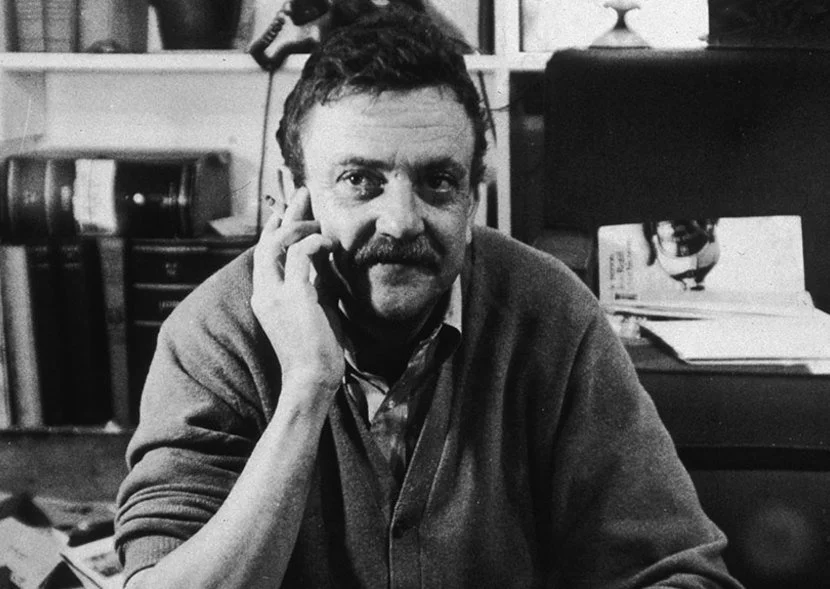
“What should young people do with their lives today? Many things, obviously. But the most daring thing is to create stable communities in which the terrible disease of loneliness can be cured.”
–Kurt Vonnegut

Two fascinating stories I’ve come across recently:
Only one state has seen 4th grade math scores improve since pre-pandemic measures, and probably not the one most people would expect: Alabama. (npr.org/2025/03/17/nx-s…)
and…
The obvious benefit of solar panels is the creation of power from sunlight, but a neat secondary benefit? Creating large areas of shade in places that are typically sunscorched has allowed life in the soil below to thrive. (glassalmanac.com/china-…)
One of my must-try items in Valencia was horchata. While Mexico took the drink and ran with it, its origins are most likely from Valencia, where it was originally made with a nut milk rather than rice. Orxata Daniel in the Mercat Colon was said to be one of the better spots to try. Their horchata had a somewhat sour, yogurty flavor to it, which was actually pretty good.
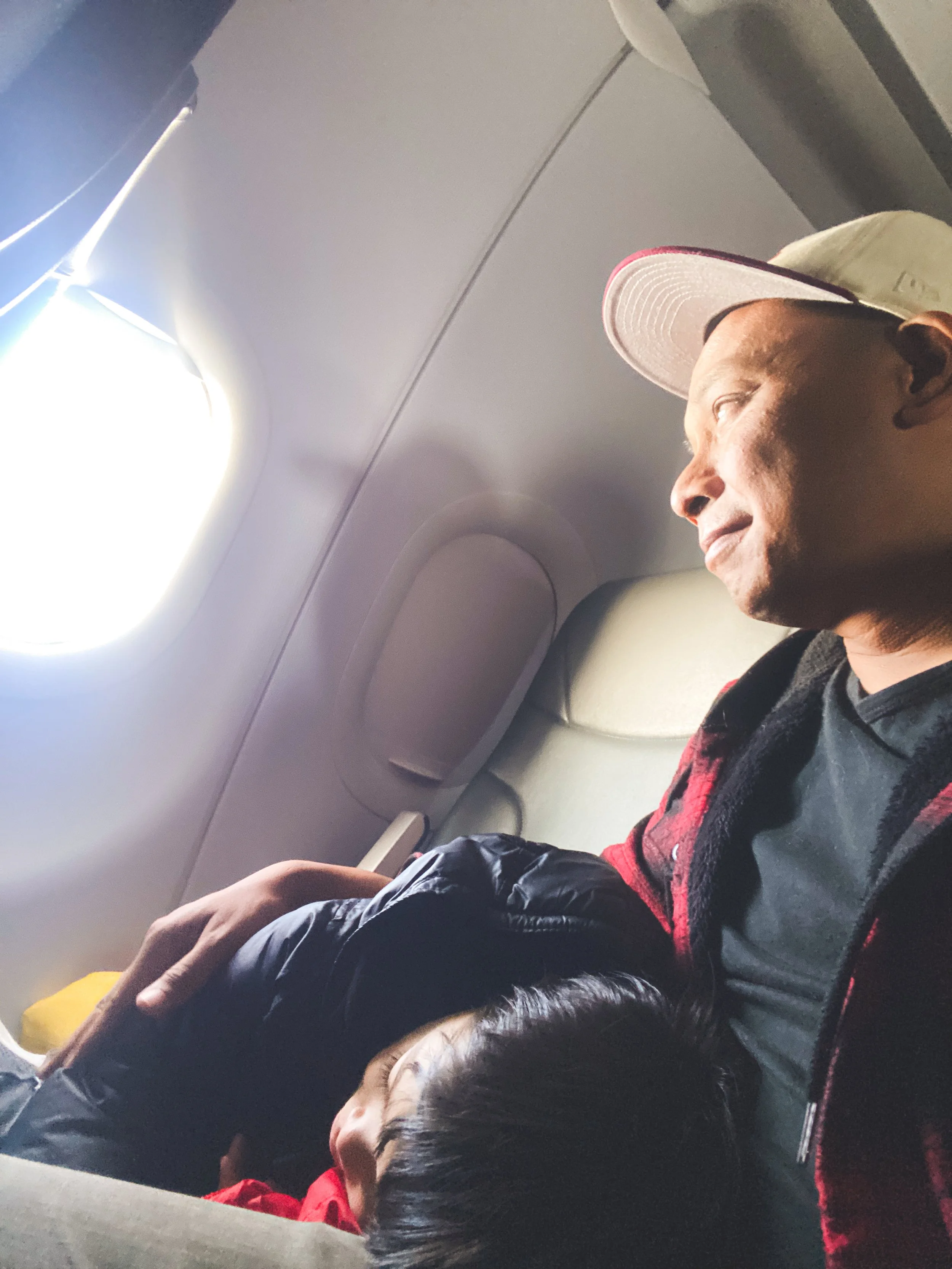
Our layover in Dallas was hit with one delay after the next. We spent about 9 hours there, and the announcements kept coming in 2 hour increments so we couldn’t even leave. My 4yo was mostly happy with checking out the terminal 4 aquarium and some bonus Pokémon episodes. Pretty thankful I got such a solid traveler. Some of our really early trip have paid off in the form of flexibility around surprised.
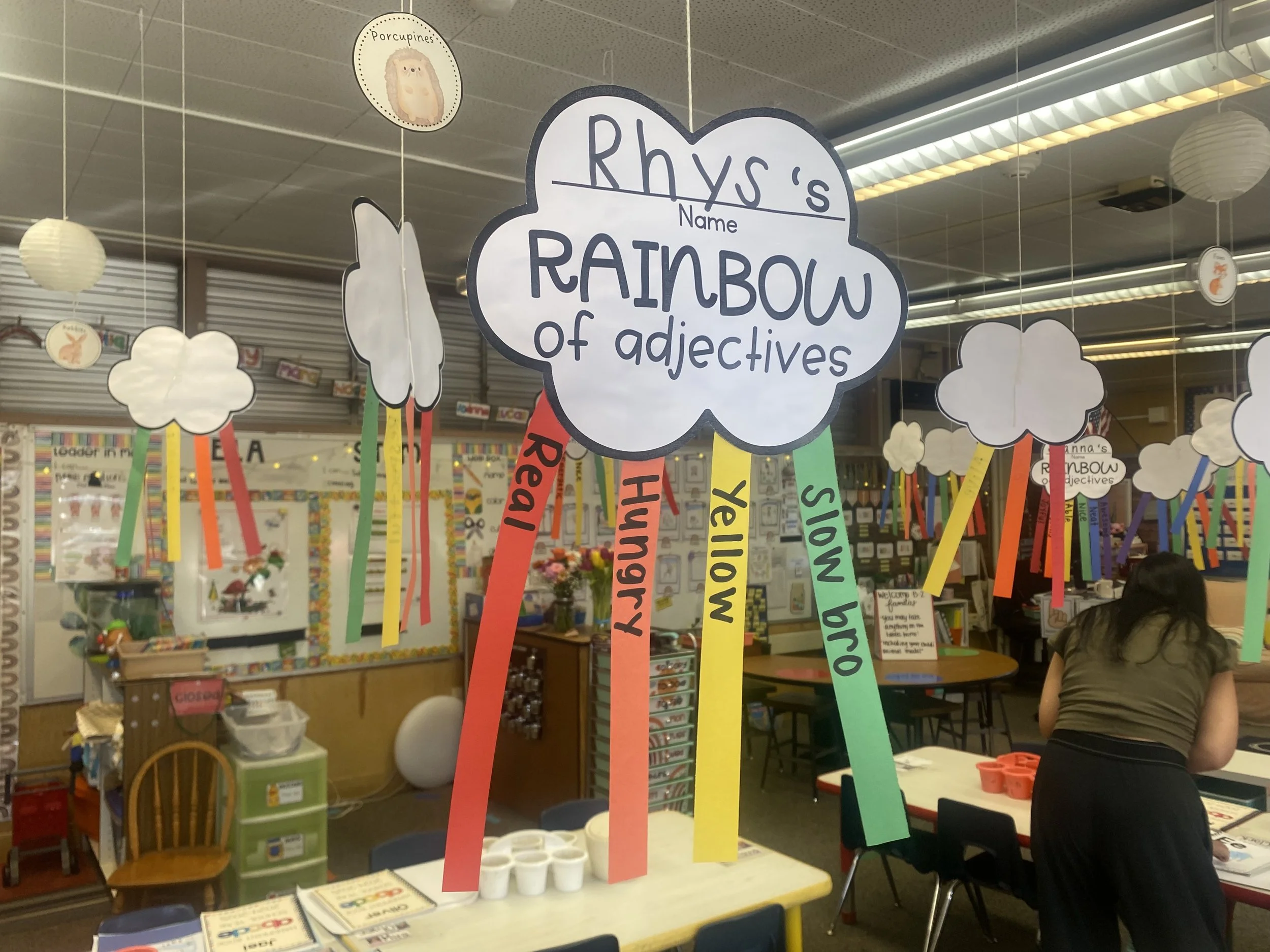
Why did we name him Rhys? Obviously because of what R.H.Y.S. stands for!
Actually, these were his own word choices for his adjectives assignment, minus the S word he wanted to describe himself with: screaming.
It’s often helpful to have goals, but I think attention matters more.
Just like how you want to carefully choose what you aim for, be mindful of what gets your attention. It’s perhaps your most underrated resource.
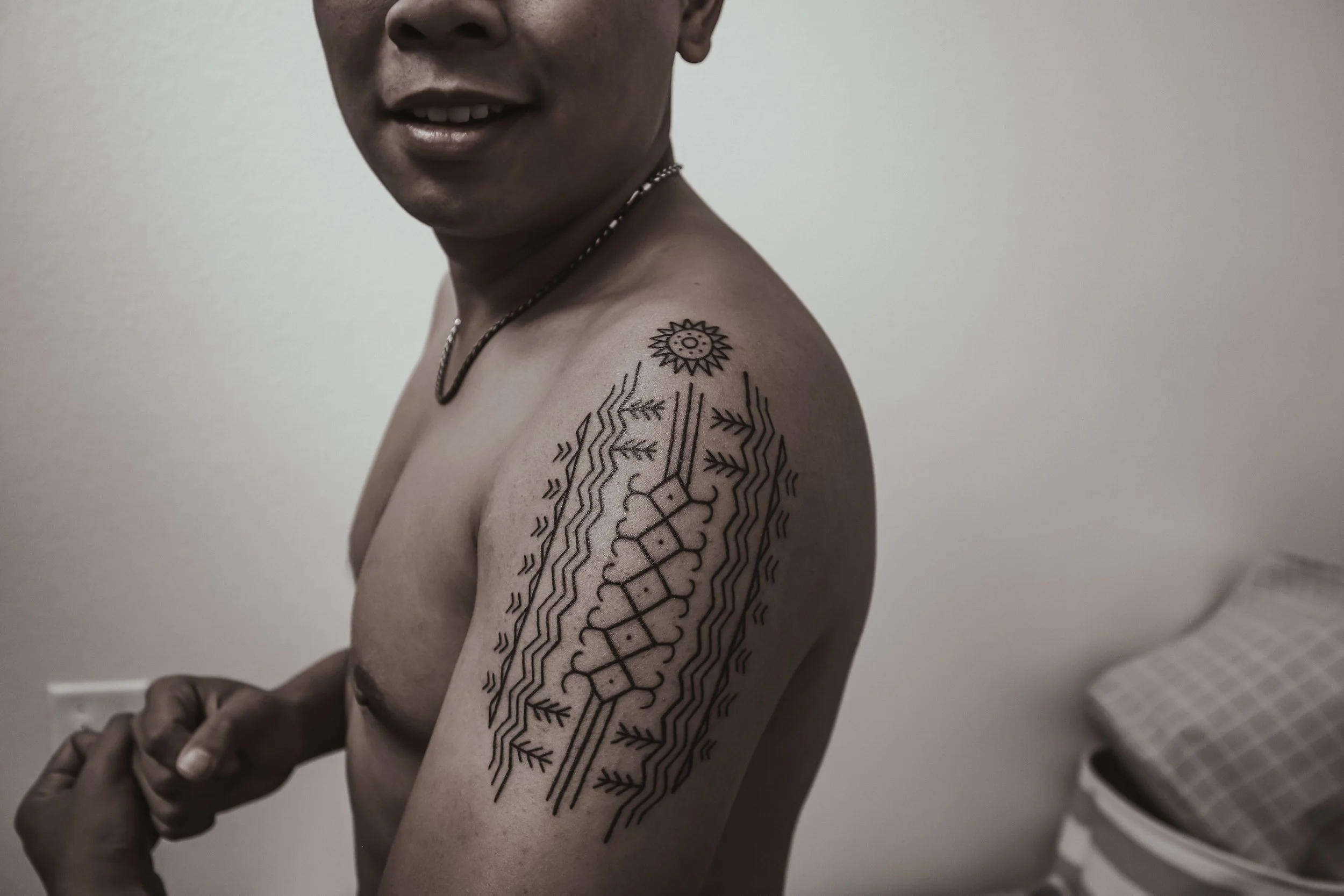
Been feeling ready for a second tat. Thinking up something kinda inspired by Northern Lights for several reasons but still want it to play well with this one.
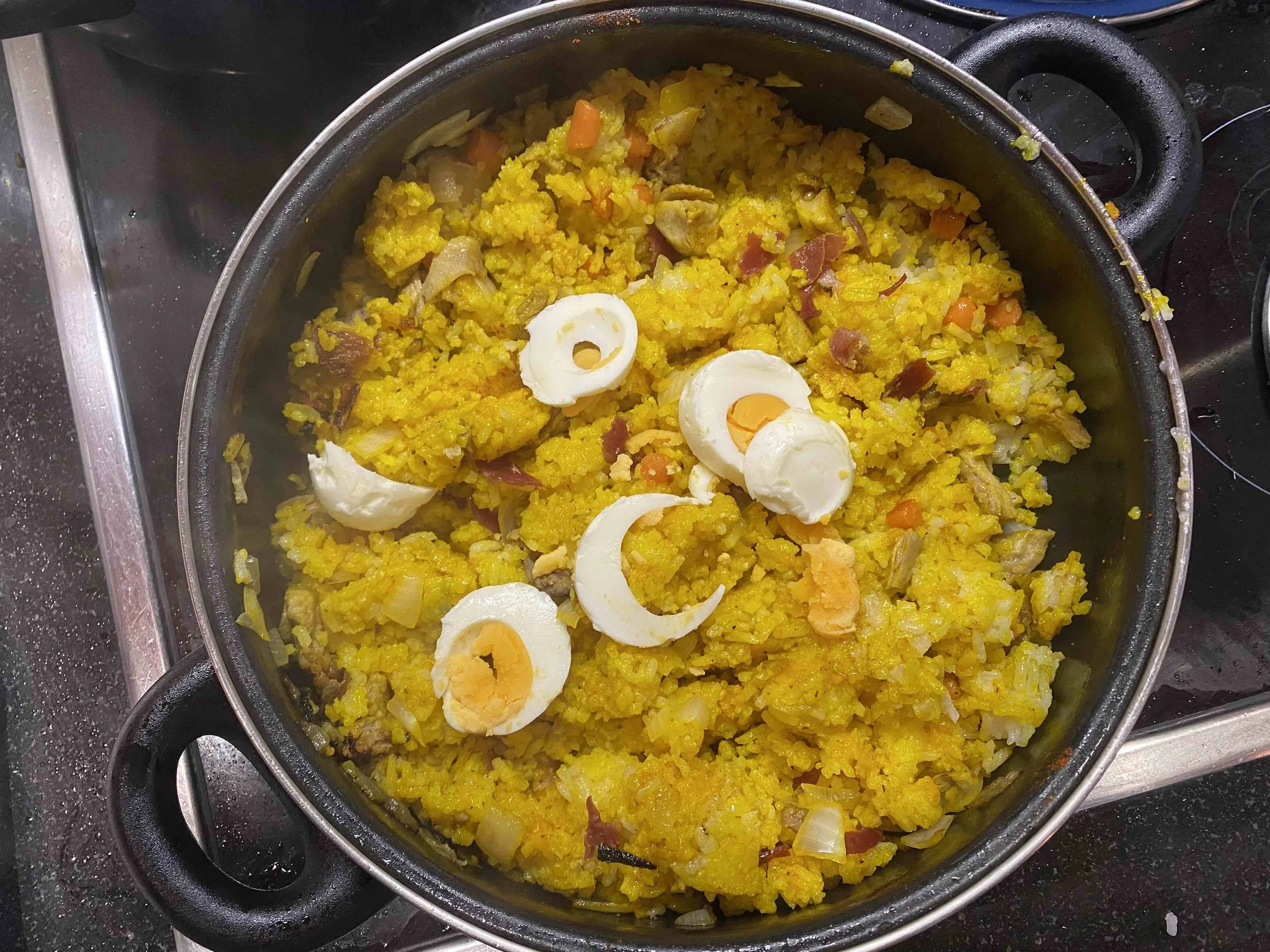
The joys of making poser paella.
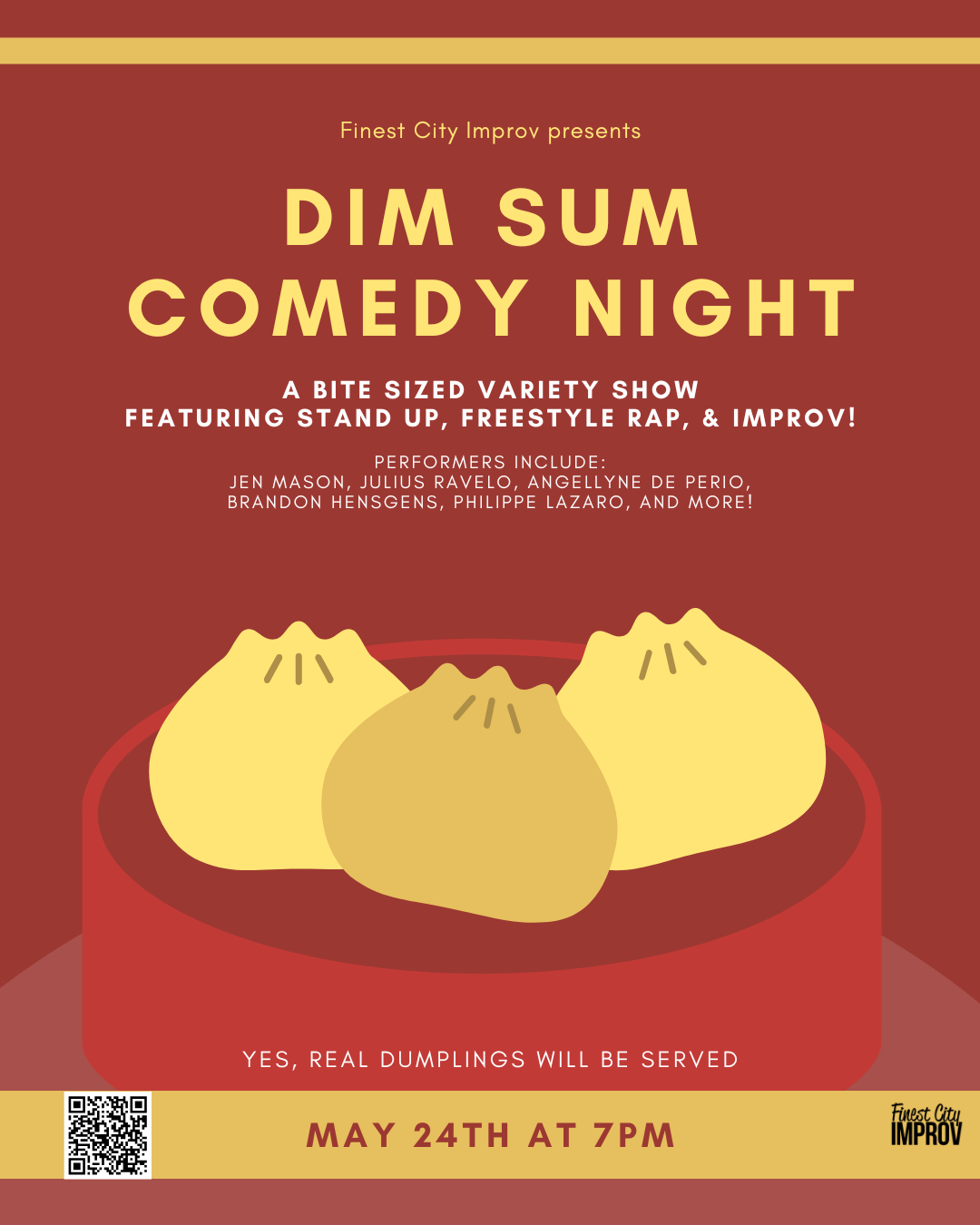
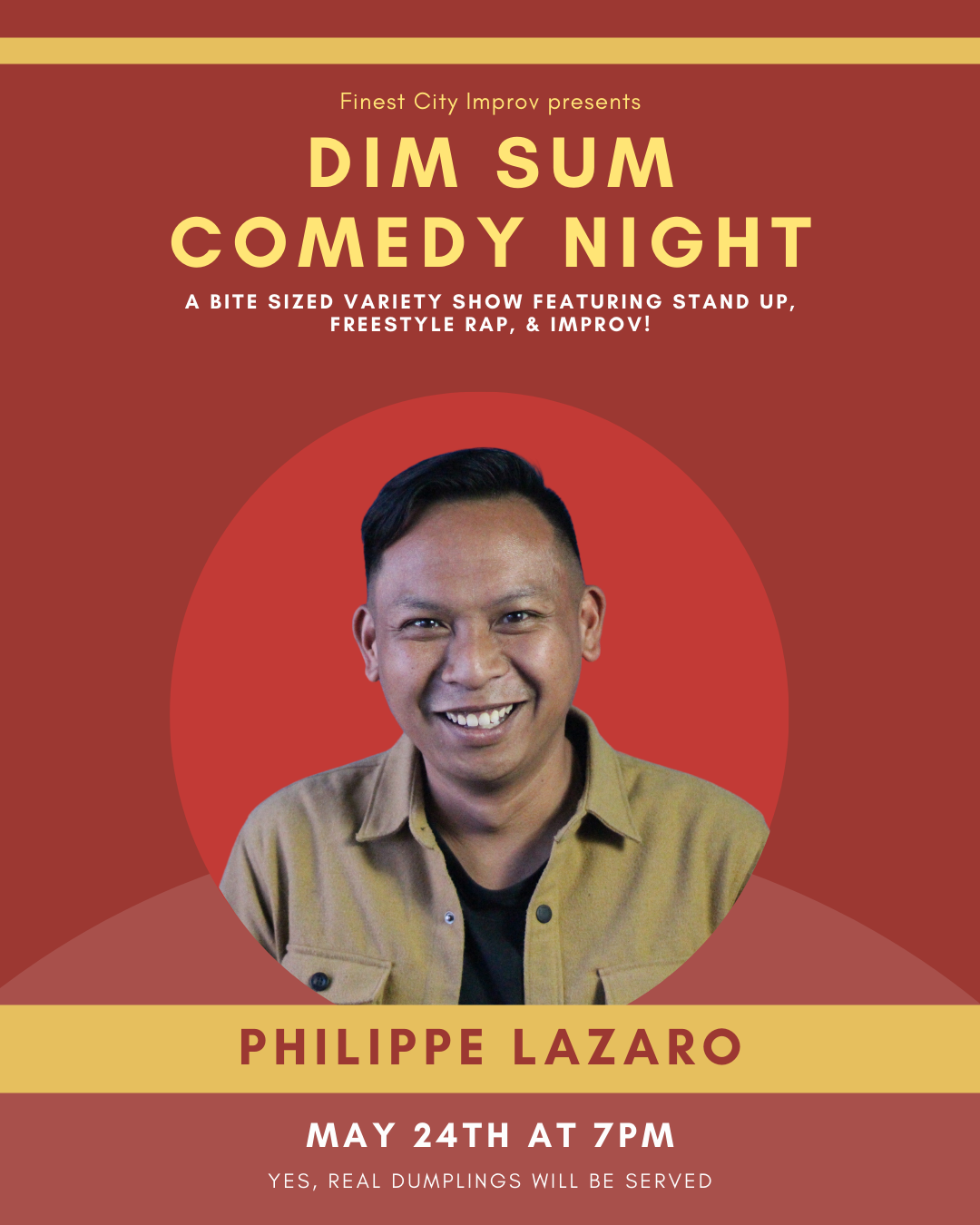
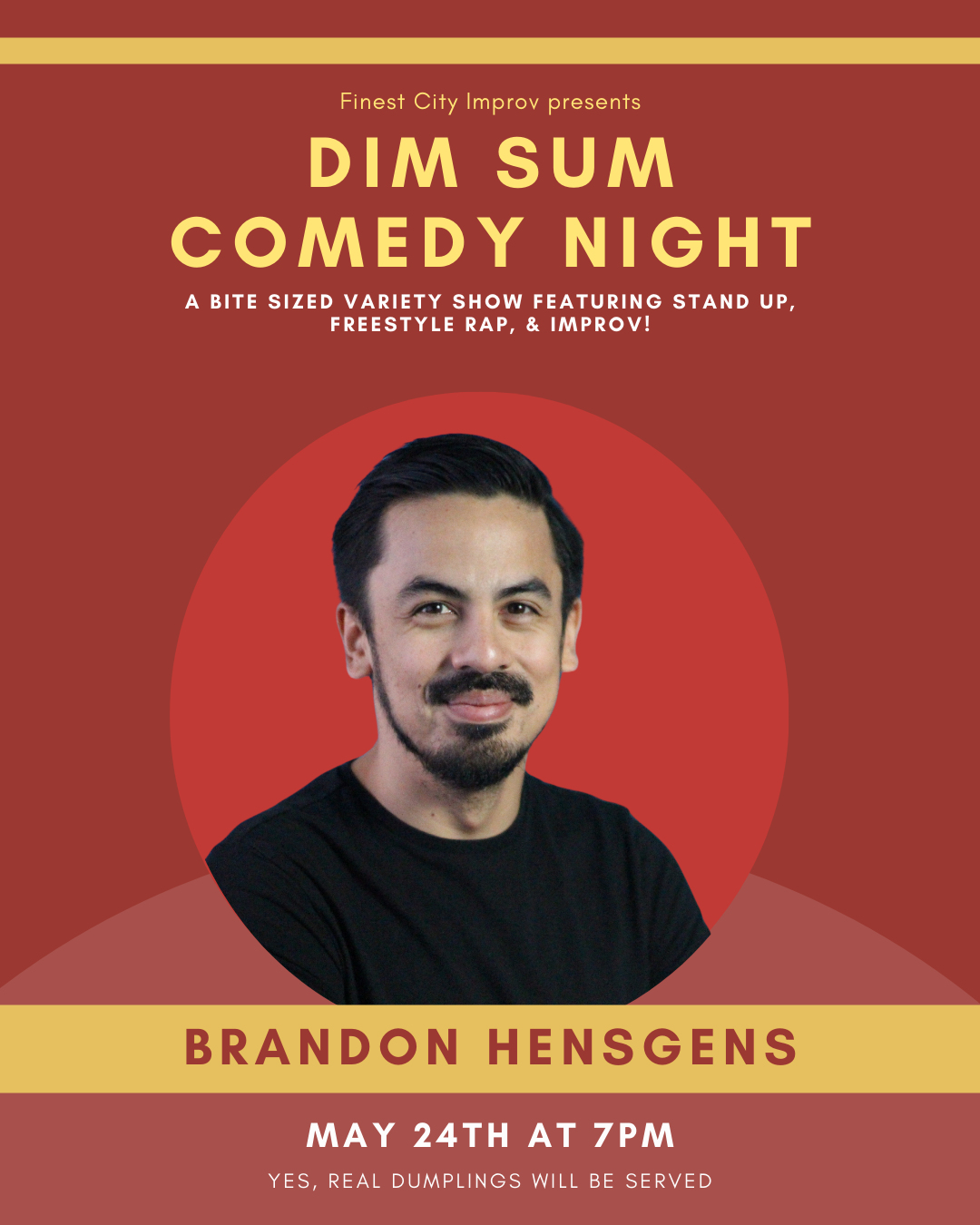

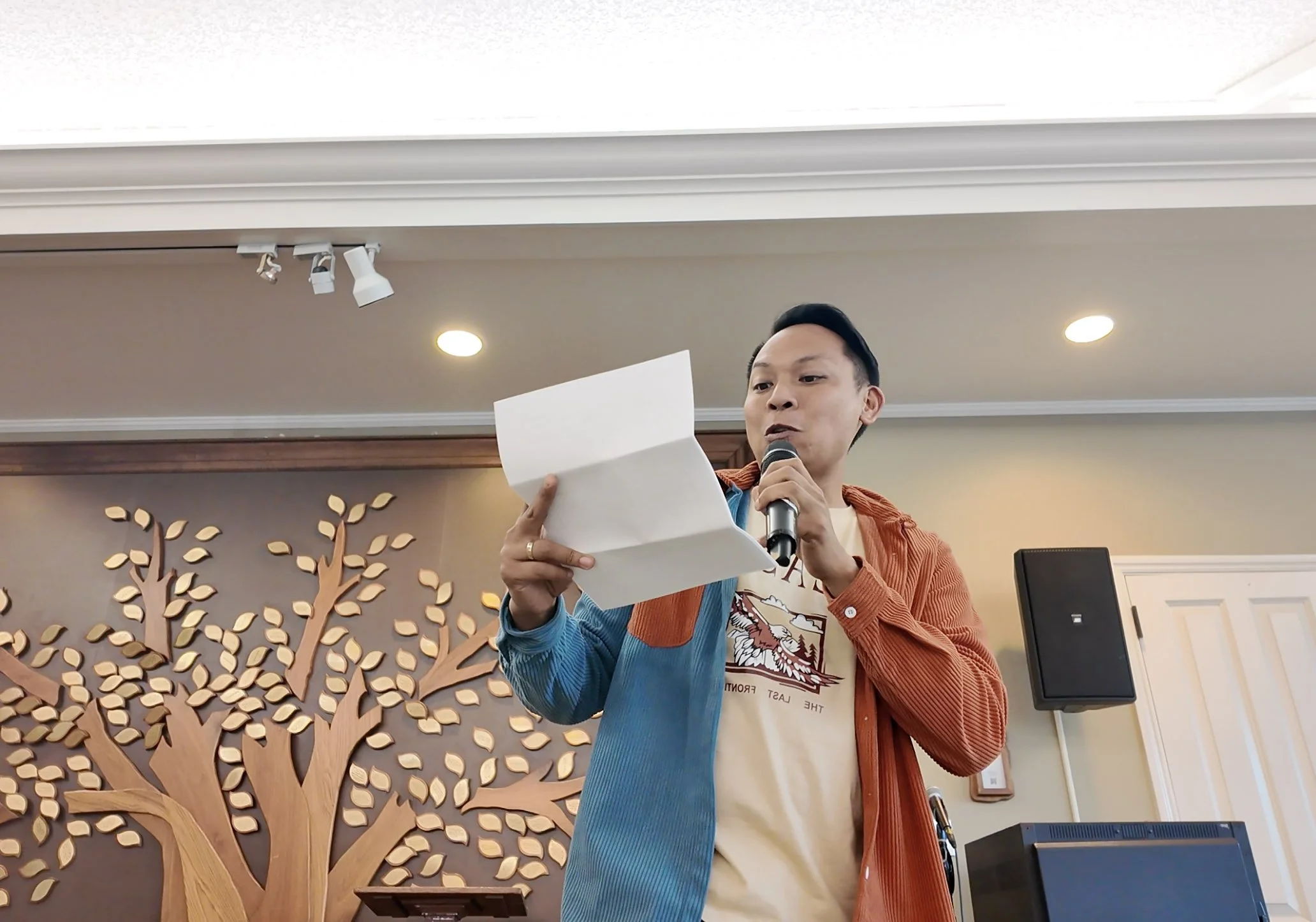
Church Trivia Hosting
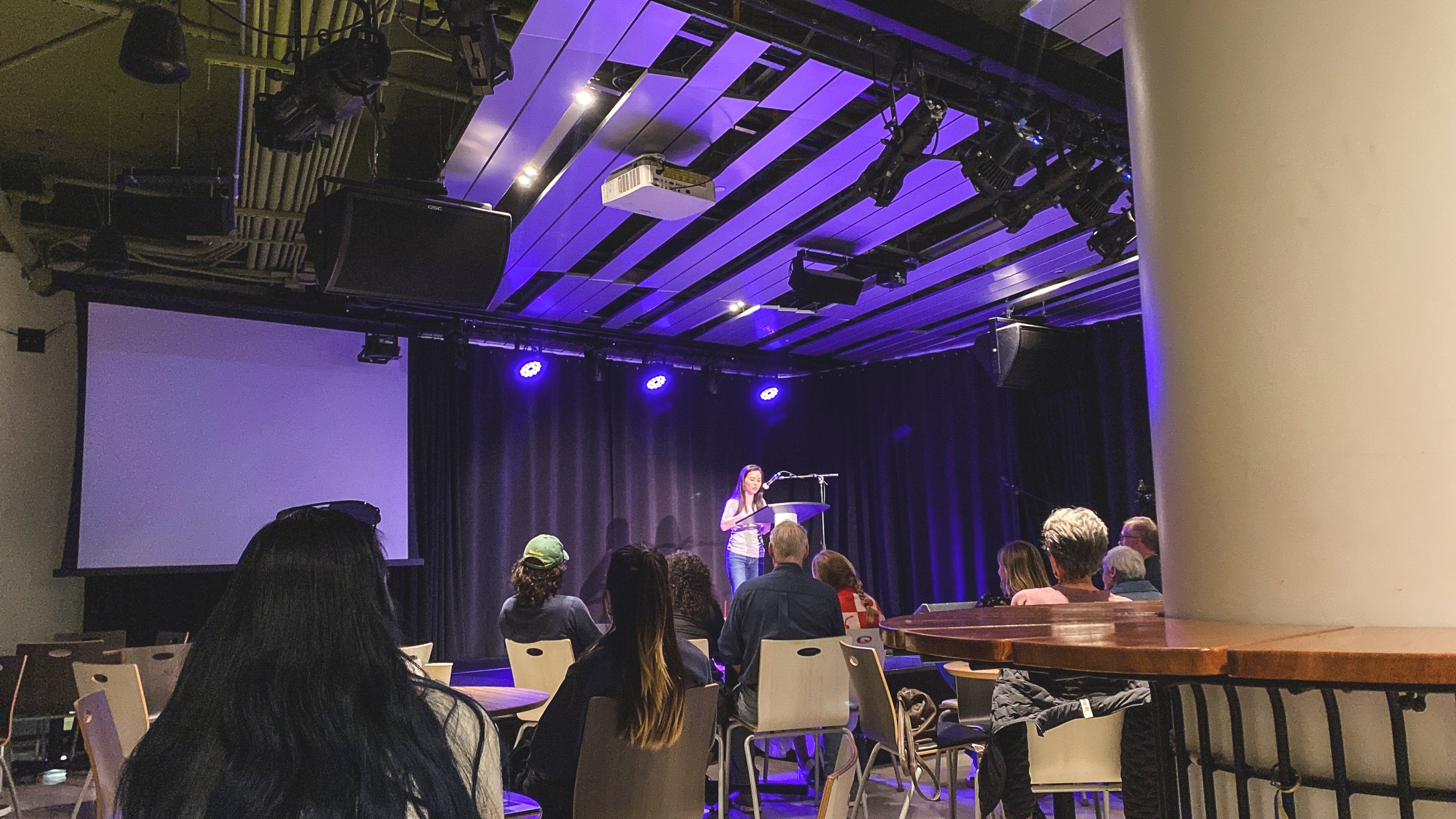
Bravo, Tina!
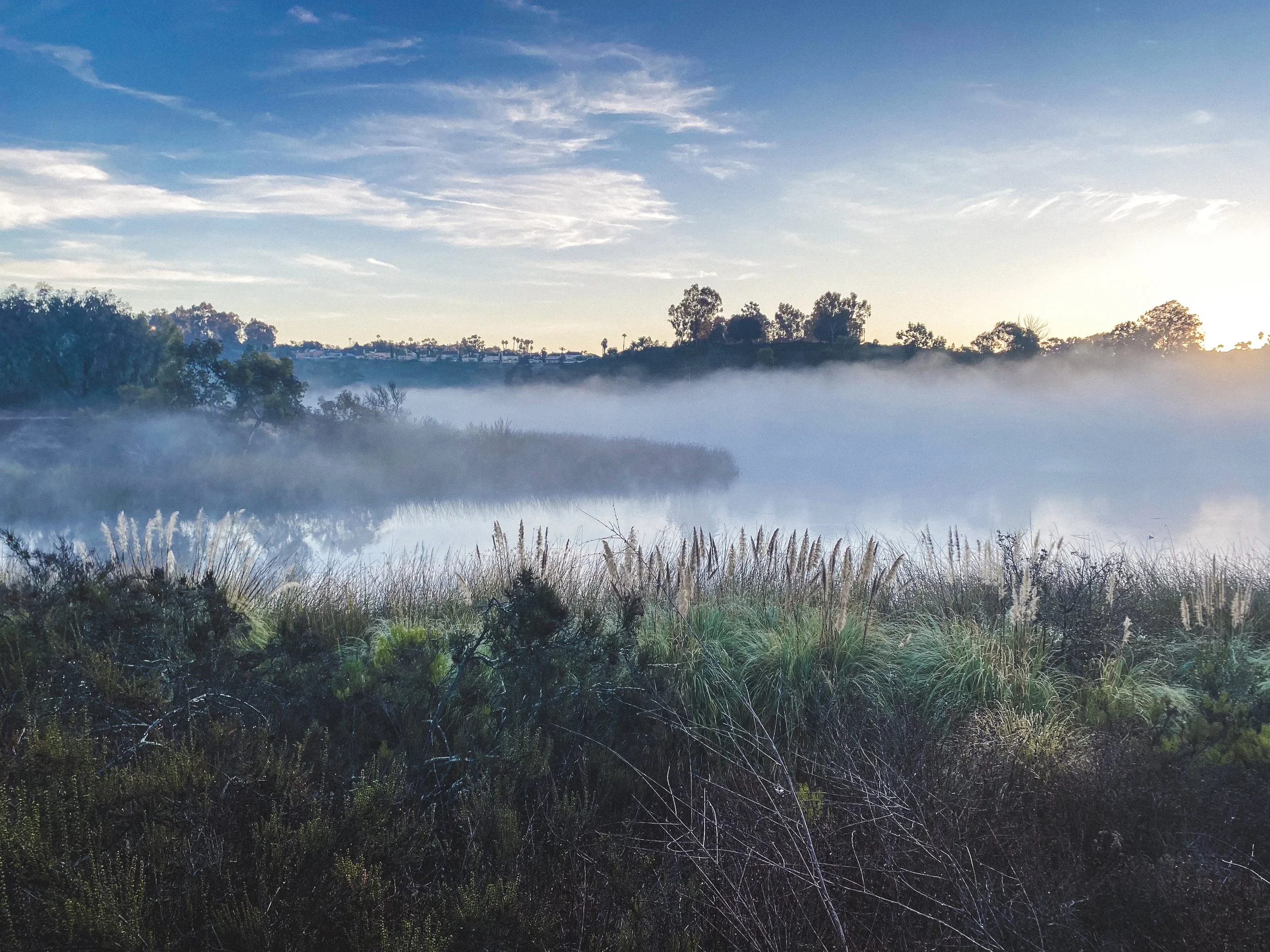
Every time I go on a run these days, it makes me amazed at how I managed to run as much as I did last year. Where’d I find all that time?