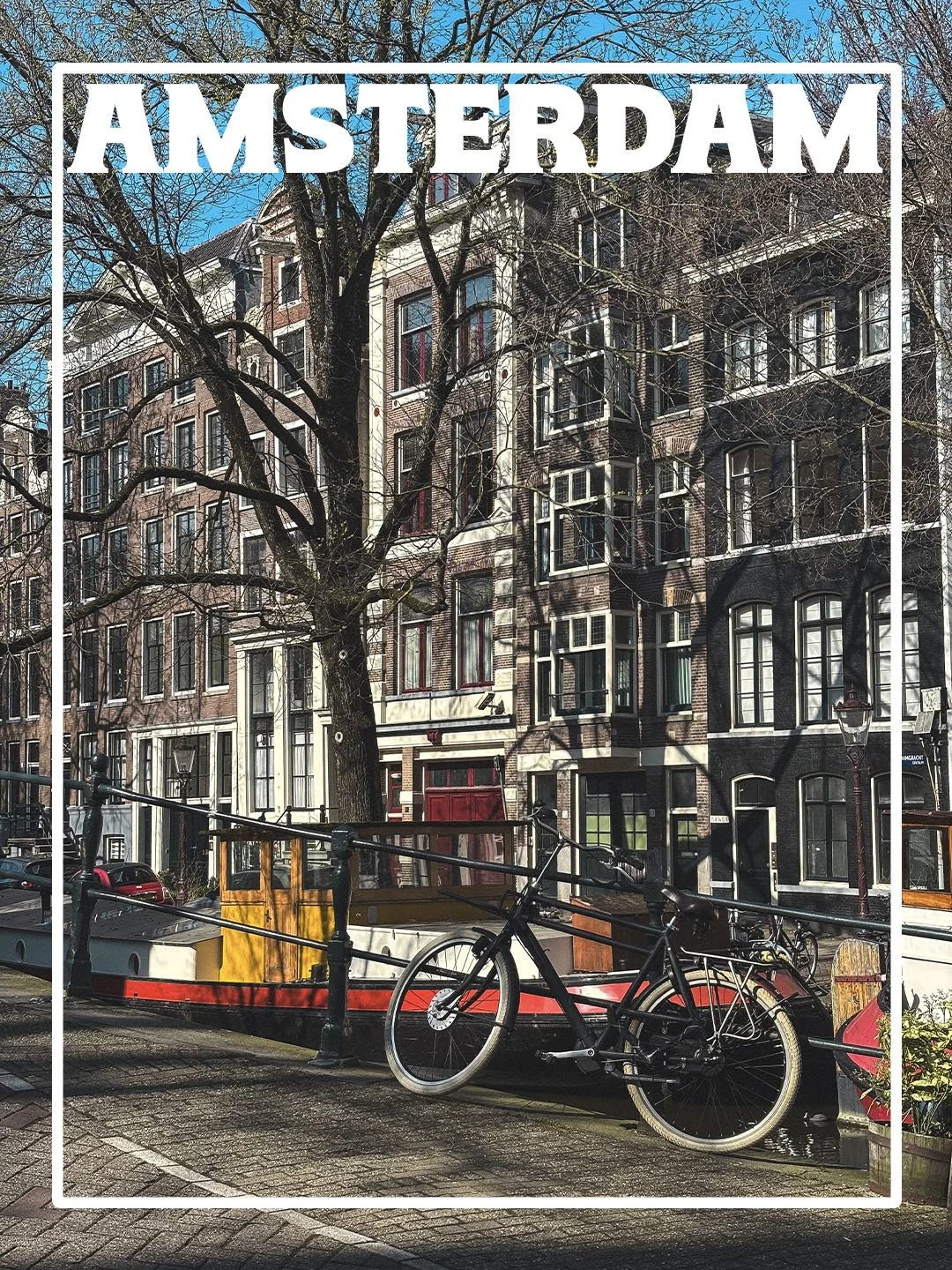
Amsterdam 2026

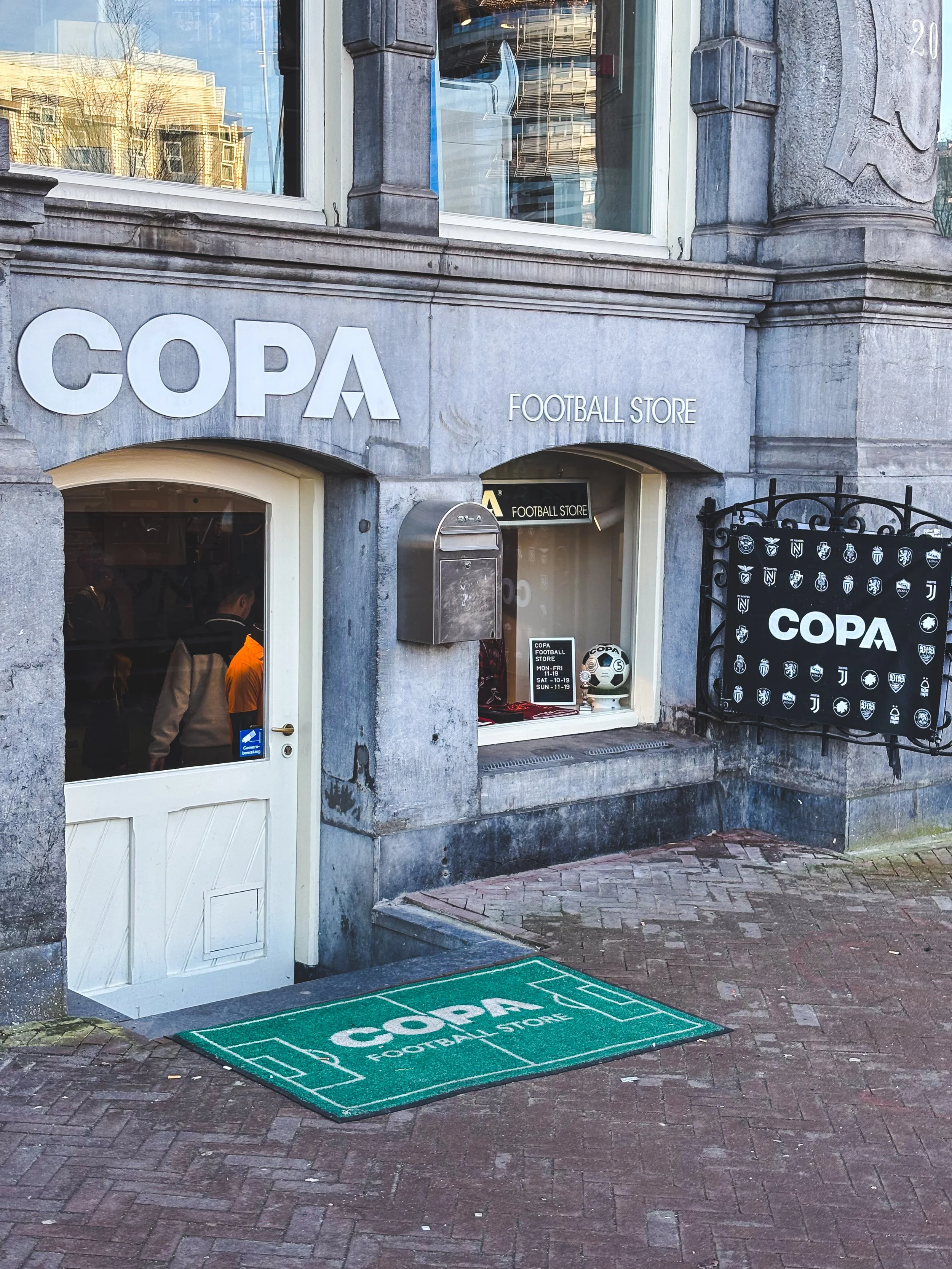
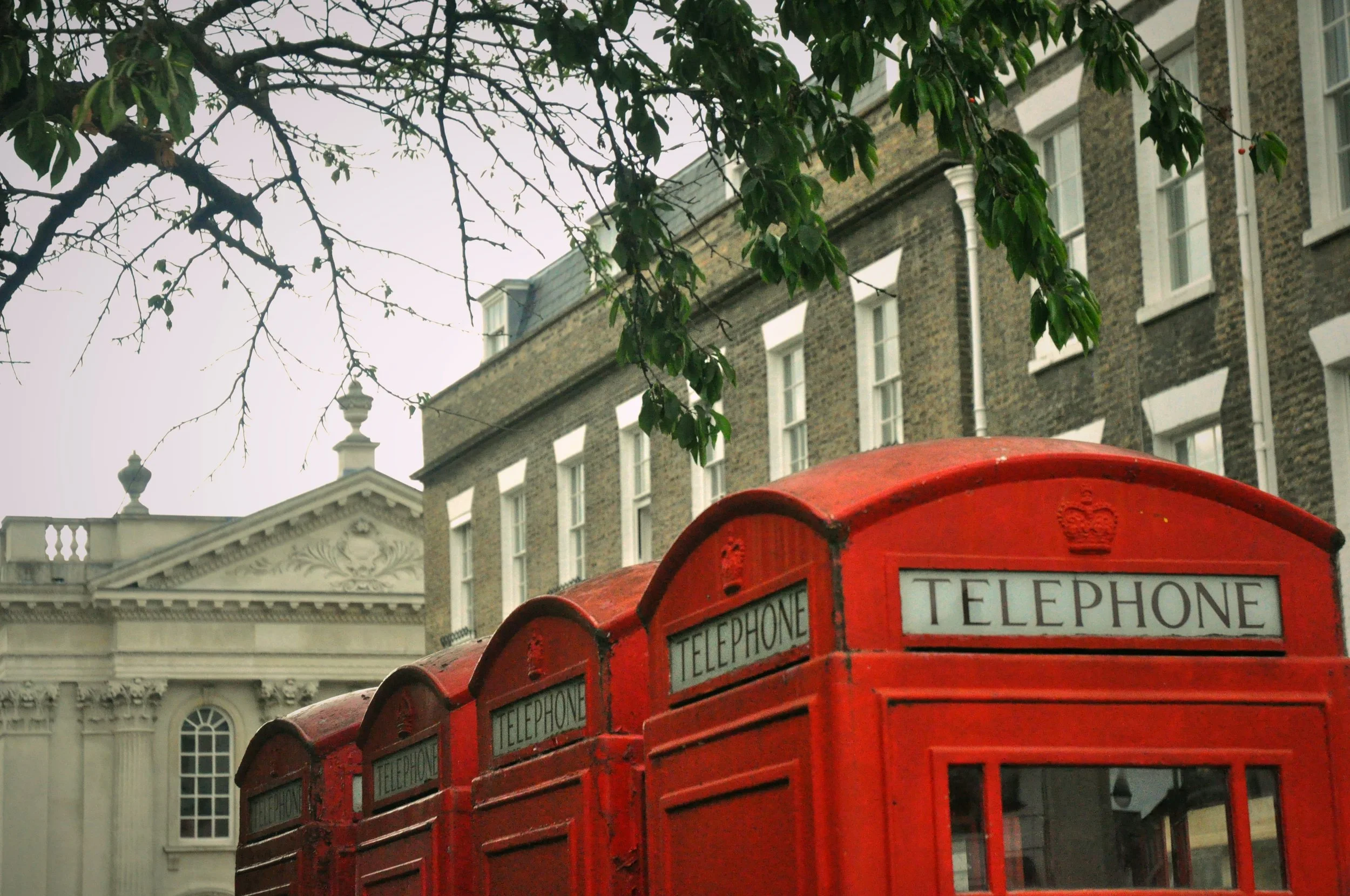
📍COPA Football Flagship Store
🇳🇱 Amsterdam, Netherlands

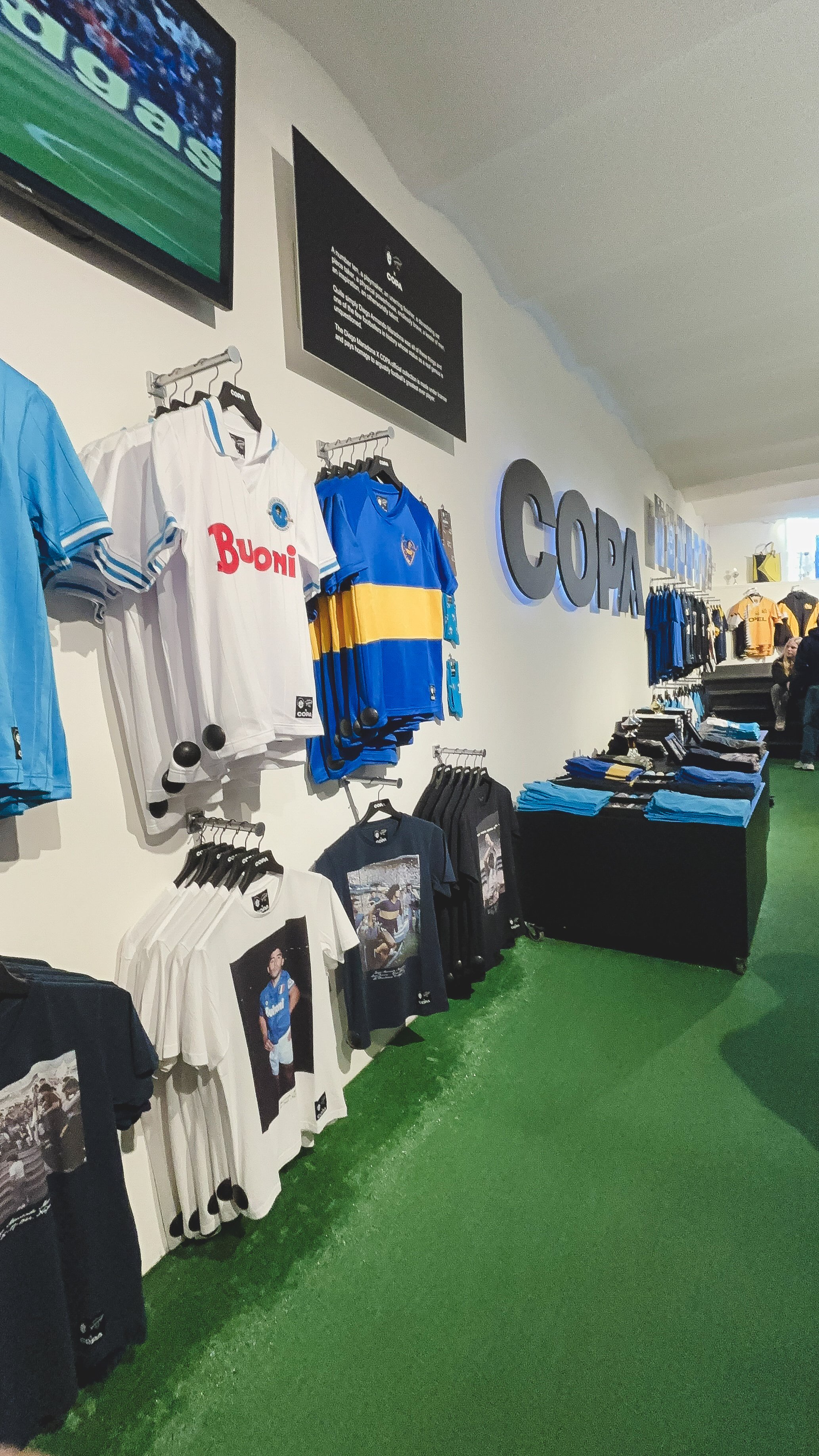
If nothing else, this place is a visual treat and a well curated display of retro football kits from different eras.

If it’s in your budget or you’ve been on the hunt for an especially rare kit they happen to have, then it’s a treasure trove.

Either way, it’s a great spot to hop in and explore for a little bit right by Amsterdam Central.

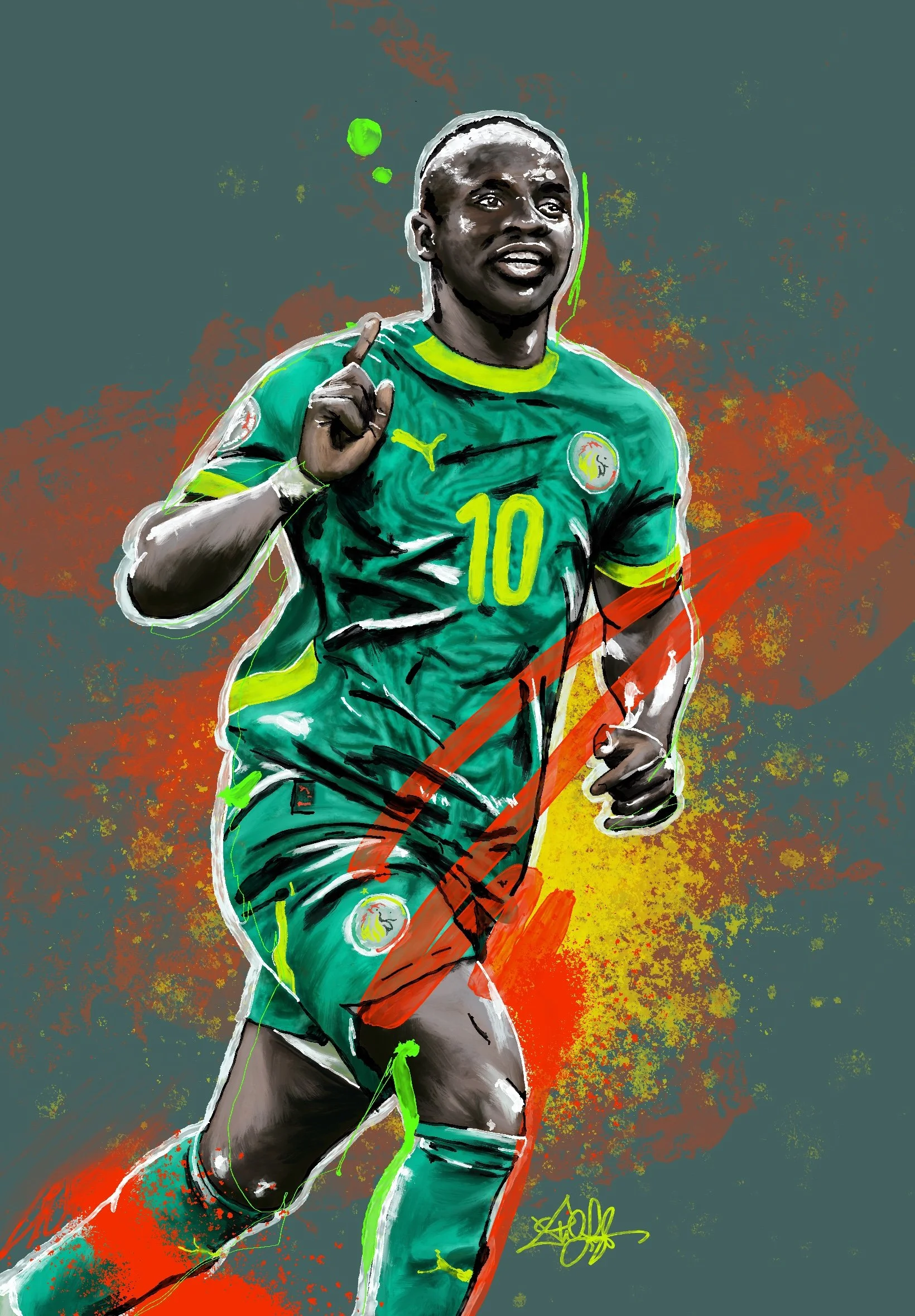
Sadio Mané

At this point, Senegal is extremely unlikely to advance, which is one sad ending for Sadio Mane’s last World Cup. Mane was always a favorite to watch when he was with the EPL. Can’t say I keep up with what he’s doing over in Saudi, so getting to see him with Team Senegal was a treat. Solid team leader.

Time To Romanticize The (2010) World Cup

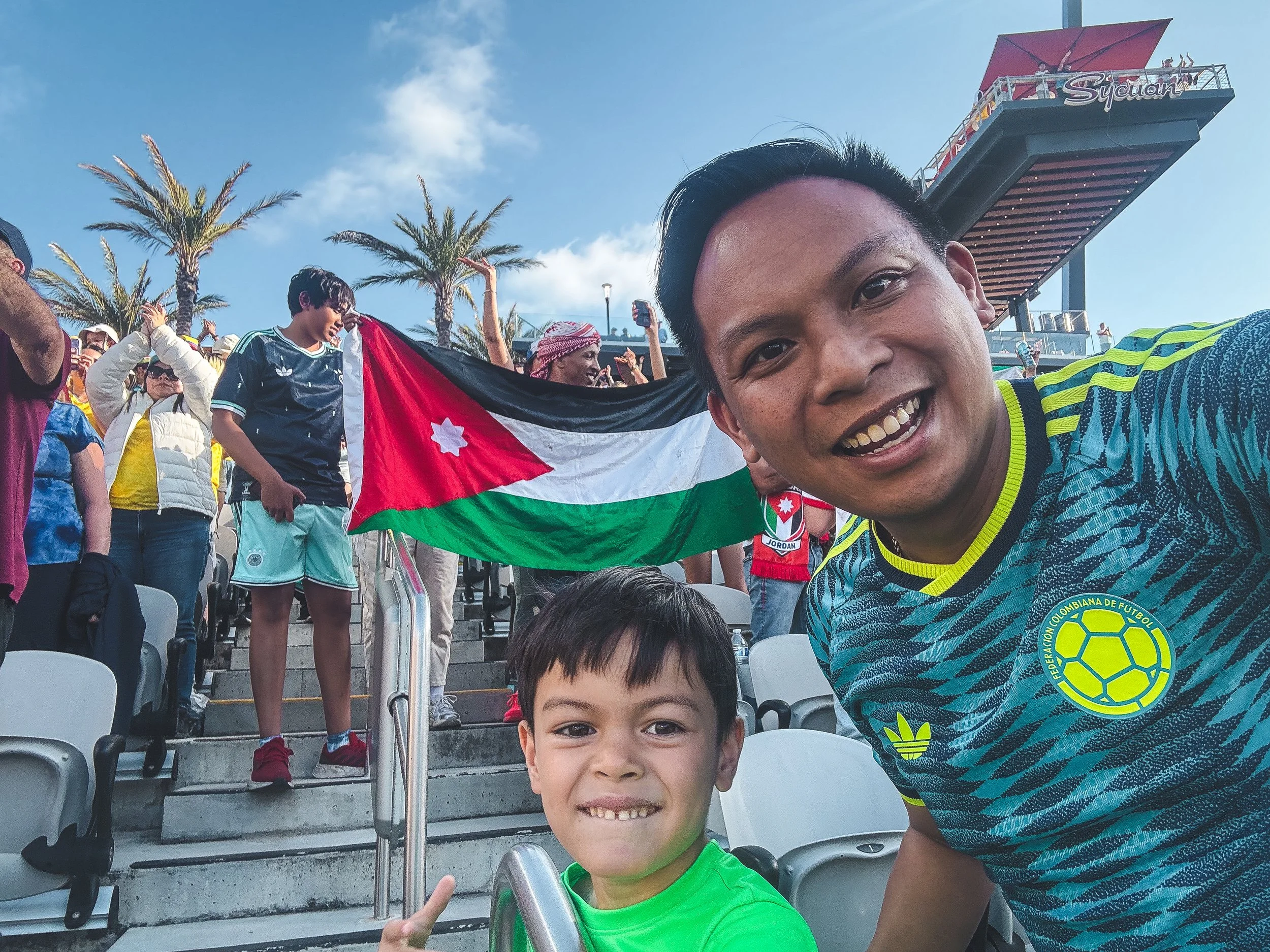
The other week, I got to enjoy a World Cup friendly match right in my hometown of San Diego. Colombia and Jordan faced each other in a low-stakes but high-fun matchup. Safe to say, the friendly lived up to its name. There was a sloppiness when it came to getting a big international sports event into our city’s smaller stadium, but overall a good time.

I brought my six year old along for the fun. As I’m trying to get him more active, I’ve been leveraging the World Cup to stoke an interest in global football. I noted how special of an event it was, only taking place every four years. He’ll be an elder ten year old by the next time it goes down!

I love that four year cycle. It tends to make things more special. It also means that each World Cup is a time capsule of sorts. I can link each tournament to a snapshot of my life at the time, each one looking so different.

The World Cup intersects with geopolitics in really messy ways. It’s gotten harder to romanticize and enjoy the World Cup with full naivete. At the same time, it’s also hard to totally dismiss the magic of it.

Whenever I think of my favorite World Cups of past years, I immediately think of the ways they’ve given me a glimpse of a more accepting world that celebrates where people are from.

I remember the different travelers walking through the Doha airport in their jerseys in 2022. I remember discovering LA’s Croatian enclaves in 2018 when they made the finals. I remember my Taipei hostel all walking out to watch the games from a public square at 2 am back in 2014.

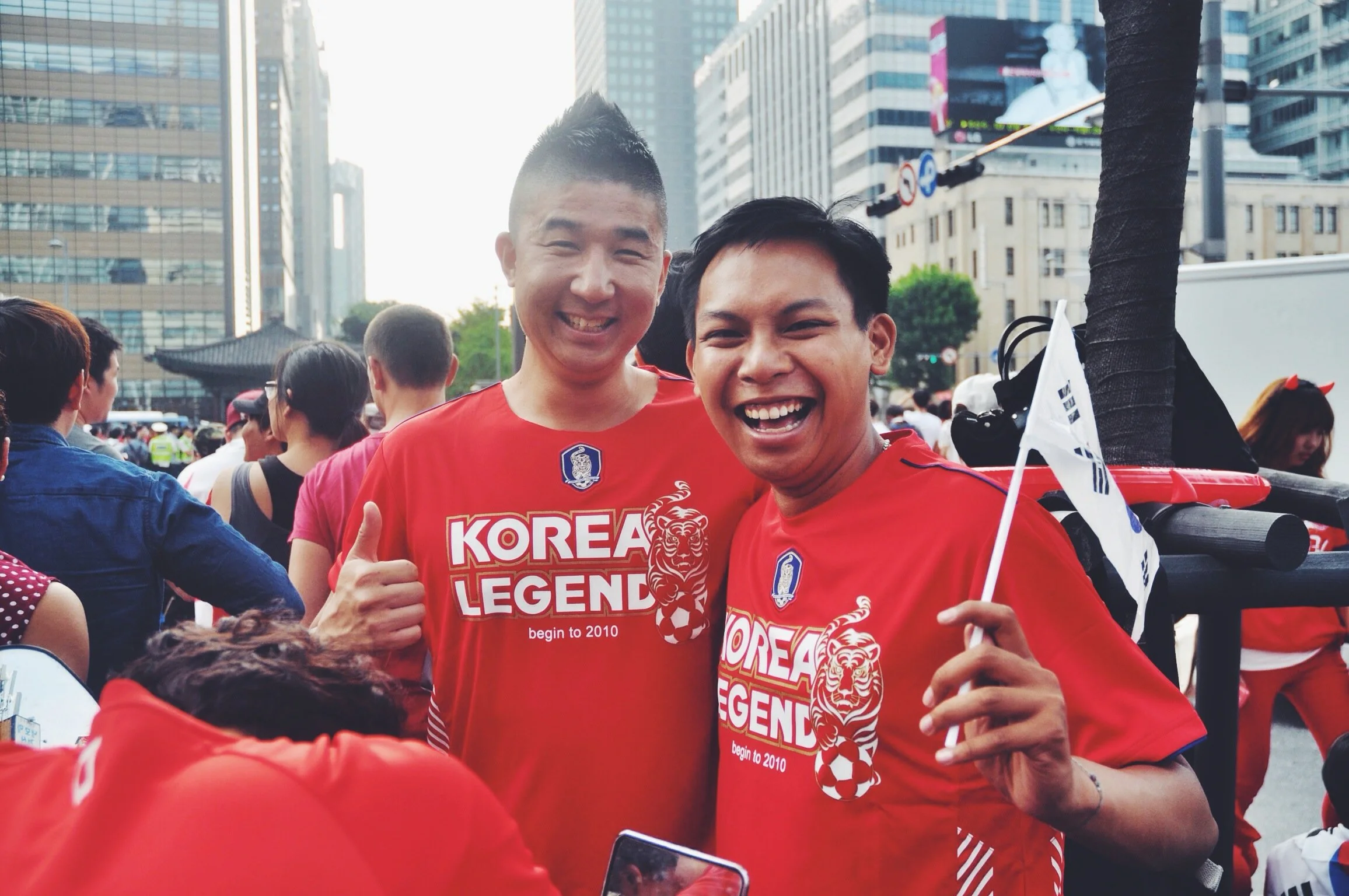
But I think the one that stands head and shoulders above the rest of them has got to be 2010. South Africa.

Prior to this, I had kept loose tabs on previous World Cups. But 2010 turned the worldwide nature of the tournament into something I could physically feel and walk through.

That summer, I spent a semester in Siena, Italy. It was a great summer for romanticizing… well, pretty much everything.

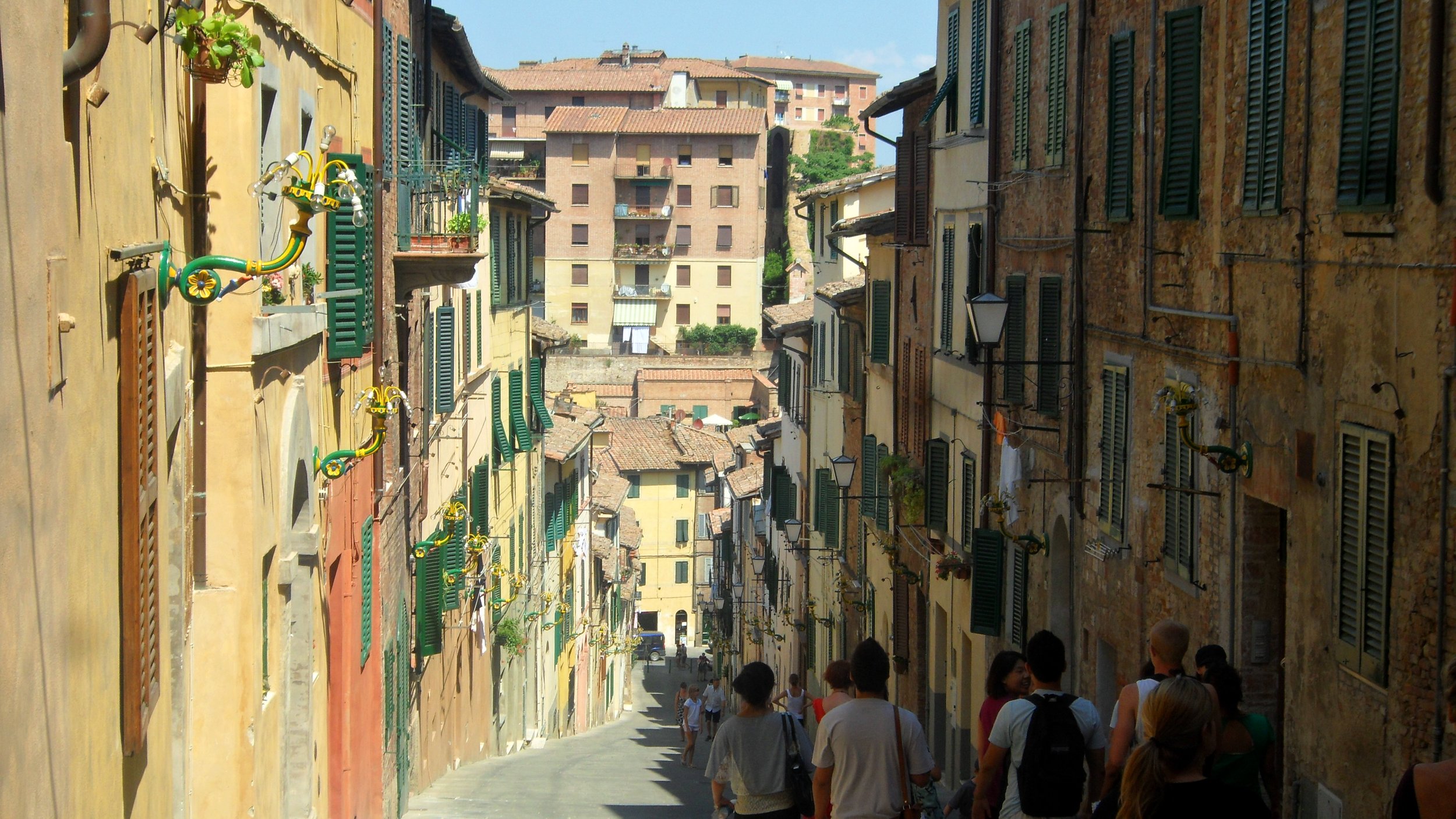
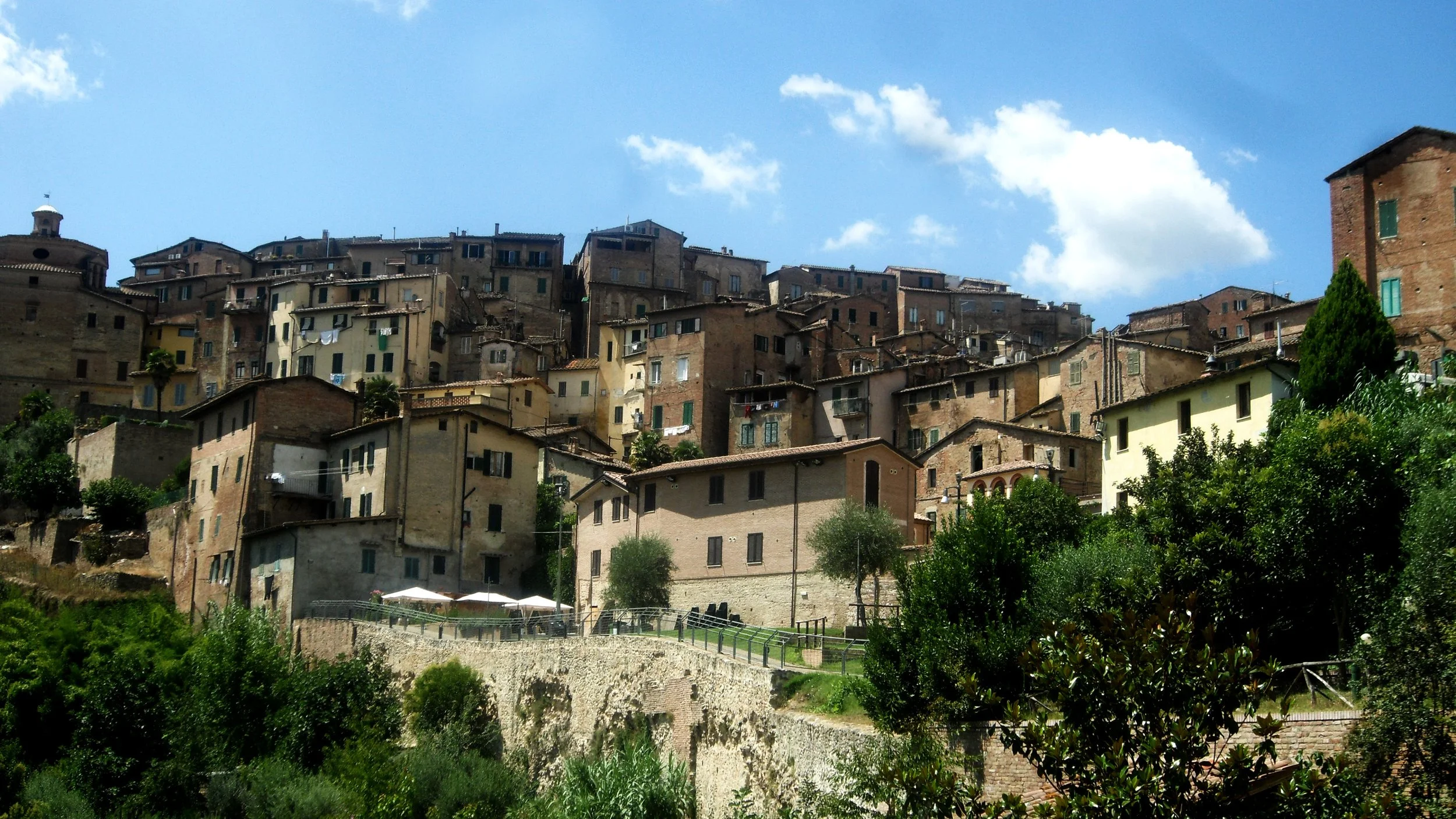
Siena modernizes in secret. It hides its retail stores and contemporary homes within the exterior of ancient buildings that have stood for centuries. Every day I got to enjoy hot Tuscan sun, Italian zest for life, and the walks to class that felt like the opening of Beauty and the Beast. For a moment, life was like a storybook. The language. The food. My 2010 Summer.

I lived in an old building that had been converted to a dorm right above Piazza Antonio Gramsci. I had a little balcony where I could sit with an espresso and watch people walk their daily routines every morning. The espresso would’ve been made very poorly with a department store moka I purchased and had no idea how to use. That was all part of the Italian magic.

To get to my apartment from town, I usually passed through this central plaza area which connected a small grocery store with a few different shops. One of those shops was an athletic clothing store. Normally they sold running shirts and shoes, but one day I came to see its storefront completely transformed for the World Cup.

They dedicated a small section of the store to each participating club, along with a massive oversized bracket to keep up with the tournament.

I remember walking through, passing the displays of jerseys and fan gear for Coté d’Ivoire. Cote d’Ivoire! Was there really this big of a fan base for the West African nation here in Siena, Italy? I was intrigued by the aesthetic of their club’s orange-and-green color scheme. Something about seeing large-scale representation of countries that don’t always get the most attention was intriguing. The fact that I was experiencing this while already being in an immersive world away from my own home was also a delight.

A few weeks later, I was in class. A fairly easygoing Italian language class. (If your Italian class isn’t easygoing… are you actually learning Italian??) I was sitting by a window, when suddenly an eruption of shouting and outrage came from the street below. I tried glancing out the window and seeing nothing, I leaned further out. It seemed to be coming from a bar.

“Ah,” my Italian teacher calmly pieced it together. “I take it Italy has just been eliminated.”

She was right. After winning the previous championship in 2006, Italy faced an embarrassing elimination after failing to beat a Slovakian team that they should’ve easily beaten. No disrespect to the Slovaks.

After class, when I was out in front of the bar, I tried making small talk by asking an older Italian man how that one got a way.

He slowly made a pinching gesture with his hand and in dramatic fashion gave me a one word reply.

Repubblica.

There you have it!

As I spent much of that summer traveling, taking weekend trips to other Italian hubs, I came across so many other travelers, each with their own different angles of investment in the World Cup. I met Serbian supporters in Rome. English fans in Florence. Some Turks who adopted Mexico as their squad in the Vatican.

The world felt connected. Close. People could bring their stories and their passions to a competition, and the resulting spectacle was fun.

While Waka Waka was the World Cup anthem getting heavy radio rotation, I couldn’t stop spinning K’naan’s Wavin’ Flag, an anthem of village resilience from the Somalian rapper. Nelson Mandela was making some of his very last large scale public appearances.

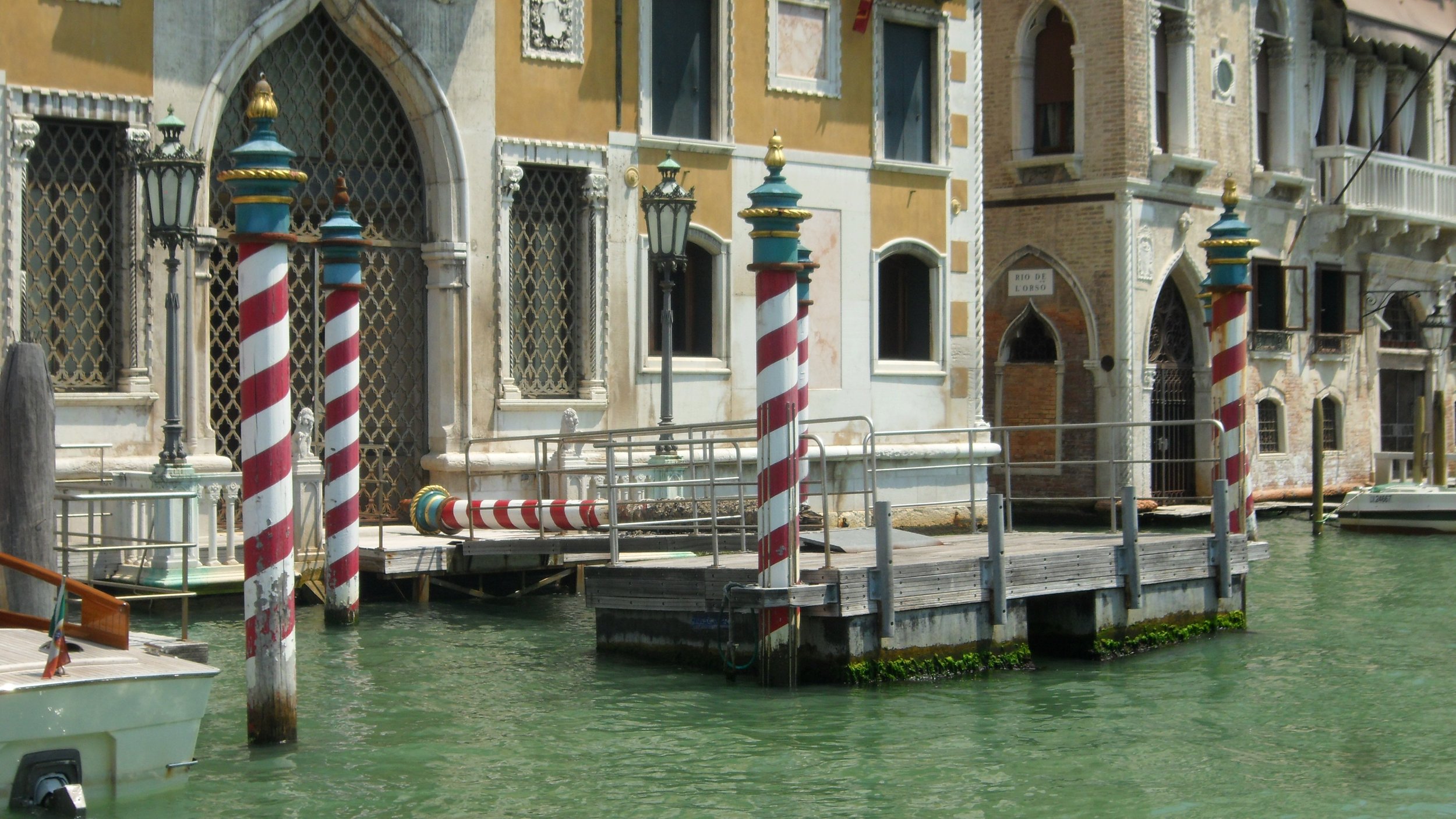
On a warm night, I remember walking through Venice. Germany and Uruguay were facing off, and I could simply walk alongside a canal and keep up with the game. Every café and bar had it playing, screens visible and audible from the street.

I even walked past a more central plaza, where the game was being projected onto a large inflatable screen. I felt like I was walking through an atmosphere full of the world’s enthusiasm.

2010 may seem like a more innocent time compared to today and more recent World Cups. In a lot of ways, it was. But it wasn’t without flaw. Like many middle-income nations that have played host, South Africa took drastic measures to clear neighborhoods around stadium construction and to keep unsightly parts of its public infrastructure away from the eye of the media. A few years later, I would live briefly in South Africa and would discover these issues up close.

I think there’s a time to face the harsh realities of the world. The human rights abuses, corruption, the greenwashing. But there’s also a time to lean into the romanticization of something like the World Cup. To remember that there’s another way to participate in this, and that things can be really good.

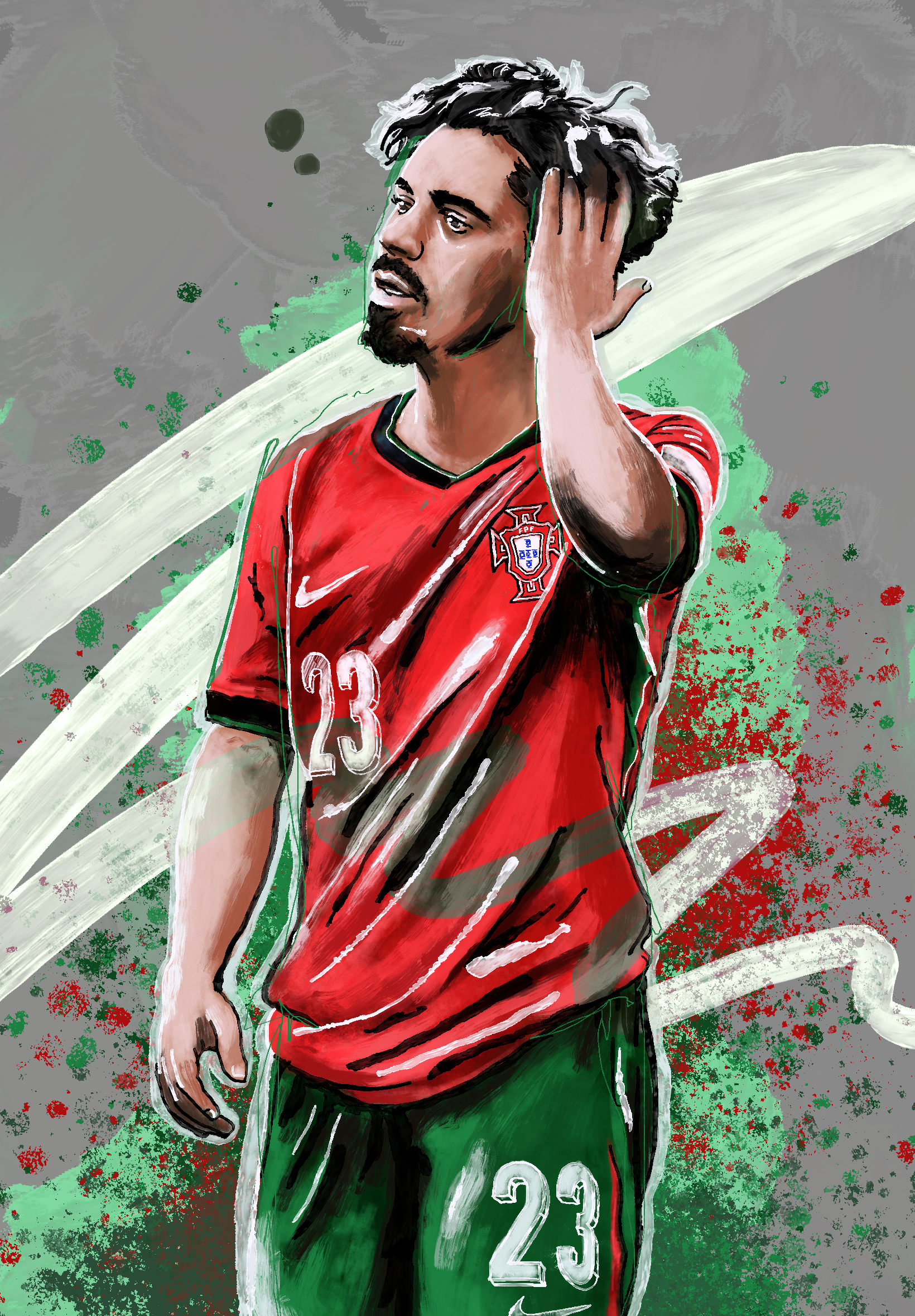
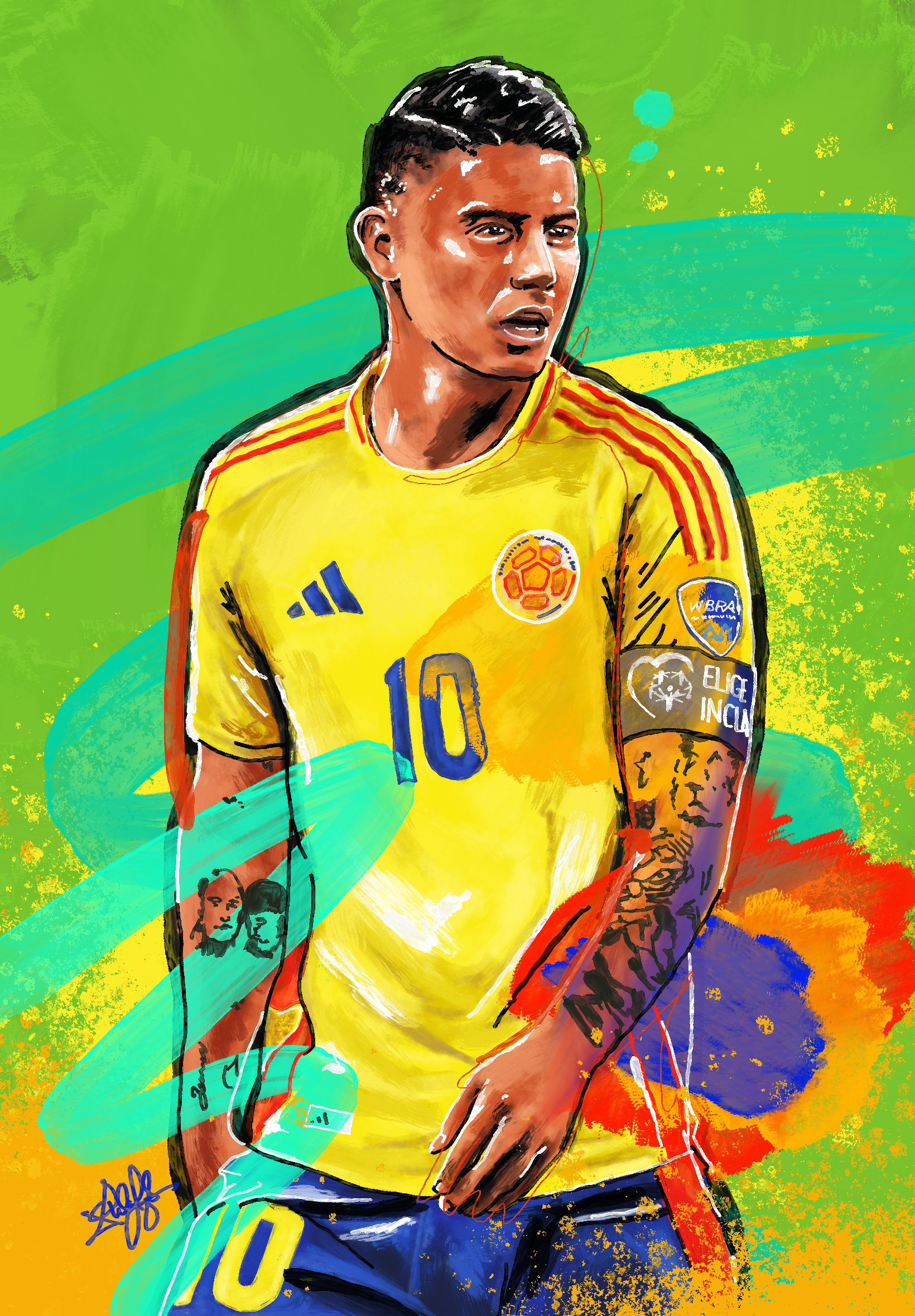
Vitinha

More World Cup art. DR Congo and Cabo Verde are threatening to trash my bracket only a week in, as I have Portugal topping Spain in the finals.

They’ll be alright. Probably. But Cristiano Ronaldo needs to get out of his own way. Portugal’s got a great squad, and Vitinha is one of my faves to watch.

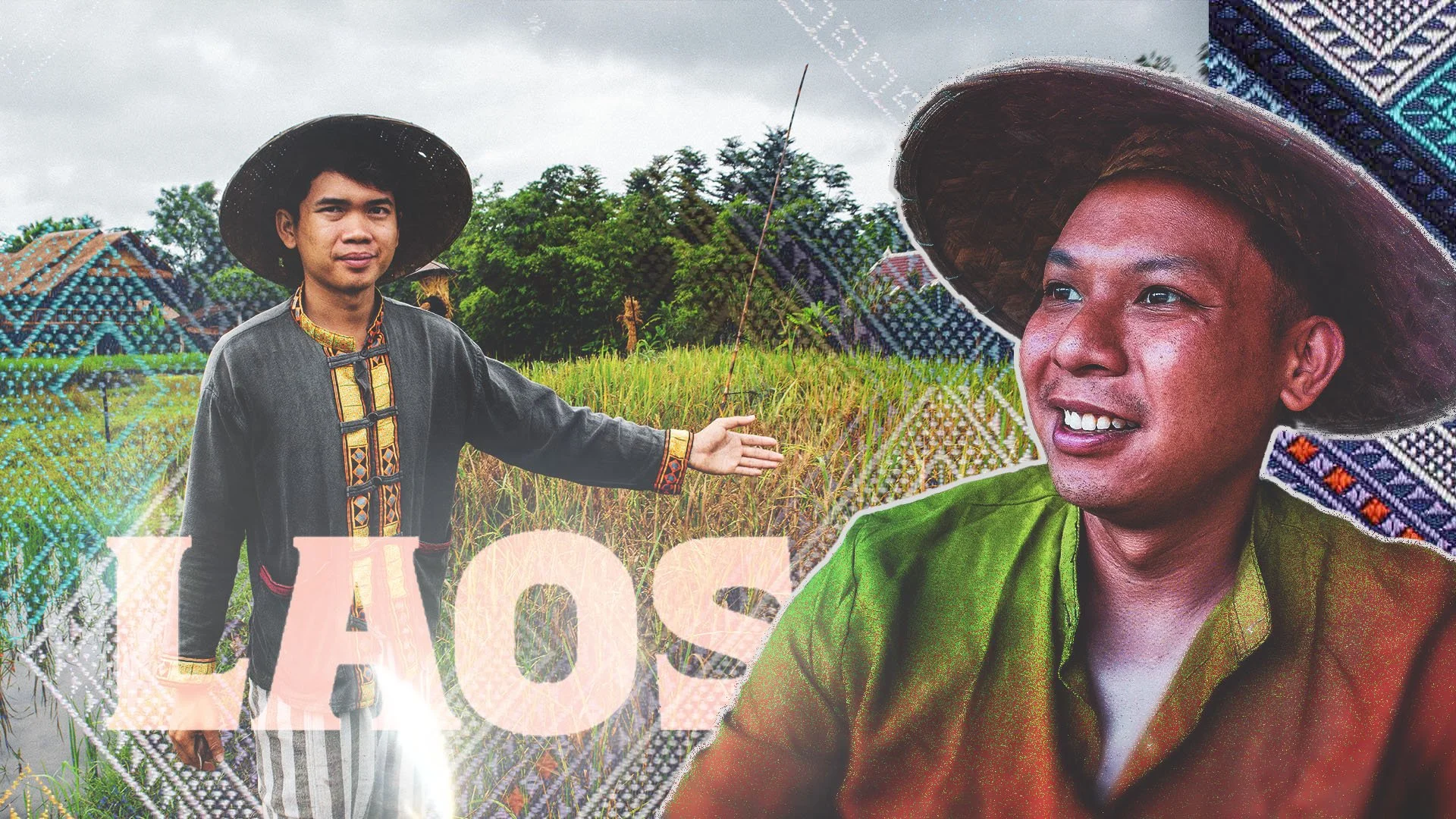
Rice Forever! A Way of Life in LAOS

“Go ahead and have some tea. Keow will be with you soon. In the meantime, you can take a hat.”

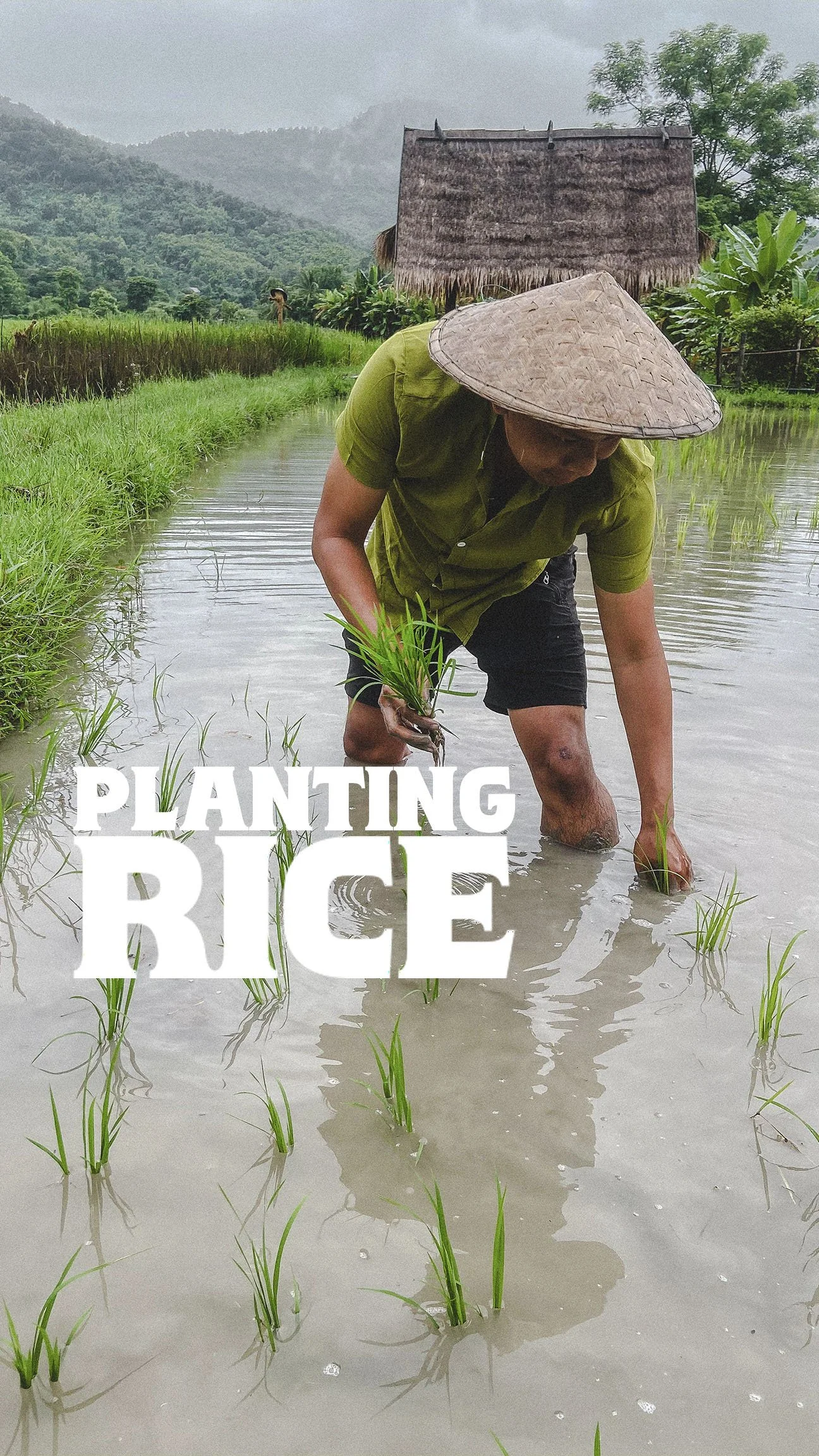
I stared at a row of conical farmer hats made from dried stalks of grass. Salakot as they were known in the Philippines, but I had no clue what they were called in Laos.

I stared out over the rice fields. The sky was gray, flirting with rain. My vantage points allowed me to see all the different plots on this farm. The amount of distance I could see seemed at odds with the quietness of the place. People told me Luang Prabang was a cozy and quiet Lao town. I just didn’t expect it to be so literally quiet.

Eventually, Keow did arrive where I was waiting. I had signed up for a hands-on rice farming tour to get to know this staple of Lao life.

“It’s a good hat for you,” Keow greeted me.

“It’s familiar, from the Philippines.”

“So you are from the Philippines.”

“Yes.”

It’s not uncommon for me to go with this answer when traveling. I generally prefer the set of questions that follow this piece of information.

“Okay, let’s go to the fields for the tour,” Keow led. “Traditionally, cultivating rice has thirteen steps. But we know that is an unlucky number so we added a fourteenth step. Eating the rice.”

He led me on to the plot of land where we would be working. At this point I had to literally step in the mud. I slipped out of my shoes and socks. I was glad I opted to wear shorter shorts that day, not always my travel go-to.

Stepping into the mud was, dare I say, fun? The soft earth had been taking in a moderate rain all morning, ready to receive rice seeds and farming feet. It had the color of coffee and the texture of bread flour, squelching wetly as I stepped in. Instant foot massage.

Keow walked me through the early steps of the process. Identifying which rice grains would be ideal to plant. Softly embedding them into the soil. Sticking in the sprouted stalks like performing a hair transplant.

I’d like to think that this all came pretty naturally for me. At least until we got to the part where I was supposed to slice the rice stalks for harvest. He handed me an old jagged sickle, the symbol of so many revolutions and ideologies returned to its state as a very practical, physical, everyday item. I pulled the ready rice stalks taut and tried to slice through. 

At first a hacking motion with the sickle seemed like the classic move, but my first few attempts didn’t quite make the cut. I switched to more of a slice. Increased the friction between blade and grass. The approach was better, but it was still shaky.

“You are from the Philippines?”

It felt like convenient timing for Keow to call me out on my oversimplified backstory. What Filipino goes to Laos to learn how to farm rice?

Well, now we can say there’s been at least one.

Check out my rice farming adventure on my latest video:

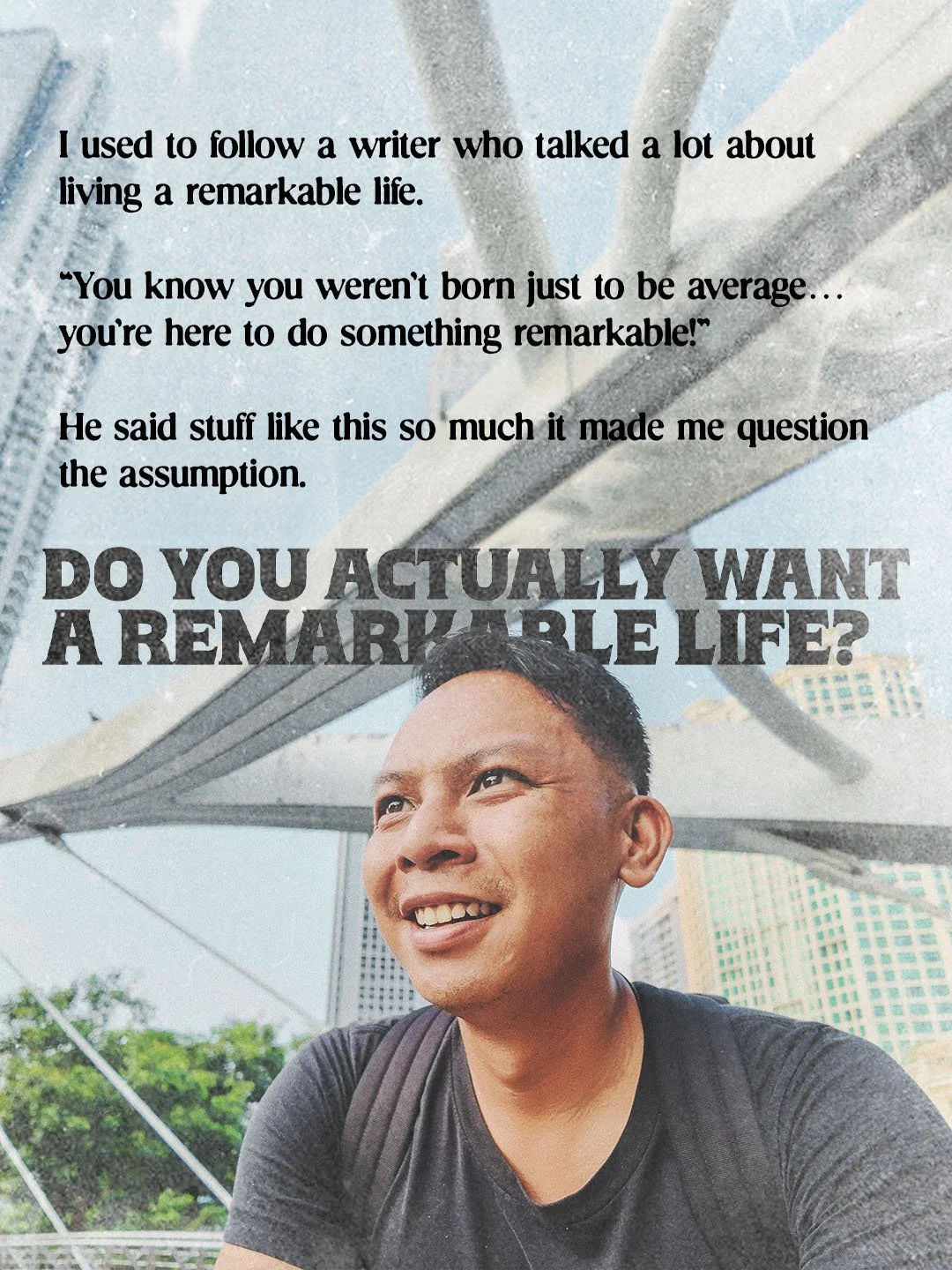
Live Remarkably

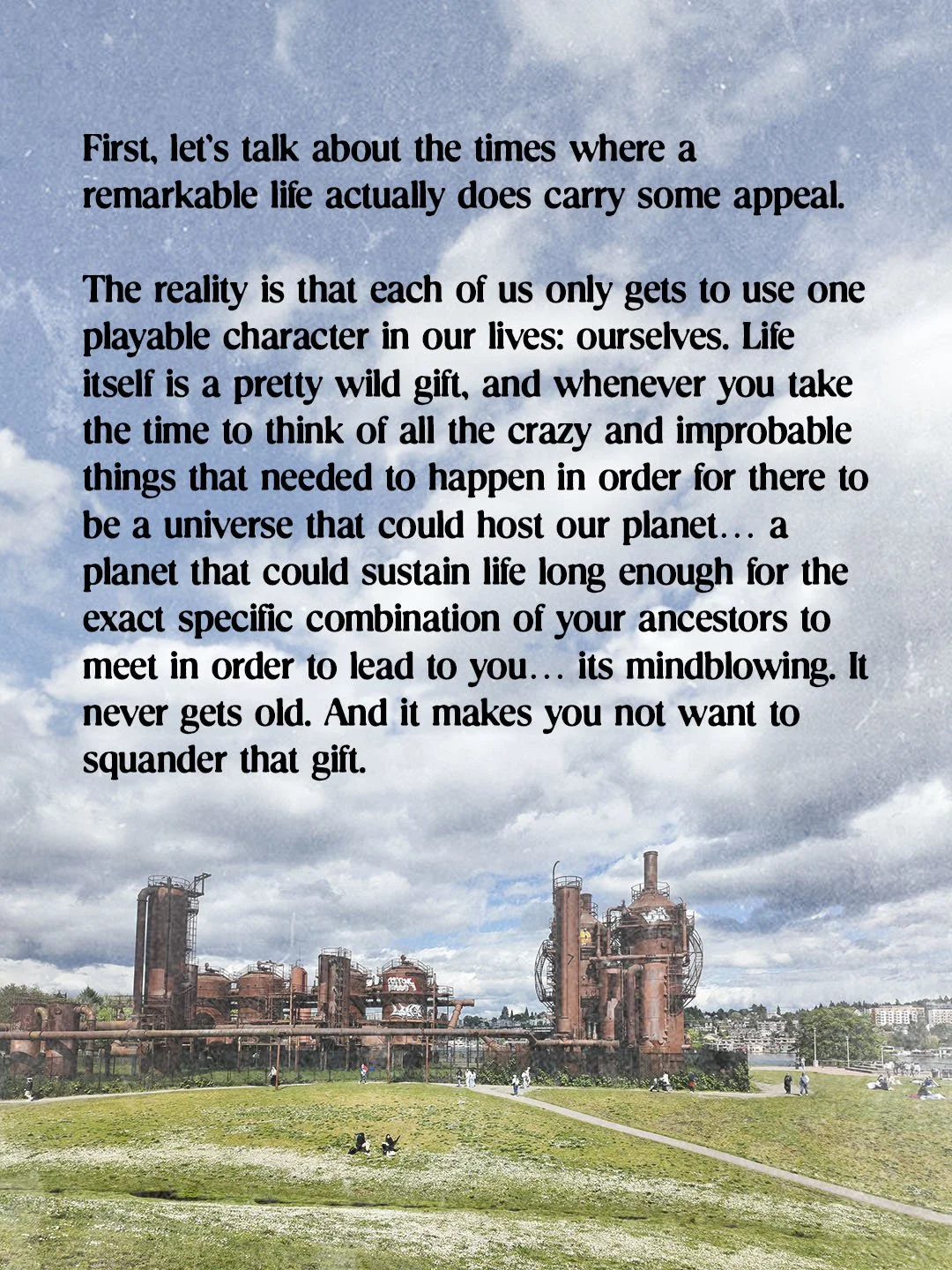
The reality is that each of us only gets to use one playable character in our lives: ourselves. Life itself is a pretty wild gift, and it gets a lot more depth when you decide to live intentionally.
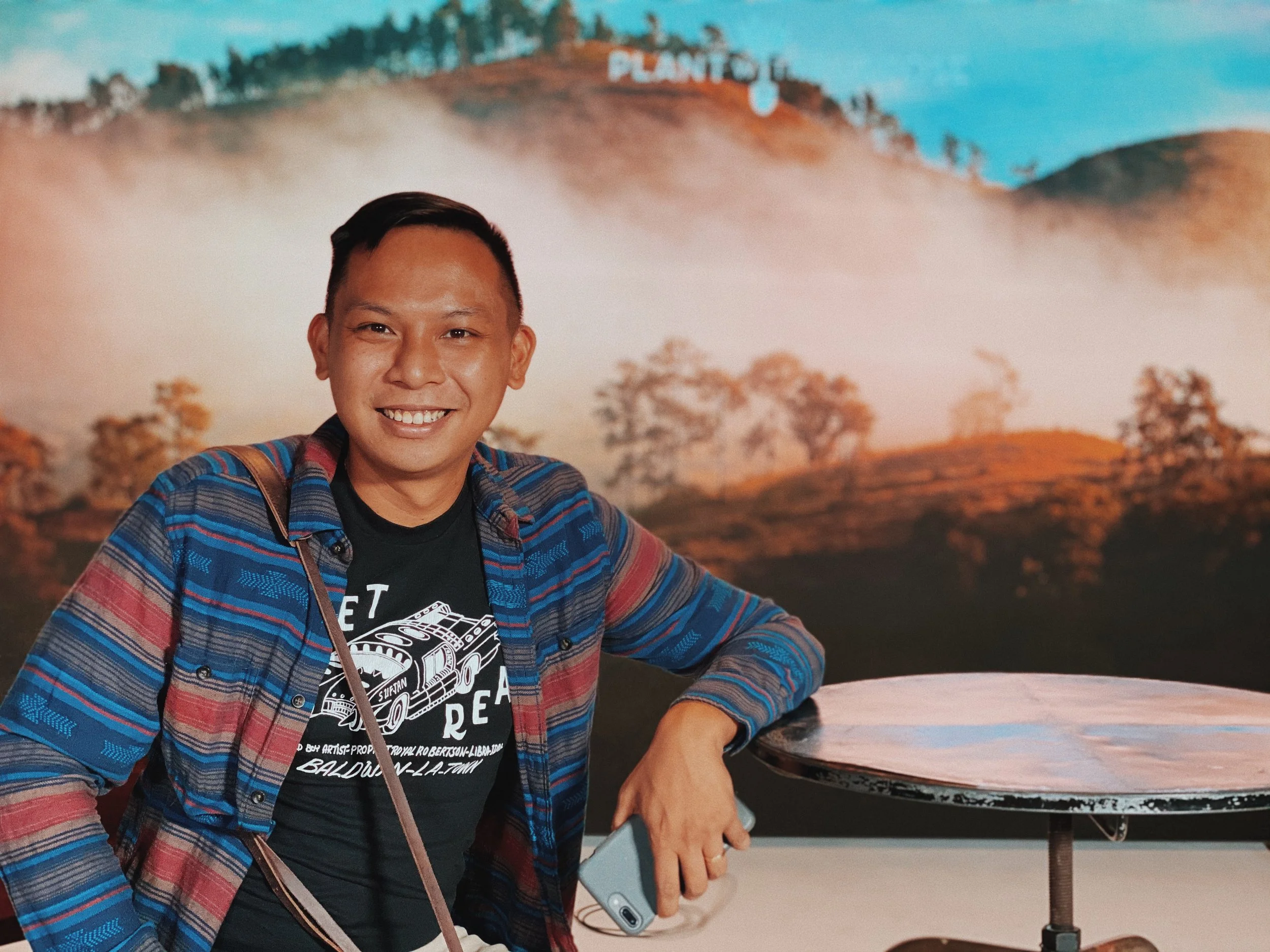
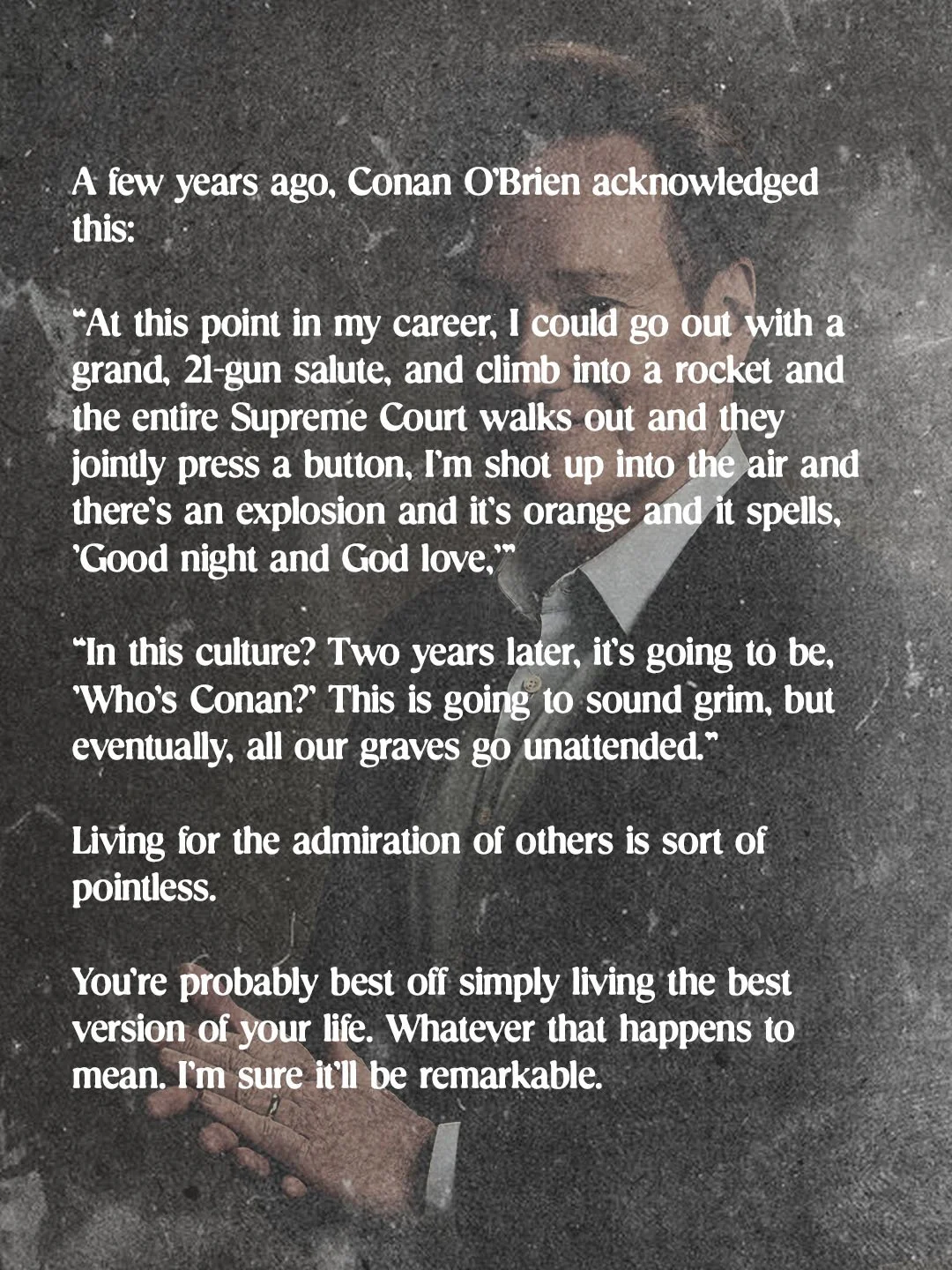
Having pursuits is cool, but living for the admiration of others is sort of pointless.

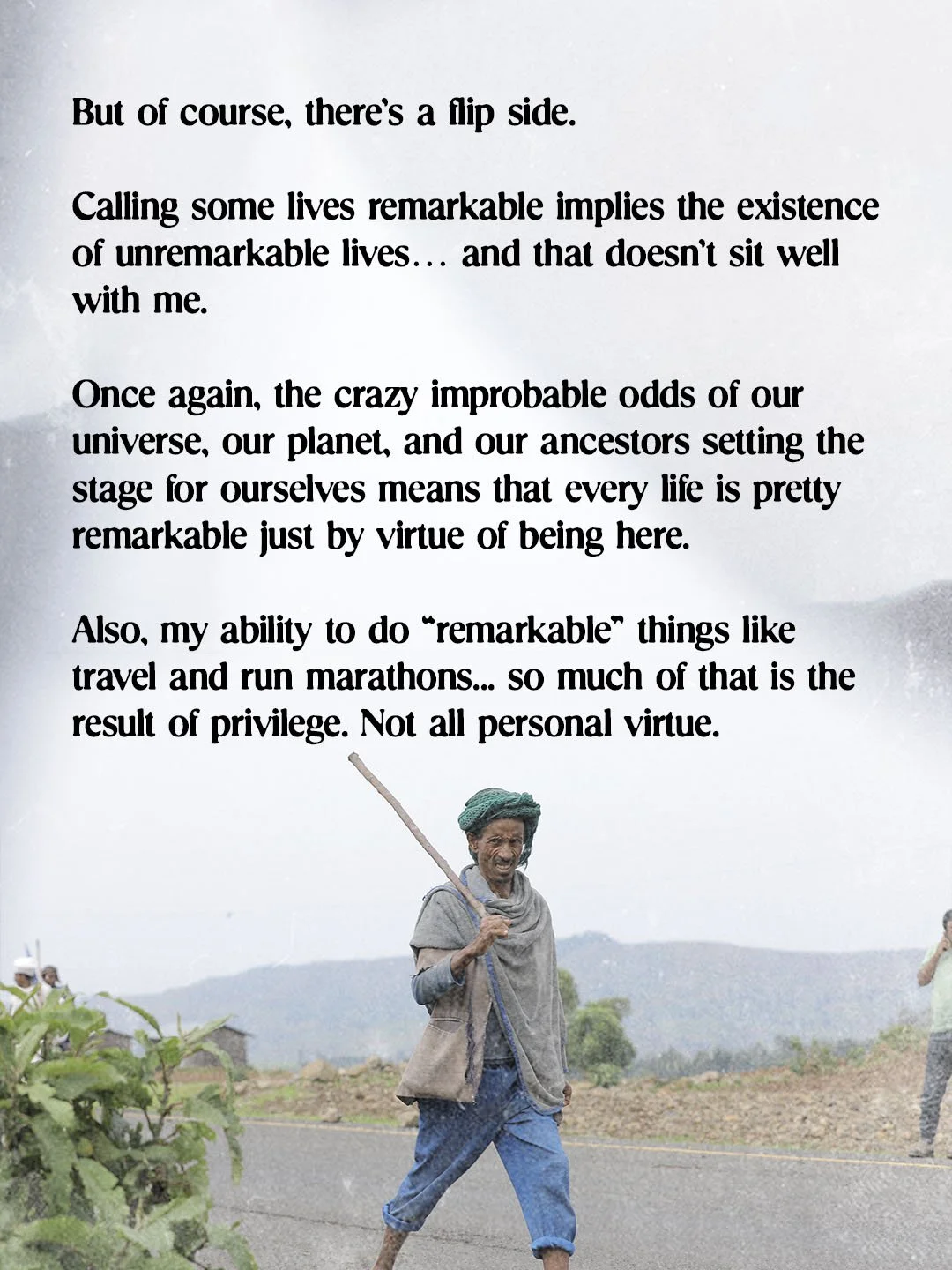
You’re probably best off simply living the best version of your life. Whatever that happens to mean. I’m sure it’ll be remarkable.

2026: The Summer Rotation

Do you ever take a look at your reading log after a few months and think… yup. I picked some good ones!

That’s been me lately. With summer on deck, I thought it opportune to try and share some of my favorite recent reads for you to take on your travels and adventures. Throwing a few film recs for good measure.

I’ve got six countries explicitly featured on this list, and several more taking a global look at things like cartography and personal travel.

Fiction

The Man Who Died Seven Times by Yasuhiko Nishizawa | Set in Japan | Knives Out meets Palm Springs, basically. A family gathers around New Year’s to discuss a grandfather’s plans for who will inherit his successful business. Who would ever expect a murder to go down? Thankfully, our protagonist is caught in a Groundhog Day time loop situation where he re-lives each day nine times, giving him several rounds to figure out who did the deed.

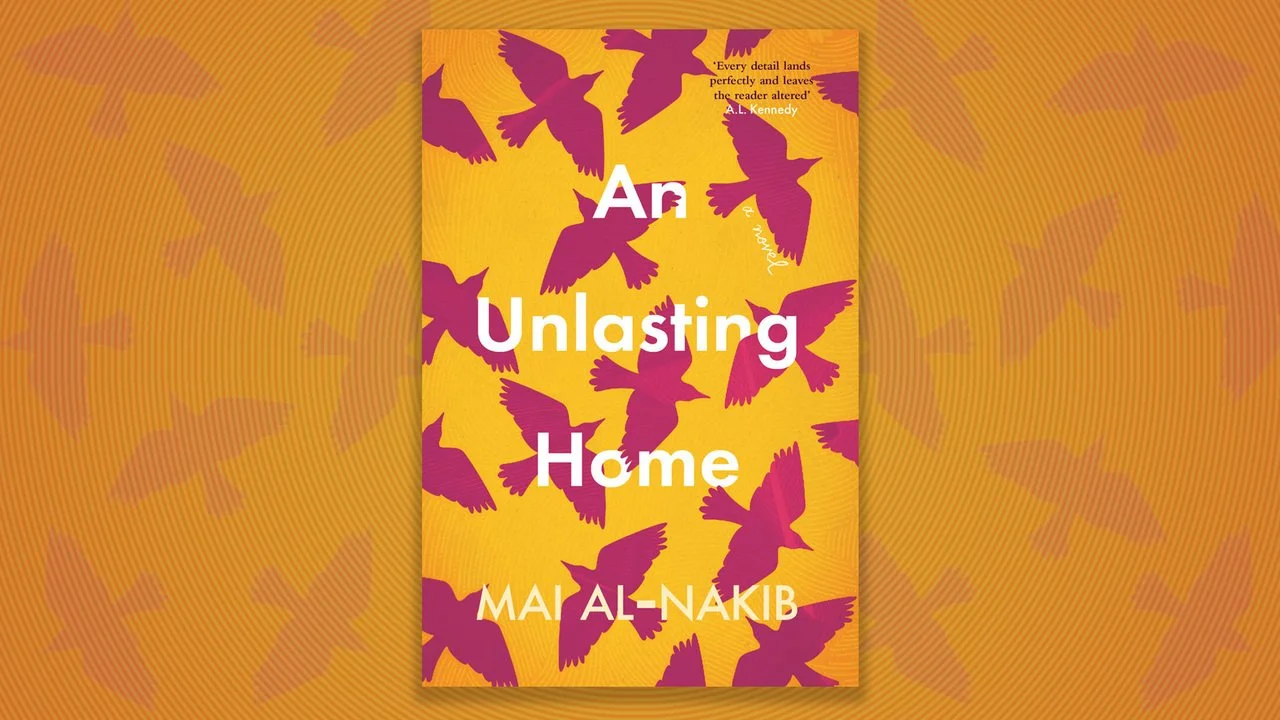
An Unlasting Home by Mai al-Nakib | Set in Kuwait | This follows the members of a couple households in Kuwait set across different generations. A few scenes also unfold in India and San Francisco as members of the family move across the globe. The inciting incident might be a female professor being charged with the crime of blasphemy, but the story itself encompasses so much more. This made me really interested in doing a deeper dive into Kuwait.

Signal Fires by Dani Shapiro | This opens with a tragic accident in the mid eighties, and gives you little glimpses into how everyone else’s lives unfolded and were affected in the years that followed. The chapters bop around a bit going through different characters’ perspectives and different years over the decades that follows. A whole lot of what-if’s.

Theo of Golden by Allen Levi | Felt like everybody was reading this one all within the same three-week window. There’s no denying, this book is a feel-good, everyone-has-a-story saga. It’s full of sweetness, with the “make it a meaningful last chapter” energy of A Man Called Ove and the “dive into people’s lives’ arc of Extremely Loud and Incredibly Close. This has picked up some haters… perhaps for being too sweet, but if you know what you’re getting into, you can set your expectations accordingly.

The Boy from the Sea by Garrett Carr | Set in Ireland | If you want a very Irish feeling book, this one should hit the spot. It’s the story of an unusual baby found abandoned on a beach along the Irish coast and how he grows alongside the family that takes him in. It’s moving, quirky, and has a kindness beneath its heavier subject matter.

Katabasis by RF Kuang | When I read Babel and saw what RF Kuang could do with the premise of an alchemic school guided by linguistic studies, I knew I wanted to read more from her. In a lot of ways, Katabasis runs it back with what works. This time, the school is more divination than linguistics, and its students have to journey into the underworld to retrieve its professor in a Dante’s Inferno-esque fashion.

Nonfiction

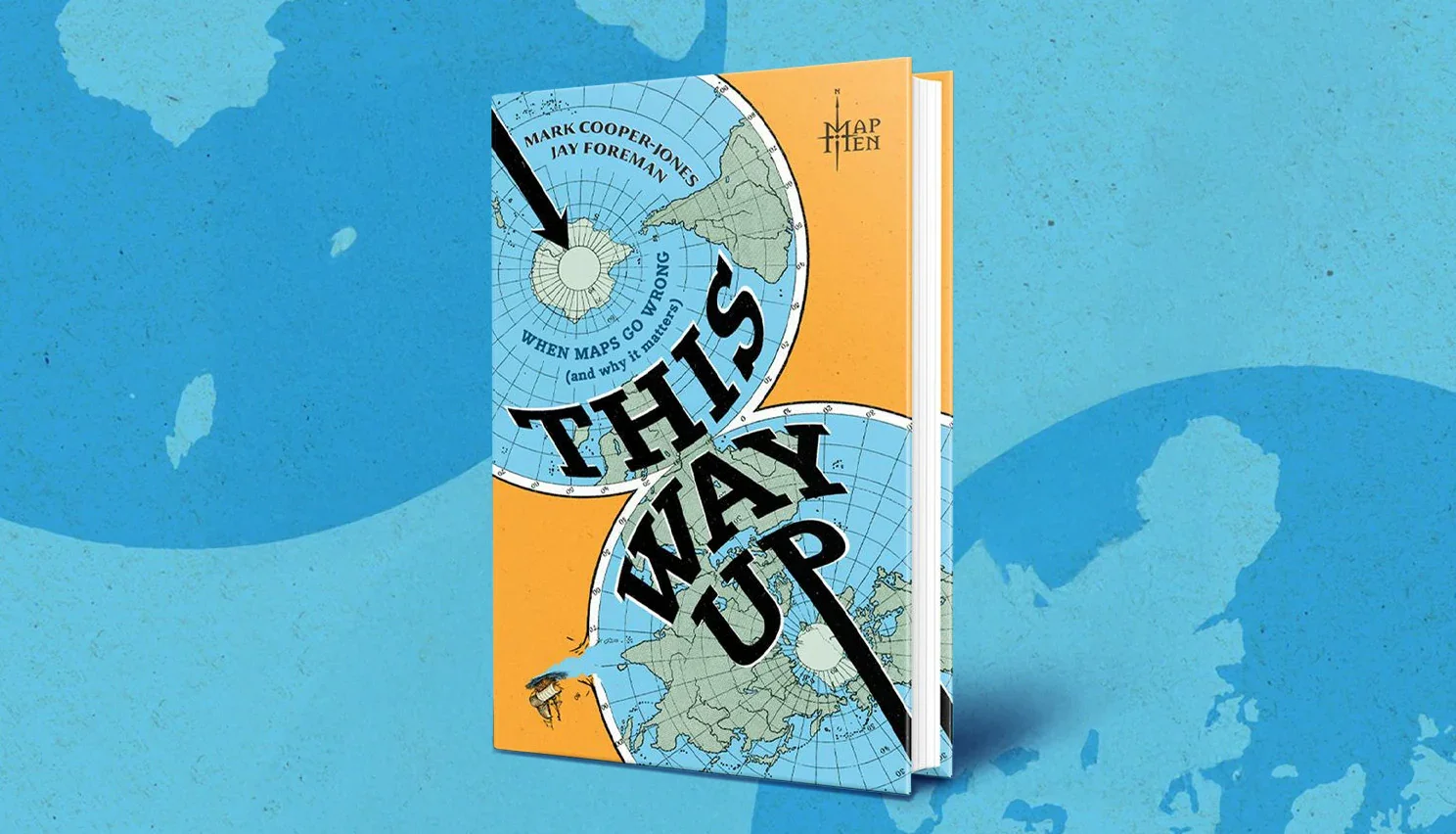
This Way Up by Mark Cooper-Jones & Jay Foreman | This book was so perfectly written for my nerdy interests in geography. It covered niche topics, like how the BBC’s broadcasting rights shaped the social geography of the United Kingdom for decades, or how the geography of the Marshall Islands was shaped by the development of bombs. Written with a cheeky sense of humor at that.

Climate Wayfinding by Katharine Wilkinson | This one comes from too closely within my world for me to not want to dive in deep. Climate Wayfinding takes on the emotional, social, and spiritual dimensions of climate action, including how to navigate anxiety and find a more integrated course of action. This arrives at an important time, when burn-out is especially prevalent and the wind isn’t exactly at the sails of climate activists.

Landon by Landon Donovan | I try to routinely dive into a memoir of somebody a bit unexpected, and this time around the honor went to the American soccer pioneer, Landon Donovan. I actually started appreciating Donovan a lot for his leadership during a three year window when he was head coach of the San Diego Loyal, a short-lived USL team. His memoir covers his complicated relationship with his dad and the early days of MLS.

Everything Good About God is True by Bruce Reyes-Chow | I’ve been introduced to Bruce Reyes-Chow, a Filipino-American minister who writes a lot about justice and culture. His book offers a well-rounded look at practical theology. There’s a combination of progressive and applicable in his chapters that you don’t often find side-by-side.

How Iceland Changed The World by Egill Bjarnason | Set in Iceland, of course | The book’s title is a promise… how Iceland changed the world, and the rest of the book actually delivers. Despite Iceland being known for its remoteness and sparse population, its outsized influence includes the impact of its volcanoes on air travel and climate change, its unusual relationship with Nazi Germany and the United States around World War 2, and the roles it played in both the French Revolution and the Palestinian partition.

Belonging to the World by Barry Hoffner | Barry Hoffner has quite the story from the past few years, and it begins with tragedy. Following the unexpected loss of his wife, he leans into their mutual love of travel and begins a quest to complete his visitation of every country in the world. It becomes a beautiful memoir of connection, grief, and as advertised, belonging.

Screen Time

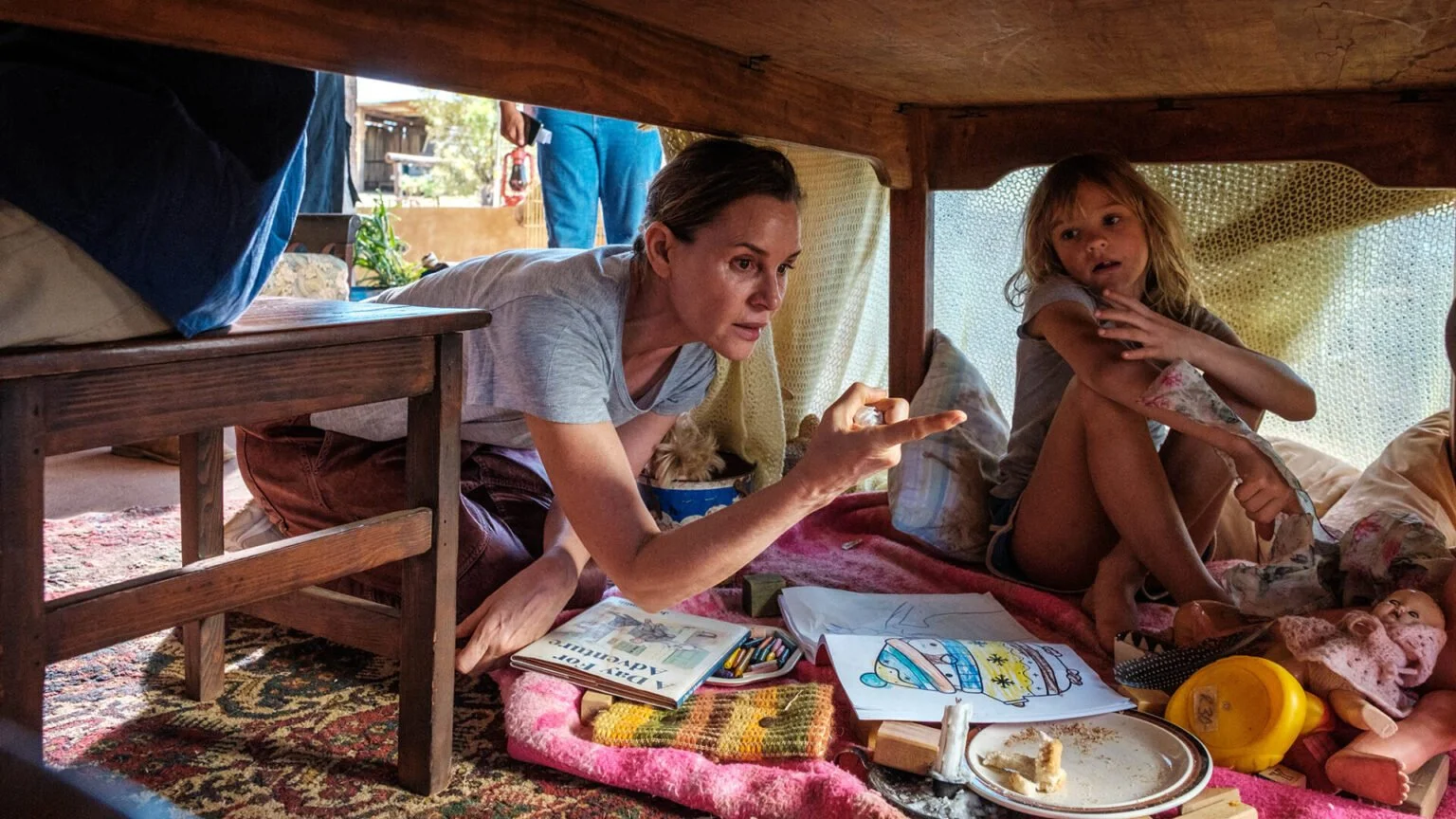
Don’t Let’s Go to the Dogs Tonight | Set in Zimbabwe, South Africa-based Production | This is a film adaptation of a memoir by Embeth Davidtz, who has a direct hand in producing the film. Davidtz was raised in what was initially Rhodesia, and we catch a glimpse of her white family’s farming life just as Robert Mugabe takes power and reinvents the country as Zimbabwe. To top it all off, her mom must deal with both family life and the politics of the era alongside bipolar disorder. It’s a coming of age story set against an incredibly complex backdrop.

Kneecap | Set and produced in Northern Ireland | This film starts right off the bat by calling out how most films set in 1980s Ireland begin… with car bombings and the troubles and all that. Then it lets you know how you’re in for something different. Kneecap focuses on a group of young rap artists and how their assertion of the Irish tongue in lyrical form becomes a vehicle for discourse around national identity in Belfast at the time.

Rental Family | Set in Japan, USA-based Production | This one features Brendan Fraser playing a struggling American actor who finds himself booking unusual gigs… pretending to be fiances, estranged family members, and other people in the real lives of ordinary Japanese families. While the film’s actual script is a work of fiction, the job it portrays is based on the real world “rent-a-family” businesses that started to emerge in Japan in the 1980s. Subtly comedic with heart.

Goat | This film had so much going for it, I wish it got a bit more attention. It has a stacked roster of voice actors, which seems to consist of 33% Stranger Things cast members, 33% NBA Players, and 33% stand up comedians. And Wayne Knight to make up the other 1%, I guess. This feels more like the Space Jam of the 2020s than the Space Jam of the 2020s. It has the obvious basketball element, flashy animation reminiscent of the Spider-Verse movies, and feels very much like a product of its time. With all the niche slang that isn’t bound to age well, it’ll be interesting to see how precisely dated this feels in a couple years.

Augurk Aan Zee | Set in Bonaire, Netherlands based Production | This is a straightforward comedy, with over-the-top characters in improbable situations. This one features a Dutch factory worker’s attempt to reconnect with his estranged father… who almost immediately passes away leaving him with a resort in Bonaire in serious disrepair. It’s the sort of movie that we grew up on but don’t really see anymore. Glad that comedy lives on in Dutch cinema, at least.

La Suprema | Set and produced in Colombia | This is a film about a girl who takes a strong interest in boxing, while her village’s hometown hero prepares for a major fight. The rural village is so remote, it’s left off of many maps. This makes the simple task of acquiring a TV for everyone to watch the fight a tall order. The film is a bit of a slow burn at first, but sticks the landing with a ton of heart.

One Story, Then Another

I was a pretty active Tumblr user from 2009-2012.

You should’ve been there. It was a great time. A much more lighthearted internet. The fandoms. The memes. I made a lot of online friends, some of whom morphed into real world friends. Imagine that!

I also learned a lot about Dr. Who.

I didn’t actually watch Dr. Who at the time. I felt like I didn’t need to. They had such an active fanbase online and I have this unusual talent of being able to fake my way into a fan base. I can absorb enough lingo and information from other people’s conversations to discuss shows I’ve never seen. I’ve been a poser Game of Thrones guy, a Breaking Bad faker, and of course, an imposter Whovian.

I used this superpower as a running gag, to be obnoxious to a friend who knew I hadn’t actually seen an episode. It was a good bit! A good run for many years. And I decided to eventually put it to rest by watching the legacy BBC series for real.

I picked up with its 2005 relaunch and worked my way through several seasons.

And now, I’ve been thinking about Dr. Who quite a bit. Specifically, his thing for regeneration.

In case you didn’t know, every time they replace the lead actor, the Doctor dies. He has the ability to regenerate in a new body, which is a pretty convenient way to keep a show running for half a century. Still, this usually ends up being a pretty sentimental episode, with season finale-level stakes and often an emotional parting of that Doctor and their companion.

Our actual lives sometimes have moments like that.

A lot of life’s changes are gradual, but sometimes you get a graduation. A move. A sudden loss. Moments that feel like death and rebirth. I started mapping out times in my life that were like that.

Finishing college. Moving to Oregon. Moving out of Oregon. Becoming a dad. Having twins and becoming a dad to three.

That last one was over four years ago, and since then, the tentpoles of my life have been pretty solidly planted. Until just now.

Regeneration itself absolutely fascinates me.

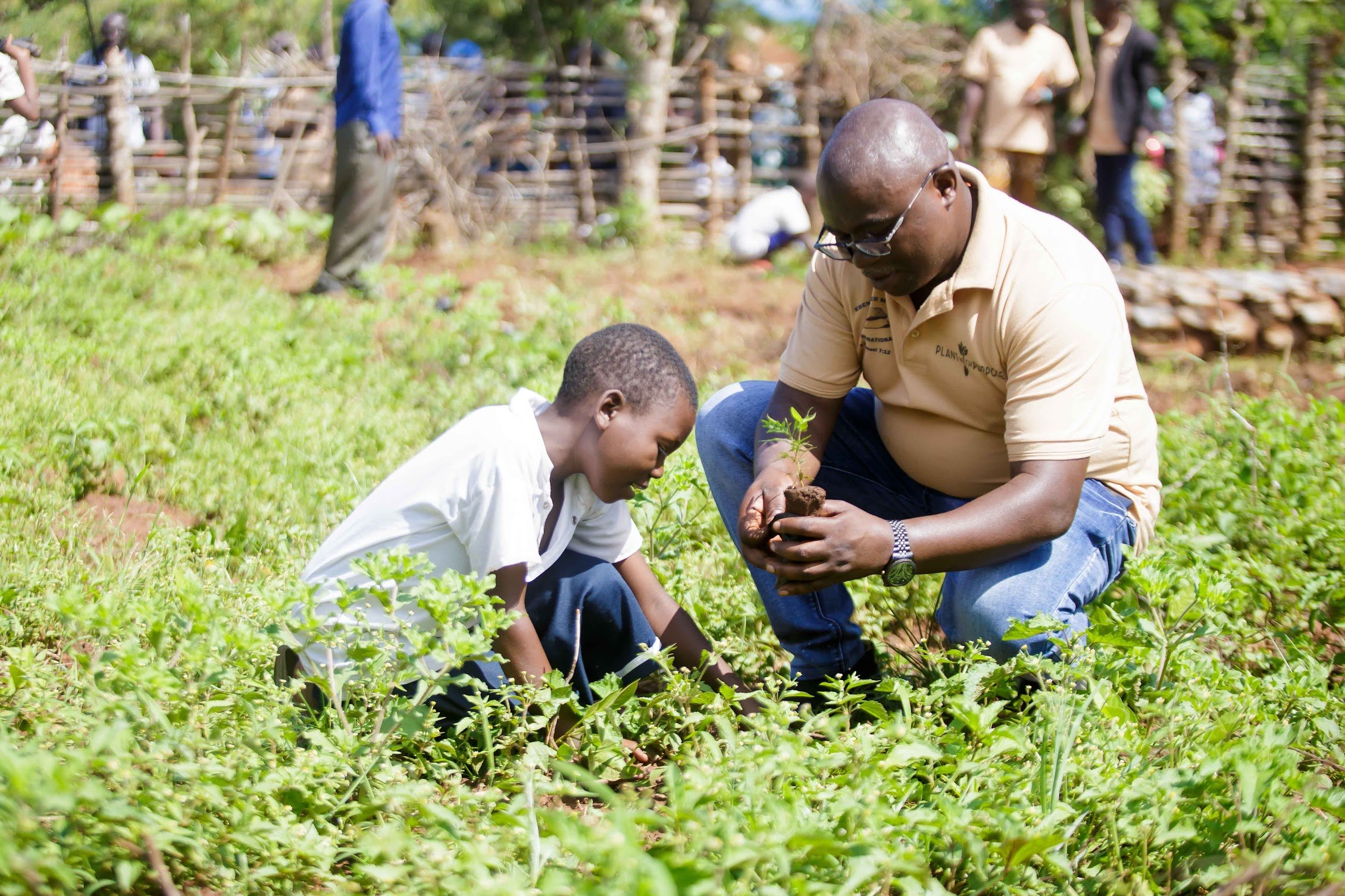
I’ve spent the past decade as a spokesperson for a faith-based environmental organization. We helped rural communities around the globe, largely through regenerative agriculture. I loved the uncommon pairing of faith and ecology.

Regeneration beautifully synthesizes the scientific and the spiritual.

Decomposing remains go into the soil to be digested by worms. Things stay quiet for a while, then life emerges. It’s a vital process that keeps life going on our planet. And it’s one that mirrors life.

Above ground, there’s the journey from life to death. That’s the visible part of the journey.

But the part that’s unseen, is the circling back. Death to life.

It’s beautiful but it isn’t convenient. All the stuff that happens under the soil happens in the cover of darkness. It’s a struggle to find the light.

There’s more mystery than answer, but this process and pattern gets mirrored all throughout nature and all throughout life when you pay attention.

A few months ago, I had this moment of deep and uncomplicated gratitude for what life looked like at the moment.

I loved my job. I saw my role evolve with me. I grew in parallel with a mission I believed in.

I love the adventures I got to go on. Sometimes for work, sometimes just by saying yes to things.

I loved my community. The struggles of making friends during the years of early parenthood are well documented. But somehow, the past few years were full of good connections.

And of course, I loved my family. Having three kids within two years of each other will make for a wild and busy time. But it was such a good time full of sweetness. And as I began the process of registering my twins for school, it occurred to me that things were about to change pretty significantly.

We’d been at the same daycare center for six years. We were thankful for that time, but the upcoming transition to school would be a game-changer for both our schedules and wallets.

I briefly wondered if that might trigger some other new beginning, like exploring new roles at work or launching new projects. Something to add a new challenge to a life that had gotten more and more comfortable over the years and that was about to get a lot more open.

I decided, we should punt that decision a little further down the road. After all, the past few years were so packed and chaotic. It was a good chaos, but still chaos. Having a lighter year of coasting might not be so bad.


There were some little whispers that changes were coming. And while I mistook those for my usual curiosity, turns out they were small signals that a whole lot of changes were headed my way.

I left Plant With Purpose in February. Parted on the best of terms, mutually cheering for each other’s success. But still, leaving a niche you’ve carved out for a decade doesn’t happen easily. And in my case, this happened during a season that was already difficult.

That winter, I had to stomach a trio of tragedies. Three deaths in my circles. Plus the usual weight of the world.

Different actors in Doctor Who have played their regeneration scenes differently. Some lean into the fact that they are physically dying. Some display acceptance. Others fight it.

All these changes felt like the end of David Tennant’s run, where he individually visits almost all of his supporting characters to offer a meaningful sendoff, then expresses simply… I don’t want to die.

Not to be dramatic, or anything, but I didn’t exactly want to leave a season of life where I had so much fun.

Now I find myself in a wild new chapter of life.

I’ve got my next adventure ahead of me. It’ll take new forms, but I’ll still be using the power of telling stories and strategic messaging to support our planet. Clean air. Healthy oceans. Safe communities. I’ve laid the groundwork for new opportunities in social impact storytelling, and I’m ready to begin building.

The kids will all be in school together in a couple months, and that’ll be a game-changer.

Regeneration is beautiful. But it isn’t pretty.

A large part of this process includes death, breakdown, and decomposition. At the moment, it’s disorienting and frustrating.

But it’s also a gift. A gift to begin again.

Our lives aren’t quite like movies, where the story needs to end once all the problems are solved. They’re more like comic books, where you take care of one bad guy, but the small details unearthed along the way will turn into a new problem to be dealt with in the next issue.

Whenever a storyline runs its course, life has a way of forcing us to begin again. To take the old parts and to make something new. And isn’t that so much better than just growing stale with the same old plot?

It’s such a gift that we get one story after another after another.

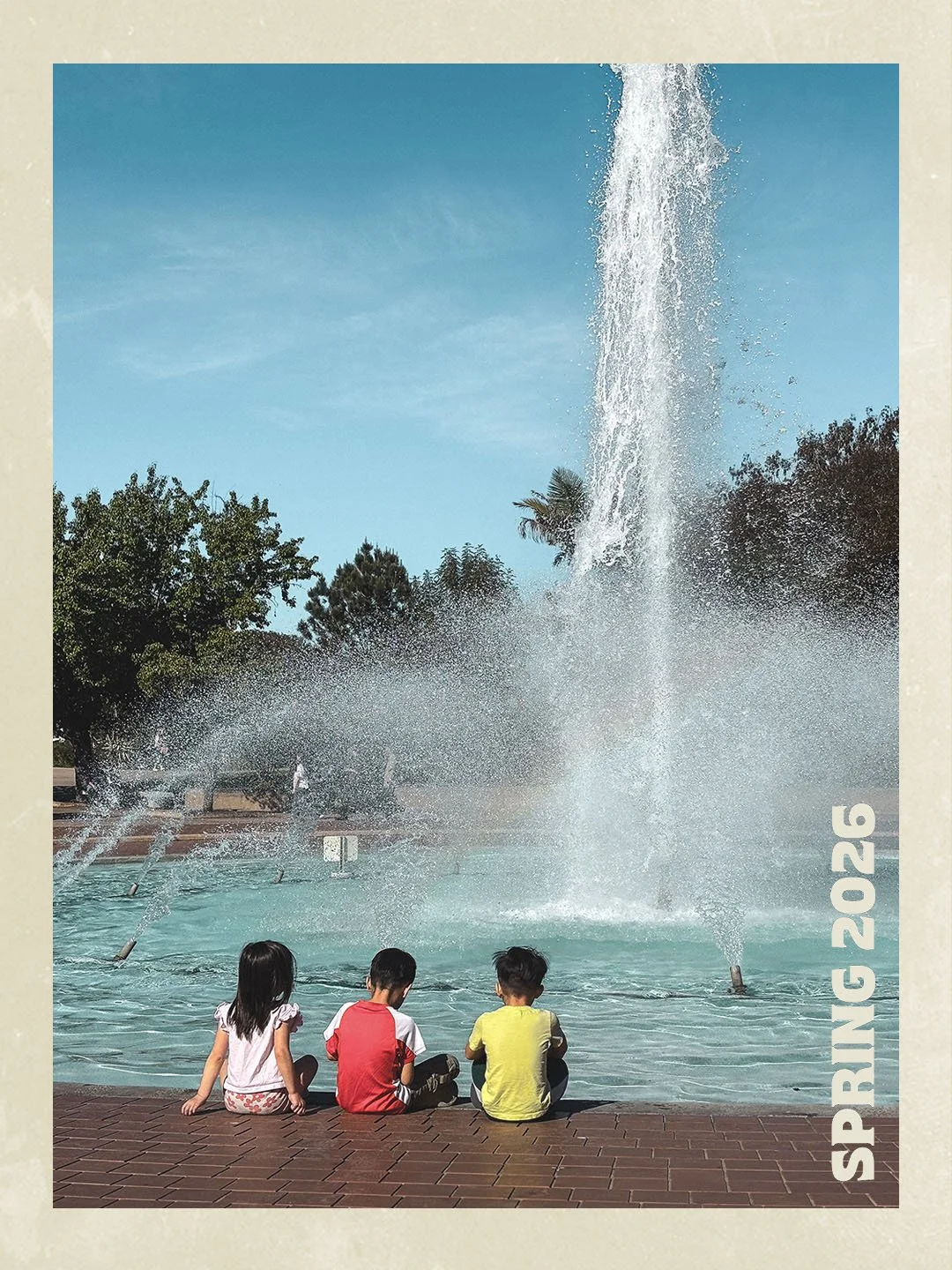
Spring 2026

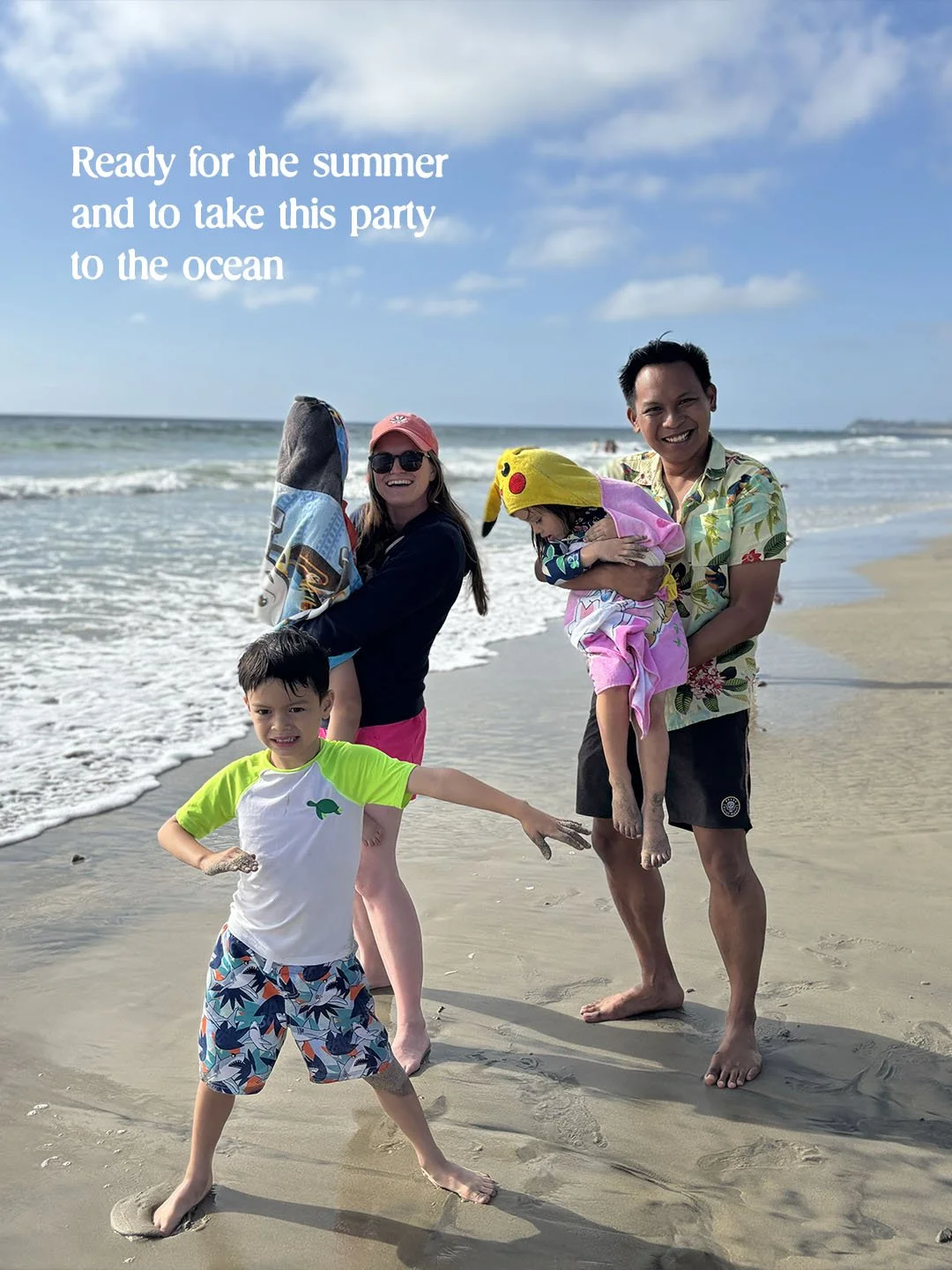
School’s out, summer’s on, here we go.

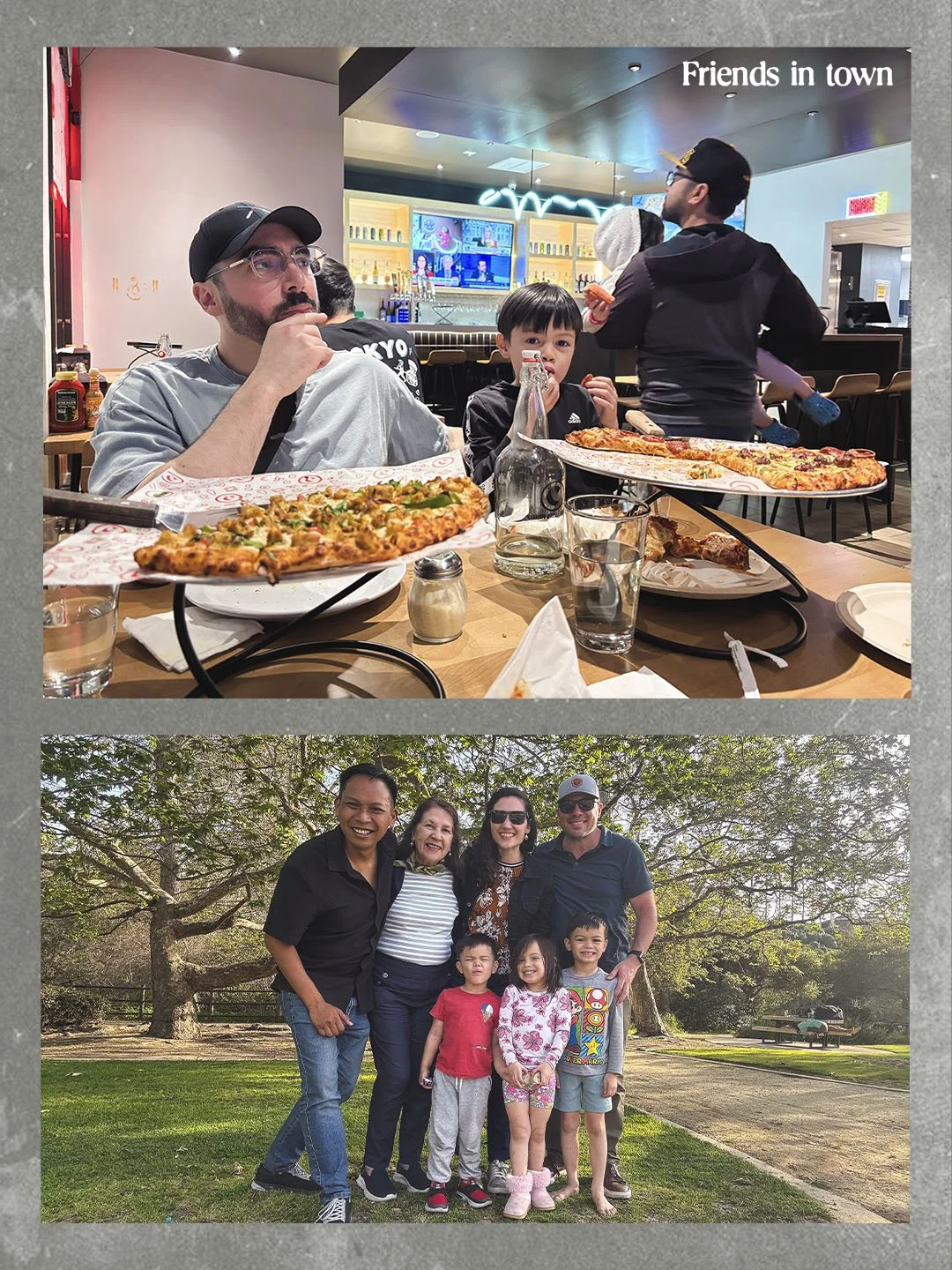
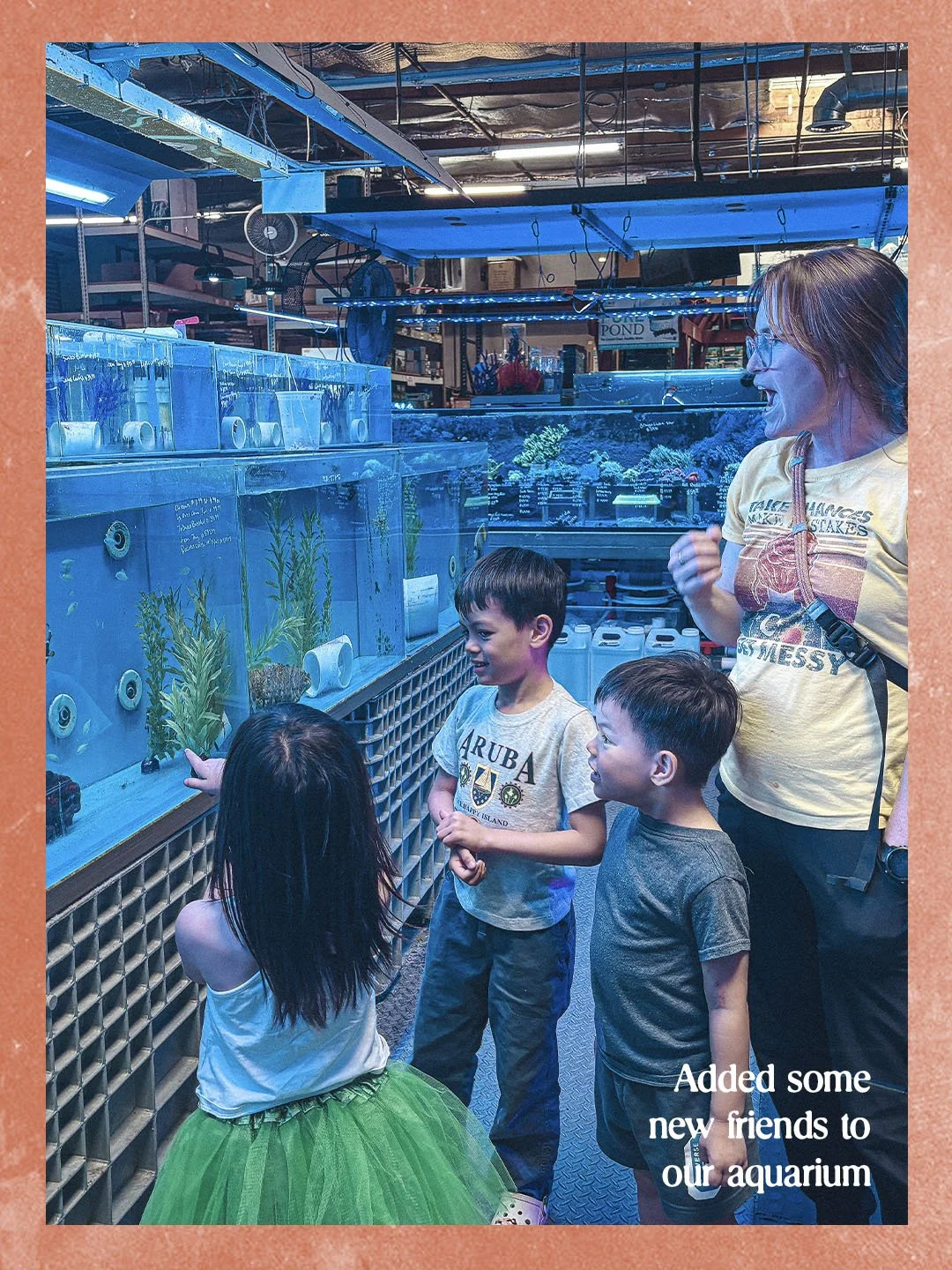
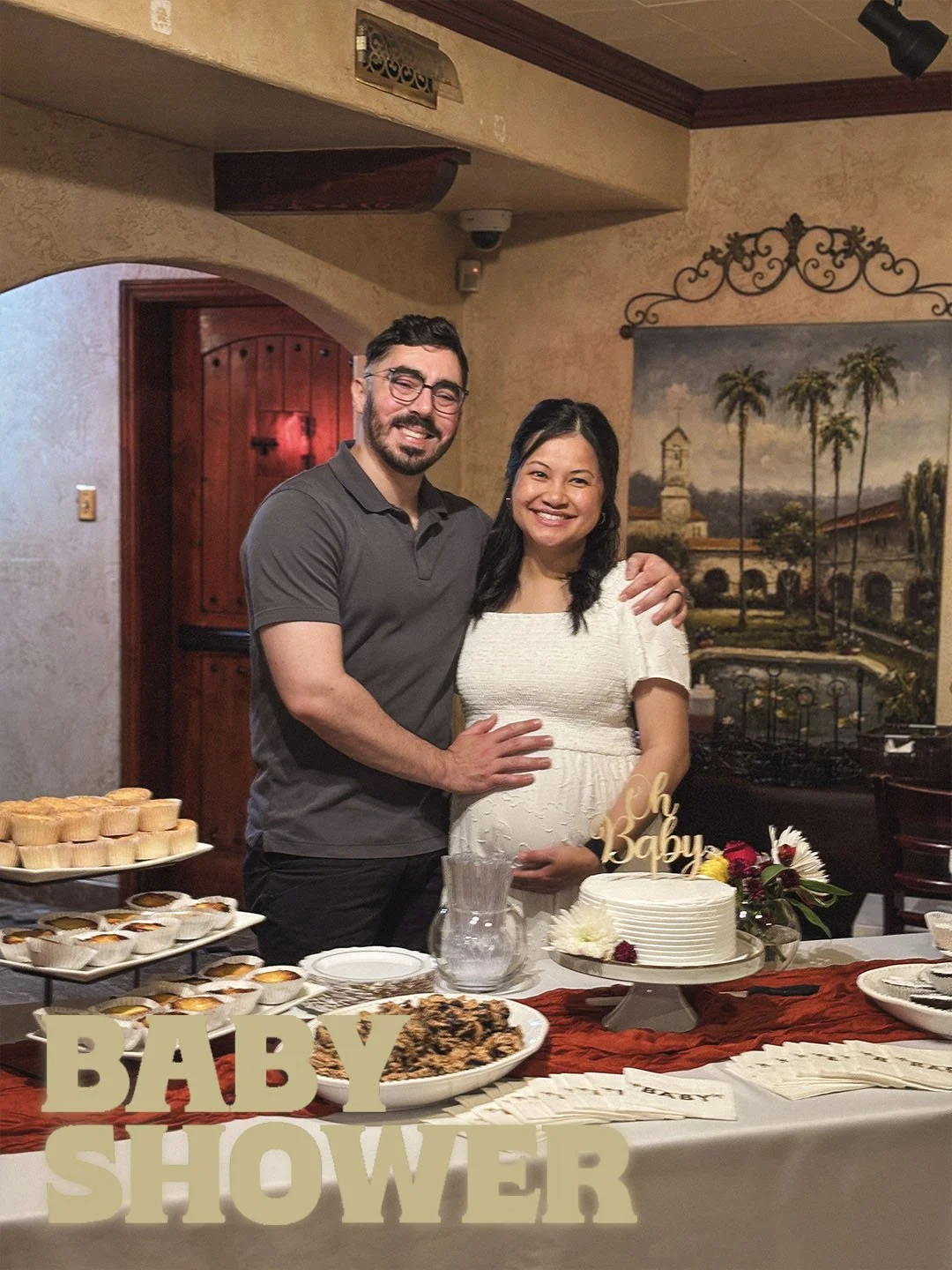
To be totally transparent, life has been weird lately. Some promising new beginnings and some hard things persisting make for a very strange mix. We’ve also had a lot of little bits of good things shine through.

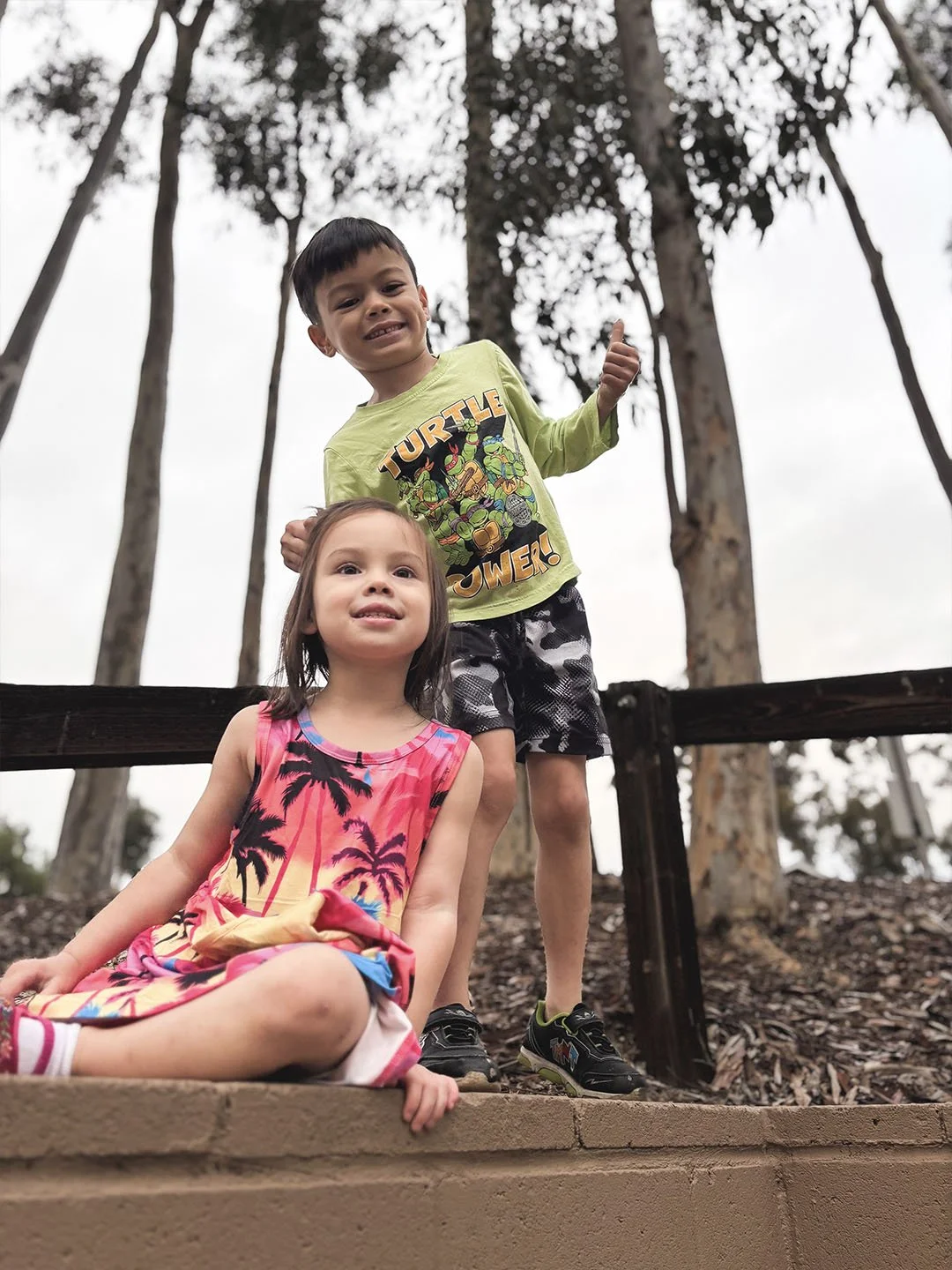
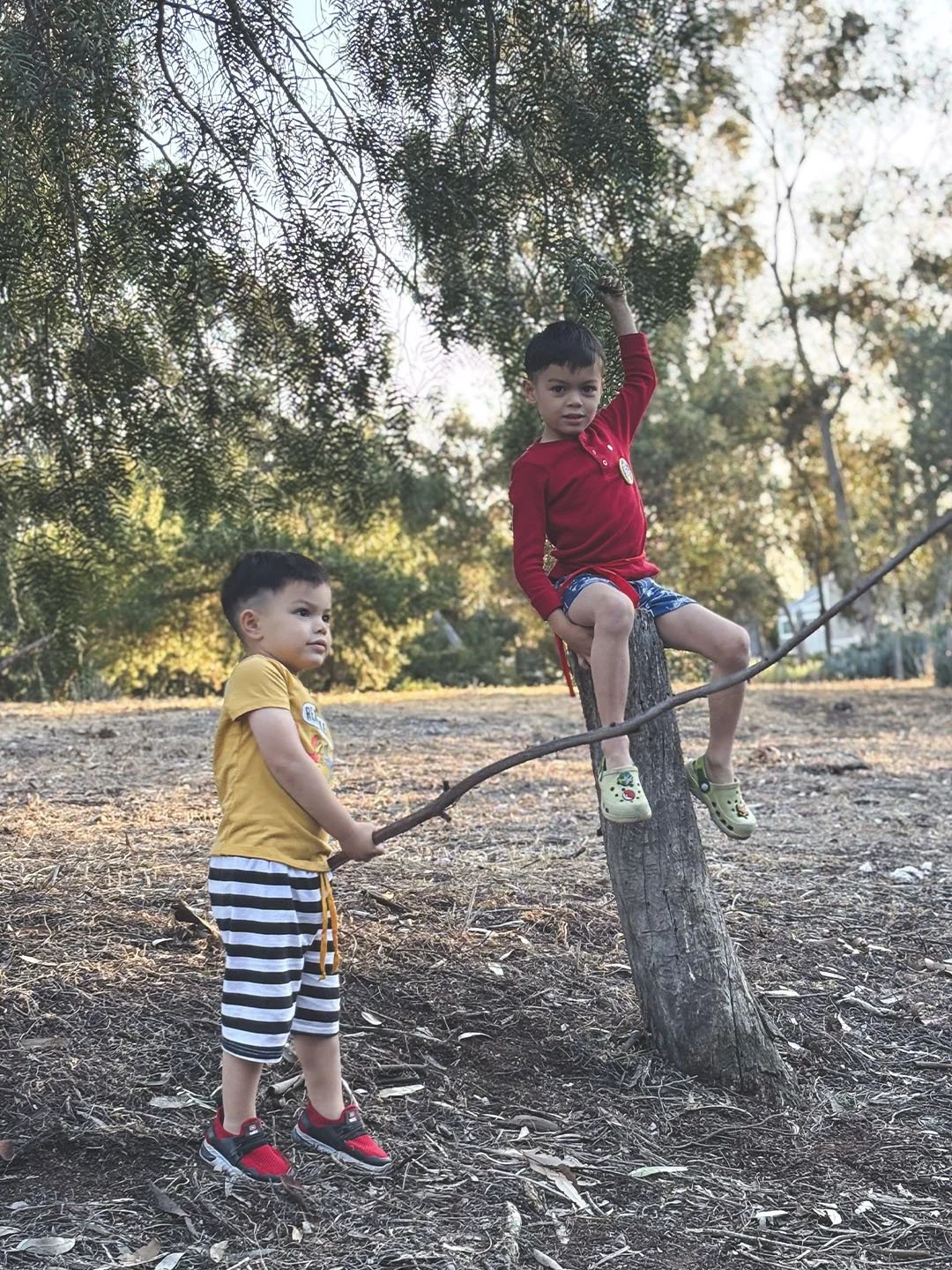
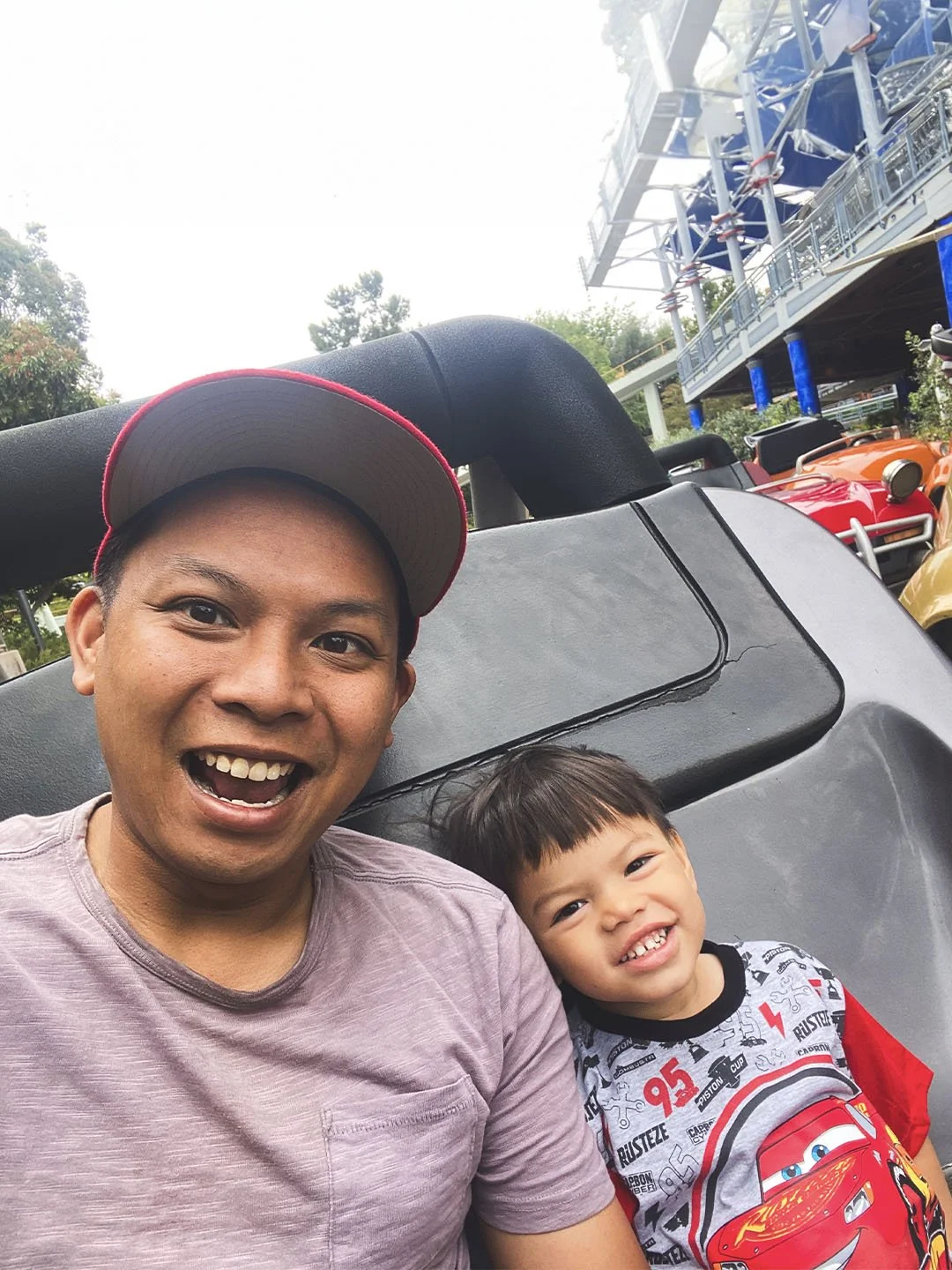
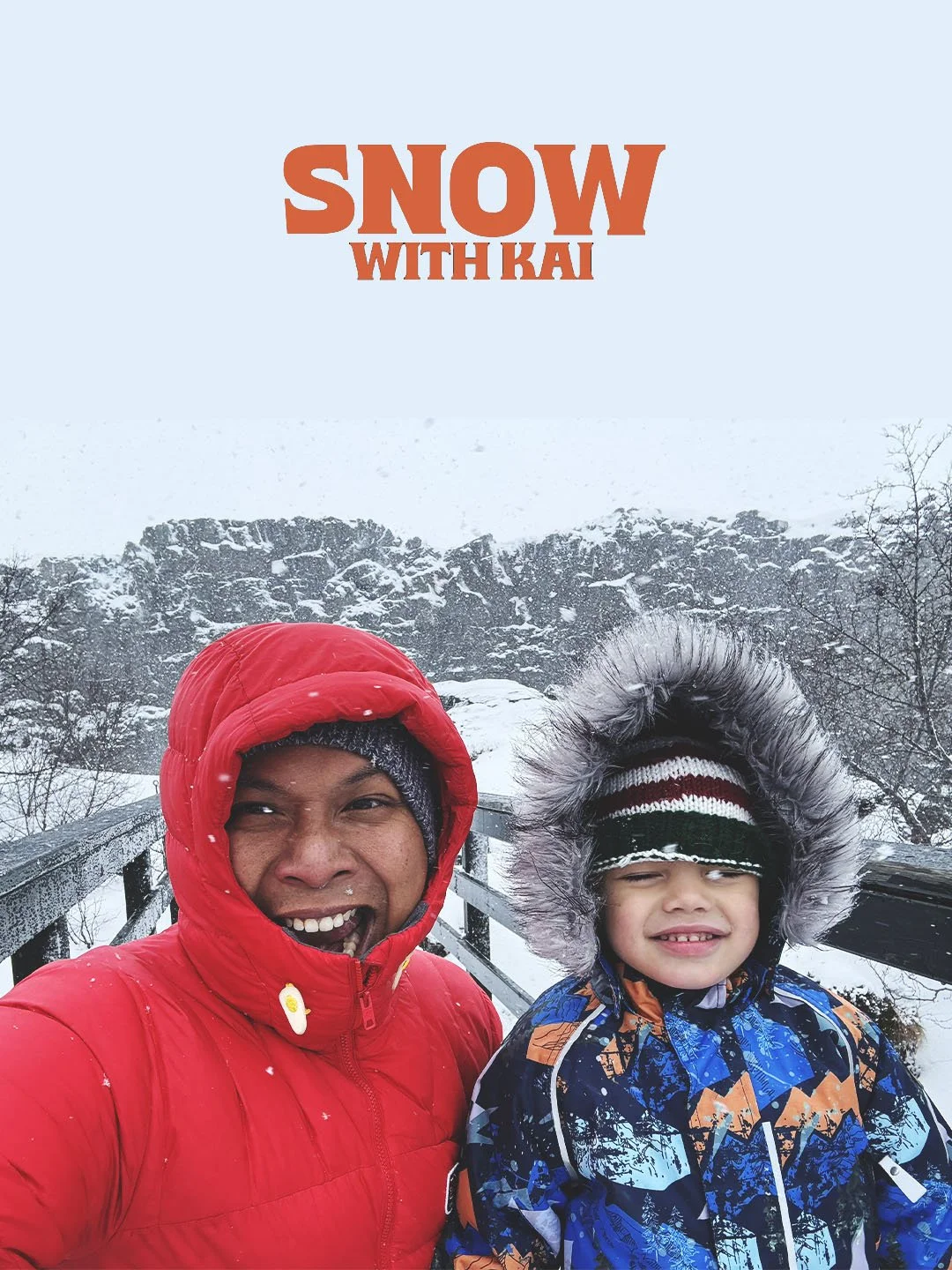
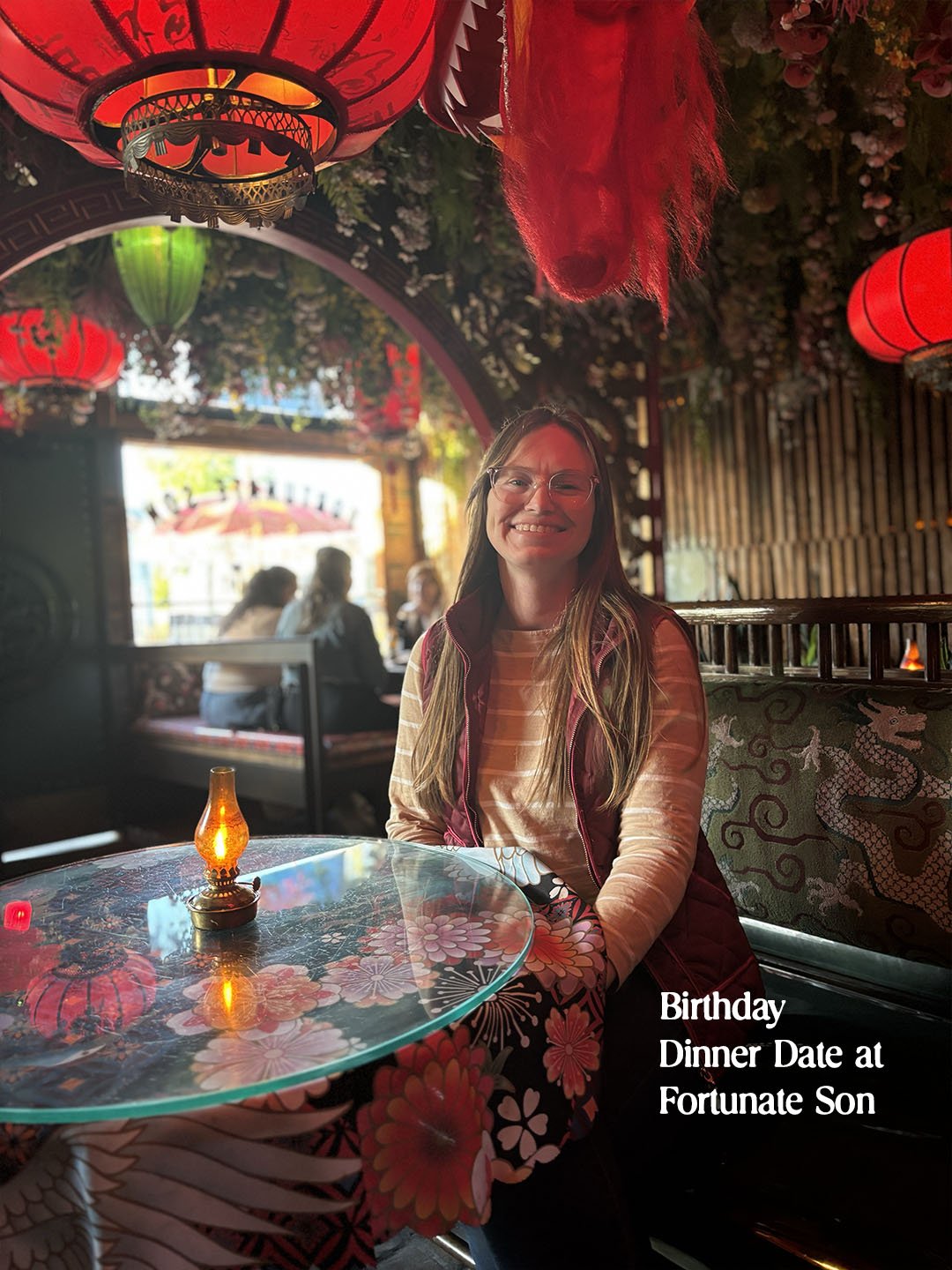
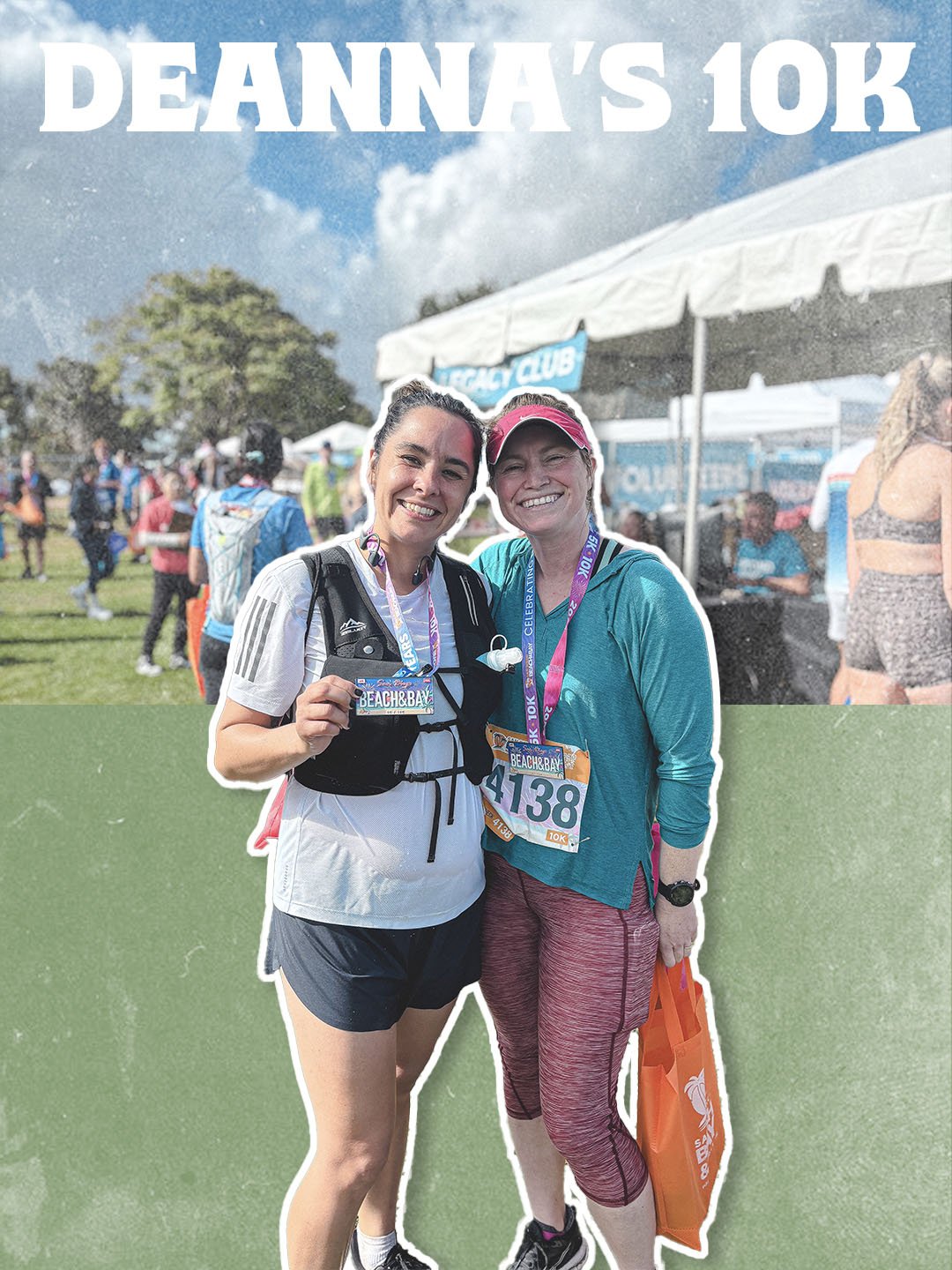
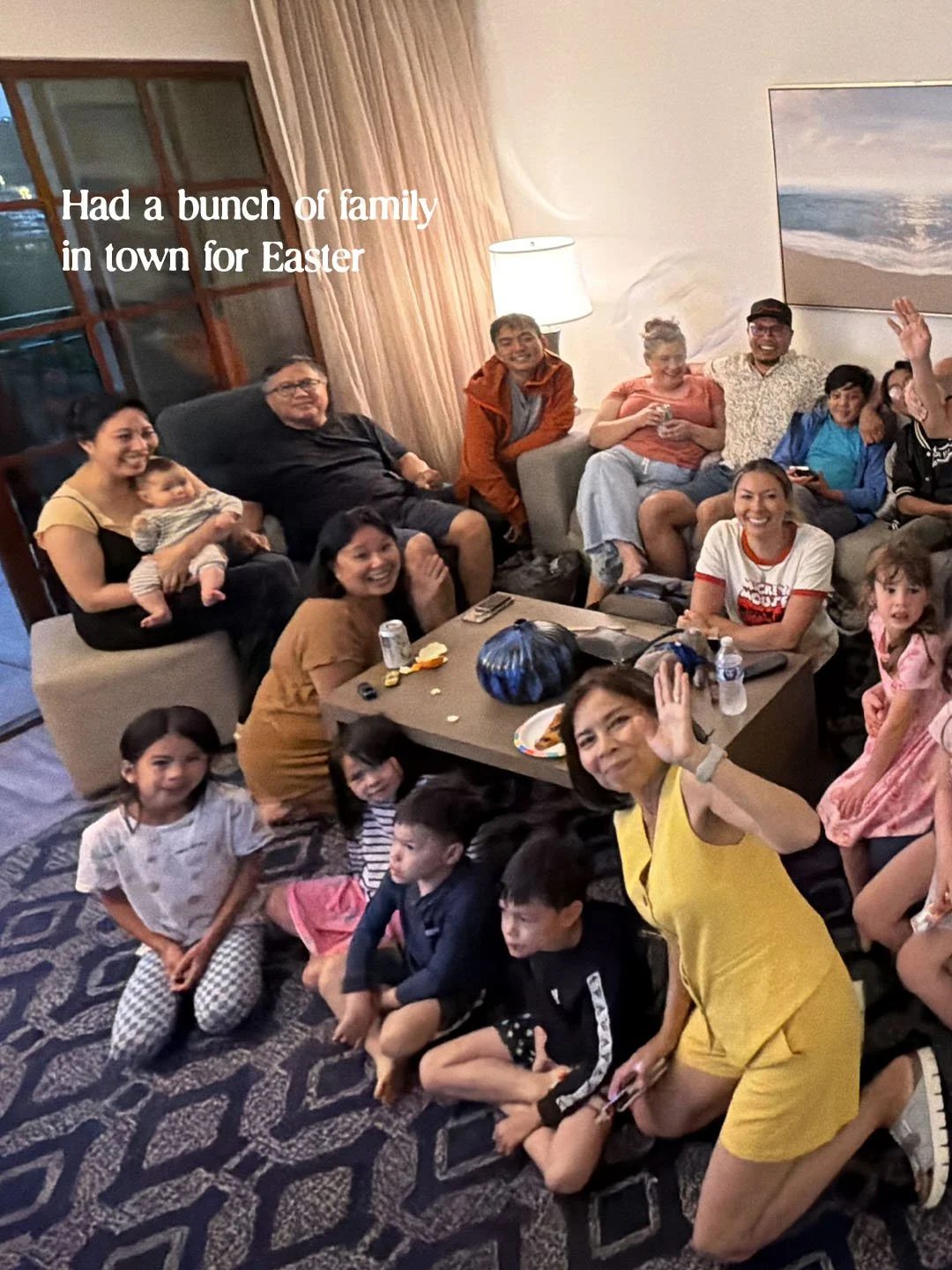
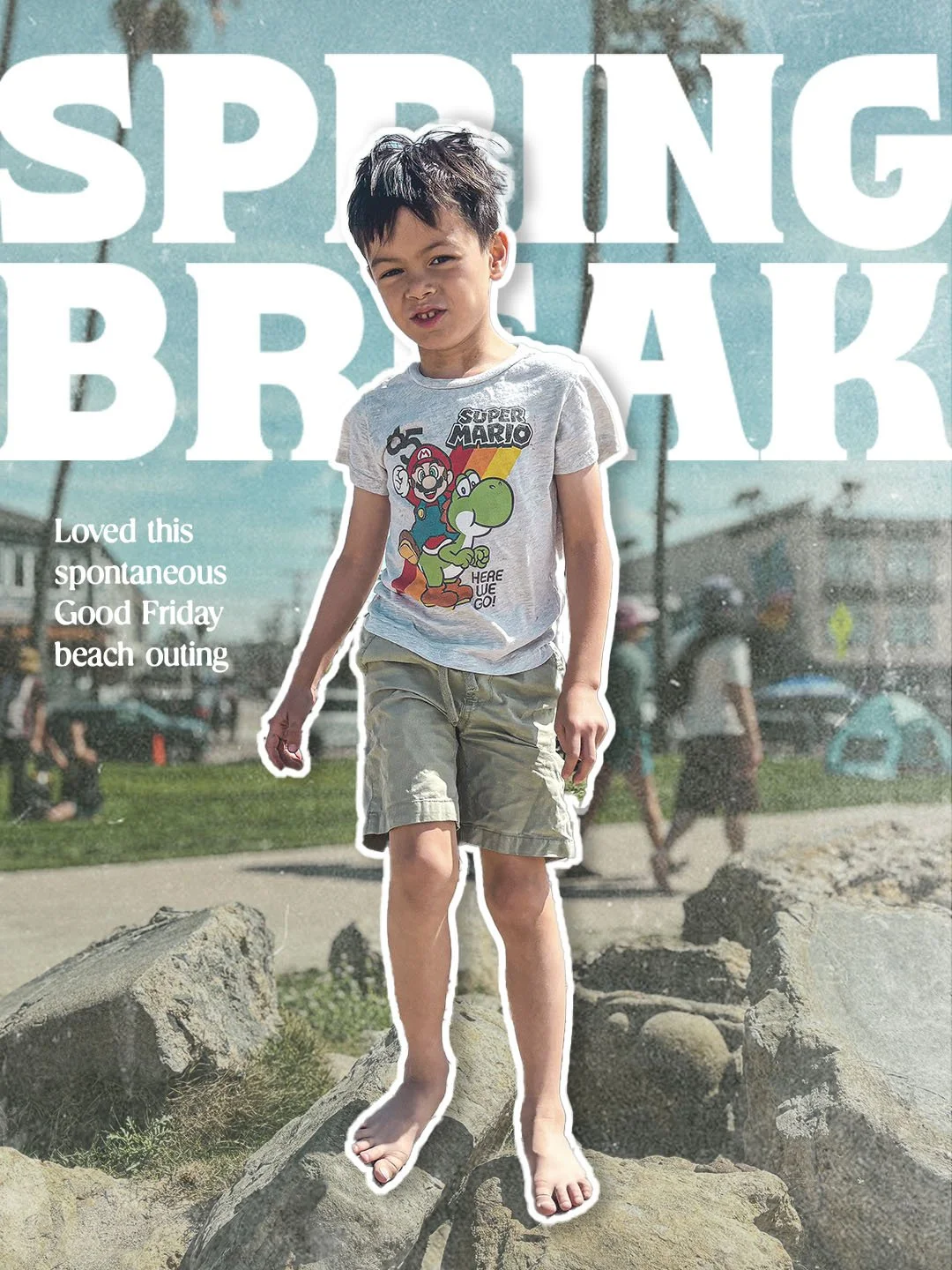
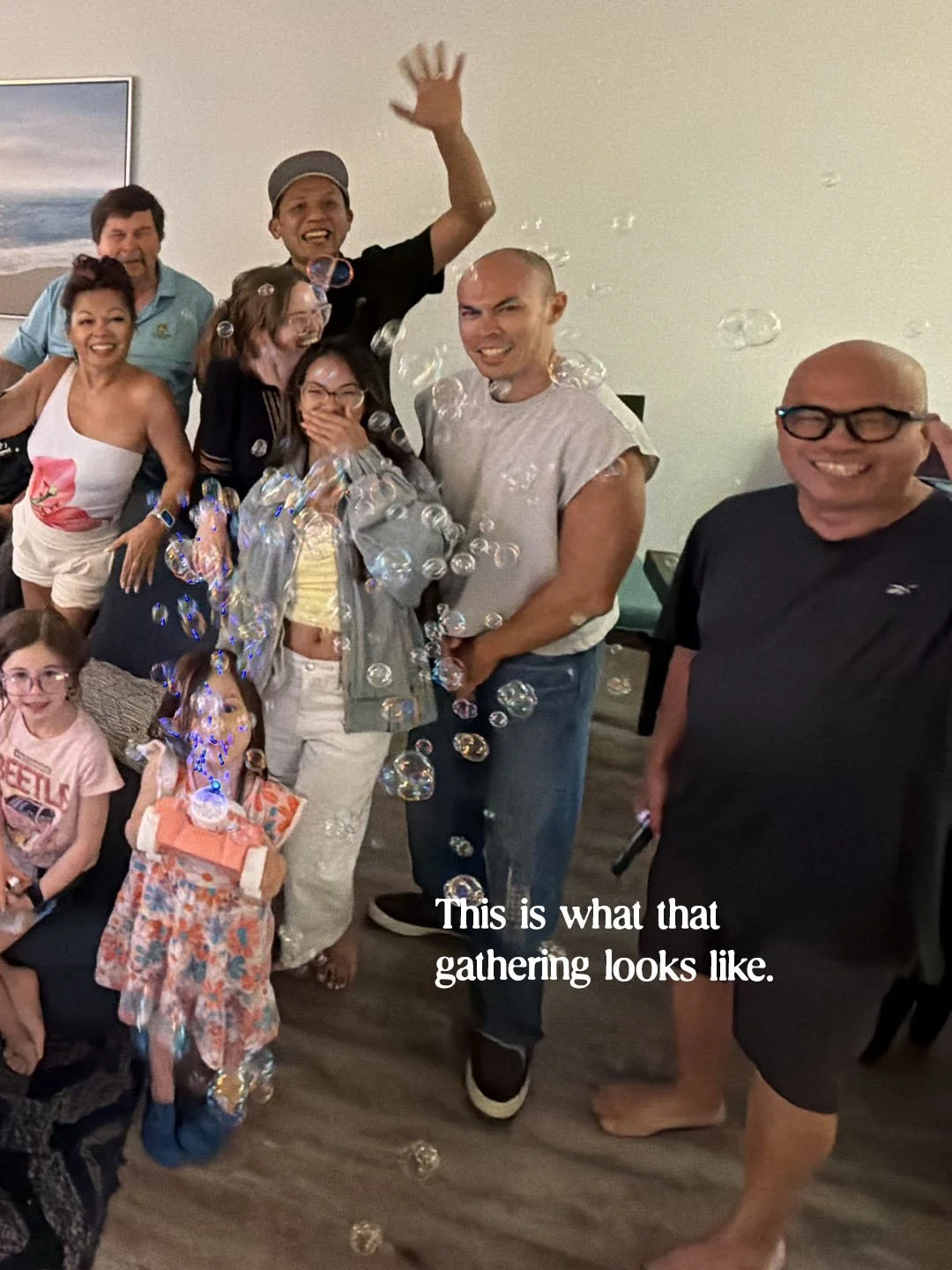
Here’s a highlight reel of those little bits of good.