
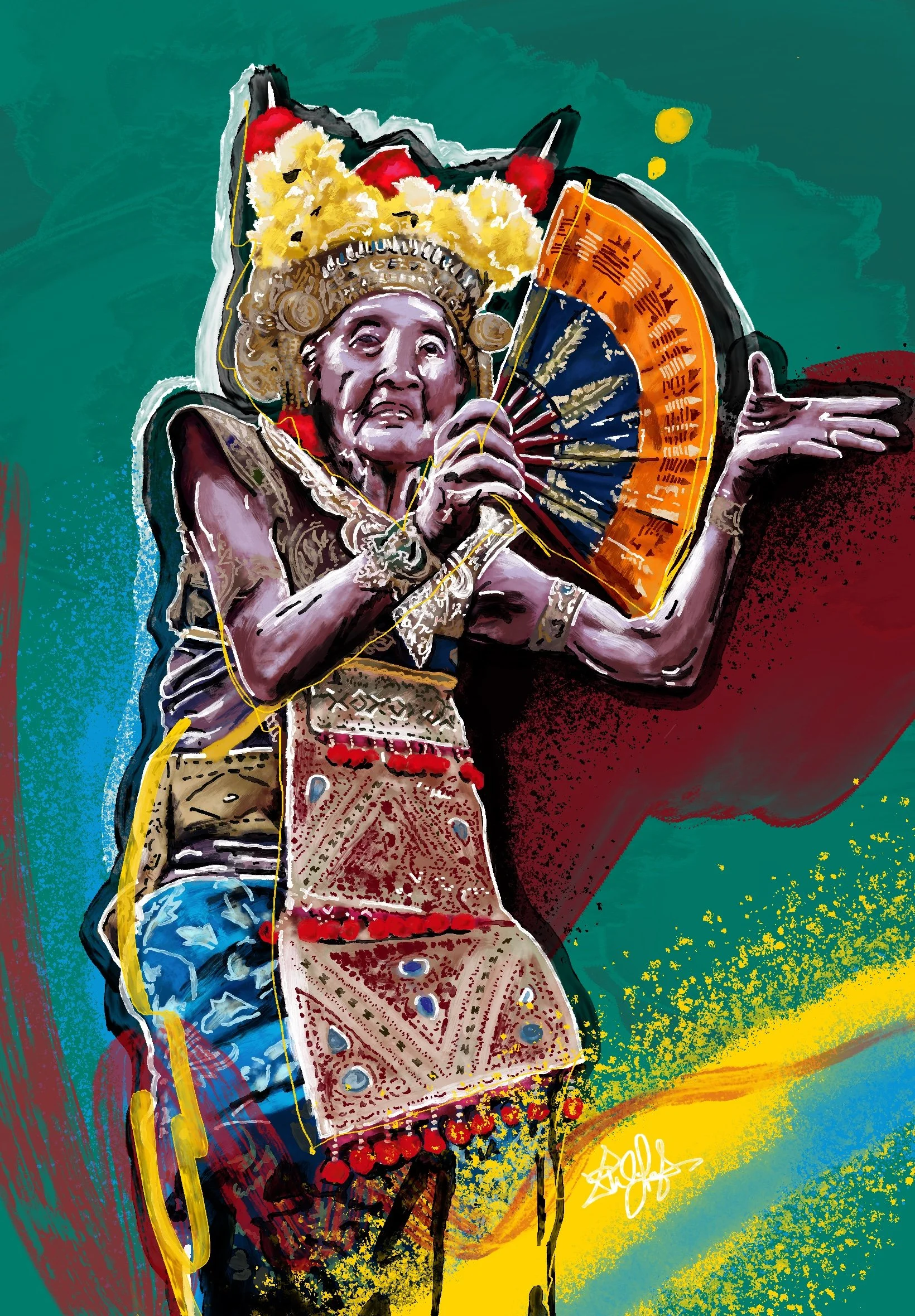
Niang Soli is a traditional Balinese Legong dancer from Bali. Now 106 years old, she’s still performing.
Just Not a Vegas Guy
Quebec's Poor Man Pudding
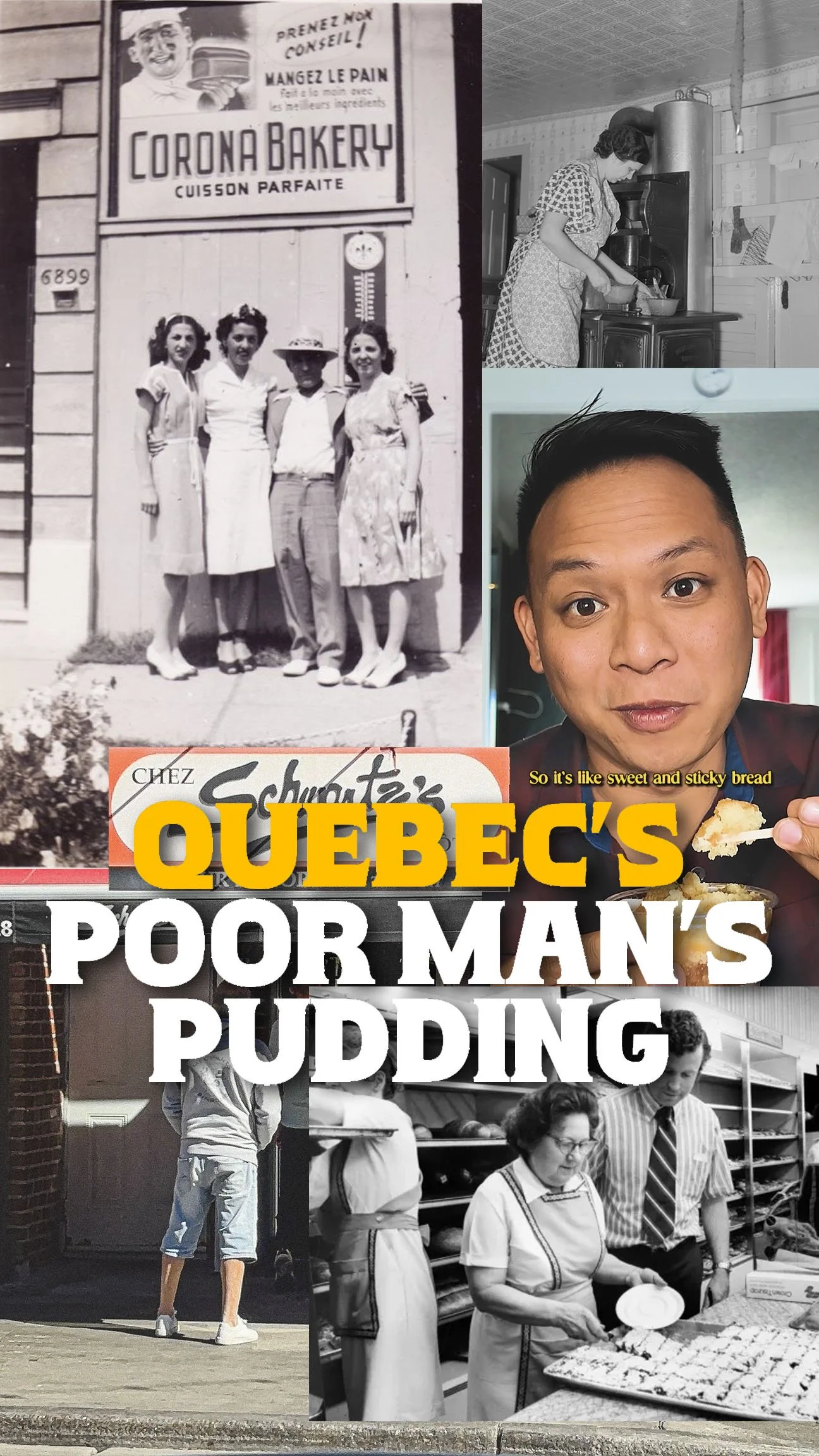
Pouding Chomeur sounds like a fancy treat. It’s not. At least it wasn’t intended to be. It was an invention of necessity, during the Great Depression, but now it’s turned into an iconic Canadian desert.
Three lively coffee shops from around the world 🇪🇨🇦🇹🇮🇸
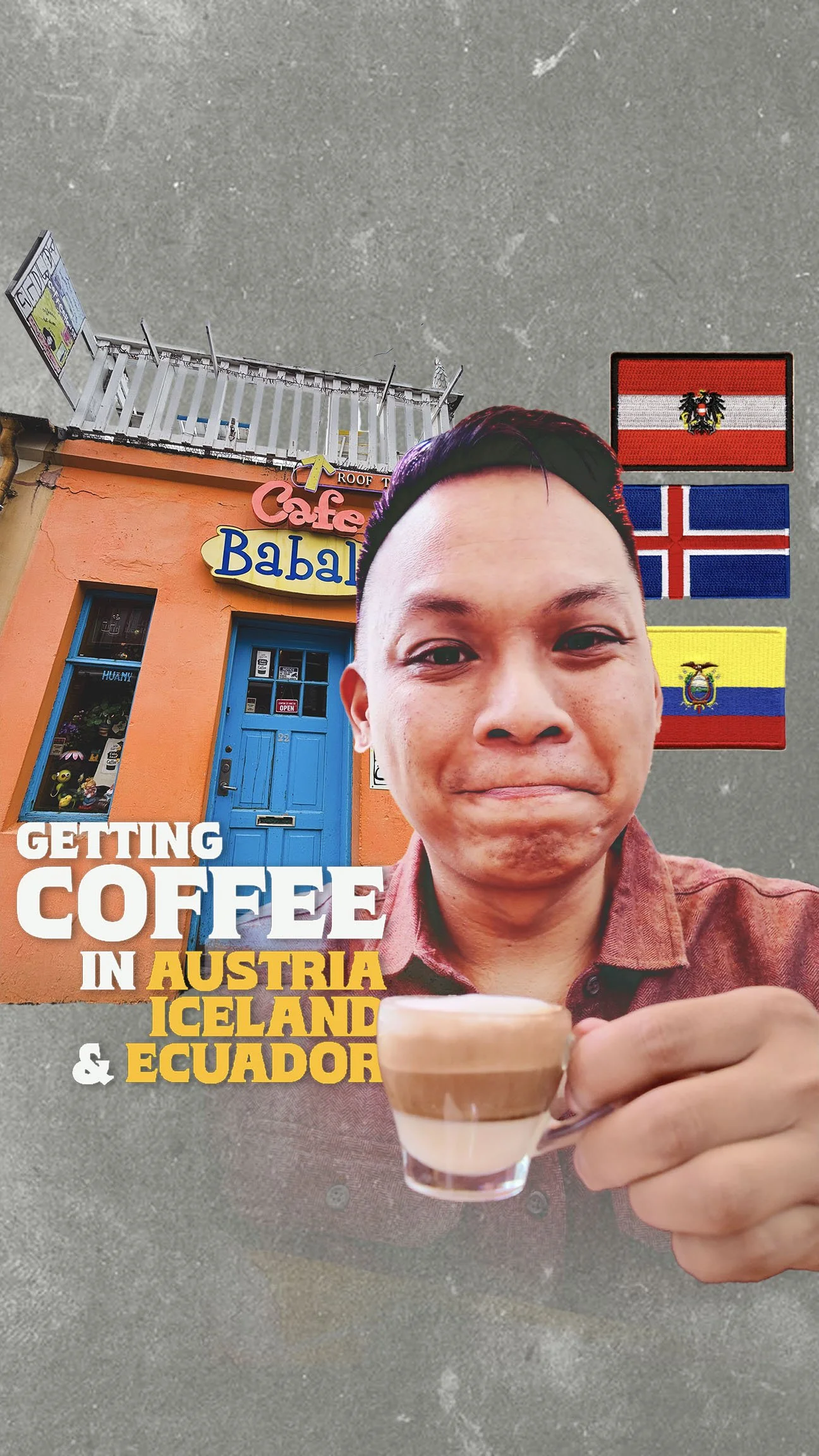
One of the perks of having traveled so much is having gotten to go to so many different coffee shops around the world. Here are some of my favorite ones that were simply teeming with life.
In Search of Bryndzové Halušky
Czechoslovakia is a very long word, can you spell it?
That was the hottest riddle back in the second grade, and if you knew ball, you knew the correct answer was the easy way out. I-T spells it. Of course, any second grader who could actually spell out Czechoslovakia also deserved some respect, pulling that ‘ch’ sound out of a C-Z.
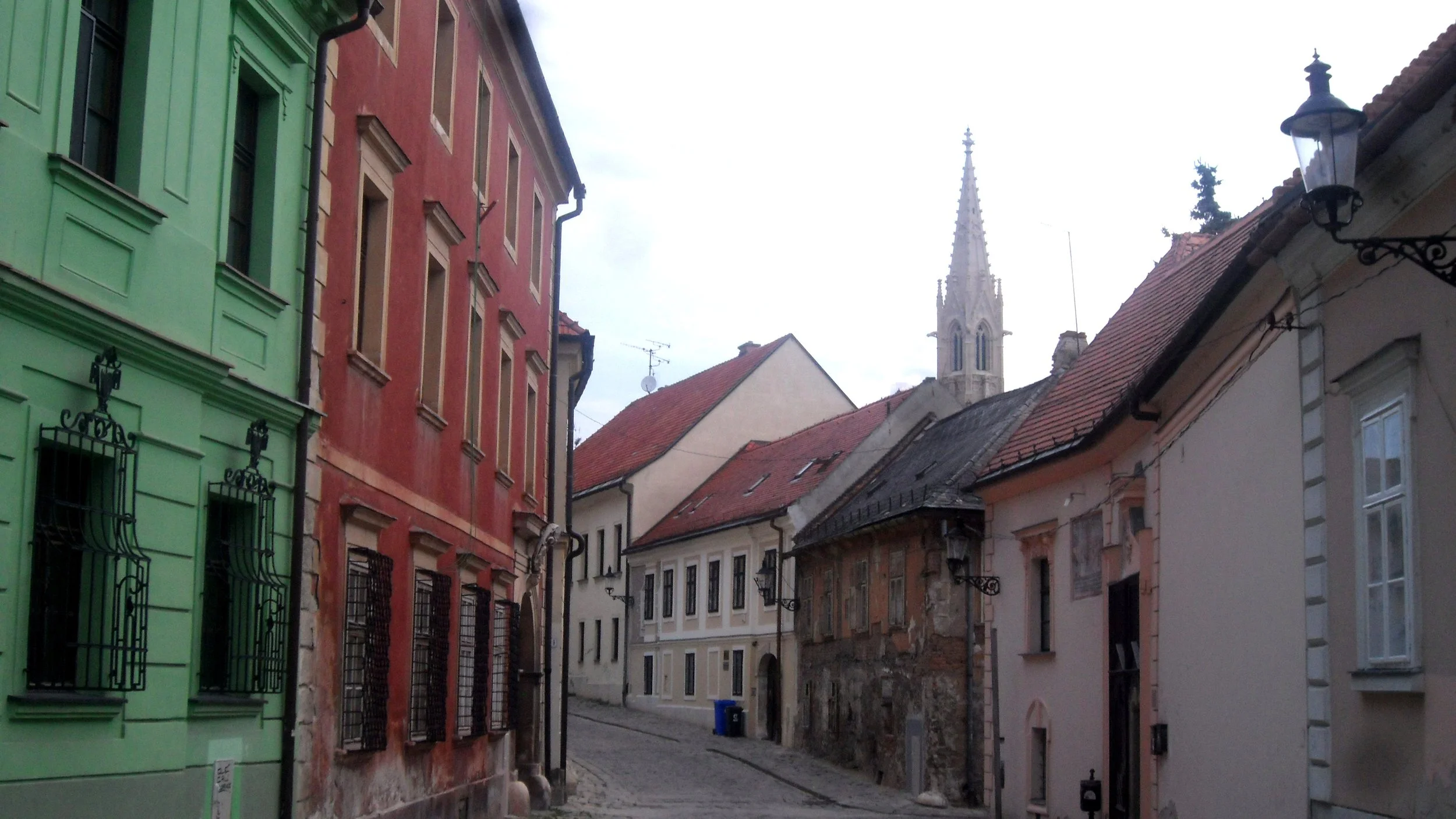
Anyways, that was my whole orientation to the Republic of Slovakia, which was untangling itself from the Czech Republic around the same time I learned that clever riddle. Other than that fact, and its general location, I couldn’t tell you much about the small and easily overlooked Central European country.
Then, in my early twenties, I discovered the world wonder that was RyanAir to a traveling college student. I was spending a summer backpacking Europe and I was making up my route as I went along. A fifteen euro flight was as good of a reason as any to head to a country I knew very little about.
I remember boarding that flight, wearing five days worth of layers to avoid luggage fees. I remember encountering a few folks who looked like regular backpackers. I was impressed by their literal backpacks, capable of carrying so much yet distributing it in a way where the weight was barely felt.
After some brief chatter, I found even more reason to be impressed. Both were graduate students at Harvard, in the middle of some sort of apprenticeship at the U.S. Embassy of Slovakia. The girl, Helen, had gotten fluent in Slovak. The guy, Martin, knew Bratislava inside and out. Oh, and he was staying long term at my hostel.
I managed to teach myself a few words of Slovak. Five. I remember greeting the hostel’s housekeeper and she responded enthusiastically in full Slovak sentences.
I had to pump the brakes. “Woah, I only know five words in Slovak,” I said slowly, extending a hand and counting off each one on each finger. The housekeeper generously returned the enthusiasm by repeating back each word affirmingly.
The hostel’s common area featured a binder full of things to do in the area. Castles and hikes were the main attraction, and I made a mental note of different mountains and trails.
I enjoyed being in a country that I didn’t think about too often. I don’t really like thinking of countries as obscure, because there are a good number of people who have never been to another country except that one. What’s obscure to one person is the whole world to another, you know? But I’ve got to acknowledge that up until this point my curiosity about Slovakia was minimal. Now, I couldn’t get enough of the materials scattered around my hostel, enlightening me on life around Bratislava.
I made plans to explore the capital later with Martin, and I figured he was about as good of a guide as I could ask for.
That summer, Slovakia had just formally switched to the Euro as their currency. This had the effect of making the prices of things around Slovakia feel much lower than anywhere else I had visited that year.
I spent some time at the Hypermarket, and I don’t think I can describe it any better than what that name implies. It was a grocery store merged with a department store, but unlike a Costco that feels like a massive warehouse, it felt like one store that morphed into another then into another.
I ended up being tempted into buying a jacket vest, and armload of different pastries and soft drinks. The exchange rate made me feel capable of living large, but for the most part that translated to carbohydrates. And I regret nothing. Those pastries, none of which I knew the names of, were all really good.
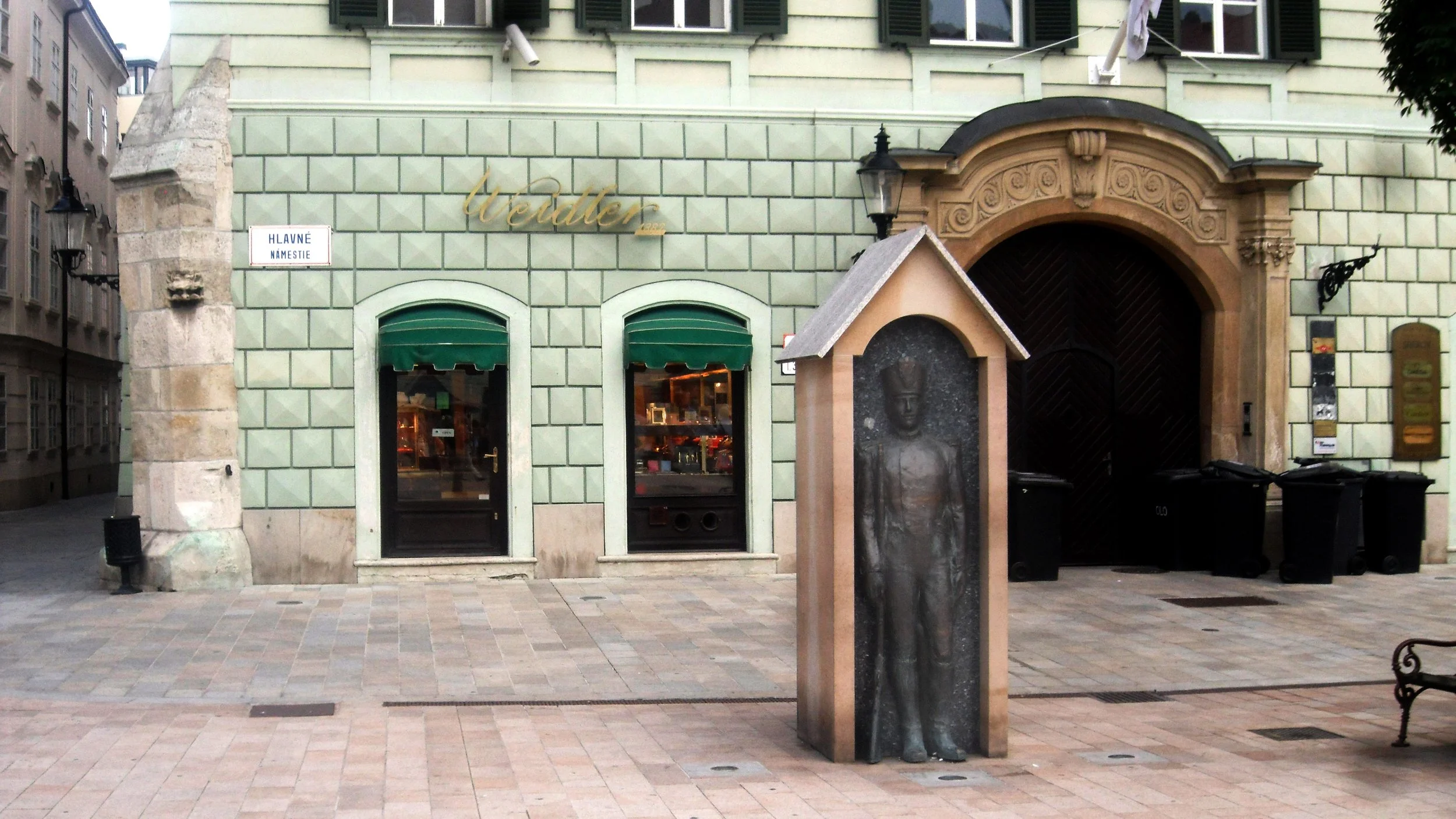
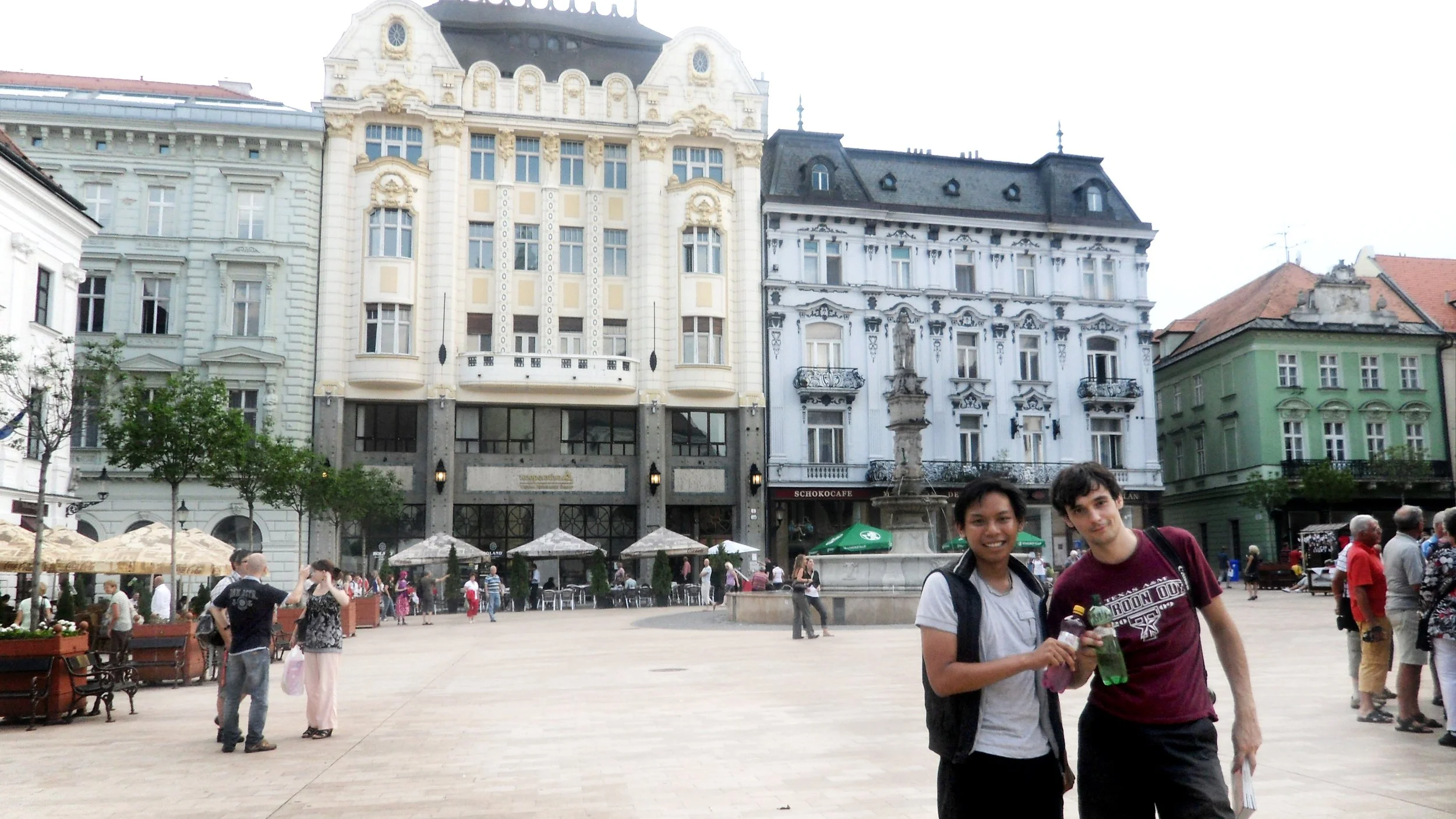
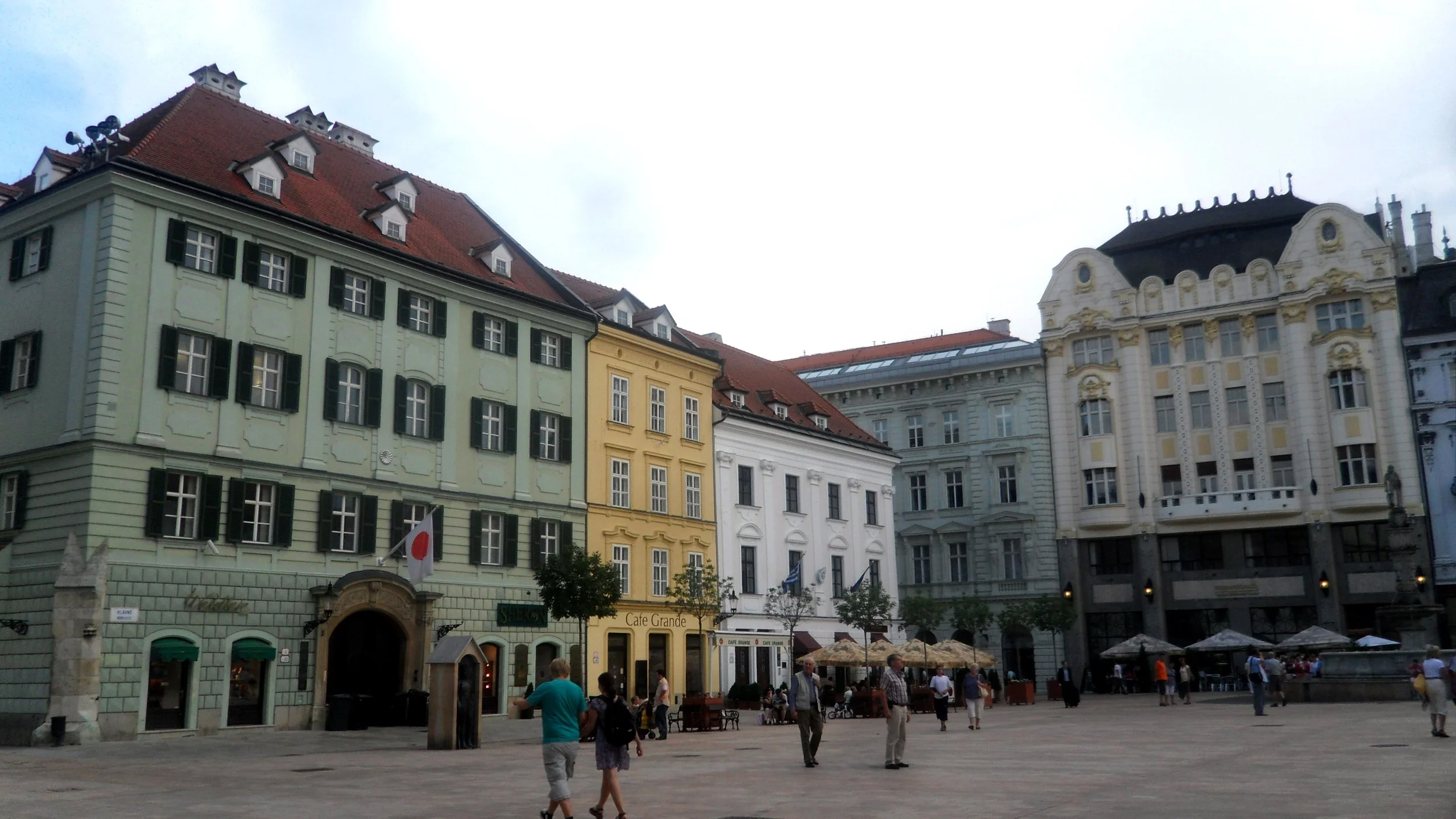
I enjoyed seeing Bratislava itself. The presidential palace was the main attraction. Grandiose and elevated, but it had a pretty different feel from most of the rest of the city. The walking areas of Central Bratislava featured a handful of quirky sculptures and displays, adding a playful element.
Martin and I had agreed to meet for dinner. I figured that by this point he’d know his way around Slovak cuisine pretty well. He didn’t have a specific restaurant recommendation but instead noted a part of town where we should walk until curiosity called us into somewhere.
There were enough good options there that it would be hard to go wrong.
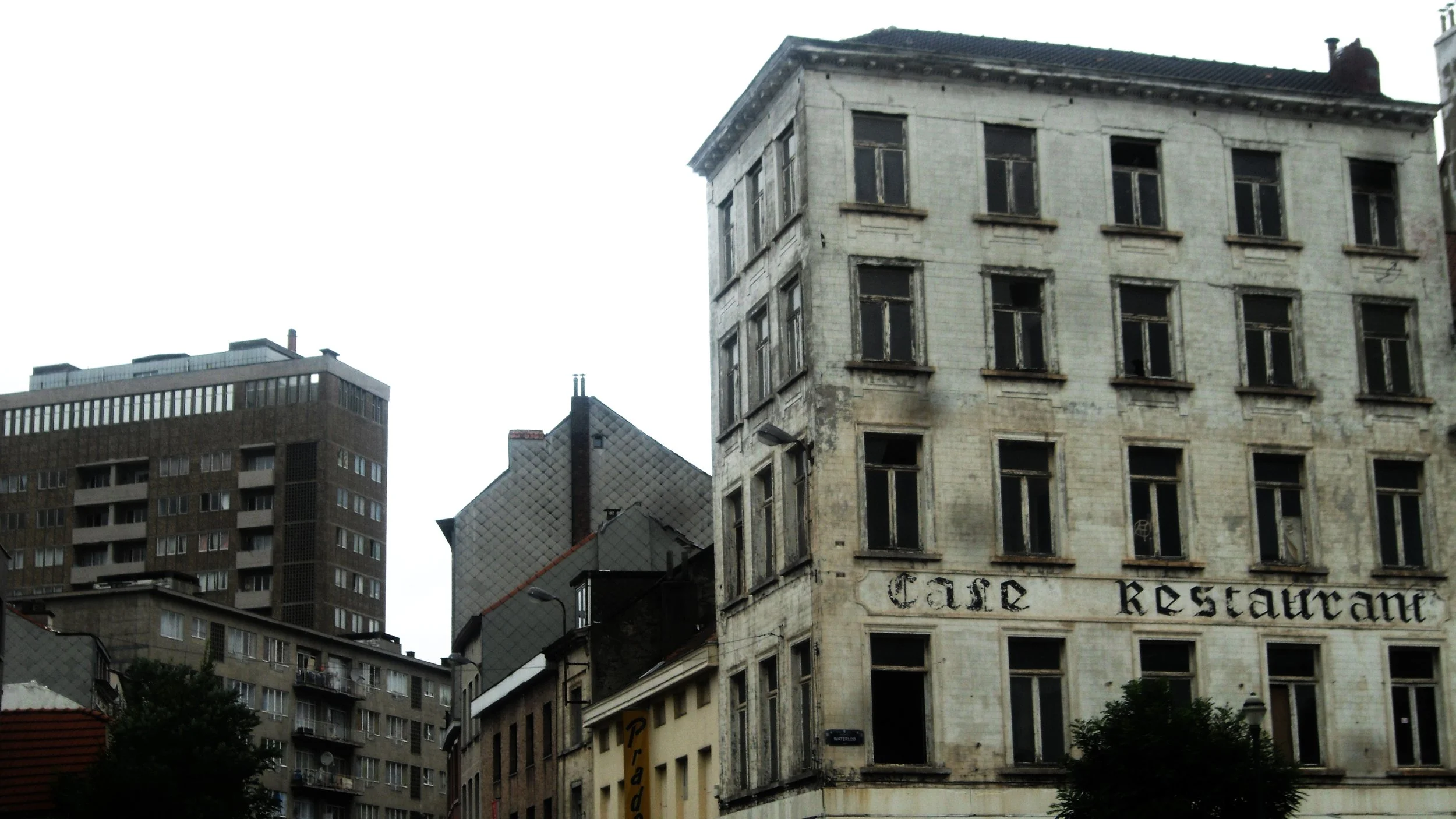
The neighborhood we walked through was fairly drab and gray, many buildings having a rigid uniformity that felt forced. These were traces of a Soviet legacy. Brutalism.
Actually, I don’t know enough about architecture to know if it was actually brutalist. But based on the sound of the name, I’d believe the neighborhood was pretty brutal. So much gray. So many cracks in the buildings.
That being said, many of those drab gray buildings also featured patches of painted murals. A sudden bright blue picture with sunflowers painted on the wood panels blaring up windows, for example. It was almost like a new, livlier era was ready to move on in.
Martin suggested we sit at some tables at an unmarked building that was apparently a restaurant. He took care of the ordering. The one woman working there brought us some very tall, very refreshing glasses of beer. And then, the real treat.
Our main dish was a plate full of something like gnocchi. Tiny, uneven dumplings coated in some sort of creamy cheesy sauce. On top of it, providing a punctuation of flavor were these thick diced pieces of cured, salty pork. Almost like bacon. Everything that was on that plate was perfect. It was a hearty meal, as I would anticipate from Central European comfort food, and executed flawlessly.
I thought about that dish for years. Really. Over time I would end up hammering my memories of that meal into Google’s search bar enough that I actually learned about what I was served.
Bryndzové halušky is widely considered Slovakia’s national dish. The part I thought of as gnocchi was the halušky – small dumplings made out of potatoes and flour. Bryndza was the other main element, a soft and sharp sheep’s cheese that gave so much depth of flavor to what could be an otherwise dense meal. And the topping really was pretty much bacon, fried to a crisp, with its fat dizzled back on to the dish for flavor.
Six years after my visit, I gave myself a cooking project. Trying to create 52 different dishes that had been tied to significant memories. One of those just so happened to be tied to an afternoon in Bratislava.
The dish was the invention of Slovak shepherds in the highlands, explaining the availability of sheep’s cheese. They needed a low-cost, high calorie meal that didn’t require sophisticated equipment to prepare.
The original dumplings were made with just flour, but potatoes were introduced to Europe in the 18th century by way of the Andes. Slovakia, with similar mountain landscapes, took pretty well to potato cultivation, and they worked their way into the halušky recipe pretty well. My attempt at the dish started with grating a lot of raw potatoes with flour, going for a 50-50 ratio. A spaltzle press from a German friend as a wedding gift made it easy to make the dumplings.
Recreating bryndza was much harder, as finding any sheep’s cheese is a treat where I live. Thankfully I found some and used some typical mac-and-cheese recipes to make my best estimation. Pancetta turned out to be a good swap for the thick-cut-diced bacon.
There are so many places in the world I haven’t been to yet that pique my curiosity. The years and the funds are limited, so unless the winds simply send me back to Slovakia, I don’t know if or when I’ll be back in Bratislava. I liked it plenty, and it’s sometimes sad to think of all the places one might not return to. But I’m glad that I visited it with the willingness to learn and discover new things. One of the best parts about travel is seeing which of those things just might stick with us.
Māori roles in rebuilding Christchurch

Christchurch’s rebuild after the 2011 earthquake fascinates me but there’s one element of this rebuild I don’t think gets talked about enough.
The role Māori knowledge played in the city’s new design. Once you start to see it, you start seeing it all over the place.
Broad-billed Motmot
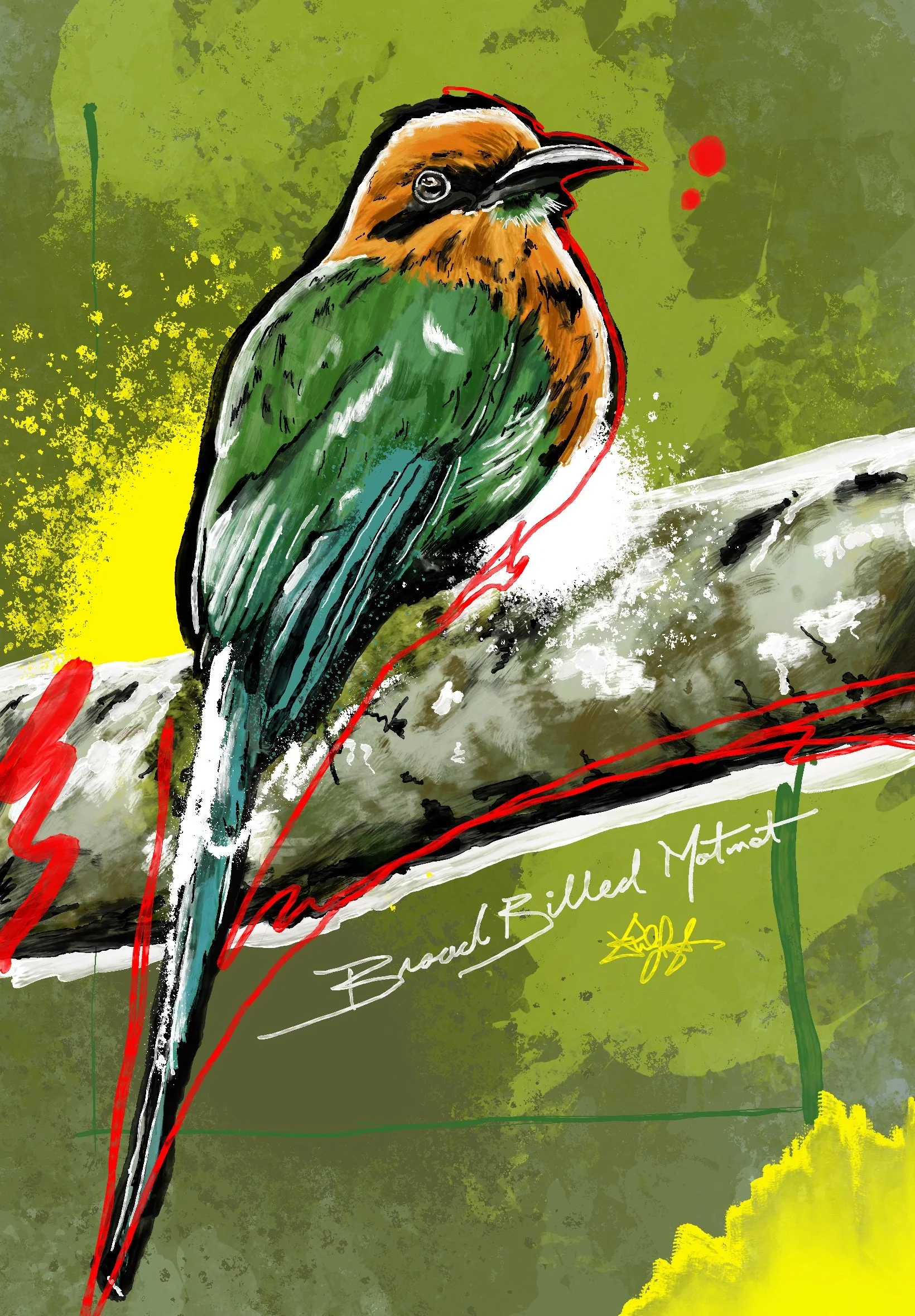
Saw this gorgeous bird in Ecuador…
Ecuador Recommendations
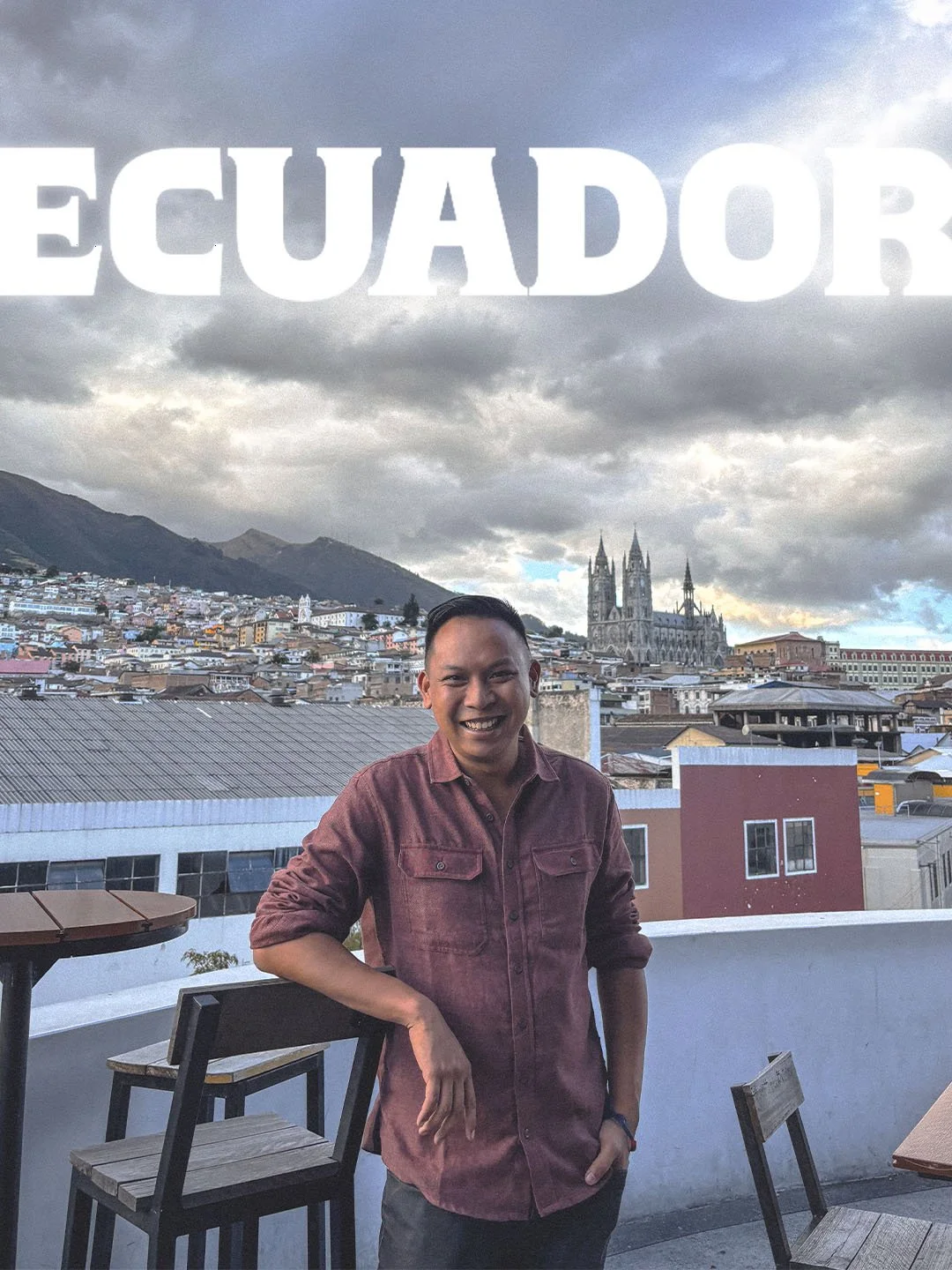
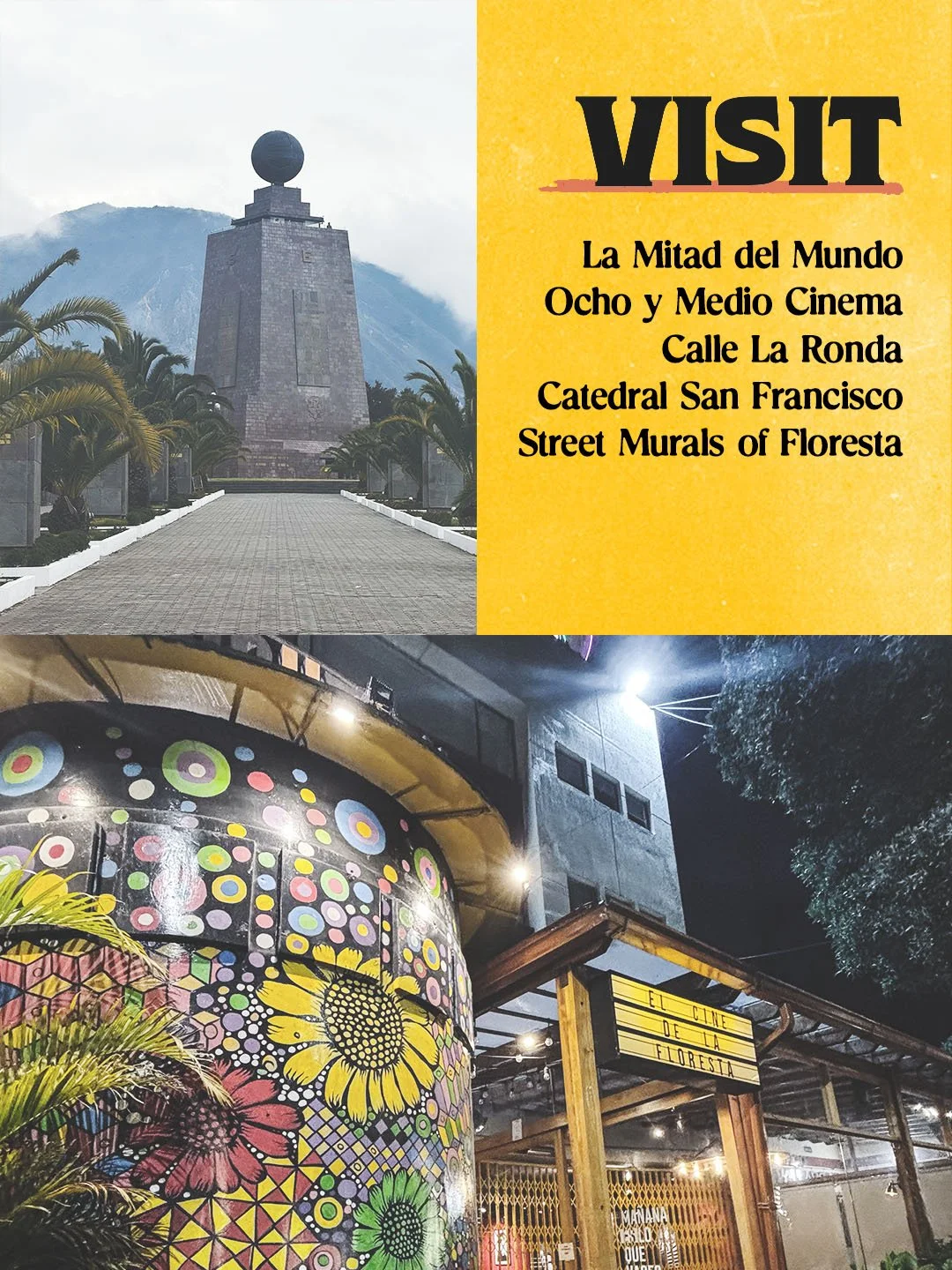
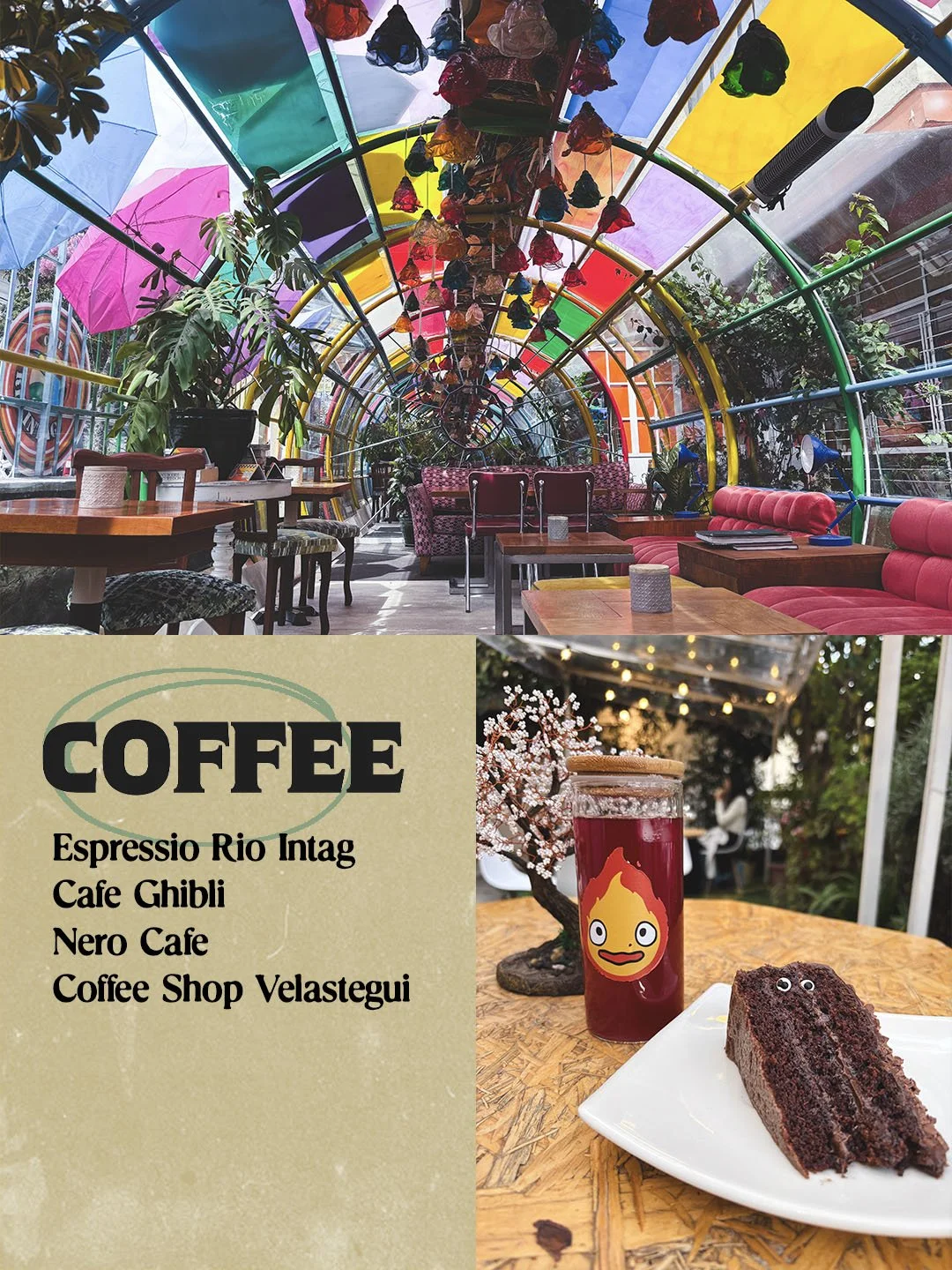
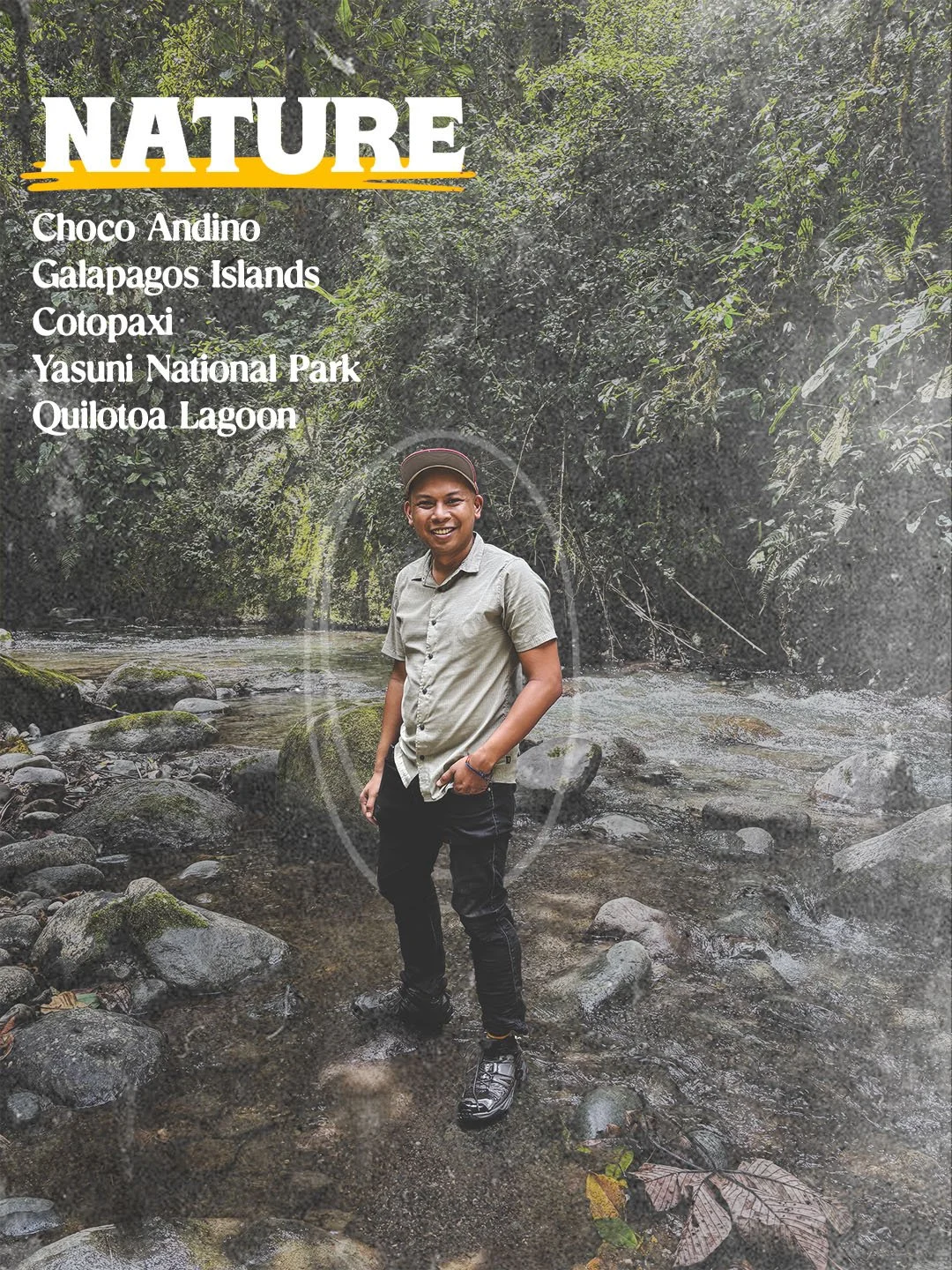
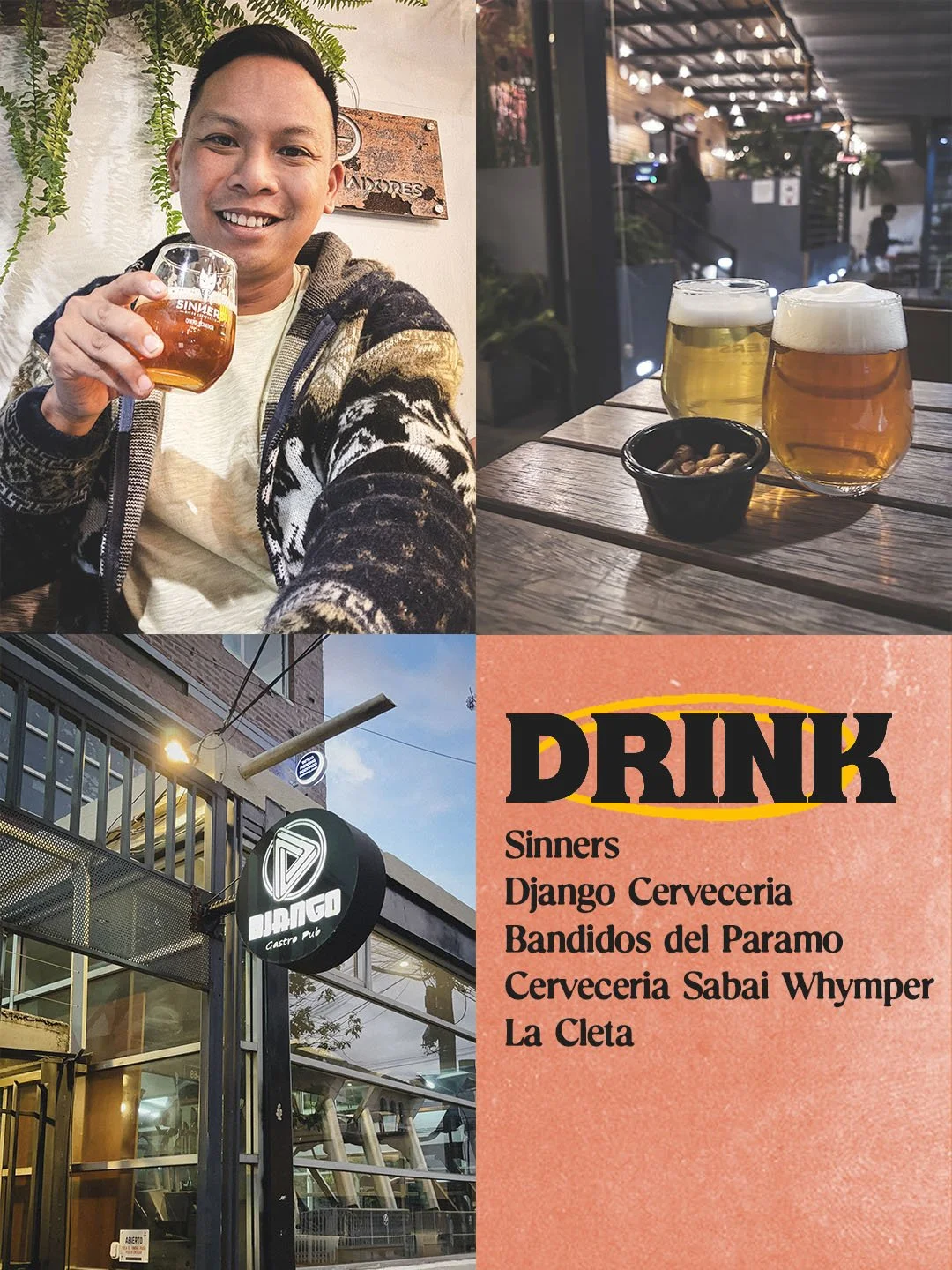
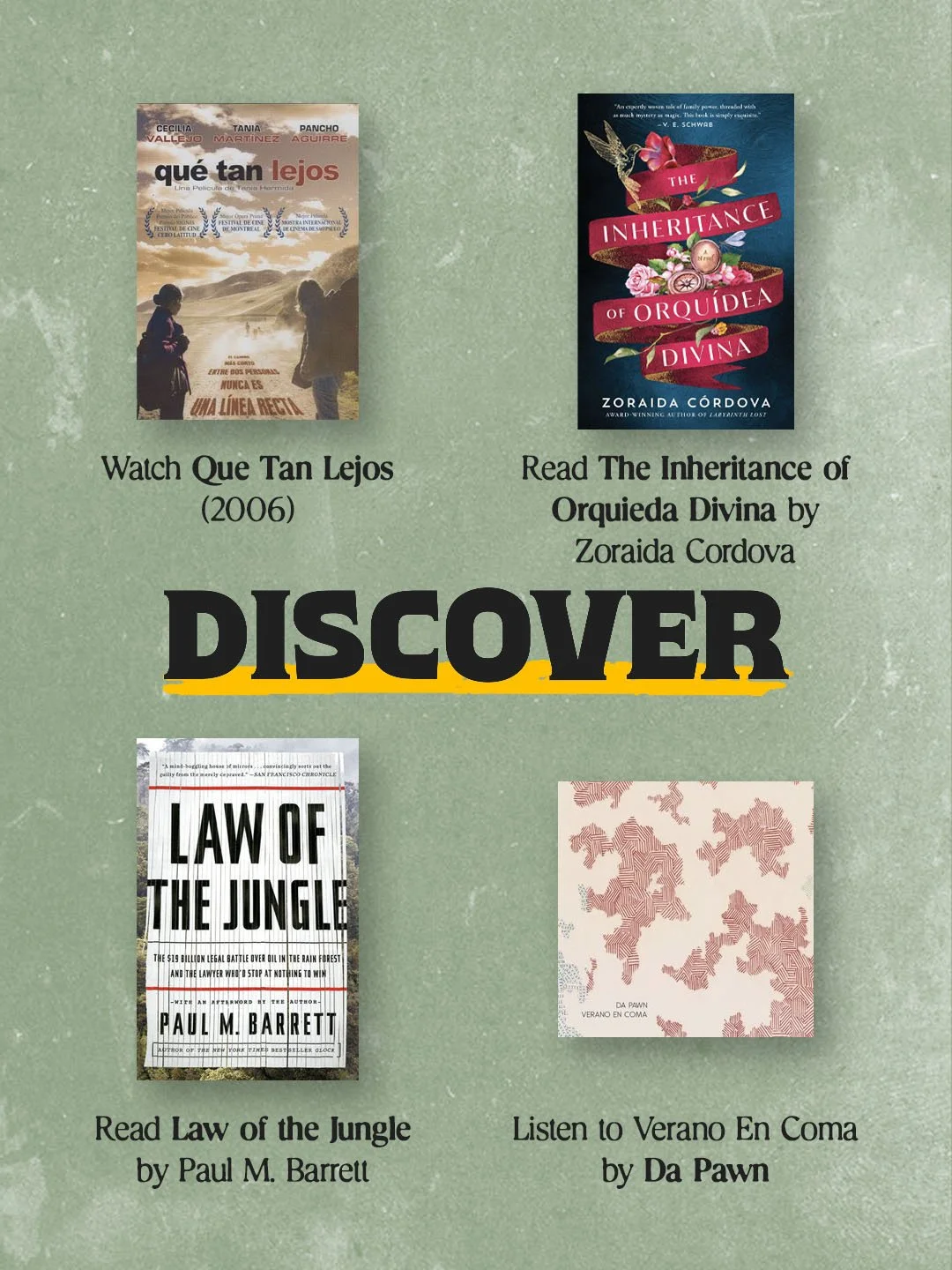
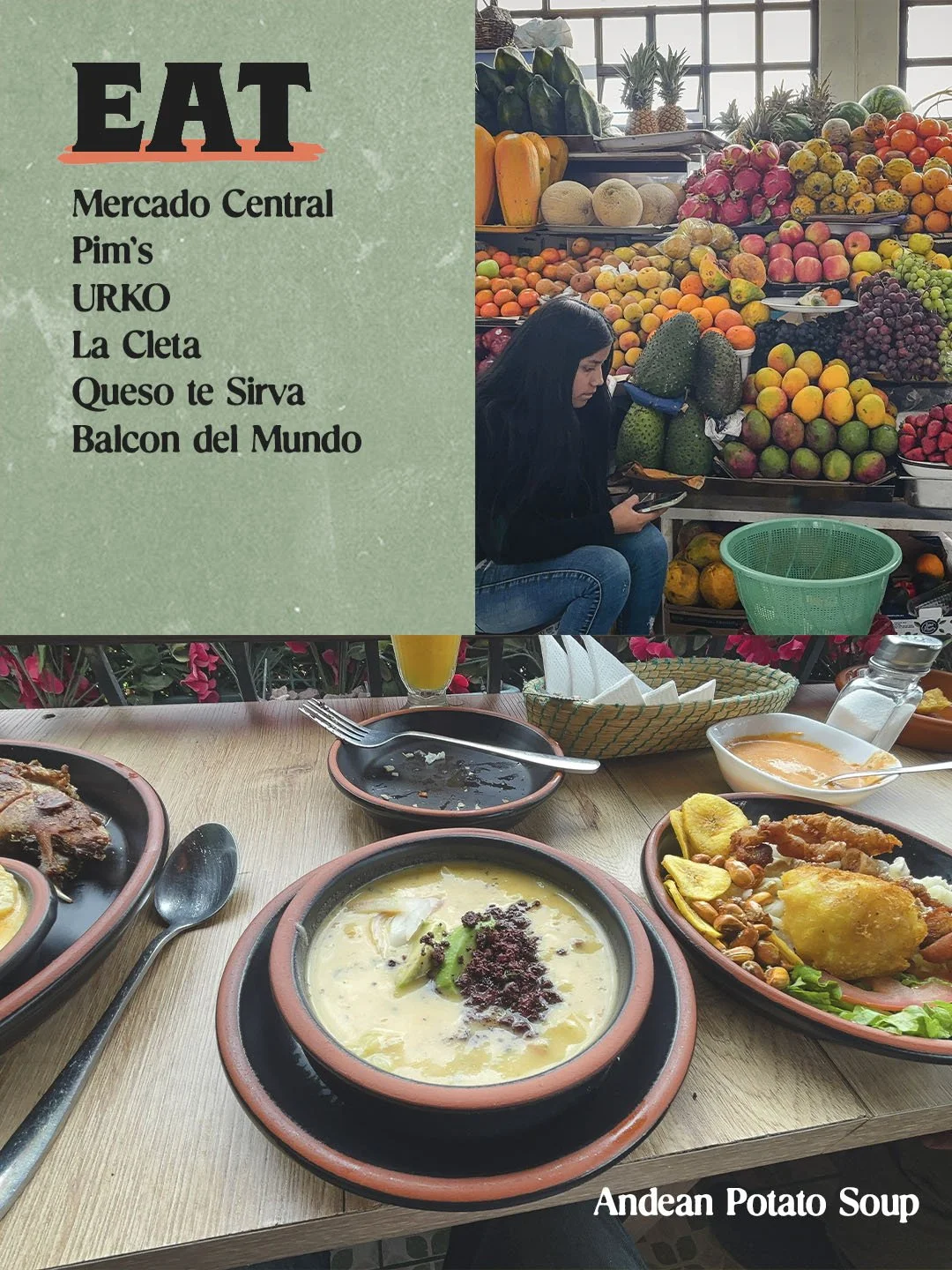
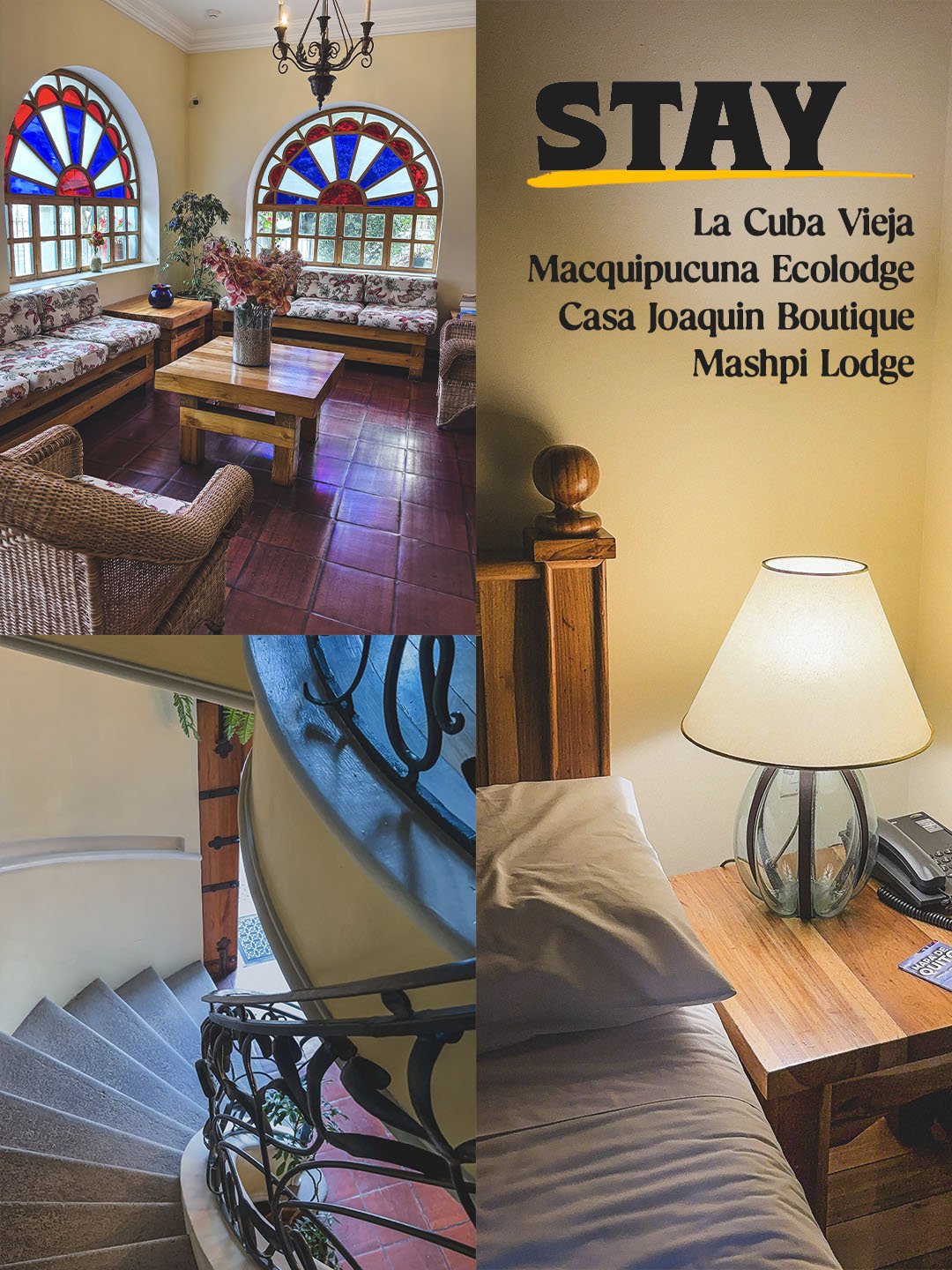
Last year, I got to join a friend in hiking the Chocó Andino, stay in some remarkable ecolodges, and spend a bit of time in Quito.
Here are some of my Ecuador recs.
Stunning Guitarwork from Niger – Les Filles de Illighadad
From Space to Namibia
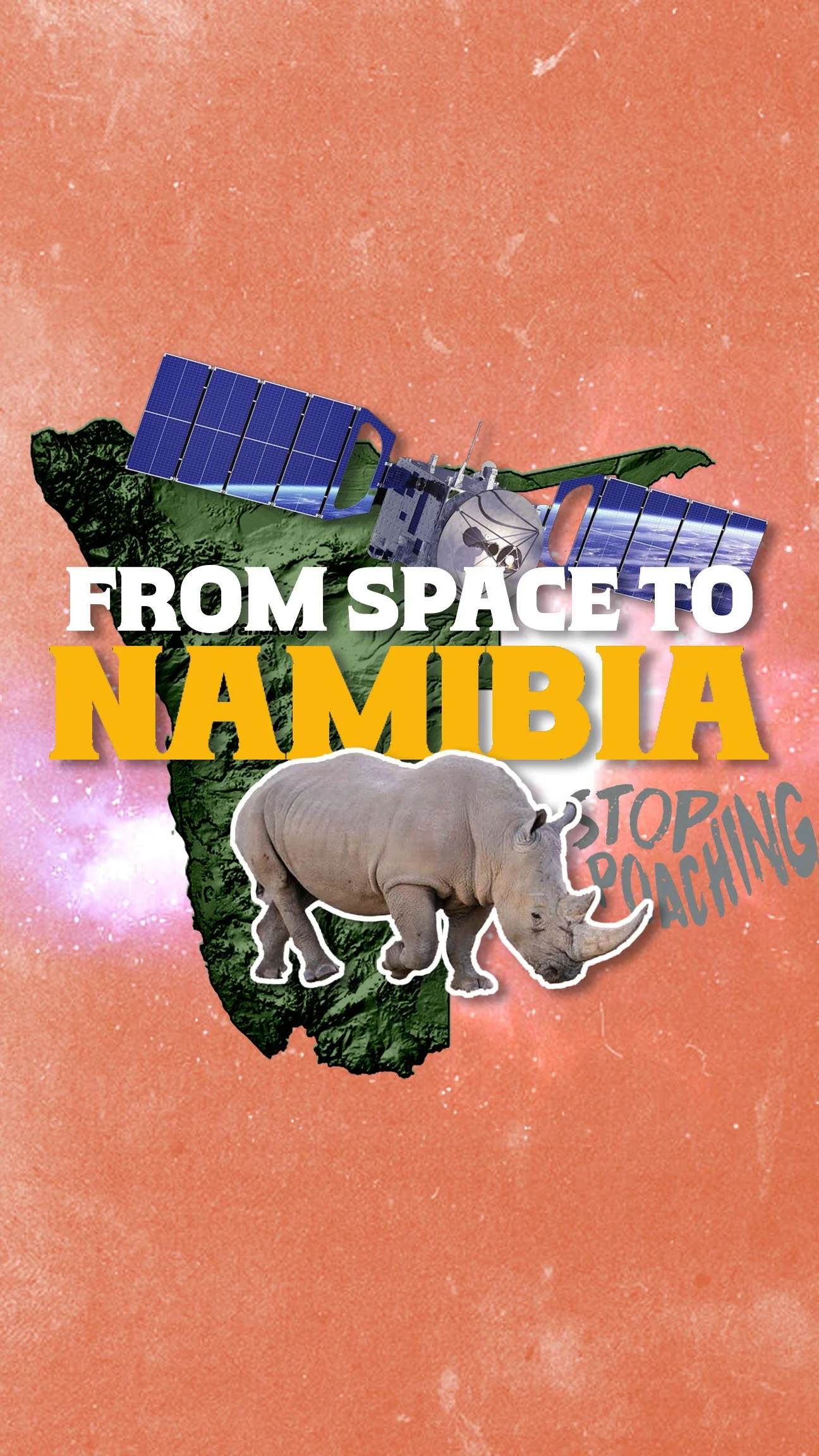
Namibia is making some very good use of tools up in space. Satellites are helping local rangers step up their efforts to break up poaching networks.
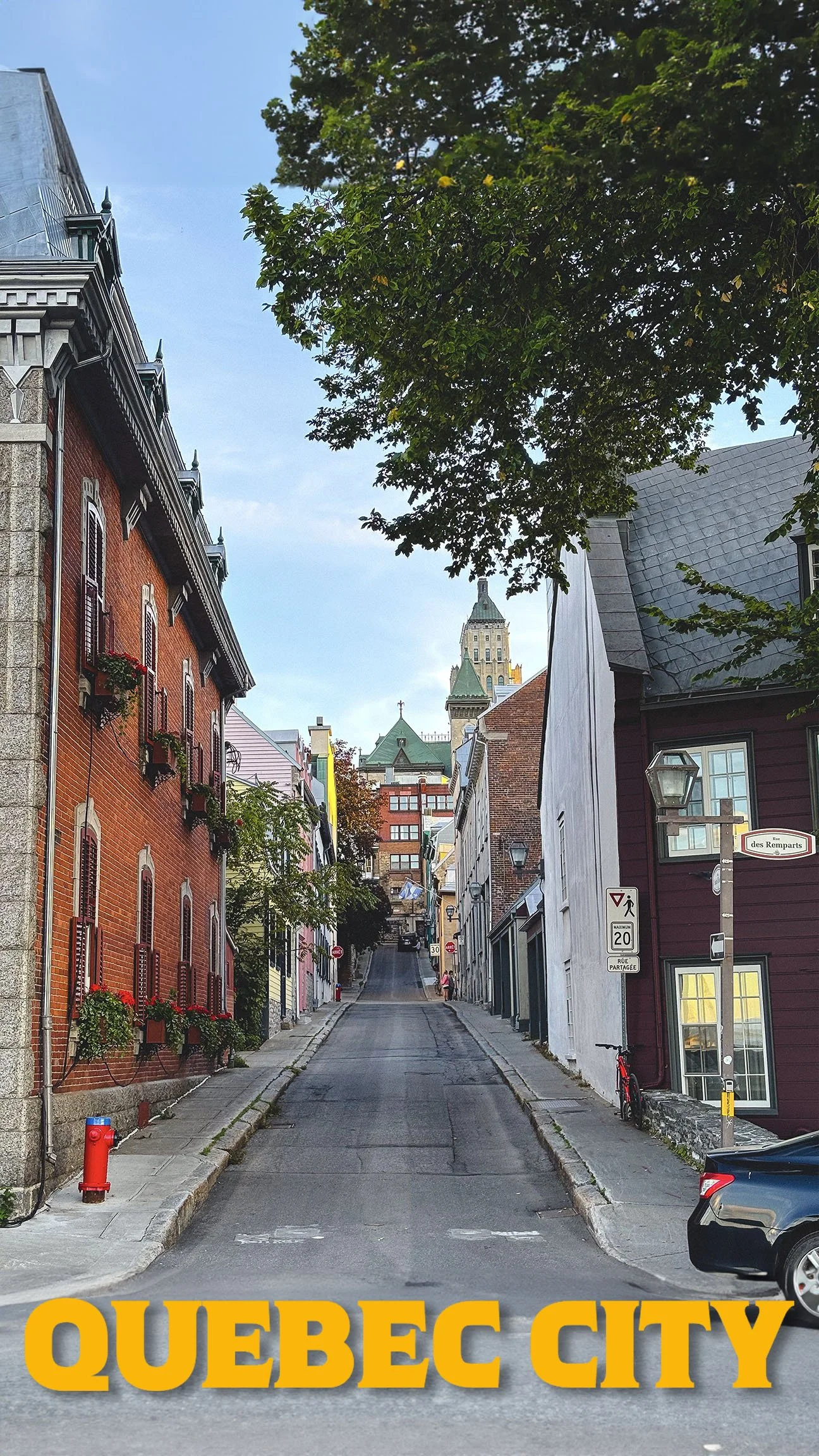
19 Things to Do in Quebec
An Nhien
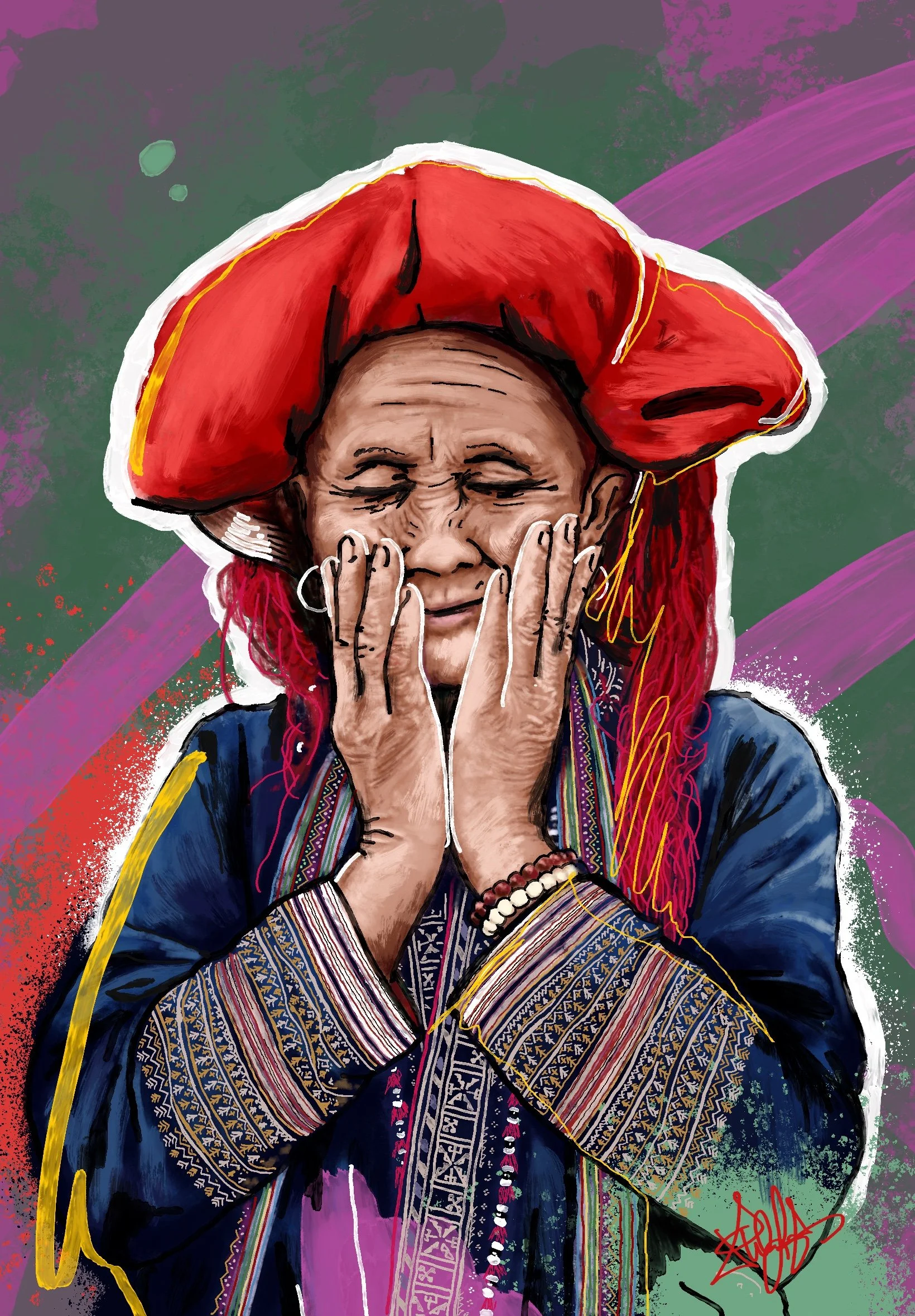
An Nhiên is a Vietnamese phrase meaning peace of mind. Can also refer to living naturally and calmly.
Fall in Quebec is a Must
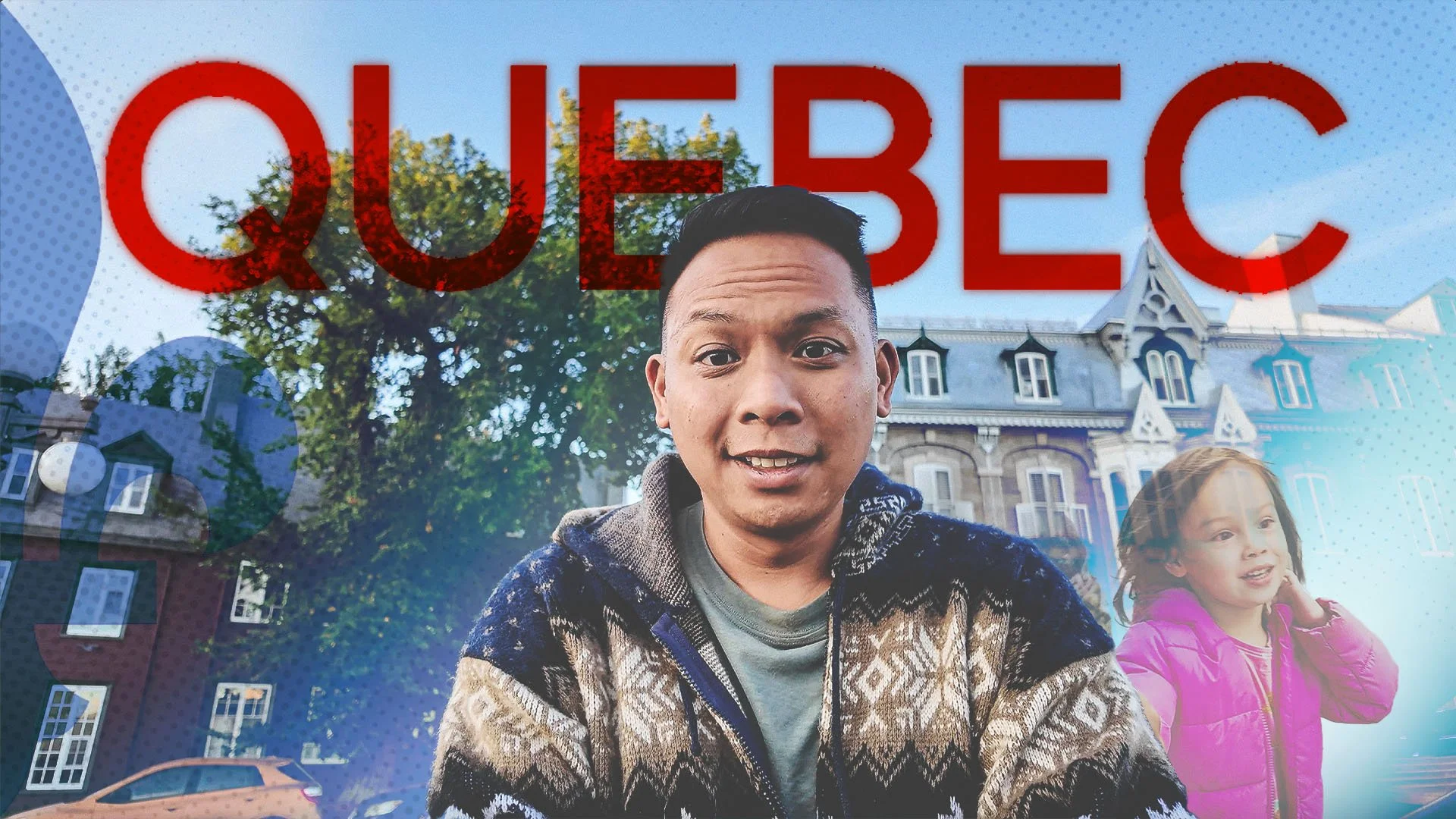
My newest vlog drop is a cozy one
New Zealand - 2026 Puma Home Kit (White)
How the Lao Sausage Gets Made
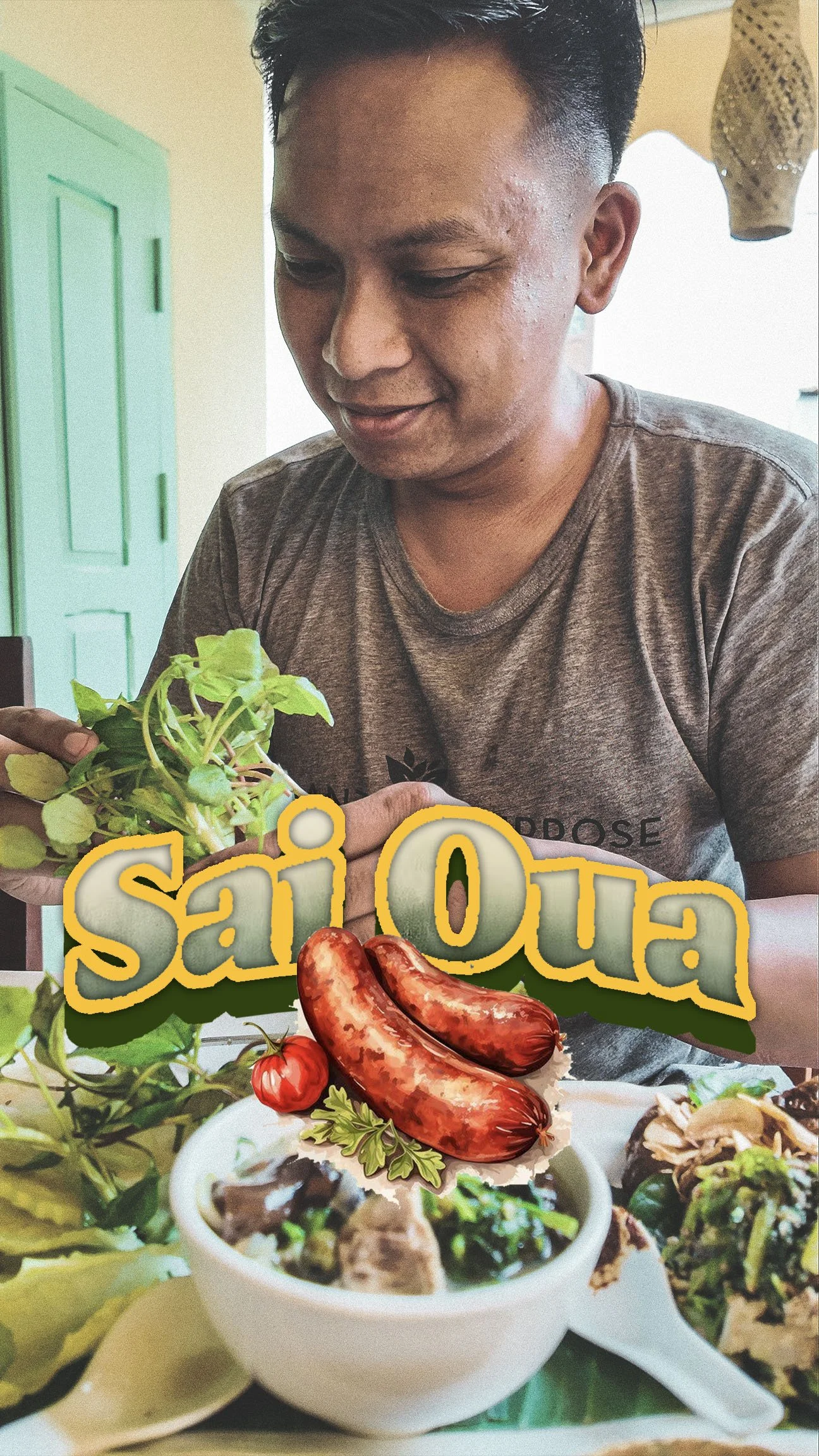
Lao sausage is kind of a unique thing to see on menus. Always distinctly offered as Lao sausage, even while most Lao restaurants will label themselves as Thai or Lao-Thai for the name recognition. A sausage is pretty simple to understand, but these are typically much more herbal than what you usually see. Here’s the origin story of an iconic bar food from Southeast Asia.
The Journey is Full of Switchbacks
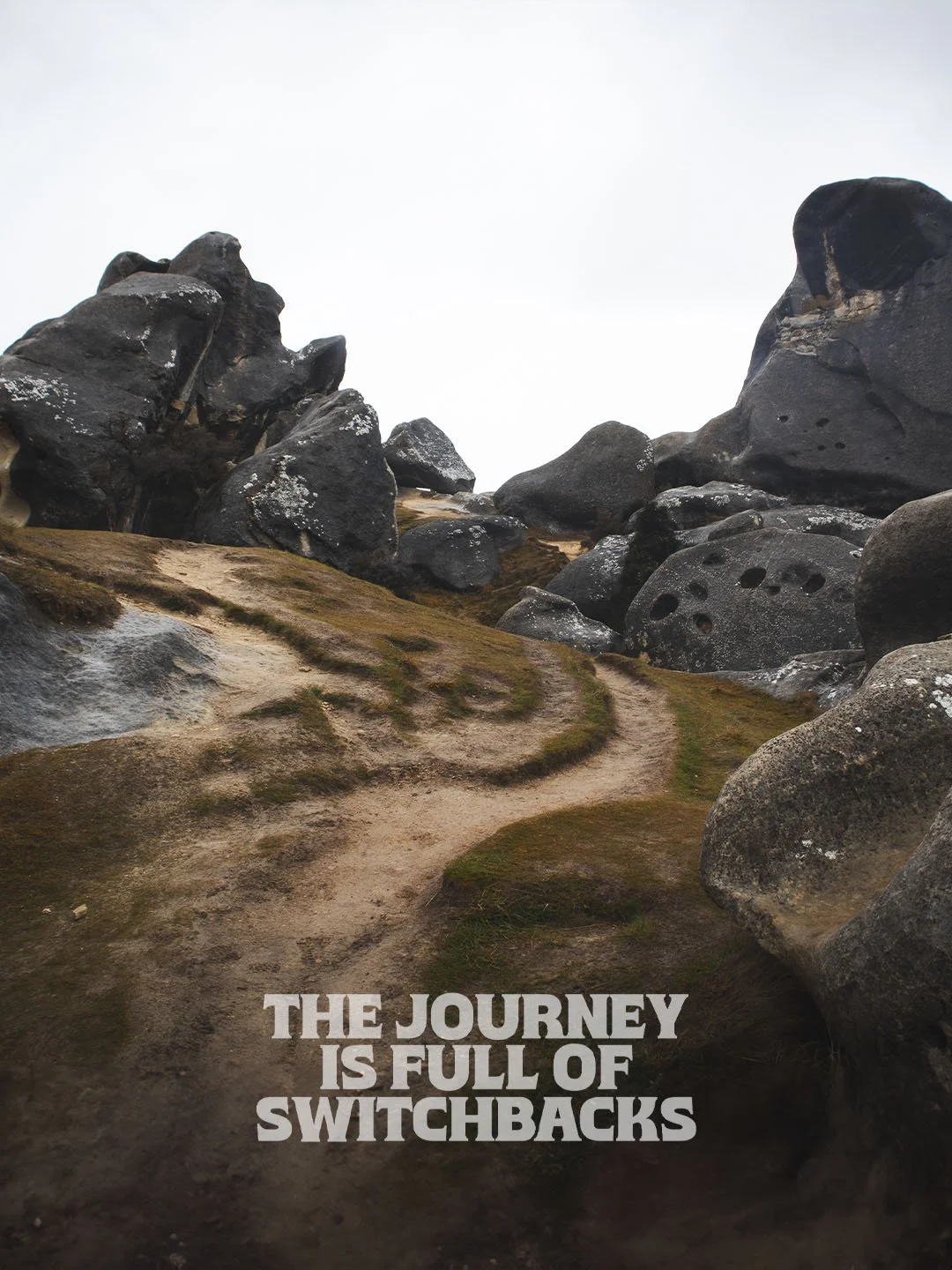
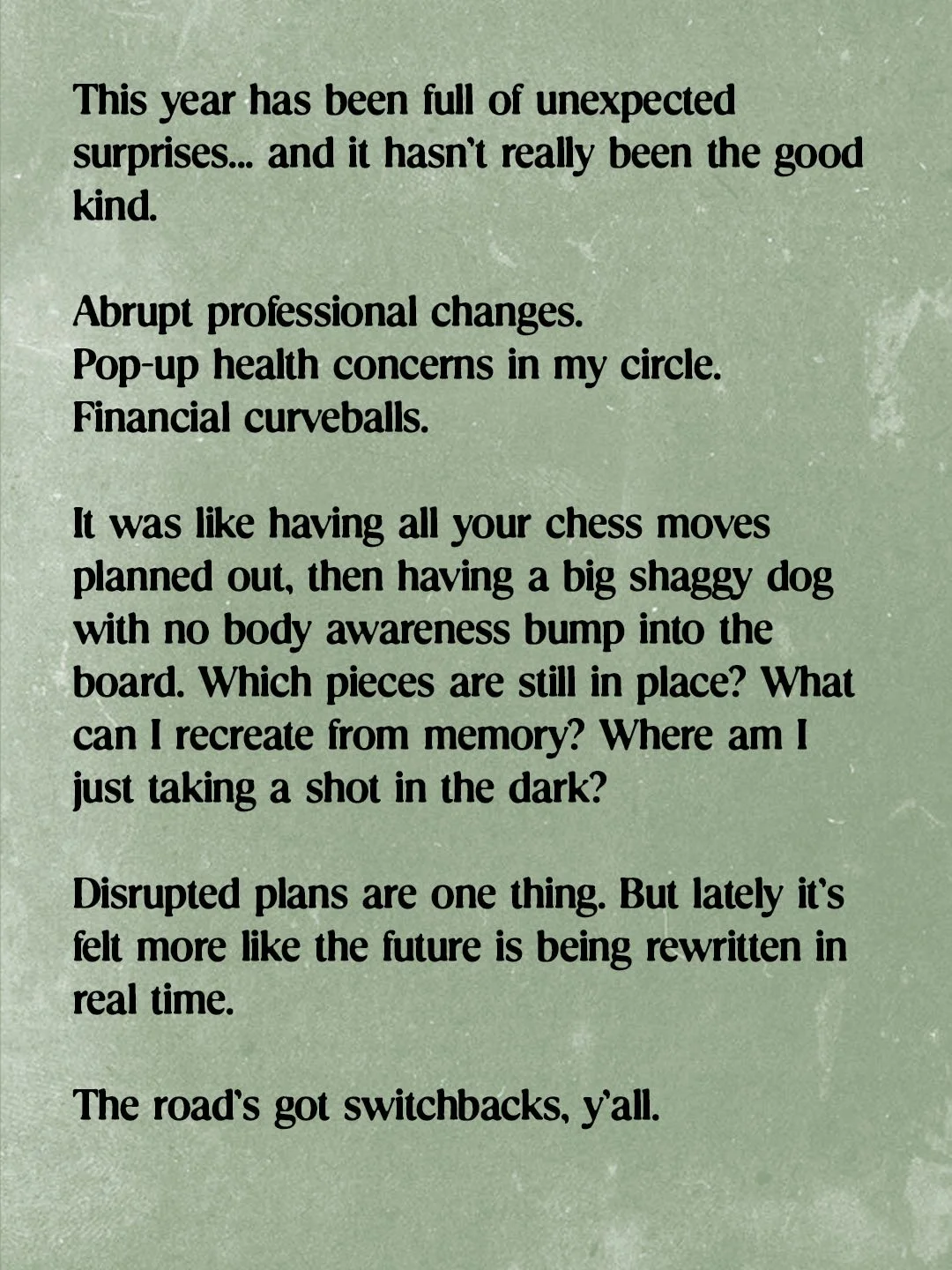
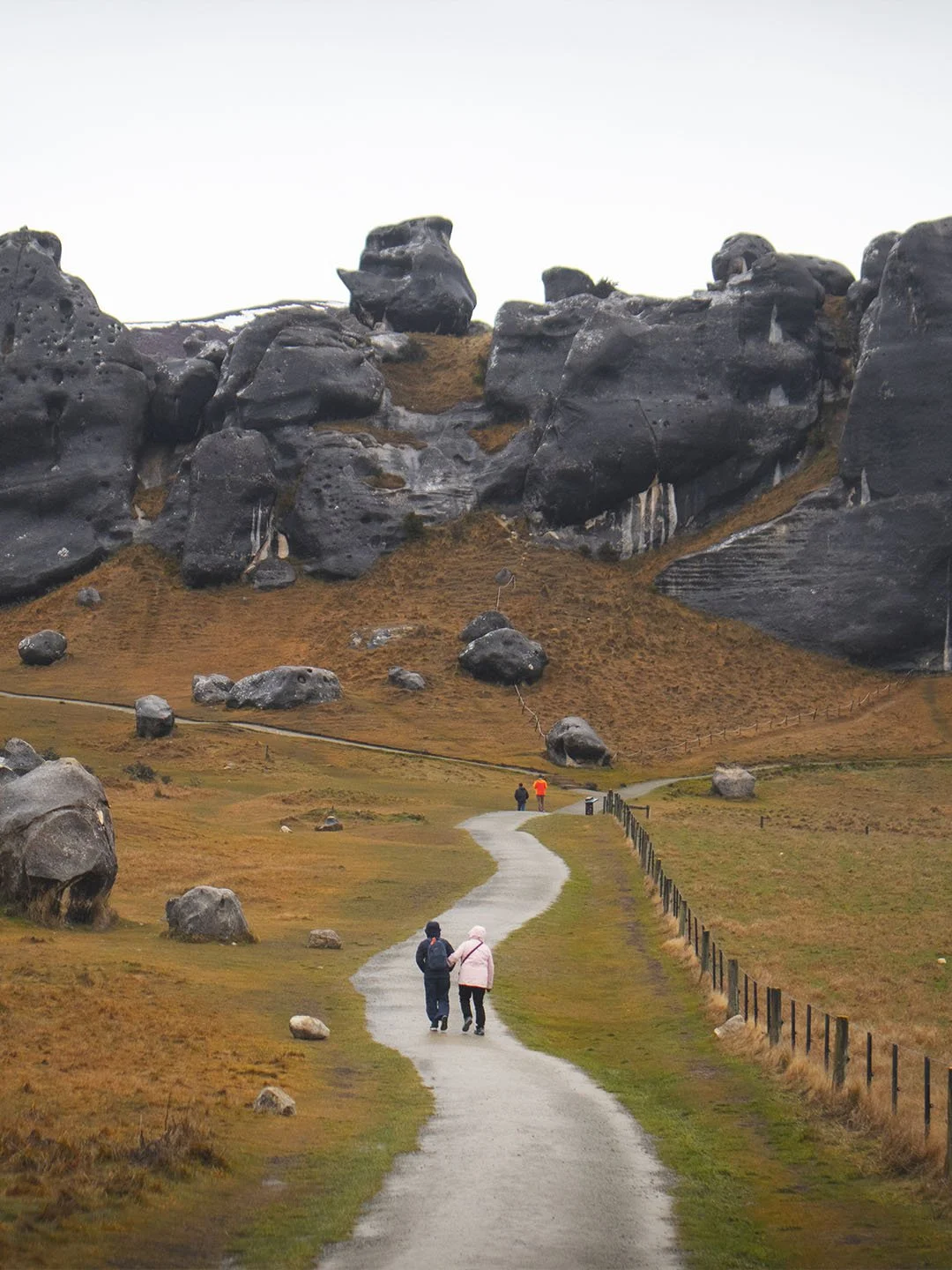
Disruptions are a part of every person’s life. But keeping these things in perspective can help you navigate those switchbacks. Believe that nothing is wasted. Remember that security is a myth. And refuse to quit.
Hear the World, vol. 1 – Music from Ecuador, Saudi Arabia, & Spain
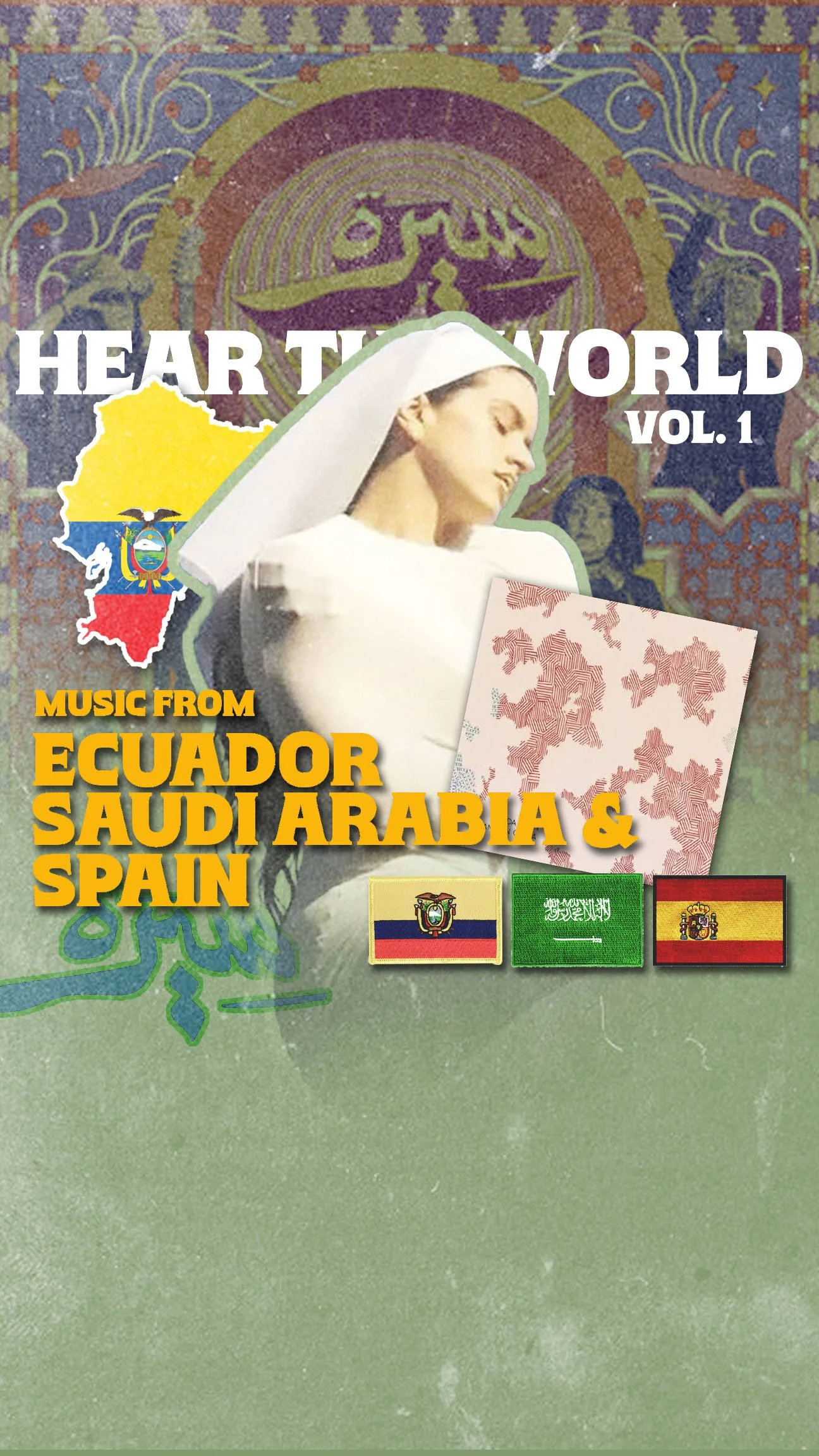
Operatic Pop from Spain – Rosalía
Auntie Ella (1933-2026)
Yesterday, we said goodbye to my Auntie Ella as she transitioned on from this life. The sadness of losing her is a reminder that saying goodbye is always tough, because she lived a very long, full, and beautiful life.
Every time I refer to her as my aunt, it feels like an understatement. She’s my hero. The person I’ve respected the most. Rhys’ middle name is adapted from hers.
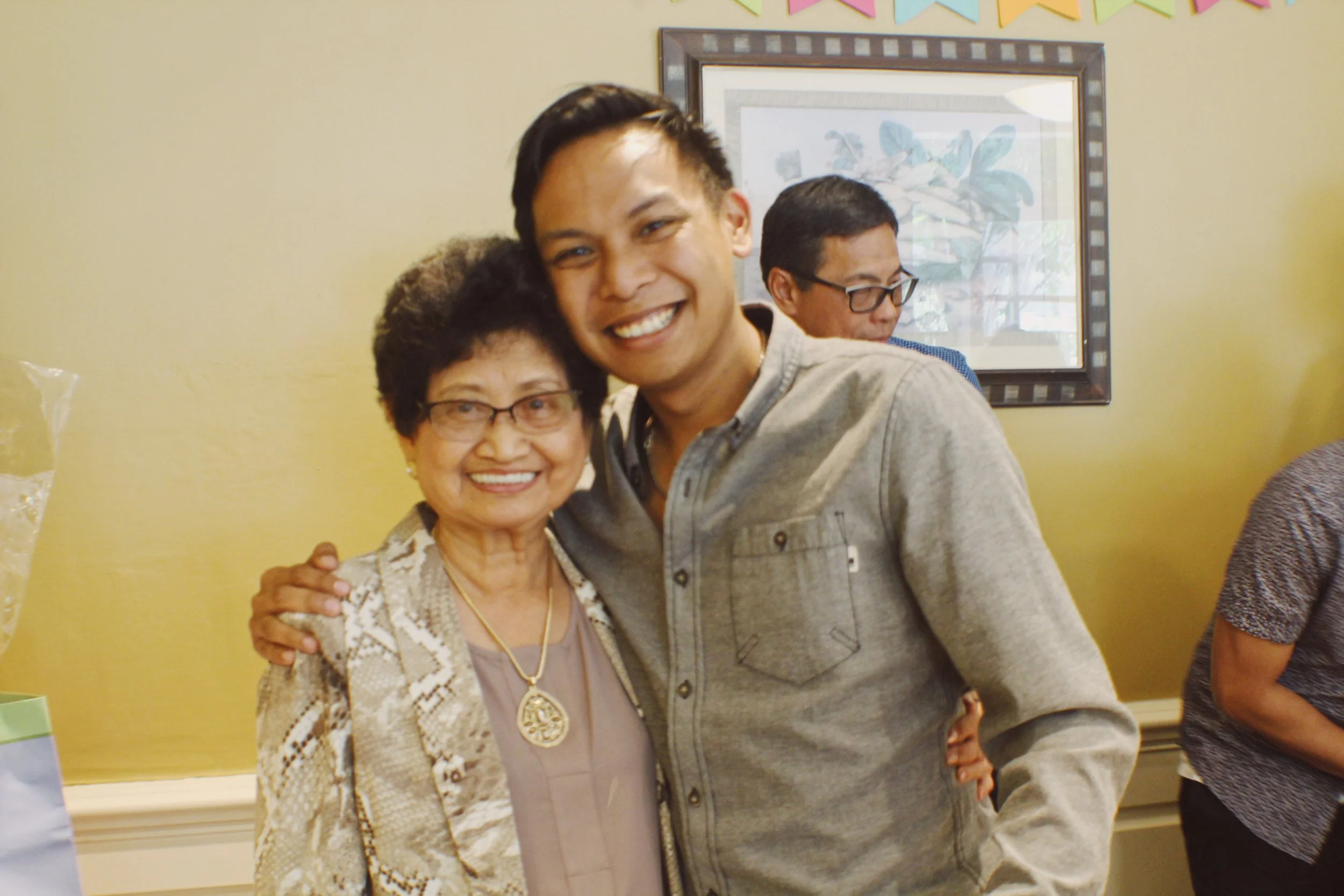
Auntie Ella was born in the Philippines in 1933 to a farming family. Through hard work and generosity, she put her whole family on her back for years, decades, and generations. She saw every resource in terms of the difference it could make for others. As a result, so many people can say that their lives are forever changed because of her.
Including mine.
1. 1995
My dad passed away when I was five. He was sick for a long while and Auntie Ella invited us to stay in the house she owned in Philadelphia. I thought of it as my childhood home.
As he was coming to terms with the fact that he would not live to see me grow up, Auntie Ella assured him that he wouldn’t need to worry about me and my mom. She would see to it that our needs were always met.
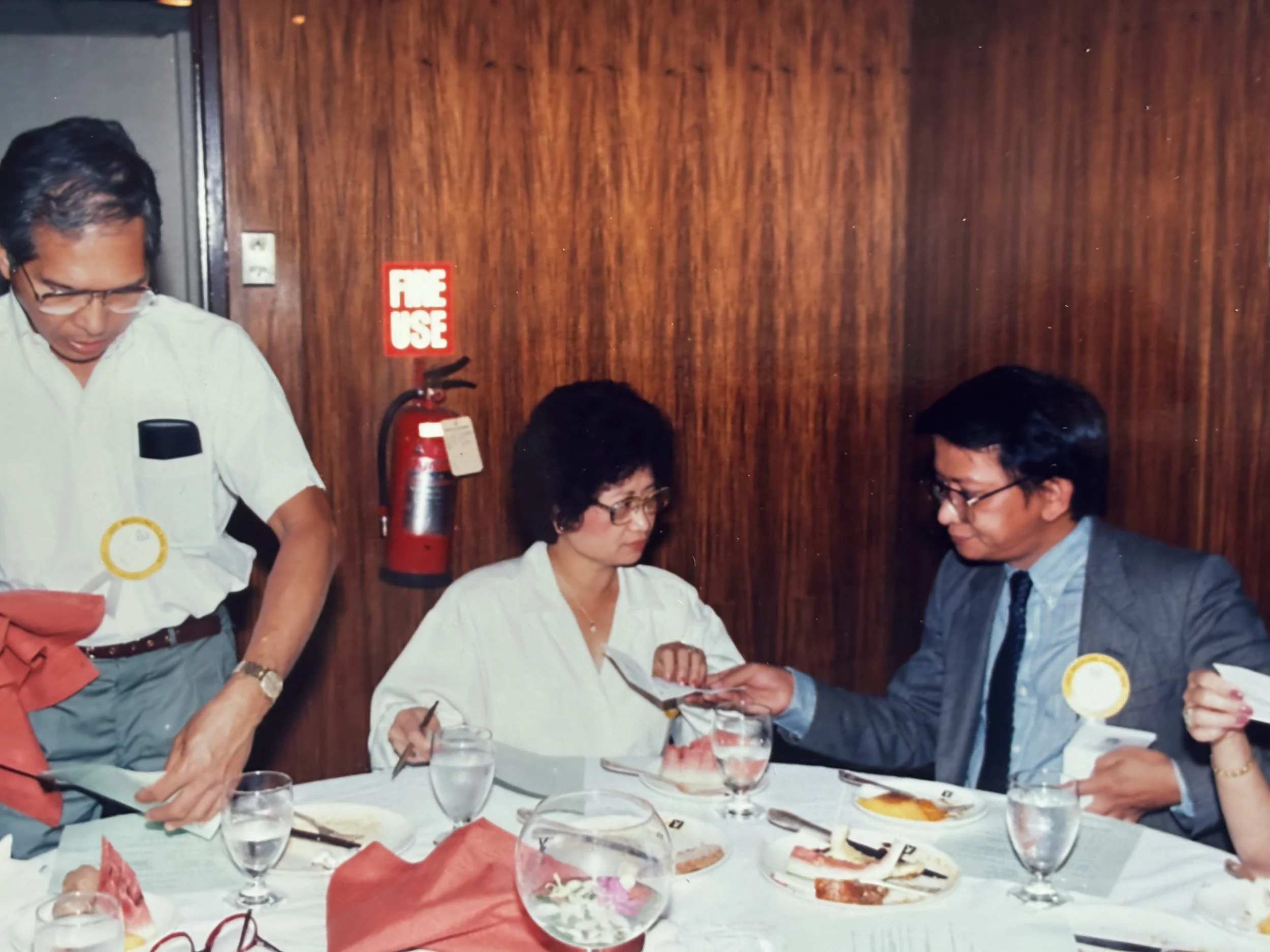
It was a promise she delivered on. She, my Uncle Bill and my Auntie Fely helped provide immediate support when she became a single mother. And as I grew up, she continued to look out for me. Generous birthday checks. Tuition payments. Summer camp expenses.
When I went to college, they helped out with living expenses. And my freshman year, when I needed a car, they gave me a car. Their car. We went to the DMV to re-register it and she even paid those fees.
Her impulse to give goes way back.
2. MEDICINE
Auntie Ella moved to the U.S. to practice medicine in the 1950s. Being a female doctor in that era is already significant, as women made up only 5% of physicians. Being a Filipina doctor, new to the country, adds even more layers. And she was a good doctor and worked really hard.
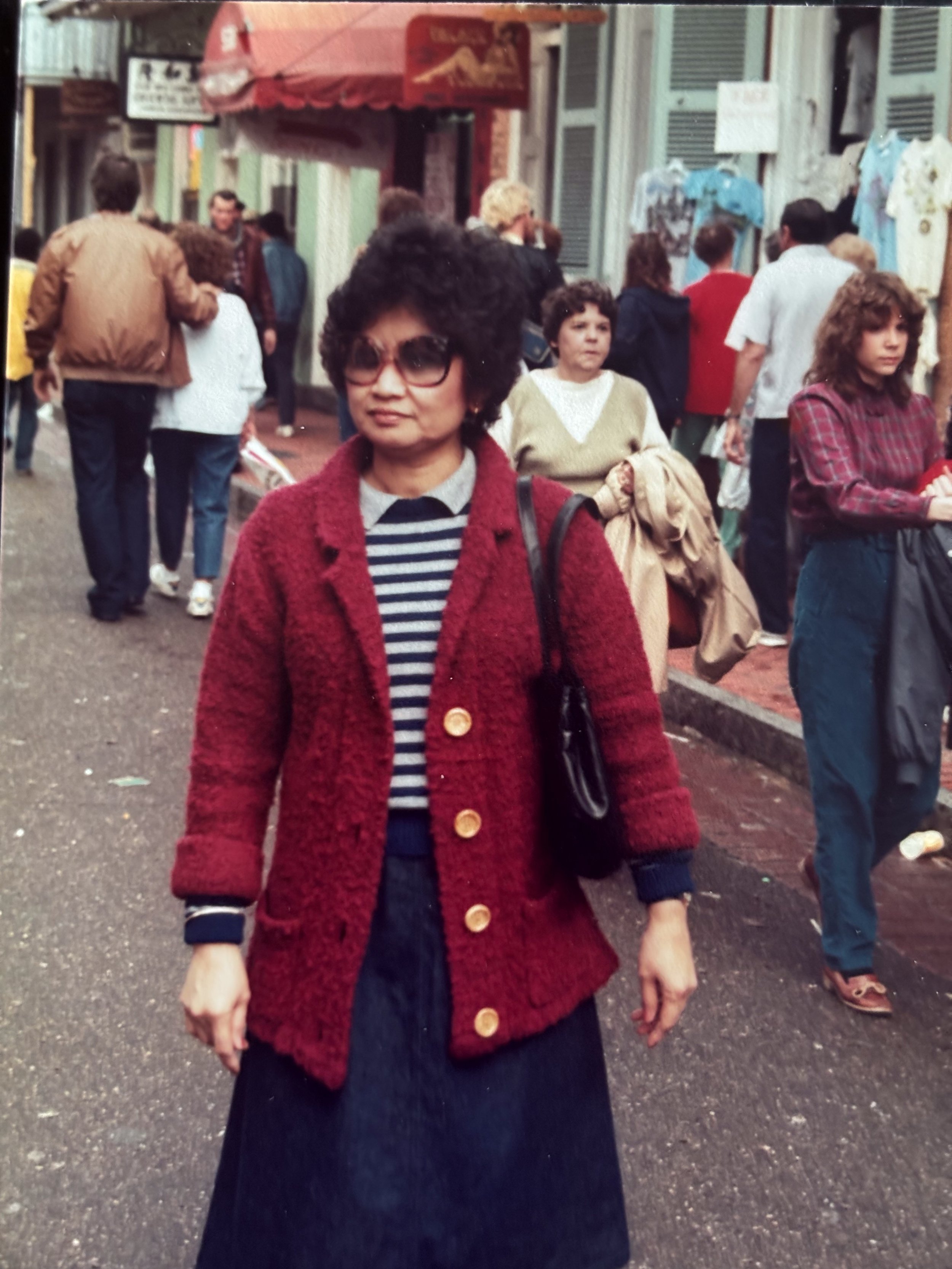
Auntie Ella was so good to her family that it’s easy to forget that she was also a really good doctor. Her way of earning to help people financially was by helping people medically. Her medical work earned her recognition from the Mayor of Philadelphia.
She told me about that first visit back, and how sometimes she would be up until midnight to treat as many people as she could. And since the dollar went a really long way in the Philippines, there were just as many people looking for financial support.
3. FAMILY
Wanting to say yes as much as she could, Auntie Ella went back to the US and continued to work really hard at her medical practice. At one point she worked herself down to 80 pounds.
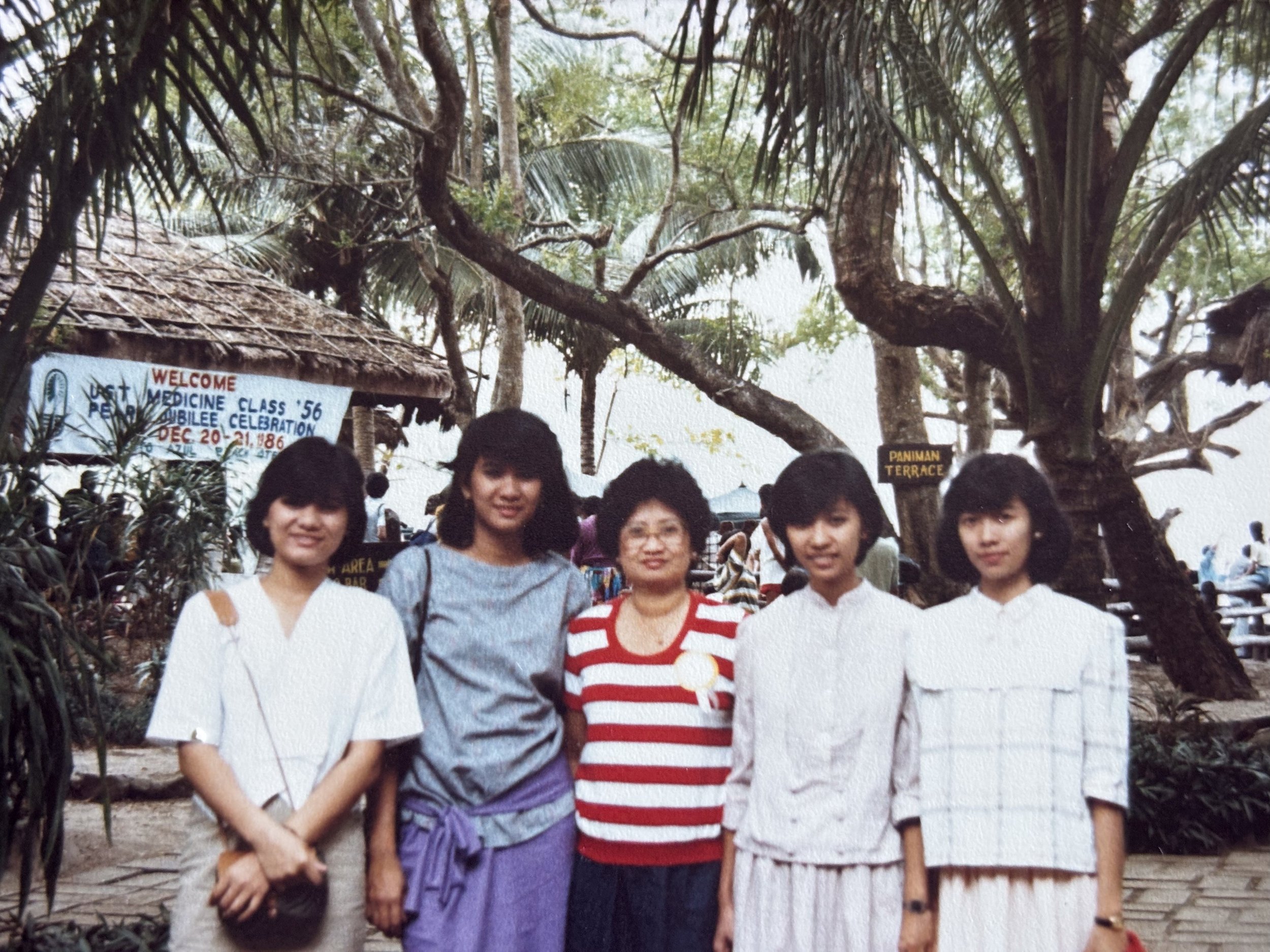
She was determined, though, to help all her siblings move forward. As the second oldest, Auntie Ella took on the task of caring for her siblings. Sometimes that was help with businesses or help with tuition, but as a result all ended up in better situations. My dad went to medical school, and followed her path of practicing in the United States.
Auntie Ella was so good to her family that it’s easy to forget that she was also a really good doctor. Her way of earning to help people financially, was by helping people medically. Her medical work earned her recognition from the Mayor of Philadelphia.
4. FLYING
She was selfless. But it does make me happy to know that she also had a lot of fun in life.
Later in adulthood, she married my Uncle Bill. Her stories of their dates are some of my favorites. While Auntie Ella often had a serious demeanor, Uncle Bill was her call to adventure.
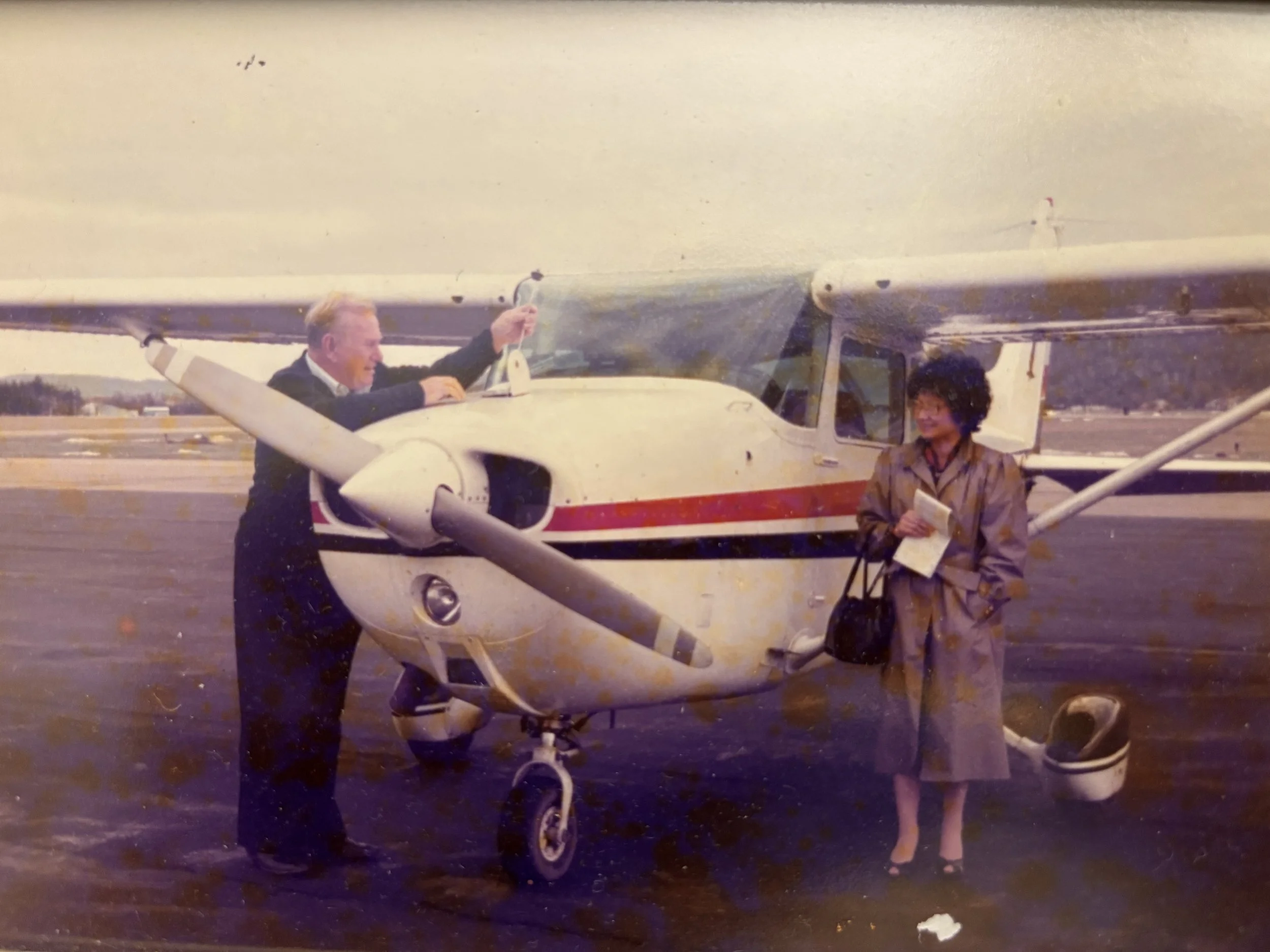
He was a hobbyist pilot, she talks about being picked up for a date in his two-seater plane. They would go for brunch in Maryland… by whatever airfield gave them clearance to land. She was often worried about something happening to Uncle Bill while up in the air, so she took flying lessons herself.
The two married, and lived in an old youth camp in Pennsylvania. I remember spending some of my early summers there. They threw a big Fourth of July party every year, often turning up hundreds of guests. These were some really fun times.
5. GENEROSITY
I’ve worked in the world of philanthropy for a long time, and I’ve often interacted with people who routinely make five or six figure donations. Auntie Ella remains easily the most generous person I know.
One of the first things she did after that big move was arrange a medical mission to the Philippines. There she was able to treat hundreds of people, including a girl with congenital heart failure. On top of that, she helped family members start businesses, she helped build a library, and helped send a neighbor to seminary so the community could have a priest.
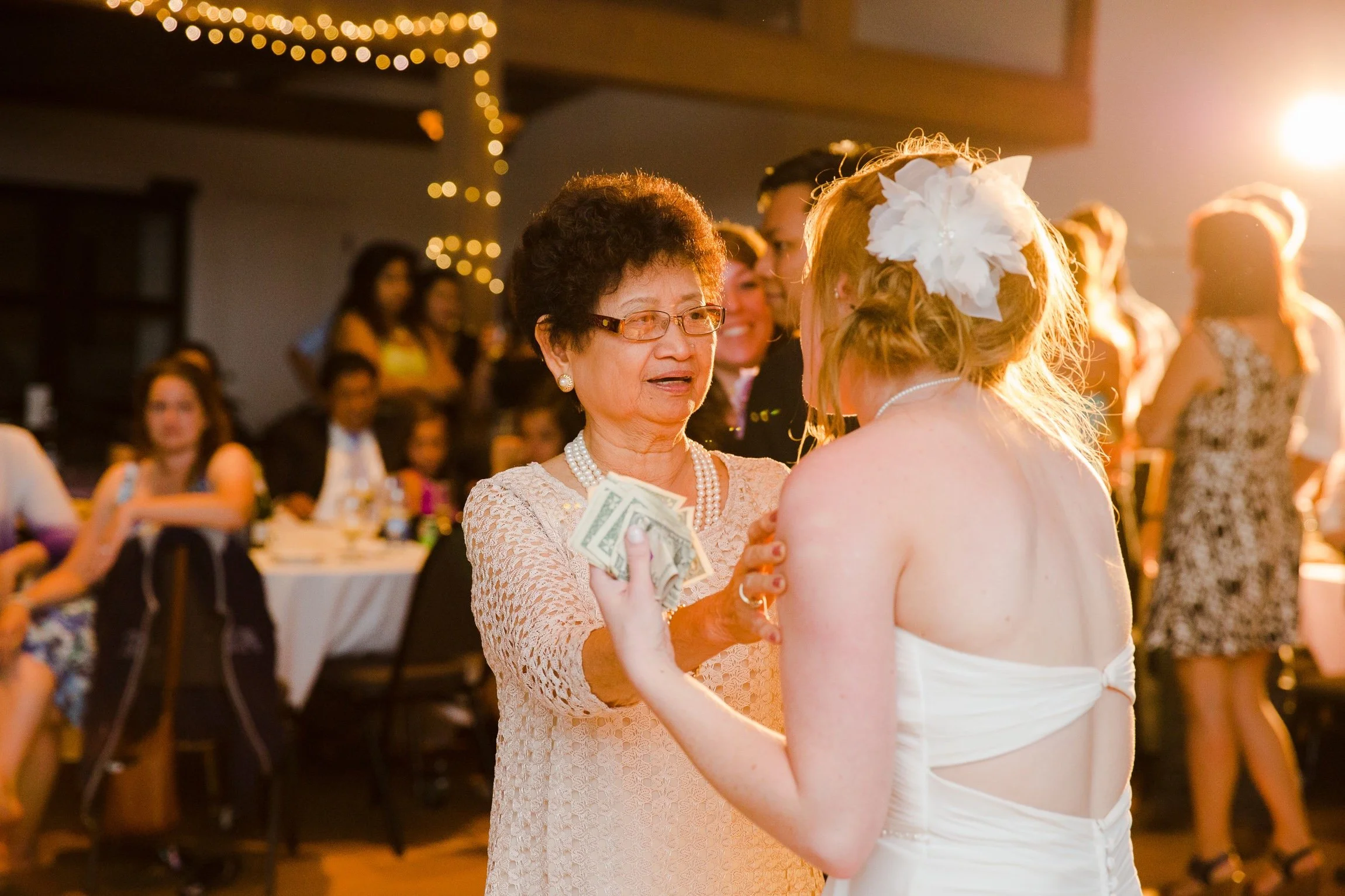
Whenever people suggested Auntie Ella spend more on herself, she remembered the challenges people faced, especially back in the Philippines, and her opportunity to do something about it. “It’s my cross to bear,” she would say.
And she would still end many of my phone calls or visits with the question… do you need anything?
As I got older, I tried to take them up on that less. But there were still times I would receive some big help. Like when we were paying daycare tuition for three kids all at the same time.
6. SISTER
Of course a big part of Auntie Ella’s story is her bond with my Auntie Fely. I’ve had nearly 20 aunties, but whenever I refer to “the aunts” we know which ones I’m talking about.
They were sisters, and roommates. And they were best friends. It’s a very rare bond they got, and one they got to carry for over 80 years. They were the last surviving siblings of my dad for a very long time, and from Bulacan to Philadelphia to LA, they went through a lot of journeys together.
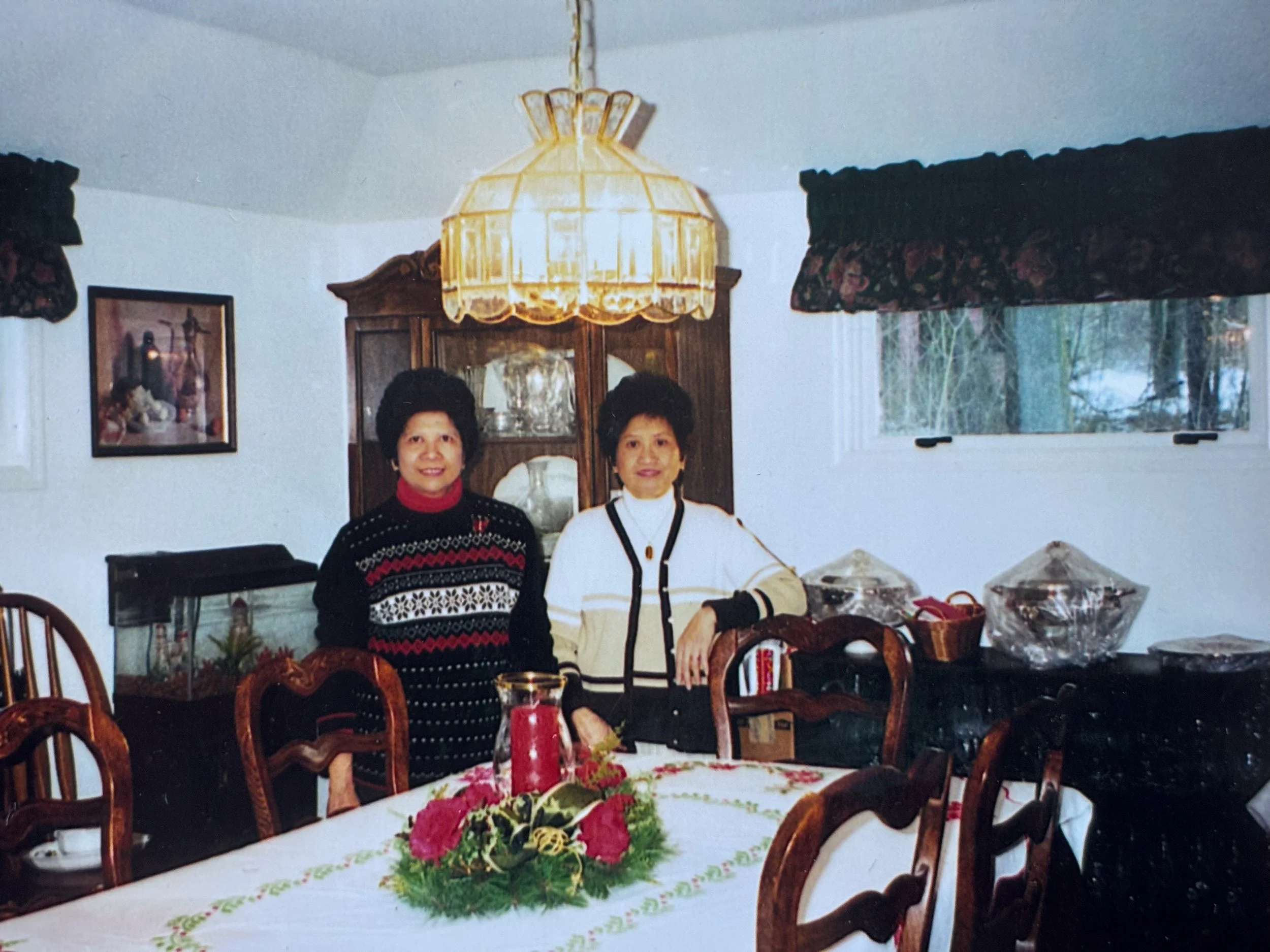
As I’ve been going through her old photos, one of the things that’s made me smile a lot is seeing old photos of them on trips or at parties together from the 80s or 90s and recognizing that, yeah… they’ve been close like this for a very long time.
7. HISTORY
As Auntie Ella got older and entered her nineties, I appreciated our time together more and more. I also appreciated all that she’s lived through and seen. I’m thankful for her longevity, because it gave us 36 years of time together.
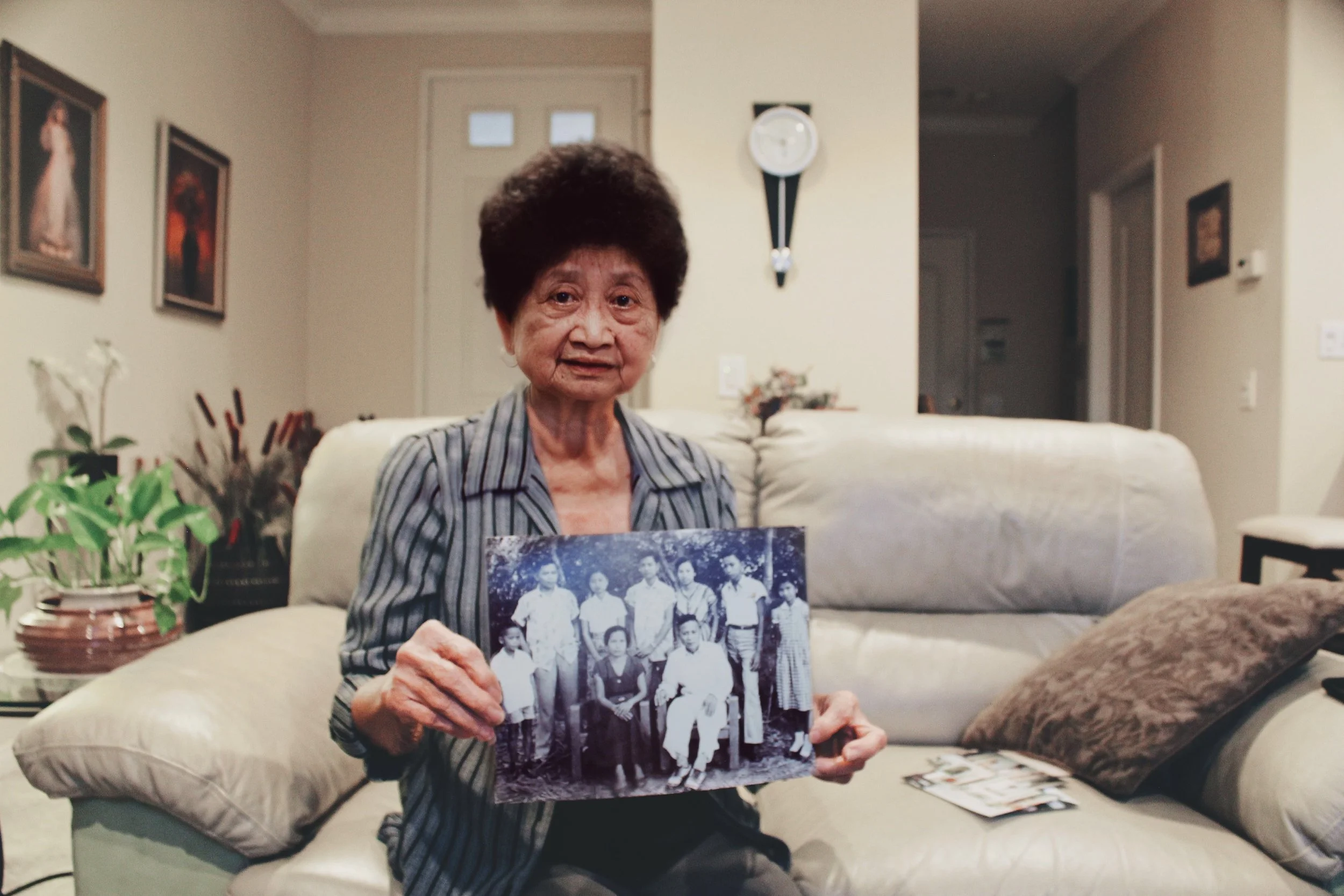
It’s unusual for someone my age to have an aunt, someone only one generation up who has firsthand memory of World War II. But I’ve heard her rattle off Japanese words and phrases, ones she picked up during the Japanese occupation of the Philippines. She shared memories of leaving the house and going out to the fields during bombings. And of bringing my grandpa food while he was being held as a political prisoner.
A few years ago she told me her stories of driving through the Jim Crow South in the 1960s, as a Filipina woman, a total conundrum for gas station clerks with segregated bathrooms. She would insist on just needing any bathroom.
8. TIME
I knew our time together wasn’t to be taken for granted. I tried to make visits as frequent as possible. One of the few upsides of the pandemic was that we spent a couple months living with them, while Rhys was just a baby.
Over the past couple years, I developed a routine of trying to take a monthly visit, bringing one of my kids with me each time. A bit of a rotation. Within the past year, I formed memories of Auntie Ella walking with Juniper to go dress shopping at the mall, or of her still being able to pick up Kai to give him a better view of her cooking.
I’m so thankful that Auntie Ella lived long enough to see my kids and to have gotten to see their personalities. Their lives too are better off because of her. I hope she’s already been sharing some of these stories with my dad about his grandkids.
Auntie Ella lived a very long and beautiful life. You can’t ask for much more, and yet, I’ll always miss her. Her memory will always be a reminder to give as much as I can, to put family first, and to save a little room to fly.
Masaka, Uganda takes a Youth-Led Approach

In Masaka, Uganda, the Youth Desk gives young people a physical open-door space to meet with officials, and they use it! Lines frequently form in the morning for young people to report problems and propose solutions.