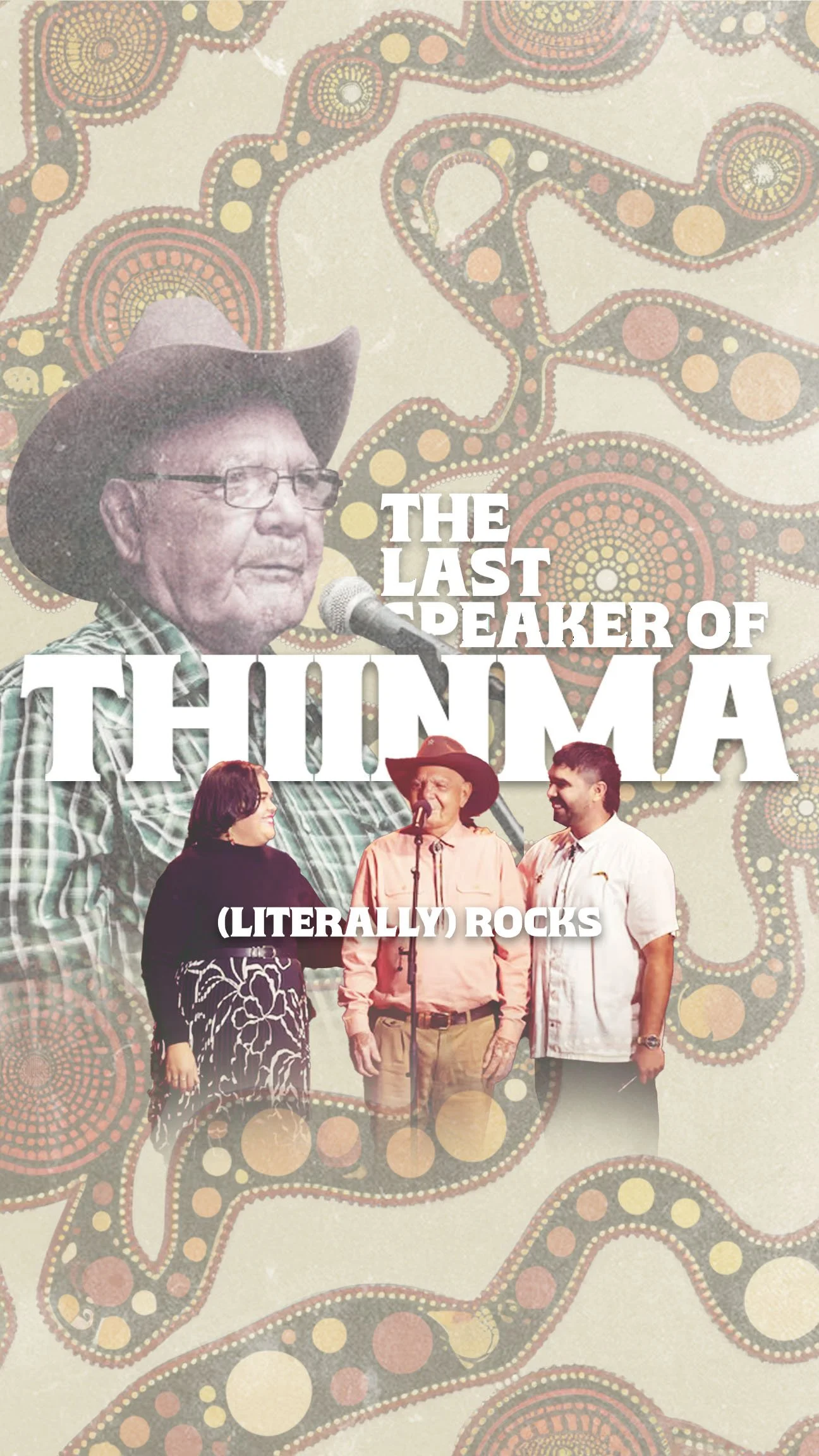
Your 20s are great for branching out and exploring.
Your 30s are great for building and putting down roots.
Your 90s are great for saving an endangered language through rock and roll.

Your 20s are great for branching out and exploring.
Your 30s are great for building and putting down roots.
Your 90s are great for saving an endangered language through rock and roll.
I enjoy hearing musicians or former musicians talk about their time on tour. Especially when they were just successful enough to have gone on tour, but not successful enough where it would’ve been easy. I enjoy hearing about the effort it took to find couches to sleep on, the sketchy venues, or the old secondhand van that kept falling apart. These make much more interesting stories than the luxury coaches and hotel accommodations at every stop.
I enjoy these stories because I’ve had a little taste of that life.
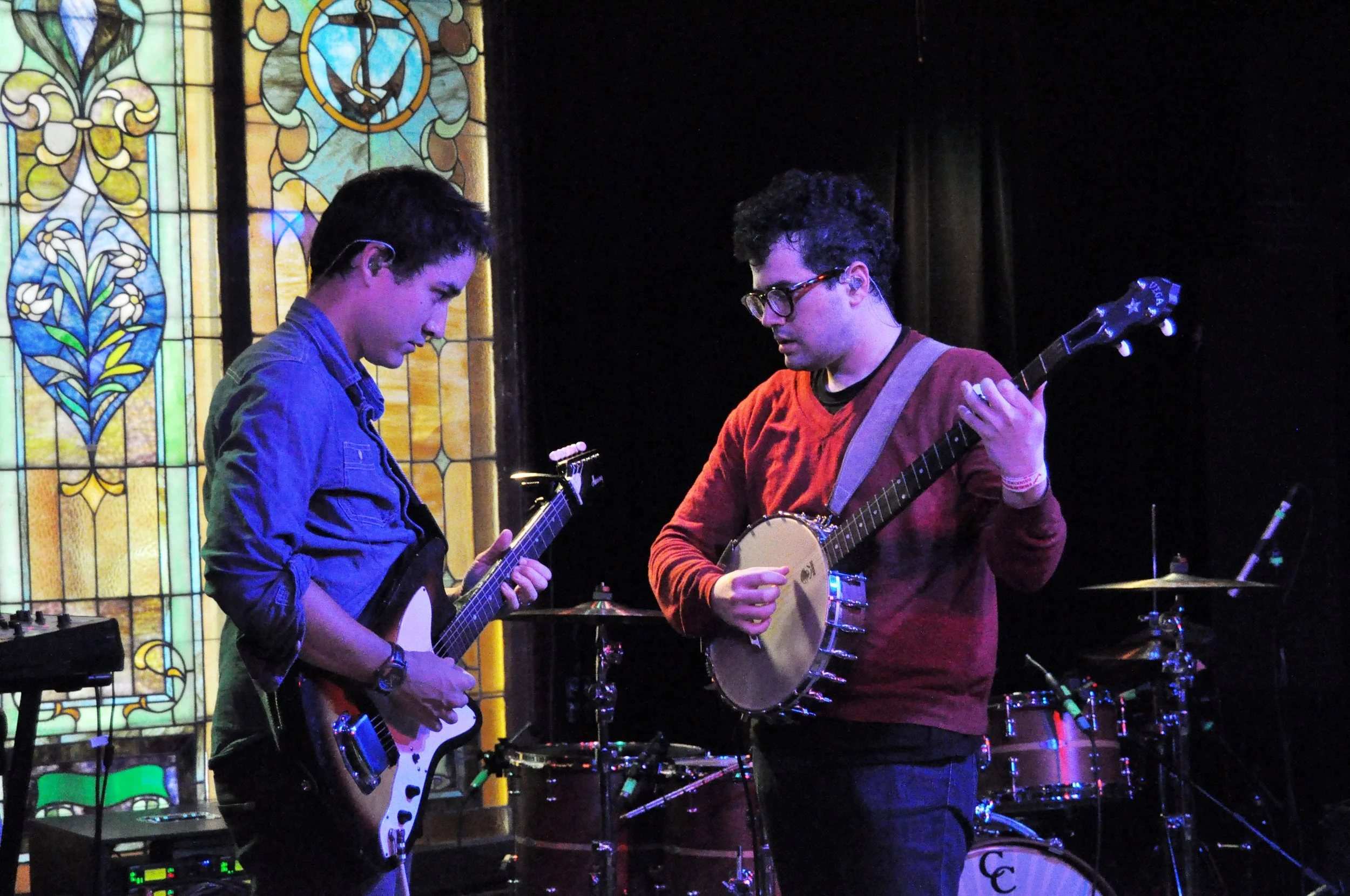
My music talent is pretty much nonexistent, so I shouldn’t actually be that familiar with the touring life. Except that I found my way to it by doing something that’s much more within my skillset.
Nonprofit marketing.
I went on tour to promote an organization I really care about and still do.
Technically speaking, this was my first gig out of college. It was an internship that turned into something so much more. I would be touring around the country to talk up the plight of North Koreans, sharing documentaries about the human rights crisis in North Korea and raising funds to help its refugees.
The logline for this adventure seemed like a blast: Take a roadtrip around the country… for North Koreans! It was the right combination of fun, meaningful, and bizarre that I gravitate towards.

That gig also happened to be a lot of work. We had to begin our tour by booking our took. This took a grassroots effort of identifying contacts, making phone calls, sending emails, and arranging events. Some of those days we spent over fourteen hours on outreach, and that was before the tour even began.
Once we hit the road, the work was just as demanding. Now we had to deliver the presentations and meet with people, often while still putting together later legs of the tour. I often said that it was essentially a 24 hour workday. We were always in closed quarters, often making public appearances, and never really off the clock.
We slept wherever we could find housing, often asking the organizers of our events if they knew anyone with a spare room or couch. A couple nights we were comped hotel rooms. Other nights we slept in the van. It was a total wild card.
Food was somewhat similar. I was a 22 year old new graduate at the time, meaning I had very little money. Thankfully my route covered much of the midwest where our hosts would often invite us out to eat, often showing us the quirky food item that was the source of local pride.
Along with the hard work came a rush of unpredictability.
Somewhere amidst the hustle of making this tour happen and remembering to breathe along the way, a mantra started to emerge. My teammates and other groups on tour started to echo a phrase that turned into a rally cry.
Leave it all on the road.
It’s nearly been fifteen years since that life-changing tour and the phrase still speaks volumes to me.
Leave it all on the road.
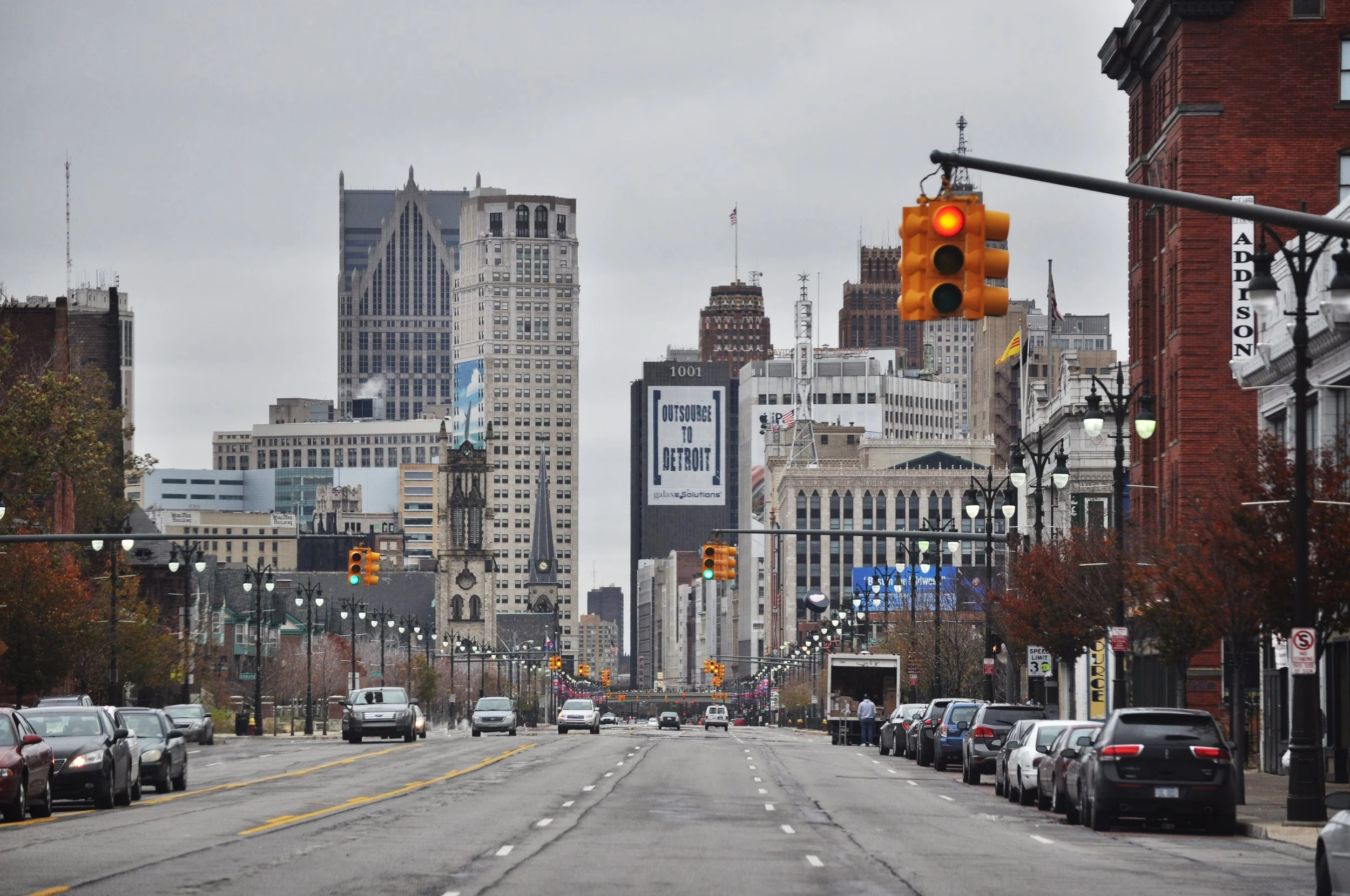
When you’re essentially living in a van with two other people for several months and going from city to city, you don’t have a lot of room to hide from each other. You need to figure out how to get along. Things will come up to work through and the best thing to do is to deal with it proactively. Be honest and forgiving and leave it all on the road.
When you hit your third month on the road and a lot of the novelty of the experience has worn off, you’ll need to stop and give yourself some important reminders. This experience you’re having, the fact that you get to do this meaningful and unusual thing, is a total gift. You don’t want to miss out on being present for this very transformative chapter of your story. Don’t leave anything undone. Leave it all on the road.
As challenging as this experience can be at times, you have what it takes to meet those challenges head on. Support your team, give it your best, and leave it all on the road.
The phrase took a much more sobering turn two years after I had toured. I had moved on to a new chapter in my life, but other groups had risen up to take their turn on the road. It just so happened that on my 24th birthday, the group that was driving in my old van collided with an oil tanker in Texas. None of them survived.
Even though I never got to meet them, they were in my circle because of the experience we shared.
One of the things I loved from when we were working on the cause, for the North Korean people, was that everyone showed up with such purpose. There was a strong sense that what we were doing mattered. So much so that we would reroute a season of our lives for doing this. That sense of clarity and meaning underscored the notion of leaving it all on the road.
This wasn’t hustle culture for the sake of hustle, or for the accumulation of wealth or accomplishments.
This was living fully.
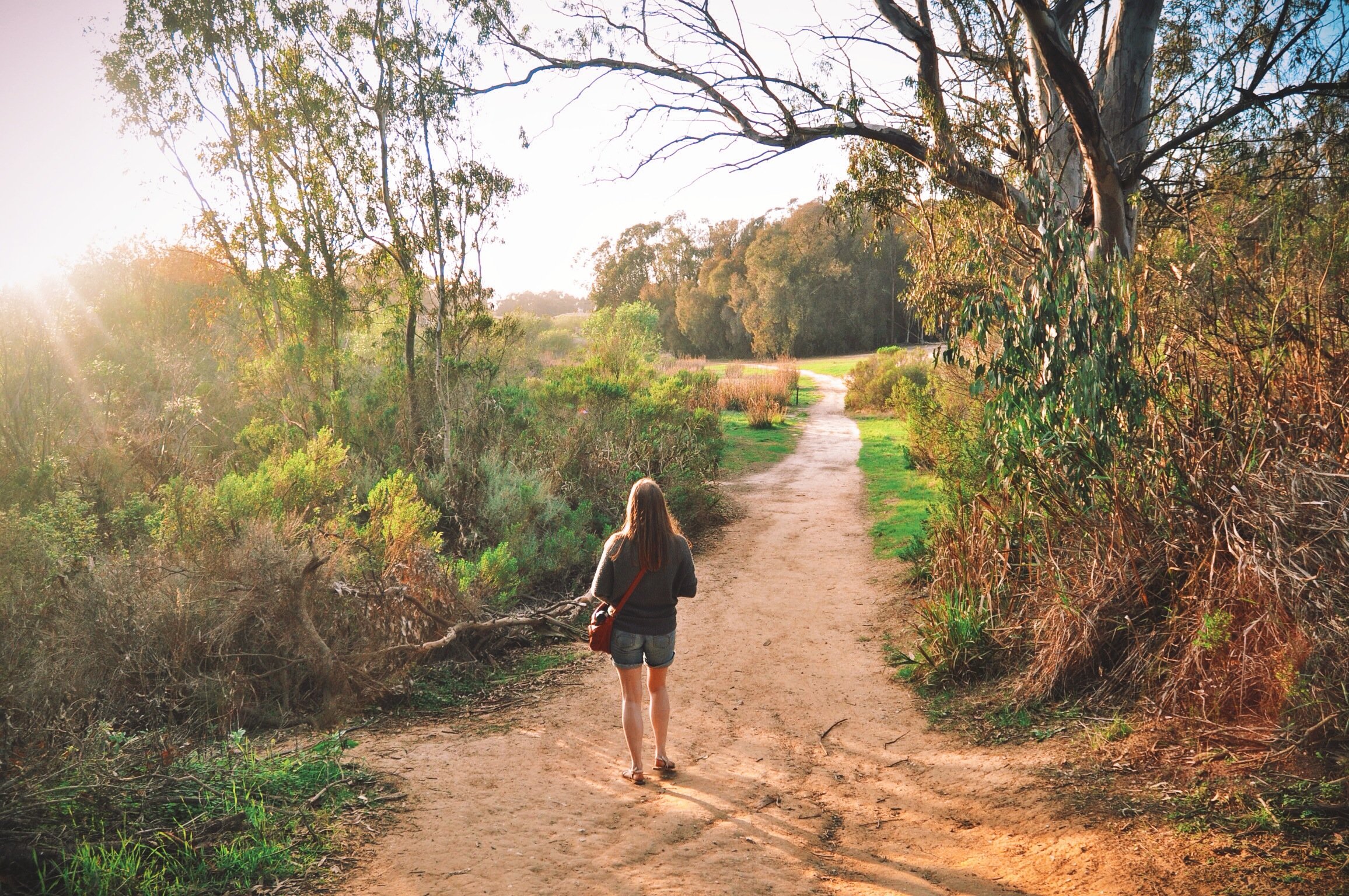
Life this year has been strange. There are so many challenges I didn’t expect. So many changes and transitions. At the same time, the broader social climate is a big mess, and so many people in my life have endured personal losses and tragedies. When I’m taking the bigger view of things, I know it’s just one chapter of a story with many highs, lows, and plot twists. But there are times when it gets especially hard to see what’s around the next corner and this is one of those times.
All I can say is that this too, is a time to leave it all on the road.
A time to show up and to live wholeheartedly.
To put in your best effort, even at a time when trying often feels futile.
Sometimes you gotta keep faith that it’s going somewhere.
Leave it all on the road.
Just me turning a dim sum run into a heist movie. 🏦🥟💰My stand up debut.
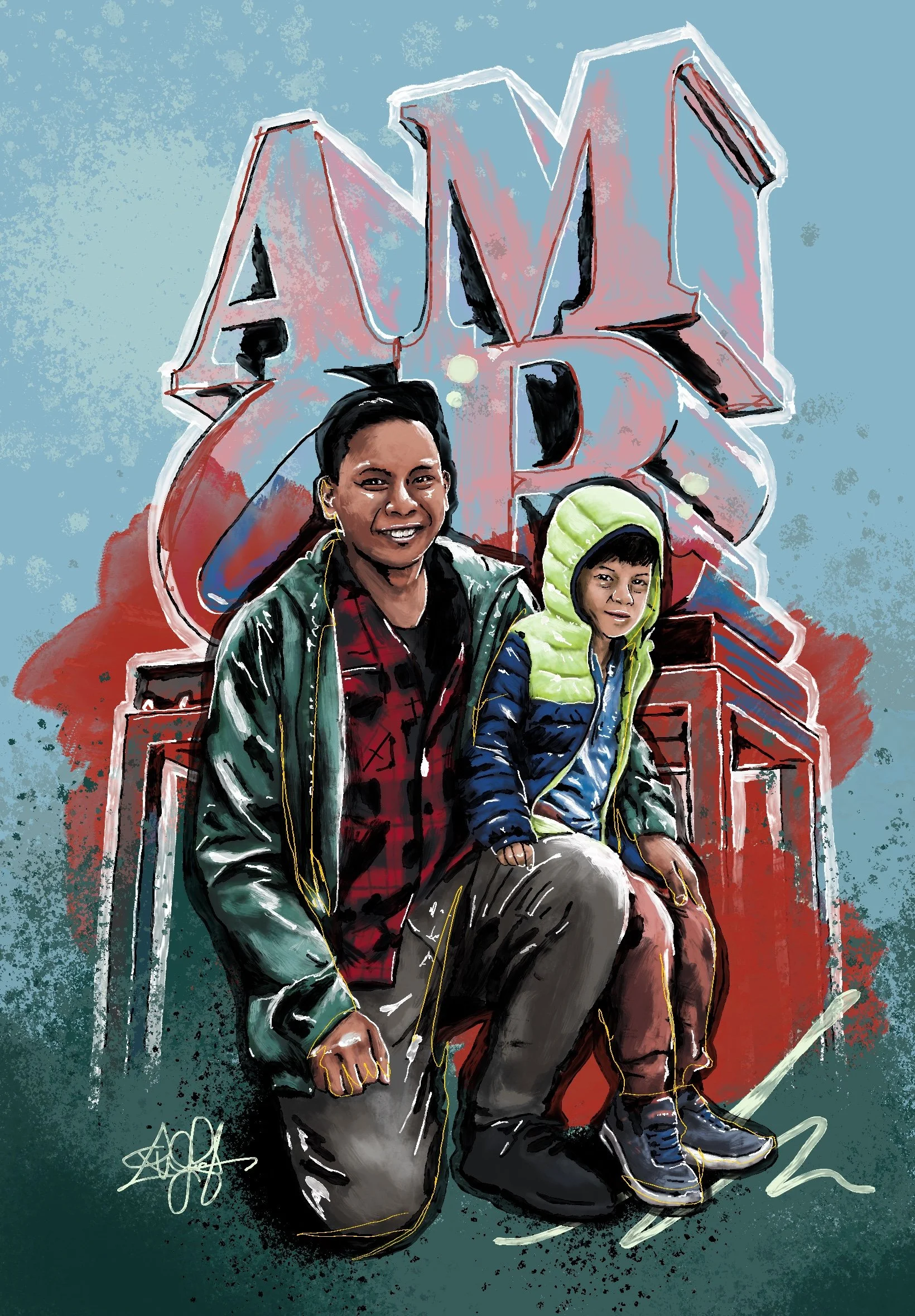
A wonderful time was had in Philly.
One of my rules of thumb for better travel experiences is to say yes as much as you possibly can. It’s all about openness, right?
Of course there will always be some things that you absolutely know you need to say no to. But if you’ve arrived at that point at a series of yeses, you’ve likely picked up a story you can tell over and over again.
This is the time I was offered a baby in Swaziland.
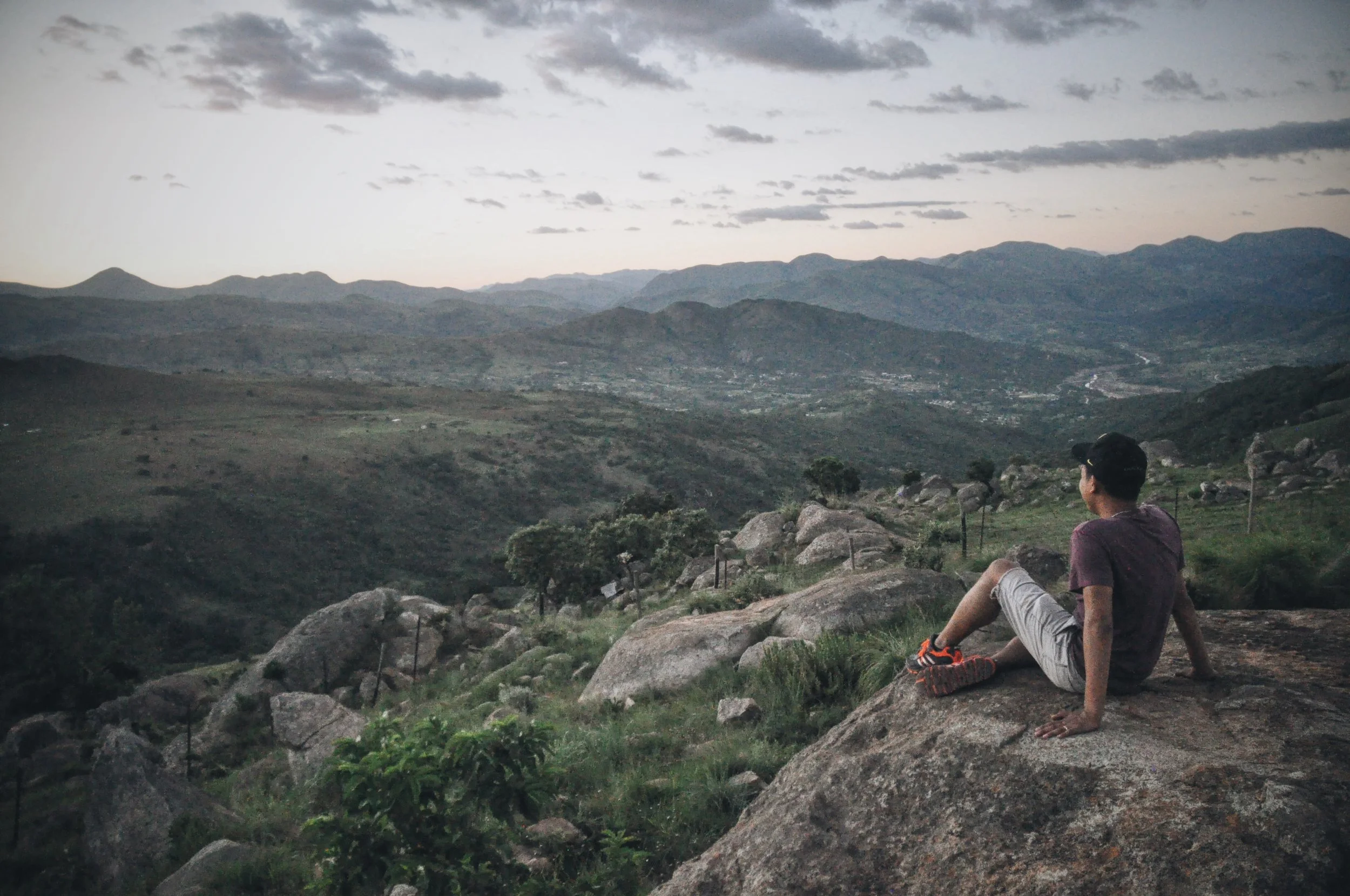
Of course the country now goes by eSwatini. Not a dramatic change, just the way you say “Swaziland” in the language most spoken there. Siswati. But this was 2016. It was still going bits Anglicized name in official settings, and that’s when I began my journey to the kingdom.
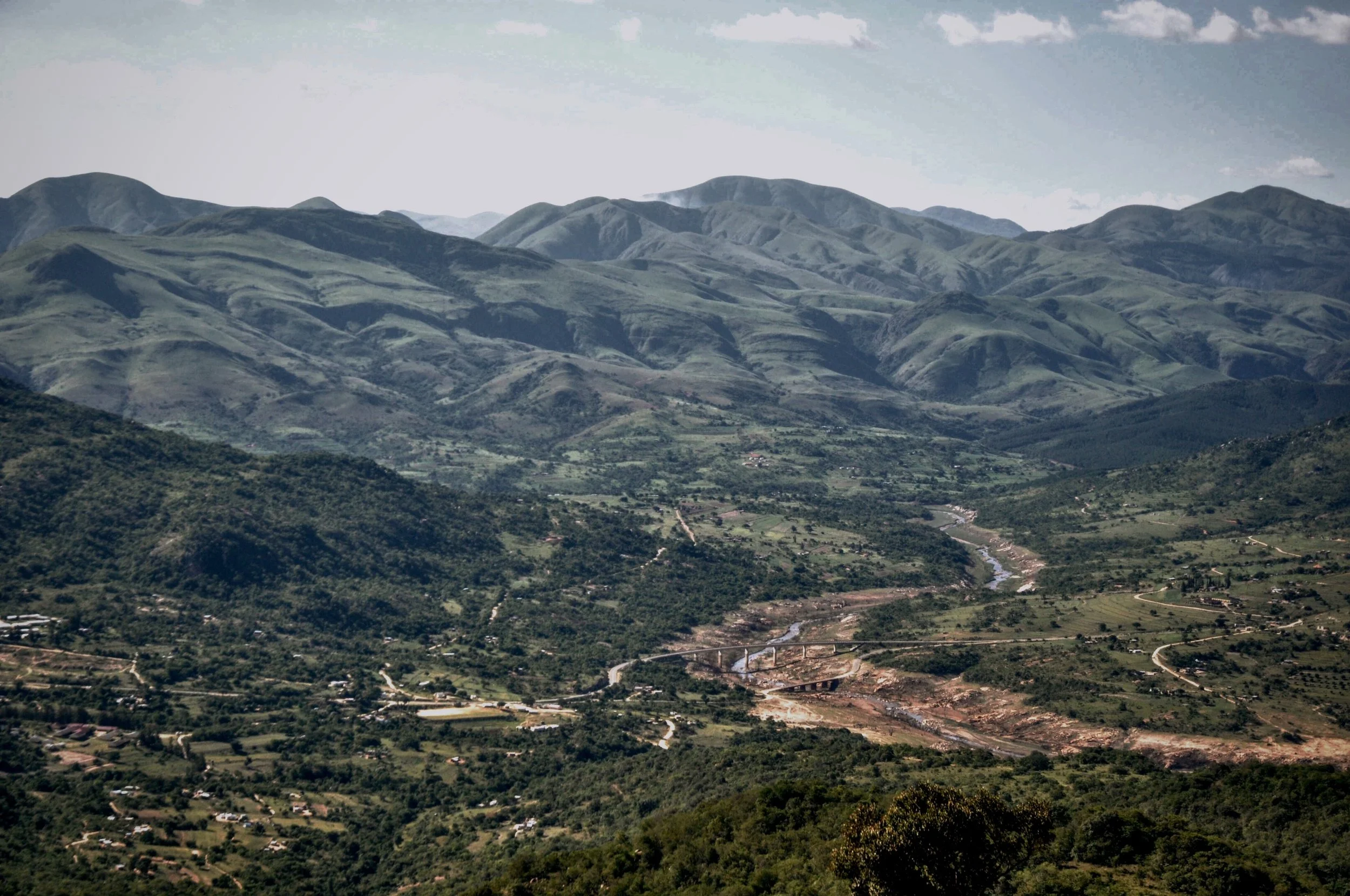
Swaziland is one of those unique cases where a kingdom persists into modernity, and as national borders are drawn, it gets carved out in a way that allows it to keep its royal identity. It’s in a gorgeous part of Southern Africa, boasting an impressive amount of biodiversity and charismatic animal species despite its small size.
That year, I happened to be revisiting Johannesburg. Years prior I had stayed and worked at a children’s home. I maintained contact with Cheri, a friend who now ran a home and job training program for teenage boys, and so I had a lot of friends to visit. I just so happened to have another friend who spent a fair chunk of time at a children’s home in Swaziland and he had good things to say about its operators. I decided it would be a win-win to put my friend in touch with his friend for some mutual learning, and I offered to support this by physically making the journey with her.
The first yes of our story.
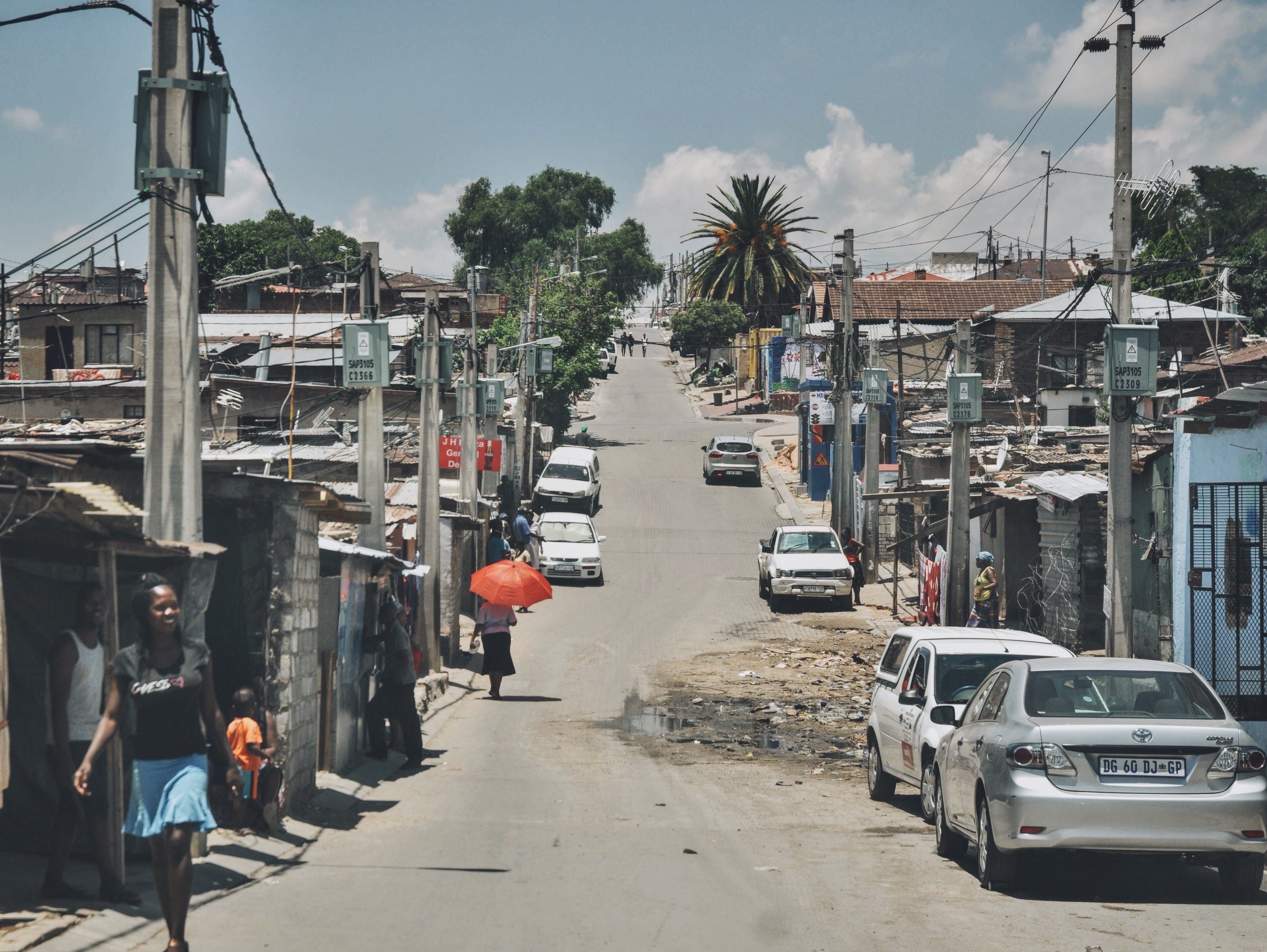
The route given to us by locals was by way of South Africa’s minibuses. These widely used but somewhat informal modes of transit should work well if things went the way everyone said. But they allowed for just enough unpredictability to open the door to some unexpected outcomes.
We spent several hours bumping along the quiet roads east of Johannesburg. They were paved and well maintained, especially in comparison to many other roads in the region. But there wasn’t much for long stretches. We shared the bus with other local passengers making the journey between countries.
We hopped out right at the border for a standard visa check. Considering how hectic African border crossings on land can sometimes get, this was straightforward and boring in the most welcome way possible. But as we got on the bus, it started to dawn on me how informal our directions were from this point.
We had to go from the Swazi capital of Mbabane to a petrol station. From there we had walking directions to a yellow building, then a dirt road, eventually to a remote grocery store where my friend’s contact would pick us up.
With landmarks like “yellow building” and “dirt road,” what could possibly go wrong?
Apparently one of our fellow passengers thought a lot could go wrong. “Now is not the time to be making such a commute,” Daisy pointed out.
The sun had, in fact, gone down.
“You must spend the night at my place. Then continue in the morning.”
Another yes.
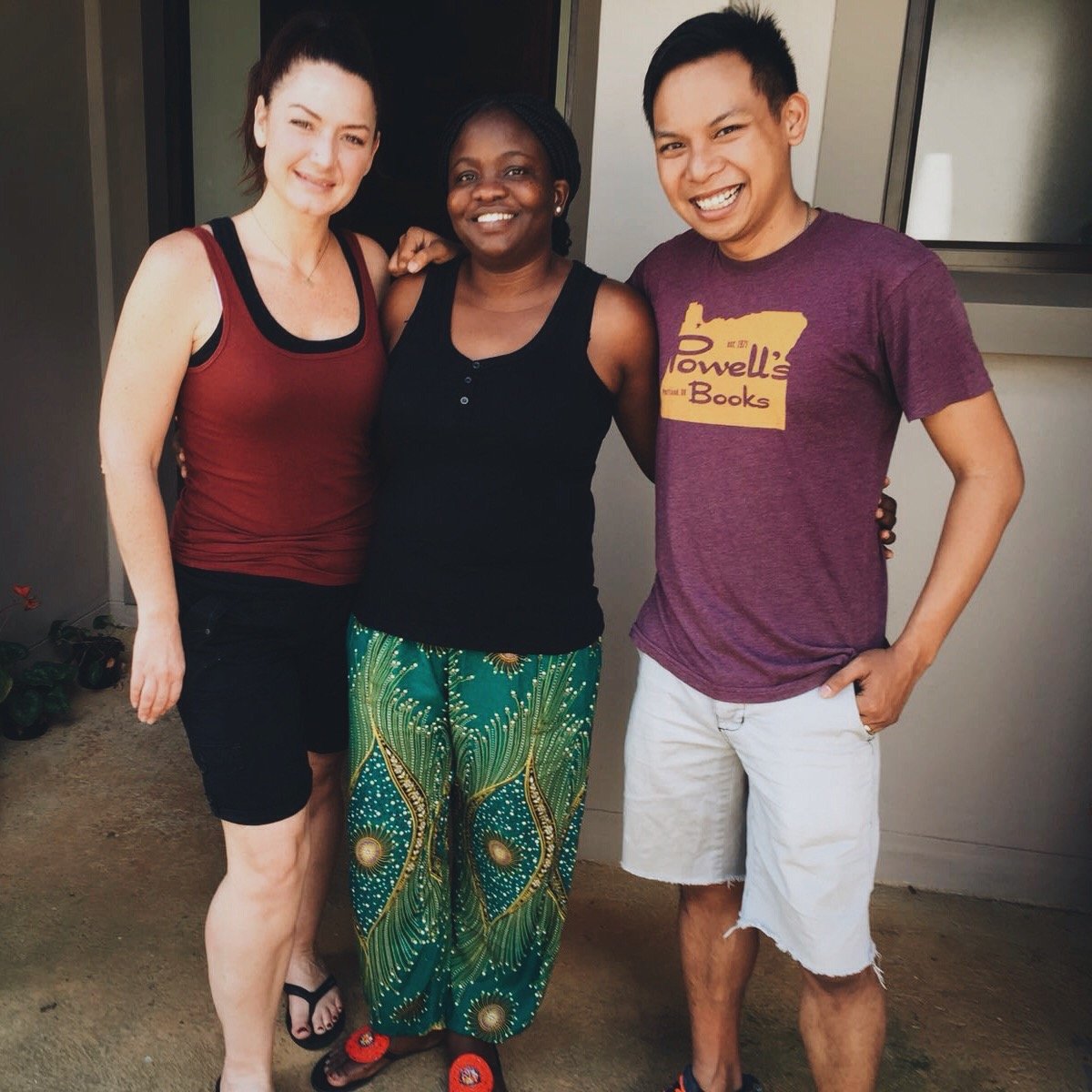
It was a sudden act of hospitality, but a welcome one. She prepared tea for us and shared some stories about her work in international aid. She highlighted Ethiopia as the one place in the world she most wanted to visit and led us to our rooms.
I spent the night in her son’s room, which had just enough decor to make me wonder about the experience of a teenage boy growing up in the Swazi capital. I slept well, ready to take on more of our mystery quest the next morning.
Daisy called a taxi for us, and our driver happened to know exactly which petrol station we were referred to. We thanked her immensely and parted ways.
At the petrol station, I was surprised to see a yellow house right next to a red dirt road. As informal as my directions were, they were at least very literal.
“If the rest of these directions add up, we should just have to walk up here about a mile and we’ll be at the grocery store we were told about.”
Cheri and I walked up, The road was so sparse that we figured a grocery store could not be missed.
There were a few locals hanging out by the side of the road who seemed unbothered by our unusual appearance as we made our way up.
After about fifteen minutes of walking, we made it to the first structure we encountered. A plain, square, beige structure. Was this actually a grocery store? I decided to poke my head in.
The single-room building had shelves all over the wall. The shelves weren’t very well stocked, though. Empty shelves far outnumbered the products that were there. There were a few wrapped bundles of pre-packaged crackers. Some canned soft drinks. A few sacks I imagine held maize meal. And some yellow plastic bottles that looked like they had been reused. The famous millet beer I heard so much about in Swaziland? Probably the most likely contents.
While proteins, fruits, or vegetables were missing from this store, the most glaring absence was the lack of a shopkeeper that I could ask.
“I think this is the grocery store,” I told Cheri. In a country where about a third of people face serious food insecurity, I shouldn’t be too surprised by the sparse grocery stores.
“That is the food store,” I heard a woman’s voice confirm. A young woman was walking past us up the road, carrying a baby on her back in a cloth.
“Aw, she’s adorable,” Cheri remarked.
“Do you want her?” She looked at us straight faced.
“Um.”
We had hit the point of our journey where we said yes so many times that we arrived at something we absolutely could not say yes to. Even if, hypothetically, one of us was in the position to adopt, and the needs and offering were legitimate, conducting the process on a “the dirt road” by “grocery store” was probably not the proper mode.
Cheri was a little more quick on her feet with a sweet response. “No, she’s a gift!”
“Having children here is so very hard. You can take her.”
My mind started to race across all the messy and complicated things you encounter around the world, especially in the realm of international development. Poverty. Trafficking. Single parent households in Sub-Saharan Africa. All things that could’ve been chapter titles in my masters’ thesis, but that were so much more uncomfortable to encounter in real life.
Or…
There was one possibility that I didn’t even consider in the moment. One that seems increasingly likely, the more time has passed. One that I only started to entertain once Swaziland had become eSwatini.
Maybe she was joking.
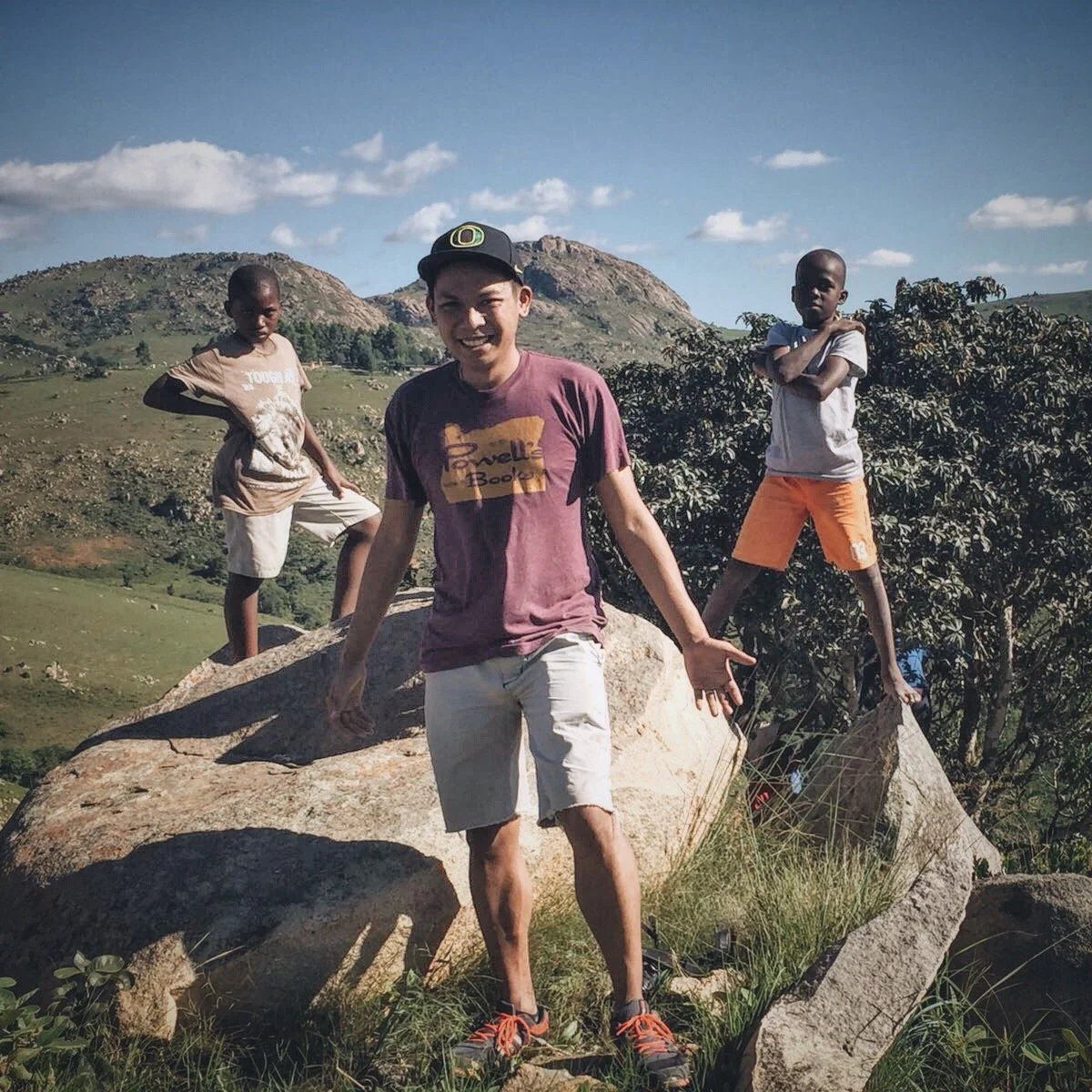
Actually, the more time goes by, the more I like the explanation more and more.
First of all, as a small kingdom next to one of Africa’s most populous countries, eSwatini inevitably absorbs a lot of cultural influences from South Africa… and South African humor is something else! They’ve absorbed a lot of the dryness we associate with British humor, but coupled it with some African expressiveness in reaction. Most South Africans I know can do a deadpan delivery as well as anyone. I should give this mom a little more credit.
Plus, I like that this explanation is a little more humanizing. Of course moms in Swaziland can have a sense of humor. It’s not unheard of for parents to jokingly talk about sending their kids off with the elves in exasperation. It could be my own bias that let me take her at face value too easily.
I suppose I’ll never completely know. Our ride from the orphanage at the top of the mountain eventually found us, and off we went.
Saying yes, until we absolutely couldn’t anymore.
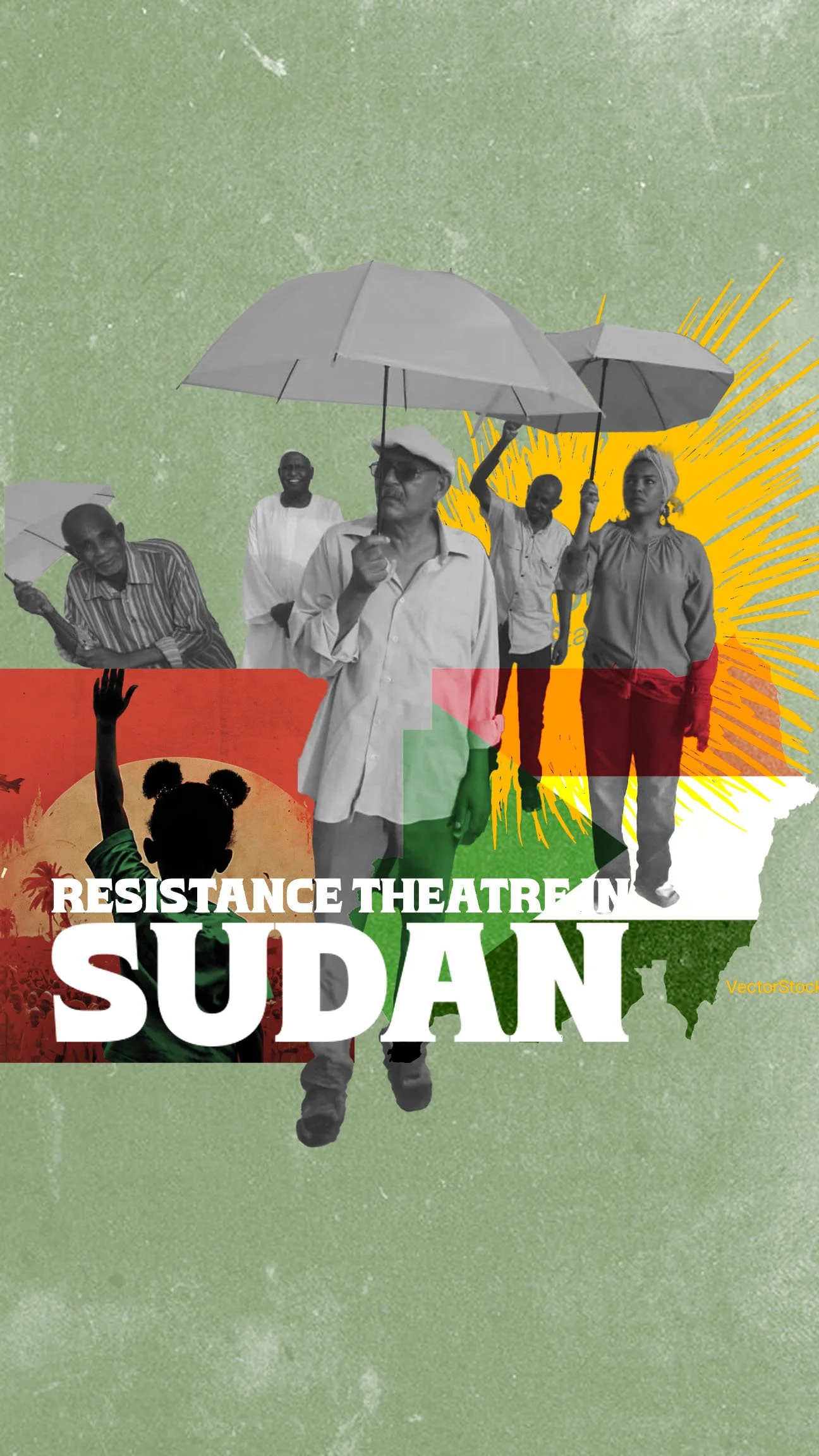
I’ve done a lot of weird things in the name of improv, but I’ve never done a set in Sudan. For those who have taken to the theatre in one of the most conflict-challenged countries, its an act of resistance and healing.
A night in Vientiane. This simple roadside eatery had the exact energy that I picture when I think of Southeast Asia.

Had to add a little extension to my World Cup series thanks to this keeper.
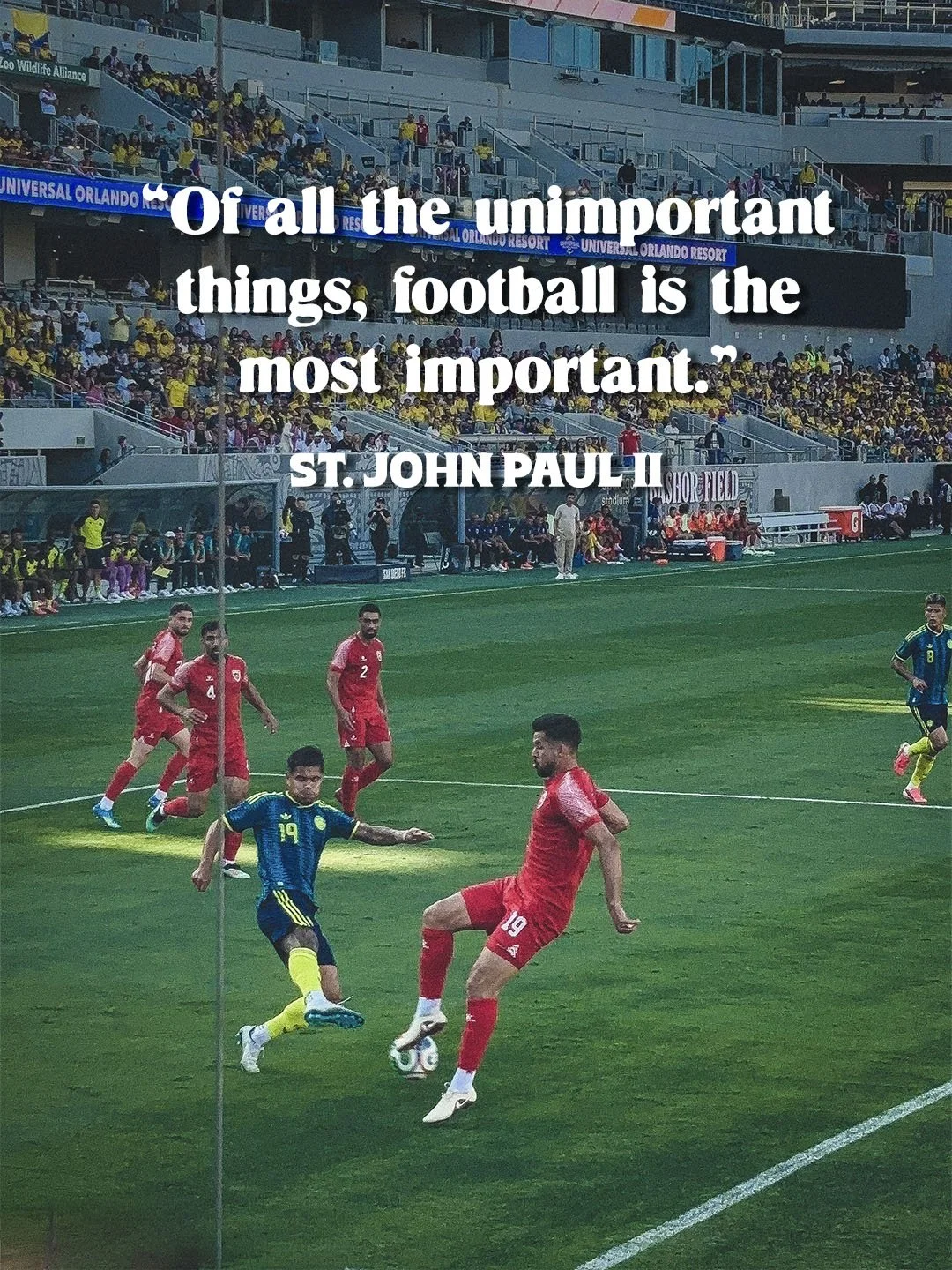
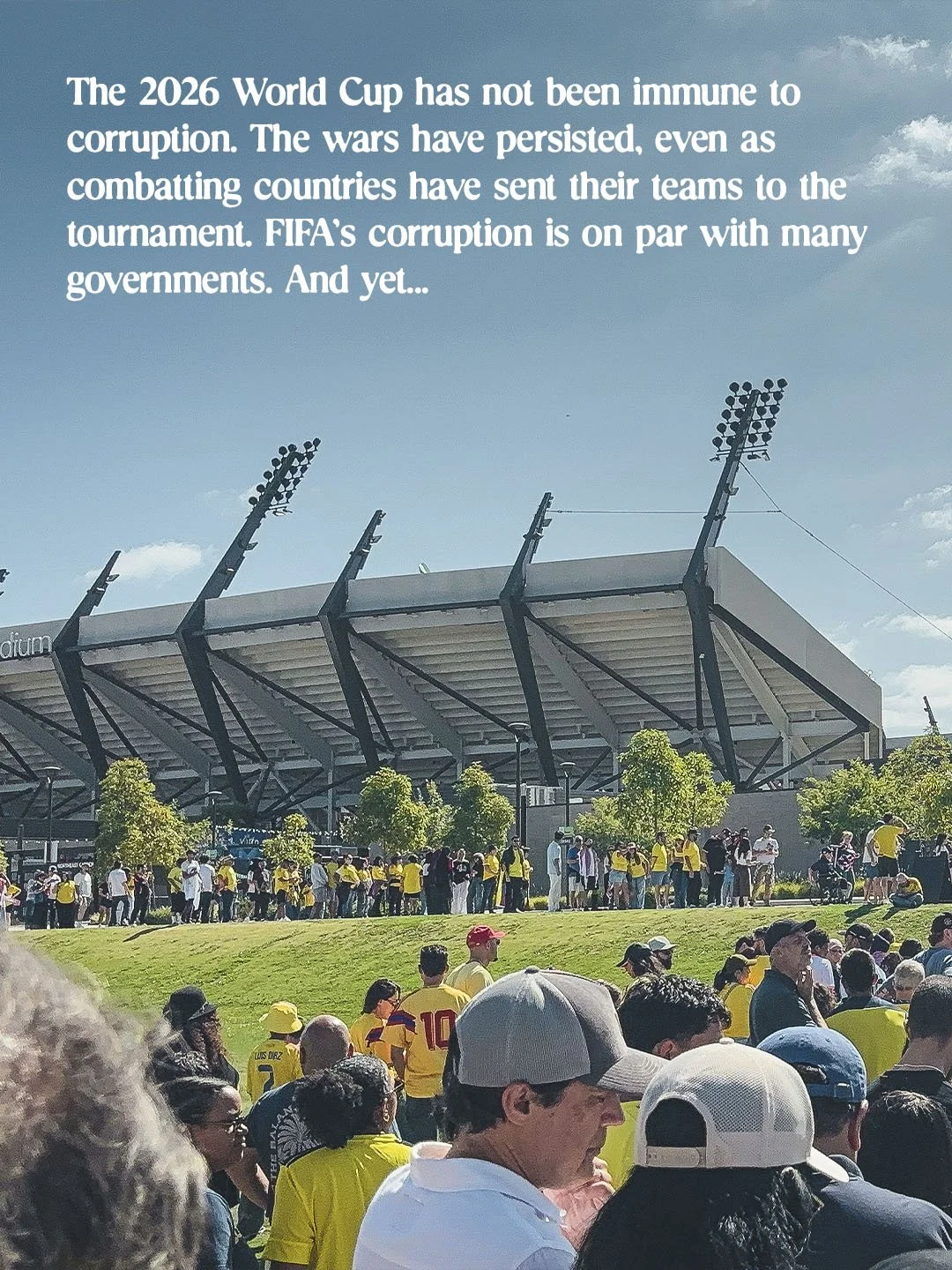
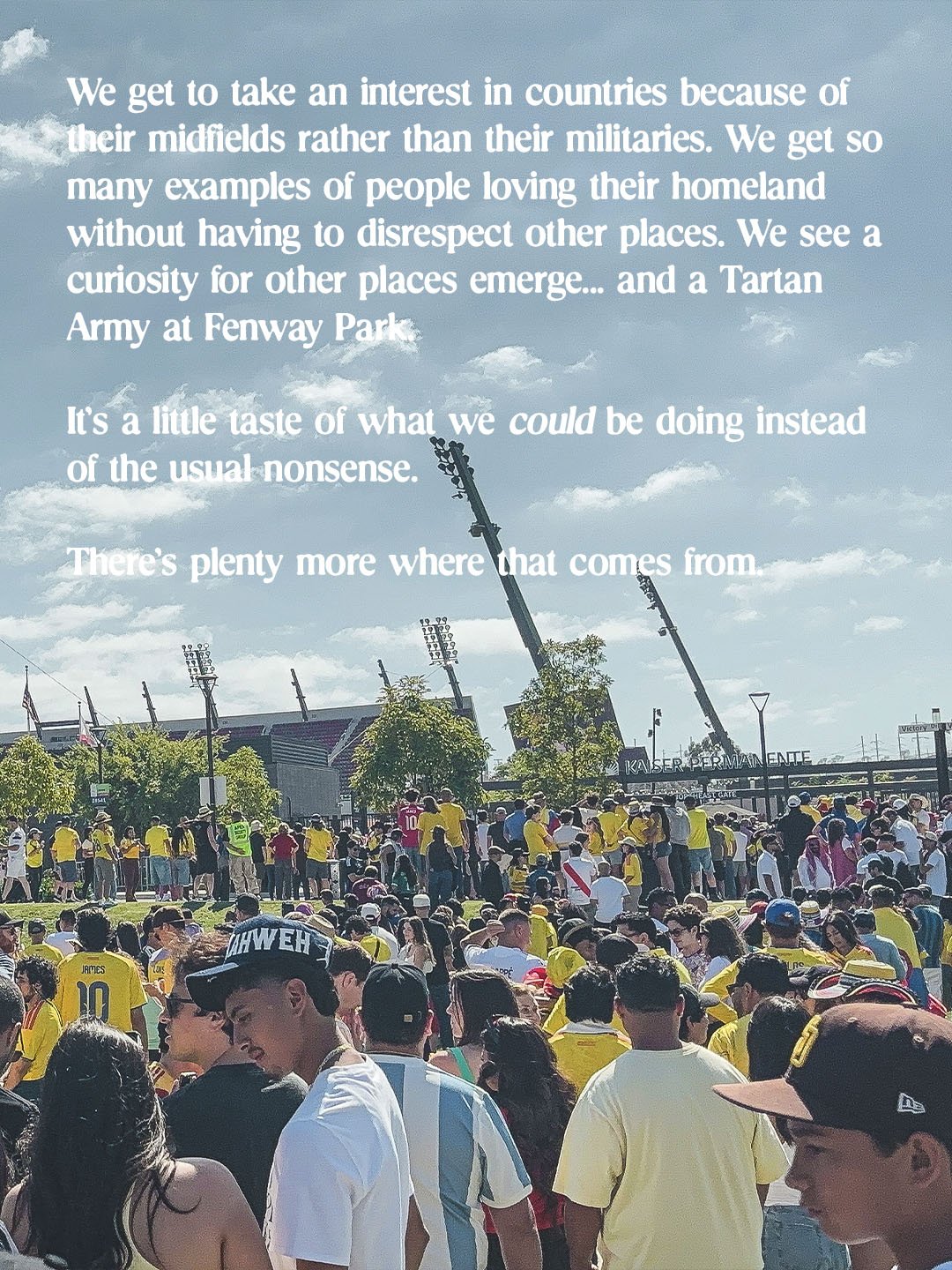
I had a friend lament to me about how it can be hard to enjoy the World Cup knowing how much corruption is behind it and how it’s often a proxy to the world’s conflict and drama.
And he’s not wrong… FIFA can be a mob boss in its own right.
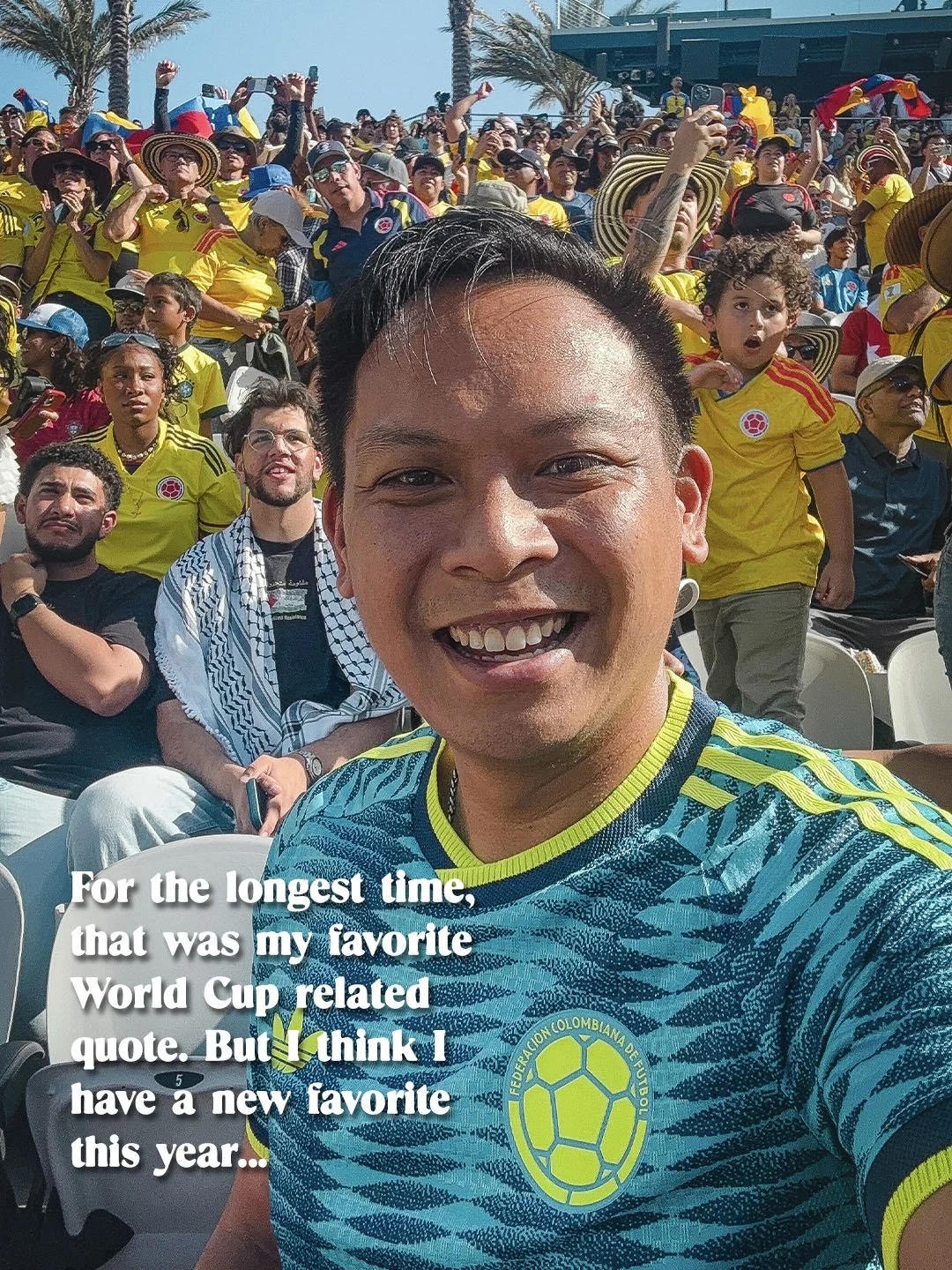
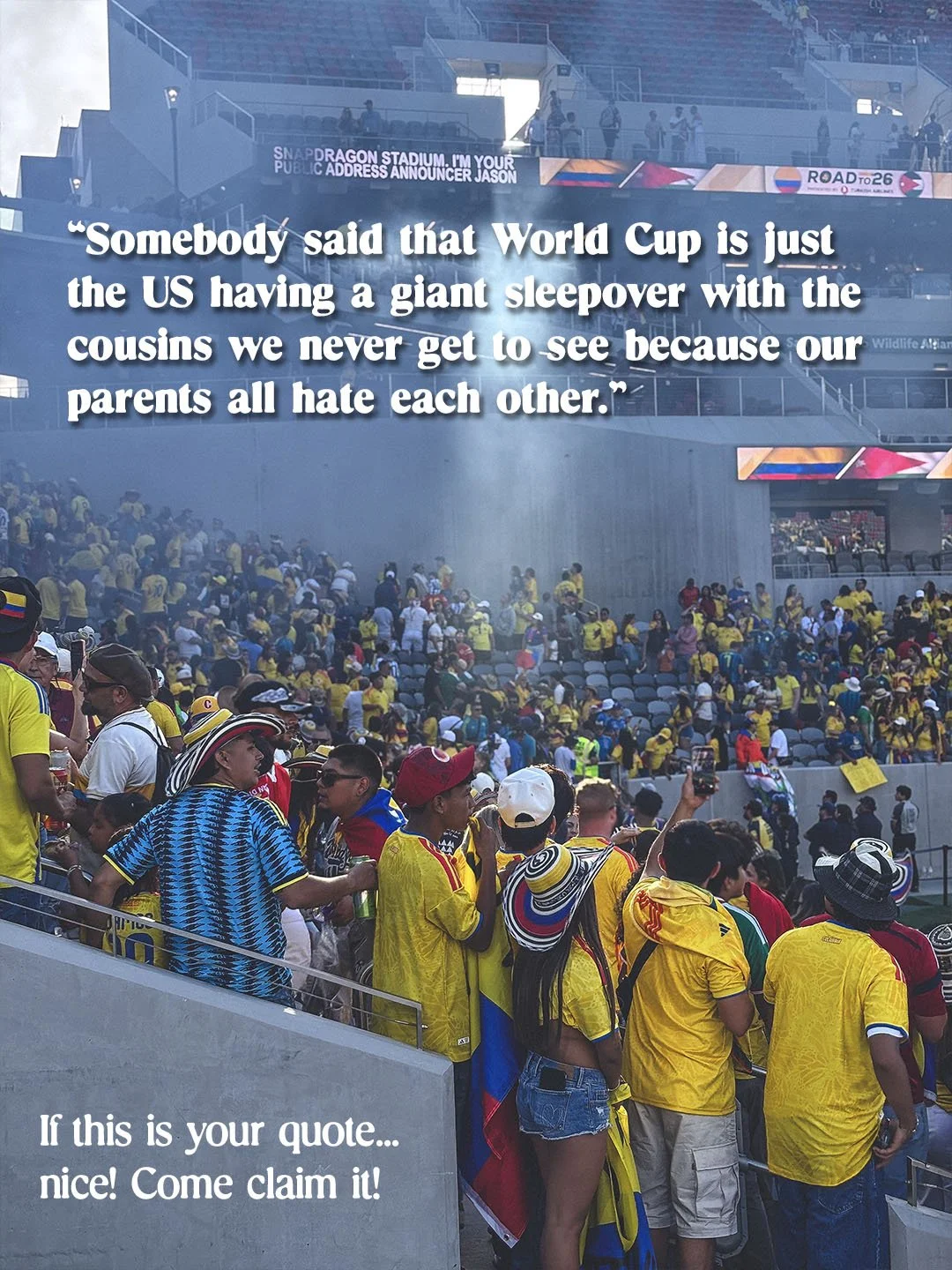
But also, I think of all the joy I’ve seen from the Mexico side this summer, their bromance with Korea… the time my entire hostel in Taipei got up at the same time (2 AM!) to walk in unison to a plaza for the 2014 final, hearing my Scottish roommate shouting DO YOU FEEL THE MAGIC… or taking my kid to the Colombia-Jordan friendly this summer and seeing him actually get into it…
Then there’s the Nordic rowers, the Tartan Army at Red Sox games, Cabo Verde becoming the world’s darlings…
…and I think it’s kinda cool that all the concentrated forces of corruption can’t extinguish that.
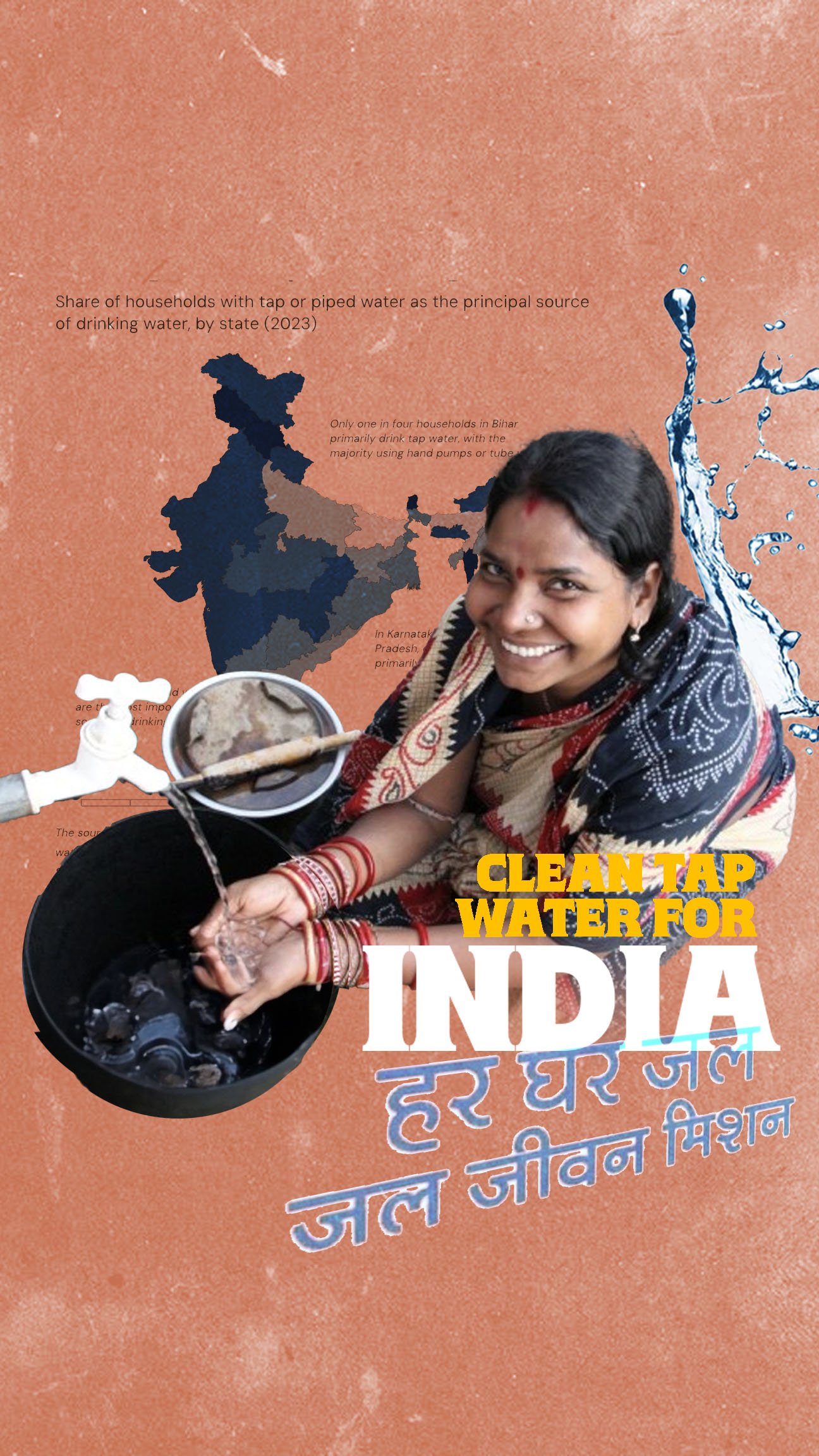
India, 2019: 17% of rural households have clean tap water
India, 2025: 81% of rural households have clean tap water
The idea of a beluga living in a river seems pretty wild, but they’re one of the signature species of Quebec.
Do you remember going over to a friend’s house, going there, and discovering that this friend of yours had way stricter parents than yours?
Maybe you caught a glimpse of their chore chart posted on the refrigerator, and noticed that it was enough responsibility for a full-time job description that should have benefits.
Maybe their family was one that would actually publish their rules and regulations and you noticed all the minor infractions that could get you into trouble.
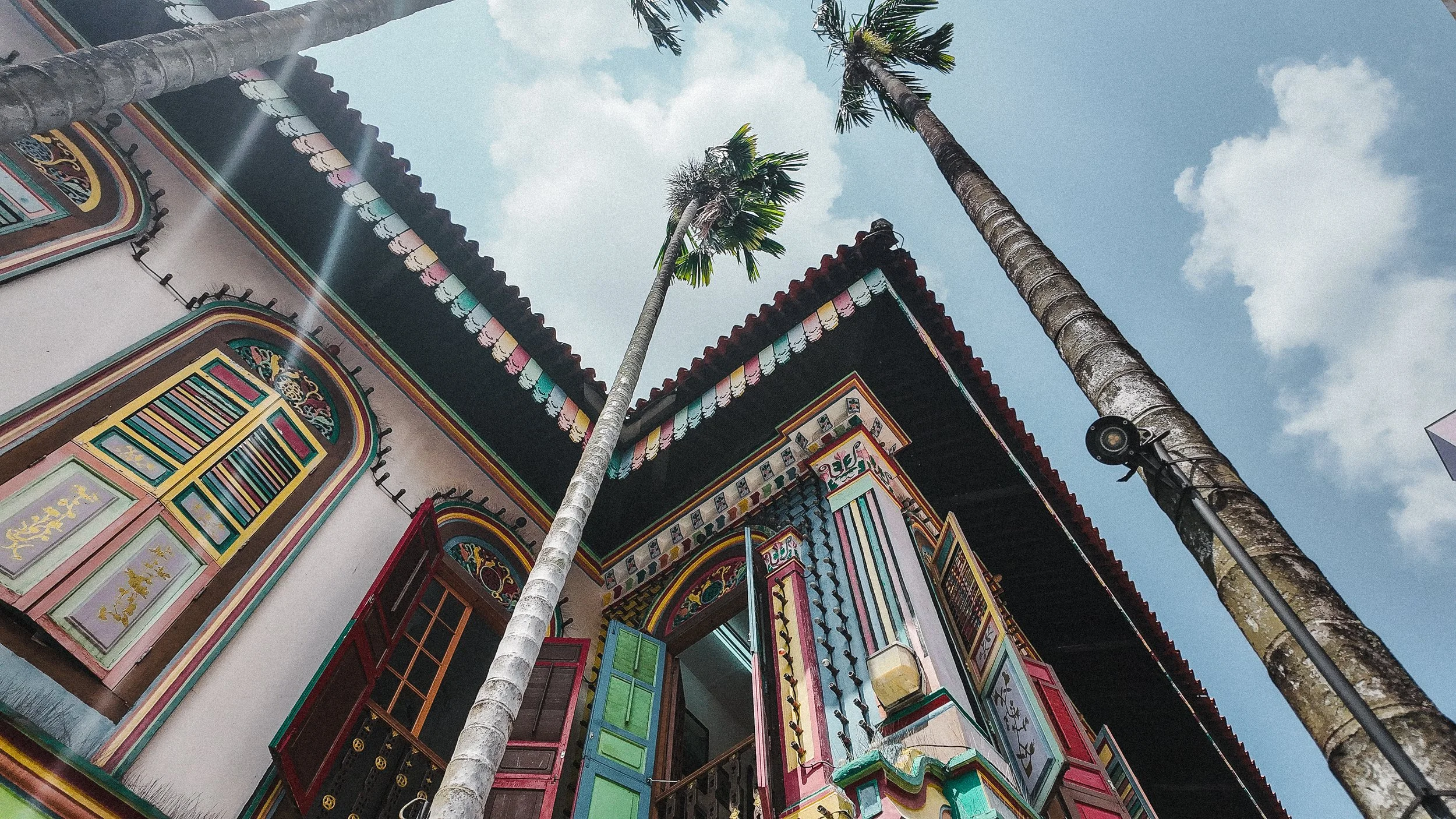
Or maybe you actually caught them in the act of doing something wrong. Something that wouldn’t even be noticed in many households. Except in their particular household it was something that must be dealt with by the strict hammer of the law.
Anyways, there’s always an odd feeling when you go over to a friend’s house and discover that they have extremely strict parents. You start second guessing everything. Does your status as a visitor give you any sort of protection? Are you also subject to this authoritarian state? Best to play it safe!
That’s a little bit how I felt upon arrival in Singapore.
The country has a bit of a reputation for strictness.
There’s a well publicized ban on chewing gum in public. Public urination can result in caning. No eating or drinking on public transit, and certainly no noise or alcohol after 10:00 PM.
To drive home the point, it seemed like everywhere I went in Singapore, there was a camera looking back at me. I felt like my visit was being livestreamed somewhere.
But I was excited to be there.
Despite its high standards of proper behavior, Singaporeans tend to love living there. It ranks as the third happiest city in the world. And since it’s a city that’s kind of a country, it also ranks as the second “least miserable economy” according to Johns Hopkins.
(This is apparently different from the World Happiness Report’s ranking of happiest countries, though I’m not sure how they differ. Either way, Singaporeans live a good life.)
Maybe it’s a bit like how your friend with those strict parents is actually well-adjusted and performs well in school. There are other people in class who could probably use strict parents like that, as your friend seems to get good grades and stays out of trouble all on his own.
Singaporeans enjoy a high quality of life. And apparently, much of that unfolds under surveillance cameras.
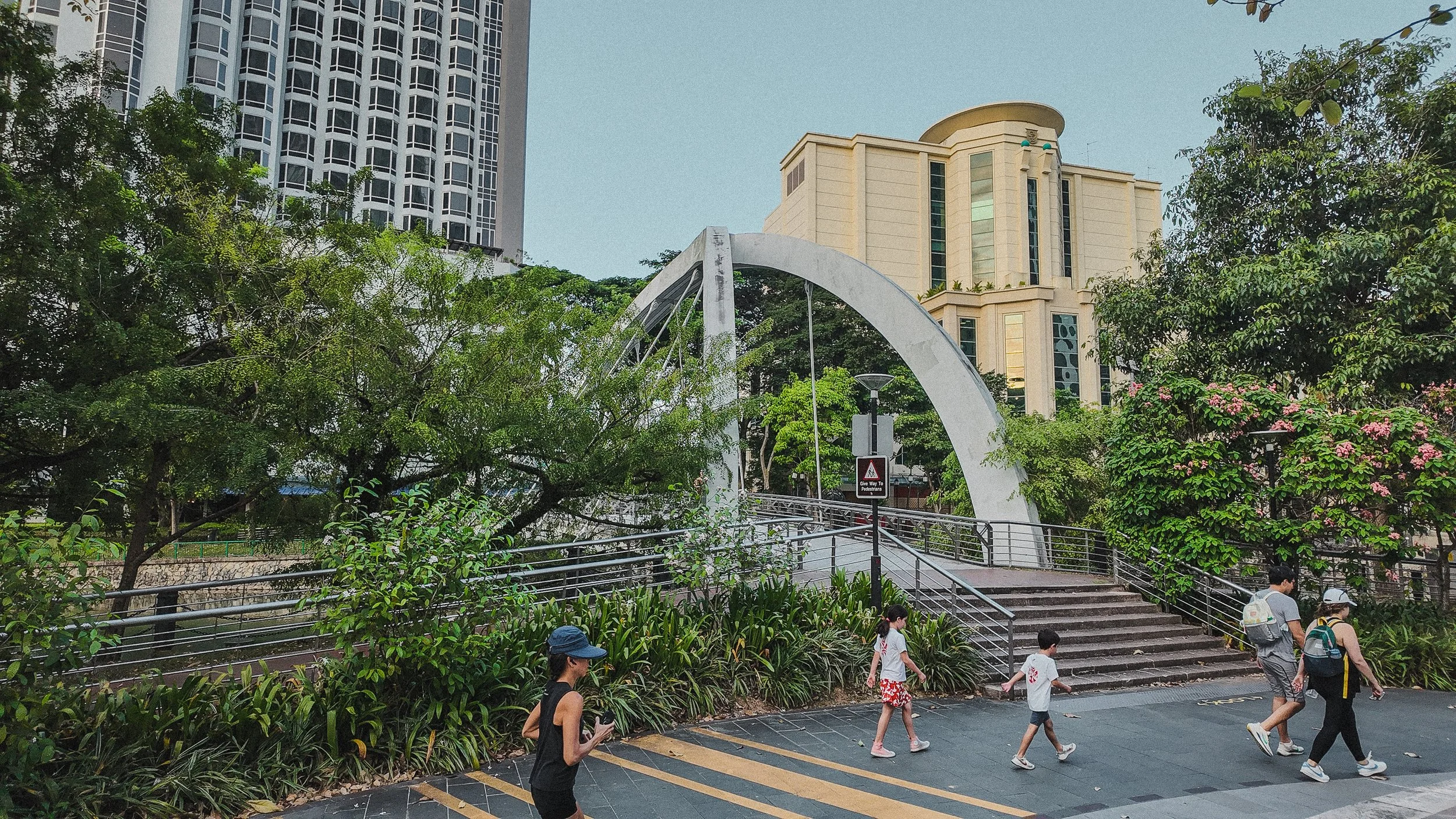
Being out and about on the streets of Singapore’s Chinatown made me do a lot of head-turning.
Oh look, another camera.
And a good looking tea shop! Let’s head over there!
Wait, another camera.
Where’s the proper crosswalk?
Singapore owes its status as a major Asian metropolis to its key positioning as a trading port. British and Dutch ships came to do business. Chinese and Indian businesspeople also arrived. The ethnic of identity was shaped by many, many influences.
Singapore today bears the fingerprints of all these different influences. You’ll find Buddhist temples next to Shinto shrines. Curries and noodle dishes and a love for toast with coffee. The melange has shaped its architecture, linguistic diversity, and oh yeah, its cuisine.
I showed up ready to eat.
I was vaguely familiar with some of Singapore’s greatest hits. Chili Crab. Mee Curry. Laksa Soup. And I was ready to discover more. Especially the street food.
In Southeast Asia especially, there’s a romanticization of street food. And it’s an earned romanticization! My one reminder is that it only becomes an issue when it starts to reinforce this idea that the very best French foods will be found in starred restaurants while the very best Thai foods come from a cart. Check that assumption.
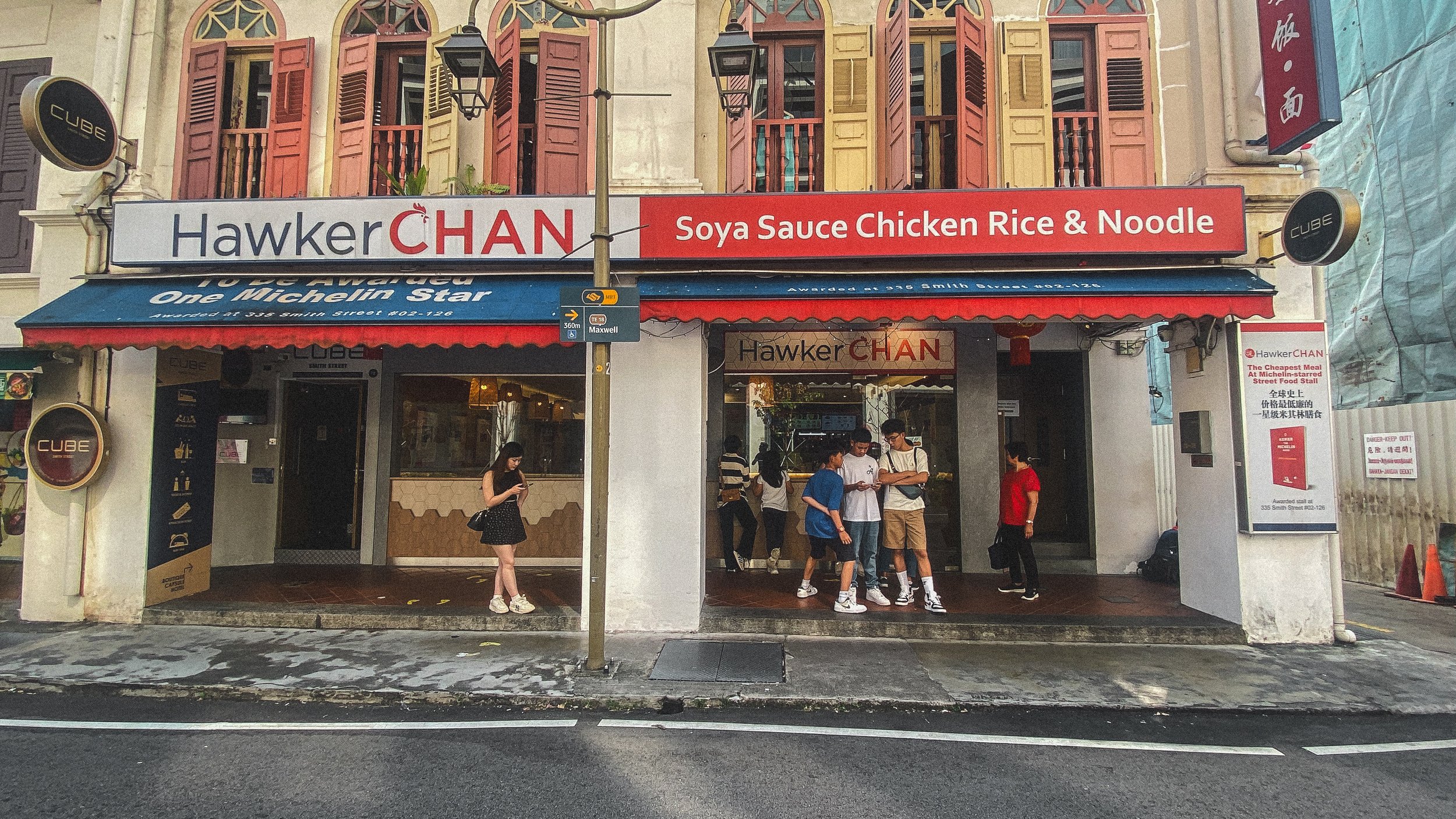
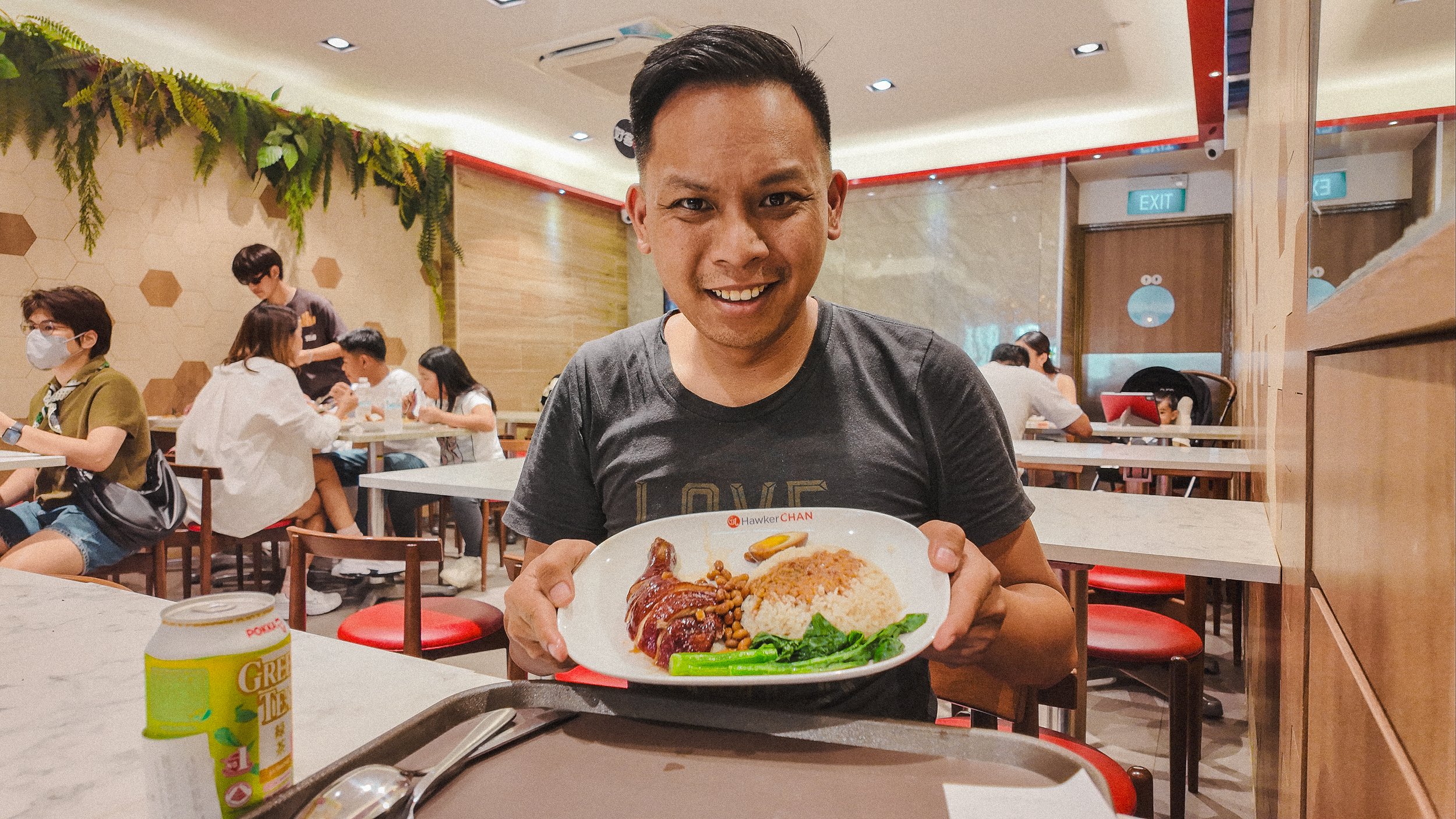
You can’t deny that there is a legacy status to the street foods of Singapore, perhaps best observed by Hawker Chan. The soya chicken stall earned a Michelin Star, becoming the cheapest Michelin Starred meal in the world.
I stopped by the Hawker Chan spot, by the way, which has graduated from a small stall to a walled diner, losing the Michelin Star shortly after. The soya chicken remains incredible.
Singapore’s street food has a very organic beginning. When you had traders from all around the world coming in and out of the ports, hubs of activity and business started to emerge. Not only did you have centers of heavy foot traffic, you had people who were away from their home countries longing for some more familiar tastes.
Cue the custard buns. Soups. Curries. Noodle dishes.
People started selling these out of carts pulled on the street because the demand was there. It made sense, and it made a lot of people happy.
But in the 1970s, Singapore was going through something. A fast paced period of industrialization began. The island was going to go from its village-lifestyle to a modern, urban hub full of high-rise flats and high-paying jobs. It was an economic growth spurt seen by very few other places in the world. And as the country began to push towards modernization, it also became more concerned with regulation and public health.
Specifically, the government began to worry about those street food vendors. Hawkers, as they’re locally known.The smells and messes that their goods might leave on public streets. The risk of sanitation and hygiene issues emerging. Something must be done.
A crackdown ensued, enforcing registration and a shift away from selling food on the street to operating in enclosed, highly-regulated food halls.
I suppose if I lived in an exciting and vibrant street food hub and rules like this were suddenly enforced, I’d probably be extremely skeptical.
I’d get nostalgic for that auntie with the secret sauce on my route home from school. It’s just not gonna be the same.
I’d probably post about the lack of character that the new, sterile government food hubs suffer from.
But here’s the thing. In the case of Singapore, it worked.
On my first night in Singapore, I went out to the Maxwell Food Center. It was one of the most highly regarded hawker halls.
I found numerous stalls, all next to each other. Literally all of them looked delicious.
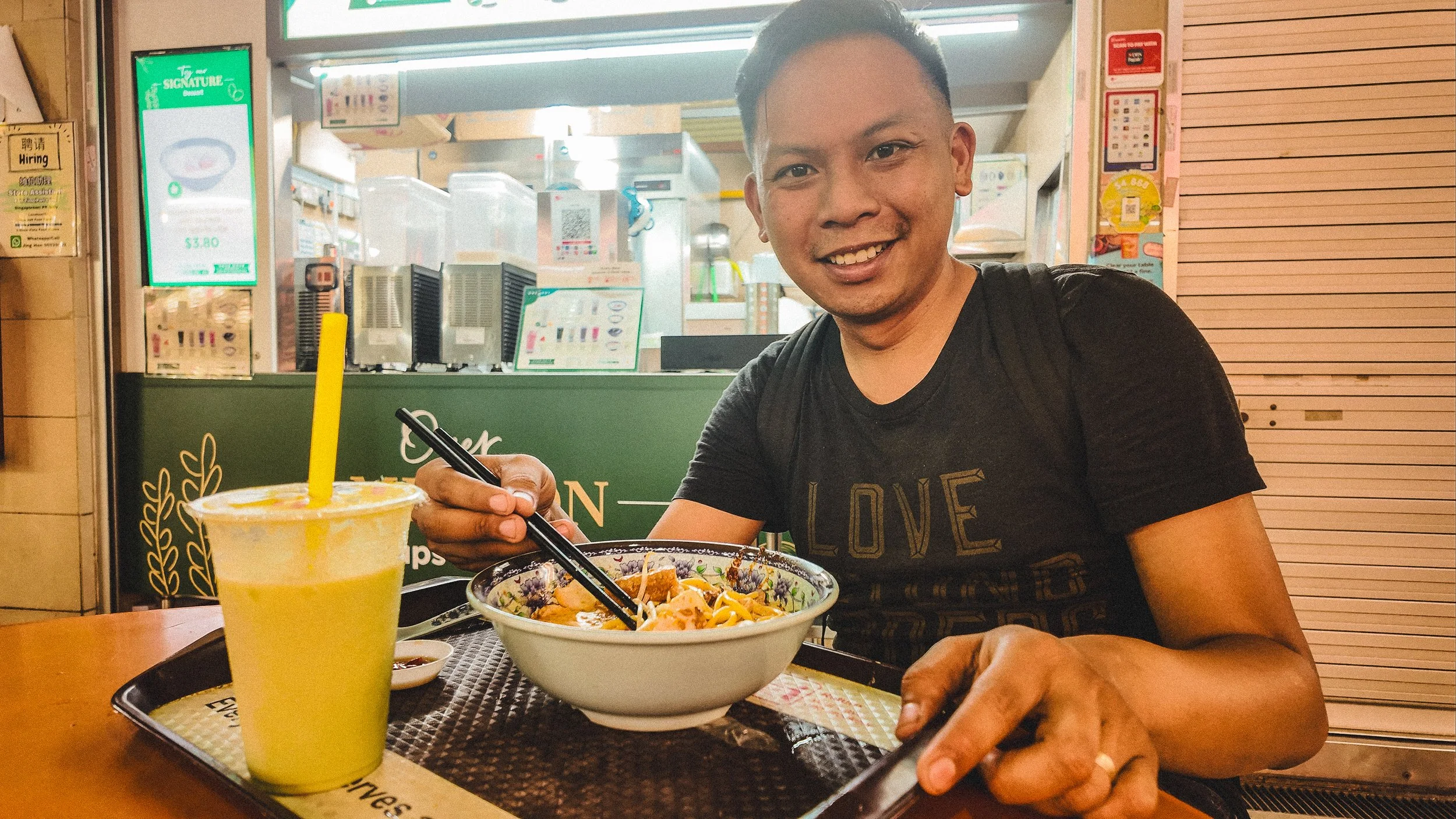
There was some menu redundancy. Multiple places to get sugar cane juice. Char siu. Laksa. Chili crab. Fish curry. I tried to employ a strategy of small bites and a wide spread in order to try it all.
Most stalls had a line; a good sign. Thankfully there were enough of them that the crowds were well distributed and things moved quickly. I started with a cendol to drink, which was just the right thing in such hot weather. But then, I pivoted to a hot soup. Boat noodle. No regrets, that was still good.
Each meal was flavorful, and it was clear that it came from somewhere. Each stall seemed to contain two people, often an older couple, who seemed completely locked into a flow state of chopping and frying.
It started to become more apparent how the hawker culture of Singapore survived and came alive, even as street food was taken off the street. There was a cooperative nature towards the transition. Even though vendors offering very similar menus would seem like competitors, they also all functioned as part of the same magnificent offering. A night at a Hawker Center.
I learned that there was a sense of pride that many hawkers brought to their work. Many were second or third generation operators, carrying on a family recipe. This business was an act of legacy. And it was amazing. My night at the hawker stall turned out to be one of the tastiest nights of my life.
Here’s the thing.
Strict authoritarian parenthood doesn’t always work. When it’s done out of a need to control and a fear of the unknown, it can backfire and create a sense of rebellion. But when there’s love as a guiding force? That’s a different story. It can still be messy, but love wins.
This isn’t a perfect, parallel analogy. But I can say that there was something of love and pride and inheritance behind many hawkers’ offerings, along with spice and salt. There was a sense of being part of something. And that made for a fun, delicious night out in Singapore.

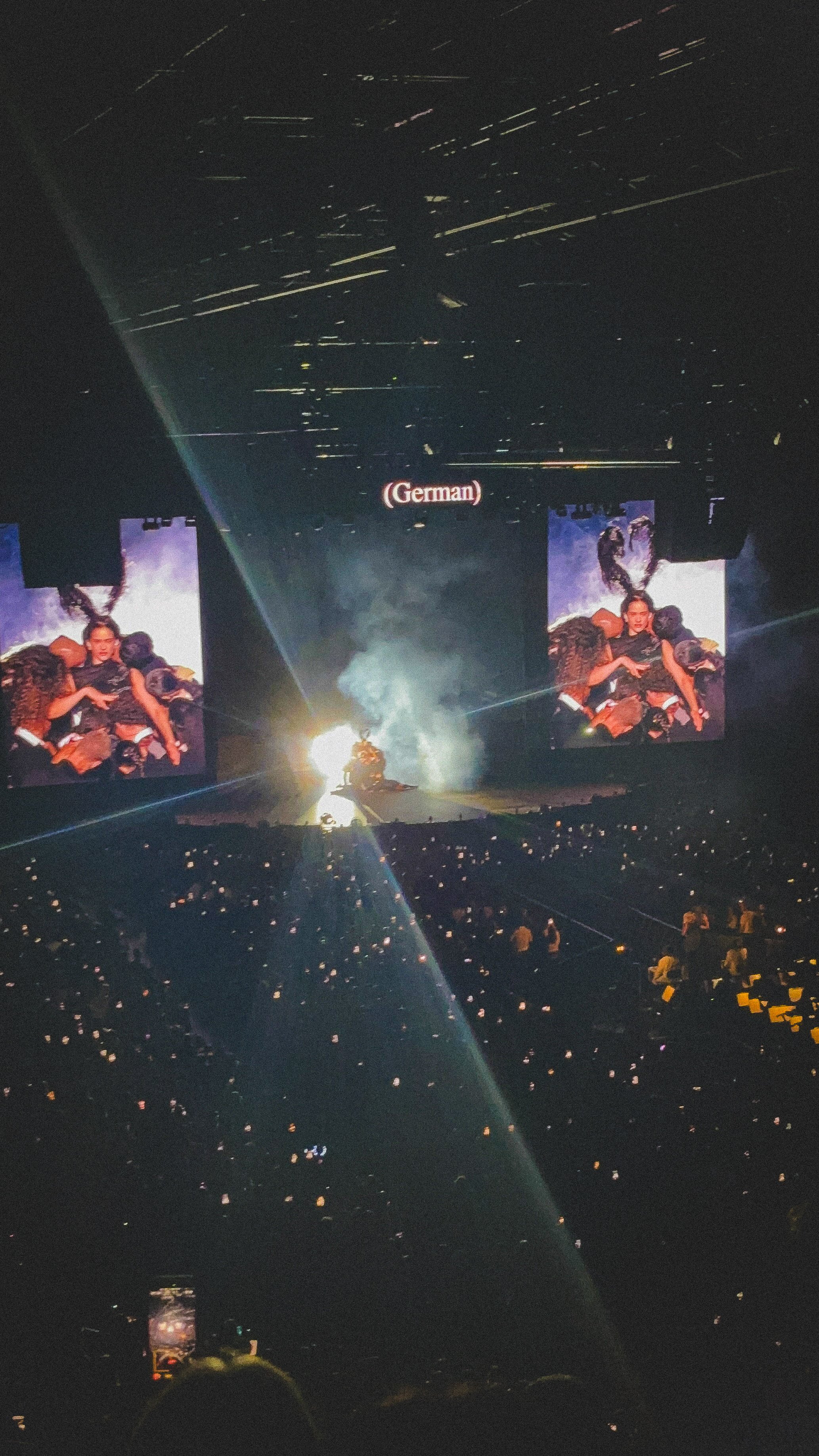
Got to see Rosalía’s tour over the weekend. Unbelievable performance. One of the richest, most ambitious albums released in a long time.

Ego sum nil
Ego sum lux mundi
This show was truly one of the best performances and works of art I’ve seen. Very few artists succeed at getting reverence and devotion to coexist alongside raw honesty like that. Loved getting to see the mystic alongside the motomami. Left wanting to put even more soul into my work.


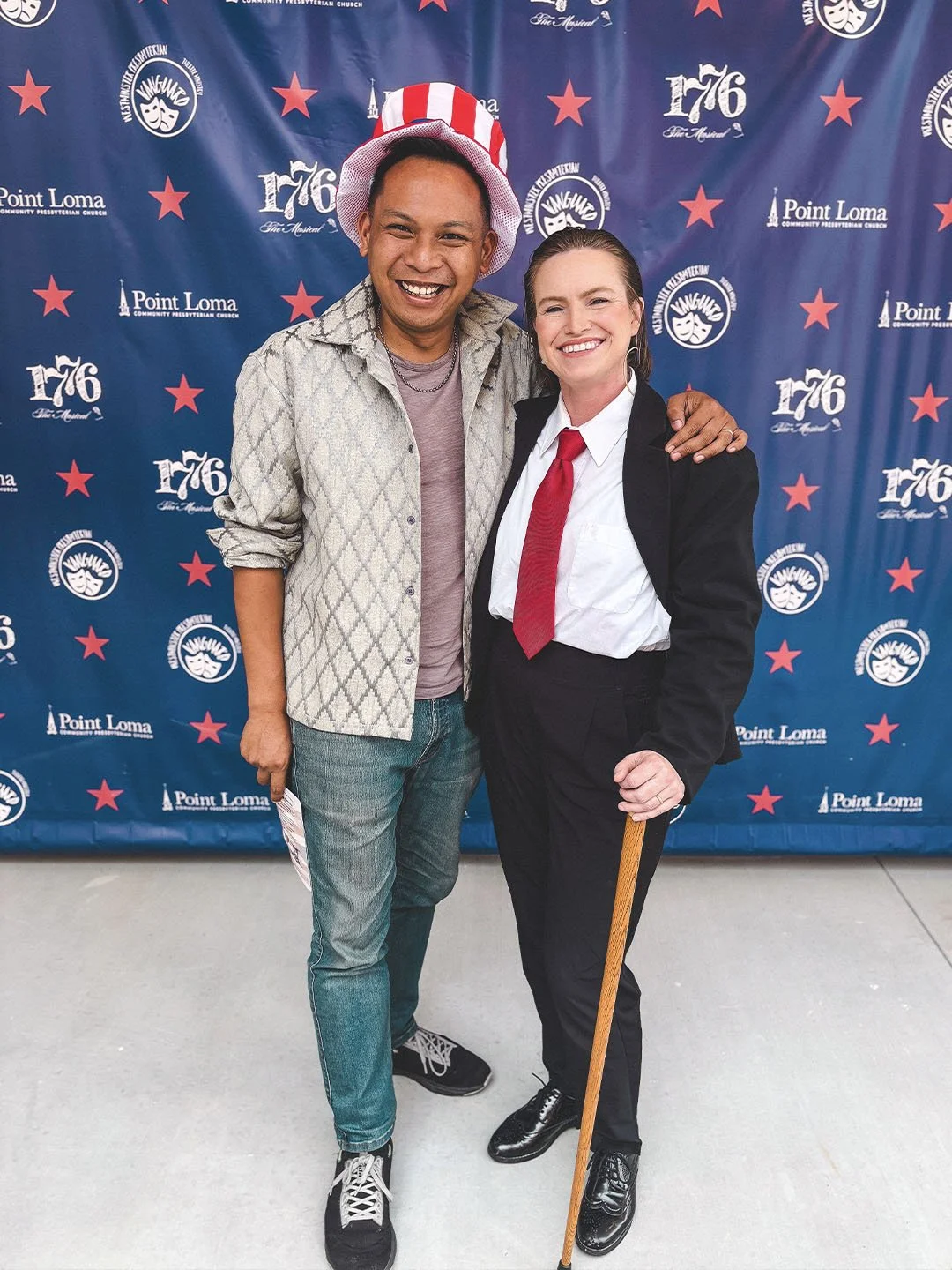
Apparently I’m married to a Cool, Cool Conservative Man… never thought I’d say that sentence!
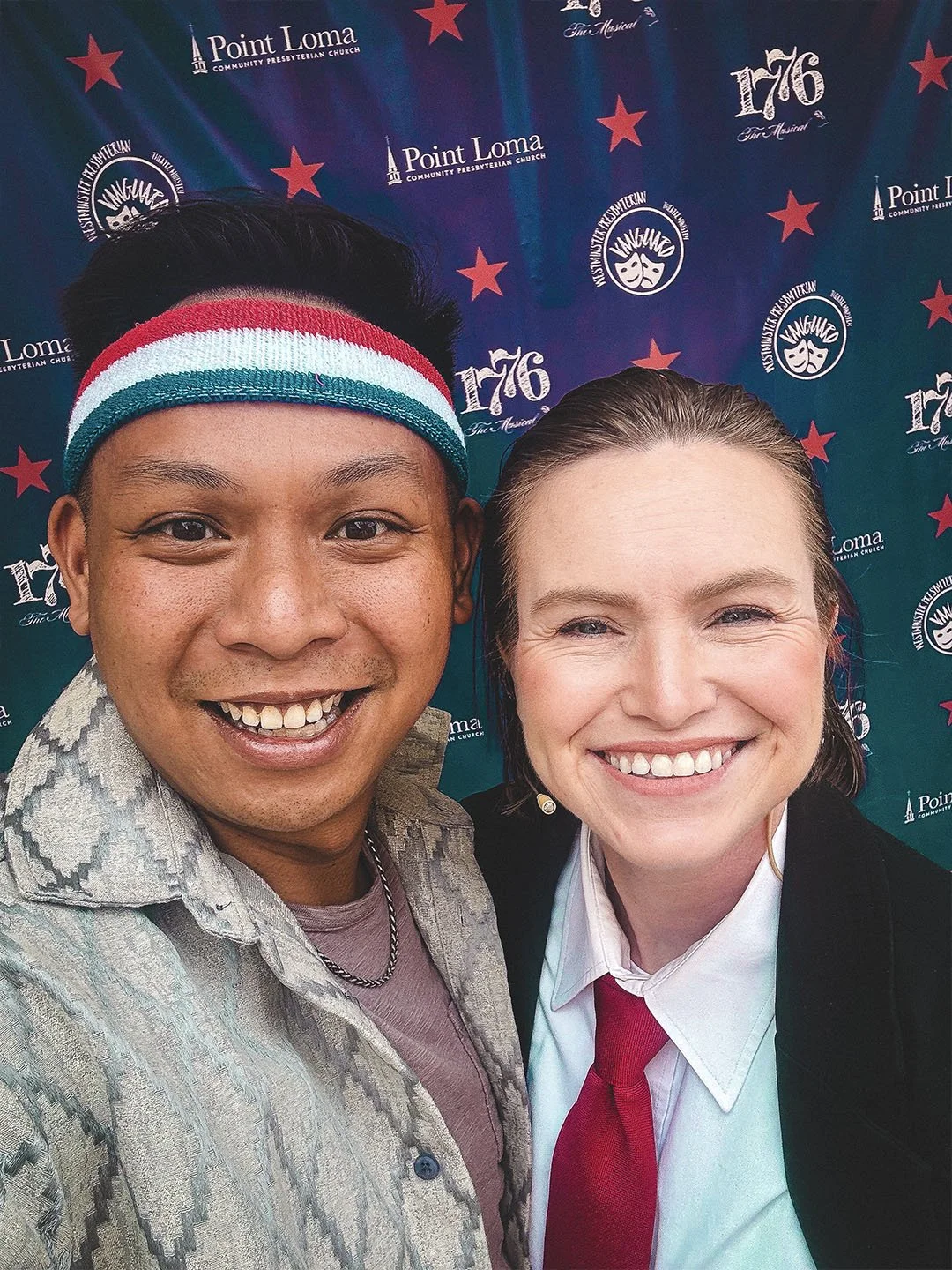
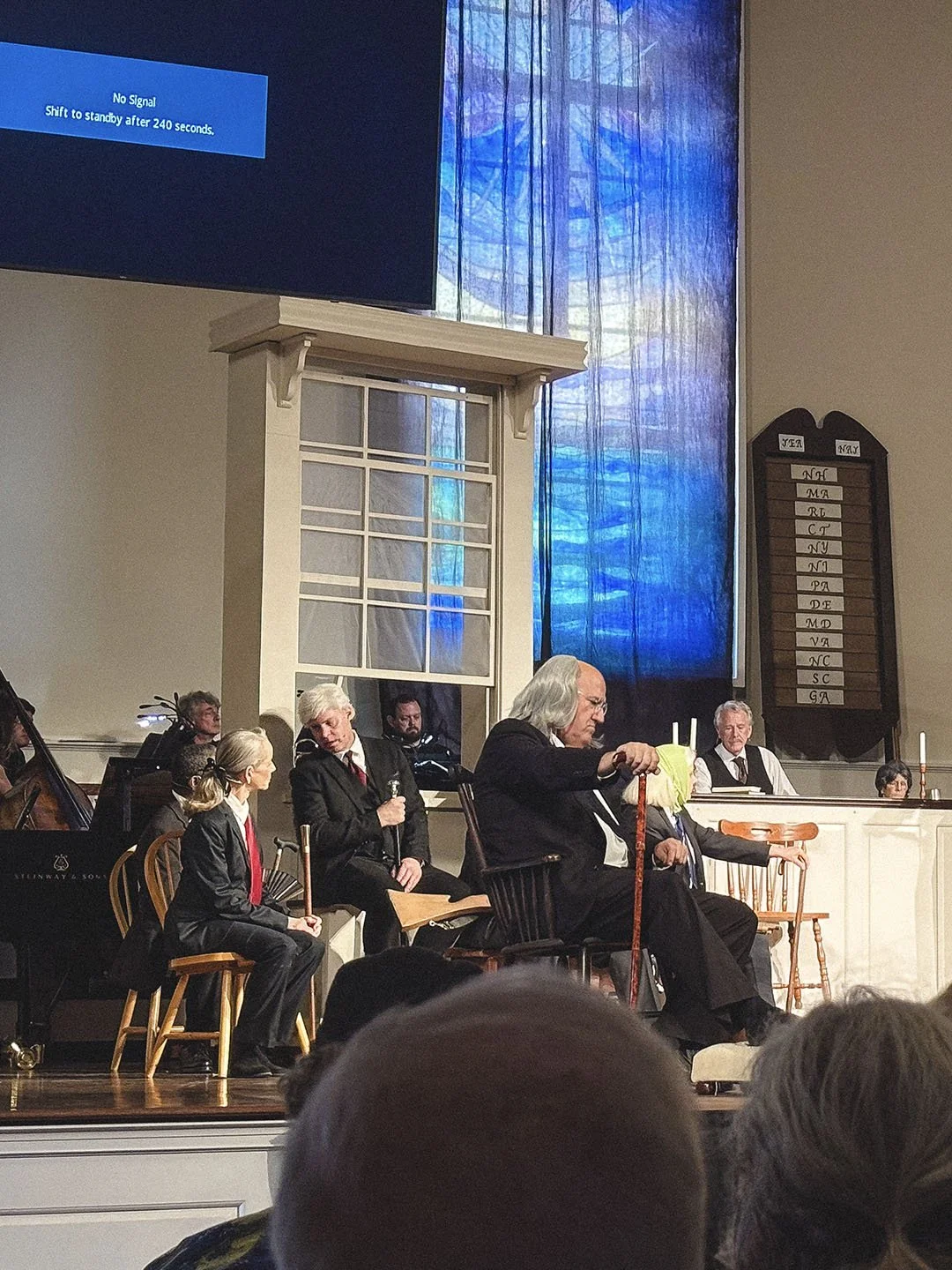
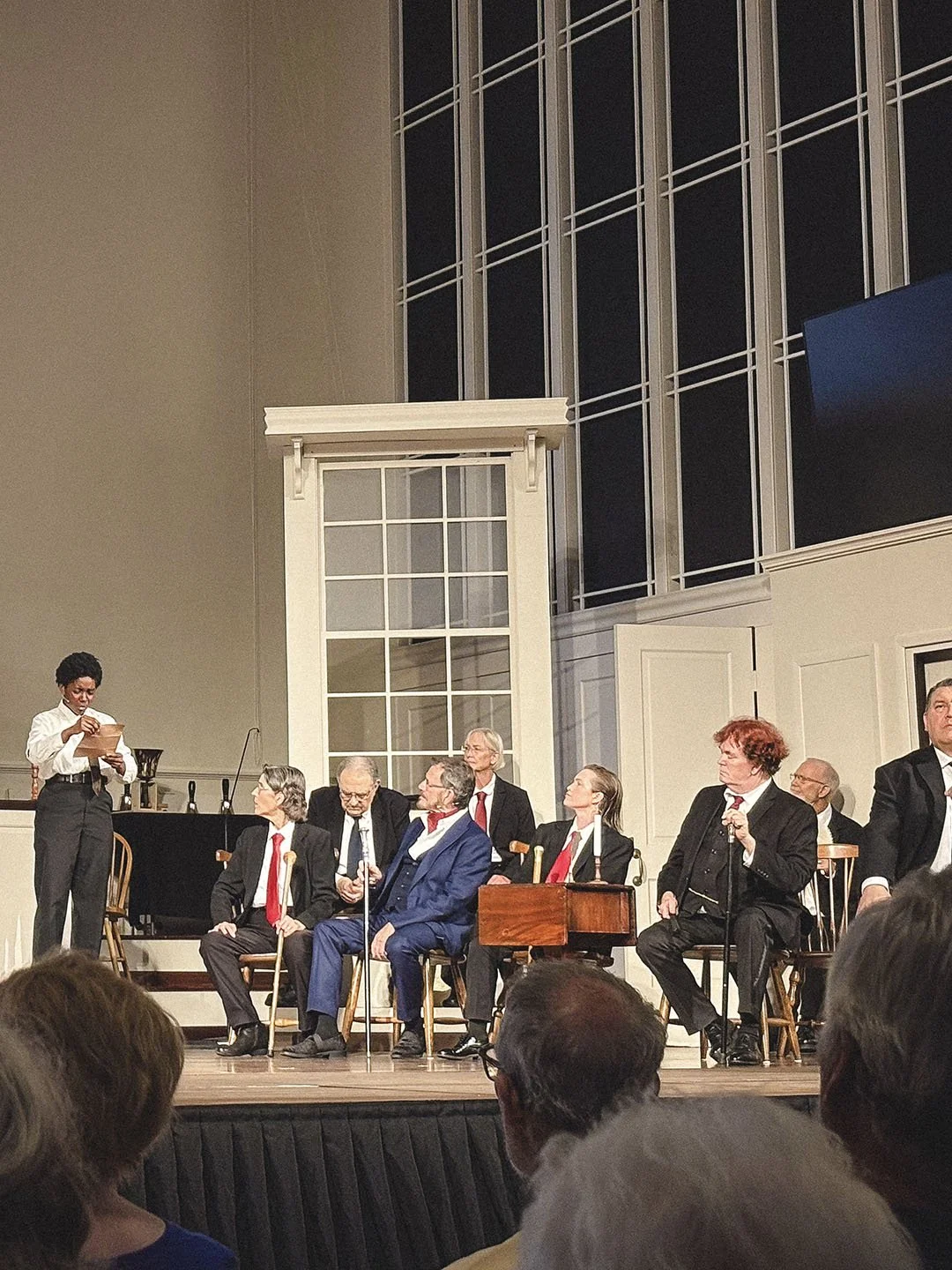
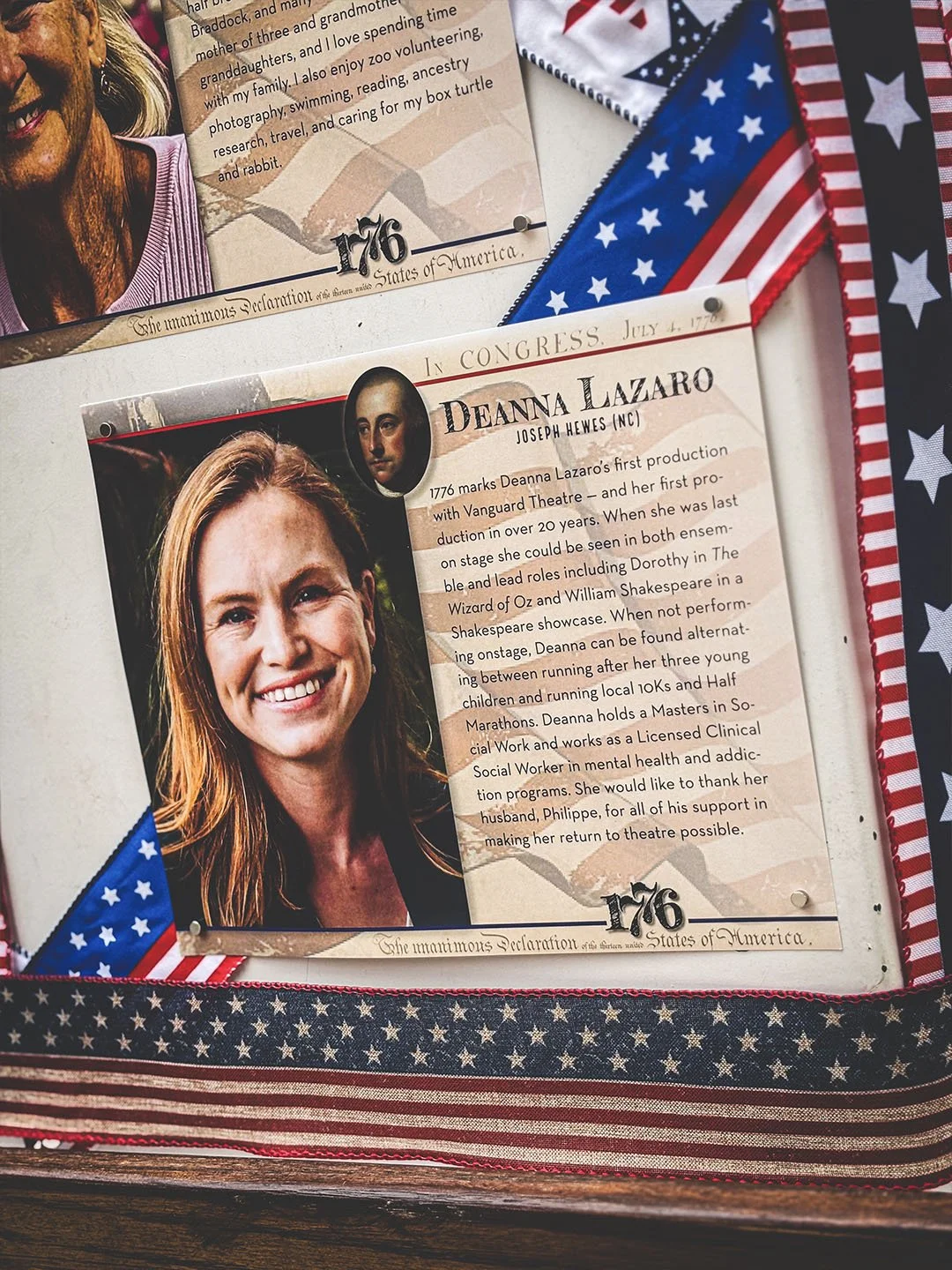
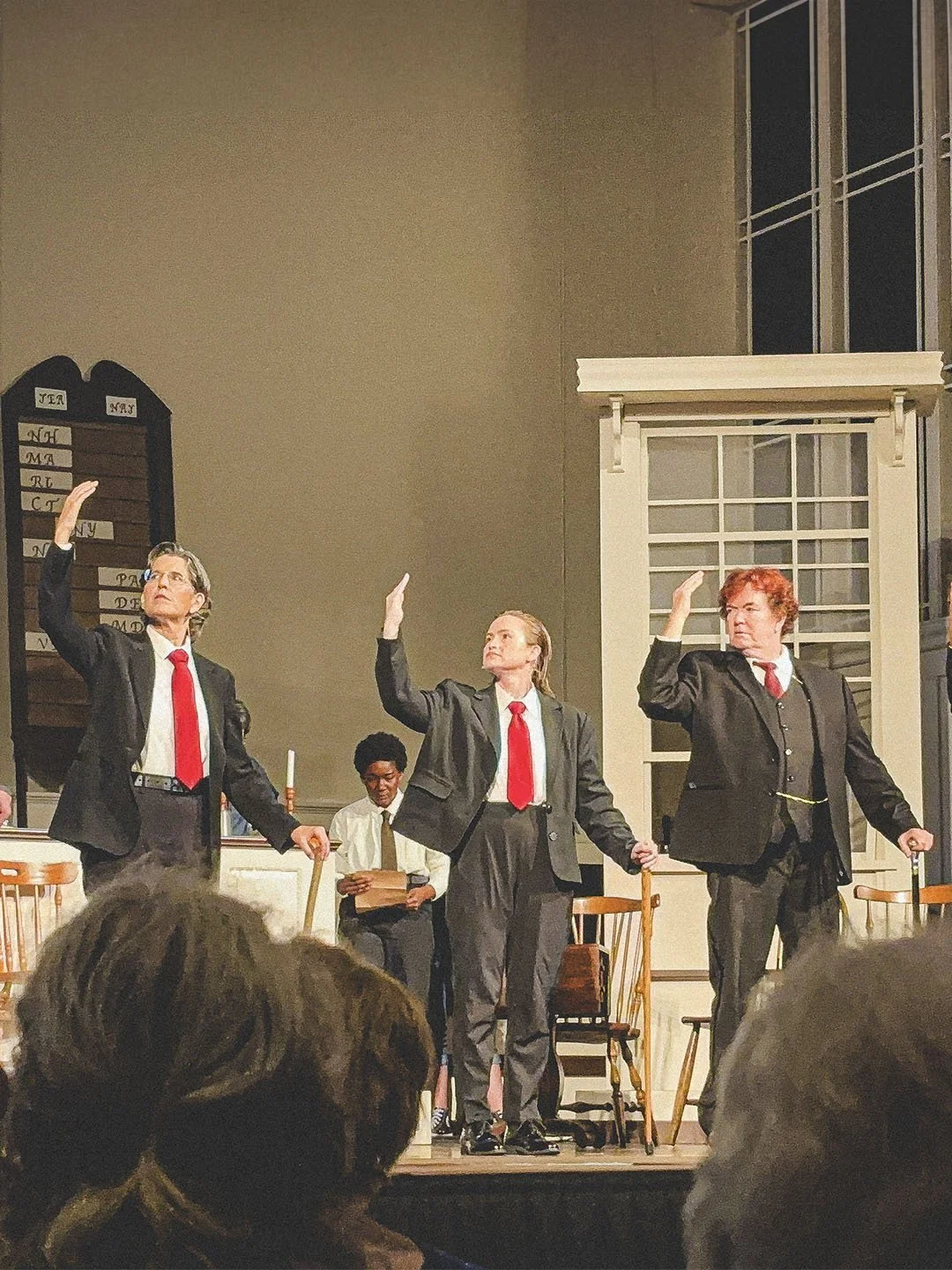
Don’t miss Deanna as Declaration of Independence signer Joseph Hewes from North Carolina in 1776!
Fun Fact: This musical is why Shawn, Cory, and Topanga went to John Adams High School in Boy Meets World.
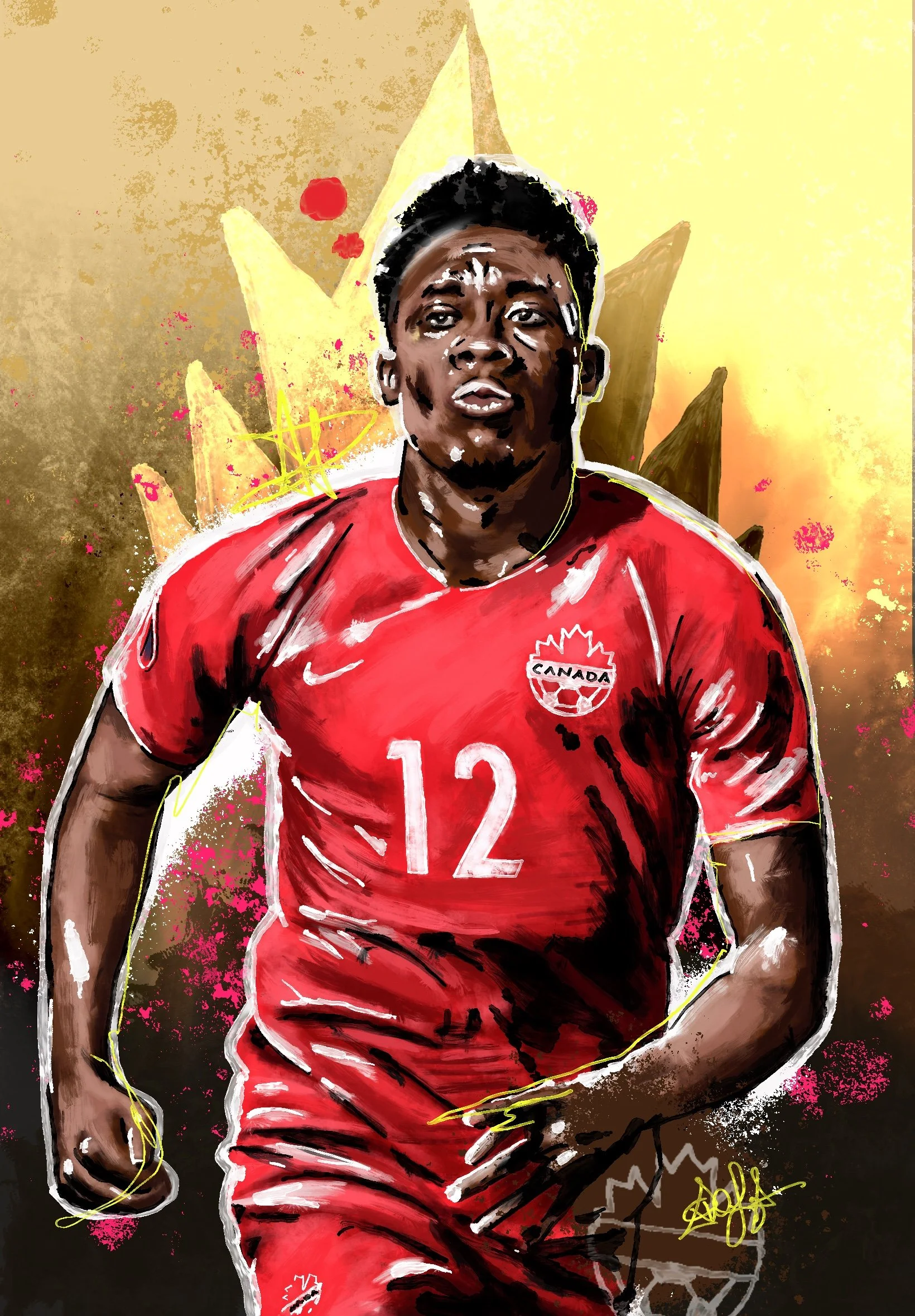
On to the Round of 16! Alphonso Davies has been one of my faves for a while, so I’m hoping he’s well enough to get his minutes today. My four year old daughter has adopted Canada as her team, referring to them as Team Quebec after our trip to Le Province last year.
Morocco is not easily taken down. Whichever way this goes for Canada, I think they get to be proud of their 2026 showing.
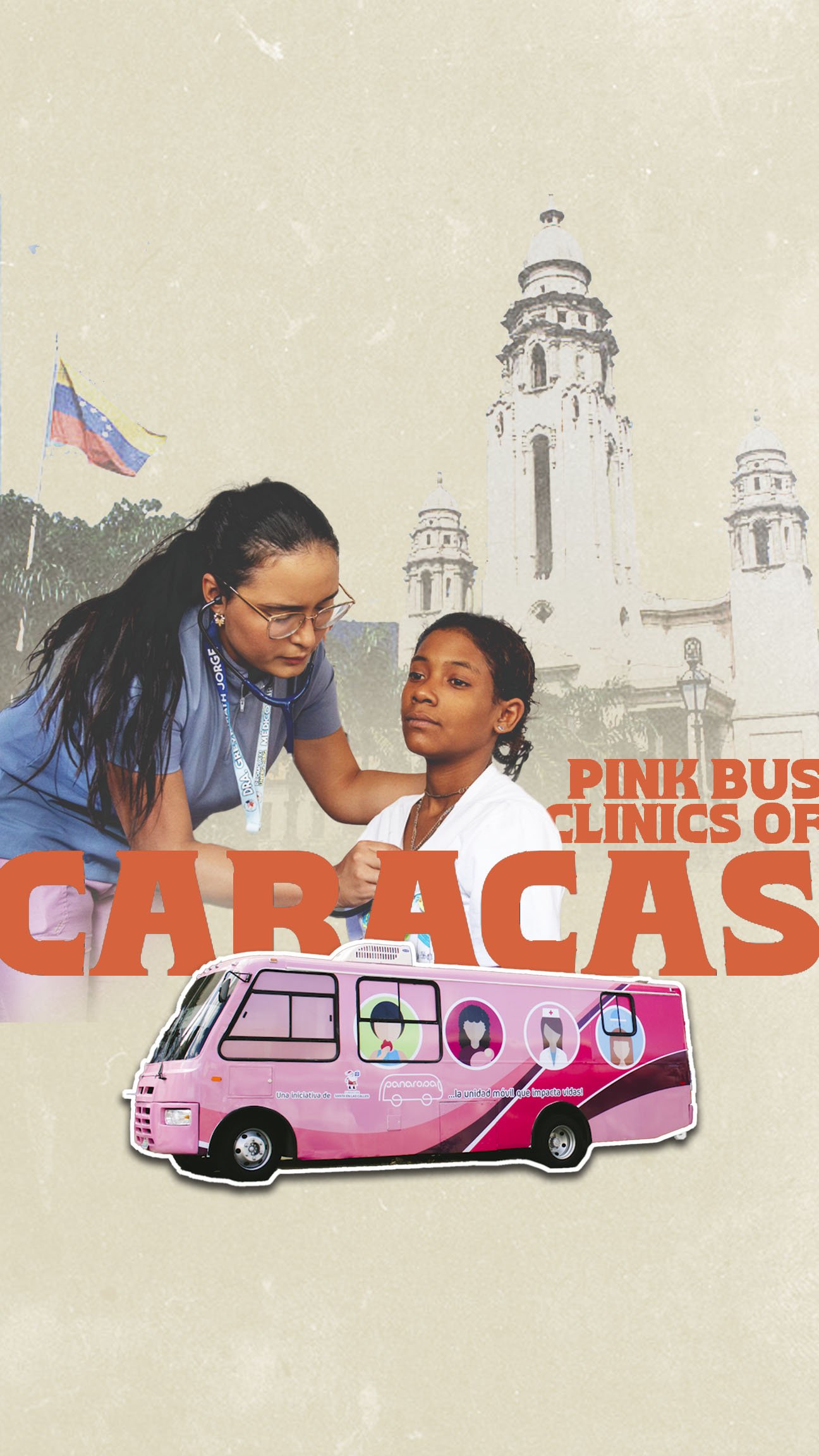
The "pink bus" of Caracas provides free reproductive, gynecological, and mammogram healthcare to vulnerable and homeless women. These initiatives bring vital medical services directly to marginalized neighborhoods and street environments.
I prepped this video before the big earthquake the other week. Throughout the recovery efforts, la Fundación Santa en las Calles, the same organization that operates the pink bus immediately launched several relief efforts, including the collection of clothes, medicines, and other forms of aid.
Check out Santa en las Calles to see ways to support their efforts.
I love a good football explainer, especially right around World Cup time. Here’s a country that has a very low-ranked national team despite sending football talent all around the world. While Suriname just missed out on qualifying for 2026, Curaçao is in, with a somewhat similar case.
World Cups are inevitably awkward and full of political drama, and this year's is no exception. If anything, it's especially messy. But in my opinion, it's still a ways away from being history's most awkward.
There is another is widely considered the most "awkward" tournament in history due to a chaotic mix of frantic last-minute team withdrawals, a bizarre tournament format with no actual final match, and an eerily silent post-match atmosphere in a half-built stadium.
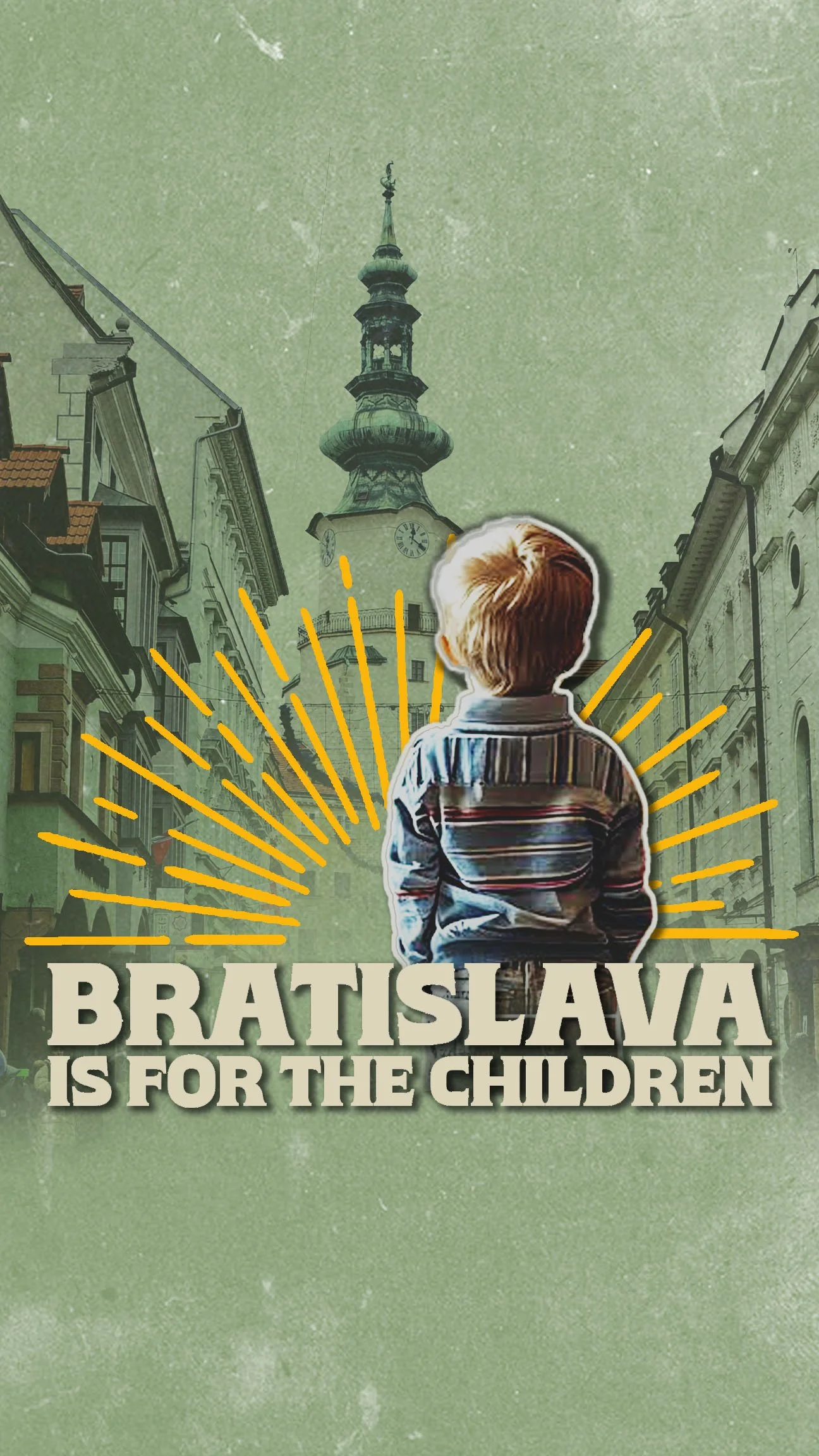
Build a city that works well for kids and you’ll build a city that works well for everyone. Case in point? Bratislava.